8 Native Georgia Plants That Support Fireflies From Spring To Summer
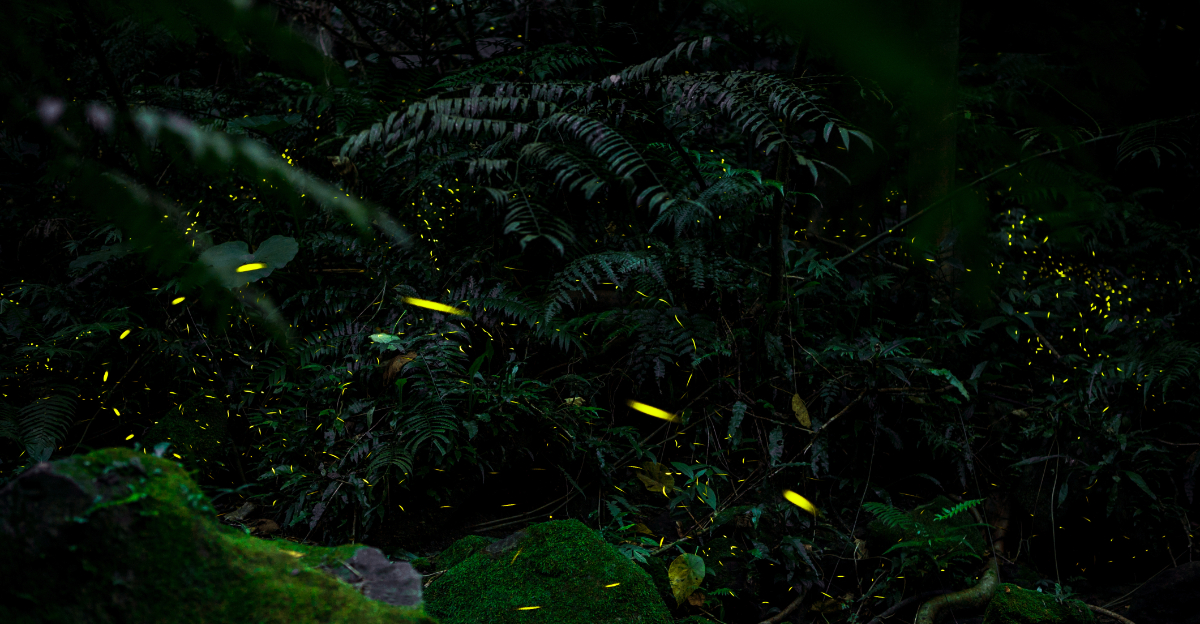
Fireflies used to feel like part of every Georgia summer night, yet now they seem to appear only in certain yards while others stay completely dark.
That quiet change becomes obvious once evenings get warm and you expect to see that soft glow return.
It is easy to assume it comes down to luck or location, but the way a yard is planted plays a bigger role than it seems at first. The space can look healthy during the day and still fail to attract any activity after sunset.
Some gardens create the right conditions without drawing attention to it, while others never quite reach that point even with plenty of plants in place.
That difference starts with what grows close to the ground and how the space supports life beyond what you see during the day.
1. Coral Honeysuckle Provides Cover And Supports Insect Activity
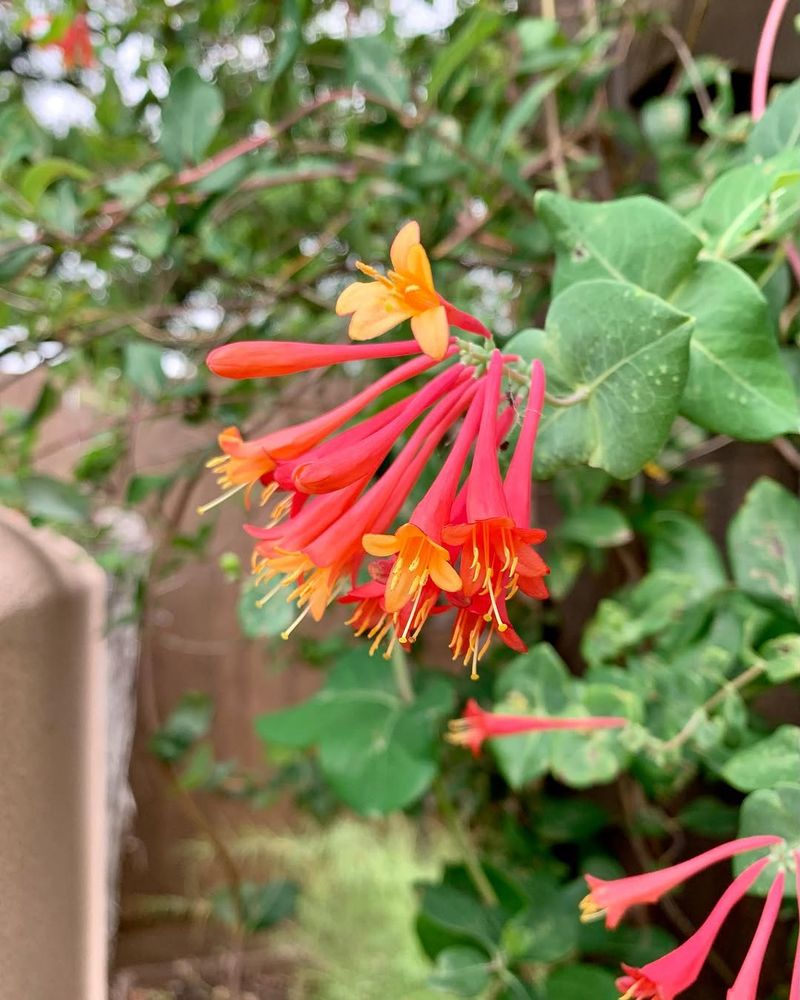
Coral honeysuckle doesn’t just look good on a fence or trellis — it quietly does a lot of work for the insects living near it. Unlike the invasive Japanese honeysuckle that shows up everywhere in Georgia, this native version plays nicely with the local ecosystem.
Its tubular red flowers attract hummingbirds and native bees, which means insect activity around the plant stays high from spring well into summer.
That steady insect traffic matters more than most people realize. Firefly larvae are predators.
They hunt soft-bodied insects and snails in the soil, so planting something that draws insect life close to the ground gives larvae more hunting opportunities.
Coral honeysuckle tends to grow in areas with some shade and decent moisture, which also lines up well with the kind of soil conditions firefly larvae prefer in Georgia’s warmer months.
Growing this vine along a shaded fence or near a tree line gives it the support it needs while also creating a natural corridor of cover for adult fireflies. Adults need sheltered spots to rest during the day and move through at night.
Dense vine growth provides exactly that kind of low-disturbance cover. If you leave some leaf litter underneath the vine rather than raking it clean, you give larvae even more habitat to work with across the spring and summer season.
2. Foamflower Helps Keep Soil Moist For Firefly Larvae
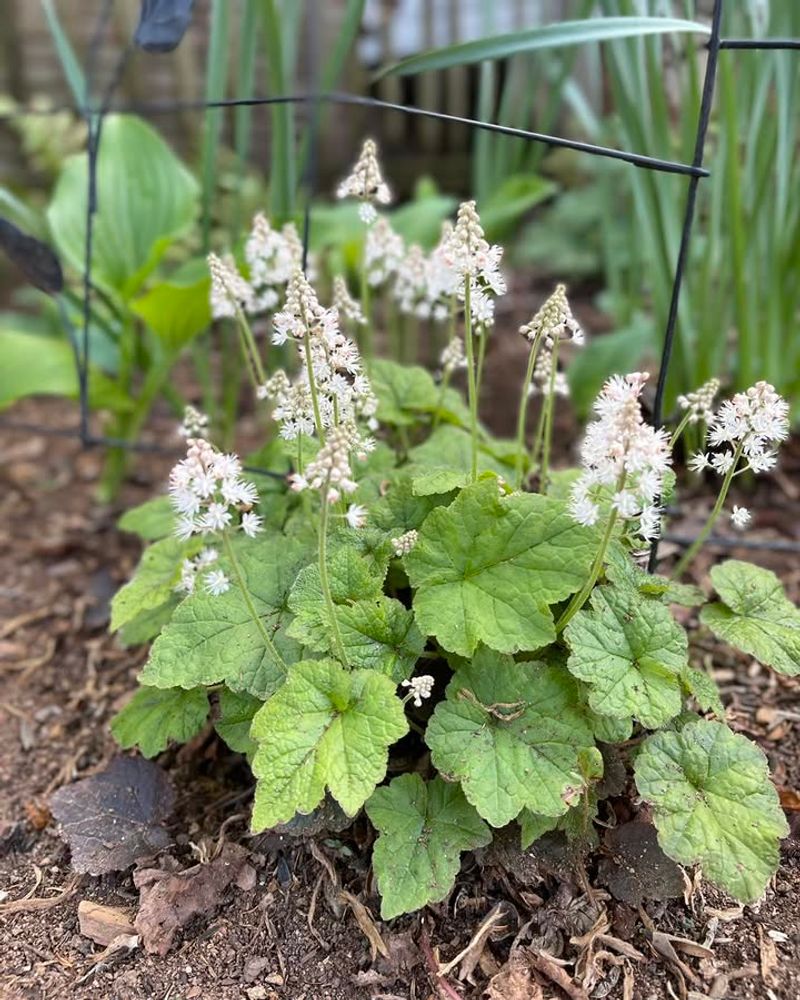
Foamflower is one of those plants that thrives in the kind of spot most gardeners ignore — a shady corner with rich, slightly damp soil. In Georgia, those spots are actually perfect for fireflies.
Larvae spend months underground before they ever flash a single light, and during that time, soil moisture is one of the biggest factors in whether they make it through.
Tiarella cordifolia, the botanical name for foamflower, spreads gradually across the forest floor and forms a low, dense mat of leaves.
That leaf canopy shades the soil surface and slows down evaporation, which helps keep moisture levels more consistent even during dry Georgia summers.
It’s not a dramatic plant, but it does steady, practical work for the ground underneath it.
Planting foamflower under trees or along a shaded garden edge also adds organic matter to the soil as older leaves break down. That decomposing material feeds the tiny invertebrates that firefly larvae hunt.
Your Georgia Garden Changes Every Week. Your Plan Should Too.
Gardening in Georgia changes quickly throughout the season. Every Friday you’ll receive a simple weekly plan showing exactly what to plant, prune, fertilize, harvest, and protect so you never miss the right timing.
A patch of foamflower that’s been growing for a season or two starts building a quiet underground food web that supports larval development without any extra effort from you.
In Georgia’s piedmont and mountain regions especially, this plant fits right into the natural understory and asks very little in return for what it gives back.
3. Wild Ginger Creates Cool Ground Conditions Fireflies Need
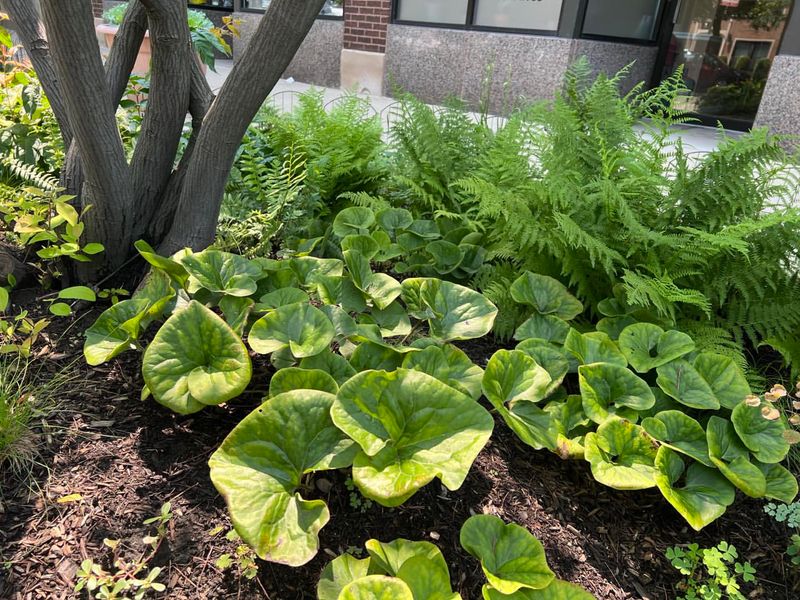
Soil temperature matters a lot more to firefly larvae than most gardeners ever think about. Larvae are sensitive to heat and dry conditions, especially during Georgia’s long, warm summers.
Wild ginger, or Asarum canadense, is one of the most effective native ground covers for keeping soil temperatures lower and more stable in shaded areas.
Its large, overlapping leaves form a thick canopy right at ground level. That canopy blocks direct sun from hitting the soil, which can make a noticeable difference in temperature on hot July afternoons.
Underneath those leaves, the soil stays darker, cooler, and holds moisture longer than exposed ground. That’s exactly the kind of microhabitat firefly larvae look for when they’re moving through the soil hunting for food.
Wild ginger spreads slowly by rhizome and doesn’t need a lot of fussing once it gets going in the right spot. It prefers part to full shade and rich, slightly acidic soil — conditions that are pretty common in Georgia’s woodland gardens and along shaded slopes.
One thing worth noting: wild ginger can take a couple of seasons to really fill in, so patience is part of the deal.
But once it establishes a solid patch, it creates a reliably cool, undisturbed ground layer that supports firefly larvae through spring and into the hottest parts of the Georgia summer without much help from you.
4. Blue Flag Iris Grows In Wet Soil Fireflies Prefer
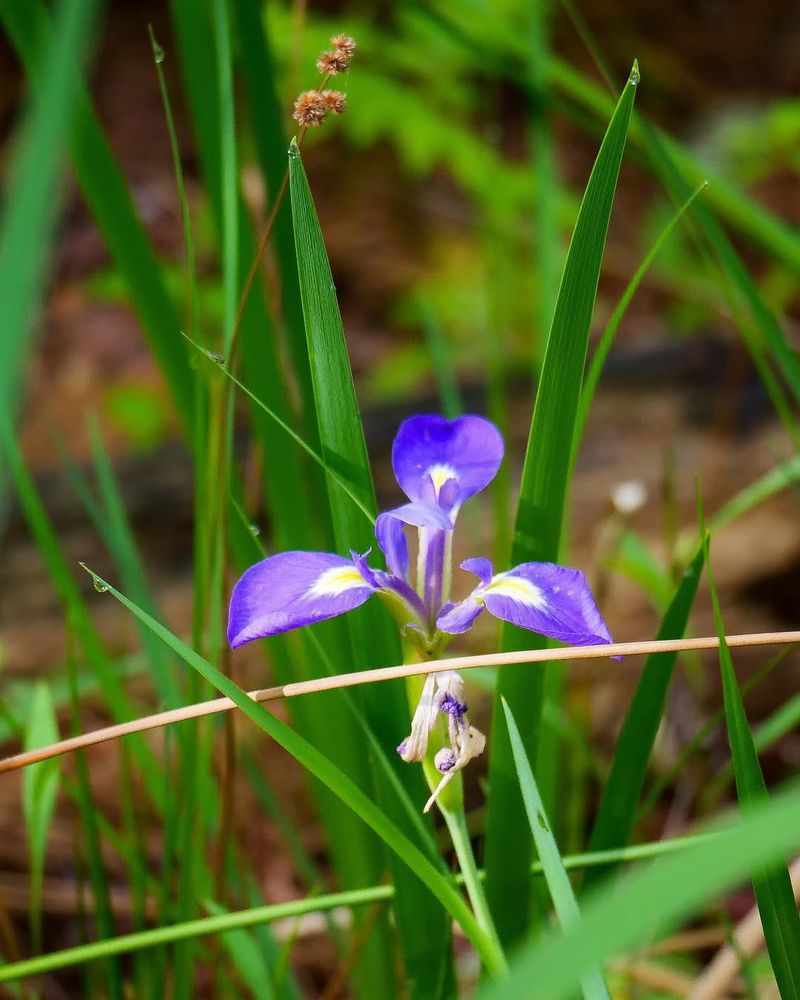
Wet soil and fireflies go together more than most people expect.
Firefly larvae need consistent ground moisture to survive, and many Georgia species are found most often near water — along stream banks, pond edges, and low-lying areas that stay damp through spring and early summer.
Blue flag iris, Iris virginica, grows naturally in exactly those spots.
Finding this plant blooming in late April or May along a Georgia creek bank is a pretty good sign that the surrounding soil has the kind of conditions fireflies can use. Its roots help hold wet soil in place, which keeps those moist microhabitats stable over time.
The plant also provides vertical structure near the water’s edge, giving adult fireflies places to cling and rest during the day when they’re not active.
Planting blue flag iris around a backyard pond or in a rain garden is a practical way to use a naturally wet area while also supporting local firefly populations.
It doesn’t need supplemental watering once it’s settled into a wet spot, and it tends to spread gradually into small clumps that fill in the edge zone between open water and drier ground.
That transitional zone is some of the most valuable firefly habitat you can create in a Georgia yard, and blue flag iris fits right into it without needing much attention from season to season.
5. Woodland Phlox Supports Shaded Firefly Habitats
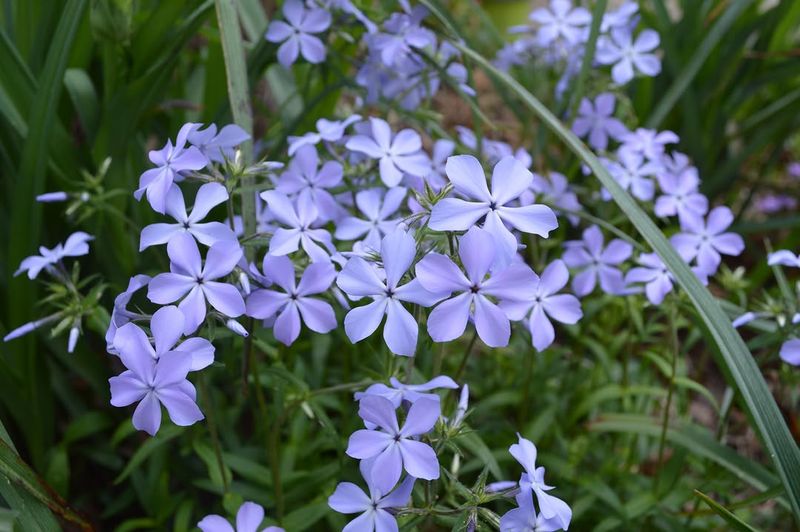
Shade is underrated when it comes to firefly habitat. Adult fireflies spend their days resting in cool, shaded spots — under leaves, along plant stems, tucked into low vegetation.
Woodland phlox, Phlox divaricata, is a native Georgia wildflower that blooms in spring and thrives in the shaded understory where fireflies actually spend most of their time.
Its low, spreading growth habit creates a soft layer of ground cover that doesn’t compete aggressively with other plants.
Clusters of pale lavender to blue flowers appear from April into May, attracting early-season pollinators and adding insect activity to the shaded areas where firefly larvae are still moving through the soil.
That insect presence near the ground gives larvae additional food sources during a critical period of their development.
Woodland phlox tends to grow in patches along shaded slopes and near tree bases in Georgia’s piedmont and mountain regions.
It prefers well-drained but consistently moist soil with a decent amount of organic matter — the kind of soil you find in a mature woodland garden.
Leaf litter helps it thrive, so resisting the urge to clean up fallen leaves in fall and winter pays off by spring.
Keeping a few patches of woodland phlox in shaded corners of a Georgia yard builds the kind of layered, undisturbed habitat that fireflies rely on from the time larvae hatch through the first summer flashes of adult beetles.
6. Partridge Pea Boosts Insect Activity Around The Soil
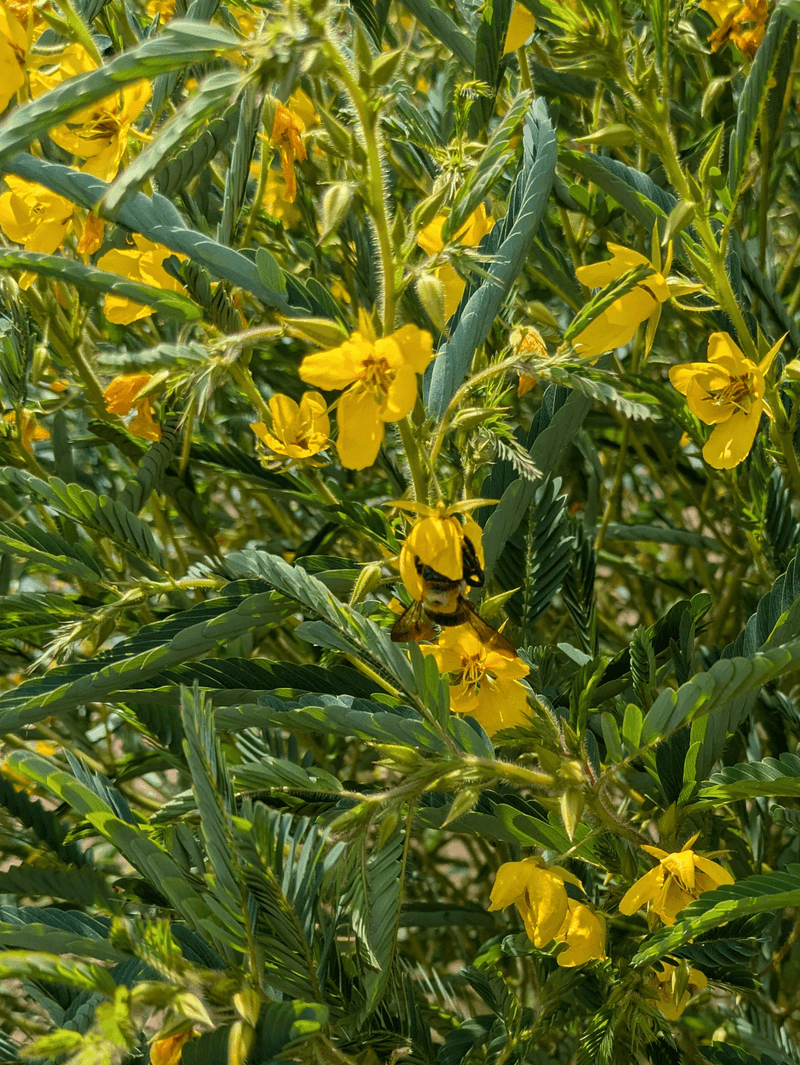
Not every firefly-friendly plant needs to grow in the shade.
Partridge pea, Chamaecrista fasciculata, is a sun-loving native annual that grows across Georgia in open fields, roadsides, and disturbed edges — and it supports a surprising amount of insect activity right at soil level.
That insect activity is what makes it relevant to fireflies.
Firefly larvae are hunters. They feed on soft-bodied invertebrates, slugs, and small insects they find while moving through the soil.
Partridge pea attracts a wide range of insects, including native bees and several specialist bee species that visit its flowers.
As those insects move around the plant, some end up in the soil or leaf litter below, adding to the food web that larvae depend on during their months underground.
Partridge pea also fixes nitrogen in the soil through root nodules, which gradually improves soil quality over time and supports the broader plant and insect community in the area.
It reseeds itself in Georgia’s sandy or loamy soils, so a patch started one year can return on its own the next.
Letting it grow along a sunny garden edge or in a naturalized area near shadier firefly habitat creates a productive buffer zone.
It’s not a plant that needs rich soil or a lot of water — in fact, it tends to do better in leaner conditions, which makes it easy to work with across much of Georgia.
7. River Oats Provide Shelter And Protect Undisturbed Soil
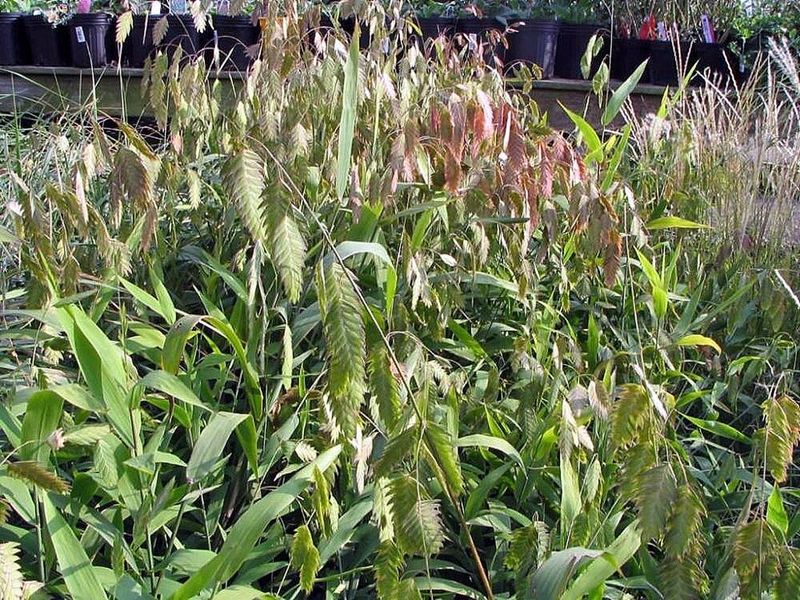
River oats, Chasmanthium latifolium, is one of those native grasses that earns its place in a Georgia yard without a lot of fanfare.
Flat, oat-like seed heads hang from arching stems and catch the light in a way that’s genuinely attractive, but the real value of this plant for fireflies is what it does at ground level.
Dense grass clumps create sheltered pockets of undisturbed soil where larvae can move and feed without exposure.
Soil disturbance is one of the quieter threats to firefly populations. Tilling, heavy foot traffic, and frequent digging disrupt the larval habitat that builds up over time in undisturbed ground.
River oats naturally discourages that kind of disturbance by forming thick clumps that people and pets tend to walk around rather than through. That hands-off zone around the base of the plant is exactly where firefly larvae benefit most.
River oats grows well in part shade to full shade along stream banks, woodland edges, and low spots that collect some moisture — all habitat types that are common across Georgia. It spreads moderately by seed and rhizome, filling in shaded gaps over a few seasons.
Leaving the old stems and seed heads standing through winter adds to the organic matter that breaks down into the soil by spring, feeding the invertebrate community that firefly larvae hunt.
It’s a straightforward plant that quietly builds better habitat year after year in Georgia gardens.
8. Cinnamon Fern Keeps Ground Cool And Moist For Larvae
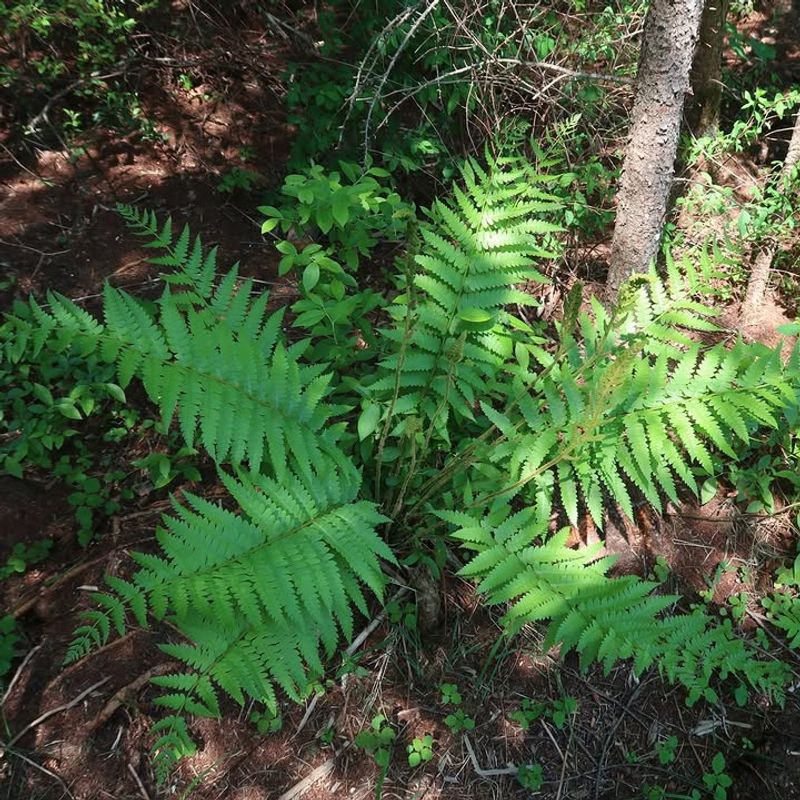
Walk into any shaded, wet corner of a Georgia woodland and there’s a good chance cinnamon fern is already there.
Osmundastrum cinnamomeum grows in some of the dampest, most sheltered spots in the state — along stream edges, in boggy depressions, and under the canopy of mature trees where the ground rarely dries out completely.
Those are prime firefly conditions.
Large fronds arch outward from a central crown and create a shaded microclimate right at ground level.
Underneath a mature cinnamon fern, the soil stays noticeably cooler and more moist than exposed ground nearby, even during Georgia’s hot and humid summer months.
Firefly larvae, which can spend up to two years underground before emerging as adults, need that kind of stable, moist environment to develop properly.
The fibrous root mass of cinnamon fern also builds soil structure over time. Old root material breaks down slowly, adding organic matter that improves water retention and supports the invertebrate community larvae feed on.
Planting cinnamon fern in a consistently wet or shaded area of a Georgia yard — near a downspout, along a low fence line, or under a canopy of oaks — gives it what it needs to grow steadily without a lot of intervention.
A few established clumps in the right spot can meaningfully improve the ground conditions that firefly larvae depend on from early spring through the peak of summer flashing season.