8 Plants Georgia Gardeners Should Never Prune In Early Spring
Early spring often feels like the right time to grab the pruners and start cleaning up the garden. After months of winter, many plants look uneven, crowded, or a little tired, and trimming them back seems like the fastest way to refresh the landscape.
But in Georgia, pruning too early can sometimes cause more problems than it solves.
Many flowering plants and shrubs form their buds months before spring arrives. By the time late winter ends, those buds are already waiting to open once temperatures begin to rise.
Cutting plants back during this period can remove the very growth that would have produced the season’s flowers.
Georgia’s long growing season does allow plenty of opportunities for pruning, but timing still matters. Knowing which plants should be left alone in early spring can help protect spring blooms and keep shrubs healthier as the warm season begins.
1. Azalea Blooms Are Already Set Before Spring Pruning Begins
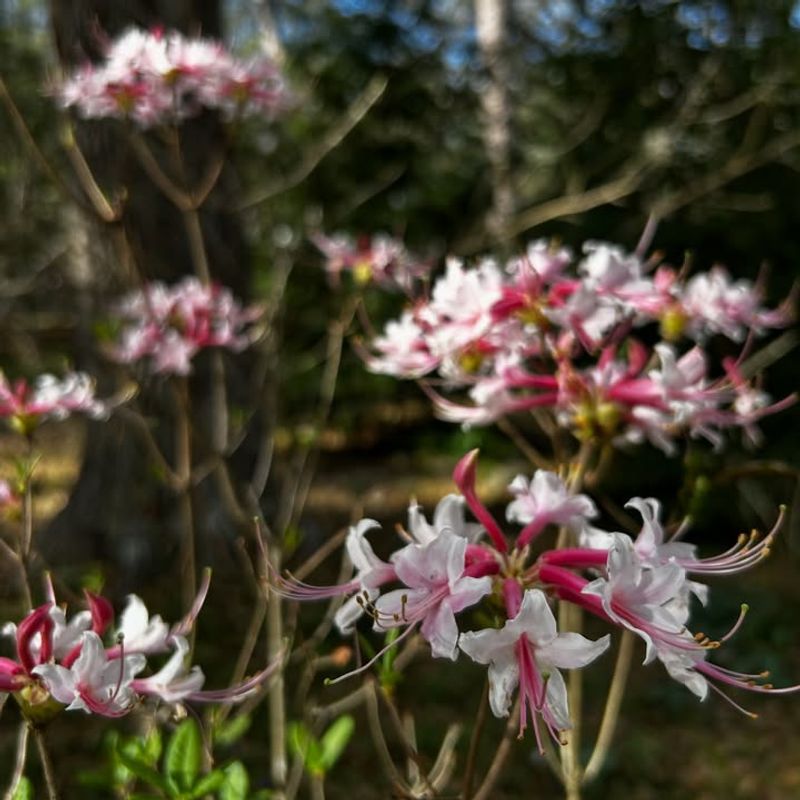
Grab your pruning shears near an azalea in early spring and you are already too late to save the blooms. Azaleas in Georgia set their flower buds in late summer and fall, which means by the time February rolls around, those buds are fully formed and just waiting to open.
Cutting the plant before it flowers removes exactly what you spent all year waiting to see.
Azaleas are one of the most iconic plants across Georgia landscapes, showing up in front yards, along fences, and lining driveways in every shade of pink, red, white, and coral imaginable.
A well-timed prune can shape a plant beautifully, but timing is everything.
Pruning in March instead of waiting until after bloom means trading weeks of color for a cleaner silhouette that was not worth the trade.
Right after the flowers fade is the window you want. Most Georgia azaleas finish blooming by mid-spring, and that brief period right after is your best chance to shape the plant without touching next year’s buds.
Waiting just a few extra weeks makes an enormous difference. Even light trimming in early spring can remove dozens of buds that would have opened into full flowers, so patience really does pay off with azaleas.
Give the plant a few weeks after flowering, shape it gently if needed, and it will have the rest of Georgia’s long growing season to produce strong new growth and set buds for next spring’s bloom.
2. Camellia Holds Developing Flower Buds Through Winter
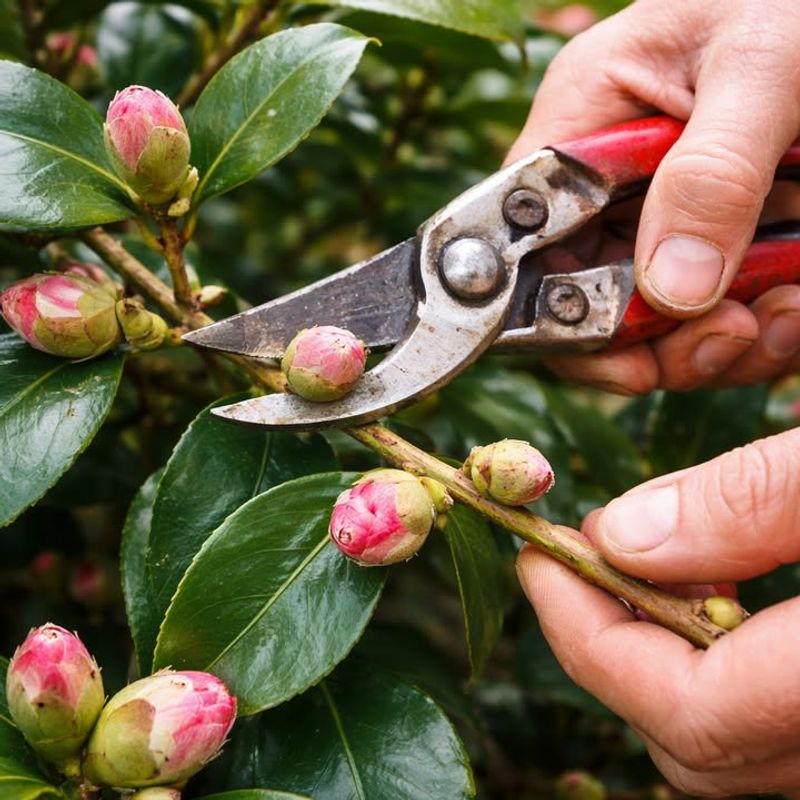
Camellias are one of the few plants bold enough to bloom in the middle of a Georgia winter, and that timing is exactly why early spring pruning can be so damaging. Flower buds begin developing in late summer and continue maturing through fall and winter.
By the time early spring arrives, a camellia may still have buds that have not fully opened yet.
Pruning in early spring, even with good intentions, can cut away buds that are still weeks away from blooming. Camellias bloom anywhere from October through April depending on the variety, so the range is wide.
Your Georgia Garden Changes Every Week. Your Plan Should Too.
Gardening in Georgia changes quickly throughout the season. Every Friday you’ll receive a simple weekly plan showing exactly what to plant, prune, fertilize, harvest, and protect so you never miss the right timing.
Knowing which type you have in your yard matters a lot before you ever pick up a pair of shears.
Sasanqua camellias generally finish earlier in winter, while Japonica varieties can bloom well into spring in Georgia. The safest approach is to wait until you can clearly see that all the flowers have opened and dropped.
Pruning right after the last bloom gives the plant the entire growing season to push new growth, which is exactly where next year’s buds will form.
Rushing that cut by even a few weeks can mean a much quieter bloom season the following year, which no Georgia gardener wants to deal with.
Once blooming has truly finished, light shaping or removing crowded branches is usually all a camellia needs to stay healthy and full without sacrificing next season’s flowers.
3. Oakleaf Hydrangea Keeps Next Season’s Blooms On Old Stems
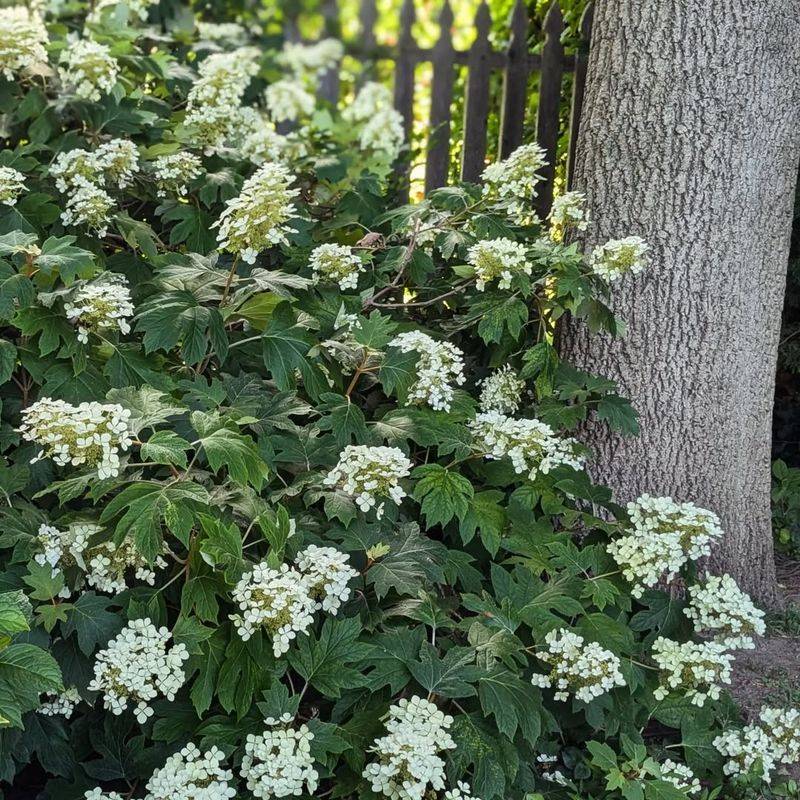
Not all hydrangeas work the same way, and oakleaf hydrangeas are a perfect example of why that matters.
Unlike some other types, oakleaf hydrangeas bloom on old wood, meaning the flower buds for this summer were already set on last year’s stems.
Cut those stems in early spring and you are removing the very branches that would have given you flowers.
Oakleaf hydrangeas are well-suited to Georgia’s climate and are found in yards from Atlanta to Savannah. They produce large, cone-shaped white blooms that age to a dusty pink and eventually to a papery tan that looks beautiful even into fall.
Losing those blooms to an ill-timed pruning session is genuinely frustrating, especially when the fix is simply waiting.
If a stem is clearly broken, crossed, or causing a structural problem, removing it is reasonable. But routine shaping and size control should wait until after the plant has finished blooming, typically by midsummer.
At that point, you have time to clean up the shape without affecting next year’s flower production. Oakleaf hydrangeas also develop attractive peeling bark and bold fall foliage, so even without flowers they earn their space.
Patience in spring is rewarded all season long with this one.
Give oakleaf hydrangea time to finish its bloom cycle first, and it will reward Georgia gardens with flowers, striking fall color, and strong growth year after year.
4. Bigleaf Hydrangea Can Lose Its Summer Flowers After Early Cuts
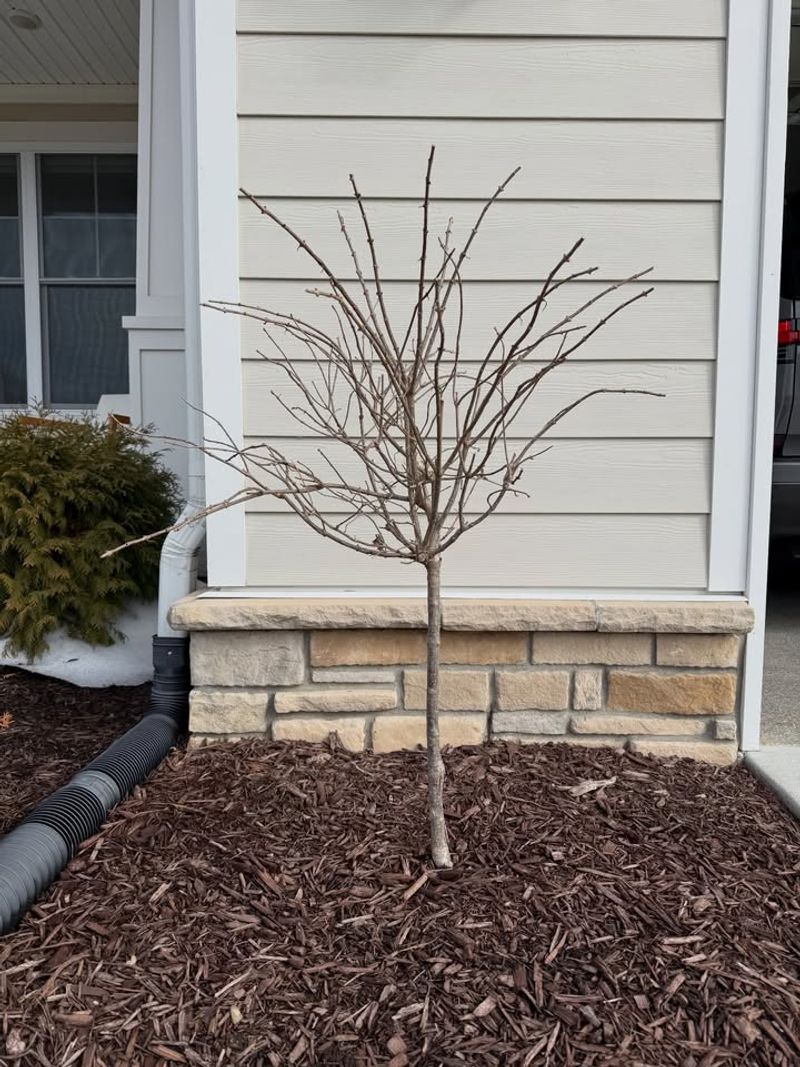
Bigleaf hydrangeas, the ones with the big round mophead or delicate lacecap blooms, are probably the most commonly mistreated shrubs in Georgia yards.
Homeowners see them looking a little ragged after winter and reach for the pruning shears, not realizing those rough-looking stems are packed with flower buds just starting to wake up.
Most traditional bigleaf hydrangea varieties bloom strictly on old wood. Every stem you cut before flowering is a stem that will not produce blooms that summer.
It is one of the most common reasons people say their hydrangea has not bloomed in years. The plant is healthy, it just gets cut back every single spring before it ever gets the chance to show what it can do.
Reblooming varieties like Endless Summer have changed things a bit because they can produce flowers on both old and new wood, but even those benefit from leaving old stems intact through winter and into spring.
Georgia winters are mild enough that old stems often survive with buds still viable inside.
A simple scratch test on the stem can tell you if it is still alive. If there is green underneath the bark, leave it alone and let it bloom.
Shape the plant after flowers fade, and you will see a completely different result.
5. Gardenia Buds Appear Early And Are Easily Removed By Pruning
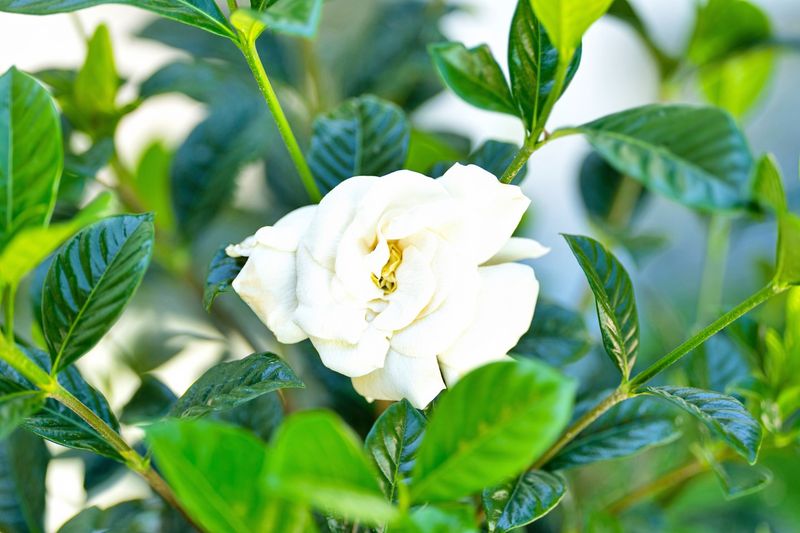
Few things smell better than a gardenia blooming on a warm Georgia evening, which makes losing those flowers to early pruning especially disappointing.
Gardenias begin forming buds earlier than most people expect, and by late winter those small round buds are already visible if you look closely at the branch tips.
Pruning in early spring removes those tips along with every bud attached to them.
Gardenias bloom in late spring and early summer in Georgia, and most of that flower production happens on growth from the previous season.
Cutting back hard in February or March essentially resets the plant and forces it to push new vegetative growth rather than flowers.
You end up with a greener plant and no blooms, which is a frustrating outcome after waiting all winter.
Shaping a gardenia is best done right after it finishes its main bloom cycle, usually in late June or early July in most parts of Georgia.
Light cleanup of damaged or crossing branches can be done carefully in late winter without removing healthy branch tips, but aggressive cutting should wait.
Gardenias can also be fussy about other conditions like soil pH and drainage, so when they finally do bloom, protecting those flowers by avoiding early pruning is absolutely worth it. Let them do their thing first.
6. Lilac Produces Spring Flowers From Last Year’s Branches
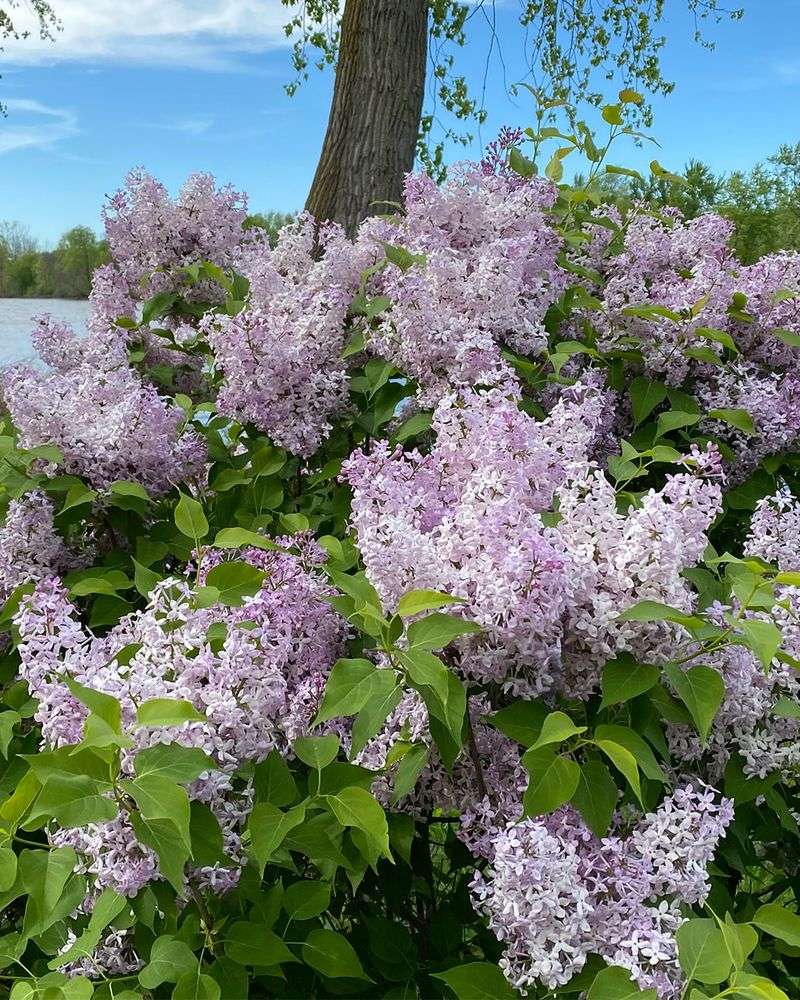
Lilacs are not the easiest plants to grow in Georgia’s heat, but gardeners in the northern parts of the state have had real success with varieties bred for warmer climates.
When you do get a lilac to thrive in Georgia, the last thing you want to do is prune it at the wrong time and lose the blooms you worked so hard to earn.
Lilacs bloom on old wood, full stop. Flower buds form on stems from the previous growing season, and those buds are already set by the time fall arrives.
Pruning in early spring, even a light trim, removes those buds before they ever open. Since lilacs in Georgia already deal with heat stress, getting them to rebloom after a bad pruning year can take longer than in cooler northern climates.
Right after the flowers finish is the ideal time to prune, and in Georgia that window is usually sometime in April or May depending on the variety and the year’s weather.
Waiting until after bloom lets you remove old flower clusters, shape the plant, and thin out older stems to encourage fresh growth for next season.
Skipping the early spring trim is genuinely one of the most important things you can do to keep a lilac blooming consistently in Georgia. The reward is absolutely worth the restraint.
7. Forsythia Shows Yellow Blooms On Growth From The Previous Season

Forsythia is usually one of the first signs that spring is actually arriving in Georgia, bursting out in bright yellow before most other plants have even woken up.
Those cheerful yellow flowers grow on wood from the previous season, which means an early spring pruning session can strip away an entire year of color before it ever gets to show up.
Because forsythia blooms so early, often in late February or early March in Georgia, the window where pruning is truly safe is actually very short.
Many gardeners see the bare arching branches in late winter and assume it needs cutting back.
But those branches are loaded with buds that are just days or weeks away from opening into the yellow display everyone loves.
Waiting until right after the flowers drop is the move with forsythia.
Pruning immediately after bloom, usually by late March or early April in Georgia, gives the plant the entire growing season to push new stems that will carry next year’s blooms.
Forsythia grows fast and can get leggy, so regular post-bloom shaping actually keeps it looking much better than skipping pruning altogether.
Cutting it hard in early spring, though, means staring at a green shrub all summer knowing you traded away the yellow show you could have had. Not a trade worth making.
8. Flowering Quince Displays Spring Color On Older Wood
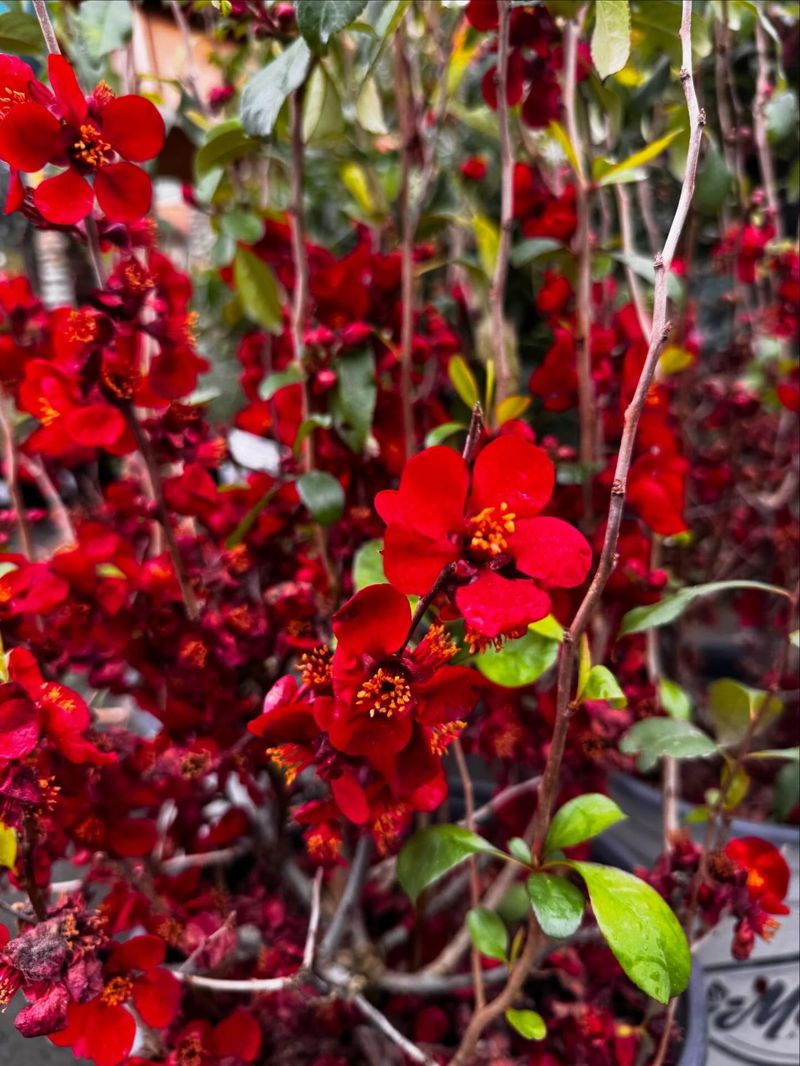
Flowering quince is the kind of plant that catches your eye from across the street, covered in bold red, orange, or coral blooms on bare branches before spring has barely started.
Most Georgia gardeners do not realize those flowers are growing on wood that formed the previous year, which puts it squarely in the category of plants to leave alone until after bloom.
Pruning in early spring removes the flowering stems before they ever get to open, leaving behind a plain green shrub for the rest of the season.
Since quince blooms so early, often starting in late February in warmer parts of Georgia, the temptation to prune it during late winter cleanup is understandable.
But giving in to that temptation costs you the whole show.
After the flowers fade, which usually happens by late March or early April in Georgia, you have a solid opportunity to shape the plant, remove crossing branches, and control its size.
Quince can get thorny and a bit wild if left completely unattended, so regular post-bloom pruning actually helps maintain a cleaner shape without sacrificing next year’s color.
Some gardeners even cut a few branches in late January and bring them inside to force the blooms in a vase, which is a great way to enjoy the flowers without affecting the plant. Just leave the rest of the shrub alone until it finishes doing its thing outdoors.