This Is How You Transform An Ordinary Ohio Walkway Into A Storybook Garden Path
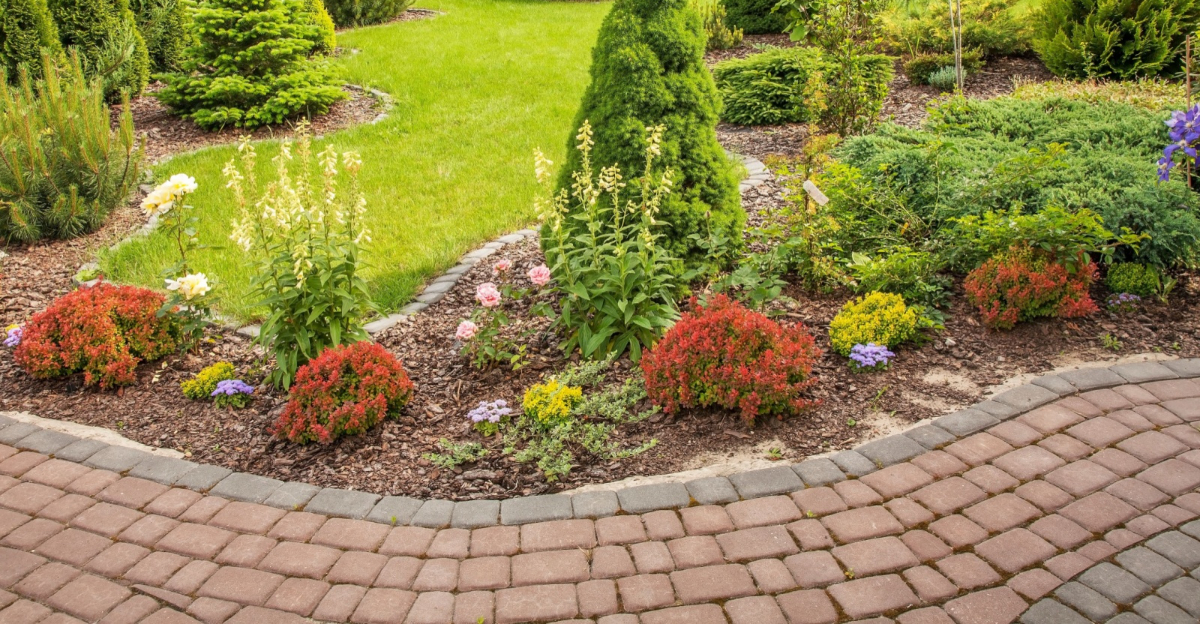
Most garden paths in Ohio do one simple job. They move you from the patio to the lawn, from the gate to the back door, and then quietly disappear into the background of the yard.
Yet a walkway can become far more than a strip of stone or concrete. With the right plants, curves, and garden details, that plain path can turn into something that feels almost magical.
Imagine stepping onto a walkway framed with flowers, soft greenery spilling over the edges, and an arbor or archway inviting you deeper into the garden. Each step reveals another layer of color and texture, turning a simple stroll outside into a small experience.
Ohio gardens are perfect for this kind of transformation. Lush summer growth, cottage-style flowers, and natural materials can turn even the most ordinary walkway into a path that feels lifted from a storybook.
With a few creative changes, the path through your yard can become one of the most charming features in the entire garden.
1. Line The Path With Cottage Style Flowers
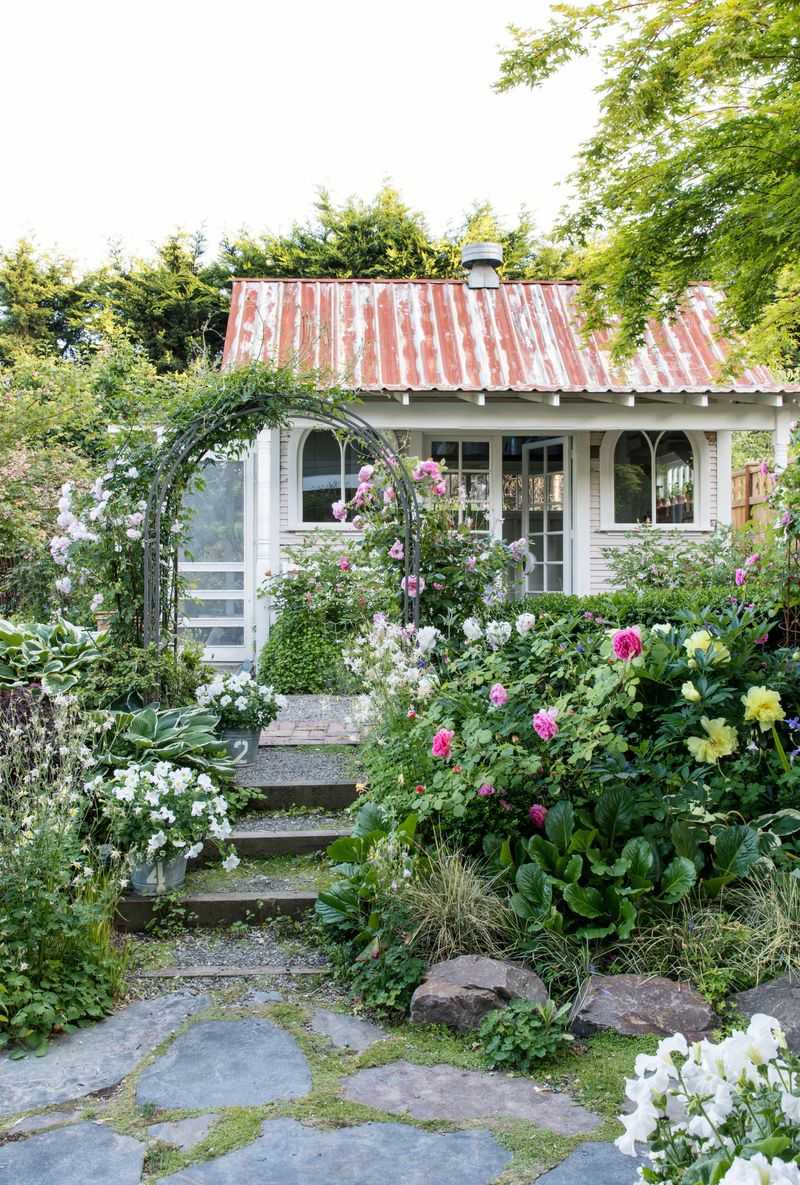
Picture stepping outside your front door and being greeted by a riot of color, soft petals brushing your ankles, and the gentle hum of bees drifting from bloom to bloom. That is exactly the feeling cottage-style flowers bring to a garden walkway.
Planting a mix of classic cottage perennials along your path is one of the most rewarding ways to give an Ohio garden a romantic, storybook character.
Plants like foxglove, hollyhock, coneflower, and black-eyed Susan thrive beautifully in Ohio’s climate and bloom in overlapping waves throughout the growing season.
According to Ohio State University Extension, native and adapted perennials are particularly well-suited for Ohio landscapes because they handle the region’s variable weather with ease.
Mixing perennials with annuals like sweet William or larkspur keeps color going strong from late spring through fall.
For the best visual effect, plant in loose, informal clusters rather than rigid rows. Taller varieties like hollyhocks work well at the back, while low-growing flowers like alyssum or creeping phlox spill onto the path edges.
This layered, relaxed arrangement gives the walkway that effortlessly beautiful cottage-garden feel that makes visitors slow down and take it all in.
2. Add A Curved Layout For A Natural Look
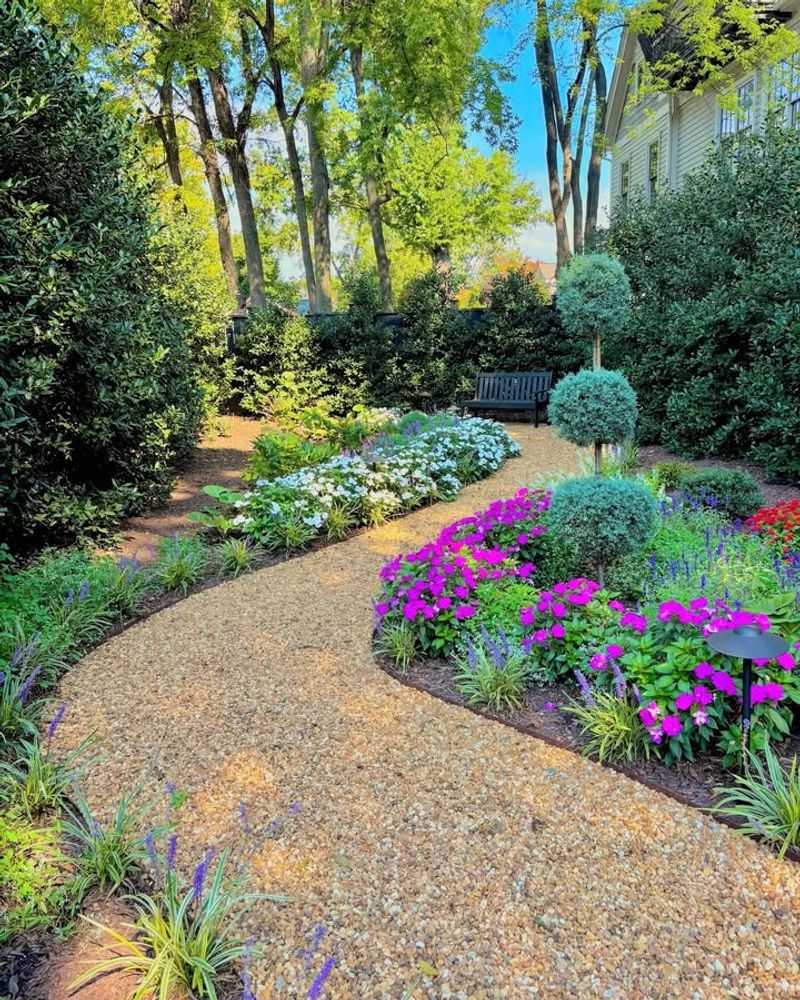
Straight lines belong in spreadsheets, not storybook gardens. One of the simplest and most effective upgrades you can make to any Ohio walkway is introducing gentle, natural curves that invite the eye to follow the path forward with curiosity and wonder.
Curved paths feel more organic because they mimic the way trails form naturally through forests and meadows. Garden design experts consistently note that curved layouts create a sense of mystery and discovery, encouraging visitors to keep walking to see what lies around the next bend.
Even a slight S-curve through a modest backyard can completely change how a space feels.
When planning your curve, use a garden hose laid on the ground to experiment with different shapes before committing. Avoid sharp turns that feel forced or unnatural.
Your Ohio Garden Changes Every Week. Your Plan Should Too.
Gardening in Ohio changes quickly throughout the season. Every Friday you’ll receive a simple weekly plan showing exactly what to plant, prune, fertilize, harvest, and protect so you never miss the right timing.
The goal is a smooth, flowing line that looks like it grew there on its own. In Ohio gardens where flat suburban lots can feel predictable, a curved walkway adds immediate visual interest and dimension.
Pair the curved layout with informal plantings on both sides to reinforce the natural, unhurried feeling. This one design choice alone can make a yard feel twice as large and far more inviting than before.
3. Use Natural Stone Or Brick Pavers
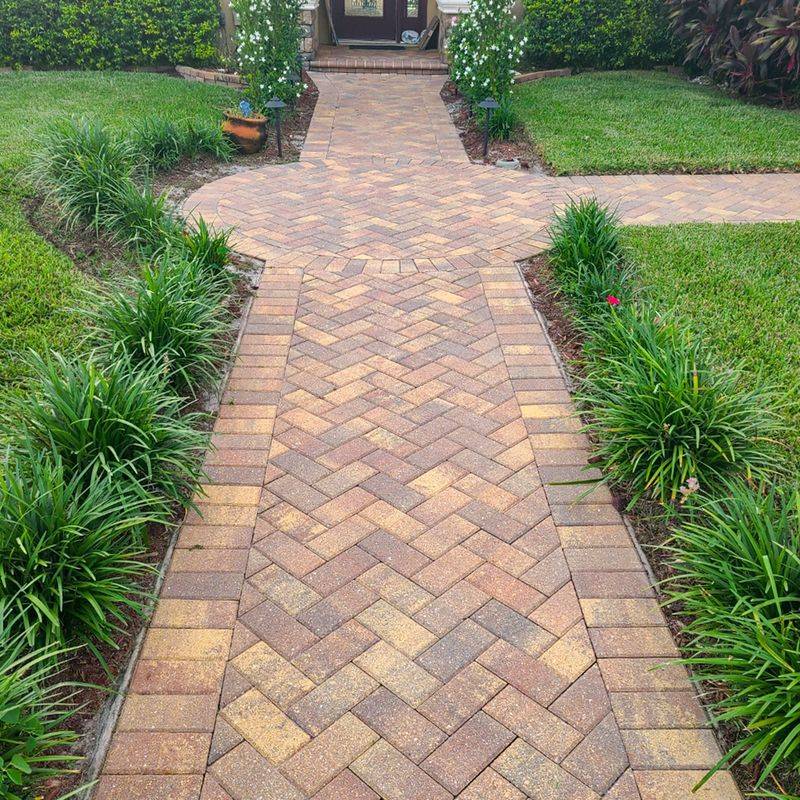
Few things set the tone for a storybook garden path quite like the materials beneath your feet. Natural stone and brick pavers carry a timeless, handcrafted quality that poured concrete simply cannot replicate.
The irregular edges, earthy tones, and weathered textures of flagstone or reclaimed brick instantly add age and character to any walkway.
Flagstone is a particularly popular choice for Ohio gardens because it blends naturally with the region’s wooded landscapes and works well in both formal and informal settings.
Limestone, sandstone, and bluestone are all readily available in Ohio and each brings its own warm, natural color palette.
Brick pavers offer a slightly more structured look while still feeling rustic and inviting, especially when laid in a casual, offset pattern rather than a rigid grid.
Between the stones, consider planting low-growing ground covers like creeping thyme or woolly thyme, which release a pleasant herbal fragrance when stepped on and soften the hard edges of the pavers beautifully.
Moss can also establish naturally in shaded areas, adding a lush, fairy-tale quality.
Trusted landscape professionals recommend setting pavers on a stable base of compacted gravel and sand to ensure long-term durability through Ohio’s freeze-thaw winter cycles.
4. Plant Fragrant Flowers Along The Edges
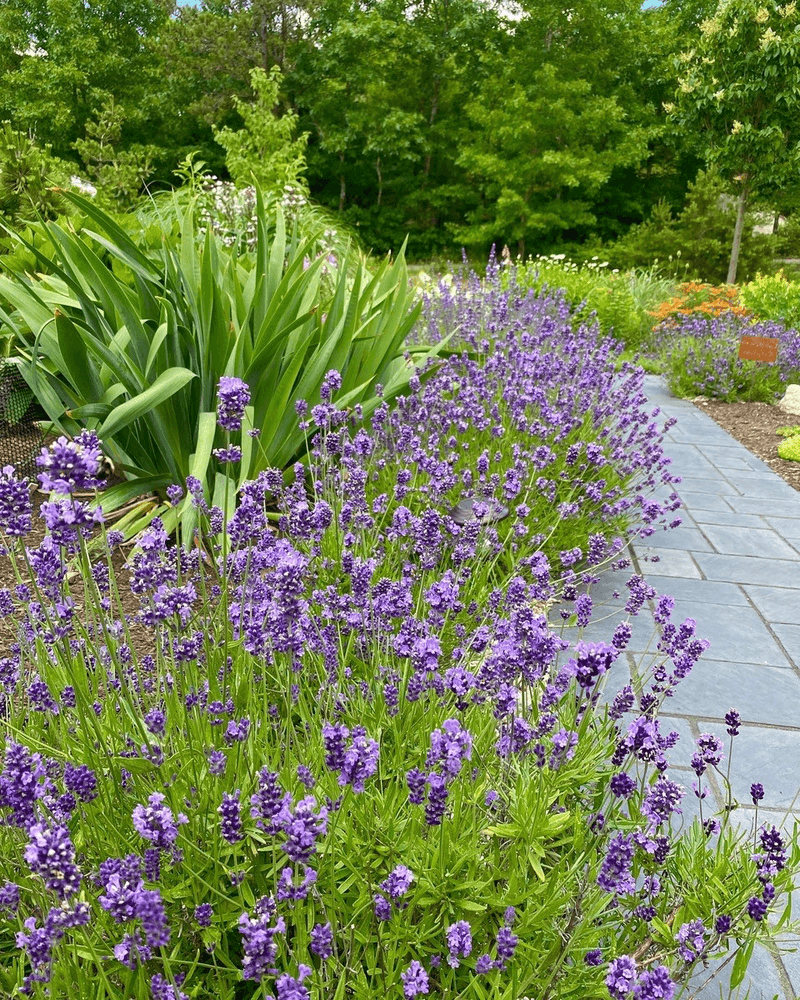
A garden path that smells as wonderful as it looks is truly unforgettable. Adding fragrant plants along the edges of your walkway turns a simple stroll into a full sensory experience, one that visitors will talk about long after they have gone home.
Lavender is one of the most beloved fragrant plants for path edges, and it performs reliably in Ohio gardens when given well-drained soil and full sun.
Sweet alyssum is another excellent choice, producing tiny honey-scented blooms from spring through frost.
Garden phlox, a classic Ohio perennial, fills summer evenings with a sweet, spicy fragrance that drifts beautifully through the air. Catmint is also worth considering because it offers both lovely lavender-blue blooms and a pleasant herbal scent.
Ohio State University Extension notes that fragrant plants also tend to attract beneficial pollinators, so your path garden will be buzzing with butterflies and bees throughout the season.
For the strongest fragrance effect, plant in generous drifts rather than single plants scattered randomly.
Position lower-growing fragrant plants like alyssum and thyme right at the path edge so they brush against shoes and release their scent with each passing footstep. That small detail alone creates a deeply enchanting, storybook-worthy experience.
5. Frame The Walkway With Low Garden Borders
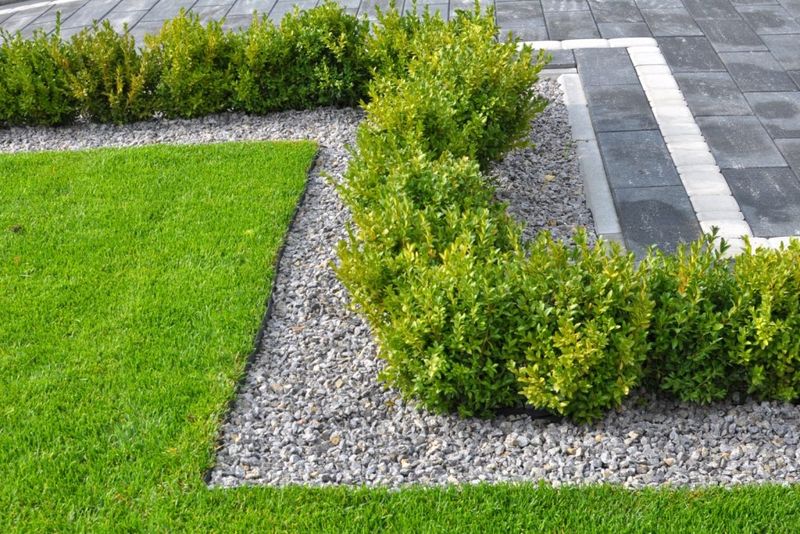
Structure and softness can absolutely coexist in a garden, and nowhere is that balance more visible than along a well-edged walkway. Low garden borders give a path a defined, intentional look while still feeling relaxed and natural, which is exactly the balance needed for a storybook-style garden.
Edging plants like dwarf mondo grass, creeping Jenny, or low-growing ornamental grasses create clean visual lines along the path without needing constant trimming. Small flowering shrubs like dwarf spirea or compact boxwood add a more structured border option that works particularly well in formal cottage garden designs.
In Ohio landscapes, both options perform well and can handle the region’s cold winters with minimal protection.
Beyond plants, natural edging materials like weathered wooden boards, stacked stone, or reclaimed brick can reinforce the path boundaries while adding to the rustic aesthetic. The key is choosing materials and plants that complement each other and feel cohesive.
Ohio State University Extension recommends installing a physical edging barrier along garden beds to reduce grass encroachment and make maintenance much easier over time.
Well-defined borders also make the plantings inside them look more intentional and lush, which dramatically increases the overall visual appeal of the walkway and gives the entire garden a polished, designed appearance.
6. Add A Rustic Arbor Or Garden Arch
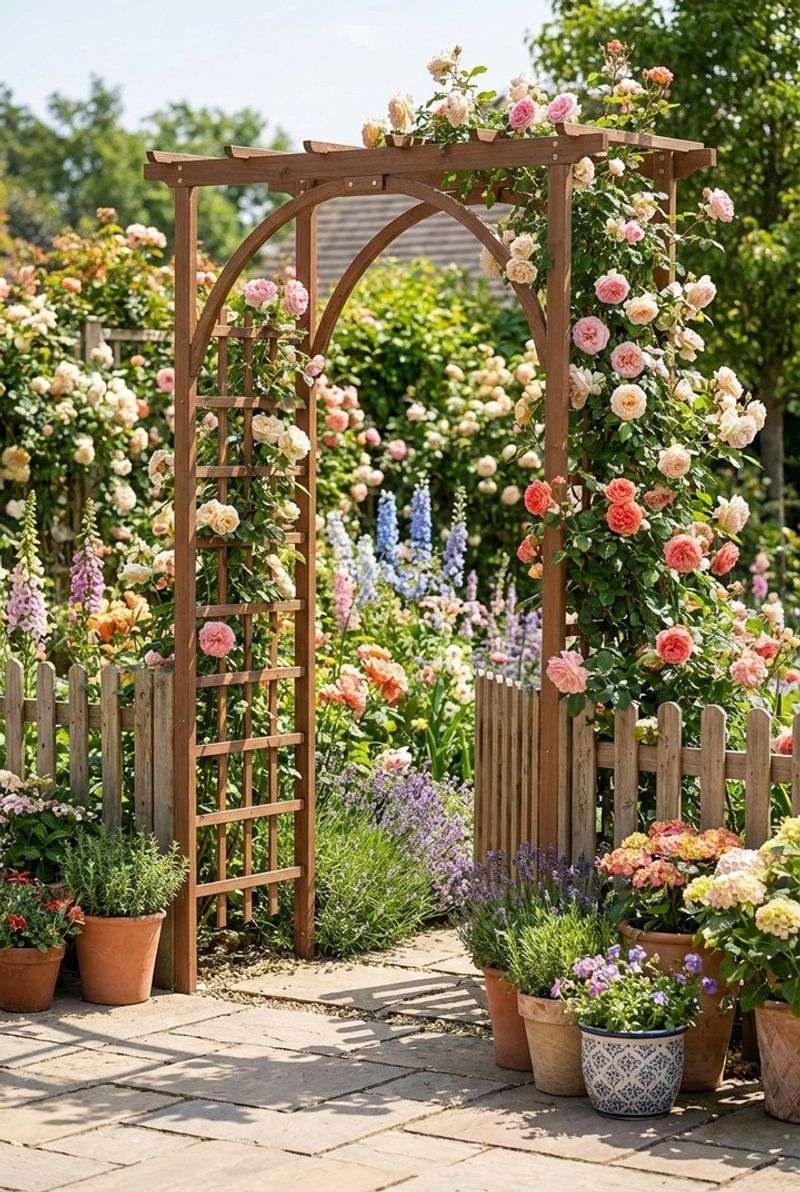
Walking beneath a flowering arch covered in climbing roses or wisteria is one of those garden moments that genuinely feels like stepping into another world. A rustic arbor or garden arch is one of the most powerful design tools available for creating a storybook atmosphere along an Ohio walkway, and the impact it delivers is well worth the effort of installation.
Garden arches create a natural focal point and frame the path in a way that draws visitors forward with a sense of anticipation. They also add valuable vertical interest to flat garden spaces, which is a common challenge in many Ohio suburban yards.
Cedar, redwood, or painted wrought iron are all excellent arch materials that hold up well through Ohio’s humid summers and cold winters.
For climbing plants, climbing roses such as New Dawn or John Cabot are cold-hardy and perform beautifully in Ohio gardens. Clematis is another fantastic option, producing stunning blooms in purple, pink, or white that drape elegantly over an arch structure.
For a faster-growing option, annual flowering vines like morning glory or black-eyed Susan vine can fill an arch with color within a single growing season. Place the arch at the garden entrance or at a transition point along the path to maximize its dramatic effect.
7. Layer Plants For A Lush Woodland Feel
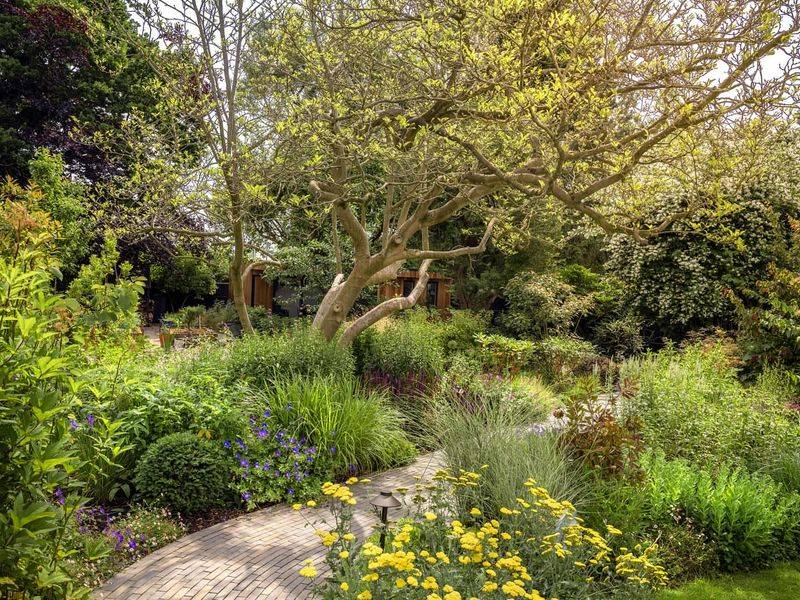
Some of the most breathtaking garden paths in Ohio look less like designed landscapes and more like enchanted forest floors. That effect comes from intentional plant layering, a technique borrowed from natural woodland ecosystems where tall trees, understory shrubs, mid-height plants, and ground covers all grow together in beautiful, organized layers.
Replicating this layered look along a walkway creates incredible depth and visual richness. Start with a taller background layer of small ornamental trees or large shrubs like serviceberry, native dogwood, or oakleaf hydrangea.
In front of those, place mid-height perennials like astilbe, hostas, or native ferns that thrive in Ohio’s shaded or partly shaded garden spaces. At the front, low ground covers like sweet woodruff, wild ginger, or ajuga complete the layered effect and soften the path edges beautifully.
According to horticulture resources from Ohio State University Extension, layered planting also benefits the local ecosystem by providing habitat and food for native birds, butterflies, and beneficial insects.
The woodland garden style is particularly well-suited to properties near tree lines or in naturally shaded Ohio yards.
Even in sunnier spots, you can create a similar layered effect using sun-loving natives like coneflower, tall rudbeckia, and creeping thyme to achieve that lush, abundant storybook feel.
8. Install Soft Lighting For Evening Charm
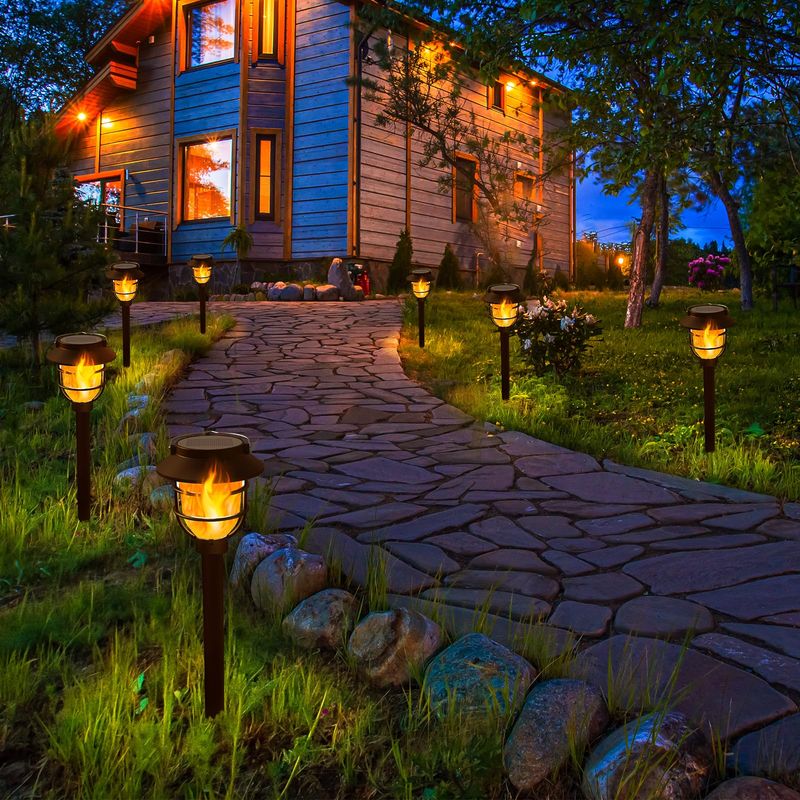
As the sun sets over an Ohio garden, the right lighting can transform a beautiful daytime path into something that feels genuinely magical.
Soft pathway lighting does double duty, keeping the walkway safe and visible after dark while also casting a warm, golden glow that makes the entire garden look like something from a dream.
Solar-powered pathway lights are a practical and affordable option for most Ohio homeowners. They require no wiring, charge themselves during the day, and turn on automatically at dusk.
Low-voltage LED stake lights offer a warmer, more consistent glow and can be connected to a simple timer for easy management. For a more whimsical touch, consider solar string lights woven through nearby shrubs or draped across a garden arch to add sparkle and depth.
Garden lighting experts recommend keeping path lights low to the ground and spaced evenly to create a gentle, welcoming glow rather than harsh, overly bright illumination.
Warm white bulbs with a color temperature around 2700K produce the softest and most flattering light for garden settings.
In Ohio, where outdoor entertaining often stretches into warm summer evenings, well-lit garden paths extend the usability and enjoyment of outdoor spaces well beyond daylight hours. Good lighting truly finishes the storybook effect in a way that no other single element can match.