This Popular Shrub Should Never Be Pruned Before Spring In North Carolina

Azaleas are one of the signature sights of spring in North Carolina. From the Coastal Plain to the Piedmont and into the Mountains, these flowering shrubs fill gardens with bright shades of pink, red, and white.
But many gardeners accidentally ruin that display before it even begins. In an effort to tidy up their yards, some people prune their azaleas at the wrong time of year.
When that happens, the plant loses the flower buds it formed months earlier, leaving the shrub healthy but nearly bloomless when spring arrives. Timing is the key to keeping azaleas looking their best.
Once you understand when these shrubs form their buds and when they should be trimmed, caring for them becomes much easier.
With the right approach, North Carolina gardeners can enjoy the full burst of color that makes azaleas such a beloved part of the landscape.
1. Bloom On Old Wood

Most gardeners do not realize that azaleas are a bit old-fashioned in the best possible way.
Nearly all azalea varieties common to North Carolina produce their flower buds on the previous year’s growth, which horticulturists call “old wood.” That means the stems that grew during last summer are carrying every single bloom you will enjoy come spring.
When you pick up your pruning shears before those flowers open, you are cutting away buds that formed back in mid to late summer.
The plant spent months preparing those buds, and one early trim wipes out that entire effort in minutes.
NC State University’s horticultural guidance confirms that azalea bud set typically happens between July and September each year.
Gardeners in North Carolina who skip the early pruning are rewarded with dense, colorful spring displays that make neighbors stop and stare. Waiting preserves every bud the shrub worked so hard to develop.
Skipping that early trim costs nothing but a little patience, and the payoff in blooms is absolutely worth it.
Protecting old wood growth is the single most important reason to hold off on pruning until after your azaleas finish flowering each spring.
2. Early Pruning Reduces Flower Count

Imagine walking outside in April expecting a wall of color and finding just a few scattered blossoms instead.
That disappointing scene is exactly what happens when azaleas in North Carolina get pruned too early.
Every branch you cut before spring removes flower buds that were already set and ready to open.
Research from NC State Extension clearly shows that pruning azaleas in late winter or early spring, before flowering begins, directly reduces the number of blooms that season. Even a light trim can take out dozens of buds you cannot see yet.
The loss adds up fast, especially on mature shrubs that would otherwise produce hundreds of flowers. North Carolina gardeners who have made this mistake once rarely repeat it.
Watching a shrub you carefully tended all year produce only a fraction of its normal flowers is genuinely frustrating. The good news is that the fix is simple: just wait.
Your North Carolina Garden Changes Every Week. Your Plan Should Too.
Gardening in North Carolina changes quickly throughout the season. Every Friday you’ll receive a simple weekly plan showing exactly what to plant, prune, fertilize, harvest, and protect so you never miss the right timing.
Holding your shears until the blooming season wraps up each late spring gives your azalea every chance to reach its full, spectacular flower count.
Fewer cuts at the wrong time means more color at the right time, and that is a trade any NC gardener should happily make.
3. Best Time To Prune Is After Blooming
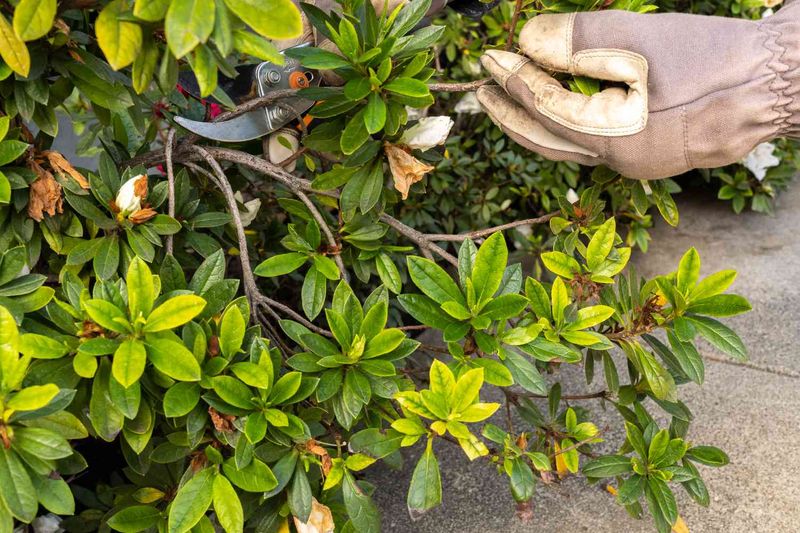
Timing really is everything when it comes to azaleas, and North Carolina gardeners have a golden window they should never miss.
The absolute best time to prune your azalea is right after it finishes blooming, which in most parts of NC falls somewhere between late April and early June depending on the variety.
Acting during that window lets you shape the plant while still giving it plenty of time to set new buds for next year.
NC State Extension consistently recommends pruning azaleas immediately after flowering and no later than mid-July.
Waiting past that point risks cutting into the new buds the plant is already forming for the following spring.
Keeping that mid-July deadline in mind helps NC gardeners plan their yard work calendar with confidence.
Pruning right after blooms fade also encourages fresh new growth to push out quickly during the warm summer months.
That new growth becomes the bud-bearing wood for your next spring show. Think of it as a two-for-one deal: you get to shape and tidy your shrub now, and you lock in a gorgeous flower display for the season ahead.
Sticking to this post-bloom window is the cornerstone of smart azalea care across all of North Carolina.
4. Protects Flower Buds From Frost

North Carolina winters can be sneaky. Even when the calendar says spring is close, late cold snaps can roll through and catch gardeners off guard.
Azalea flower buds that are already swelling and preparing to open are especially vulnerable to those surprise frosts that pop up in February and March across the state.
Leaving your azalea unpruned through late winter actually helps protect those tender buds.
The surrounding branch structure and foliage act as a natural buffer, reducing direct frost exposure on the most delicate parts of the plant.
Pruning too early opens up the shrub, exposes new growth, and increases the risk that a hard frost will damage or destroy the buds you have been waiting all year to see bloom.
Gardeners in the NC Piedmont and mountain regions know this risk well, since late frosts can linger longer there than in coastal areas.
Keeping the shrub intact gives the buds their best shot at surviving unpredictable late-winter temperature swings.
Once the danger of frost passes and your azalea begins to open its flowers, you can relax knowing those blooms made it through safely.
Patience during the cold months pays off in a big, beautiful, frost-free spring display every single year.
5. Encourages Natural Shape

Azaleas have a naturally graceful, mounded shape that most NC homeowners find incredibly appealing.
When you prune at the wrong time or cut too aggressively before spring, you disrupt that organic form and can end up with a shrub that looks choppy and uneven.
Waiting until after the blooms fade gives you a much clearer picture of the plant’s true structure before you start shaping.
Pruning right after flowering lets you work with the natural growth pattern of the shrub rather than against it.
You can remove crossing branches, trim back any overly long stems, and encourage a fuller, rounder silhouette without sacrificing a single bloom.
North Carolina landscapes benefit enormously from azaleas that are allowed to develop their classic, flowing form over time.
A well-timed trim also stimulates new growth that fills in any thin spots, making the shrub look lush and healthy by midsummer.
Over several seasons of proper post-bloom pruning, your azalea will build a dense, attractive framework that anchors your garden beautifully.
Skipping early pruning is not just about saving blooms, it is also about respecting the plant’s natural architecture.
NC gardeners who let their azaleas guide the shaping process end up with shrubs that look effortlessly polished year after year.
6. Helps Reduce Disease Risk
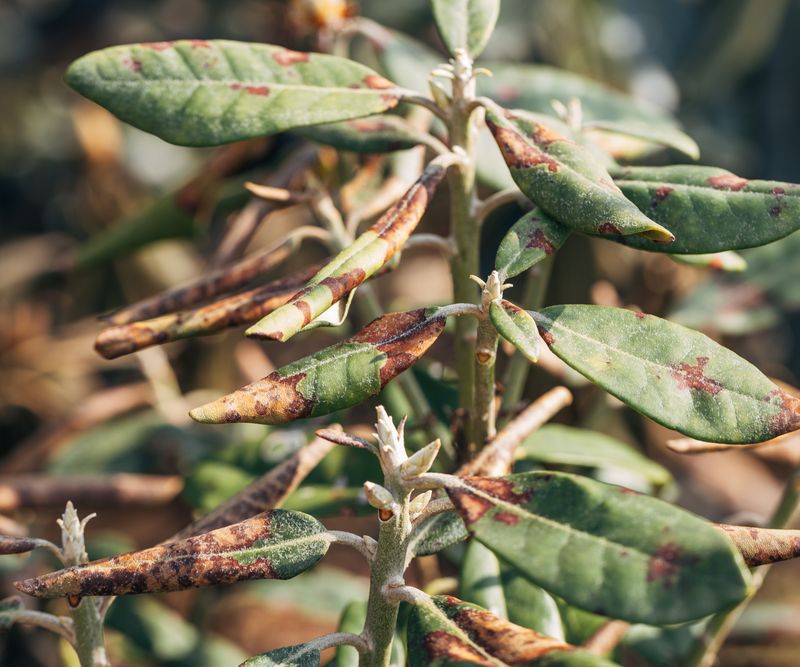
Healthy azaleas start with smart pruning habits, and timing plays a bigger role in plant health than most people expect.
Pruning azaleas after they finish flowering gives NC gardeners the best opportunity to spot and remove any damaged or diseased wood before it causes bigger problems.
Branches that struggled through winter become much easier to identify once the plant has leafed out and bloomed fully.
Cutting into an azalea before spring growth begins can actually increase disease risk in some situations.
Open pruning wounds made during cold, damp weather can invite fungal issues, and removing healthy wood too early weakens the plant’s overall structure right when it needs energy most.
Waiting until after bloom allows the shrub to be at its strongest before you make any cuts. North Carolina’s humid climate creates conditions where fungal diseases like petal blight and leaf gall can spread quickly if plants are already stressed.
Pruning at the right time reduces that stress significantly.
Once blooms have dropped and new growth is pushing out, you can remove problem branches cleanly and confidently, giving wounds time to callus over during the warm, dry summer months.
Healthy pruning habits practiced consistently across NC gardens lead to azaleas that stay vigorous, colorful, and disease-resistant for many years to come.
7. Supports Wildlife Habitat
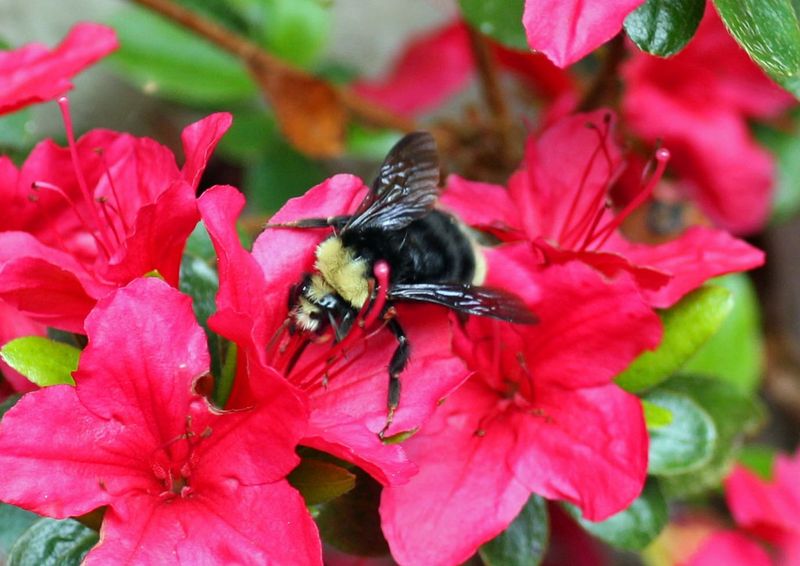
Spring in North Carolina is alive with pollinators, and azaleas play a surprisingly important role in feeding and sheltering local wildlife.
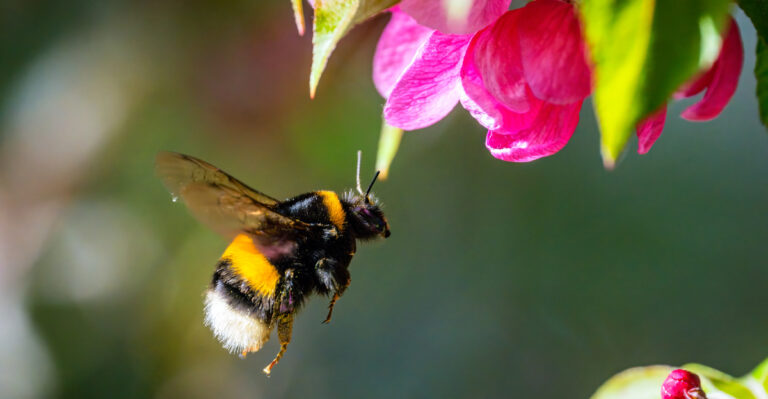
When azalea shrubs are allowed to bloom fully without being cut back early, they become a rich nectar source for bees, butterflies, and even hummingbirds during one of the busiest times of year for these creatures.
Early pruning wipes out that food source before it even opens. Beyond nectar, unpruned azaleas also provide valuable shelter.
Dense, leafy branches offer nesting spots and cover for small birds and beneficial insects that call North Carolina gardens home.
Removing that structure too early in the season disrupts these relationships right when wildlife needs stable habitat the most.
Many NC gardeners are passionate about creating pollinator-friendly yards, and azaleas are one of the easiest ways to do that.
Letting the shrub bloom fully before any trimming supports the local ecosystem in a real, meaningful way.
Ruby-throated hummingbirds, which migrate through North Carolina each spring, rely heavily on flowering shrubs like azaleas as fuel stops during their long journey.
Keeping your azalea intact and blooming is a simple act that connects your yard to something much bigger. Good pruning timing benefits your garden and the wildlife that depends on it.
8. Timing Aligns With NC Gardening Practices
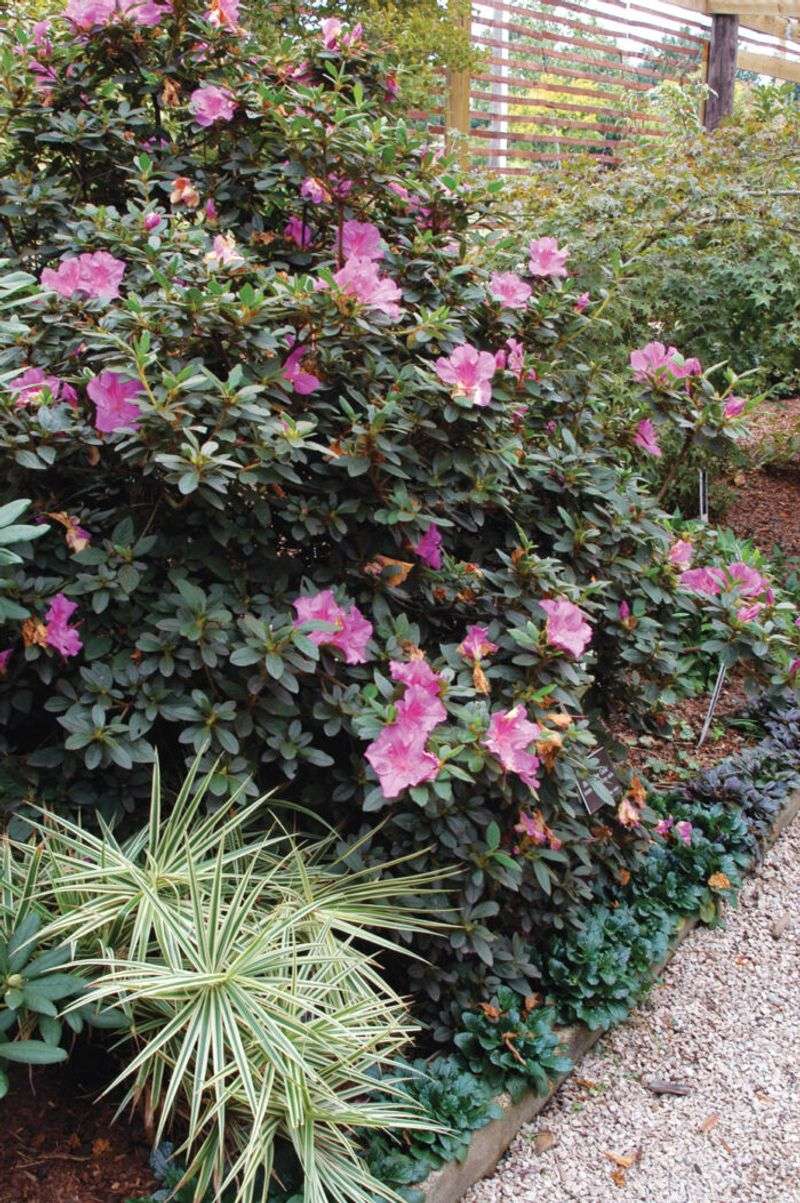
North Carolina has a long, proud tradition of azalea gardening, and the state’s horticultural experts have spent decades refining best practices for local growers.
Delaying pruning until after the spring bloom is not just common sense, it is the standard recommendation from NC State University Cooperative Extension and regional master gardener programs across the state.
Following that guidance puts you in good company. The advice exists because it works. NC gardeners who follow the post-bloom pruning schedule consistently report fuller plants, stronger flowering, and fewer problems with plant stress from season to season.
The timing aligns perfectly with the natural rhythm of the azalea’s growth cycle, making it easy to build into a regular yard care routine.
Spring azalea displays are practically a cultural landmark in North Carolina, from the famous Wilmington Azalea Festival to private gardens blooming across Raleigh, Charlotte, and Asheville every April.
Protecting those blooms by pruning at the right time honors that tradition and keeps NC landscapes looking their absolute best.
Whether you are a first-time gardener or a seasoned landscape enthusiast, following the state’s established azalea care calendar is one of the simplest and most rewarding decisions you can make.
Proper timing keeps your shrubs healthy, your yard stunning, and your spring season full of color.