10 Vegetables That Grow Well Even In Michigan’s Short Growing Season
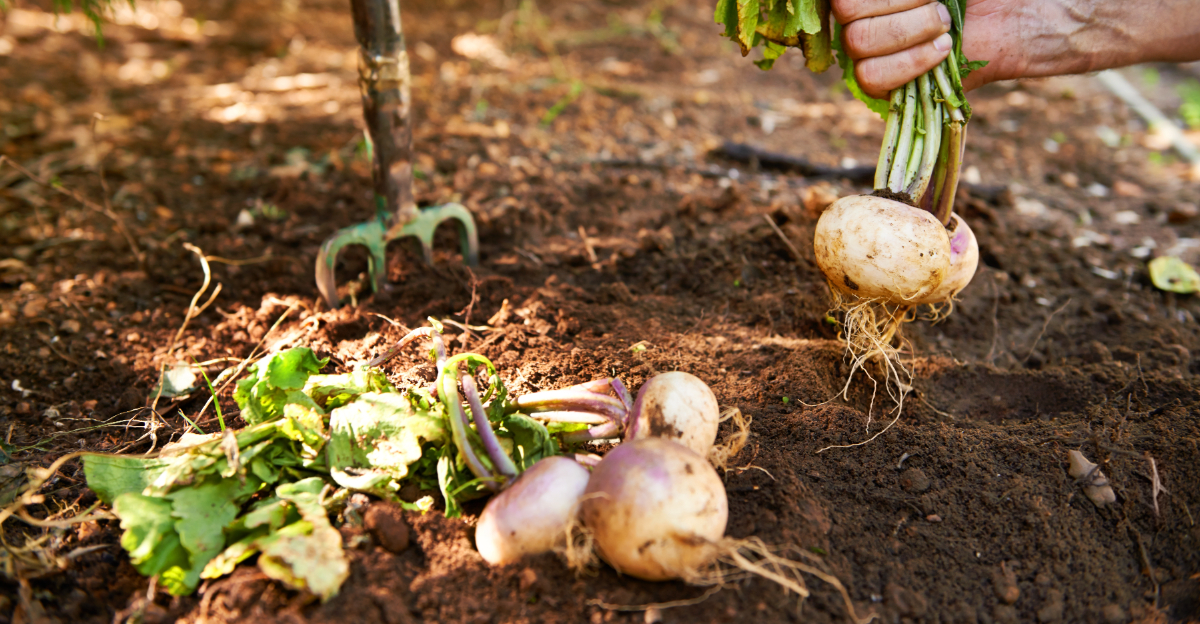
Michigan gardeners know the season can feel short. Spring arrives slowly, summer passes quickly, and cool weather often returns before many crops are ready.
But a shorter growing window does not mean your garden has to produce less. Across the Upper and Lower Peninsulas, many vegetables actually perform very well in Michigan’s cooler climate.
Some crops grow quickly before the heat of summer, while others thrive in the mild temperatures of early fall.
Choosing vegetables that match the state’s natural rhythm can make a huge difference in how productive your garden becomes.
With the right plants in the ground, Michigan gardens can stay full of fresh food for much longer than many people expect.
These vegetables are some of the best choices for making the most of Michigan’s unique growing conditions.
1. Kale
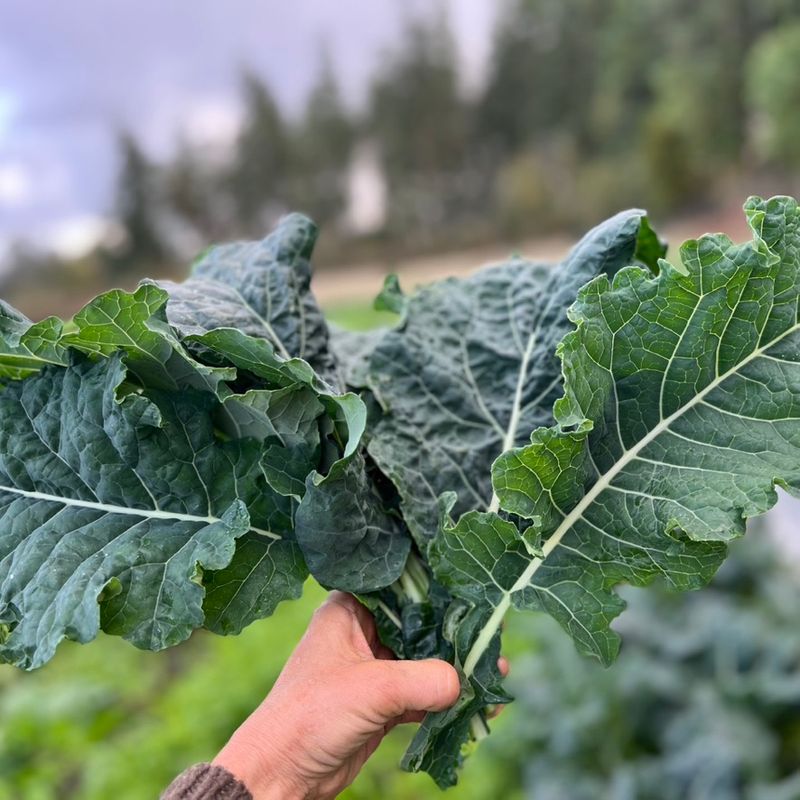
Few vegetables handle cold weather as confidently as kale. While other plants struggle when temperatures drop, kale actually gets sweeter after a light frost touches its leaves.
Michigan gardeners have a real advantage here because the cool springs and crisp fall seasons are exactly what kale loves most.
You can plant kale as early as six weeks before the last expected frost in spring, which in many parts of Michigan means getting seeds in the ground by late March or April. It grows quickly, and most varieties are ready to harvest within 55 to 75 days.
For an extra bonus, planting again in late summer gives you a whole second round of fresh greens heading into autumn. Kale is incredibly flexible in the kitchen too.
You can toss it in soups, blend it into smoothies, roast it into crispy chips, or simply saute it with garlic.
Curly kale and Lacinato kale are both popular choices that perform well in Michigan gardens. Give it full sun and well-drained soil, and it will reward you generously.
Even beginner gardeners find kale surprisingly easy to manage, making it one of the smartest vegetables to grow across the entire state of Michigan.
2. Radishes
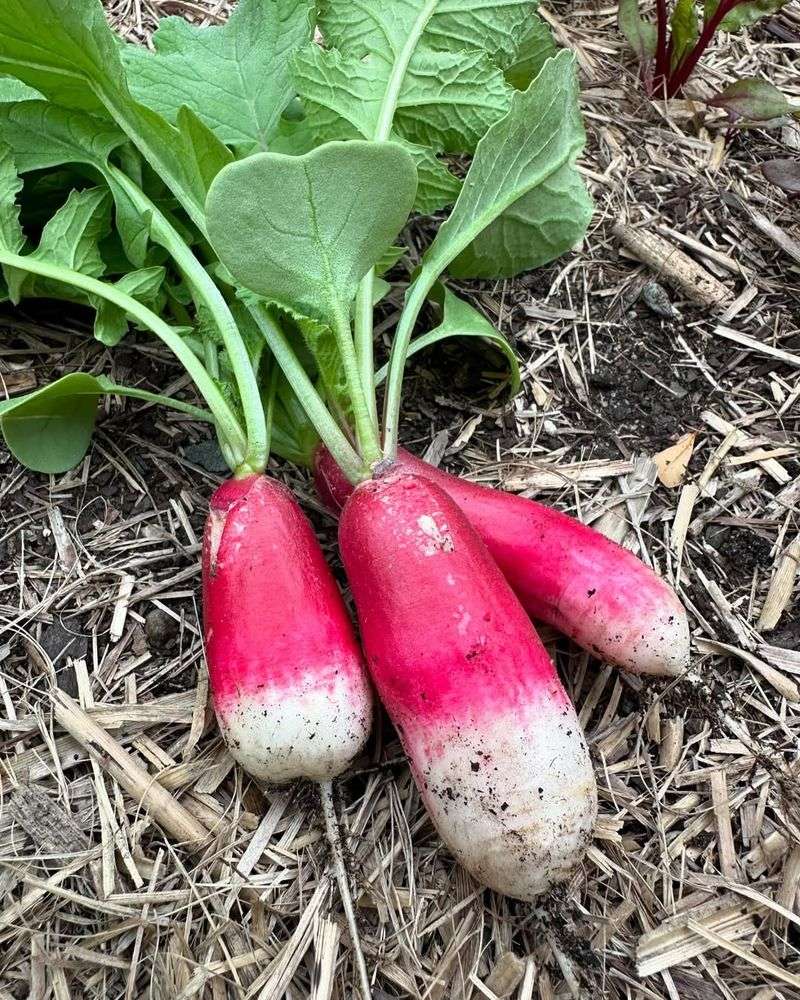
If patience is not your strong suit, radishes are your best friend in the garden. Ready to harvest in as little as 20 to 30 days, radishes are the fastest-growing vegetables you can plant in Michigan.
That speed makes them perfect for a state where every warm week counts toward the final harvest total.
Plant them early in spring when the soil is still cool, and you can squeeze in multiple rounds before summer heat arrives. Once summer winds down, plant another batch in late August for a crisp fall crop.
Radishes actually prefer cool soil, so Michigan’s climate suits them almost perfectly throughout the entire growing cycle.
Beyond their speed, radishes also serve a clever purpose in the garden. Many experienced Michigan gardeners use them as row markers alongside slower-growing vegetables like carrots.
By the time the carrots need more space, the radishes are already gone. Cherry Belle and French Breakfast are two popular varieties that grow reliably in Michigan gardens.
Your Michigan Garden Changes Every Week. Your Plan Should Too.
Gardening in Michigan changes quickly throughout the season. Every Friday you’ll receive a simple weekly plan showing exactly what to plant, prune, fertilize, harvest, and protect so you never miss the right timing.
Keep the soil loose and moist, and you will have no trouble pulling up round, firm radishes in record time.
They add a satisfying crunch to salads and snack plates, and growing them yourself makes them taste even better.
3. Lettuce
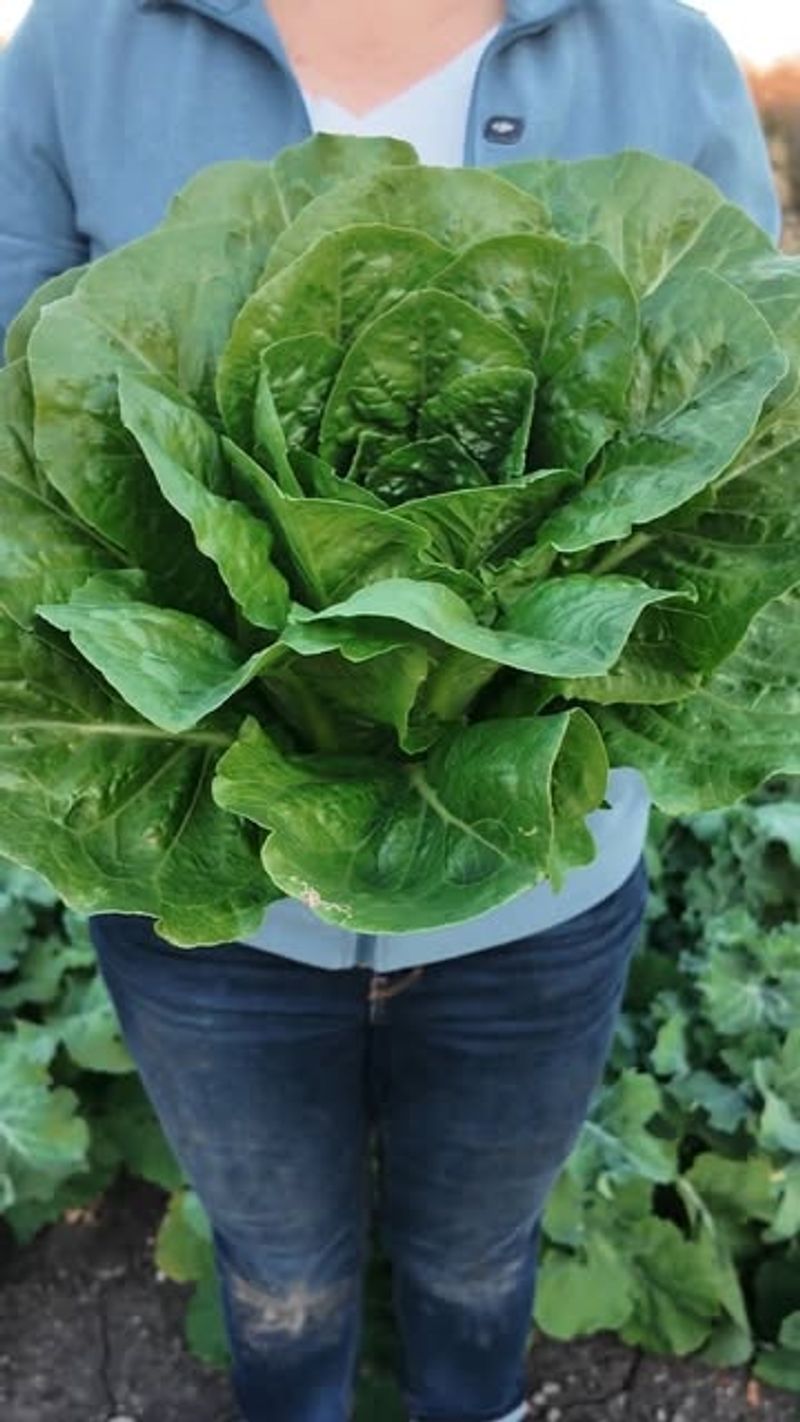
Walk through any Michigan farmers market in May, and chances are lettuce will be one of the first vegetables on display.
It thrives in cool weather and can reach harvest-ready size in as little as 45 days, which lines up beautifully with Michigan’s spring and fall seasons.
Loose-leaf varieties are especially popular because you can snip outer leaves and let the plant keep growing, stretching a single planting into weeks of fresh salads.
Butterhead, romaine, and red leaf lettuce all perform well in Michigan gardens. Start seeds indoors about four weeks before the last frost date, or direct sow outdoors as soon as the ground can be worked in spring.
One thing Michigan gardeners quickly learn is that lettuce bolts fast once summer heat kicks in.
The trick is to plant in a spot with afternoon shade during July, or simply focus on spring and fall crops when temperatures stay cooler.
Planting again in late August sets you up for a wonderful fall harvest that can last well into October in many parts of the state.
Lettuce is also ideal for container gardening on patios and porches, making it accessible even for those without a full yard. Fresh homegrown lettuce tastes nothing like the store-bought version.
4. Bush Beans
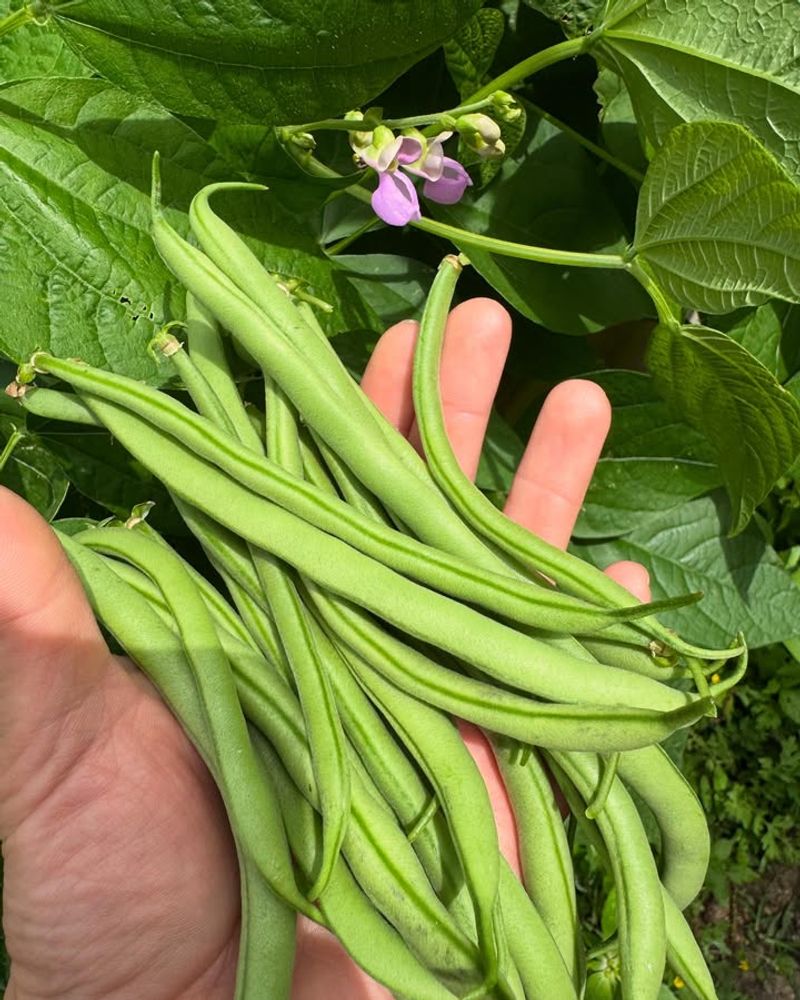
Bush beans bring a satisfying energy to the summer garden.
They grow fast, stay compact, and produce a generous harvest without needing stakes or trellises, which makes them one of the most practical vegetables for Michigan’s shorter warm season.
Plant them after the last frost has passed, typically in late May across most of Michigan, and you can expect to start picking pods in just 50 to 60 days. That timeline fits comfortably within Michigan’s summer window.
Because bush beans produce most of their crop all at once, many gardeners stagger plantings two weeks apart to keep fresh beans coming through July and August.
Provider and Contender are two varieties that Michigan gardeners rely on season after season because they handle cooler nights without slowing down production.
Bush beans prefer well-drained soil and full sun, and they actually improve soil health by fixing nitrogen naturally as they grow.
That benefit makes the garden bed even better for whatever you plant next season. Fresh bush beans taste incredible steamed with butter or tossed into summer salads.
Freezing the extra harvest is simple too, so you can enjoy the taste of your Michigan garden long after the growing season wraps up. For beginner gardeners especially, bush beans are almost impossible to mess up.
5. Zucchini
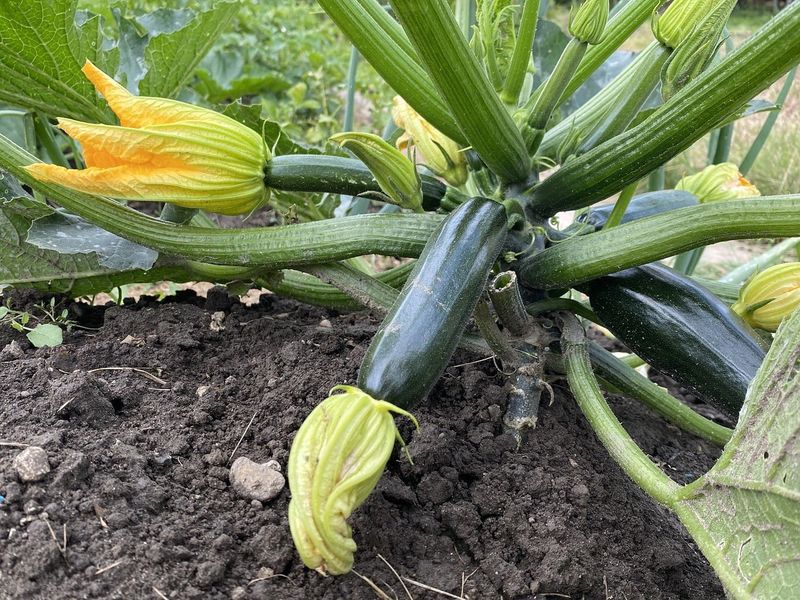
Zucchini has a reputation among gardeners, and it is well earned.
Plant a few seeds in a Michigan garden in late May, and by mid-summer you will have more zucchini than you know what to do with.
It is one of the most productive vegetables you can grow anywhere in the state. Maturing in just 60 to 70 days, zucchini fits nicely into Michigan’s summer growing window.
The plants love warm soil and full sun, and once they start producing, they barely stop.
Checking the garden every day or two is smart because zucchini can go from perfectly sized to surprisingly large almost overnight.
Black Beauty and Patio Star are popular varieties among Michigan home gardeners. Zucchini plants do take up a fair amount of space, so give each one plenty of room to spread out.
If space is limited, compact bush varieties work well in smaller beds or even large containers.
The flavor is mild and versatile, working in everything from stir-fries and pasta dishes to zucchini bread and muffins.
Neighbors and coworkers will start to appreciate you when you bring bags of fresh zucchini to share.
Growing this vegetable in Michigan is one of those rewarding experiences that makes every spring planting feel completely worth the effort.
6. Peas
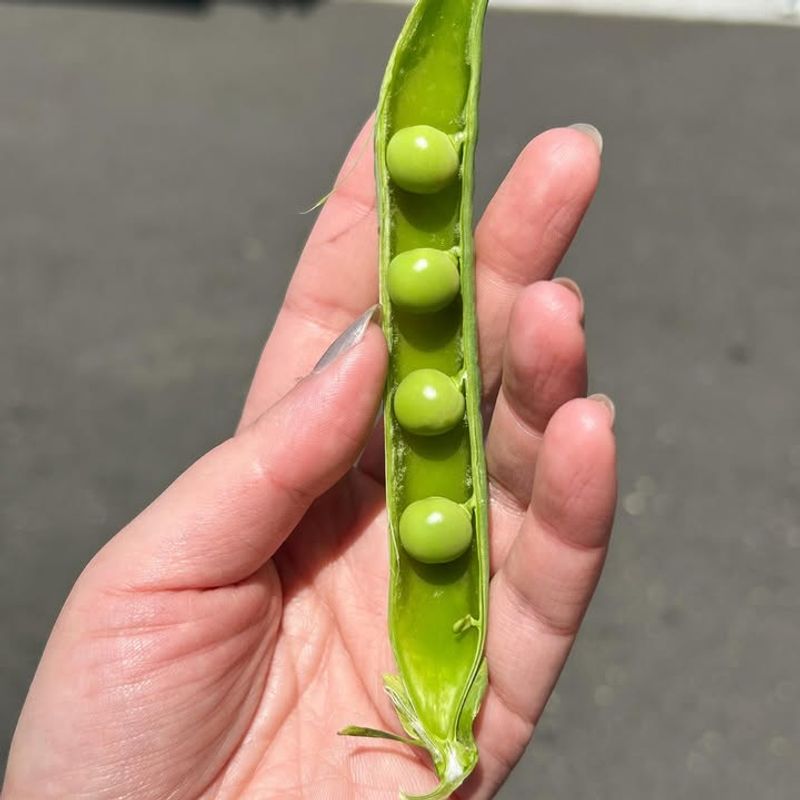
Peas are one of the earliest joys of a Michigan spring. The moment the soil can be worked, usually in late March or early April, peas are ready to go in the ground.
They genuinely prefer cool weather, and that makes Michigan’s long chilly spring almost ideal for getting a strong crop going. Sugar snap peas, snow peas, and shelling peas all perform well across Michigan.
Most varieties mature in 55 to 70 days, which means you can be harvesting by late May or early June before summer heat really settles in.
Setting up a simple trellis or fence gives climbing varieties something to hold onto and keeps the pods off the soil.
Fresh peas picked straight from the vine have a sweetness that store-bought frozen peas simply cannot match.
Kids especially love snacking on sugar snap peas right in the garden, which makes growing them a fun family activity.
Once summer temperatures climb consistently above 80 degrees, pea plants naturally slow down, but by then you will have already enjoyed a full harvest.
Saving seeds from your best plants is easy with peas, and it sets you up for another great round next spring.
For Michigan gardeners eager to get outside after a long winter, planting peas is the perfect way to kick off the growing season.
7. Swiss Chard
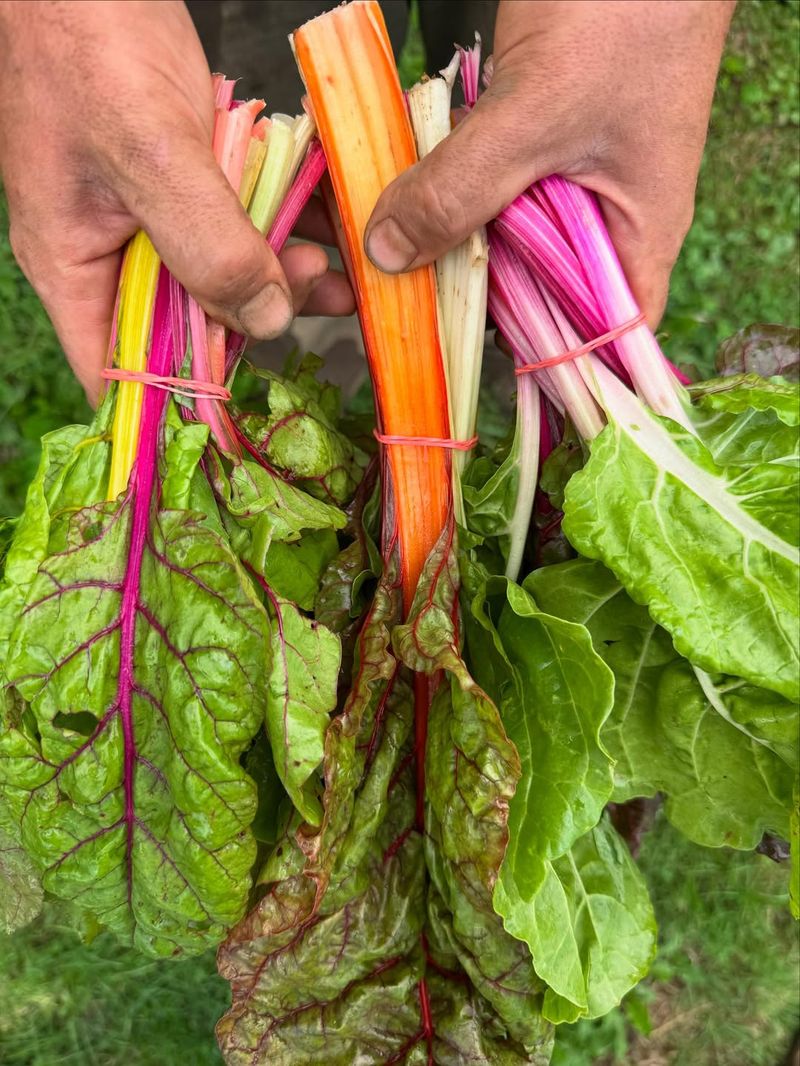
Swiss chard might be the most underrated vegetable in a Michigan garden. While other greens struggle in summer heat or fade out after the first frost, Swiss chard handles both with ease.
It bridges the gap between cool-season and warm-season gardening in a way that very few vegetables can match.
Plant it in early spring and it will keep producing fresh leaves through summer and well into fall.
Rainbow chard, with its stunning stems in red, orange, yellow, and pink, adds a pop of color to the garden bed that almost looks too pretty to eat.
Fordhook Giant is another reliable variety that Michigan gardeners have trusted for decades.
Harvesting Swiss chard works the same way as lettuce: snip the outer leaves and the plant keeps growing from the center.
That continuous harvest style is a big advantage in Michigan, where every productive week matters.
The leaves taste similar to spinach and work wonderfully in pasta, soups, omelets, and sauteed side dishes. The colorful stems can even be pickled for a tangy treat.
Swiss chard also grows well in containers, so apartment dwellers and small-yard gardeners across Michigan can enjoy a steady supply of fresh greens without needing a large plot of land. It is truly one of the most reliable performers in the state.
8. Carrots
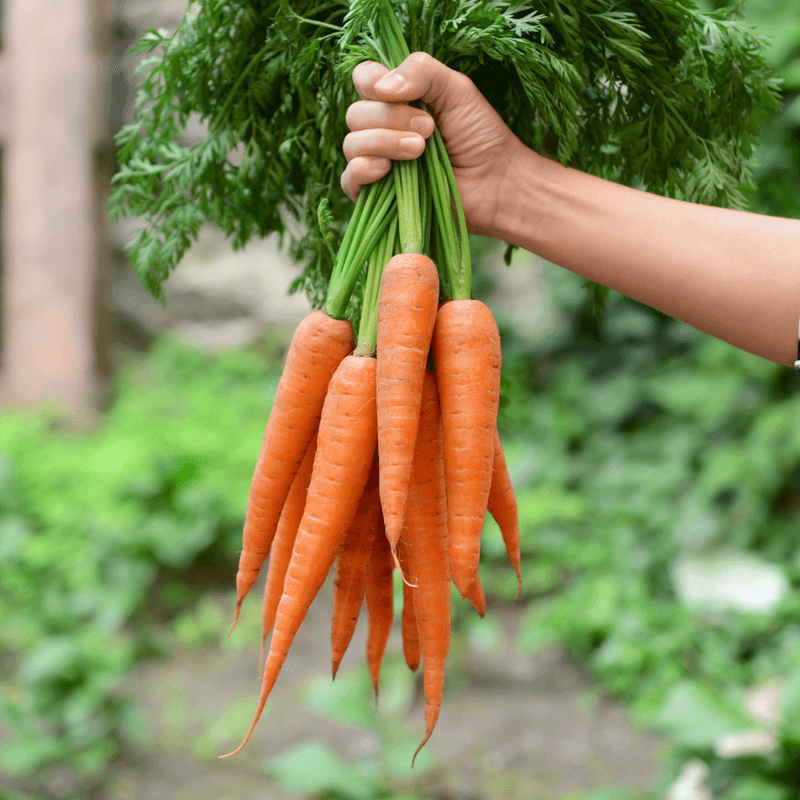
There is something deeply satisfying about pulling a bright orange carrot straight out of the earth.
Carrots thrive in cool soil, and Michigan’s spring and fall seasons offer exactly the right conditions for growing them sweet and firm from root to tip.
Sow carrot seeds directly into the garden in early spring, about three to four weeks before the last frost date. They mature in 65 to 75 days, which fits well within Michigan’s growing window.
For a fall crop, plant again in late July so the roots develop during the cool weeks of September and October.
Carrots grown in cool soil tend to taste noticeably sweeter than those grown in summer heat. Loose, deep, well-drained soil is the key to straight, full-sized carrots.
Rocky or compacted ground causes roots to fork and twist, so taking time to prepare the bed properly makes a real difference.
Danvers, Nantes, and Chantenay are all varieties that perform consistently well in Michigan gardens.
Thin seedlings to about two inches apart once they sprout so each carrot has room to develop fully.
Carrots store well in the refrigerator or even in a cool basement through winter, which means your Michigan harvest can keep feeding your family for months after the garden season officially ends.
9. Beets
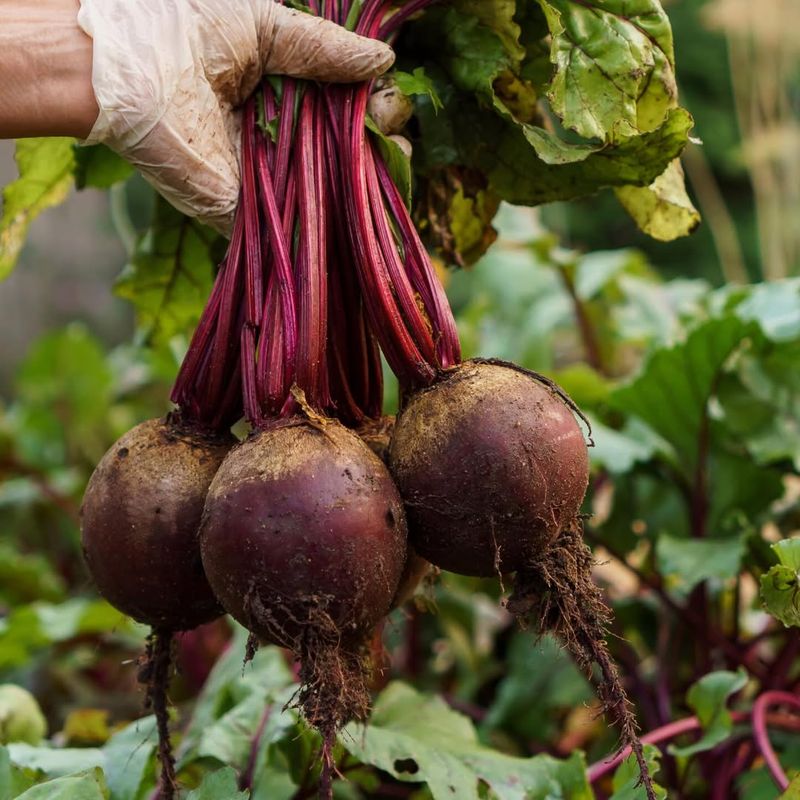
Beets are one of those vegetables that give you two harvests for the price of one. The roots are earthy, sweet, and delicious roasted or pickled, while the leafy tops taste a lot like Swiss chard and work great sauteed with olive oil and garlic.
In Michigan, that kind of double value is hard to beat. Beets prefer cool soil and grow well in both spring and fall in Michigan.
Plant seeds about four to six weeks before the last expected frost in spring, and again in late July for a fall harvest.
Most beet varieties mature in 55 to 65 days, making the timeline comfortable even for Michigan’s shorter warm season.
Detroit Dark Red is a classic variety that has been popular with Michigan gardeners for generations, and it performs reliably year after year.
Beet seeds are actually clusters of multiple seeds, so thinning the seedlings early is important to give each root room to grow round and full. Consistent watering keeps the roots from becoming tough or cracked.
Roasted beets with goat cheese and walnuts are a favorite fall dish that feels extra special when the beets came straight from your own Michigan garden.
Growing beets is a genuinely rewarding experience that beginners and experienced gardeners alike enjoy every single season.
10. Turnips
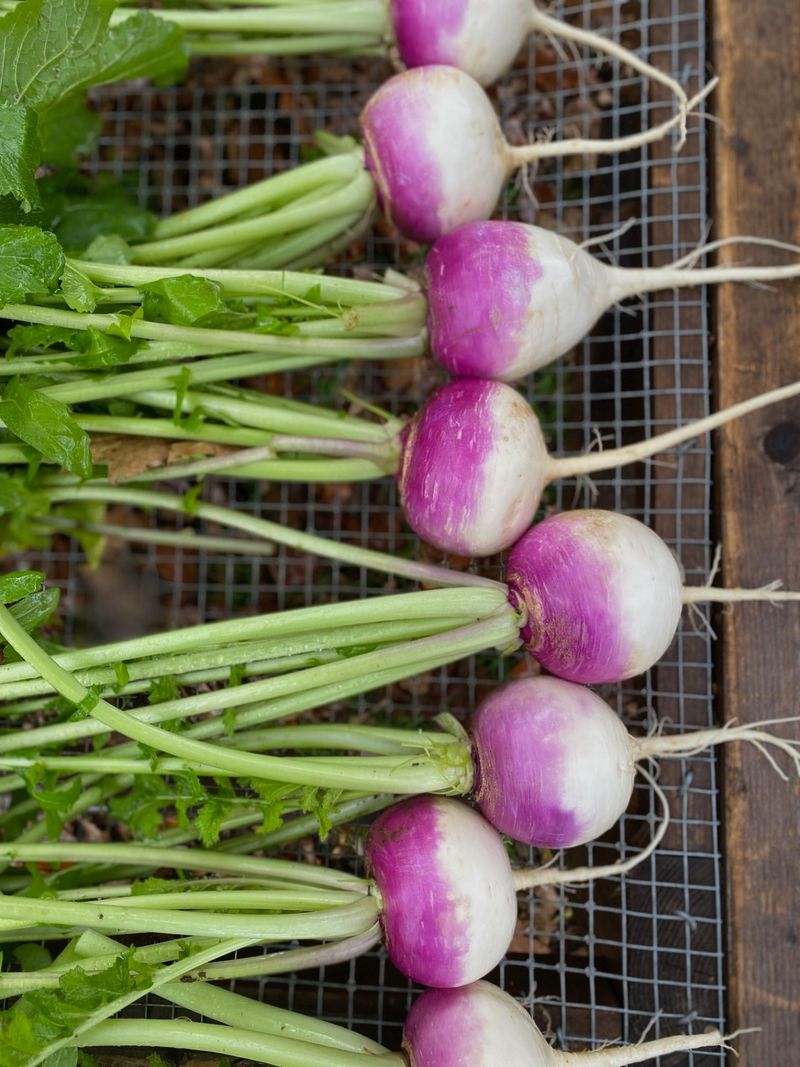
Turnips do not always get the attention they deserve, but seasoned Michigan gardeners know better.
Fast-growing and cold-tolerant, turnips are one of the most practical vegetables you can add to a short-season garden.
They mature in just 55 to 65 days, which makes them a natural fit for both spring and fall planting across the state.
Plant turnip seeds directly in the garden in early spring, or wait and sow them in late summer for a fall harvest that gets sweeter as temperatures cool down.
Just like carrots and beets, turnips develop better flavor when they mature in cool Michigan weather rather than summer heat.
Purple Top White Globe is the most widely grown variety in Michigan and consistently delivers smooth, mild-flavored roots.
One thing that surprises many new gardeners is that turnip greens are completely edible and genuinely nutritious.
The young leaves taste mild and tender, while older leaves have a slightly stronger flavor that works well in soups and stews.
Eating both the roots and the greens means you get incredible value from every single plant. Turnips also store very well in a cool, dark place, so your fall harvest can last well into winter.
For Michigan gardeners looking to stretch their harvest season and add variety to the table, turnips are a smart, dependable, and often overlooked choice worth planting every year.