Everything Michigan Gardeners Need To Know To Keep Zebra Haworthia Healthy Indoors
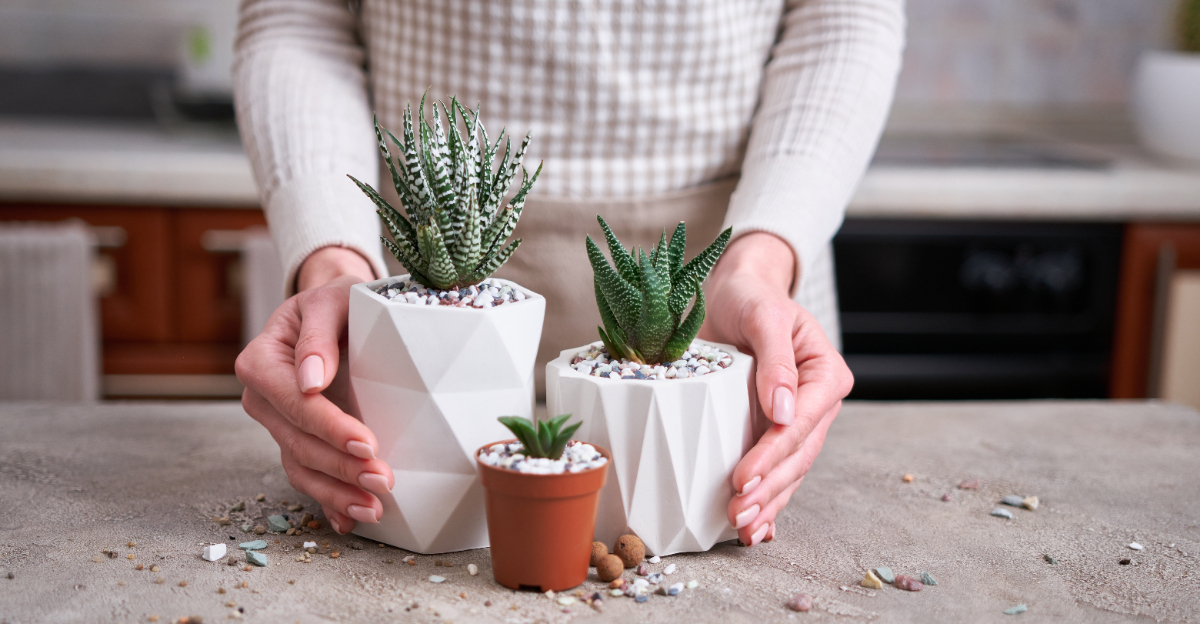
Zebra haworthia is one of those houseplants that looks like it should be high maintenance but turns out to be one of the more forgiving options you can keep on a windowsill.
That small, striking rosette with its bold white stripes handles neglect better than most succulents and fits comfortably in the kind of indoor spaces Michigan homes actually have available, especially during the long months when outdoor gardening is not an option.
The catch is that forgiving does not mean indestructible. A few common mistakes made consistently will eventually show up in a plant that stops growing, develops mushy leaves, or slowly declines without an obvious reason.
Michigan’s indoor environment, with its dry heating season, limited winter light, and spring sun that intensifies quickly, creates a specific set of conditions that affects how zebra haworthia behaves throughout the year.
Understanding what this plant actually needs versus what it merely tolerates is what keeps it looking sharp and growing steadily rather than just hanging on from one season to the next.
1. Zebra Haworthia Prefers Bright Indirect Light
Picture your Zebra Haworthia sitting in a cozy spot near a window, soaking up soft morning light without a single scorched leaf. That is exactly the kind of setup this plant loves most.
East-facing windows in Michigan homes are absolutely ideal for giving it the right amount of brightness without any harshness.
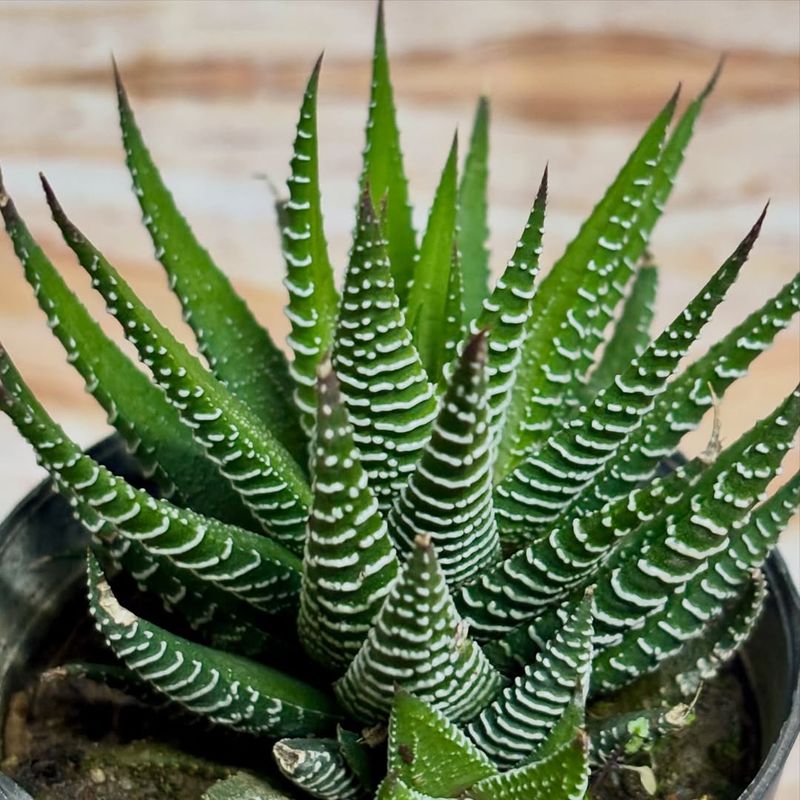
Bright indirect light is the sweet spot for Zebra Haworthia, also known as Haworthiopsis attenuata. Direct summer sunlight streaming through glass can actually burn those beautifully striped leaves, leaving ugly brown patches that will not recover.
A sheer curtain between the plant and a south or west window works perfectly as a simple fix.
Michigan winters bring notoriously low light levels, and your plant will feel that shift. Growth may slow down, and the leaves could start to look a little less vibrant than usual.
Rotating the pot every few weeks helps all sides of the plant get equal exposure to whatever light is available.
A grow light placed nearby for a few hours each day can make a big difference during those long, gray Michigan winters when natural light just is not enough to keep things bright and healthy.
2. Do Not Treat It Like A Desert Cactus
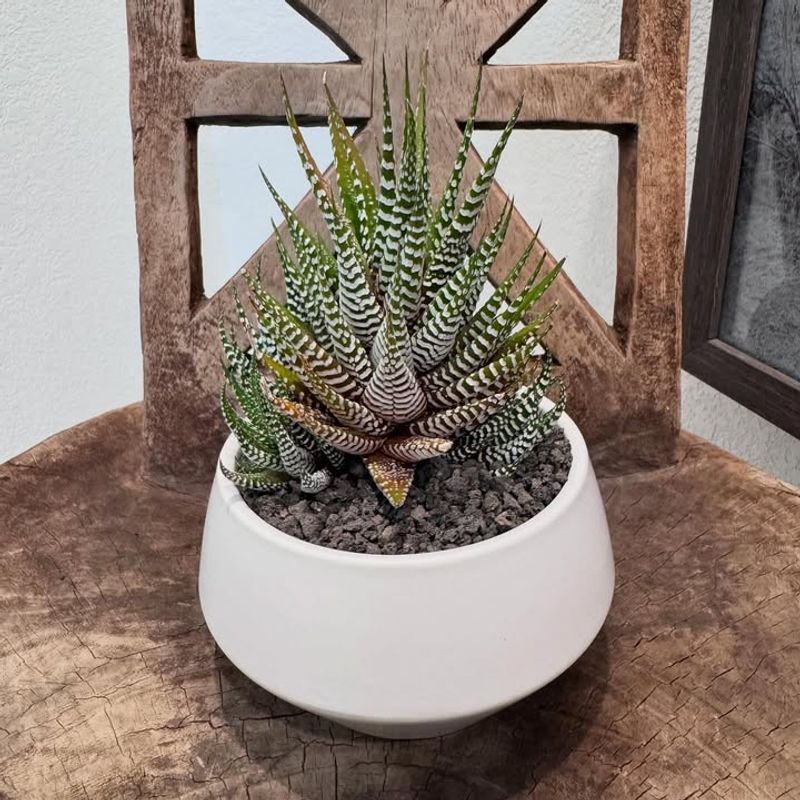
Here is something that surprises a lot of Michigan plant lovers: Zebra Haworthia is not a true desert cactus, even though it looks like one. In its native South Africa, this plant grows tucked under shrubs and rocks, enjoying protection from the most intense sun.
That natural behavior tells you a lot about what it actually needs indoors.
True desert cacti are built to handle blazing sun and extreme heat for hours on end. Zebra Haworthia, on the other hand, is far more comfortable with moderate, filtered light.
Treating it like a sun-hungry cactus and placing it in your brightest, hottest Michigan window is one of the quickest ways to stress it out.
The good news is that this plant handles lower indoor light levels much better than most cacti would. A spot that feels a little dim to you might actually feel just right to your Haworthia.
Your Michigan Garden Changes Every Week. Your Plan Should Too.
Gardening in Michigan changes quickly throughout the season. Every Friday you’ll receive a simple weekly plan showing exactly what to plant, prune, fertilize, harvest, and protect so you never miss the right timing.
Michigan homes with smaller windows or north-facing rooms do not have to give up on growing this plant. As long as there is some natural light reaching it each day, it will adapt and stay compact and healthy.
Understanding its true background helps you make smarter choices about placement and care all year round.
3. Overwatering Is The Most Common Problem
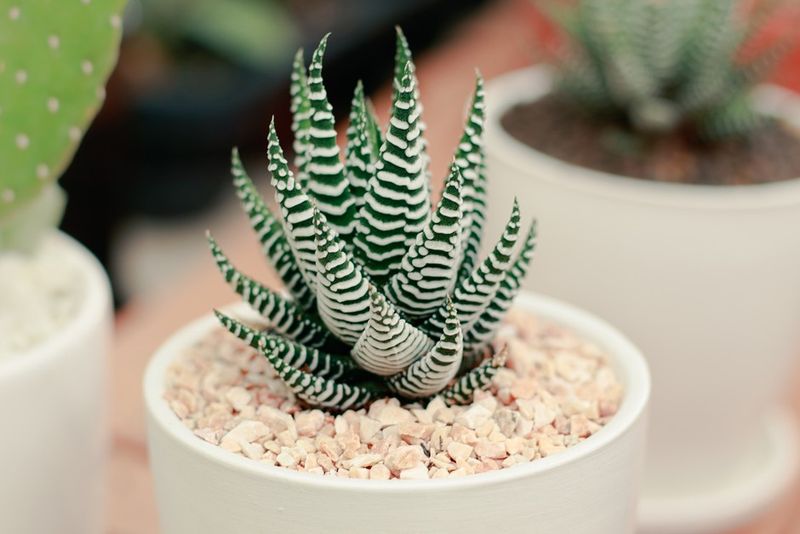
Watering too much is the number one mistake Michigan gardeners make with Zebra Haworthia, and it is easy to understand why. When the weather outside is cold and gloomy, it feels natural to want to nurture your plants more.
But extra water in winter is actually the opposite of what your Haworthia needs.
Michigan indoor conditions during winter slow down the rate at which soil dries out significantly. Heating systems keep homes warm, but the reduced light and shorter days mean plants use far less water than they do in summer.
Watering on a fixed schedule without checking the soil first is a recipe for soggy roots and a very unhappy plant.
The best approach is to stick your finger about an inch into the soil before watering. If it still feels damp, wait a few more days and check again.
Only water when the potting mix has dried out substantially from the top down. Zebra Haworthia stores water in its thick, striped leaves, which is exactly why it can handle going longer between waterings without any problem.
Michigan gardeners who learn to hold back a little on watering tend to have the healthiest, most beautiful Haworthia plants in the house. Patience really is the secret ingredient here.
4. Use Fast-Draining Soil For Best Results
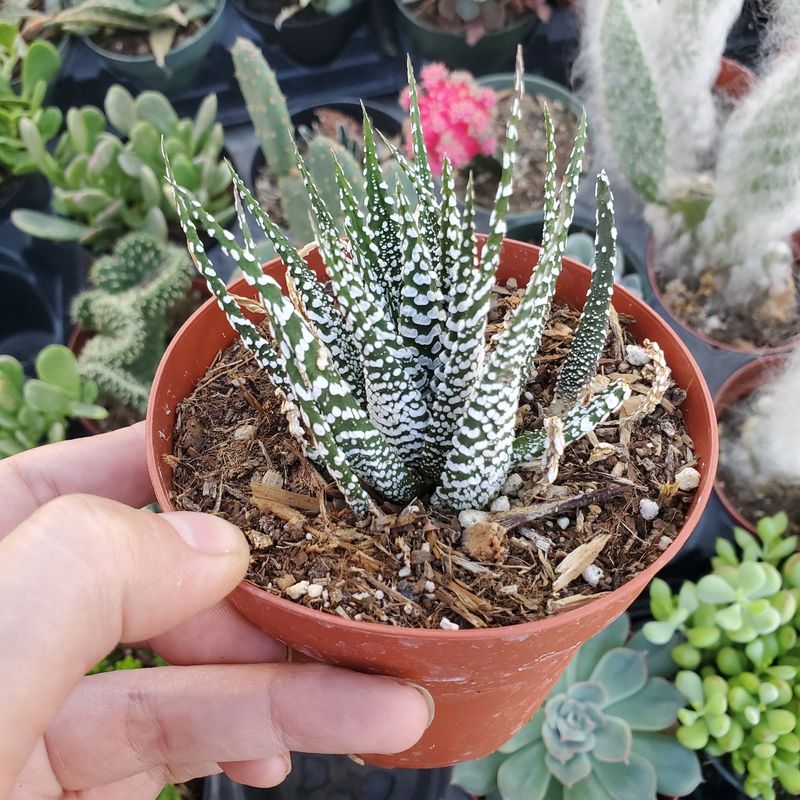
Soil choice matters way more than most people expect when it comes to Zebra Haworthia. Heavy, moisture-retaining potting mixes designed for tropical plants are simply not the right fit for this succulent.
Using the wrong soil is one of the sneakiest causes of root problems that Michigan gardeners run into.
A cactus or succulent potting mix is a solid starting point, but adding extra perlite or pumice takes it to the next level. These chunky, gritty materials create air pockets in the soil that allow water to flow through quickly instead of pooling around the roots.
Aim for a mix that is roughly half cactus soil and half perlite for excellent drainage results.
Michigan winters already make soil dry slowly indoors because of lower light and cooler window areas. Starting with a well-draining mix gives your Haworthia the best possible chance of staying healthy even when conditions are not perfect.
You can find cactus mix and perlite at most Michigan garden centers or hardware stores without any trouble. Repotting into fresh, gritty soil every couple of years also refreshes the nutrients available to the plant and keeps the root zone from becoming compacted.
Good soil is truly the foundation of everything when it comes to growing a thriving Zebra Haworthia indoors.
5. Containers Must Have Drainage Holes
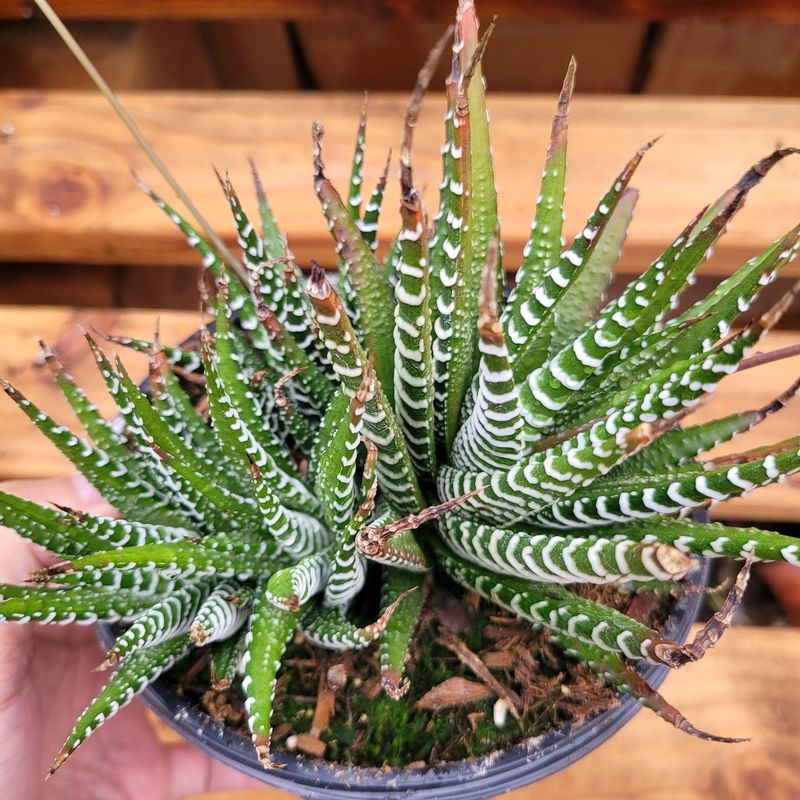
Drainage holes might seem like a small detail, but they are absolutely non-negotiable when you are growing Zebra Haworthia indoors. Without a hole at the bottom of the pot, excess water has nowhere to go.
It just sits at the base of the container, keeping roots wet far longer than they should ever be.
Decorative pots without drainage look gorgeous on a shelf or windowsill, but they create serious problems for succulents. Michigan winters are already tough on indoor plants because lower light slows drying time dramatically.
Pairing slow-drying conditions with a pot that traps water is a combination that rarely ends well for Haworthia roots.
Terracotta pots are a fantastic choice for this plant because they are porous and allow moisture to evaporate through the sides, keeping the soil drier overall.
If you absolutely love a decorative pot without a hole, use it as a cachepot by placing a smaller, draining pot inside it.
Just remember to empty the outer pot after watering so water does not collect at the bottom. Michigan gardeners who switch to pots with proper drainage almost always notice their Haworthia looking perkier and more vibrant within just a few weeks.
That one simple change can completely transform how healthy your plant looks and feels throughout the year.
6. Winter Growth Often Slows Down Indoors
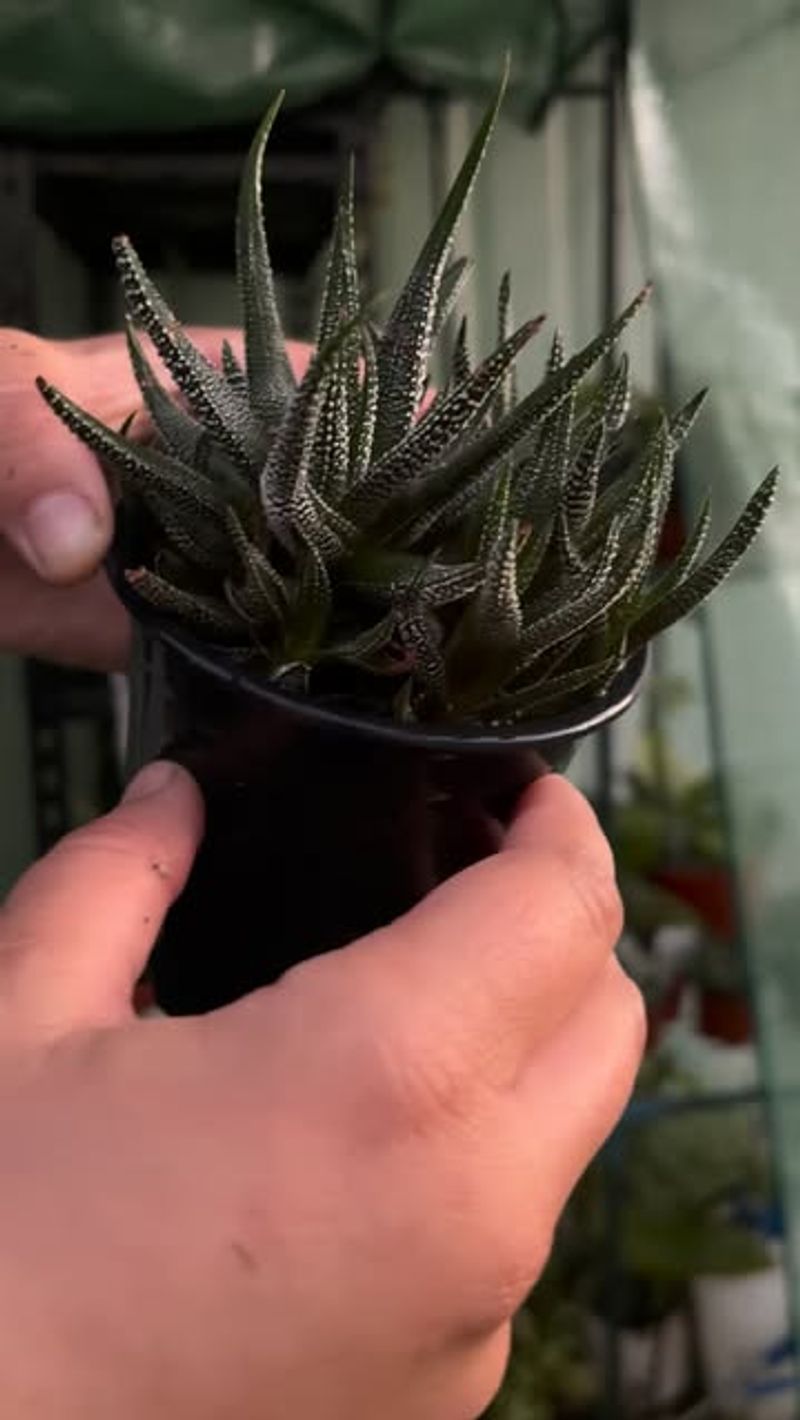
Michigan winters are long, dark, and genuinely challenging for indoor gardeners who want to keep their plants thriving. Zebra Haworthia responds to reduced light and cooler temperatures by naturally slowing its growth, almost like it is taking a little rest.
This is completely normal and nothing to worry about at all. During this slower period, the plant simply does not need as much water or attention as it does during spring and summer.
Many Michigan gardeners make the mistake of increasing watering because they think the plant looks less lively. In reality, cutting back on watering frequency during winter is exactly the right move to keep roots happy and healthy.
Think of winter as a quiet season for your Haworthia rather than a problem to solve. The plant is conserving energy and waiting for the longer, brighter days of spring to kick its growth back into gear.
Resist the urge to fertilize during this time too, since feeding a resting plant can cause more harm than good.
Come March and April, when Michigan days start getting noticeably longer, your Zebra Haworthia will naturally wake up and begin putting out fresh new growth.
Trusting the plant’s seasonal rhythm and adjusting your care routine to match it makes all the difference in keeping it healthy through the colder months.
7. Keep It Away From Cold Windowsills In Winter
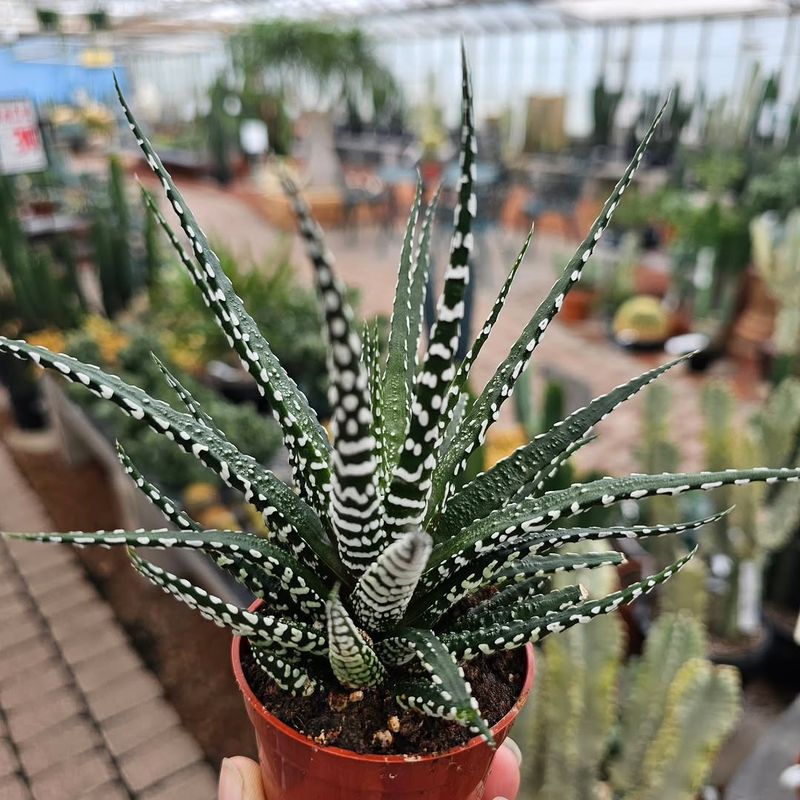
Michigan winters get brutally cold, and windowsills can become surprisingly dangerous spots for your Zebra Haworthia during the coldest months.
Glass windows lose heat fast, and the temperature right next to the pane can drop low enough to damage those beautiful striped leaves. Even if the room itself feels warm, the microclimate near the glass is a different story entirely.
Leaves that press against freezing glass can develop soft, discolored patches that signal cold damage. Once those cells are damaged by extreme cold, there is no reversing the change, and the leaf will carry that mark permanently.
Moving your plant just a few inches back from the window during cold snaps makes a surprisingly big difference in protecting it.
A good rule of thumb for Michigan gardeners is to slide Haworthia plants away from windows whenever overnight temperatures drop below freezing outside. You can always move them back during the day to catch available light.
Using insulating window film or placing a piece of cardboard between the plant and the glass on the coldest nights also works well as a quick fix. Zebra Haworthia can handle cool indoor temperatures just fine, but it genuinely dislikes cold drafts and contact with freezing surfaces.
A little awareness about window placement during Michigan winters goes a long way toward keeping your plant looking its absolute best all season long.
8. Zebra Haworthia Stays Naturally Compact
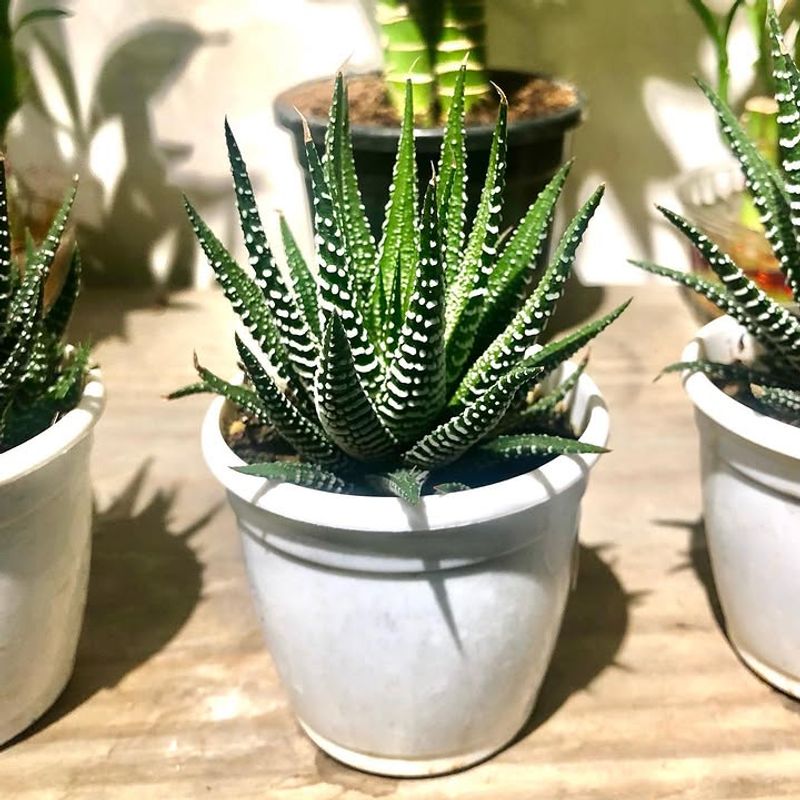
One of the most charming things about Zebra Haworthia is how neat and tidy it stays without any pruning or fussing.
Most healthy plants max out at around five to eight inches tall, making them perfect for small spaces like apartment windowsills or office desks in Michigan homes. That naturally compact shape is a big part of why so many people fall in love with this plant.
When a Zebra Haworthia starts stretching out and reaching upward with elongated, widely spaced leaves, it is sending a clear message that it needs more light.
This stretching is called etiolation, and it happens when the plant is straining toward a distant or insufficient light source. Moving it closer to a brighter window usually solves the problem over time.
New leaves will grow in tighter and more upright once the light situation improves, even if the older stretched leaves stay as they are. Michigan gardeners who keep their Haworthia in a consistently bright spot rarely see this kind of stretching happen at all.
The plant just settles in, grows slowly, and holds its gorgeous rosette shape year after year. If you want a low-maintenance houseplant that looks polished and sculptural without constant attention, Zebra Haworthia is genuinely one of the best choices you can make for your Michigan home.
9. It Handles Dry Indoor Air Surprisingly Well
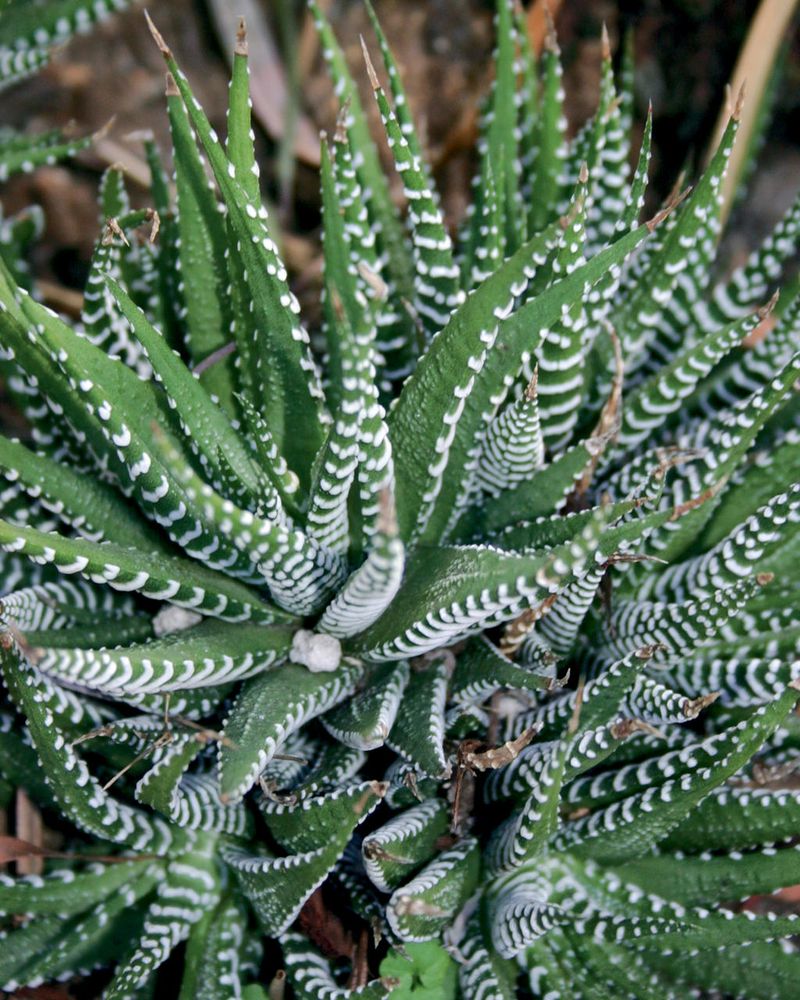
Michigan winters mean furnaces running full blast, and that heated indoor air gets extremely dry. Many tropical houseplants suffer badly in these conditions, demanding misters, pebble trays, and humidifiers just to survive the season.
Zebra Haworthia takes a totally different approach and actually handles dry air without breaking a sweat.
Because this plant evolved in semi-arid conditions in South Africa, low humidity is something it is genuinely built for. Its thick, waxy leaves hold moisture internally, so it is not dependent on humid air the way ferns or calatheas are.
This makes it one of the most practical and hassle-free indoor plants for Michigan homes during the heating season.
You do not need to mist it, place it near a humidifier, or worry about positioning it away from heating vents the way you would with more delicate plants.
That said, keeping it away from direct blasts of hot air from a vent is still a good habit because extreme heat drying out the soil too rapidly can lead to inconsistent watering challenges.
Overall though, if you want a plant that genuinely thrives in the kind of dry, heated indoor environment that Michigan winters create, Zebra Haworthia is an outstanding choice.
Its resilience to low humidity is one of its most underrated and genuinely useful qualities for indoor gardeners across the state.
10. Offsets Are Easy To Divide And Replant
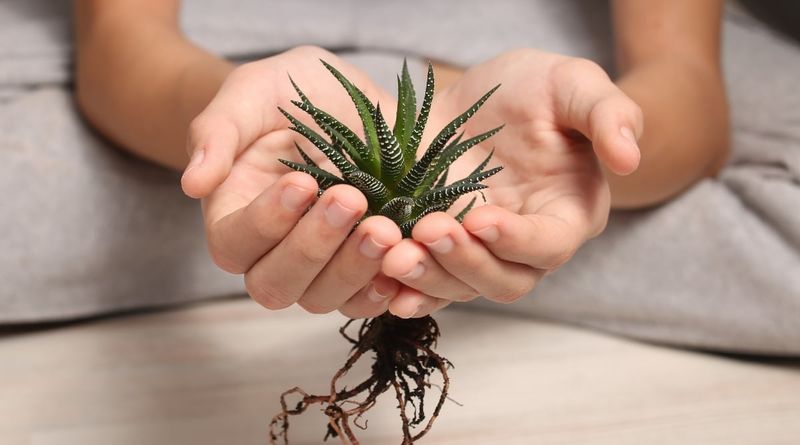
Mature Zebra Haworthia plants have a wonderful habit of producing little baby plants, called offsets or pups, around their base. These miniature rosettes are essentially clones of the mother plant, and they are one of the most rewarding parts of growing Haworthia indoors.
Michigan gardeners who spot these tiny pups popping up have something genuinely exciting to look forward to.
Separating offsets is a straightforward process that does not require any fancy tools or special skills. Wait until the pup has developed its own visible roots before attempting to remove it.
Gently unpot the entire plant, carefully pull or cut the offset away from the mother, and let the cut end dry out for a day or two before potting it up in fresh, well-draining soil.
Once potted, treat the new pup just like a mature plant by giving it bright indirect light and waiting a week or so before watering for the first time. Root establishment happens fairly quickly, and within a few weeks you will have a brand new Zebra Haworthia ready to grow on its own.
Michigan gardeners love sharing these pups with friends and neighbors, and it is a completely free way to expand your indoor plant collection. Watching a tiny offset grow into a full, striped rosette over time is one of those simple gardening joys that never gets old.