10 Plants That Create Beautiful Natural Privacy In North Carolina Yards

Backyards in North Carolina often get plenty of sun and fresh air, but they do not always come with much privacy.
Many homeowners step outside only to realize nearby houses have a clear view straight into the yard. A natural plant screen can solve that problem while making the landscape far more attractive.
Across the Coastal Plain, Piedmont, and Mountain regions, certain trees and shrubs grow thick enough to create a living wall of greenery.
These plants block unwanted sightlines while adding color, texture, and seasonal interest to the yard.
Unlike fences, a living screen continues to grow fuller and more beautiful over time. With the right choices, even a small space can feel calm and secluded.
These privacy friendly plants are some of the best options for creating a lush, peaceful backyard retreat in North Carolina.
1. Eastern Red Cedar
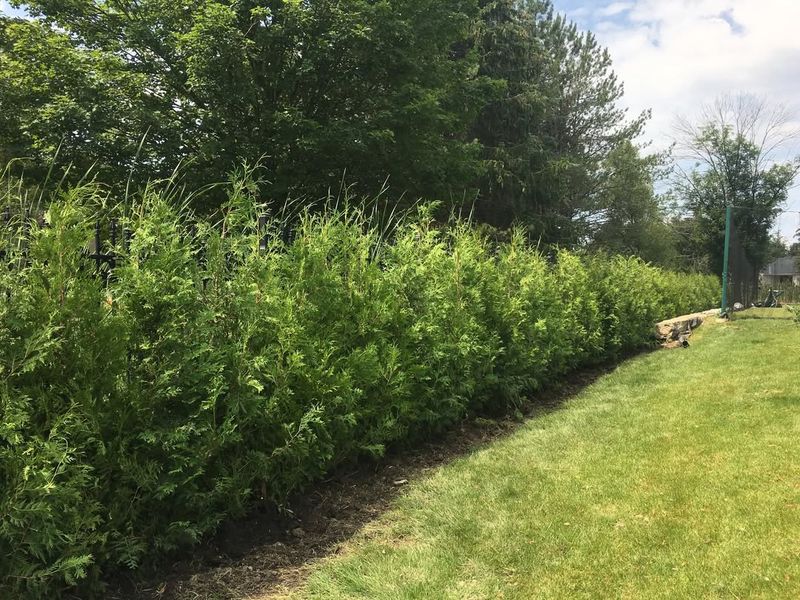
Few native trees can match the toughness and beauty of Eastern Red Cedar in a North Carolina yard.
Known botanically as Juniperus virginiana, this evergreen powerhouse grows naturally throughout the state and adapts to almost any soil type, from clay to sandy loam.
Its dense, dark green foliage stays full and rich through every season, making it a reliable year-round privacy solution.
Expect growth of around one to two feet annually, with mature trees reaching anywhere from 20 to 40 feet tall.
That steady growth rate means you are building a serious windbreak and privacy screen that only gets better with age.
Unlike some ornamental trees, Eastern Red Cedar does not need much coddling once it settles into your landscape. Beyond privacy, this tree offers real wildlife value.
Birds love nesting in its thick branches, and the small blue berries it produces attract cedar waxwings and other local species.
Planting a row of Eastern Red Cedars along a property line creates a living wall that looks natural, requires minimal maintenance, and genuinely thrives in North Carolina conditions without demanding extra water or fertilizer.
2. Wax Myrtle
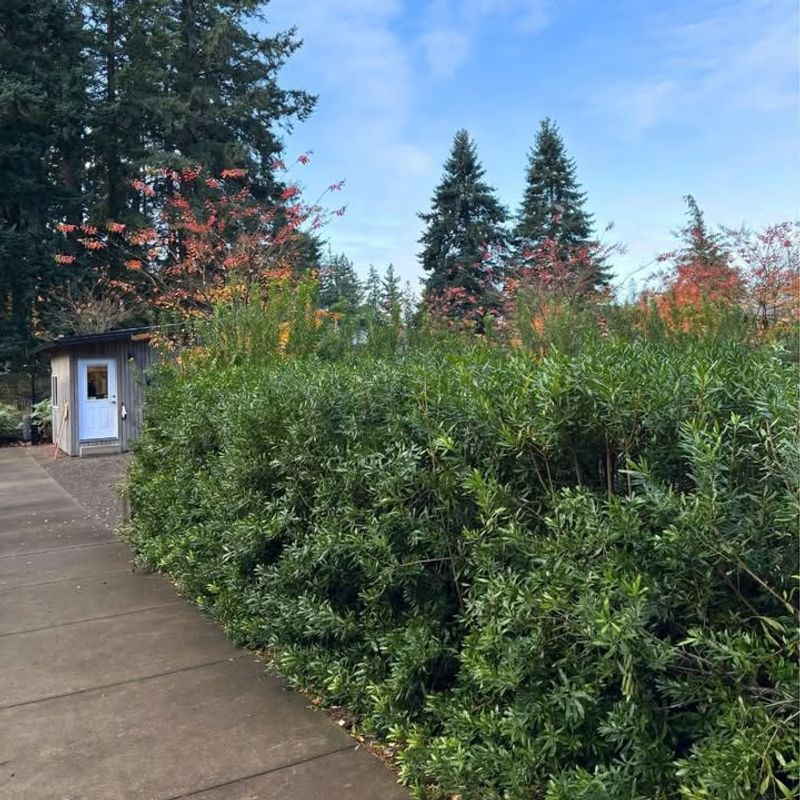
Wax Myrtle is one of those plants that feels tailor-made for North Carolina landscapes. Morella cerifera grows fast, often adding one to two feet of height each year, and it fills in thick enough to create a genuine privacy screen without much help from you.
Homeowners across the Piedmont and coastal regions have relied on it for decades, and for good reason. The foliage is one of its best features.
Brush against the leaves and you get a pleasant, spicy fragrance that makes spending time in the yard even more enjoyable.
In fall and winter, small waxy blue-gray berries appear along the stems, adding visual interest and attracting songbirds that call North Carolina home throughout the cooler months.
Wax Myrtle handles wet soils, drought conditions, salt spray, and full sun without complaint, which makes it incredibly versatile across different regions of the state.
Left to grow naturally, it can reach 10 to 15 feet tall and nearly as wide, forming a beautiful informal hedge.
Trim it lightly each spring to maintain the shape you want, and it will reward you with dense, fragrant coverage all year long.
Your North Carolina Garden Changes Every Week. Your Plan Should Too.
Gardening in North Carolina changes quickly throughout the season. Every Friday you’ll receive a simple weekly plan showing exactly what to plant, prune, fertilize, harvest, and protect so you never miss the right timing.
3. American Holly
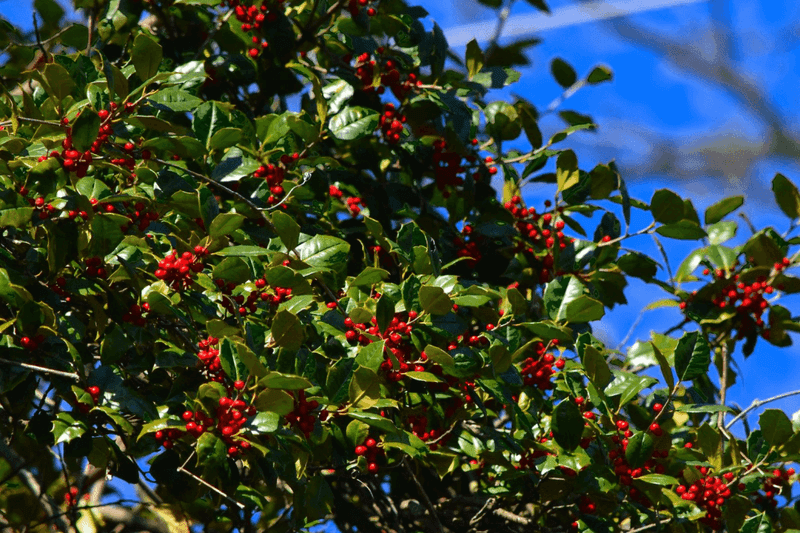
American Holly brings something truly special to a North Carolina yard: year-round beauty combined with serious privacy potential.
Ilex opaca is a native evergreen that grows steadily at one to two feet per year, eventually reaching 15 to 30 feet tall with a naturally pyramidal shape that stays dense from the ground up.
That shape is exactly what you want in a privacy screen. The glossy, deep green leaves with their classic spiny edges stay on the tree through every season, so there is never a bare, see-through moment in your hedge.
Come winter, female trees produce clusters of bright red berries that look stunning against the dark foliage and bring robins, mockingbirds, and other wildlife right to your yard.
You will need at least one male tree nearby for the best berry production. American Holly thrives in North Carolina’s climate, handling both the humid summers of the Piedmont and the milder conditions along the coast.
It prefers well-drained, slightly acidic soil, which is easy to find across much of the state. Plant several in a row and within a few years you will have a thick, gorgeous wall of green that provides both privacy and seasonal color without any complicated care routine.
4. Sweet Viburnum
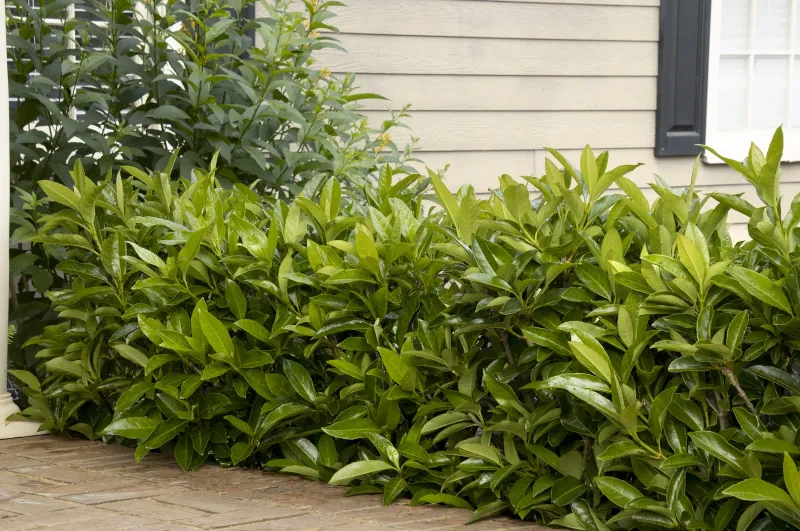
Sweet Viburnum is a privacy screen superstar that North Carolina homeowners often overlook in favor of more common options.
Viburnum odoratissimum grows quickly and fills in with large, glossy leaves that form a thick, impenetrable wall of green.
In the right conditions, it can shoot up several feet in a single growing season, making it one of the faster choices for anyone who wants results without waiting years. North Carolina’s heat and humidity actually work in this plant’s favor.
Sweet Viburnum handles the state’s warm summers with ease and stays evergreen through most winters in the Piedmont and coastal regions.
The dense canopy blocks sightlines from the ground all the way up, which is exactly what a good privacy hedge needs to do effectively.
Spring brings clusters of small white flowers with a sweet fragrance, giving your yard a bonus sensory experience beyond just the visual privacy.
Mature plants can reach 10 to 20 feet tall and spread generously, so give them adequate space when planting.
A little fertilizing in early spring and occasional shaping keeps Sweet Viburnum looking polished and full.
For fast, lush, low-maintenance privacy in a North Carolina yard, this plant is genuinely hard to beat.
5. Yaupon Holly
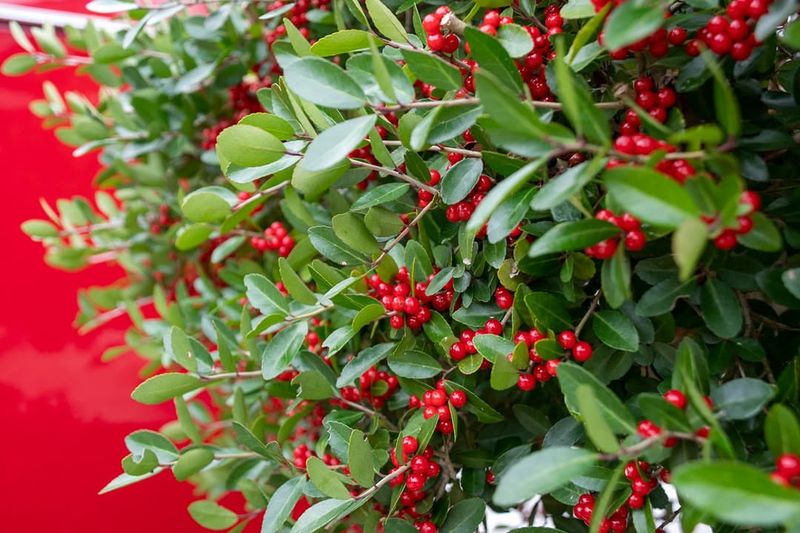
Yaupon Holly is one of the toughest and most adaptable evergreen shrubs you can plant for privacy in North Carolina.
Scientifically known as Ilex vomitoria, this native holly grows naturally across the southeastern United States and performs exceptionally well in the state’s varied climates.
Whether your yard sits in the sandy soils of the coastal plain or the heavier clay of the Piedmont, Yaupon Holly adapts easily and grows into a thick, dependable privacy hedge.
This plant typically grows between 10 and 20 feet tall, though it can be kept smaller with occasional pruning.
The dense branching structure and small glossy leaves create a solid evergreen wall that provides year-round coverage.
Because the foliage grows tightly along the stems, it blocks views effectively while maintaining a clean, attractive appearance in the landscape.
Female plants produce bright red berries in fall and winter that contrast beautifully with the dark green foliage.
These berries are a favorite food source for birds, adding extra wildlife activity to the yard during colder months.
Yaupon Holly is also extremely tolerant of drought, salt spray, and heat once established, which makes it especially useful in coastal North Carolina landscapes.
With its durability, natural beauty, and minimal maintenance needs, Yaupon Holly is one of the best native privacy plants you can grow in the region.
6. Cherry Laurel
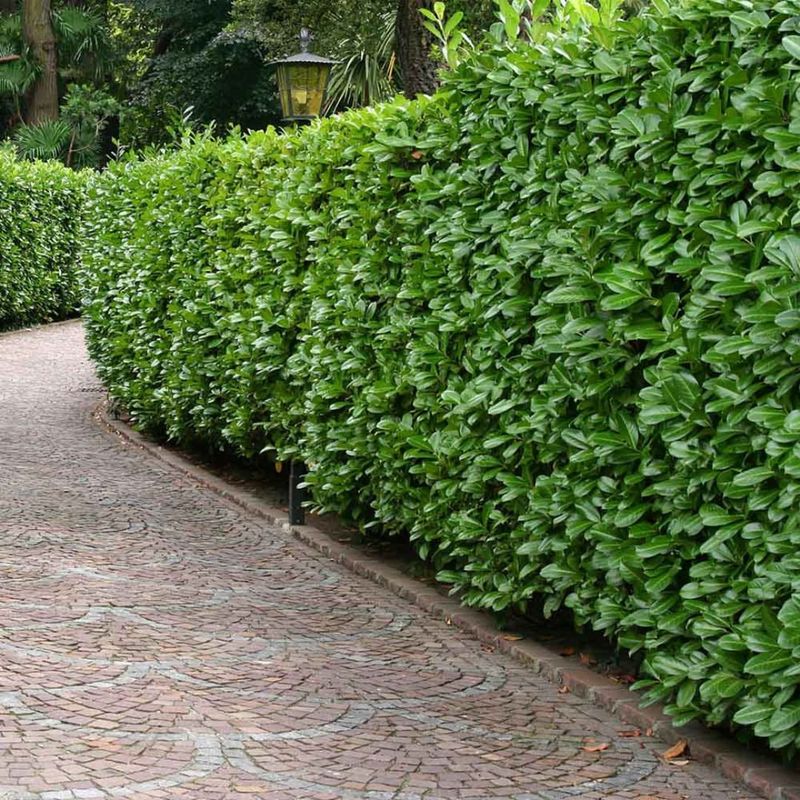
Cherry Laurel is one of the most dependable evergreen privacy plants you can grow in a North Carolina yard.
Known botanically as Prunus caroliniana, this fast-growing native shrub or small tree thrives throughout the Piedmont, coastal plain, and even parts of the mountain region.
Its glossy dark green leaves stay lush year-round, forming a thick natural screen that blocks views while adding a polished look to the landscape.
One of the biggest advantages of Cherry Laurel is its versatility. Left to grow naturally, it can reach 20 to 30 feet tall and form a dense evergreen tree.
However, many North Carolina homeowners prune it into a tall hedge between 10 and 15 feet, creating an attractive privacy wall along property lines.
The foliage grows densely from top to bottom, which means there are no thin or bare spots that allow unwanted sightlines through.
In spring, Cherry Laurel produces clusters of small white flowers that attract pollinators, followed by dark berries that birds love.
Because it is native to the Southeast, it handles North Carolina’s heat, humidity, and clay soils with very little fuss. Once established, it is also fairly drought tolerant.
For homeowners who want a fast, low-maintenance evergreen screen that looks natural and elegant, Cherry Laurel is one of the most reliable choices available.
7. Boxwood
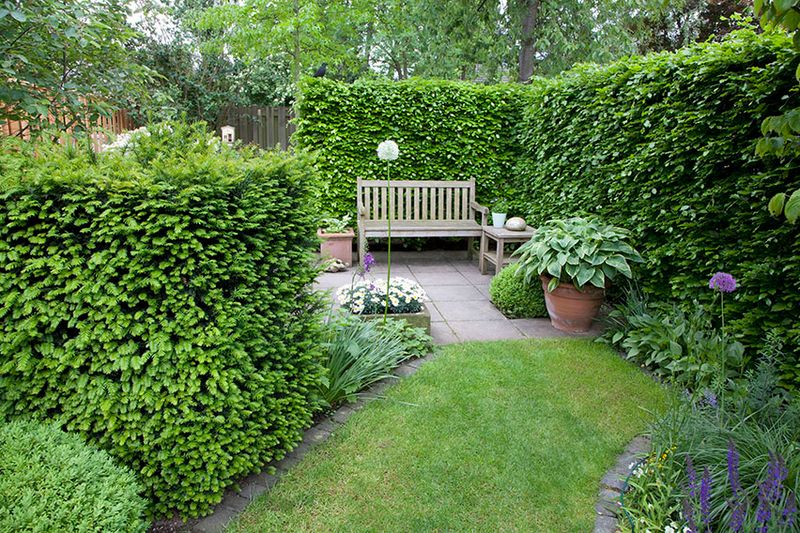
Boxwood has been a garden staple for centuries, and North Carolina yards are no exception to its charm.
Buxus species grow slowly but with remarkable density, forming thick walls of small, dark green leaves that stay full and lush through every season.
That slow-and-steady growth is actually a feature rather than a flaw, because boxwood requires far less pruning than faster-growing options once it reaches the size you want.
For formal landscapes, few plants match the crisp, polished look that boxwood delivers when shaped into a hedge.
It responds beautifully to shearing, holding clean lines with precision that other shrubs simply cannot match.
Even left to grow more naturally, boxwood forms a pleasingly rounded, dense mass that creates solid visual privacy along borders and property lines throughout North Carolina.
Boxwood prefers well-drained soil and performs well in full sun to partial shade, which gives it flexibility in different yard configurations.
Choosing disease-resistant varieties like English Boxwood or newer cultivars bred for North Carolina conditions helps avoid common issues like boxwood blight.
Water deeply but infrequently during establishment, and apply a layer of mulch around the base to keep roots cool during summer heat.
With a little patience, boxwood builds a privacy screen that genuinely improves with every passing year.
8. Camellia (Evergreen Varieties)
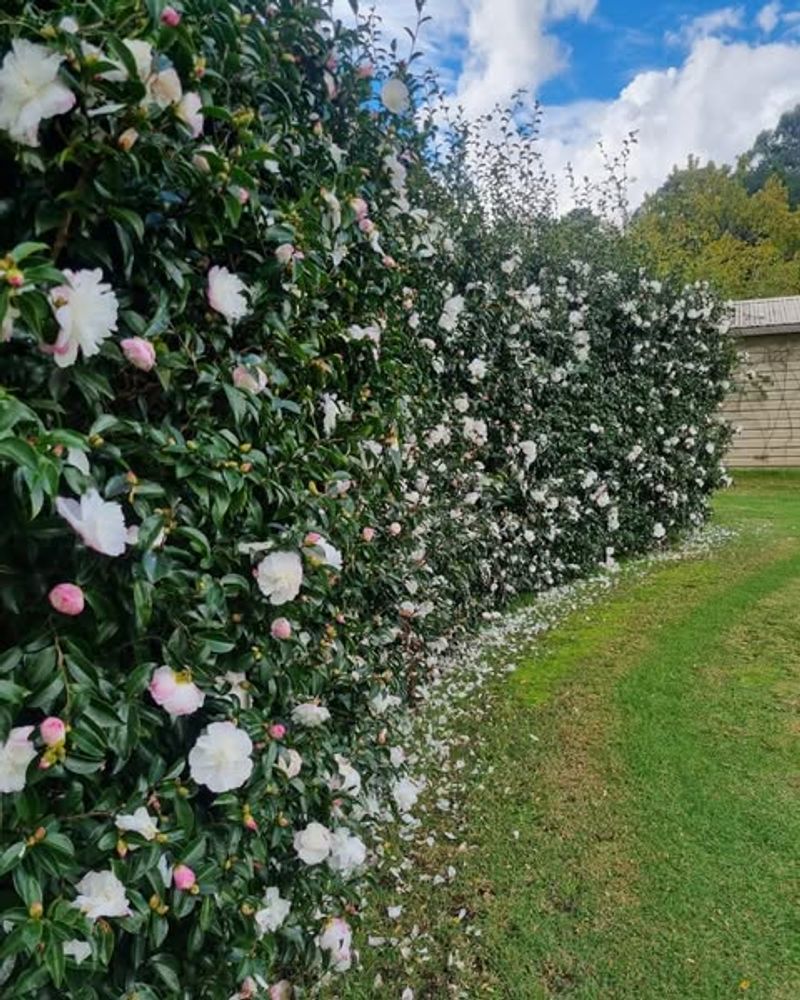
Camellia brings something no other privacy plant on this list can offer: breathtaking flowers on an evergreen frame.
Evergreen camellia varieties grow into large, dense shrubs that block sightlines beautifully while producing some of the most elegant blooms you will ever see in a North Carolina yard.
Depending on the variety, flowers appear in fall, winter, or early spring, brightening up the landscape when most other plants are quiet.
The glossy, dark green foliage stays rich and full year-round, creating a luxurious backdrop for the yard even when the plant is not in bloom.
Camellias prefer partial shade, which makes them an outstanding choice for areas under larger trees or along the shaded side of a house where other privacy plants might struggle to fill in properly.
North Carolina’s mild winters in the Piedmont and coastal areas suit them particularly well. Camellia japonica and Camellia sasanqua are both popular choices in the state, with sasanqua varieties generally being more adaptable to sun and slightly cooler temperatures.
Plant in well-drained, acidic soil and mulch generously to retain moisture during dry summer periods.
With proper placement and a little annual fertilizing, evergreen camellias build stunning, flowering privacy walls that make North Carolina yards feel like something out of a Southern garden magazine.
9. Inkberry Holly
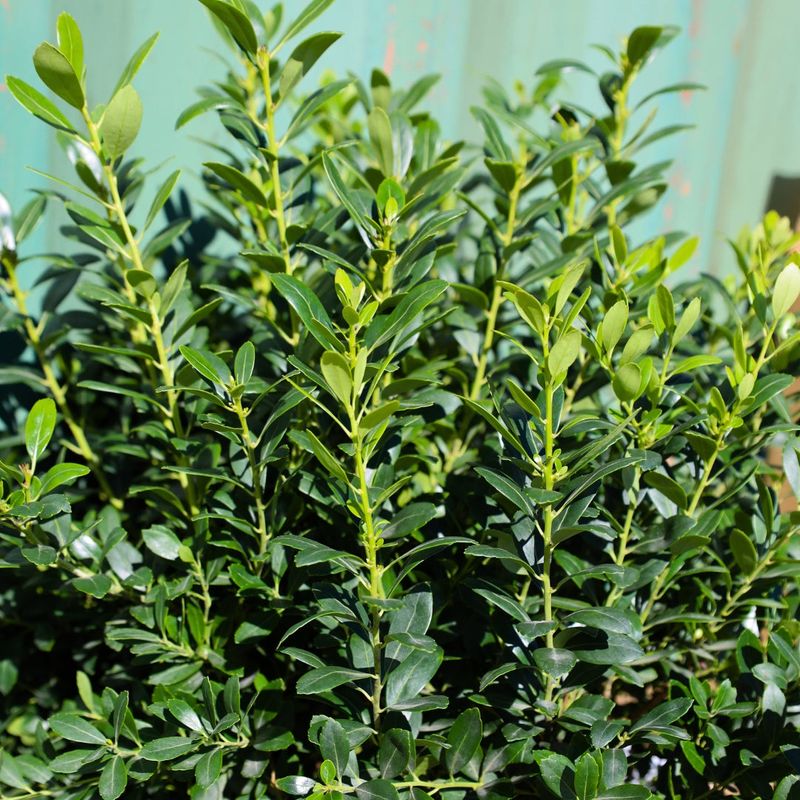
Inkberry Holly is a fantastic evergreen option for North Carolina homeowners who want a clean, natural privacy hedge without the sharp spines of traditional hollies.
Known botanically as Ilex glabra, this native shrub grows throughout the eastern United States and thrives in the humid conditions common across North Carolina.
Its smooth, dark green leaves stay attractive year-round, forming a dense shrub that works beautifully as a medium-height privacy screen.
Inkberry typically grows between 5 and 10 feet tall, making it perfect for blocking views along fences, property lines, or patios without overwhelming a smaller yard.
The plant naturally grows in a rounded, full shape, so it rarely needs heavy pruning to maintain its appearance.
Many homeowners plant several inkberries close together to form a thick hedge that feels both natural and polished.
Another reason Inkberry Holly performs so well in North Carolina is its adaptability. It tolerates wet soils, acidic conditions, and partial shade better than many other evergreen shrubs.
That flexibility makes it a great choice for tricky areas where other privacy plants struggle. In spring, small white flowers appear and later develop into dark berries that give the plant its name.
While the berries are subtle, they help support local wildlife. For a low-maintenance, native hedge that provides year-round coverage and blends beautifully into the landscape, Inkberry Holly is a smart and reliable choice.
10. Holly Osmanthus
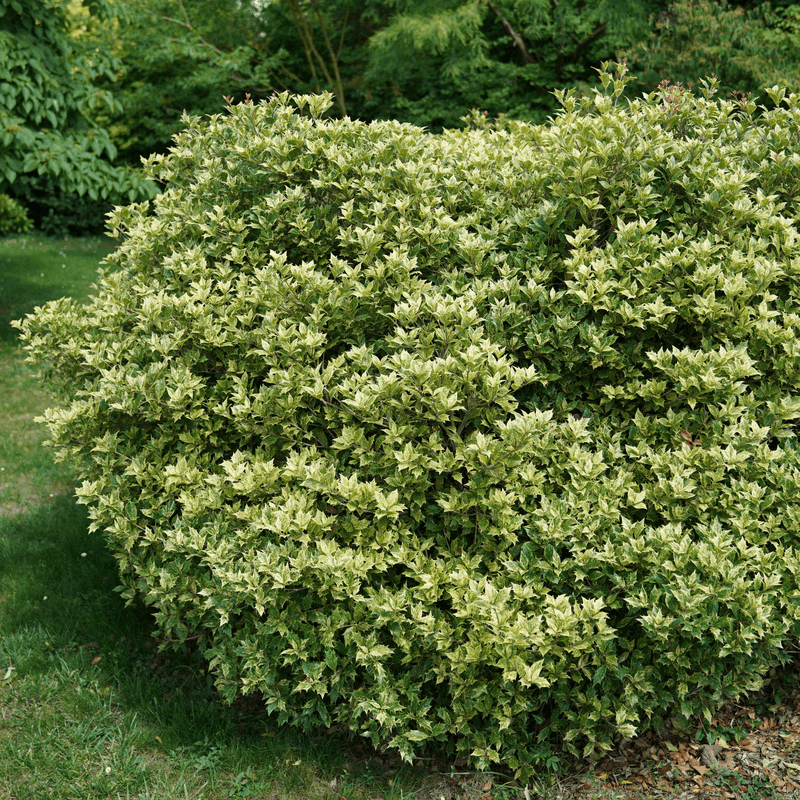
Holly Osmanthus might be one of the best-kept secrets in North Carolina privacy gardening.
Osmanthus heterophyllus looks remarkably similar to a holly at first glance, with its spiny, dark green leaves and dense branching structure, but it brings an extra trick that hollies simply do not offer: tiny white flowers in fall that produce one of the most intoxicating fragrances in the entire plant world.
Walking past a blooming Holly Osmanthus on a cool October evening is an experience worth planning your whole yard around.
Beyond that autumn fragrance, this evergreen shrub grows into a thick, impenetrable screen that works beautifully along property lines, fences, or open borders in North Carolina yards.
The spiny leaves actually serve as a natural deterrent, making the hedge both a visual barrier and a physical one.
It grows at a moderate pace, typically reaching eight to ten feet tall over several years, and holds its shape well with minimal pruning.
Holly Osmanthus performs best in full sun to partial shade and adapts well to the variety of soil types found across North Carolina.
It is more cold-hardy than many broad-leaved evergreens, making it a solid choice even in the cooler western regions of the state.
Plant it where you can enjoy the fall fragrance, and it will reward you with year-round beauty and reliable, low-maintenance privacy.