7 Common Mistakes Texas Gardeners Make With Citrus Trees
Growing citrus trees in Texas can feel incredibly rewarding. Few things compare to stepping outside and picking a fresh orange, lemon, or lime straight from your own tree.
The glossy leaves, fragrant blossoms, and bright fruit make citrus a beautiful addition to patios and backyards across the state.
Still, these trees can be a little particular about how they are cared for. Many gardeners start with high hopes, only to run into problems that slow growth or reduce fruit production.
Sometimes the issue comes from watering habits, while other times it involves planting location, pruning, or protection during cooler weather.
Texas offers a climate that citrus trees can thrive in, but small mistakes can make a noticeable difference in how well they perform. Understanding the most common missteps helps gardeners avoid frustration and keep their trees healthy.
With the right care and a few smart adjustments, citrus trees can produce flavorful fruit and remain a highlight in the garden for years.
1. Planting Citrus Trees In The Wrong Location
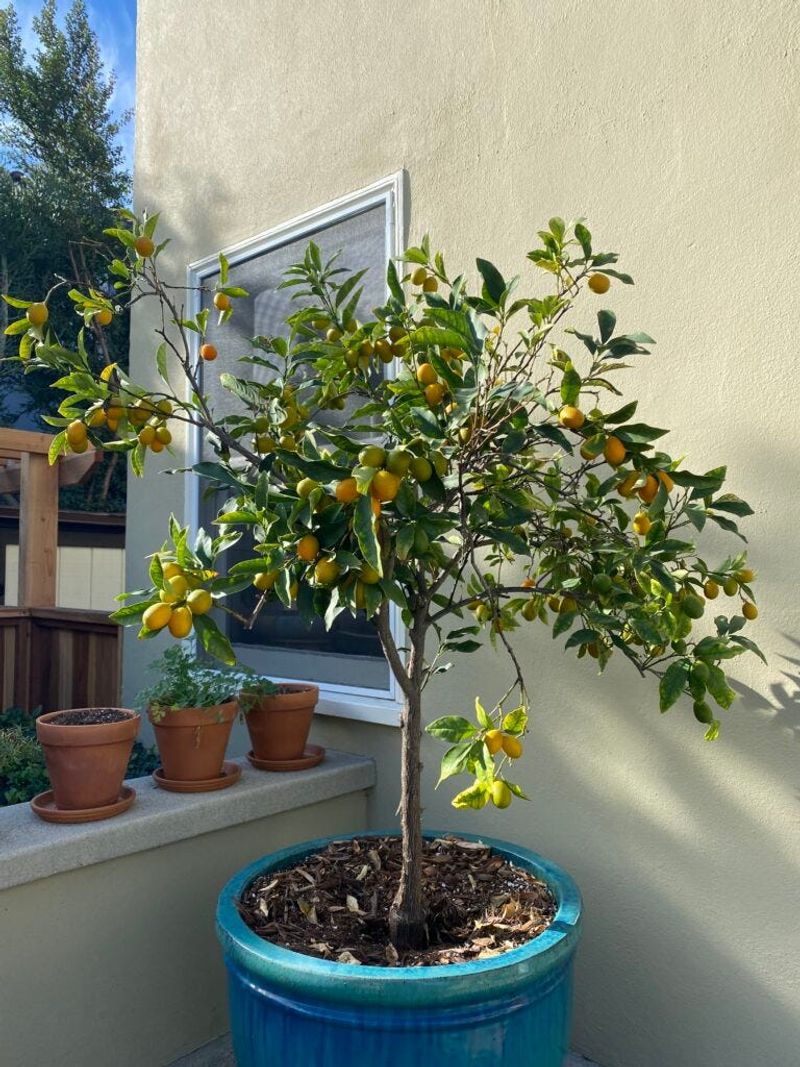
Where you plant your citrus tree matters more than most people realize. A lot of Texas gardeners pick a spot based on looks or convenience rather than what the tree actually needs.
Citrus trees love full sun, which means at least six to eight hours of direct sunlight every single day.
Planting too close to a house, fence, or large shade tree blocks that sunlight and cuts down on air circulation. Poor air circulation can lead to fungal problems and weak growth. Your tree may survive, but it probably will not produce much fruit.
In Texas, the best spots for citrus are open areas that face south or southeast. These spots catch the most sun throughout the day and stay warmer during cool nights.
Avoid low-lying areas where cold air settles, especially in Central and North Texas where winters can get chilly.
Good drainage is just as important as sunlight. Citrus roots do not like sitting in wet soil for long periods.
Raised beds or slightly elevated planting spots help water drain away from the roots naturally.
Also think about wind exposure. Strong Texas winds can stress citrus trees and cause fruit to drop early.
Planting near a wall or fence on the north side gives protection without blocking southern sunlight.
Taking a few extra minutes to choose the right location before planting can make a huge difference. A well-placed citrus tree in Texas will reward you with beautiful blooms and a generous harvest for many years to come.
2. Ignoring Texas Climate Differences
Texas is a massive state, and the weather in Brownsville is nothing like the weather in Dallas. Many gardeners forget that and treat citrus care the same no matter where they live in the state. That is a mistake that can seriously hurt your trees.
South Texas and the coastal Gulf region have mild winters that are nearly perfect for citrus. Varieties like Rio Star grapefruit and Meyer lemon do extremely well there.
Your Texas Garden Changes Every Week. Your Plan Should Too.
Gardening in Texas changes quickly throughout the season. Every Friday you’ll receive a simple weekly plan showing exactly what to plant, prune, fertilize, harvest, and protect so you never miss the right timing.
Gardeners in these areas have a big advantage and can grow citrus with fewer worries about cold damage.
Move north to Central or North Texas, and the story changes fast. Freezing temperatures are more common, and sudden cold snaps can catch gardeners off guard.
Trees that would thrive in McAllen might struggle or suffer serious damage in San Antonio or Fort Worth.
Choosing cold-hardy citrus varieties is one of the smartest things a North or Central Texas gardener can do. Satsuma mandarins and trifoliate orange rootstocks handle colder temperatures better than most other types.
Always check the cold hardiness rating before buying a tree. Microclimates also matter a lot in Texas. Urban areas tend to stay warmer than rural spots nearby. A city backyard in Austin might support citrus that a farm just thirty miles away cannot.
Knowing your specific Texas location and its typical winter temperatures helps you plan better. A little research upfront means you pick the right variety and take the right precautions before cold weather arrives.
3. Overwatering Citrus Trees
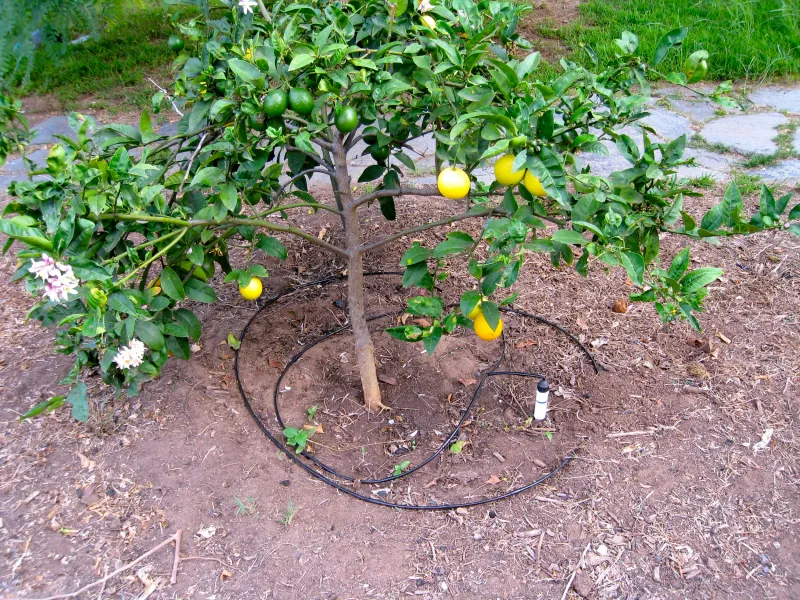
Believe it or not, giving your citrus tree too much water is one of the most common mistakes Texas gardeners make.
It feels like you are helping, but overwatering actually causes serious harm to the roots. Citrus trees prefer soil that dries out a little between watering sessions.
When roots stay wet for too long, they can develop root rot, a condition where the roots break down and can no longer absorb nutrients. A tree with root rot will show yellowing leaves, wilting, and poor fruit production even when the soil looks moist.
It is a frustrating problem because the symptoms look like the tree needs more water, not less.
A good rule of thumb in Texas is to check the top two inches of soil before watering. If it still feels moist, wait another day or two.
During hot Texas summers, you may need to water three to four times per week. In cooler months, once a week is usually enough.
Container-grown citrus trees are especially vulnerable to overwatering. Make sure pots have drainage holes and never let the tree sit in standing water. Use a well-draining soil mix with perlite or bark to help moisture move through quickly.
Deep, infrequent watering is much better than shallow, frequent watering. Deep watering encourages roots to grow down into the soil, which makes the tree stronger and more drought-tolerant over time.
Getting your watering schedule right is one of the easiest ways to keep your Texas citrus tree healthy and productive all season long.
4. Using The Wrong Fertilizer
Fertilizing a citrus tree sounds simple, but grabbing the wrong bag at the garden center can do more harm than good.
Many Texas gardeners reach for a general-purpose fertilizer without realizing that citrus trees have very specific nutritional needs that standard blends do not always meet.
Citrus trees need a balanced mix of nitrogen, phosphorus, and potassium, but they also rely heavily on micronutrients like iron, zinc, and manganese.
Without these, leaves turn yellow and pale in a condition called chlorosis. A tree showing chlorosis looks weak and produces fewer, smaller fruits.
Citrus-specific fertilizers are formulated with all of these nutrients in the right proportions. They are widely available at Texas garden centers and are worth every extra penny.
Look for a label that says “citrus and avocado” or “citrus formula” to make sure you are getting the right product.
Timing matters too. In Texas, the best times to fertilize citrus trees are late winter, late spring, and early summer.
Fertilizing too late in the season, especially heading into fall, can push out tender new growth that gets damaged when cold weather arrives.
Always follow the package directions and avoid over-fertilizing. Too much nitrogen, for example, leads to lush leafy growth but very little fruit. More fertilizer is not always better.
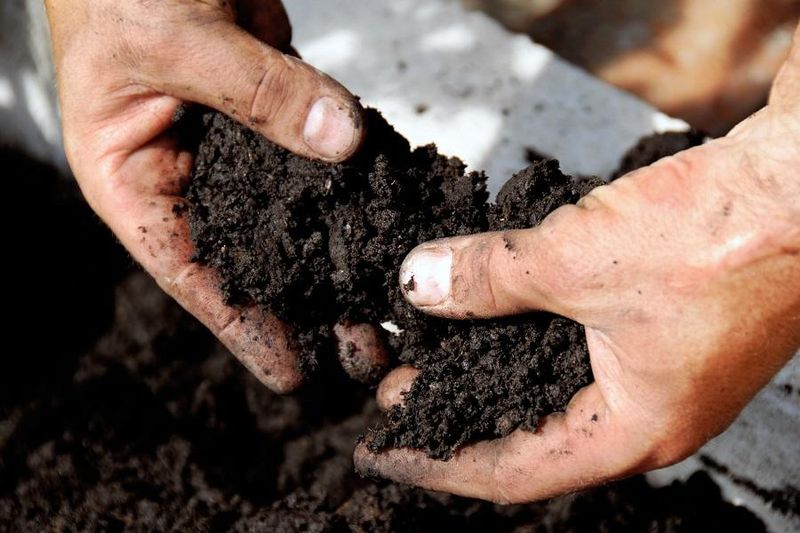
Spreading a thin layer of compost around the base of the tree between fertilizing sessions also helps improve soil quality over time. Healthy soil grows healthy trees, and healthy trees produce the best citrus Texas has to offer.
5. Pruning Too Much Or Too Often
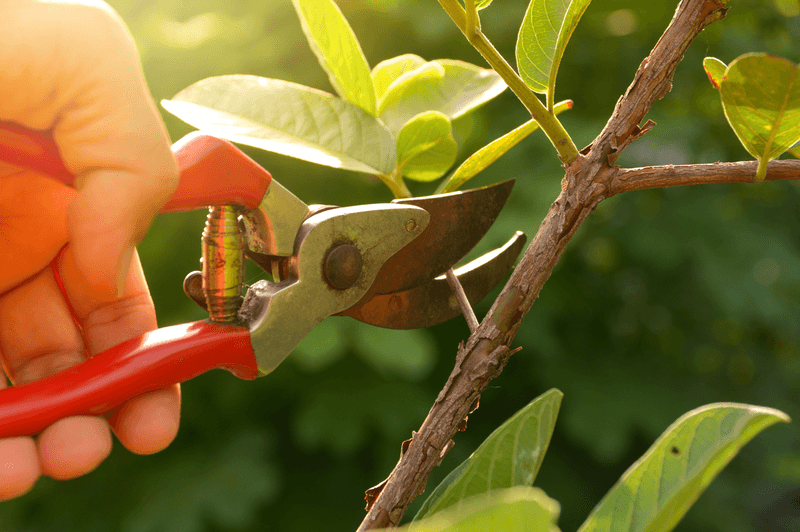
Grab those pruning shears and go to town, right? Not so fast. Over-pruning is a surprisingly common mistake among Texas citrus growers, and it can seriously set back your tree’s fruit production.
Citrus trees are not like rose bushes or hedges that benefit from aggressive trimming. Most of the time, citrus trees only need light pruning. The goal is to remove dry, damaged, or crossing branches that rub against each other.
Removing these problem branches improves air circulation and helps sunlight reach the inner canopy, which encourages healthy growth.
When gardeners prune too much, they cut away the branch tips where fruit actually forms. Citrus fruit grows on new growth at the ends of branches, so removing those tips means fewer oranges, lemons, or grapefruits at harvest time.
It is a quick way to reduce your yield without realizing it. Timing also plays a big role. In Texas, the best time to prune citrus is in late winter or early spring, just before new growth starts.
Pruning too late in the season removes flower buds that were just about to open, which directly cuts into your harvest.
Suckers are the one exception where more aggressive removal is needed. These are shoots that sprout from below the graft union on the trunk.
Suckers should be removed as soon as you spot them because they draw energy away from the productive part of the tree.
A light touch with the pruning shears, combined with good timing, keeps your Texas citrus tree looking great and producing abundantly year after year.
6. Failing To Protect Trees From Cold Weather
Texas weather can fool you. One week it is warm and sunny, and the next a cold front sweeps through and temperatures drop fast.
Gardeners who think citrus trees can handle whatever comes their way often end up with damaged or struggling trees after an unexpected freeze.
Citrus trees are sensitive to frost, especially young ones. Temperatures below 28 degrees Fahrenheit held for several hours can cause real damage to branches, leaves, and fruit. Even in South Texas, a rare hard freeze can catch gardeners completely off guard.
The good news is that protecting your citrus tree from cold weather does not have to be complicated.
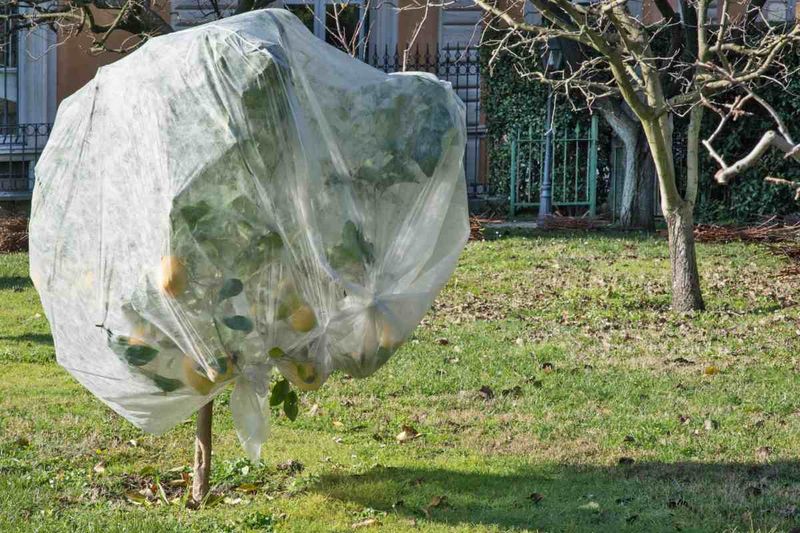
Covering the tree with a frost cloth or old bedsheet traps warmth near the branches and can make a big difference during a cold snap. Remove the cover during the day so the tree still gets sunlight.
Wrapping the trunk with foam pipe insulation or burlap protects the most vulnerable part of the tree. The graft union, located just above the soil line, is especially important to keep warm.
If the graft union survives a freeze, the tree can usually recover even if the upper branches are damaged.
Adding a thick layer of mulch around the base of the tree also helps insulate the roots from cold ground temperatures. Keep the mulch a few inches away from the trunk to prevent moisture buildup.
Staying ahead of cold weather forecasts and acting early gives your Texas citrus tree the best chance of coming through winter strong and ready to bloom again in spring.
7. Harvesting Fruit At The Wrong Time
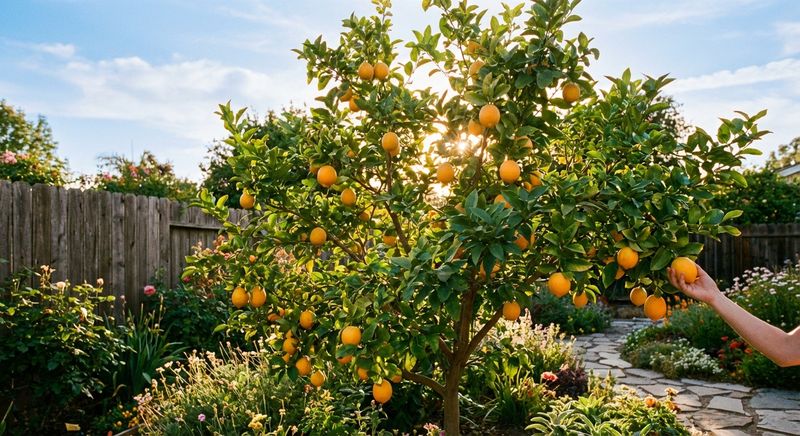
Patience is one of the most valuable tools a Texas citrus gardener can have, especially at harvest time. Picking fruit too early is a mistake that many gardeners make because the fruit looks big and ready from the outside. But looks can be deceiving with citrus.
Unlike apples or bananas, citrus fruit does not continue to ripen after it is picked. Once it comes off the tree, the sugar content and flavor are locked in at that point.
Fruit picked too early will taste sour, bland, or just plain disappointing no matter how long you leave it on the counter.
Color is not always the best indicator of ripeness either. In Texas, warm fall temperatures can keep citrus green on the outside even when it is sweet and ripe on the inside.
A better test is to gently squeeze the fruit. Ripe citrus feels heavy for its size and gives just slightly under pressure.
The tastiest approach is to try a piece before harvesting the whole tree. Cut one fruit open and taste it.
If it is sweet and juicy, the rest are probably ready too. If it is still tart or dry, give the tree another week or two.
Most Texas citrus varieties are ready for harvest somewhere between late fall and early spring, depending on the type. Grapefruits, for example, often taste best after they have been on the tree through a few cool nights, which helps develop their sweetness.
Letting your citrus fruit reach its full potential on the tree is always worth the wait. The reward is fresh, flavorful fruit that you grew yourself right here in Texas.