Avoid These 8 Palm Planting Mistakes In Florida Landscapes
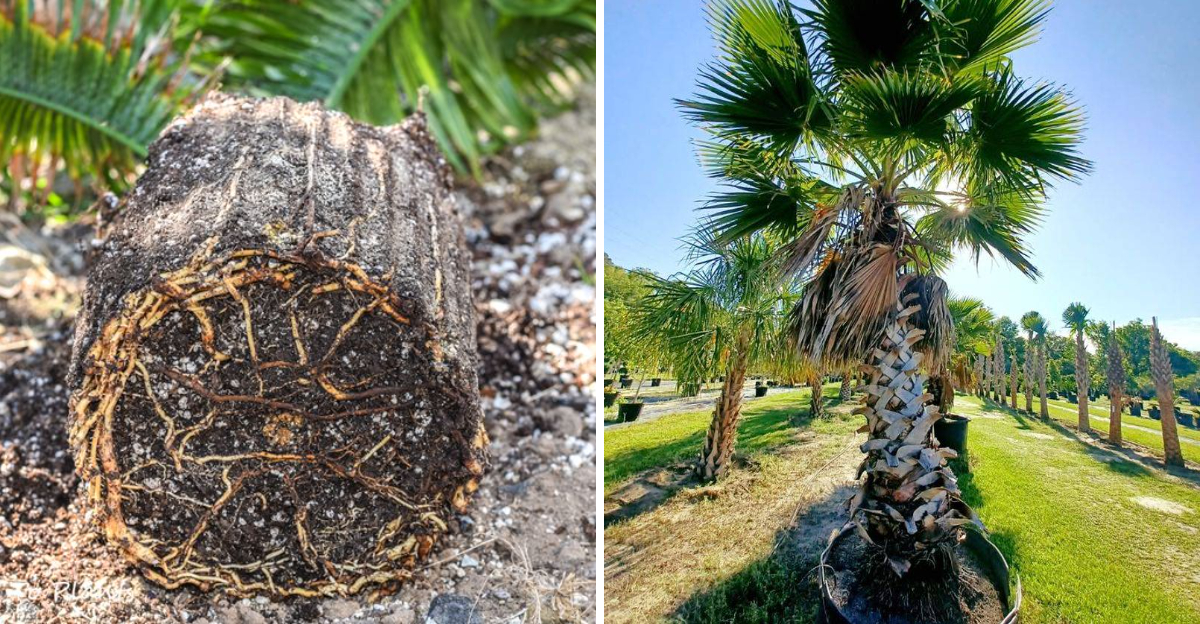
Have you ever planted a palm in your yard only to watch it struggle months later? The leaves lose their rich color, growth slows, and the tree never seems to look as strong as the ones in nearby landscapes.
In Florida, palms feel like the perfect choice for a tropical yard. They handle heat, add instant character, and fit naturally into the landscape.
Yet many palms fail to thrive for one simple reason. A few small planting mistakes can create problems that follow the tree for years.
The frustrating part is how easy those mistakes are to make. Even experienced gardeners sometimes overlook the details that palms need at the start.
Get the planting right, though, and a palm can grow into one of the most reliable and striking features in a Florida landscape. The difference often comes down to avoiding a handful of common errors right from the beginning.
1. Do Not Plant Palms Too Deep
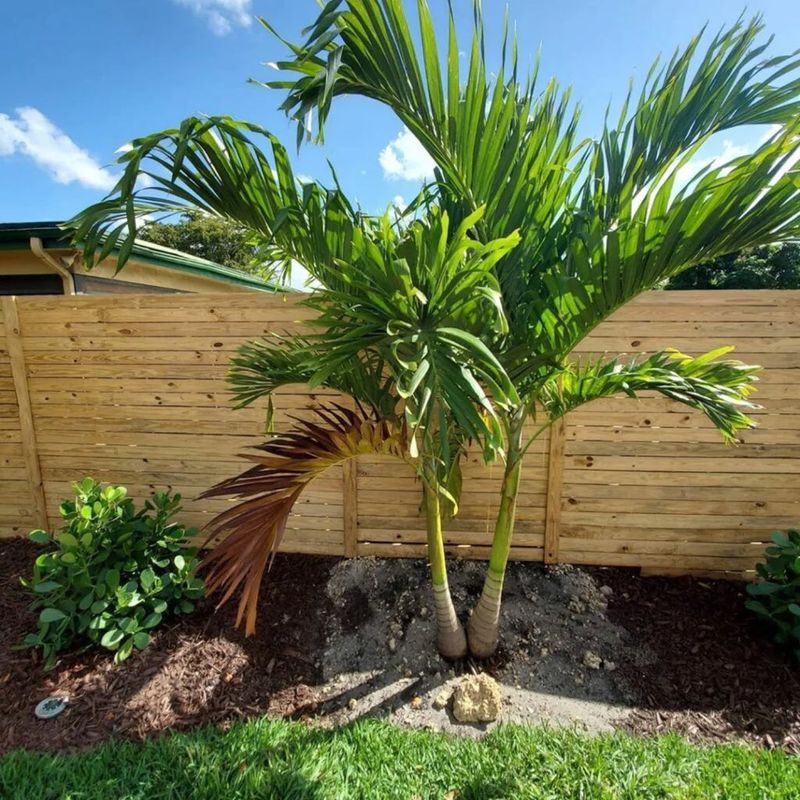
Getting the planting depth right is probably the single most important step when adding a palm to your Florida yard. Burying the root ball too deep cuts off the oxygen supply to the roots, creating conditions where root rot can take hold quickly.
Palms are not like other trees that can handle being planted a few inches lower than ideal.
According to University of Florida IFAS Extension guidelines, the top of the root ball should sit level with or very slightly above the surrounding soil surface. If you plant even a few inches too deep, the palm struggles to establish itself and may show yellowing fronds or stunted growth within the first growing season.
Before placing your palm in the hole, measure carefully. Dig the hole only as deep as the root ball itself, but make it two to three times wider to encourage outward root growth.
Florida’s sandy soils drain quickly, so the wider hole helps roots spread without fighting compacted ground. Backfill with the original soil rather than amended mixes, since roots need to adapt to the native soil they will grow in long-term.
A small soil ring around the edge of the planting area helps retain water during the first few weeks of establishment.
2. Choose The Right Palm For Florida Conditions
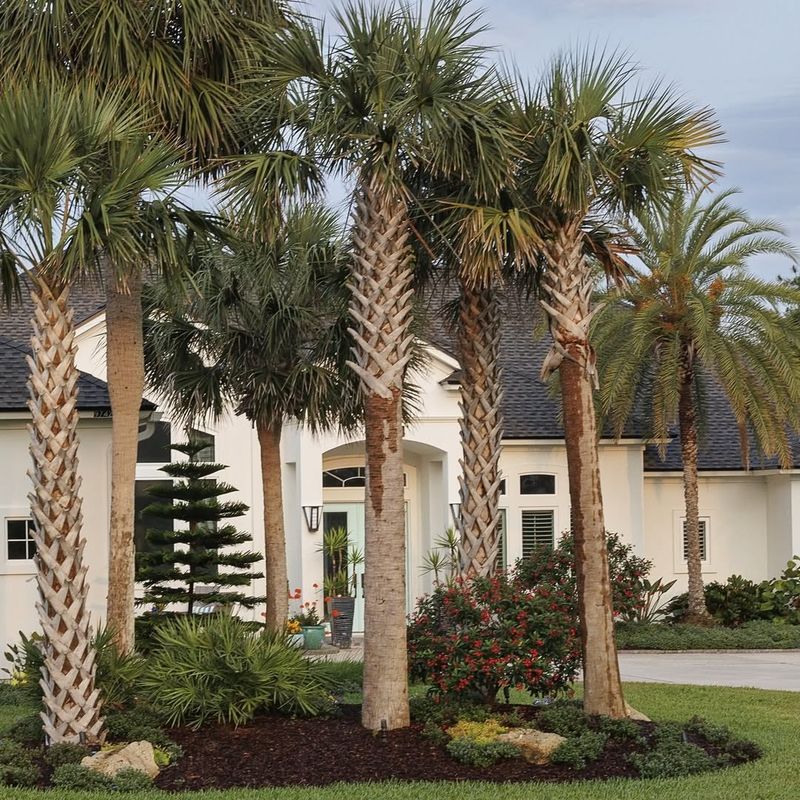
Walk into any Florida garden center and you will find dozens of palm varieties staring back at you. Picking the prettiest one without checking whether it suits your specific location is a mistake that catches many homeowners off guard.
Florida stretches across multiple climate zones, and a palm that thrives in Miami may struggle in Tallahassee.
Sabal palms, also called cabbage palms, are Florida’s state tree for good reason. They handle heat, drought, and even salt spray with remarkable toughness.
Canary Island date palms bring dramatic beauty but need well-drained soil and plenty of room. Queen palms look stunning but are cold-sensitive and poorly suited to northern Florida without extra winter protection.
Coastal yards deal with salt-laden winds that can damage less tolerant species quickly. If you live near the water, look for palms rated for salt tolerance, such as the Sabal minor or coconut palm in South Florida.
Your Florida Garden Changes Every Week. Your Plan Should Too.
Gardening in Florida changes quickly throughout the season. Every Friday you’ll receive a simple weekly plan showing exactly what to plant, prune, fertilize, harvest, and protect so you never miss the right timing.
Inland areas with occasional frost events need cold-hardy choices like windmill palms or pindo palms. Checking the University of Florida IFAS plant selector tool or consulting a local extension office before buying can save you years of frustration.
Matching the palm to your actual growing conditions is the foundation of a successful Florida landscape.
3. Ensure Proper Drainage Around Palm Roots
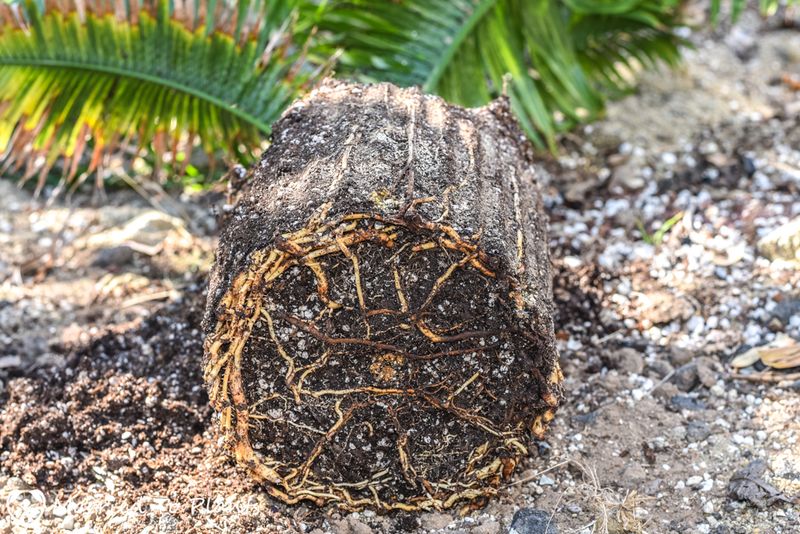
Soggy roots are a palm’s worst enemy in Florida. Even though the state gets plenty of rainfall, palms actually prefer soil that drains freely rather than holding moisture around their roots.
Planting a palm in a low-lying area that collects standing water after rain events is a setup for serious root problems that are hard to reverse once they set in.
Florida’s soils vary widely. Some areas have heavy clay layers beneath sandy topsoil that trap water underground, creating a perched water table that suffocates palm roots over time.
Before planting, dig a simple drainage test hole about twelve inches deep, fill it with water, and watch how quickly it drains. If water is still sitting there two hours later, you have a drainage issue worth addressing before your palm goes in the ground.
Raising the planting area slightly by mounding soil can help in spots where drainage is questionable. Adding coarse sand or organic matter to improve soil structure also makes a real difference.
Avoid planting palms near downspouts, irrigation heads that run frequently, or areas where lawn runoff pools. Proper site selection and soil preparation before planting will protect roots and give your palm the best possible start in Florida’s rainy climate.
4. Avoid Overwatering Newly Planted Palms
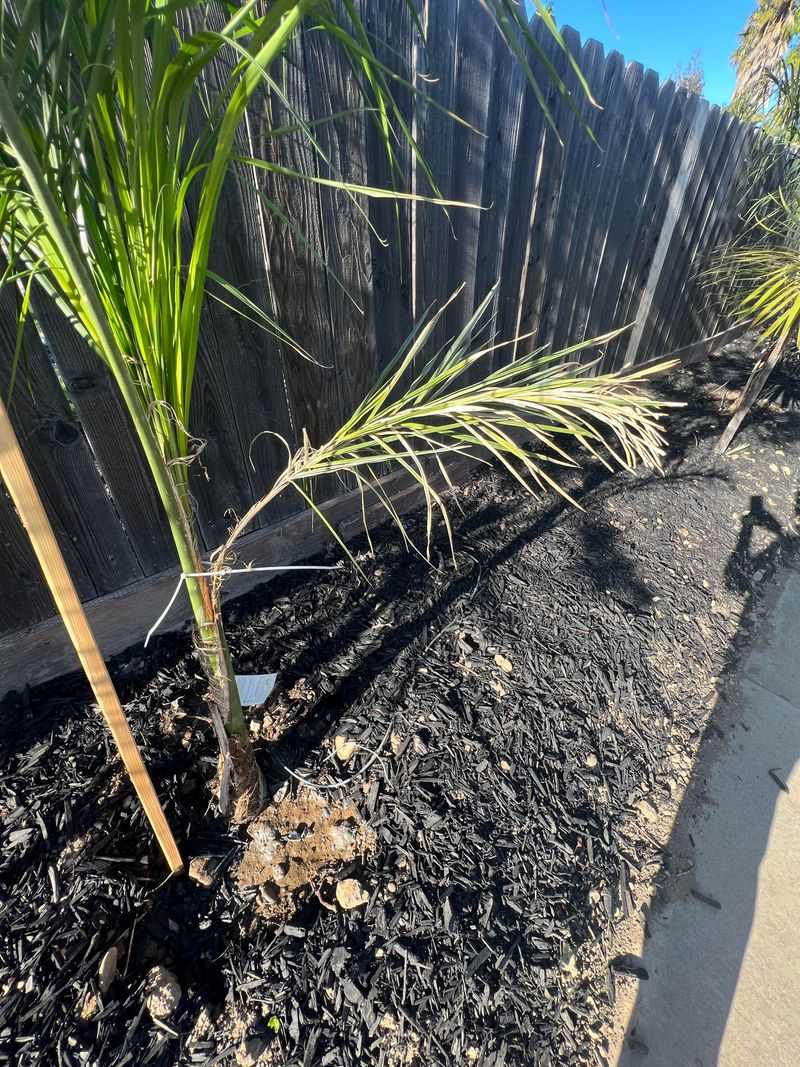
Newly planted palms need consistent moisture to establish their roots, but too much water causes just as many problems as too little. Florida’s summer rainy season already delivers generous amounts of rainfall, and supplementing that with frequent irrigation can push a palm’s roots into waterlogged conditions that invite fungal diseases and root stress.
During the first few months after planting, water your palm deeply two to three times per week if there has been no significant rain. As the roots begin to establish over the following months, gradually reduce watering frequency.
A fully established palm in Florida typically needs irrigation only during extended dry periods, relying on natural rainfall the rest of the time.
Southwest Florida Water Management District guidelines suggest avoiding irrigation within 24 hours of rainfall or when rain is in the forecast. Checking the soil before watering is a smart habit.
Push a finger or a screwdriver about two inches into the soil near the root zone. If it feels moist, hold off on watering for another day or two.
Installing a rain sensor on your irrigation system is an affordable way to prevent automatic overwatering during Florida’s frequent summer storms. Consistent but measured watering builds a healthier, more resilient palm from the very beginning.
5. Use The Right Fertilizer For Palms
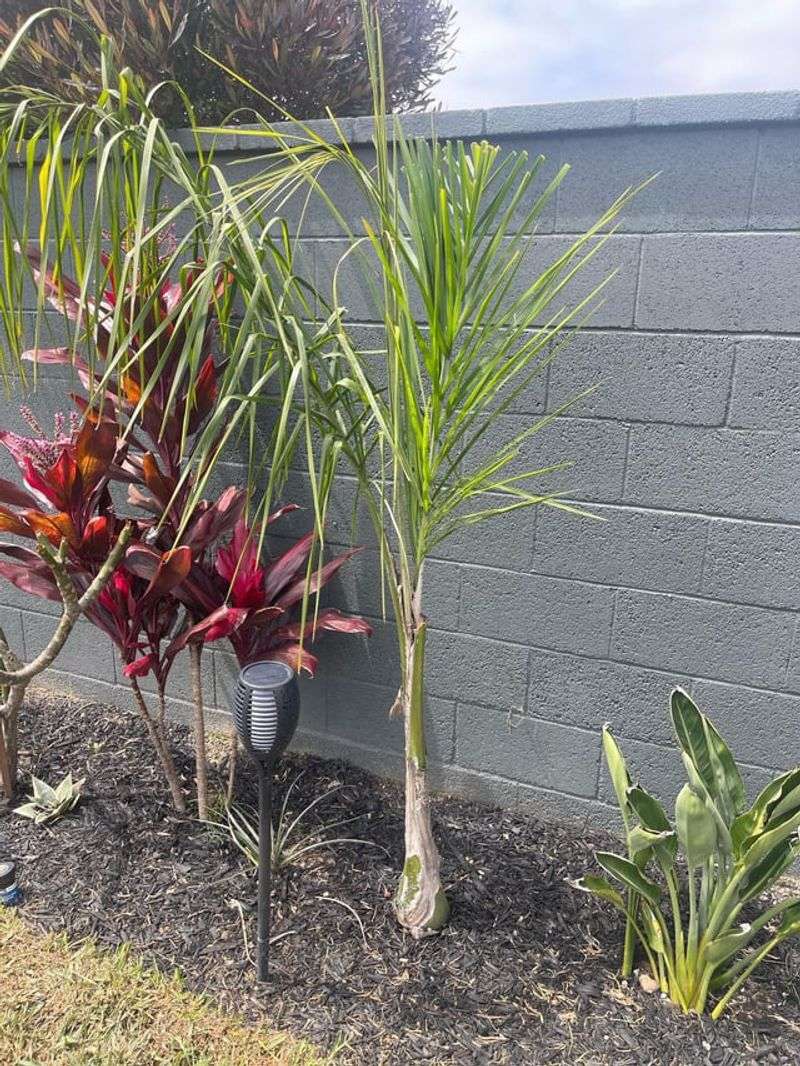
Fertilizing a palm with whatever lawn fertilizer happens to be on sale is one of the most common and damaging mistakes Florida gardeners make. Standard lawn fertilizers often have high nitrogen levels and lack the specific micronutrients that palms depend on for healthy growth.
Applying the wrong product can actually make nutrient problems worse over time.
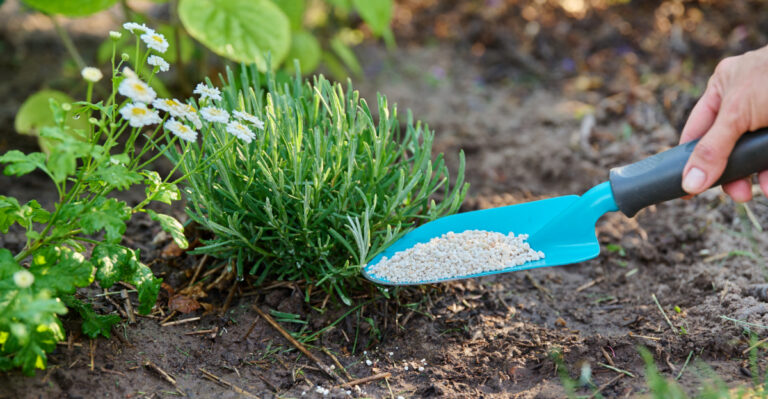
Palms in Florida require a specialized palm fertilizer, typically labeled as an 8-2-12 plus 4 percent magnesium formulation with micronutrients, as recommended by University of Florida IFAS researchers. This ratio supports steady, healthy growth without triggering rapid, weak frond production that makes palms more vulnerable to environmental stress.
Slow-release granular formulas work best because they feed the palm steadily over several months rather than delivering a concentrated burst.
Apply palm fertilizer three to four times per year during the growing season, roughly from spring through early fall. Spread the granules evenly under the full canopy spread rather than piling them right against the trunk.
Fertilizing too close to the trunk can cause chemical burn to the base. Newly planted palms should not receive fertilizer for the first two to three months while roots are still getting established in Florida’s sandy soils.
Patience during establishment leads to much stronger long-term growth.
6. Give Palms Enough Sunlight
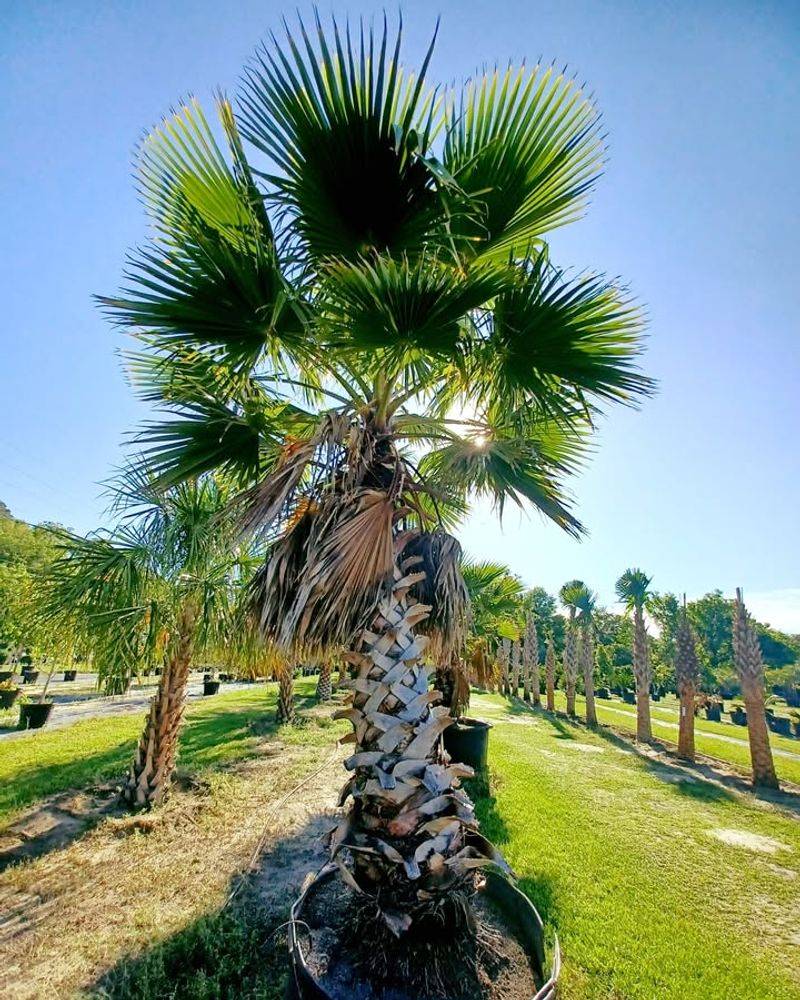
Palms are sun lovers through and through. Planting one in a shady corner of the yard because it looks like a good spot aesthetically, without checking how much direct sunlight that area actually receives, is a mistake that slows growth and weakens the tree over time.
Most Florida palm species need a minimum of six to eight hours of direct sunlight daily to truly flourish.
Shade from nearby buildings, fences, or large trees can dramatically reduce the sunlight a palm receives, especially during the shorter days of winter. A palm struggling in low light will produce thin, pale fronds and grow much more slowly than one planted in a sunny open area.
Over time, the canopy may lean toward the light source, creating an unbalanced appearance that is difficult to correct.
Before choosing a planting spot, observe how sunlight moves across your yard throughout the day. Morning sun combined with some afternoon shade is acceptable for a few species, but most palms planted in Florida landscapes perform best with full, unobstructed sun exposure.
If you are working with a smaller yard where shade is unavoidable, ask a local nursery professional about shade-tolerant species like the lady palm or bamboo palm that can handle lower light conditions without losing their vitality.
7. Space Palms Properly In The Landscape
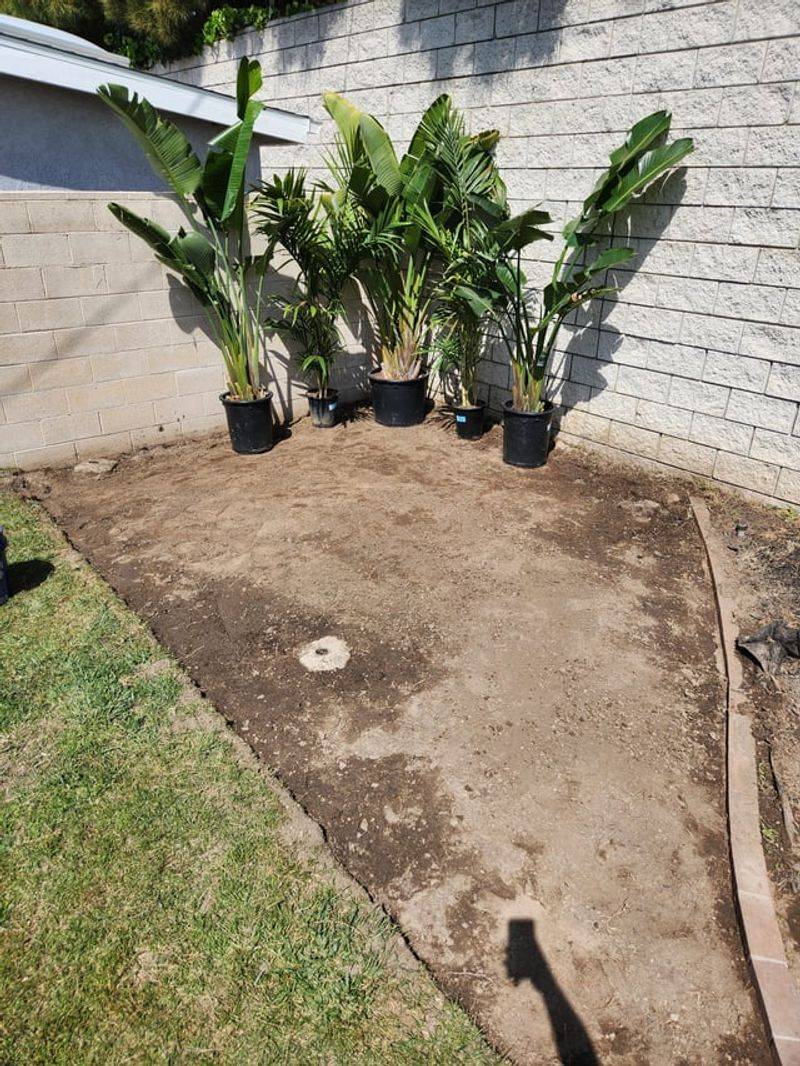
Crowding palms together or planting them too close to structures might not seem like a big deal when the trees are young and small. Fast forward five or ten years, and the picture changes completely.
Palms planted without adequate spacing compete for water, nutrients, and sunlight, and their root systems can eventually interfere with sidewalks, driveways, underground utilities, and building foundations.
A general rule of thumb from horticulture extension services is to plant palms at least half the distance of their expected mature height away from structures. A palm that reaches forty feet at maturity should sit at least twenty feet from any building, wall, or overhead utility line.
Spacing between palms in a group planting should allow each tree’s canopy to fully develop without crowding neighbors.
Florida’s strong storms and hurricane-force winds are another reason spacing matters. Palms packed too closely together can actually increase wind resistance as a group, putting more stress on each individual trunk during storm events.
Thoughtful spacing also improves the overall aesthetic of the landscape, letting each palm’s natural form stand out rather than blending into a tangled mass of fronds. Taking a few minutes to sketch out your planting plan to scale before digging any holes will save you from costly mistakes down the road.
8. Correct Nutrient Deficiencies In Florida Soil
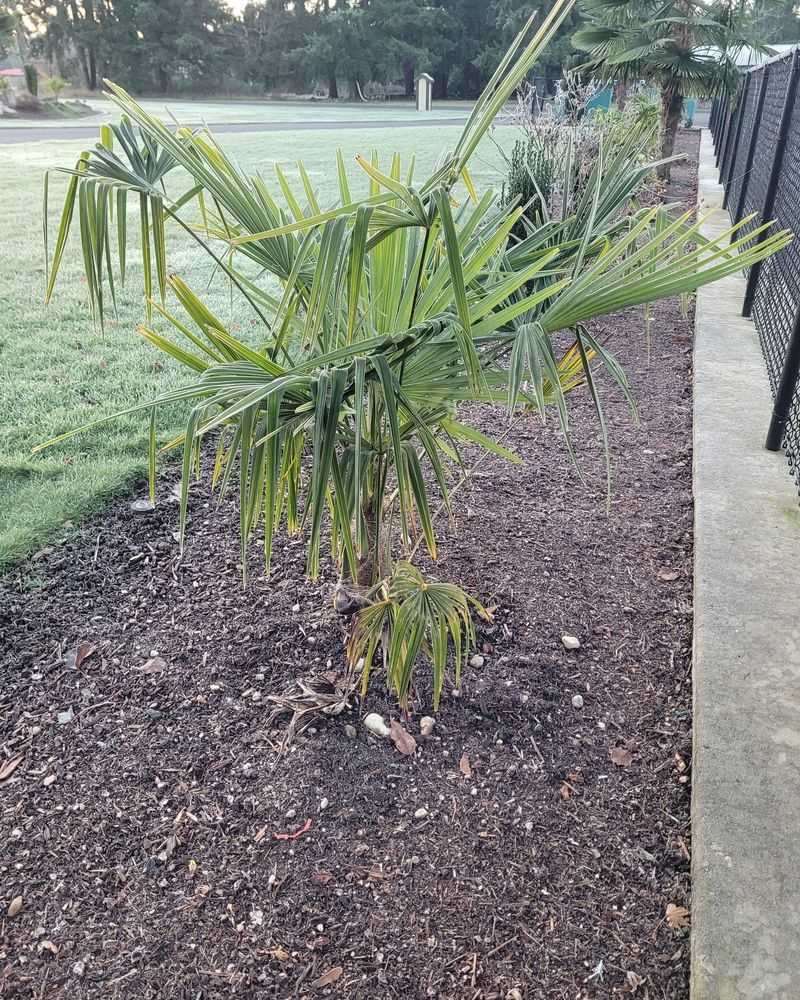
Florida’s sandy soils look fine on the surface but are notoriously poor at holding onto essential nutrients. Rain leaches nutrients downward through the soil faster than palms can absorb them, leaving behind deficiencies that show up as discolored fronds, stunted growth, or unusual spotting on the leaves.
Recognizing and correcting these deficiencies early makes a real difference in long-term palm health.
Magnesium deficiency is extremely common in Florida palms and shows up as yellowing along the outer edges of older fronds while the center stays green. Potassium deficiency causes translucent orange or brown spotting on older fronds and is one of the most widespread nutritional problems affecting palms across the state.
Manganese deficiency, sometimes called frizzle top, causes new growth to emerge stunted and frizzled rather than opening into full, healthy fronds.
Addressing these problems requires targeted supplementation rather than simply adding more fertilizer. Magnesium deficiency responds well to applications of kieserite or dolomite.
Potassium deficiency needs slow-release potassium sulfate applied according to UF IFAS recommendations. Manganese deficiency is treated with manganese sulfate applied as a soil drench or foliar spray.
Getting a soil test through your local Florida cooperative extension office before planting gives you a clear baseline and helps you build a nutrition plan tailored to your specific yard’s needs.