Should Pennsylvania Gardeners Prune Bird Of Paradise Before Spring

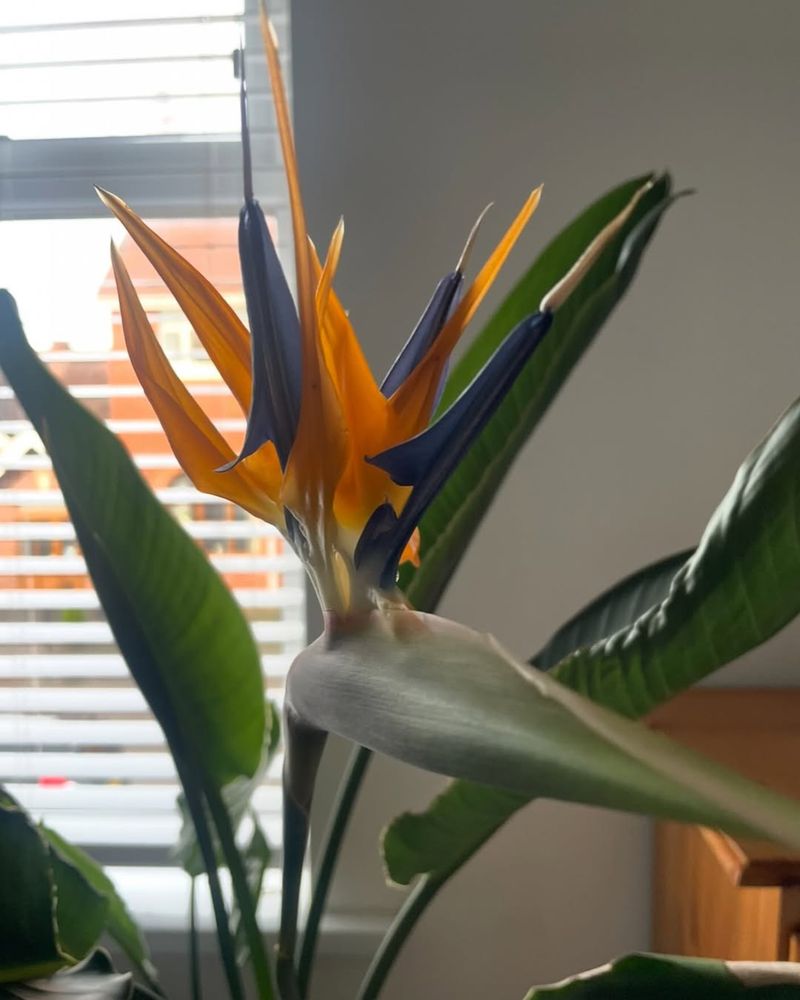
Bright, tropical plants have a way of standing out, even in a Pennsylvania home filled with greenery. Bird of paradise is one of those plants that instantly catches attention with its bold leaves and striking flowers that resemble a colorful bird in flight.
Because it looks so dramatic, many gardeners want to make sure they are caring for it the right way.
As winter begins to fade, a common question starts popping up among plant lovers. Should bird of paradise be pruned before spring arrives?
It may seem like a good time to tidy up the plant and remove older growth before the new season begins.
The timing, however, can influence how well the plant grows and blooms later on. Cutting too early or trimming the wrong parts can slow its progress or limit future flowers.
Understanding how bird of paradise responds to pruning helps gardeners make better decisions as the plant prepares for the warmer months ahead.
Can Bird Of Paradise Grow In Pennsylvania?

Most people picture bird of paradise growing in warm, sunny gardens, but Pennsylvania gardeners have found a way to enjoy this stunning tropical plant too.
Since Pennsylvania winters can get bitterly cold, bird of paradise cannot survive outdoors year-round in this state.
Instead, it thrives best as a houseplant or container plant that can be moved indoors when temperatures drop.
Bird of paradise, known scientifically as Strelitzia reginae, loves warmth and bright light. Inside a Pennsylvania home, it can do really well near a south-facing window where it gets plenty of sunshine.
During the warmer months, many Pennsylvania gardeners move their containers outside to enjoy the fresh air and stronger sunlight.
Understanding how this plant behaves indoors is the key to keeping it healthy. Indoors, bird of paradise grows more slowly than it would in a tropical climate.
It still needs regular care, including the right amount of water, good drainage, and occasional feeding with fertilizer.
One thing that surprises many Pennsylvania gardeners is how resilient bird of paradise can be when properly cared for indoors. Even without a tropical climate, the plant can still produce those gorgeous, exotic-looking blooms.
Patience is important because it can take a few years before a younger plant flowers for the first time.
Getting familiar with how bird of paradise grows in Pennsylvania conditions helps you make smarter decisions about pruning, watering, and fertilizing. Once you understand its needs, caring for this tropical beauty becomes much more manageable and rewarding.
Why Pruning Bird Of Paradise Matters?
Pruning might seem like a small task, but it plays a huge role in keeping your bird of paradise looking its best. When leaves get old, brown, or damaged, they take energy away from the rest of the plant.
Removing them lets the plant focus that energy on producing fresh, healthy growth instead.
Regular pruning also keeps the plant looking neat and attractive. A bird of paradise with ragged, discolored leaves is not nearly as eye-catching as one with clean, vibrant foliage.
Your Pennsylvania Garden Changes Every Week. Your Plan Should Too.
Gardening in Pennsylvania changes quickly throughout the season. Every Friday you’ll receive a simple weekly plan showing exactly what to plant, prune, fertilize, harvest, and protect so you never miss the right timing.
For Pennsylvania gardeners who keep these plants indoors, a tidy plant also makes the whole room look better.
Another big benefit of pruning is improved airflow around the plant. When leaves become overcrowded or tangled, air cannot circulate properly.
Poor airflow can encourage mold, mildew, or pest problems, which are issues no gardener wants to deal with.
Pruning also gives you the chance to inspect your plant up close. While trimming, you can spot early signs of pests, disease, or other problems before they get out of hand. Catching issues early makes them much easier to fix.
For Pennsylvania gardeners, pruning is especially useful after the long indoor winter months. By the time late winter rolls around, your bird of paradise may have accumulated several damaged or faded leaves from months of lower light and drier indoor air.
A good pruning session refreshes the plant and prepares it for the burst of growth that comes with spring. Think of pruning as giving your plant a fresh start, setting it up for its best season yet.
Should You Prune Bird Of Paradise Before Spring?
Timing is everything when it comes to pruning bird of paradise, and late winter to early spring is generally the sweet spot. This is the period just before the plant starts pushing out new growth as days get longer and brighter.
Pruning at this time gives the plant a clean slate heading into its most active growing season.
For Pennsylvania gardeners, this timing lines up nicely with the end of the cold, dark winter months. As February transitions into March, indoor light levels start to improve. Your bird of paradise will begin to sense those changes and prepare to grow more actively.
Light pruning during this window is perfectly fine and actually encouraged. Removing old, damaged, or yellowing leaves at this stage helps the plant channel its energy into fresh new shoots.
You do not need to go overboard. Just focus on leaves and stems that are clearly past their prime.
One important caution is to avoid heavy pruning while the plant is still in a semi-dormant state during deep winter. Cutting back too much when the plant is resting can cause stress and slow down its recovery. Stick to light, careful trimming rather than aggressive cutting.
A good rule of thumb is to never remove more than one-third of the plant’s foliage at one time. This keeps stress levels low and allows the plant to bounce back quickly.
Pennsylvania gardeners who follow this approach often notice noticeably stronger, more vibrant growth once spring fully arrives. Gentle, well-timed pruning truly makes a visible difference in plant health and appearance.
Signs Your Bird Of Paradise Needs Pruning
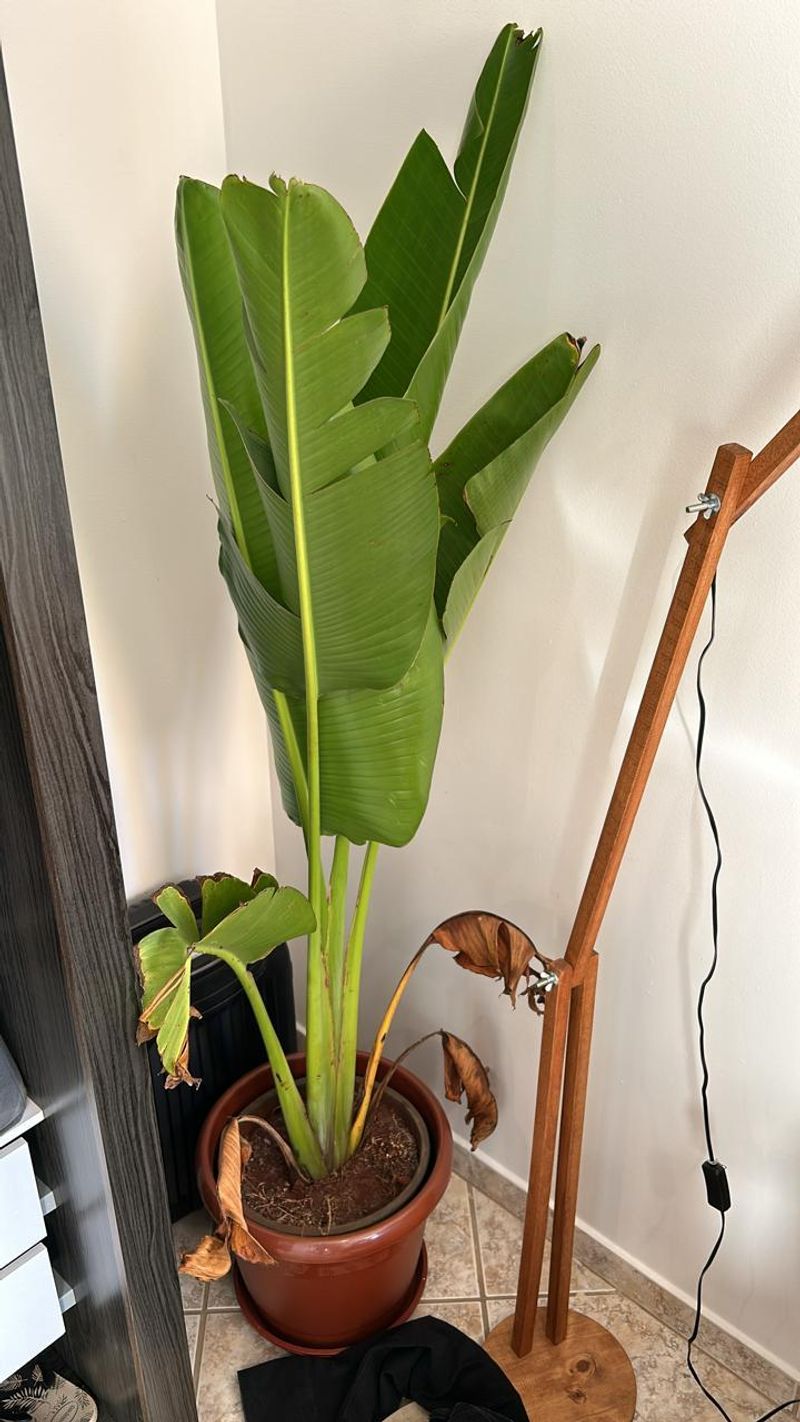
Not sure if your bird of paradise is ready for a trim? There are some pretty clear signals the plant sends when it is time to grab those pruning shears.
Brown or yellow leaves are the most obvious sign. When a leaf turns fully brown or yellow, it is no longer contributing to the plant’s health and should come off.
Old flower stalks are another thing to watch for. Once a bloom has finished and the stalk starts looking dry and shriveled, it is time to remove it.
Leaving spent flower stalks on the plant does not help it in any way. Cutting them off keeps the plant looking tidy and encourages future blooms.
Overcrowded or uneven foliage is also a signal that some pruning is overdue. When leaves bunch up too tightly, it blocks light from reaching the inner parts of the plant.
For Pennsylvania gardeners growing bird of paradise indoors during winter, good light distribution is especially critical.
Sometimes you might notice leaves that are physically damaged, perhaps torn, bent, or scarred from being bumped or moved around. These damaged leaves are worth removing too since they can become entry points for disease over time.
Pay attention to the overall shape of your plant as well. If it starts looking lopsided or unruly, a light pruning session can restore its natural, attractive form.
Pennsylvania winters can be long, and indoor plants sometimes look a bit rough by the time spring approaches. Catching these signs early and acting on them keeps your bird of paradise in top condition all year long.
How To Prune Bird Of Paradise Properly?
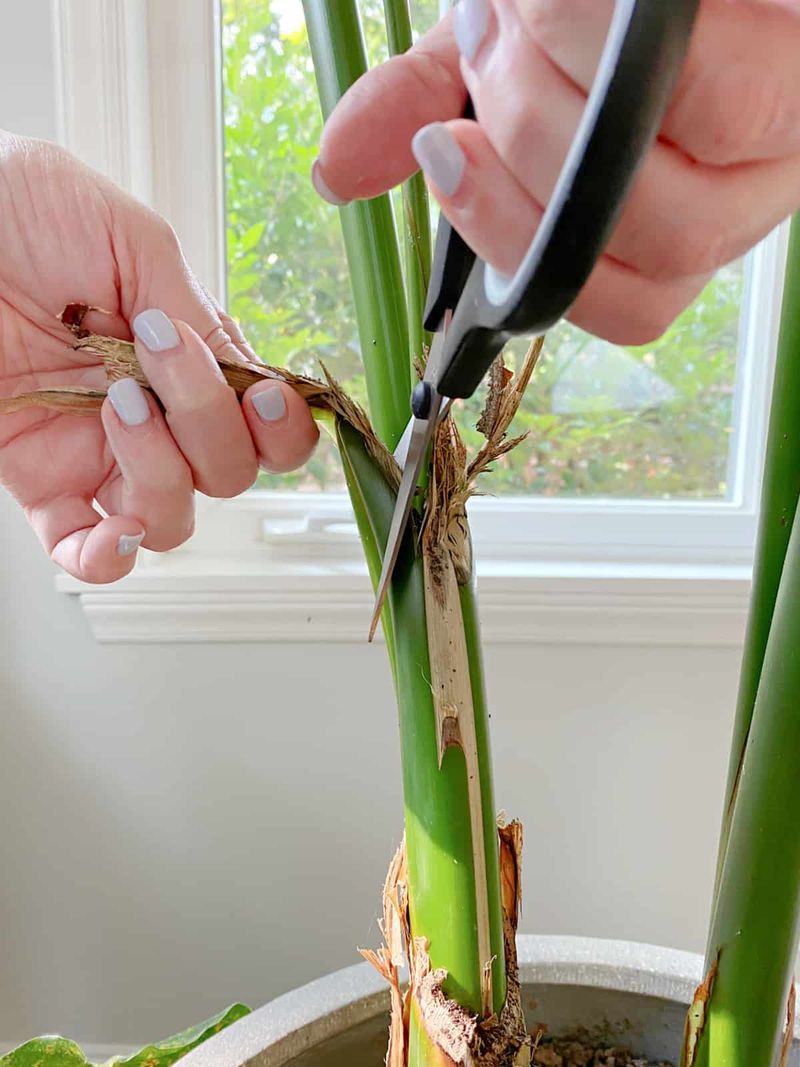
Sharp, clean tools are the foundation of a good pruning job. Before you start, make sure your pruning shears are both sharp and sanitized.
Dull blades can crush or tear plant tissue rather than making a clean cut, which leaves the plant more vulnerable to infection. Wipe your shears with rubbing alcohol before and after use to prevent spreading any bacteria or fungal spores.
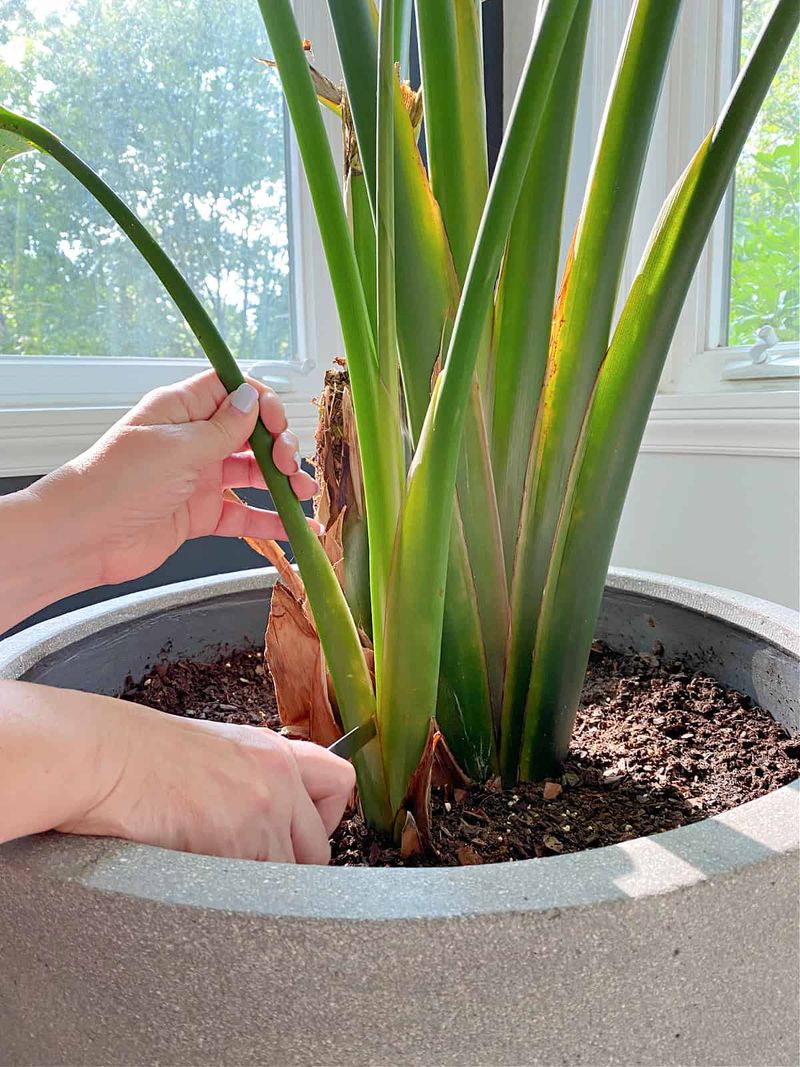
When removing a damaged or aging leaf, cut it as close to the base of the stem as possible. Do not leave a large stub sticking out because stubs can become entry points for pests or disease. A clean, low cut heals much faster and looks much neater on the plant.
For spent flower stalks, follow the same approach. Trace the stalk down toward the base of the plant and cut it off cleanly near the bottom.
Removing old flower stalks close to the base keeps the plant looking tidy and encourages it to put energy into developing new blooms.
Work slowly and carefully, removing one leaf or stalk at a time. Step back occasionally to check the overall shape of the plant as you go.
This helps you avoid accidentally over-pruning one side and making the plant look unbalanced.
Pennsylvania gardeners should also remember to wear gloves while pruning bird of paradise. The plant’s sap can cause mild skin irritation in some people.
After finishing, dispose of the removed leaves and stalks properly and give the plant a gentle wipe-down to remove any dust from the remaining leaves.
Clean leaves absorb light more efficiently, which is especially helpful during the lower-light months common in Pennsylvania.
Care Tips After Pruning
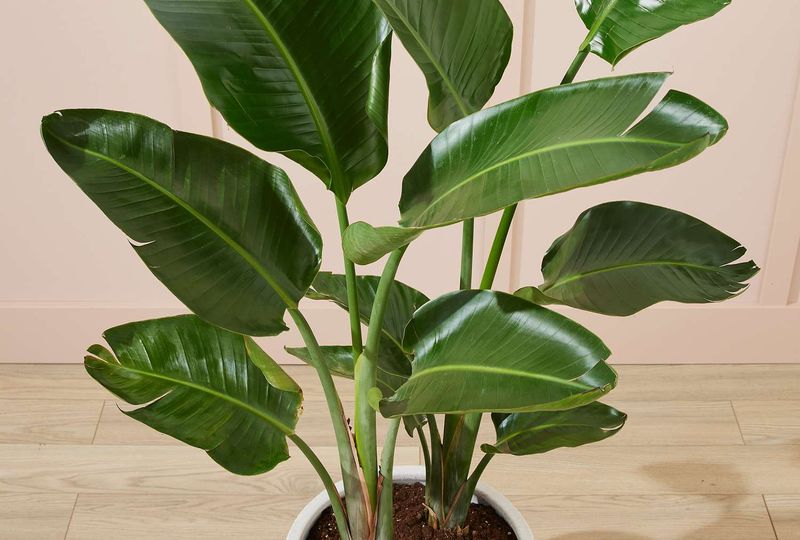
After a good pruning session, your bird of paradise will need a little extra attention to get back on track. Placing the plant in bright, indirect sunlight is one of the best things you can do right after pruning.
In Pennsylvania, a south or east-facing window works great during the late winter and early spring months when sunlight is still somewhat limited.
Watering is another area to adjust after pruning. As spring approaches and new growth starts, the plant will begin using more water than it did during the slower winter months.
Increase watering slightly, but always check the soil first. Stick your finger about an inch into the soil, and if it feels dry, it is time to water.
Overwatering is one of the most common mistakes people make with bird of paradise, so do not go overboard.
Light fertilizing after pruning helps support the fresh growth that will soon emerge. A balanced, slow-release fertilizer works well for bird of paradise.
Apply it lightly in early spring and continue feeding every few weeks through the summer growing season. Avoid heavy fertilizing in late fall or winter when the plant is resting.
Keep an eye on your plant over the weeks following pruning. New leaf growth is a great sign that the plant is responding well.
Pennsylvania gardeners often notice a noticeable boost in vitality once the plant has been pruned and cared for properly heading into spring.
With consistent light, water, and feeding, your bird of paradise will reward you with lush, vibrant foliage and, with some patience, those breathtaking exotic blooms that make the whole effort worthwhile.