Pennsylvania April Tips For Boxwood Care
By the time April rolls around in Pennsylvania, boxwoods often tell the story of a long, rough winter.
Cold snaps, drying winds, and sudden temperature swings can leave these evergreen shrubs looking worn or uneven just as the growing season begins.
Across Pennsylvania, boxwoods play a big role in landscapes, lining paths, shaping garden beds, and providing structure year-round. The good news is that early spring is an ideal moment to take action.
A little attention now can help your shrubs recover from winter stress and head into the rest of the season looking fuller and healthier.
1. Check For Winter Burn And Early Spring Damage
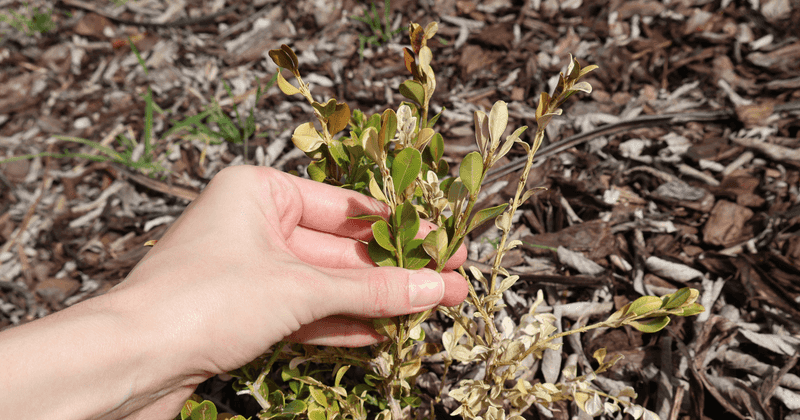
Walking outside on a crisp Pennsylvania April morning and noticing your boxwoods have patches of tan or orange-brown foliage can be a bit alarming.
That discoloration is usually winter burn, a common issue caused by cold, drying winds and frozen ground that prevents roots from absorbing enough moisture to keep the leaves hydrated during winter.
It tends to show up most on the south and west-facing sides of the shrub, where sun and wind exposure are the greatest.
Before you start cutting anything away, scratch a small section of a discolored stem with your fingernail. If you see green tissue underneath, that branch still has life in it and may push out new growth as temperatures rise.
Give borderline stems a few more weeks before deciding whether they need to come off.
Pennsylvania springs often bring a stretch of warm days followed by cold snaps, which can make it tricky to assess damage too early.
Waiting until mid-April, when new growth begins to emerge, gives you a much clearer picture of what survived and what did not.
Early inspection sets the foundation for all the other care steps that follow, so taking time to walk around each shrub carefully and note problem areas will make your overall spring maintenance more focused and effective.
2. Prune Lightly To Shape And Remove Damaged Growth
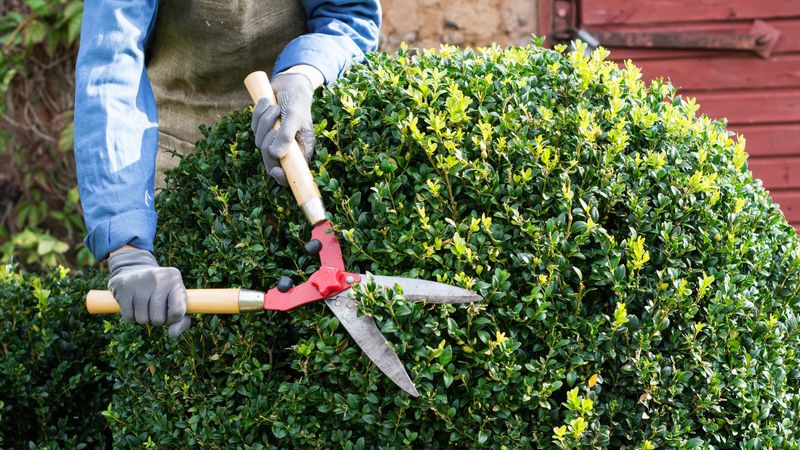
Reaching for the pruning shears too early in spring is a common mistake many Pennsylvania gardeners make.
Pruning in late March or very early April, before new growth has had a chance to emerge, can leave fresh cuts exposed to another round of cold temperatures.
A better approach is to wait until you start seeing that flush of bright green new growth, which in Pennsylvania typically happens somewhere in mid to late April depending on your region.
Once new growth appears, light pruning becomes much more manageable and effective. Focus on removing branches that are clearly no longer producing new buds, and clean up any straggly stems that are breaking the shape of the shrub.
Avoid cutting back too aggressively at this stage since heavy pruning early in the season can stress the plant when it is already working hard to recover from winter.
Sharp, clean tools matter more than most people realize. Dull blades crush stems rather than cutting them cleanly, and dirty tools can spread fungal spores or bacteria between plants.
Your Pennsylvania Garden Changes Every Week. Your Plan Should Too.
Gardening in Pennsylvania changes quickly throughout the season. Every Friday you’ll receive a simple weekly plan showing exactly what to plant, prune, fertilize, harvest, and protect so you never miss the right timing.
Wipe blades with a diluted bleach solution or rubbing alcohol between shrubs, especially if any show signs of disease.
A light, thoughtful trim in April does far more good than a heavy-handed shaping session, and it helps the boxwood channel its energy into healthy new growth through the rest of spring and summer.
3. Apply Mulch To Help Retain Moisture And Stabilize Soil
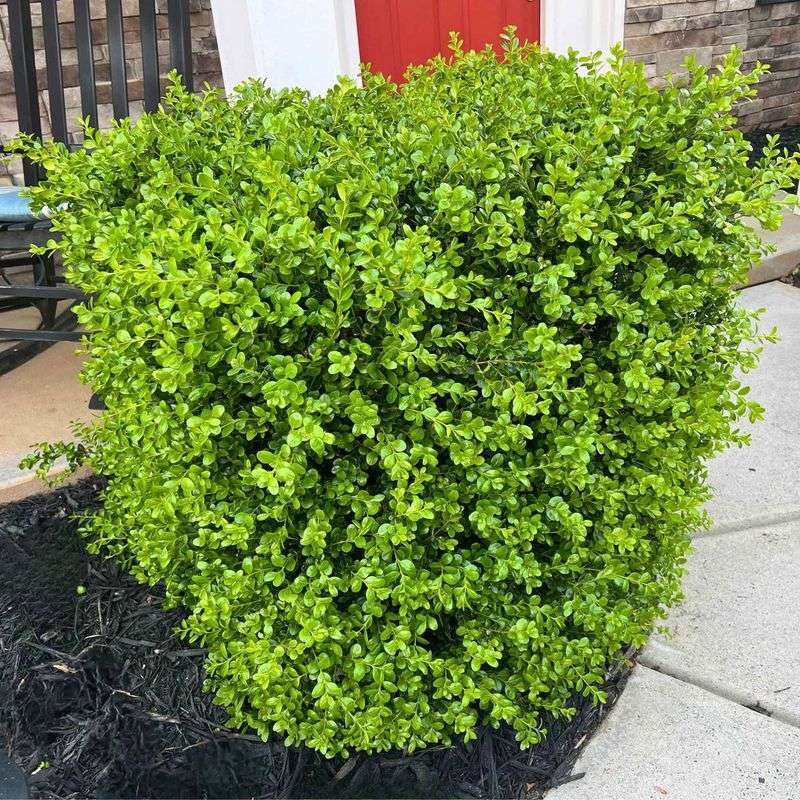
Few spring tasks offer as much payoff for the effort as mulching, and boxwoods respond particularly well to a fresh layer applied in April.
Pennsylvania soil temperatures are still fairly cool at this time of year, and a 2 to 3-inch layer of organic mulch helps buffer those fluctuations while also holding onto soil moisture between rain events.
That moisture retention is especially valuable during dry April stretches when spring rains can be unreliable.
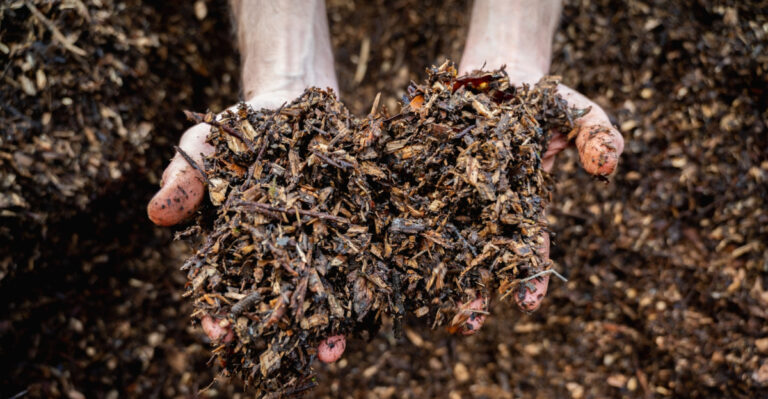
Shredded bark, wood chips, or leaf compost all work well around boxwoods. Spread the mulch in an even layer starting a few inches away from the base of the stems and extending out to roughly the edge of the shrub’s canopy.
Piling mulch directly against the stems can trap moisture against the bark and encourage rot, so keeping that gap near the crown is worth the extra attention.
Beyond moisture, mulch also suppresses early weed growth, which means less competition for the nutrients your boxwoods are trying to pull from the soil as they push out new spring growth.
Over time, organic mulch breaks down and adds organic matter back into the soil, gradually improving its structure and drainage.
In Pennsylvania gardens where clay-heavy soils are common, that slow improvement in soil texture can make a noticeable difference in how well boxwoods establish and grow over the years.
4. Water During Dry April Periods To Support Recovery
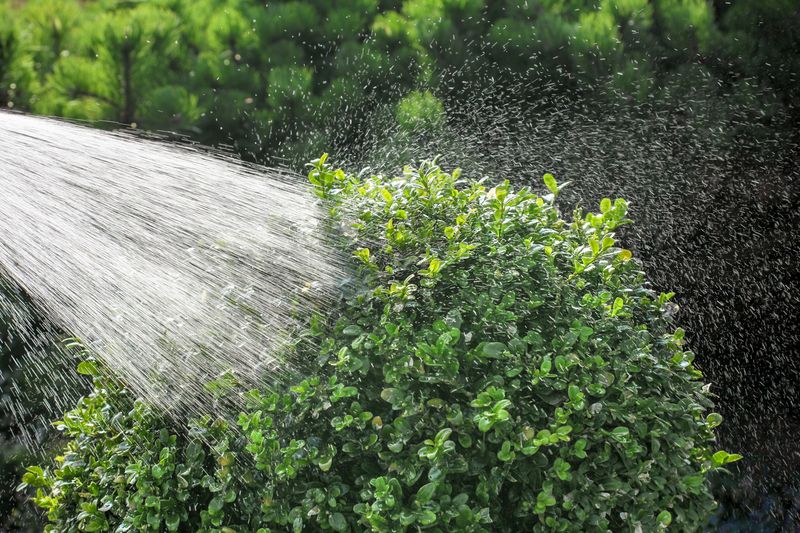
April in Pennsylvania can swing between rainy weeks and surprisingly dry stretches, and boxwoods recovering from winter stress are particularly sensitive to moisture gaps during that period.
The root system is waking up and actively working to rehydrate tissues that dried out over winter, so consistent soil moisture in early spring plays a real role in how quickly the shrubs recover and push out new growth.
Rather than watering on a fixed schedule, check the soil moisture by pressing a finger about an inch into the ground near the shrub. If the soil feels dry at that depth, it is time to water.
When you do water, aim for a slow, deep soak rather than a quick splash at the surface. Deep watering encourages roots to grow downward, which builds a stronger, more drought-resilient root system over time.
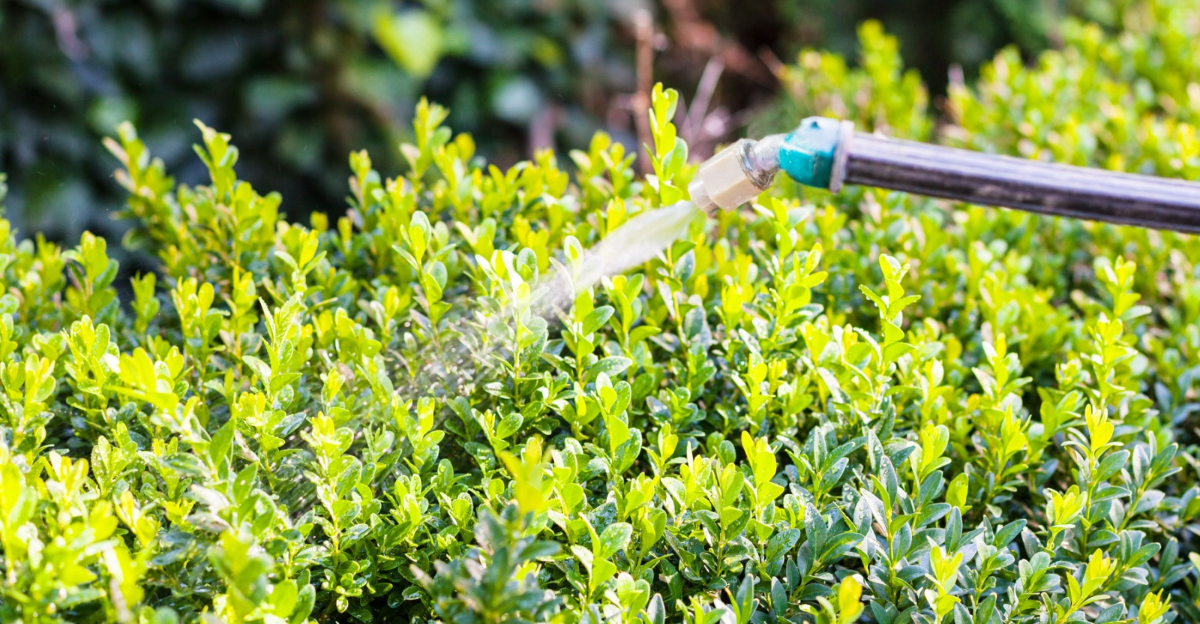
Early morning is generally the most practical time to water in April, giving foliage a chance to dry before evening temperatures drop.
Wet foliage sitting through a cool Pennsylvania night can create conditions that favor fungal issues.
Avoid overhead sprinklers if possible, and instead direct water toward the base of the plant where roots can access it most efficiently.
Newly transplanted boxwoods need more frequent attention than established ones, but even mature shrubs benefit from supplemental watering during dry spells in their first few weeks of spring recovery.
5. Monitor For Boxwood Leafminer And Early Pest Activity
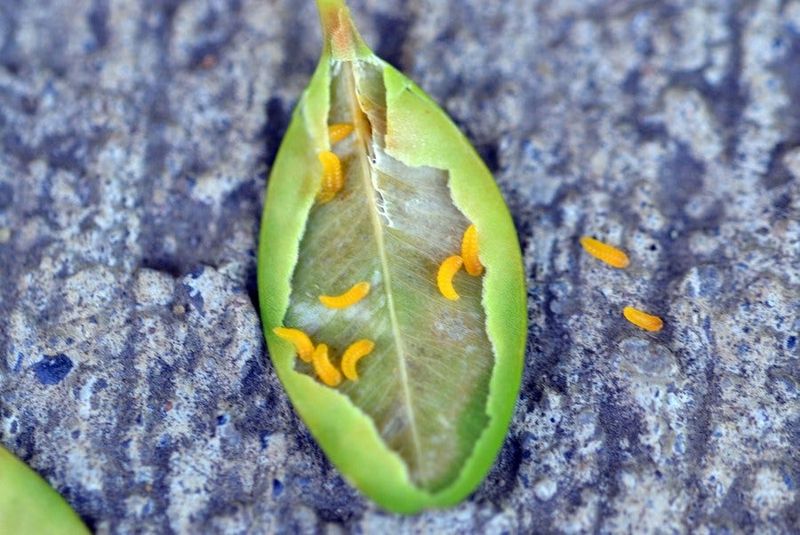
One of the sneakiest pests affecting Pennsylvania boxwoods is the boxwood leafminer, a tiny fly whose larvae burrow inside leaves and feed on the inner tissue through late winter and into spring.
By April, the damage from overwintering larvae often becomes visible as blistering or puckering on older leaves, giving them a slightly swollen, uneven texture when you run a finger across the surface.
Catching this early makes a meaningful difference in how you manage the population going forward.
Adult leafminer flies typically emerge in Pennsylvania sometime in late April to mid-May, often coinciding with the bloom of certain flowering shrubs.
That emergence window is an important time to monitor, because treating or removing heavily infested stems before adults lay a new round of eggs can help reduce the severity of future generations.
Pruning out and bagging the most heavily affected stems during April is a low-intervention first step worth trying before moving to other options.
Besides leafminer, April is also a reasonable time to scan for spider mite activity, particularly on shrubs that experienced significant winter stress.
Stressed plants are more vulnerable to mite infestations, and early detection allows you to address the problem before populations build.
A magnifying glass and a white sheet of paper held beneath a branch while you tap it gently can help reveal whether mites are present. Staying observant through April puts you ahead of most pest problems before they escalate.
6. Avoid Heavy Fertilizing Too Early In The Season
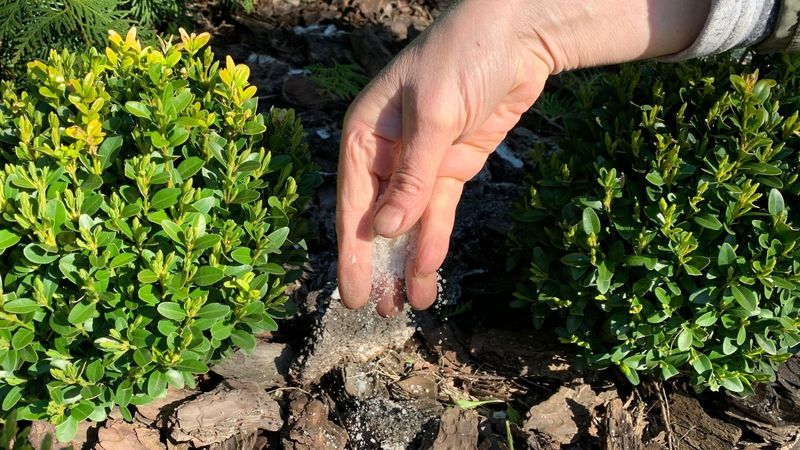
There is a real temptation in spring to reach for fertilizer the moment the ground thaws, but timing matters quite a bit when it comes to feeding boxwoods in Pennsylvania.
Applying a heavy dose of fast-release nitrogen fertilizer too early in April can push a flush of tender new growth that may still be vulnerable to late frosts, which are not uncommon across much of Pennsylvania well into the month.
A more measured approach involves waiting until new growth is actively emerging and nighttime temperatures have stabilized a bit before applying any fertilizer.
If you choose to feed in April, a slow-release granular fertilizer applied at or just after mid-month tends to work well.
Slow-release formulas deliver nutrients gradually, which supports steady growth rather than a sudden surge that can leave new shoots brittle and frost-sensitive.
It is also worth noting that boxwoods are not heavy feeders compared to some other landscape shrubs. Overfertilizing can actually lead to problems, including lush growth that attracts pests and foliage that is more susceptible to certain diseases.
If your soil has been amended with compost or organic matter over the years, your boxwoods may need less supplemental feeding than you expect.
A soil test in April can give you a clear picture of what nutrients are actually needed, helping you fertilize smarter rather than just fertilizing more.
7. Watch For Signs Of Boxwood Blight In Cool, Damp Conditions
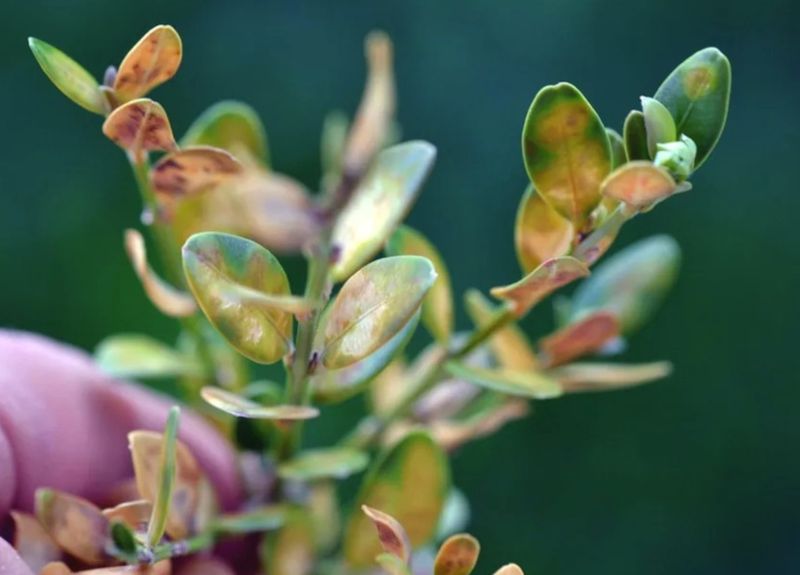
Cool, wet springs in Pennsylvania create conditions that can favor the spread of boxwood blight, a fungal disease that has become a growing concern for gardeners across the region.
The disease causes circular brown spots on leaves, often with a darker border, and can lead to rapid defoliation if conditions stay damp and temperatures remain in a range that the fungus finds favorable.
Stems may also develop dark, streaky cankers that are worth looking for during your spring inspections.
April weather in Pennsylvania, with its frequent rain events and lingering cool temperatures, can create stretches where blight pressure is elevated.
Keeping foliage as dry as possible helps reduce the risk, which is another reason to water at the base rather than overhead.
Good air circulation within and around the shrub also makes the environment less hospitable to fungal growth, so thinning the interior during light pruning has benefits beyond just aesthetics.
If you notice symptoms that look consistent with blight, avoid working around affected plants when foliage is wet, as the spores spread easily on tools, clothing, and hands.
Remove and bag affected plant material rather than composting it, and sanitize your tools thoroughly before moving on to healthy shrubs.
Reaching out to your local county extension office for confirmation and guidance is a smart move if you suspect blight, since early identification greatly improves the chances of managing its spread effectively.