7 Common Mistakes Pennsylvania Gardeners Make With Tomato Plants
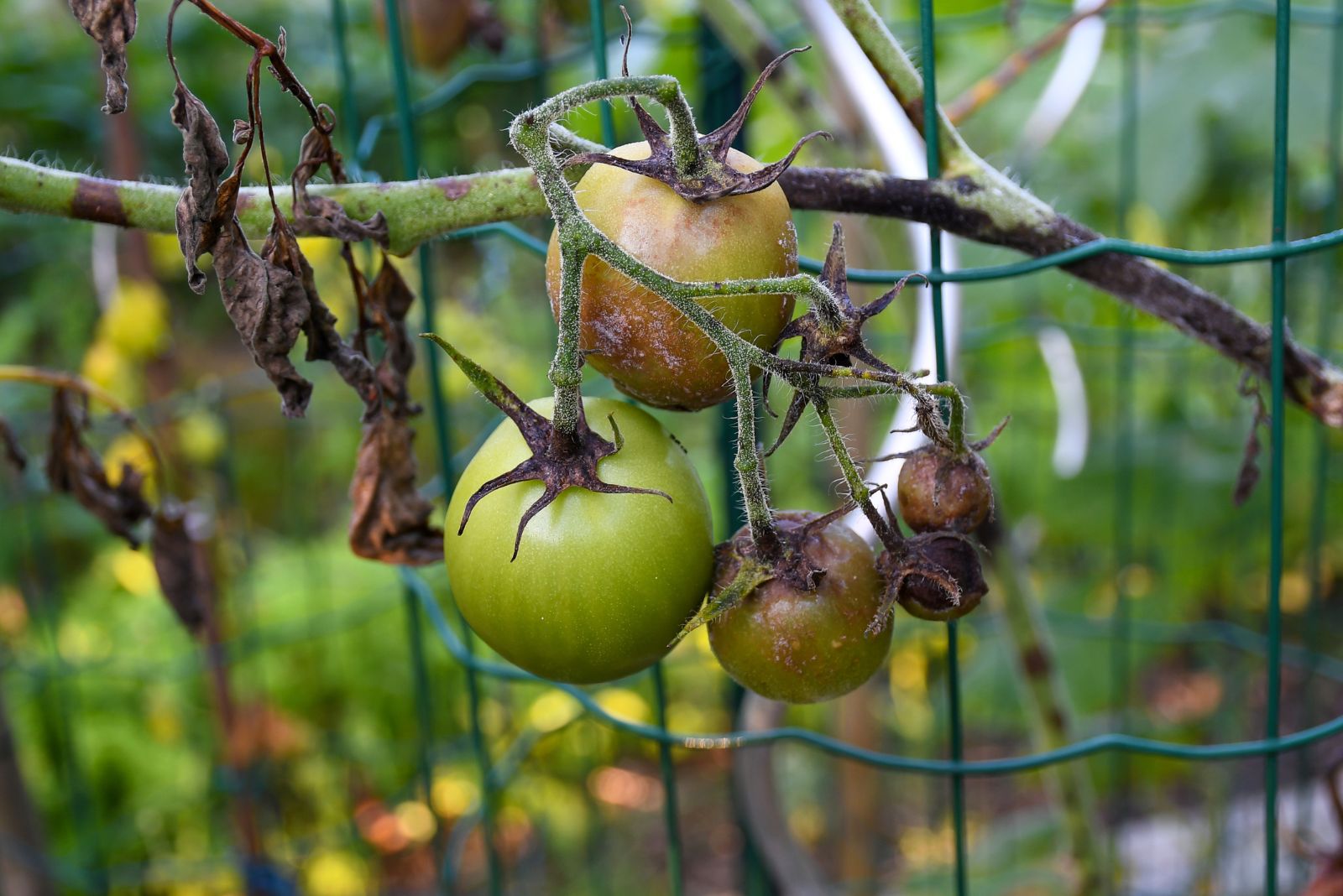
Have you ever planted tomato seedlings with high hopes, only to end up with weak plants or a disappointing harvest? Many Pennsylvania gardeners know that feeling.
Tomatoes are one of the most popular crops to grow at home, yet they can be surprisingly sensitive to small mistakes during the growing season.
It often starts with excitement in early spring. Gardeners prepare their beds, buy healthy looking seedlings, and imagine baskets full of fresh tomatoes later in the summer.
Then something goes wrong. The plants grow slowly, leaves start curling, or the fruit never seems to develop the way it should.
In many cases, the problem is not the soil or the weather. A few common habits can quietly hold tomato plants back without gardeners realizing it.
Once those mistakes are understood, growing strong plants becomes much easier. With the right approach, tomato vines can thrive and reward Pennsylvania gardeners with a generous harvest.
1. Planting Tomatoes Too Early
Every spring, the excitement of a new gardening season makes Pennsylvania gardeners want to rush outside and get their tomatoes in the ground. It feels like the right move, especially after a long winter.
But planting too early is one of the most common and costly mistakes you can make. Tomatoes are warm-weather plants. They do not like cold soil or chilly nights.
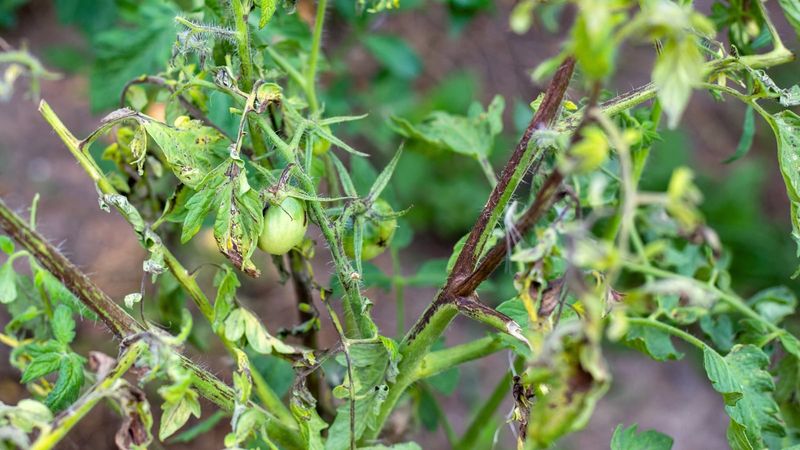
When soil temperatures drop below 50 degrees Fahrenheit, tomato roots struggle to absorb nutrients and water properly. Young plants can become stunted, pale, and weak before they ever get a real chance to grow.
Pennsylvania is known for unpredictable spring weather. Even when daytime temperatures feel warm in April or early May, nighttime temperatures can still drop below freezing. A late frost can wipe out an entire flat of seedlings in just one night.
Most gardening experts recommend waiting until after Mother’s Day, which falls in mid-May, before transplanting tomatoes outdoors in Pennsylvania. In northern parts of the state, waiting even a little longer is a smart idea.
Use a soil thermometer to check that your garden bed has reached at least 60 degrees Fahrenheit before planting.
If you are eager to get started earlier, consider using row covers, cold frames, or black plastic mulch to warm the soil and protect young plants from temperature swings.
Starting seeds indoors six to eight weeks before your planned outdoor planting date is also a great way to get ahead without risking your plants to the cold.
2. Not Providing Enough Sunlight
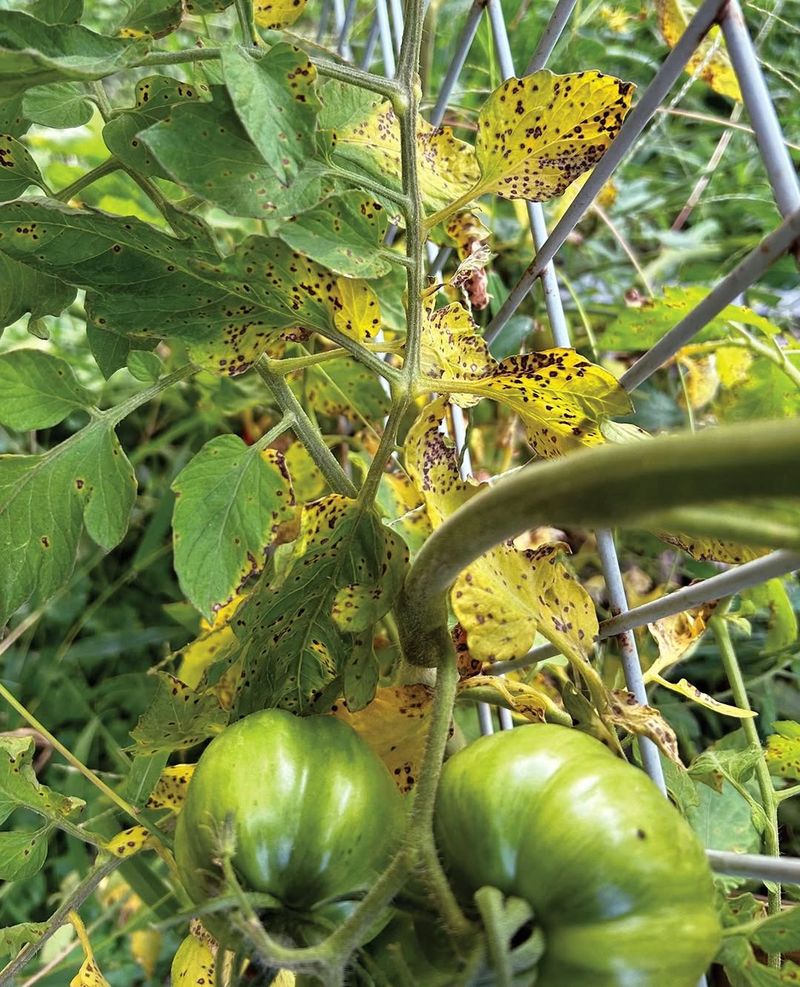
Sunlight is like fuel for tomato plants. Without enough of it, your plants simply cannot do their job.
Many gardeners in Pennsylvania pick a spot in their yard that looks open and bright, but they do not realize how much shade nearby trees, fences, or buildings create throughout the day.
Tomatoes need a minimum of six to eight hours of direct sunlight every single day. Full sun is not just helpful, it is essential.
When plants do not get enough light, they put their energy into growing tall and leggy rather than producing flowers and fruit. Fewer flowers mean fewer tomatoes on your plate come harvest time.
Your Pennsylvania Garden Changes Every Week. Your Plan Should Too.
Gardening in Pennsylvania changes quickly throughout the season. Every Friday you’ll receive a simple weekly plan showing exactly what to plant, prune, fertilize, harvest, and protect so you never miss the right timing.
Shaded tomato plants also tend to be weaker and more vulnerable to disease. Pennsylvania summers are already humid, and low light combined with poor air circulation creates the perfect environment for fungal problems like early blight and septoria leaf spot.
Before you plant, spend a full day observing how sunlight moves across your chosen garden spot. Do this in late spring when the sun angle is closer to what it will be during the growing season.
You might be surprised to find that a spot you thought was sunny only gets four or five hours of direct light.
If your yard does not have a naturally sunny area, consider growing tomatoes in containers that you can move to follow the sun.
Raised beds placed away from shade-producing structures are another excellent option for Pennsylvania gardeners working with limited sunny space.
3. Overwatering The Plants
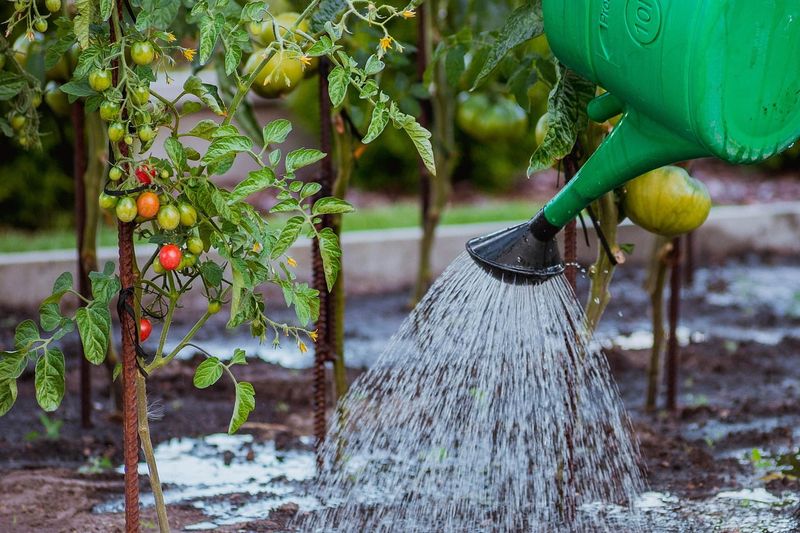
More water does not always mean better plants. In fact, overwatering tomatoes is one of the easiest mistakes to make, especially for newer gardeners who want to make sure their plants stay healthy.
The truth is, too much water can cause just as many problems as too little. When tomato roots sit in constantly wet soil, they cannot get the oxygen they need. This leads to root problems that block the plant from absorbing nutrients properly.
You might notice yellowing leaves, wilting even when the soil is wet, or a general lack of vigor in your plants. Overwatering also dilutes the flavor of your tomatoes, leaving you with bland, watery fruit at harvest.
Pennsylvania summers can bring stretches of heavy rain, which means your tomatoes may already be getting plenty of moisture from nature. Always check the soil before reaching for the hose.
Stick your finger about two inches into the ground. If it still feels moist, hold off on watering.
Tomatoes do best with deep, infrequent watering rather than light, daily sprinkles. Deep watering encourages roots to grow downward, making plants more resilient during dry spells.
Aim for about one inch of water per week, adjusting based on rainfall and temperatures. Using mulch around the base of your plants helps the soil hold moisture longer between watering sessions.
Straw, wood chips, or shredded leaves all work well and are easy to find at garden centers across Pennsylvania. Consistent, measured watering leads to tastier and healthier tomatoes.
4. Planting Tomatoes Too Close Together
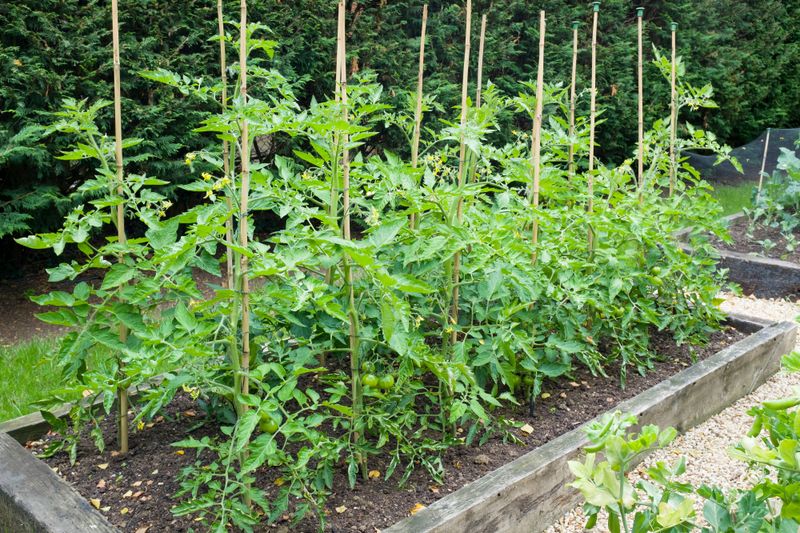
Picture a crowded subway car where nobody has enough room to breathe. That is exactly what happens when you plant tomatoes too close together in your Pennsylvania garden.
It might seem like a smart way to get more plants into a small space, but crowding does far more harm than good.
When tomato plants are packed tightly, air cannot circulate freely between them. Pennsylvania summers are already warm and humid, and poor airflow creates a damp, stagnant environment that fungal diseases absolutely love.
Blight, powdery mildew, and septoria leaf spot spread quickly through crowded plantings and can devastate an entire row of tomatoes before you even notice the problem.
Crowded plants also compete with each other for water, nutrients, and sunlight. When resources are stretched thin, every plant in the group suffers. You end up with weaker stems, fewer flowers, and a noticeably smaller harvest.
Most tomato varieties need at least 24 to 36 inches of space between each plant. Indeterminate varieties, which keep growing throughout the season, may need even more room.
Always read the plant tag or seed packet for spacing recommendations specific to the variety you are growing.
Proper spacing also makes it easier to spot problems early. When you can walk between your plants and inspect them from multiple angles, you are much more likely to catch pest damage or disease before it spreads.
Give your Pennsylvania tomatoes the breathing room they deserve, and they will reward you with a much stronger and more generous harvest.
5. Skipping Support For The Plants
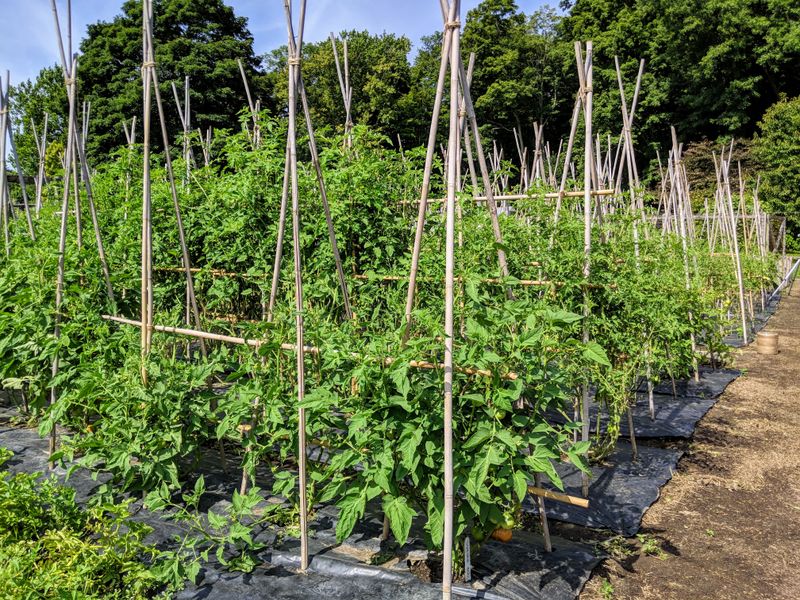
Tomato plants are ambitious growers. Left on their own without any support, they will sprawl across the ground, dragging their heavy fruit with them.
Many Pennsylvania gardeners skip this step early in the season because their young plants look small and manageable. Then, before they know it, the plants are flopped over and impossible to straighten out.
When tomatoes sprawl on the ground, the problems multiply fast. Fruit that rests on the soil is far more likely to rot, especially during Pennsylvania’s rainy summer months.
Ground contact also invites slugs, beetles, and other pests that love to snack on ripe tomatoes. Disease spreads more easily too, since soil splashes up onto leaves and stems during rain or watering.
Cages, stakes, and trellises are the three most popular support options for home gardeners. Wire tomato cages work well for smaller, bushy determinate varieties.
Tall wooden or metal stakes are great for larger indeterminate types that need to be tied up as they grow. Trellises are a smart choice if you are growing multiple plants in a row and want a clean, organized look.
Set up your support system at planting time, not after the plant has already started growing. Trying to add a cage around a large, established plant without breaking branches is a frustrating experience most gardeners only go through once.
Garden centers throughout Pennsylvania carry a wide range of support options at reasonable prices. Investing in good supports early in the season pays off with cleaner fruit, healthier plants, and a much easier harvest.
6. Ignoring Soil Health
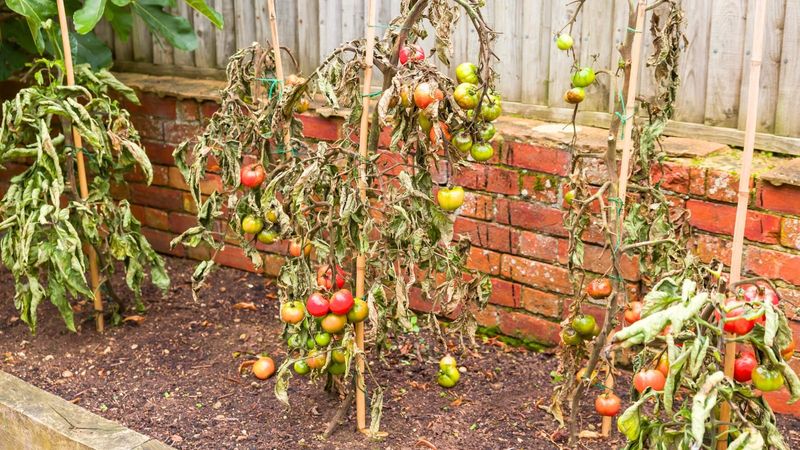
Tomatoes are hungry plants. They pull a lot of nutrients out of the soil throughout the growing season, and if your soil is not up to the task, your plants will struggle from the very beginning.
Ignoring soil health is one of the biggest reasons Pennsylvania gardeners end up with weak, unproductive tomato plants year after year.
Healthy tomato soil needs to be loose, well-draining, and rich in organic matter. Clay-heavy soils, which are common in many parts of Pennsylvania, can hold too much water and suffocate roots.
Sandy soils drain too fast and do not hold nutrients well. The sweet spot is a loamy, well-amended soil that holds moisture without becoming waterlogged.
Tomatoes also need specific nutrients to thrive. Calcium is especially important because a lack of it leads to blossom end rot, a frustrating condition where the bottom of the fruit turns dark and mushy.
Phosphorus supports root development, and potassium helps with fruit quality and disease resistance.
Getting a soil test is one of the smartest things a Pennsylvania gardener can do. Penn State Extension offers affordable soil testing services that tell you exactly what your garden needs.
Based on the results, you can add lime to adjust pH, compost to boost organic matter, or specific fertilizers to address nutrient gaps.
Adding a few inches of compost to your beds each spring is a simple habit that makes a big difference. Healthy soil grows healthy plants, and healthy plants produce more tomatoes with better flavor and fewer problems throughout the season.
7. Forgetting To Remove Lower Leaves
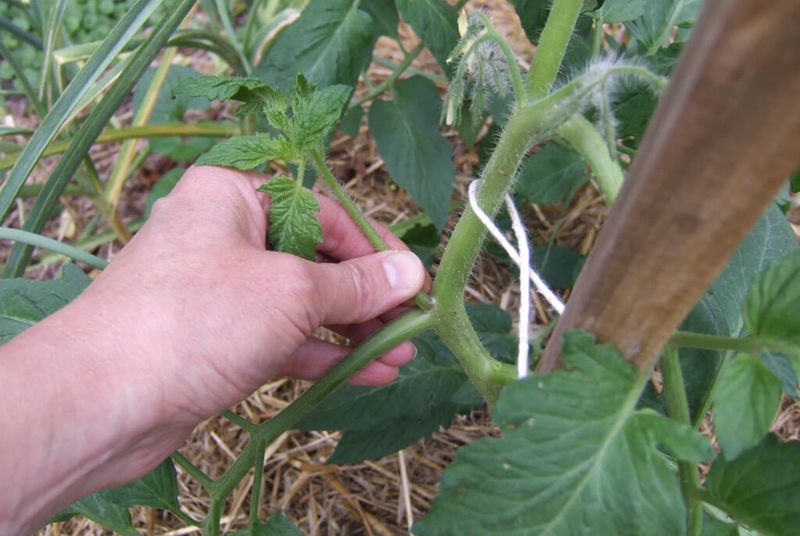
Most gardeners focus so much on watering, fertilizing, and staking that they forget one surprisingly simple task that can have a big impact on plant health: removing the lower leaves.
It sounds almost too minor to matter, but skipping this step is a mistake that Pennsylvania gardeners often regret by midsummer.
The leaves closest to the ground are the most vulnerable to disease. Every time it rains or you water your plants, soil particles splash upward and land on those low leaves.
Pennsylvania’s humid summers mean that wet leaves do not dry out quickly, and that damp environment is exactly what fungal diseases need to take hold. Blight, in particular, tends to start at the bottom of the plant and work its way up.
Removing the lower six to twelve inches of foliage improves airflow around the base of the plant and reduces the chance of soil splash reaching healthy tissue.
It also helps the plant direct more of its energy toward fruit production rather than maintaining leaves that are not getting much sunlight anyway.
Start pruning lower leaves once your plants are established and growing well, usually a few weeks after transplanting. Use clean, sharp scissors or pruning shears and make clean cuts close to the main stem.
Avoid tearing the leaves off by hand, as rough removal can leave wounds that invite infection.
Combining this habit with a layer of mulch at the base of each plant gives you even better protection. Together, these two simple steps go a long way toward keeping your Pennsylvania tomato plants healthy and productive all season long.