6 Hard To Find Native Pennsylvania Shrubs That Are Worth The Hunt
Some shrubs are easy to find the minute you walk into a nursery. Others take a little patience, a few extra phone calls, and maybe even a special trip just to track them down.
Those harder-to-find plants are often the ones that make a garden feel more personal. In Pennsylvania, native shrubs can offer that kind of payoff.
They are tied to the local landscape, support wildlife, and often handle regional conditions better than the more common choices sitting out front at every garden center. The trick is that some of the best ones are not always easy to come by.
That extra effort can be worth it for gardeners who want something beyond the usual lineup. A less common native shrub can bring unusual flowers, standout berries, better fall color, or a shape that gives the yard a little more character.
It also feels good to grow plants that belong in the region instead of filling the landscape with the same predictable options.
For anyone who enjoys the thrill of finding something special, these Pennsylvania natives are more than just rare picks. They are plants that earn their place the moment they go in the ground.
1. New Jersey Tea
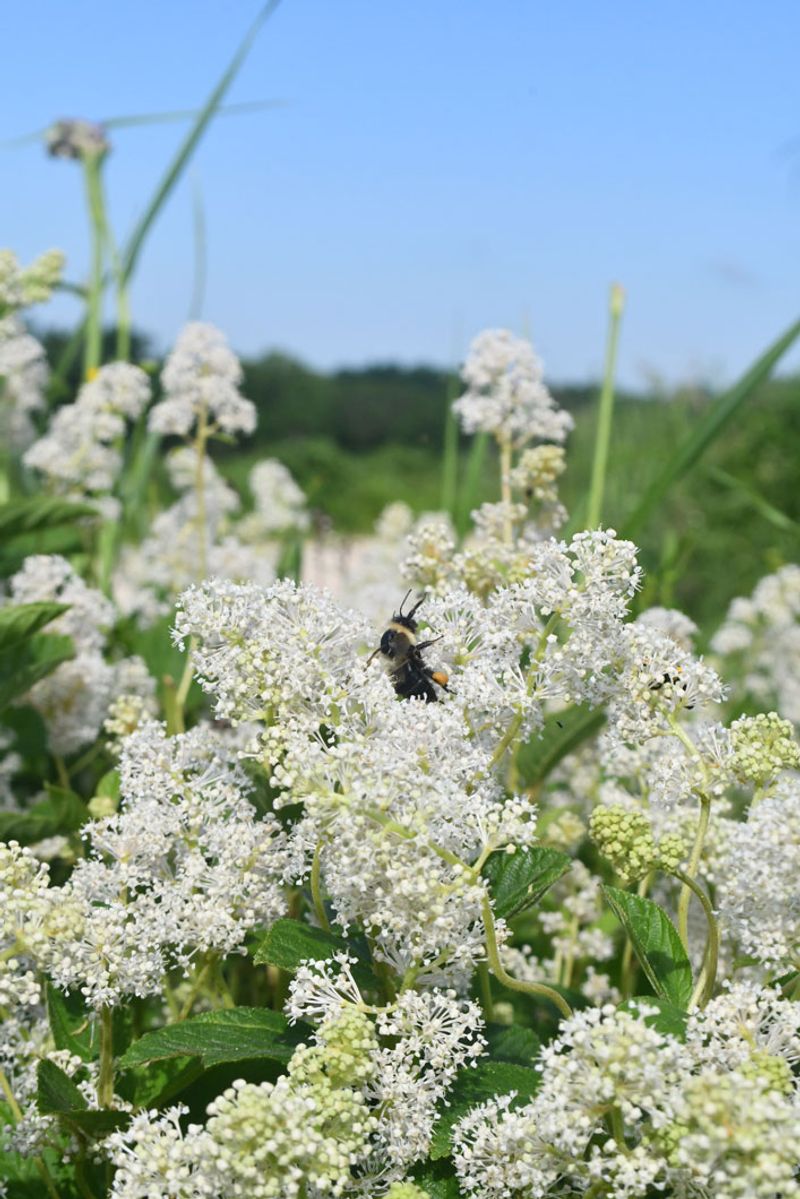
Long before tea bags existed, early American colonists brewed the leaves of this compact native shrub as a substitute for imported tea during the Revolutionary War.
New Jersey Tea, known scientifically as Ceanothus americanus, has a story as rich as its history in Pennsylvania’s native landscape. It’s a plant that does a whole lot more than look pretty.
Standing just two to four feet tall, this shrub is perfectly sized for smaller garden spaces. Every summer, it bursts into a show of tiny, bright white flower clusters that practically buzz with activity.
Bees, butterflies, and other pollinators absolutely love it, making it a powerhouse for supporting local ecosystems right in your own backyard.
One of the best things about New Jersey Tea is how tough it is once it gets established. It handles drought surprisingly well, which makes it a low-maintenance choice for Pennsylvania gardeners who don’t want to babysit their plants.
It also fixes nitrogen in the soil, which means it actually improves the ground around it over time.
Finding this shrub at a regular nursery can be a real challenge. Many specialty native plant nurseries in Pennsylvania carry it, but you may need to call ahead or join a native plant society plant sale to get your hands on one.
Planting it in full sun gives you the best results. If you’re building a pollinator garden or restoring a section of your Pennsylvania yard with native plants, New Jersey Tea is a smart, rewarding choice that earns its spot every single season.
2. Spicebush
Scratch a leaf of Spicebush and you’ll get one of the most surprisingly wonderful smells in the plant world. It’s spicy, a little citrusy, and totally unique.
Lindera benzoin has been a beloved part of Pennsylvania’s forest understory for centuries, and once you grow it, you’ll wonder why it took so long to find one.
Your Pennsylvania Garden Changes Every Week. Your Plan Should Too.
Gardening in Pennsylvania changes quickly throughout the season. Every Friday you’ll receive a simple weekly plan showing exactly what to plant, prune, fertilize, harvest, and protect so you never miss the right timing.
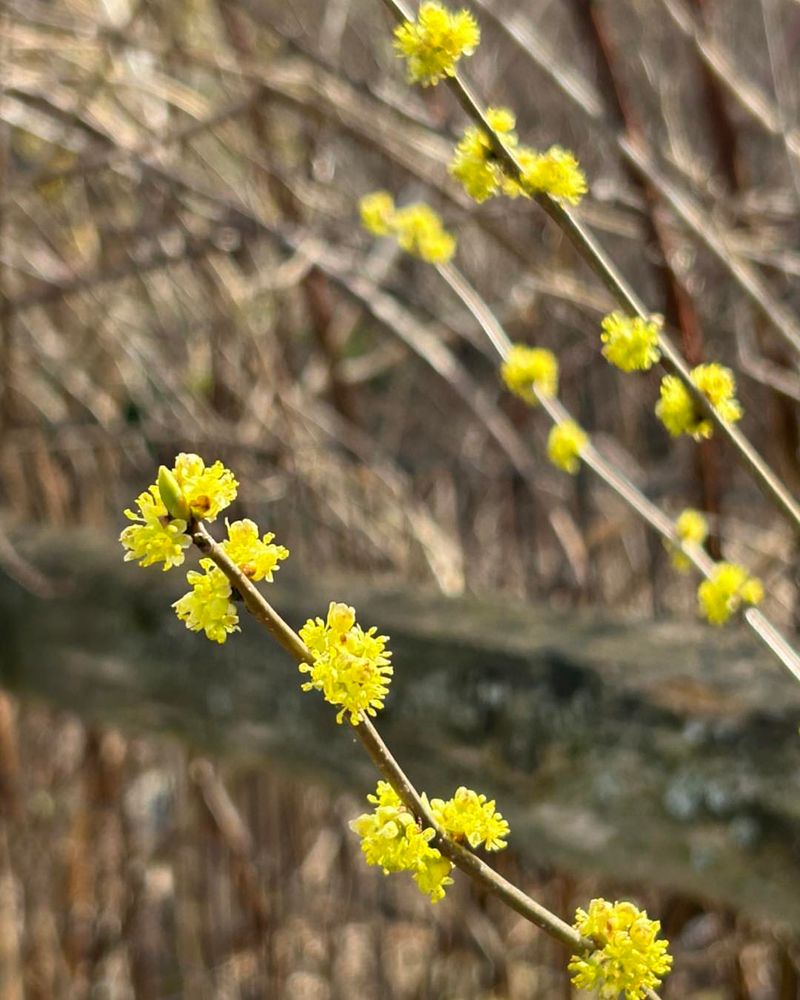
Spicebush is a four-season plant in the truest sense. In early spring, before most other plants have even woken up, it covers its bare branches with tiny, cheerful yellow flowers.
Those blooms are a critical early food source for pollinators just coming out of winter. Then in fall, the female plants produce brilliant red berries that birds go absolutely wild for, especially migrating songbirds stocking up for their journey.
Growing Spicebush in Pennsylvania is easier than you might expect. It naturally thrives in shaded, moist woodland areas, which makes it perfect for those tricky spots under large trees where other shrubs struggle.
It can handle a range of soil types and rarely needs much attention once it’s settled in. Another bonus? Spicebush is the host plant for the beautiful Spicebush Swallowtail butterfly.
Caterpillars of this striking species rely on the leaves to survive and grow. Planting Spicebush means you’re directly supporting one of Pennsylvania’s most eye-catching native butterflies.
You won’t find Spicebush at every garden center, but native plant nurseries and conservation organizations in Pennsylvania often have it available in spring and fall. It’s absolutely worth seeking out for a shade garden that truly comes alive.
3. Buttonbush
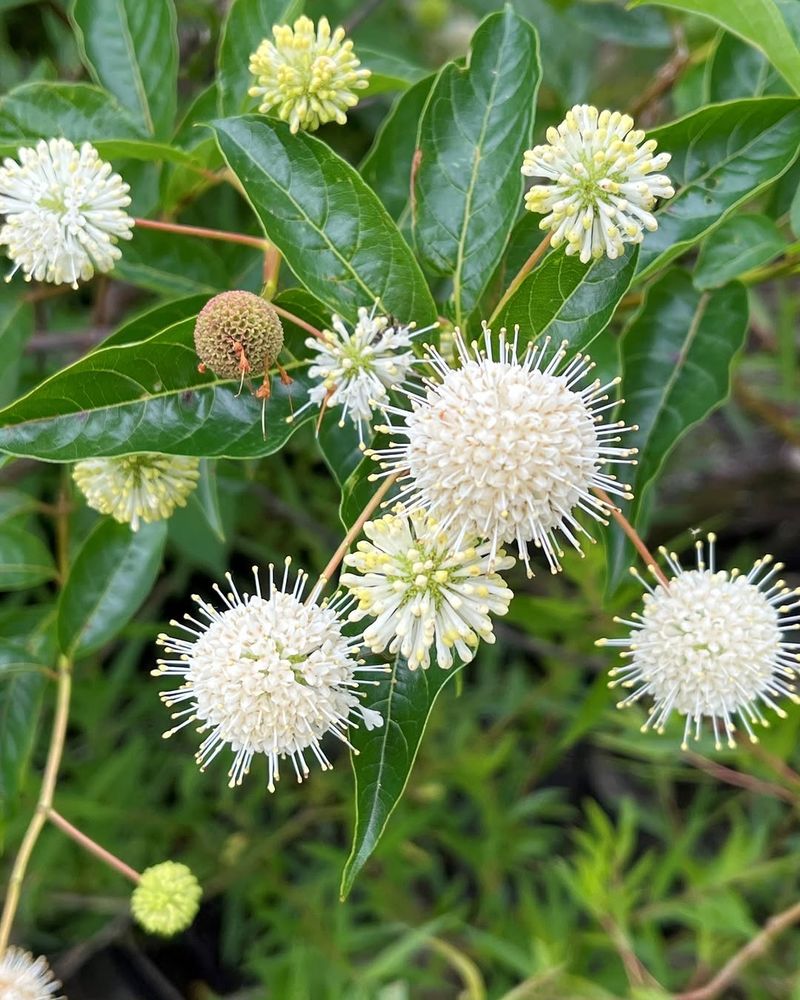
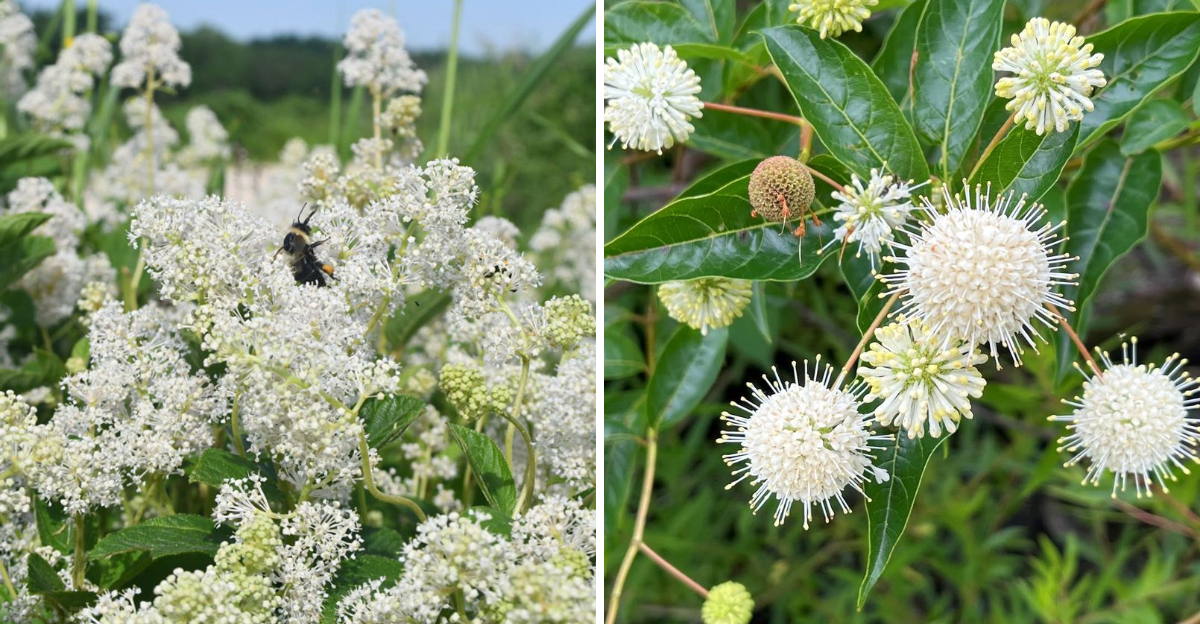
If you’ve ever seen a perfectly round, white flower that looks like something from a science fiction movie, there’s a good chance you stumbled across a Buttonbush.
Cephalanthus occidentalis is one of the most visually striking native shrubs in Pennsylvania, and it plays a vital role in wet, marshy areas across the state.
Those unusual globe-shaped flower clusters are not just for show. They are magnets for pollinators of all kinds, including bees, butterflies, and even hummingbirds.
After flowering, the seed heads remain on the plant well into winter, providing food for waterfowl and other birds that rely on wetland habitats. Few native plants offer this much wildlife value in a single package.
Buttonbush is built for wet conditions. It thrives along pond edges, stream banks, and in low-lying areas that stay soggy for much of the year.
In Pennsylvania, where heavy rainfall and flooding are common in many regions, this shrub is practically tailor-made for problem spots in the landscape. It can even tolerate standing water for extended periods.
It grows to a medium size, typically reaching six to twelve feet tall if left unpruned, and it responds well to cutting back if you need to keep it in check. The glossy green leaves add a lush, tropical look to wet garden areas throughout the growing season.
Tracking down Buttonbush in Pennsylvania requires a visit to a native plant specialist or wetland restoration supplier. Once planted in the right spot, though, it practically takes care of itself and rewards you with years of stunning blooms and wildlife activity.
4. Shrubby St. John’s Wort
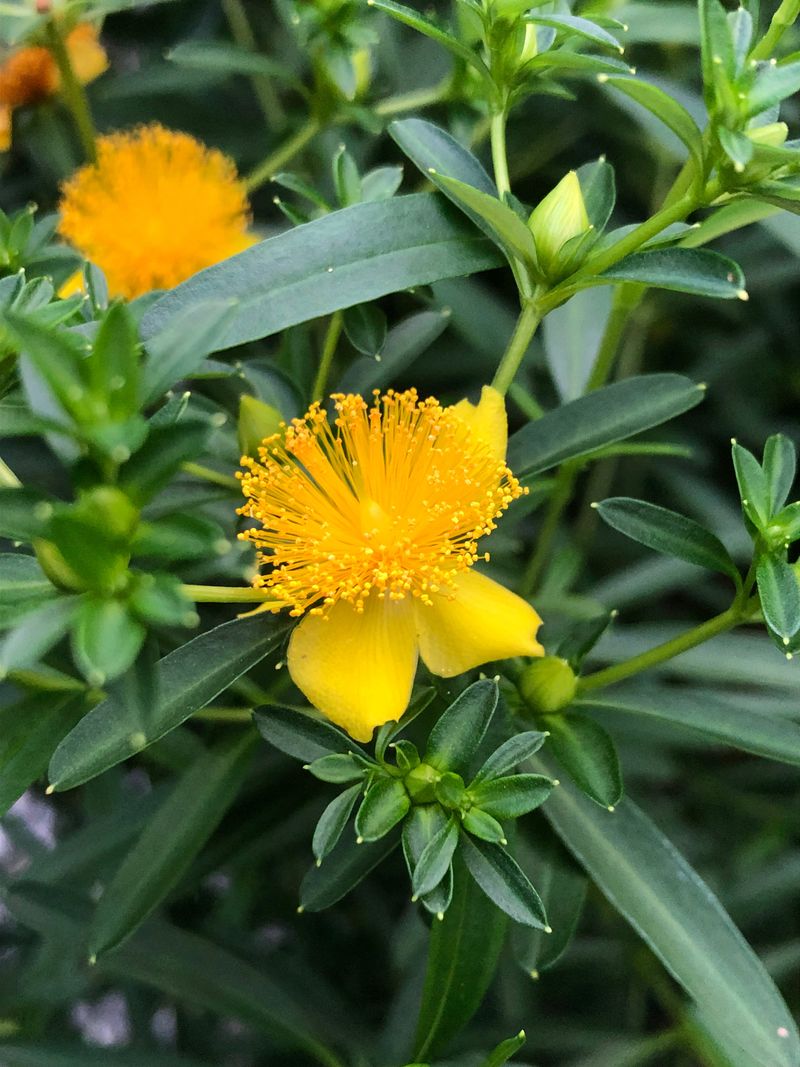
Bright yellow flowers in the heat of summer? Yes, please. Shrubby St. John’s Wort, or Hypericum prolificum, is one of those underappreciated native Pennsylvania shrubs that deserves a lot more attention than it gets. It’s tough, cheerful, and incredibly useful in the landscape.
Unlike the medicinal herb version of St. John’s Wort that most people know from the supplement aisle, this is a true woody shrub. It grows two to four feet tall and produces an abundance of golden yellow flowers from midsummer into fall.
Those blooms attract native bees and other beneficial insects, giving your garden a serious pollinator boost during the hottest months of the year when many other plants have finished flowering.
What makes this shrub especially appealing for Pennsylvania gardeners is its adaptability. It grows well in full sun to partial shade and tolerates poor, dry soils with ease.
Rocky slopes, sunny borders, and spots that bake in the afternoon heat are no problem at all for this resilient native plant. It’s basically built to handle tough conditions without complaint.
The seed capsules that follow the flowers have a rusty-orange color that adds visual interest into the fall and early winter. Birds also use the plant for shelter, which is a nice bonus for anyone trying to create a more wildlife-friendly yard in Pennsylvania.
Finding Shrubby St. John’s Wort at mainstream garden centers is rare, but native plant nurseries and botanical garden sales across Pennsylvania often carry it.
Once you plant it in a sunny spot, you’ll be rewarded with color and wildlife activity season after season without much effort at all.
5. Northern Bush Honeysuckle
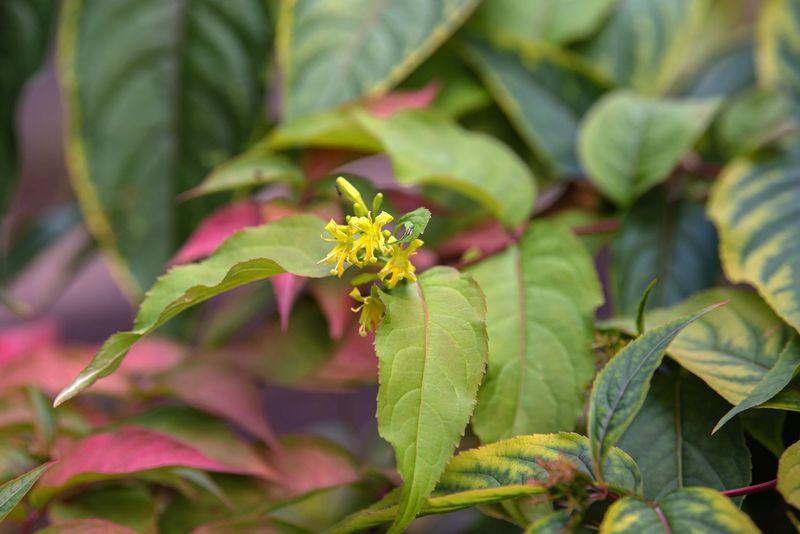
Most people hear the word honeysuckle and immediately think of those aggressive, invasive vines that take over roadsides and forest edges across Pennsylvania. Northern Bush Honeysuckle, or Diervilla lonicera, is a completely different story.
This native shrub is well-behaved, tough as nails, and a genuine asset to any Pennsylvania landscape.
Standing about two to four feet tall, it has a tidy, mounded shape that works beautifully as a ground cover or low border planting. In early to midsummer, it produces small clusters of pale yellow flowers that deepen to a rich orange-red as they age.
Bumblebees are especially fond of these blooms, and you’ll often see them working the flowers on warm summer mornings.
One of the standout qualities of Northern Bush Honeysuckle is its ability to handle shade. Many flowering shrubs need full sun to perform well, but this native thrives in partial to full shade, making it a fantastic option for those challenging spots under tree canopies in Pennsylvania yards.
It also spreads slowly by suckers, which makes it useful for stabilizing slopes and preventing erosion.
Fall brings another round of visual interest, as the leaves turn shades of burgundy and red before dropping. It’s a plant that earns its keep across multiple seasons without demanding much in return.
Deer pressure is also less of a concern compared to many other shrubs, which is a real advantage in rural Pennsylvania areas.
You’ll need to visit a native plant nursery or order online to find this one, but the effort pays off handsomely. Northern Bush Honeysuckle is a low-maintenance, high-value native shrub that Pennsylvania gardeners are only just beginning to discover.
6. American Hazelnut
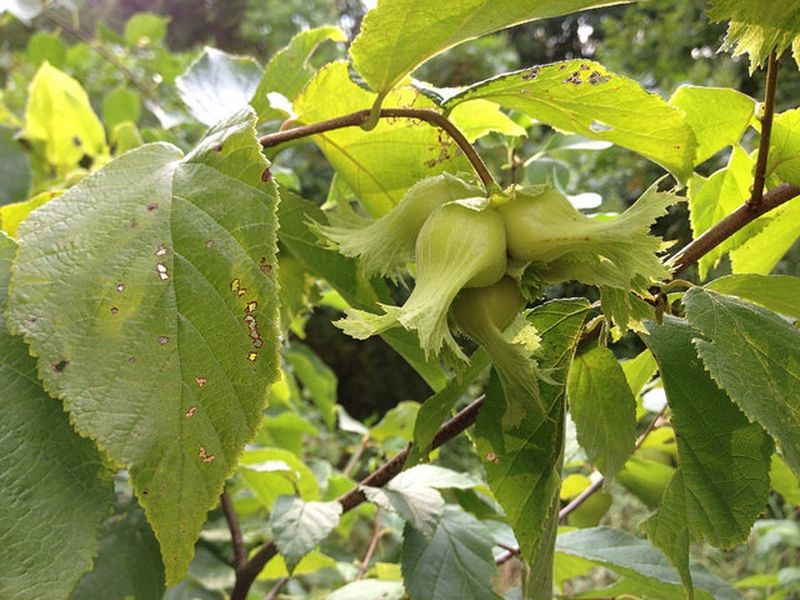
Few native shrubs pack as much value into one plant as the American Hazelnut. Corylus americana is a multi-stemmed, medium-sized shrub that produces actual edible nuts, supports an enormous range of wildlife, and looks fantastic in a naturalized Pennsylvania landscape.
The fact that it’s hard to find at most garden centers is honestly a mystery. In late winter, the Hazelnut makes its presence known with dangling yellow catkins that appear before the leaves even open.
These early blooms are an important food source for pollinators just starting to emerge in Pennsylvania’s chilly late-winter days.
By late summer and early fall, clusters of small, round hazelnuts ripen and are quickly claimed by squirrels, deer, turkeys, and a long list of other wildlife species.
For humans, the nuts are also edible and have a mild, buttery flavor similar to the hazelnuts you’d find at a grocery store. Growing your own supply is a pretty satisfying experience, and kids especially enjoy watching the nuts develop through the season.
It gives the whole family a reason to pay attention to what’s happening in the yard. American Hazelnut grows best in full sun to partial shade and adapts to a wide range of soil types found across Pennsylvania.
It can reach six to ten feet tall and spreads by root suckers over time, forming a dense thicket that provides excellent cover for birds and small mammals. Pruning can keep it in a more compact shape if needed.
Specialty native plant nurseries and conservation district plant sales in Pennsylvania are your best bet for finding American Hazelnut. It is genuinely one of the most rewarding native shrubs you can add to your property.