The First Sign Plants Are Recovering After A Florida Freeze
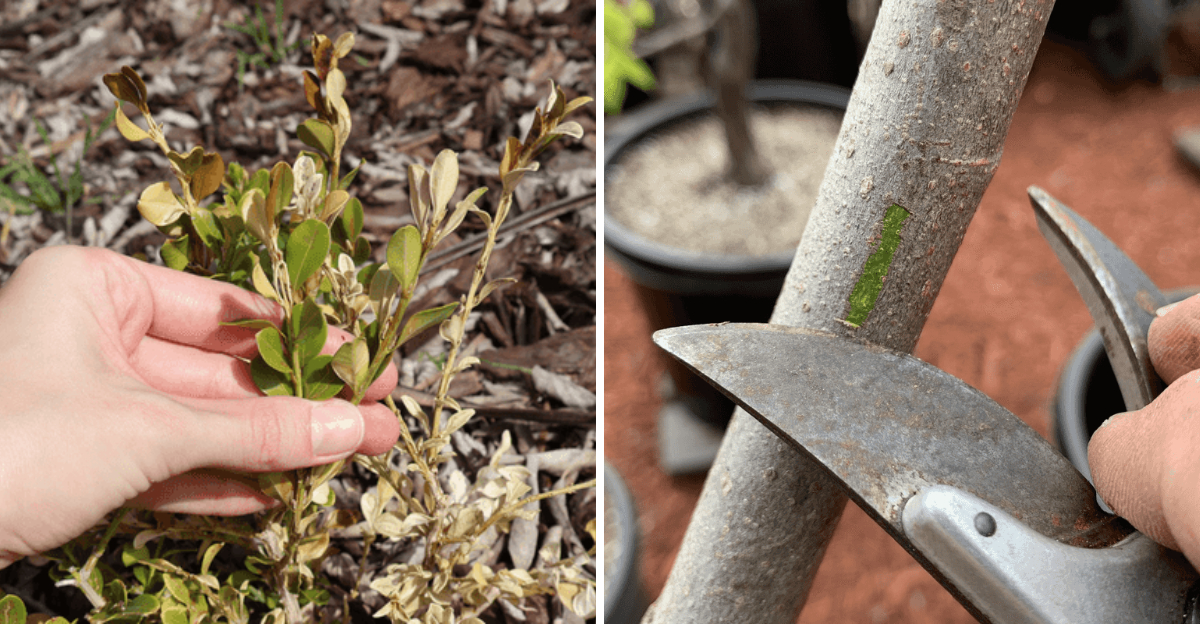
One morning your garden looks battered. Leaves droop, stems look weak, and flowers seem frozen in time.
After a sudden Florida cold snap, even the toughest shrubs and perennials can appear lifeless. For many gardeners, that moment sparks panic.
The good news is that plants are remarkably resilient. Even when frost leaves a yard looking bleak, subtle changes in the stems and buds can reveal that life is returning.
Some leaves will swell, new shoots will emerge, and hidden green tissue quietly signals recovery before the eye can fully see it. Recognizing these early signs is key.
Acting too soon or cutting back without knowing what’s alive can do more harm than good. By paying attention to the first hints of growth, Florida gardeners can guide their plants back to health and enjoy a vibrant spring garden once again.
1. Tiny Green Buds Signal Life After The Freeze
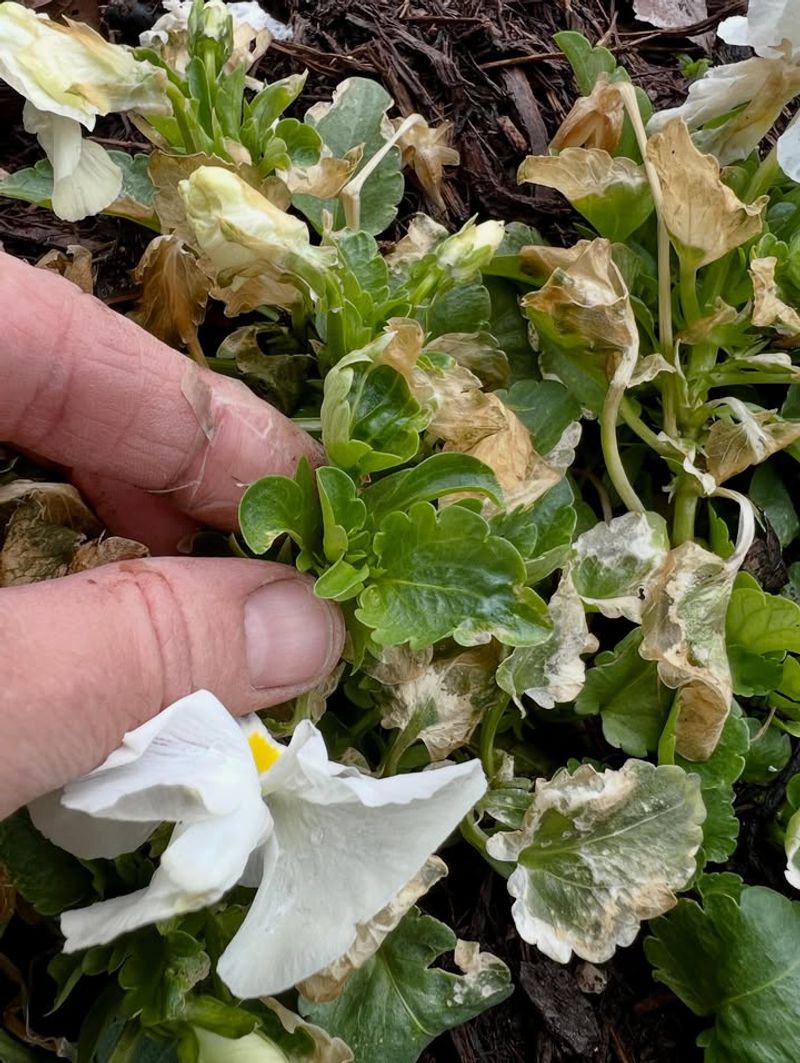
After a hard Florida freeze, the first thing most gardeners want to see is any hint of green. Tiny green buds forming along woody stems are one of the earliest and most encouraging signs that a plant survived cold damage.
These small, tightly packed buds may look almost invisible at first, but once you know what to search for, spotting them becomes a satisfying daily ritual.
Walk through your garden a few weeks after temperatures drop and run your fingers gently along bare stems. Look for small, firm bumps pushing outward from the stem joints, also called nodes.
These swelling points indicate that living tissue inside the plant is responding to warmer conditions and preparing to grow.
According to University of Florida IFAS Extension guidance, patience is key after a freeze event. Recovery timelines vary by plant species, but most Florida shrubs and perennials begin showing bud activity within two to four weeks of warming temperatures.
Resist the urge to prune aggressively before these buds appear, since cutting too early can remove stems that are still alive. Watching for those first tiny green buds is your most reliable early signal that recovery is already underway.
2. Hidden Shoots Push Through Frost Damaged Stems
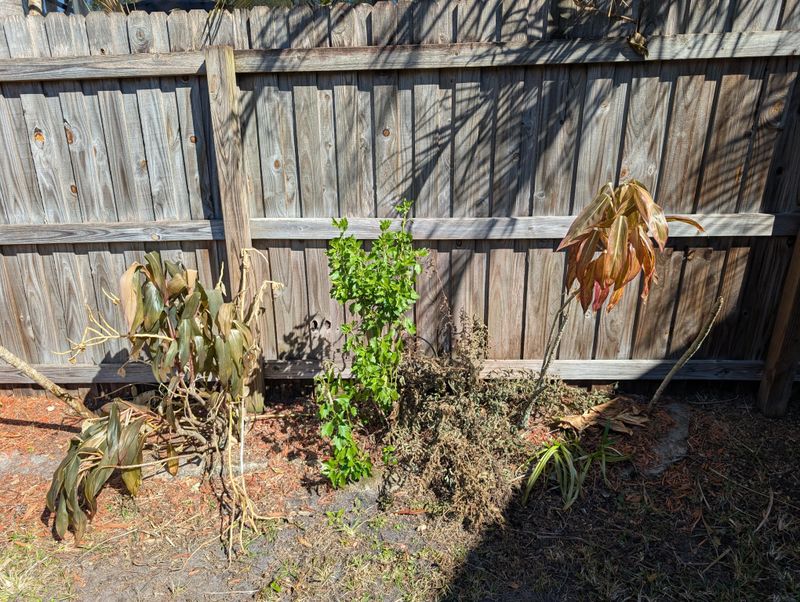
Frost-burned stems can look completely lifeless from the outside, all brown, dry, and brittle. But looks can be deceiving in a Florida garden after a freeze.
Hidden beneath that damaged exterior, new shoots are sometimes quietly building energy and preparing to push through, especially on plants with strong vascular systems that protected living tissue during the cold snap.
New shoots emerging from the middle section of a previously damaged stem are a thrilling sight. They often appear as slender, pale green or reddish nubs poking out between sections of brown bark.
Gardeners sometimes miss these early shoots because they blend into the damaged material, so a slow and careful inspection of each stem pays off.
Tropical and subtropical plants common in Florida, such as hibiscus, bougainvillea, and ginger, frequently sprout new growth from protected points along their stems even when the outer tissue looks badly damaged. The University of Florida IFAS Extension recommends waiting until you see active new shoot emergence before making pruning decisions.
Your Florida Garden Changes Every Week. Your Plan Should Too.
Gardening in Florida changes quickly throughout the season. Every Friday you’ll receive a simple weekly plan showing exactly what to plant, prune, fertilize, harvest, and protect so you never miss the right timing.
Removing stems too soon risks cutting away sections that still have viable growth points. Trust the process, give your plants a few extra weeks, and those hidden shoots may surprise you completely.
3. Swelling Buds Reveal Plants Are Waking Up
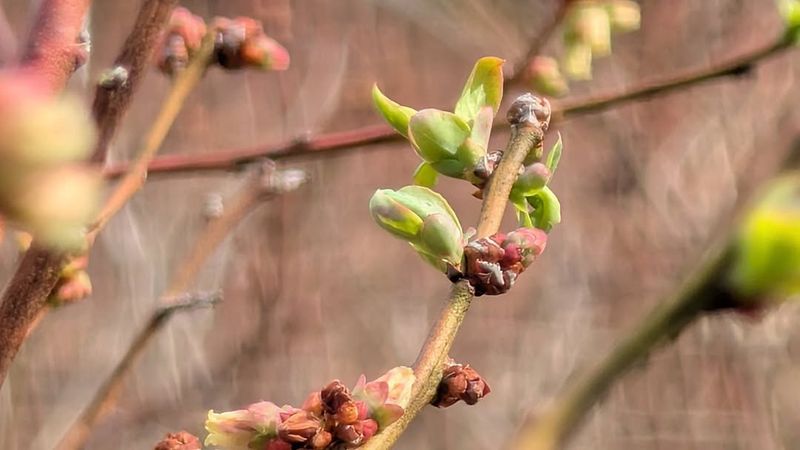
There is something quietly exciting about noticing buds begin to swell on a plant that looked completely frozen just weeks before. Swelling buds are a clear biological signal that living tissue inside the stem is responding to rising temperatures and longer daylight hours.
The plant is essentially waking up from cold stress, redirecting stored energy toward new growth.
Bud swelling happens before any actual leaf tissue appears, making it one of the earliest visible signs of recovery you can spot with the naked eye. Look for buds that appear larger, rounder, and slightly more prominent than they were right after the freeze.
On many Florida plants, swelling buds also shift in color, moving from tan or gray to a fresh green or reddish hue as they prepare to open.
Horticultural experts at cooperative extension services across Florida note that bud swelling confirms the plant’s vascular system is functioning and moving water and nutrients upward through the stem. Seeing swollen buds is your green light to start thinking about light post-freeze care, such as gentle watering and a light application of balanced fertilizer once growth is clearly underway.
Recovery from a Florida freeze is rarely instant, but swelling buds confirm the process has genuinely begun.
4. Bright Green Growth Appears At The Plant Base
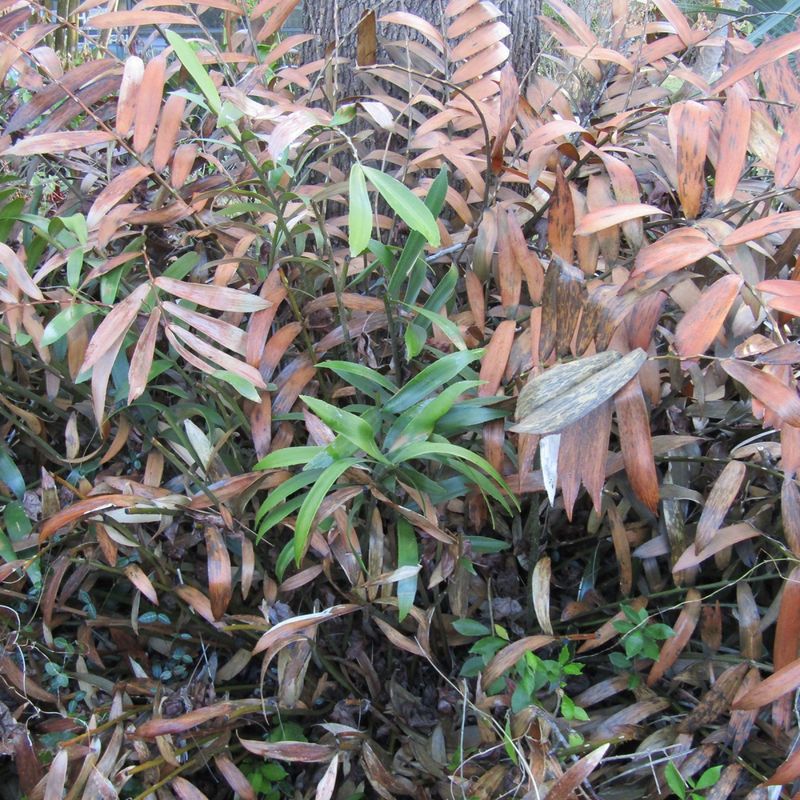
Some of the most encouraging post-freeze growth in a Florida garden shows up right at ground level. Basal shoots, meaning fresh new growth emerging from the base of the plant near the soil line, are a strong indicator that the root system came through the cold event in good shape.
Roots are typically insulated by soil, which protects them from freezing temperatures better than exposed stems and leaves above ground.
Bright green basal growth can appear almost suddenly after a warm spell following a Florida freeze. One morning you may walk out and notice a cluster of vivid green shoots pushing up from the crown of a plant that looked completely brown just days earlier.
Many popular Florida landscape plants, including bird of paradise, firebush, and Mexican petunia, commonly regenerate this way after cold damage.
According to University of Florida IFAS Extension resources, basal regrowth from a healthy root system is a reliable sign of full recovery potential. Once you see this type of growth, you can feel confident the plant has the energy reserves needed to rebuild.
Keep the soil lightly moist, avoid heavy fertilizing until the new growth is several inches tall, and let the plant guide its own recovery pace naturally.
5. Scratch The Bark And Find Living Green Tissue
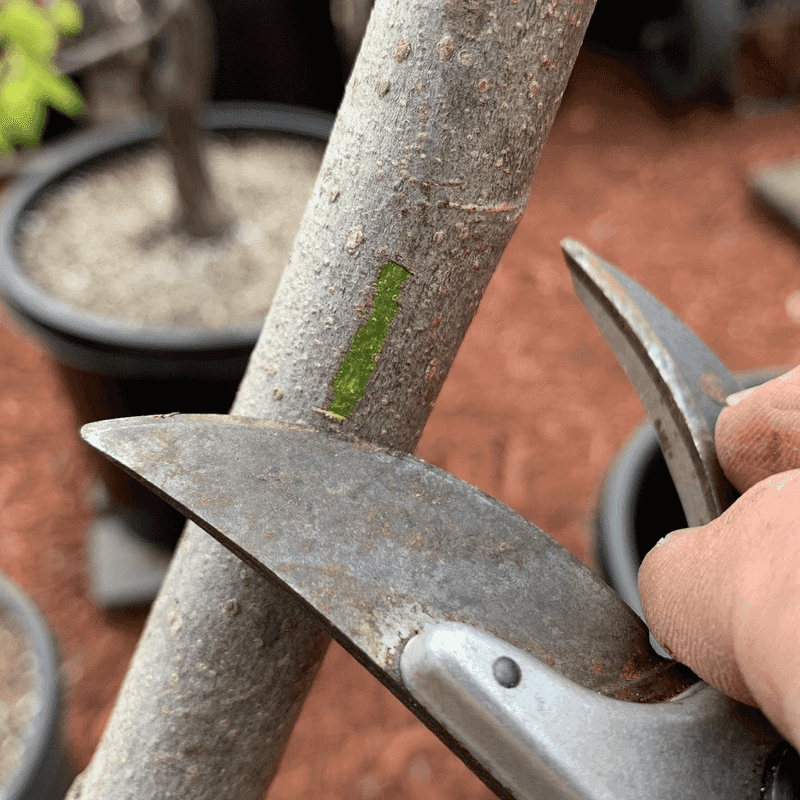
Gardeners have used the scratch test for generations, and it remains one of the most reliable ways to check whether a stem survived a Florida freeze. The method is refreshingly simple.
Use your fingernail or a small knife to lightly scratch through the outer layer of bark on a stem. If the tissue just beneath the bark appears green and moist, the stem is alive and capable of producing new growth.
Brown, dry, or papery tissue beneath the bark indicates that section of the stem did not survive the cold. Working from the tip of each stem downward, you can scratch test at multiple points to find exactly where living tissue begins.
That point marks the natural pruning line once you are ready to clean up the plant.
University of Florida IFAS Extension advisors recommend performing the scratch test several weeks after a freeze rather than immediately, since some stems take time to show clear signs of tissue condition. The test works on a wide range of Florida landscape plants including crape myrtles, ixora, and many tropical shrubs.
Knowing where living tissue begins saves you from removing healthy stem sections by mistake. A little patience combined with this simple test gives you a clear picture of exactly how far recovery has progressed.
6. Fresh Leaves Replace Frost Burned Foliage
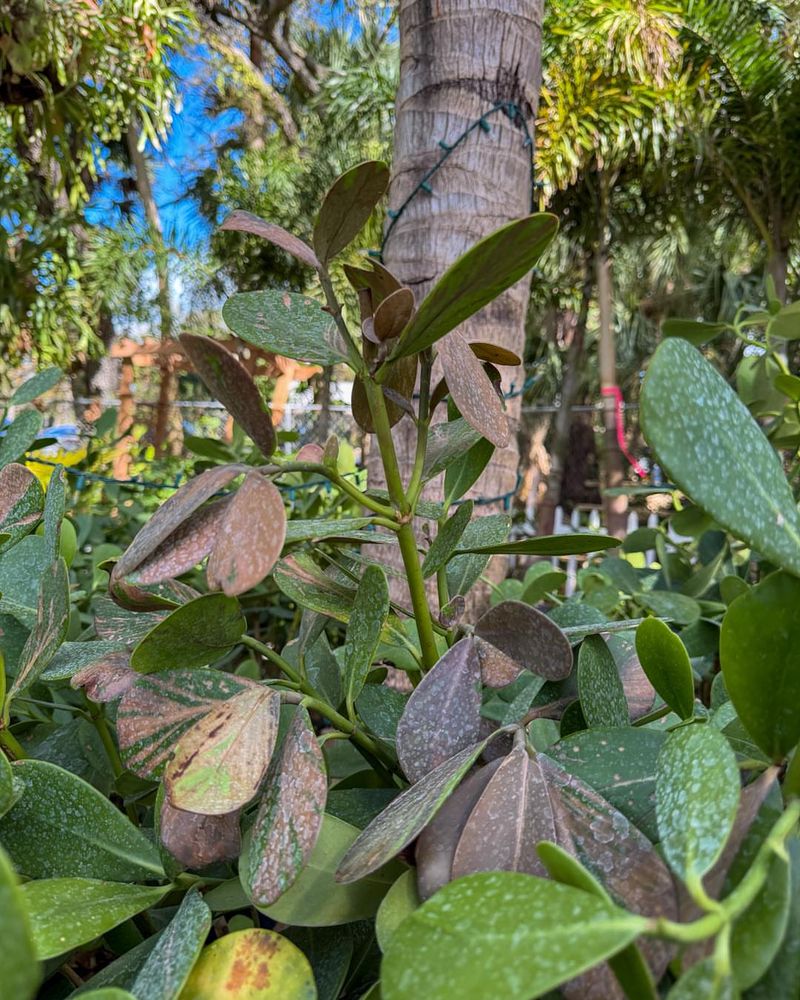
Watching fresh leaves appear after a Florida freeze is one of the most satisfying moments in gardening. Frost-burned foliage tends to look dark, soggy, and discolored in the days following a cold snap, and it can be hard to imagine the plant bouncing back.
But as temperatures rise and the plant regains its footing, new leaf growth begins to push through, often starting at the branch tips or from the base of damaged leaf clusters.
Fresh post-freeze leaves tend to look particularly vibrant, sometimes a brighter or more saturated green than the plant’s normal foliage. Some plants produce slightly different shaped or colored leaves early in recovery, which is completely normal.
Over several weeks, these new leaves fill in and the plant gradually regains its pre-freeze appearance and fullness.
Cooperative extension guidance for Florida gardeners suggests leaving frost-burned leaves in place for a while rather than removing them immediately. Damaged foliage can actually provide a small amount of insulation and protection if another cold night arrives.
Once consistent warm weather settles in and new leaves are clearly establishing themselves, you can remove the burned material to improve the plant’s appearance. New leaf emergence is a definitive sign that recovery is well underway and progressing on a healthy timeline.
7. Strong New Shoots Rise From The Roots
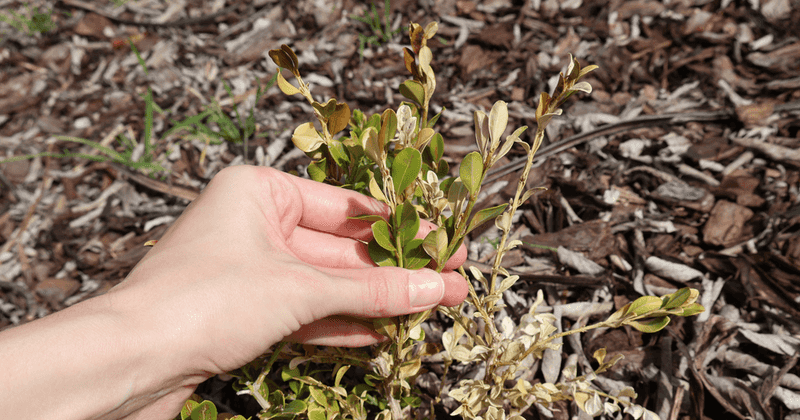
Root-driven recovery is one of nature’s most impressive responses to cold stress, and Florida gardeners lucky enough to witness it often describe it as a plant coming back with renewed energy. When above-ground stems suffer serious freeze damage, many plants redirect all available resources into their root system and then push out strong, vigorous new shoots from below the soil surface.
Root shoots look noticeably different from ordinary stem growth. They tend to emerge with thick, upright, and fast-growing characteristics, almost as if the plant is in a hurry to reclaim its space in the garden.
Plants like lantana, plumbago, and many ornamental grasses in Florida commonly exhibit this type of root-driven regrowth after cold events.
Horticultural research from Florida university extension programs highlights that root zone health is the primary factor determining whether a plant can mount a full recovery after freeze damage. If roots remained healthy through the cold snap, the plant has a strong foundation for regrowth regardless of how bad the above-ground damage appeared.
Supporting this recovery with consistent moisture and avoiding soil disturbance around the root zone helps the new shoots establish quickly. Strong root shoots rising from the ground are a clear signal that the plant has every intention of returning to full health.
8. Spring Growth Surges After Cold Stress

Florida winters are short, and once warm weather returns, the garden can transform with almost breathtaking speed. Plants that spent weeks looking brown and battered suddenly shift into high gear, pushing out wave after wave of fresh foliage as temperatures climb and daylight hours lengthen.
Many Florida gardeners describe this post-freeze surge as one of the most exciting phases of the gardening year.
Warmer temperatures combined with spring rainfall create nearly perfect conditions for rapid plant recovery. Root systems that stayed protected underground through the cold snap are primed and ready to support aggressive new growth the moment conditions improve.
You may notice that some plants grow noticeably faster after a freeze than they did before one, since cold stress can actually trigger a kind of growth response in certain species.
University of Florida IFAS Extension guidance encourages gardeners to support this spring growth surge with a light application of balanced slow-release fertilizer once new growth is well established and several inches long.
Avoid fertilizing too early, since pushing soft new growth during an unstable weather period can create problems if another cold night arrives unexpectedly.
Give the plant a few weeks of steady warm weather first. When that spring surge kicks in across your Florida garden, it is one of the clearest and most joyful confirmations that recovery has fully arrived.