What To Seed In March In Arizona For A Strong Spring Garden
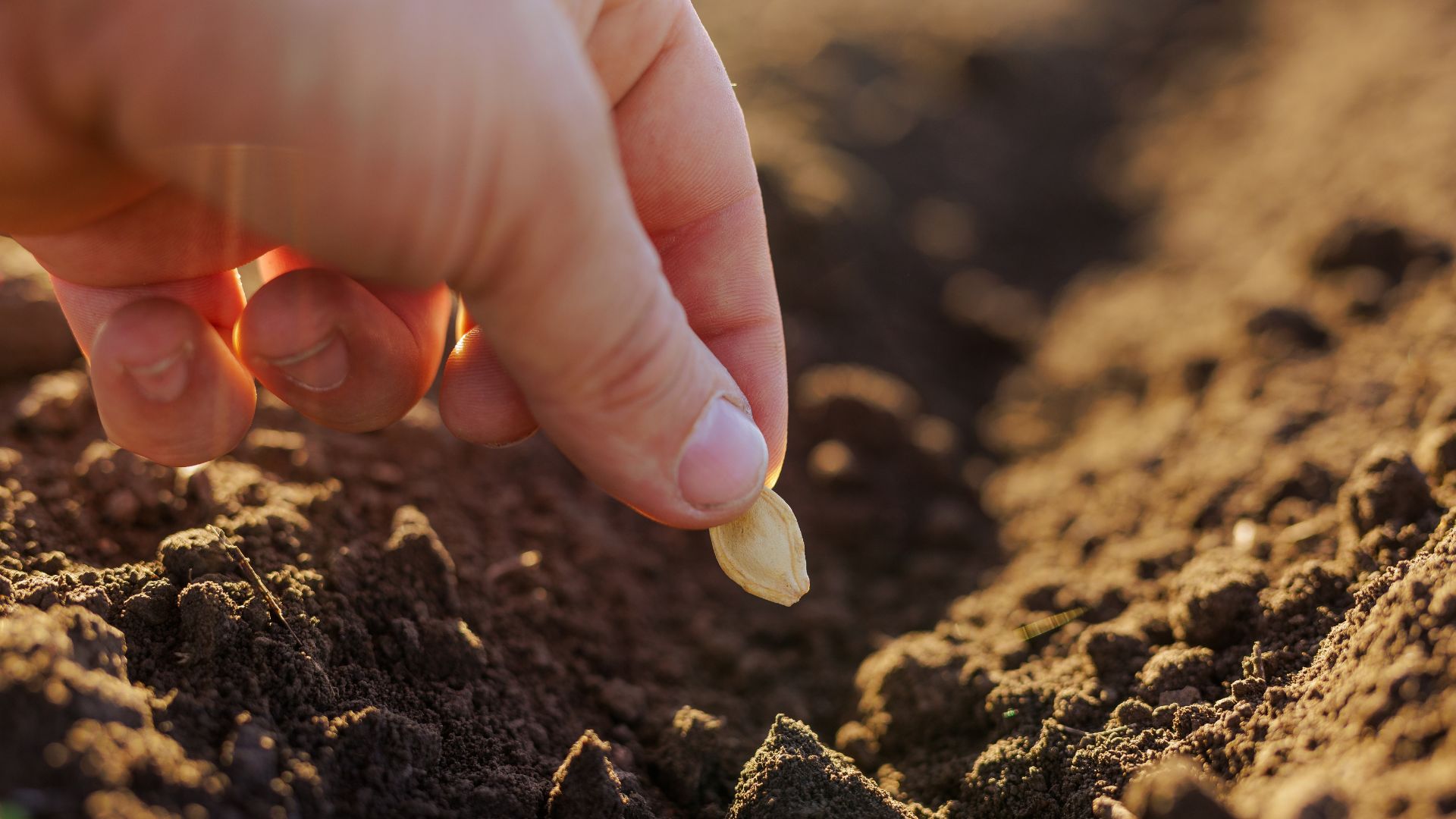
March in Arizona brings that perfect balance of warming days and still-cool mornings, signaling gardeners it’s time to get hands in the soil.
Even with the desert sun, timing your seed planting carefully can make the difference between a slow start and a vibrant, thriving spring garden.
Sowing seeds at the right moment ensures plants establish strong roots and grow steadily as temperatures rise.
From vegetables and herbs to colorful flowers, selecting the seeds suited for March planting gives your garden the best chance for early blooms, abundant harvests, and sustained growth through the season.
With knowledge of what to plant and when, you can set the stage for a garden that flourishes quickly and stays productive. Discover the top seeds to start now and how they can help your Arizona garden thrive as spring unfolds.
1. Sweet Corn Seeds With Tall, Golden Stalks
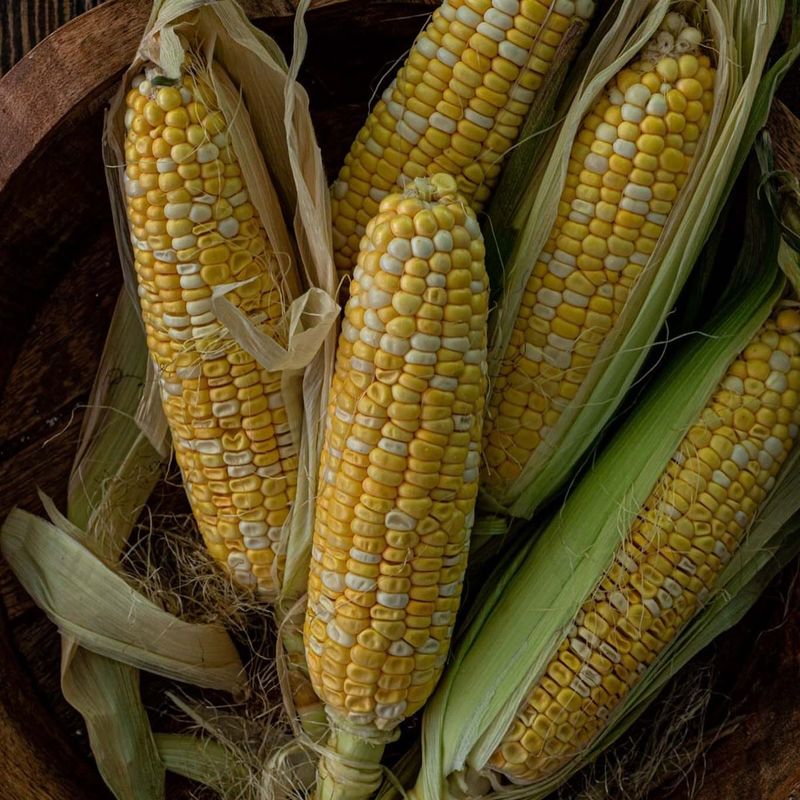
Few things taste better than corn you grew yourself, and in Arizona, March is your window to make that happen. Sweet corn loves warm soil, and by mid-March, temperatures in most parts of the state are just right for strong germination.
Planting too late may increase the risk that rising summer heat could slow growth or reduce ear development in some areas.
Sow seeds about one inch deep and six inches apart in rows that are spaced roughly 30 inches from each other. Corn is wind-pollinated, so planting in short blocks instead of long single rows gives you a much better harvest.
Aim for at least four rows side by side so pollen can travel easily between plants.
Water consistently after planting, especially during the first two weeks when seeds are sprouting. Arizona soil can dry out fast, so mulching between rows helps hold moisture.
Choose a variety like ‘Silver Queen’ or ‘Honey Select’ that is known to handle warm conditions well. With the right care, you can expect to harvest fresh ears in about 70 to 90 days, right before the intense summer heat settles in across Arizona.
2. Bush Bean Seeds Producing Quick, Tasty Pods
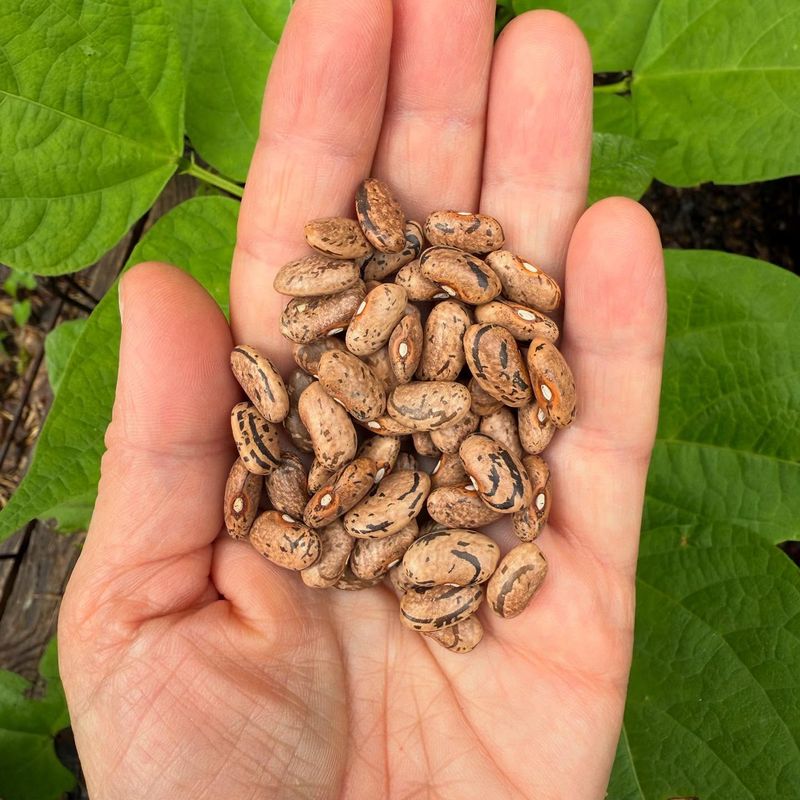
One of the most rewarding crops you can grow in an Arizona spring garden is bush beans. They sprout quickly, take up very little space, and produce a generous harvest without needing stakes or trellises.
For beginner gardeners especially, bush beans are a confidence booster that proves how satisfying growing your own food can be.
Plant seeds about one inch deep and three to four inches apart in rows spaced around 18 inches. The soil should be at least 60 degrees Fahrenheit for good germination, and in Arizona by March, you are usually well above that.
Avoid overwatering early on since soggy soil can cause seeds to rot before they sprout.
Bush beans do not need a lot of fertilizer, but adding a little compost to your soil before planting gives them a healthy start. They prefer full sun, which Arizona has in plenty.
Most varieties are ready to harvest in 50 to 60 days, making them a fast-turnaround crop that fits perfectly into the spring growing season. Try varieties like ‘Blue Lake’ or ‘Provider’ for reliable results in Arizona’s warm and sunny conditions throughout the spring months.
Your Arizona Garden Changes Every Week. Your Plan Should Too.
Gardening in Arizona changes quickly throughout the season. Every Friday you’ll receive a simple weekly plan showing exactly what to plant, prune, fertilize, harvest, and protect so you never miss the right timing.
3. Lima Bean Seeds With Buttery Summer Harvest
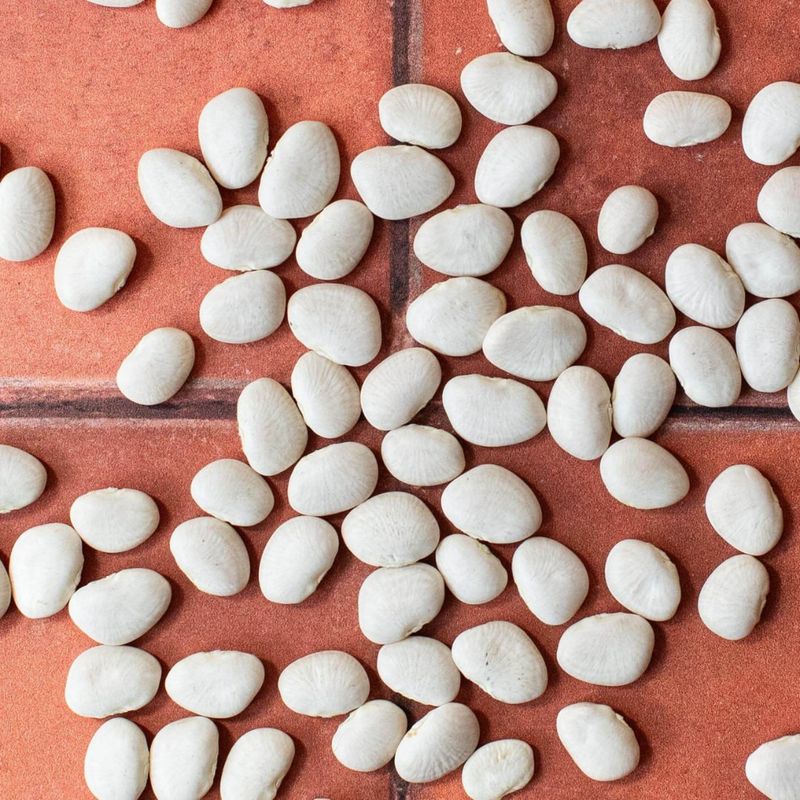
For thousands of years, lima beans have fed people, and gardeners in Arizona have a real advantage when it comes to growing them. These warm-season legumes need soil temperatures of at least 65 degrees Fahrenheit to sprout well, and March in Arizona delivers exactly that across most of the state.
Planting them now can help the crop mature before the hottest summer temperatures in most parts of Arizona.
Sow lima bean seeds about one inch deep and four to six inches apart. Like bush beans, they prefer well-drained soil with good organic matter mixed in.
Water after planting and keep the soil evenly moist but never waterlogged. Too much standing water early on can cause the seeds to fail before they even get started.
Lima beans are a bit slower than bush beans, usually taking 65 to 80 days to reach harvest. Planting in March keeps that timeline well within the comfortable spring growing window in Arizona.
Baby lima varieties tend to mature faster and handle heat a little better than large-seeded types. Fresh lima beans straight from the garden have a buttery, rich flavor that is completely different from anything you find canned at the store.
They are absolutely worth the effort.
4. Cucumber Seeds Spreading Crisp Green Vines
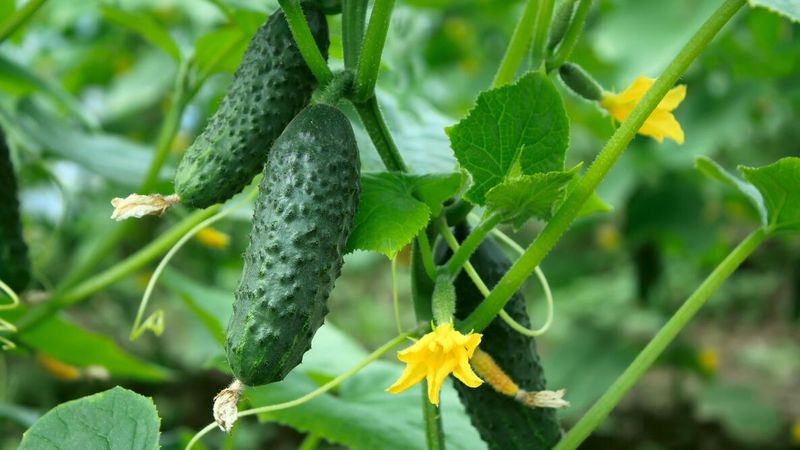
Cucumbers are one of those vegetables that seem made for Arizona gardening. They love heat, they grow fast, and they produce abundantly when the conditions are right.
March is the perfect month to direct sow cucumber seeds because the soil is warm enough to encourage quick sprouting but not yet hot enough to stress young seedlings.
Plant seeds about half an inch to one inch deep, spacing them around six inches apart if you plan to let them sprawl, or closer together if you are using a trellis. Trellising cucumbers in Arizona is actually a smart move because it keeps the fruit off the hot ground and improves air circulation around the plants.
Better airflow means fewer fungal problems as the season heats up.
Cucumbers need consistent moisture to produce straight, crisp fruit. Uneven watering can lead to bitter cucumbers or misshapen ones, so setting up a drip irrigation system works really well in Arizona’s dry climate.
Most slicing varieties are ready in 50 to 65 days. Try ‘Marketmore’ or ‘Straight Eight’ for reliable production.
Pickling types like ‘National Pickling’ also do well and give you something fun to do with your harvest all through Arizona’s warm spring season.
5. Cantaloupe Seeds With Sweet, Juicy Fruits
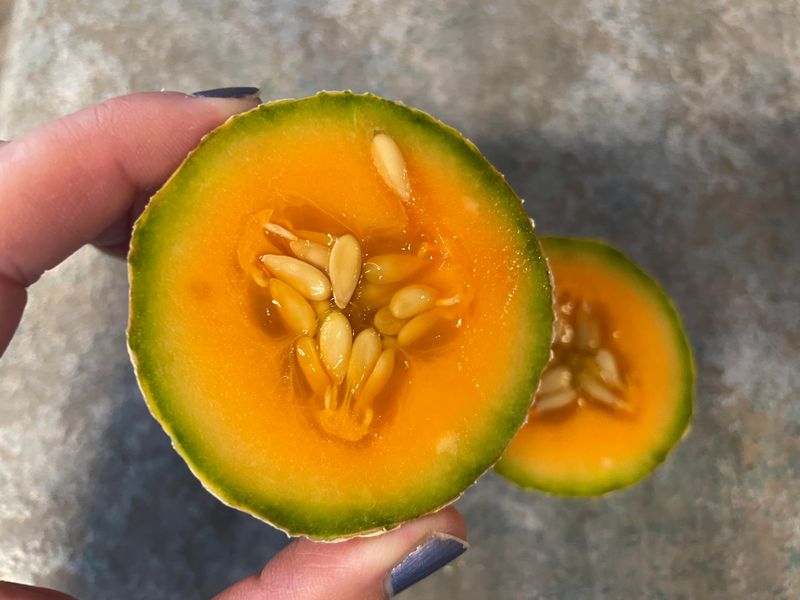
Arizona is one of the suitable places to grow cantaloupe due to its warm, dry climate and long growing season. The state’s hot days, warm nights, and dry air create ideal conditions for sweet, flavorful melons.
March planting gives cantaloupes the long growing season they need to develop that signature sweetness before the most intense summer heat takes over.
Sow seeds about one inch deep in hills or rows, spacing plants about 18 to 24 inches apart. Cantaloupes are heavy feeders and heavy drinkers, so prepare your soil well with compost before planting.
A layer of mulch around the plants after they sprout helps retain moisture and keeps the soil temperature more stable, which cantaloupes really appreciate.
Most cantaloupe varieties take between 70 and 90 days to reach full ripeness. You will know they are ready when the skin turns tan and the fruit slips easily from the vine with a gentle tug.
Varieties like ‘Hales Best Jumbo’ and ‘Honey Rock’ are popular choices for Arizona gardens because they handle the heat well and produce reliably. Growing your own cantaloupes is one of those summer experiences that makes all the hard work in the garden feel completely and totally worth it.
6. Pumpkin Seeds Growing Big, Bright Gourds
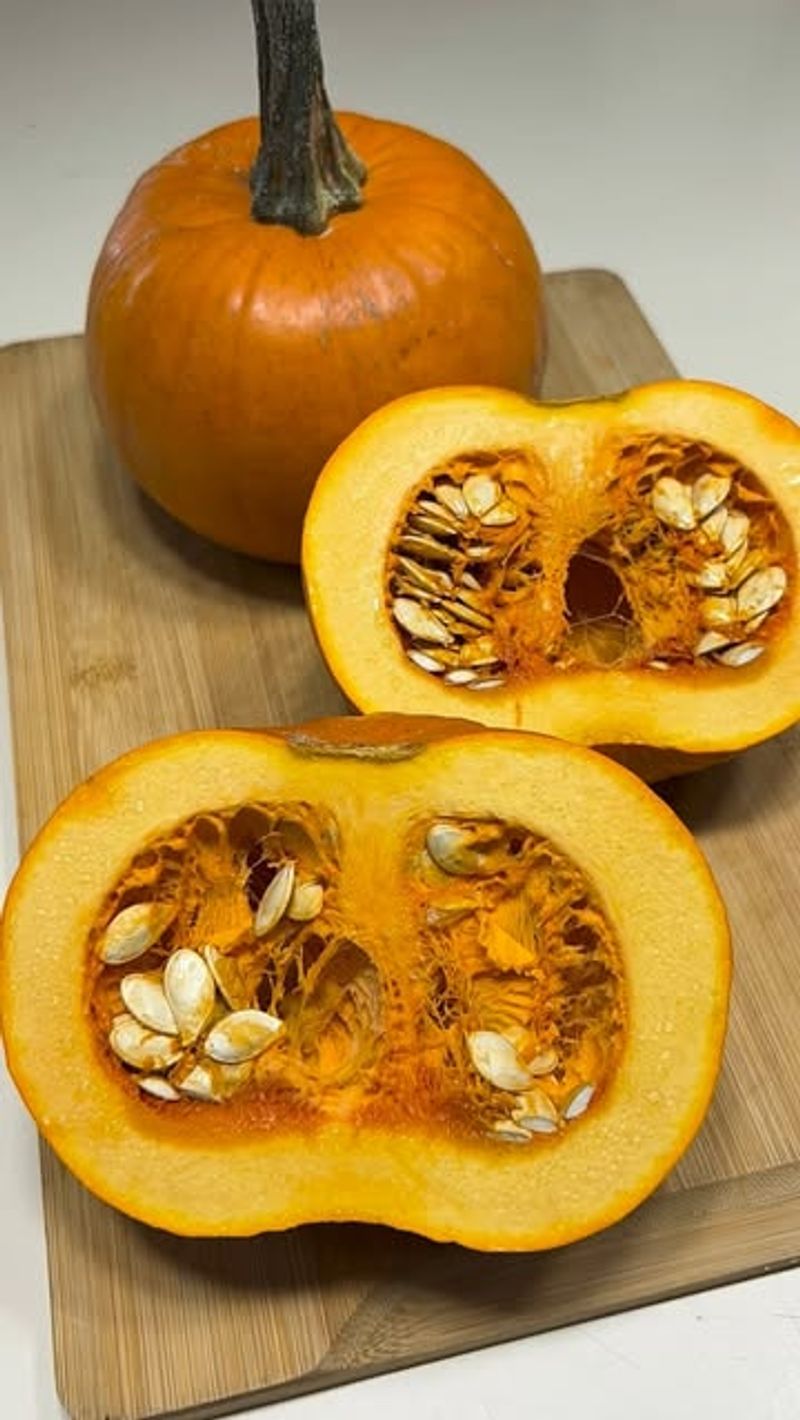
Most people think of pumpkins as a fall crop, but in Arizona, planting in spring allows them to mature before the hottest part of the summer. March is actually the ideal month to get pumpkin seeds in the ground across most of the state.
By planting now, you are setting yourself up for a harvest in late spring or early summer, well ahead of schedule compared to gardeners in cooler climates.
Plant pumpkin seeds about one inch deep in hills of two to three seeds, spacing hills about four to six feet apart depending on the variety. Large pumpkin types need a lot of room to spread out, while compact or bush varieties work better for smaller Arizona backyards.
Thin seedlings to the strongest one or two plants per hill once they sprout.
Pumpkins are thirsty plants, especially in Arizona’s dry heat, so deep, consistent watering is key. Drip irrigation works beautifully here.
Varieties like ‘Sugar Pie’ and ‘Connecticut Field’ are classic choices, but heat-tolerant options like ‘Cinderella’ or ‘Jarrahdale’ also perform well in Arizona conditions. Expect most varieties to mature in 90 to 120 days, making a March planting perfectly timed for a rewarding spring and early summer harvest.
7. Basil Seeds Filling Gardens With Fragrant Leaves
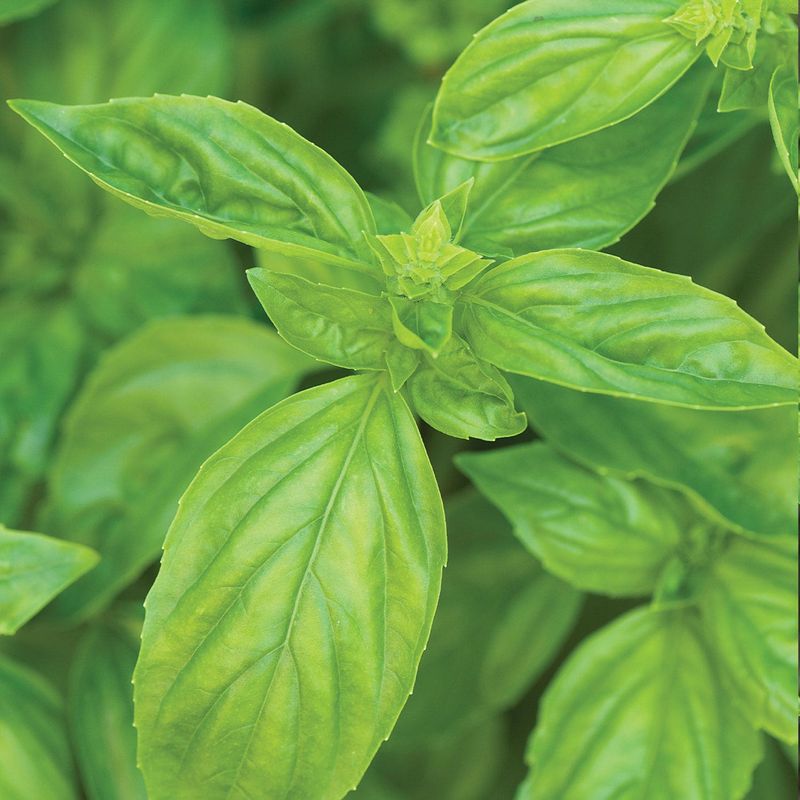
Walk past a basil plant on a warm Arizona morning and you will understand immediately why this herb has been treasured for centuries. The fragrance alone is enough to make your whole garden feel alive.
Basil is a warm-season herb that absolutely thrives in Arizona’s sunny, hot climate, and March is the right time to get it started from seed before the summer heat really cranks up.
Sow basil seeds about a quarter inch deep in well-draining soil. Seeds germinate best when soil temperatures are between 65 and 85 degrees Fahrenheit, which March in Arizona provides easily.
Keep the soil lightly moist until seedlings emerge, which usually takes about five to ten days. Once seedlings are a few inches tall, thin them to about 12 inches apart to give each plant enough room to bush out.
Basil pairs wonderfully with tomatoes, cucumbers, and peppers, all of which are also popular spring crops in Arizona. Pinching off flower buds as they appear keeps the plant producing flavorful leaves longer into the season. ‘Genovese’ basil is the classic choice for cooking, while ‘Thai Basil’ and ‘Purple Ruffles’ add variety and visual interest to your Arizona spring herb garden.
Fresh basil is a simple pleasure that makes any garden feel truly special.
8. Oregano Seeds Adding Bold Flavor And Aroma
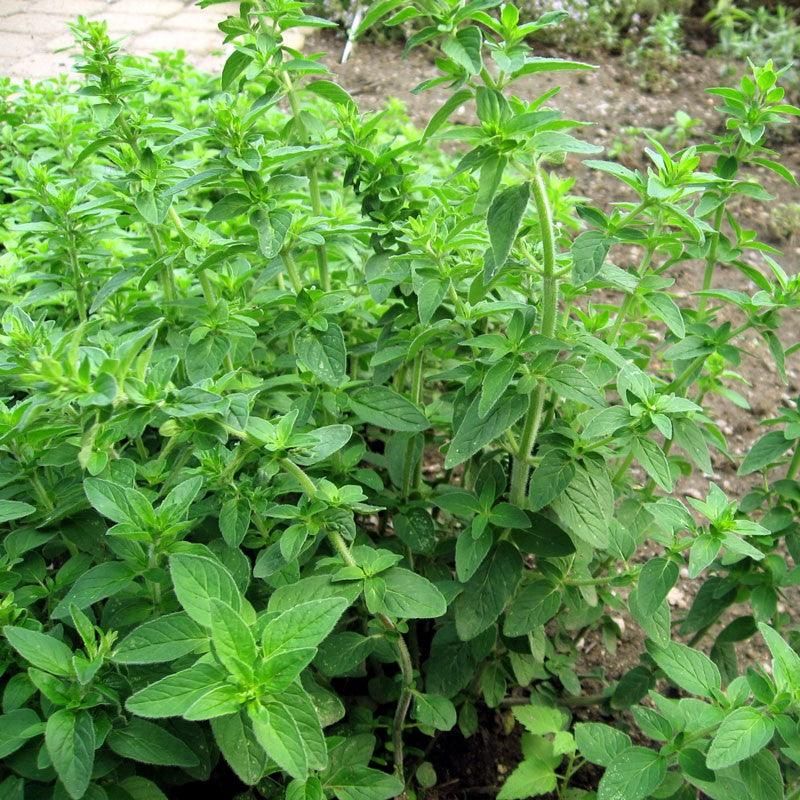
One of those herbs that practically takes care of itself once established, making it a perfect fit for busy Arizona gardeners. Known for its bold, earthy flavor, oregano is a staple in Italian, Greek, and Mexican cooking, and growing your own means you will always have a fresh supply right outside your door.
March is a great time to start it from seed in Arizona before the heat of late spring fully arrives.
Sprinkle oregano seeds on the surface of well-draining soil and press them lightly in without covering them completely, since they need light to germinate. Keep the soil just barely moist until tiny seedlings appear, usually within 10 to 14 days.
Oregano is drought-tolerant once established, which makes it especially well-suited to Arizona’s dry conditions.
Space plants about 12 inches apart as they grow, and plant them in a sunny spot since oregano loves full sun. Once the plants reach about four inches tall, you can begin harvesting the leaves.
The flavor is most intense just before the plant flowers, so snip stems regularly to delay blooming and keep the leaves coming. Greek oregano is widely considered the most flavorful variety and holds up beautifully in Arizona’s warm and sunny spring and summer growing conditions.
9. Thyme Seeds Bringing Tiny Leaves With Big Taste
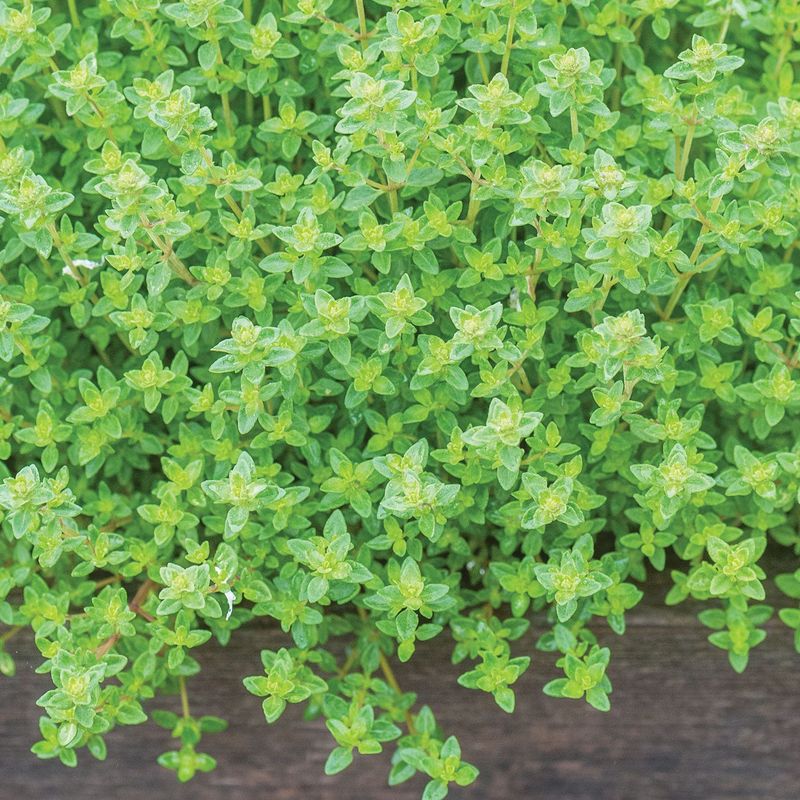
A tough little herb with a big personality in the kitchen. Its woody stems and tiny aromatic leaves have been used in cooking and medicine for thousands of years, and it grows beautifully in Arizona’s warm, sunny climate.
Starting thyme from seed in March gives you plenty of time to build a strong plant before the hottest months arrive.
Thyme seeds are very small, so press them lightly onto the surface of moist, well-draining soil rather than burying them deep. They need light to germinate and generally sprout within 14 to 21 days.
Be patient, because thyme is a slow starter but becomes a reliable, low-maintenance perennial once it is established in your Arizona garden.
Plant thyme in a spot that gets full sun and has excellent drainage. It handles drought well, which is a huge advantage in Arizona’s dry climate, but it does not tolerate sitting in wet soil.
Space plants about 12 inches apart to allow good airflow. Common thyme is the most versatile for cooking, while lemon thyme adds a bright citrus twist to recipes.
Harvesting regularly by snipping stems encourages bushy, compact growth and keeps the plant looking tidy throughout the long Arizona growing season.
10. Sage Seeds With Silvery Foliage And Flavor
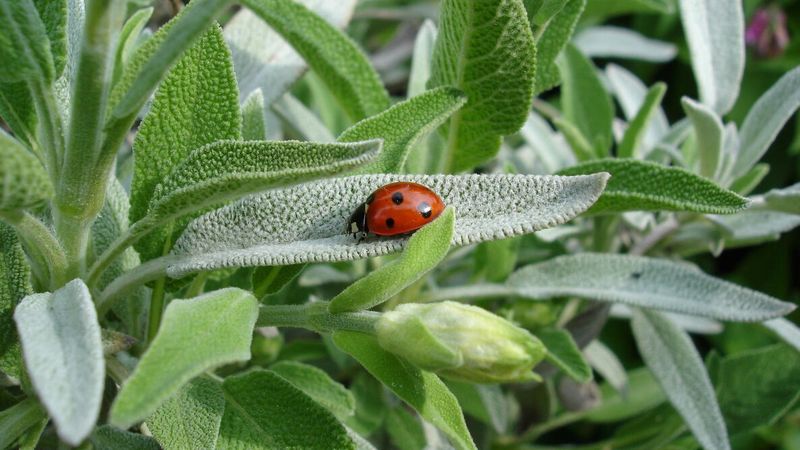
A natural fit for Arizona gardens is sage. Its silvery-gray leaves and love of dry, well-draining soil make it practically built for the desert Southwest.
Beyond its beauty, culinary sage is one of the most useful herbs you can grow, adding deep, savory flavor to everything from roasted vegetables to holiday stuffing. Starting sage from seed in March takes a little patience, but the payoff is well worth it.
Sage seeds should be planted about an eighth of an inch deep in well-draining soil. Germination can take anywhere from 10 to 21 days, so do not get discouraged if nothing seems to be happening at first.
Keeping the soil slightly moist but never soggy during this period is the key to good germination rates. Once seedlings emerge, they grow steadily with minimal fuss.
Full sun and excellent drainage are the two most important things sage needs to thrive in Arizona. Once established, it is incredibly drought-tolerant and can handle the intense summer heat that would stress many other herbs.
Space plants about 18 to 24 inches apart since sage grows into a fairly large, bushy plant over time. ‘Common Sage’ is the go-to choice for cooking, but ‘Berggarten’ is a popular option for Arizona gardeners who want a more compact, ornamental variety with outstanding flavor.
11. Sunflower Seeds With Tall, Cheerful Blooms
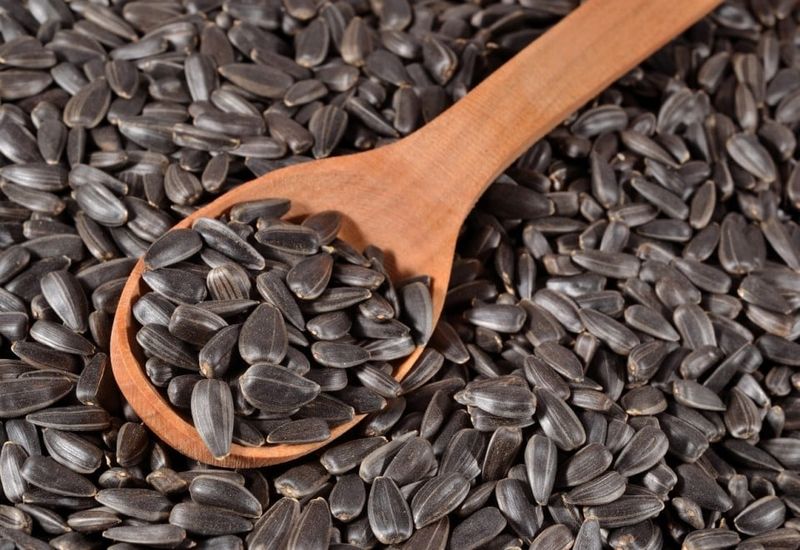
There is something genuinely cheerful about a row of sunflowers standing tall in an Arizona backyard. These bold, sun-loving blooms are one of the easiest flowers to grow from seed, and March is the ideal time to get them started across most of the state.
Sunflowers thrive in full sun and warm soil, two things Arizona has in abundance, making them a natural choice for spring gardens here.
Plant sunflower seeds about one inch deep and six inches apart in a sunny spot with well-draining soil. Thin seedlings to about 12 to 24 inches apart once they reach a few inches tall, depending on the variety.
Giant varieties like ‘Mammoth Russian’ can grow 10 feet or more, while dwarf types like ‘Sunspot’ stay under two feet and work well in containers or smaller Arizona garden spaces.
Sunflowers are surprisingly drought-tolerant once established, but they appreciate deep, regular watering during their early growth stages. One fun fact: sunflower heads actually track the sun across the sky when the plants are young, a behavior called heliotropism.
Beyond their beauty, sunflowers attract bees, butterflies, and birds to your garden, making them an excellent choice for anyone who wants to support local pollinators throughout the Arizona spring growing season.
12. Zinnia Seeds Producing Vibrant Summer Color
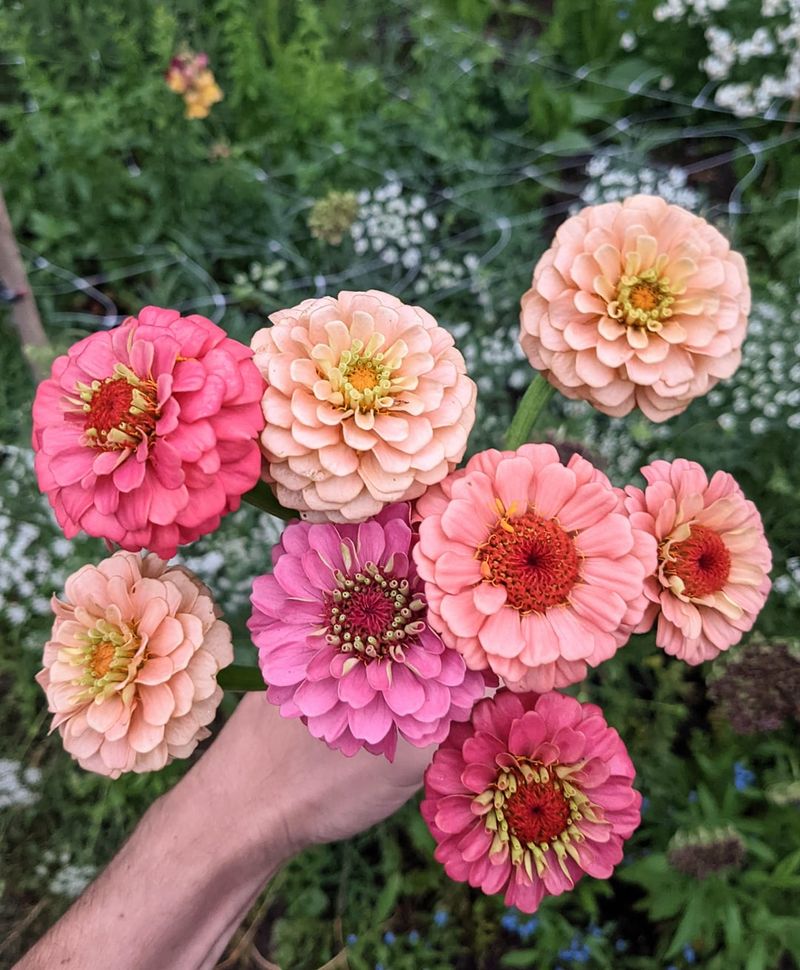
The workhorses of the flower garden, zinnias produce bold, vibrant blooms in almost every color imaginable from summer through fall. In Arizona, starting zinnia seeds in March gives them a head start so they are blooming beautifully by the time late spring arrives.
Few flowers are as easy to grow from seed or as rewarding to look at once they take off.
Sow zinnia seeds about a quarter inch deep directly in the garden bed after the last frost, which in most parts of Arizona happens well before March even begins. Space seeds about six inches apart and thin to 12 inches once seedlings emerge.
Zinnias prefer full sun and well-draining soil, and they handle Arizona’s heat surprisingly well compared to many other annual flowers.
One of the best things about zinnias is that the more you cut them, the more they bloom. Picking bouquets regularly actually encourages the plant to produce more flowers throughout the season.
They also attract butterflies and hummingbirds, adding extra life and movement to your Arizona garden. ‘Benary’s Giant’ and ‘Profusion’ are two popular series that perform especially well in hot climates, making them top picks for Arizona gardeners who want maximum color with minimum effort all spring long.
13. Cosmos Seeds With Delicate, Colorful Flowers
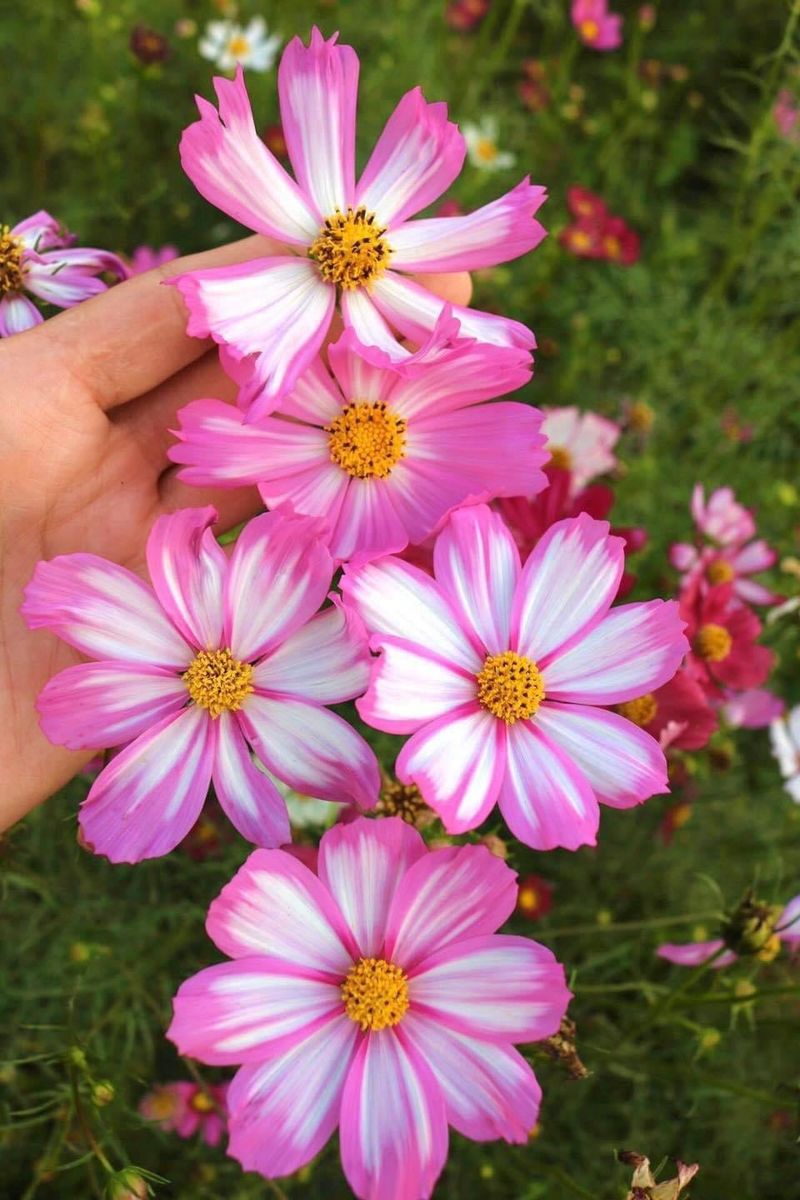
Cosmos flowers look delicate, like something out of a fairy tale, but they are actually incredibly tough plants that handle heat and poor soil better than most garden flowers. That toughness makes them a great fit for Arizona, where conditions can be challenging for more sensitive blooms.
Planting cosmos seeds in March gives them a fantastic head start on the spring growing season across the state.
Scatter cosmos seeds on the surface of the soil and press them lightly in, or plant them about a quarter inch deep in rows. They are not picky about soil quality, but they do need full sun to bloom their best.
Overwatering or overfertilizing cosmos actually works against you since rich soil causes lots of leafy growth but fewer flowers. Less is more with these beautiful plants.
Cosmos come in shades of pink, white, red, purple, and bicolor, and they grow quickly, often blooming within 60 days of planting. In Arizona’s long warm season, a March planting can give you flowers from late spring well into the fall.
They also self-seed freely, which means you may find new cosmos popping up on their own the following year. Varieties like ‘Sensation Mix’ and ‘Sonata’ are especially popular choices for Arizona spring and summer gardens.
14. Marigold Seeds Adding Bright, Pest-Deterring Blooms
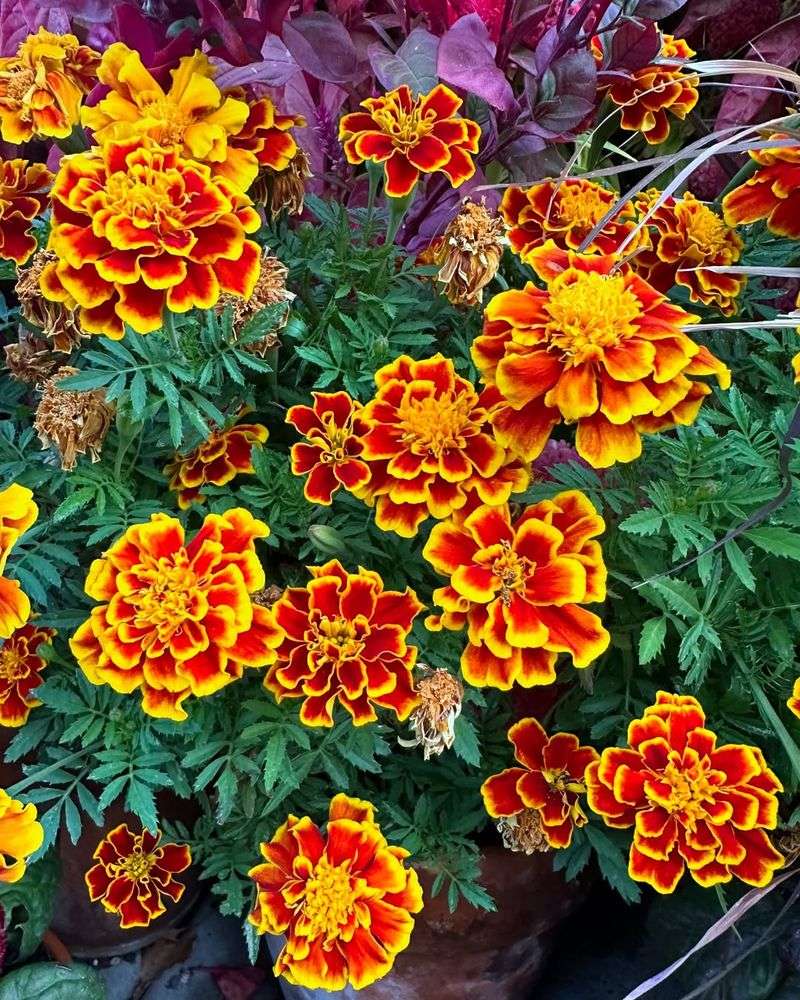
Few flowers work as hard in any garden as marigolds do. Not only do they bring a burst of warm orange, yellow, and red color to your space, but they are also well known for helping keep certain garden pests at bay.
Many Arizona gardeners plant marigolds alongside vegetables, which may help deter certain pests naturally when used as part of an overall integrated garden approach.
Sow marigold seeds directly in the garden about a quarter inch deep after the last frost has passed, which in most Arizona locations happens well before March. Space seeds about 12 inches apart for African marigold varieties and about six to eight inches for French types.
Both do well in Arizona’s full sun and warm temperatures, though French marigolds tend to handle the intense summer heat a little better than their larger African cousins.
Marigolds bloom quickly, often within 45 to 60 days of planting, and they continue flowering all season long with very little extra care. Deadheading spent blooms keeps the plants tidy and encourages more flowers to form.
Did you know marigolds were used in ancient Aztec ceremonies long before they became a garden staple? Today, they are one of the most popular and versatile flowers you can grow in any Arizona spring garden.