7 Simple Cucumber Trellis Ideas That Save Space In Arizona
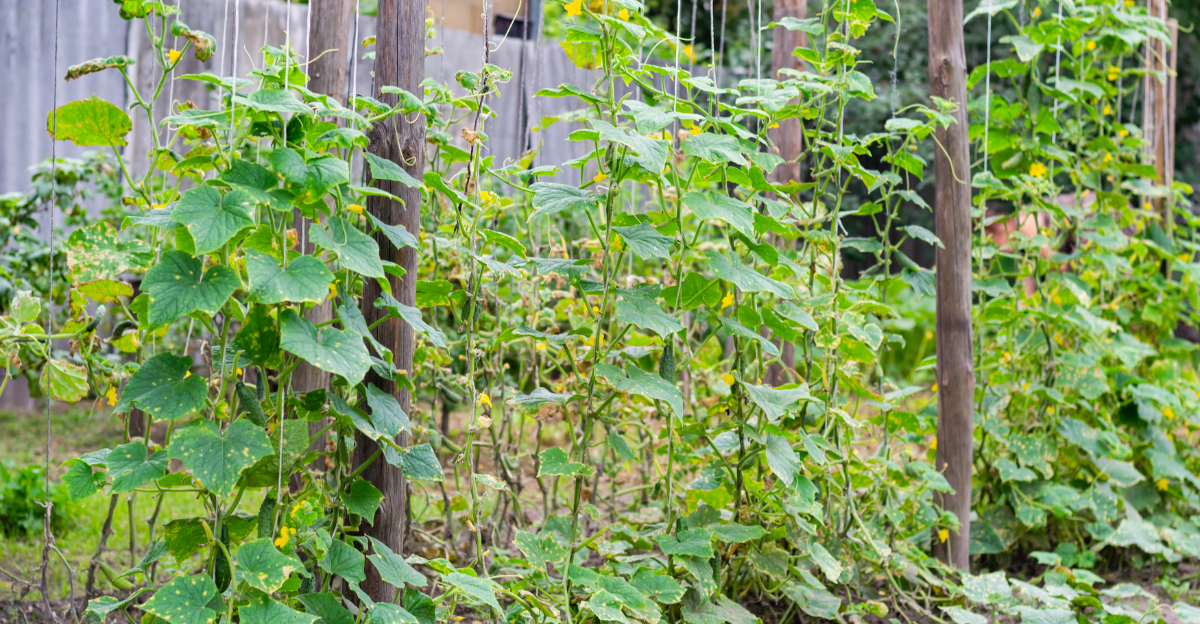
Space runs out fast once cucumber vines take off in an Arizona yard. Growth can look manageable at first, then suddenly everything starts spreading in every direction and crowding nearby plants.
Support makes a bigger difference than most expect, especially as heat builds and airflow starts to matter more. Simple structures can change how vines grow, how fruit sets, and how easy harvest feels later on.
Strong support keeps plants off hot soil and helps them handle rising temperatures without extra stress. Better airflow also cuts down on common issues that show up once days get warmer.
Creative setups do not have to be complicated or expensive to work well here. Small changes in how vines are guided can open up more room, keep plants healthier, and make the whole setup easier to manage through the season.
Something as basic as a well placed support can shift how everything performs.
1. A Frame Setup Lifts Vines Off Hot Soil
Hot soil is one of the biggest enemies of cucumber roots in Arizona, and getting those vines off the ground can make a real difference.
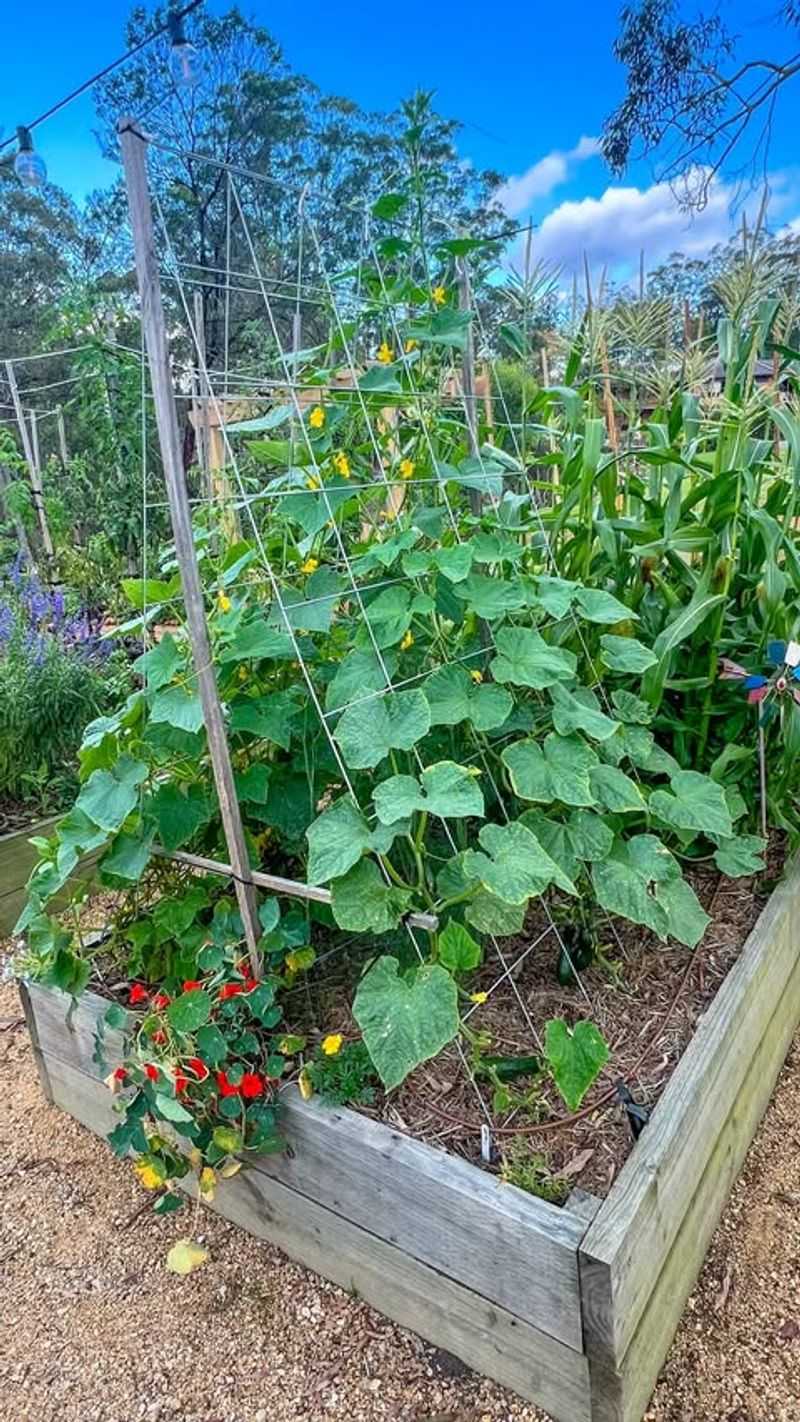
An A-frame trellis does exactly that by creating two angled panels that lean into each other like a tent, lifting the plant up and away from the scorching earth below.
Building one is straightforward. You can use wood, PVC, or even scrap lumber from a hardware store.
Connect two rectangular frames with a hinge or rope at the top, then stretch wire mesh, netting, or twine across each panel for the vines to grab onto. Set the whole thing over your raised bed and you’re good to go.
One thing Arizona gardeners appreciate about this design is how it creates a shaded pocket underneath. That shaded ground stays cooler, which helps retain moisture a little longer between waterings.
Cucumbers planted on both sides of the frame can share the same footprint, essentially doubling your yield without expanding your garden bed.
Keep the base wide enough so the structure stays stable during monsoon winds, which can pick up fast in late summer. Driving stakes into the ground at the feet of each panel adds extra security.
2. Cattle Panel Holds Heavy Growth Without Bending
Cucumber vines loaded with fruit get heavy fast, and flimsy trellises tend to sag or tip over right when you need them most. Cattle panels are a different story entirely.
These rigid wire grids, usually sold at farm supply stores in 16-foot lengths, barely flex under pressure even when covered in thick vine growth.
Setting one up in an Arizona garden is simple enough. Drive two or three metal T-posts into the ground, then attach the cattle panel to them using wire clips or zip ties.
The panel stands upright on its own once secured, and the large grid openings make it easy to weave vines through and reach in for harvesting without fighting the plant.
What makes this option stand out in Arizona is durability. Extreme heat, UV exposure, and monsoon storms can wear down cheaper materials quickly.
Your Arizona Garden Changes Every Week. Your Plan Should Too.
Gardening in Arizona changes quickly throughout the season. Every Friday you’ll receive a simple weekly plan showing exactly what to plant, prune, fertilize, harvest, and protect so you never miss the right timing.
Galvanized cattle panels hold up season after season without rusting out or warping. That makes the upfront cost worth it over time compared to replacing wooden or bamboo trellises every year or two.
Position the panel along the north or east side of your garden if possible so it doesn’t cast too much shade on neighboring plants during the long Arizona summer days.
3. String Support Works Well In Small Areas
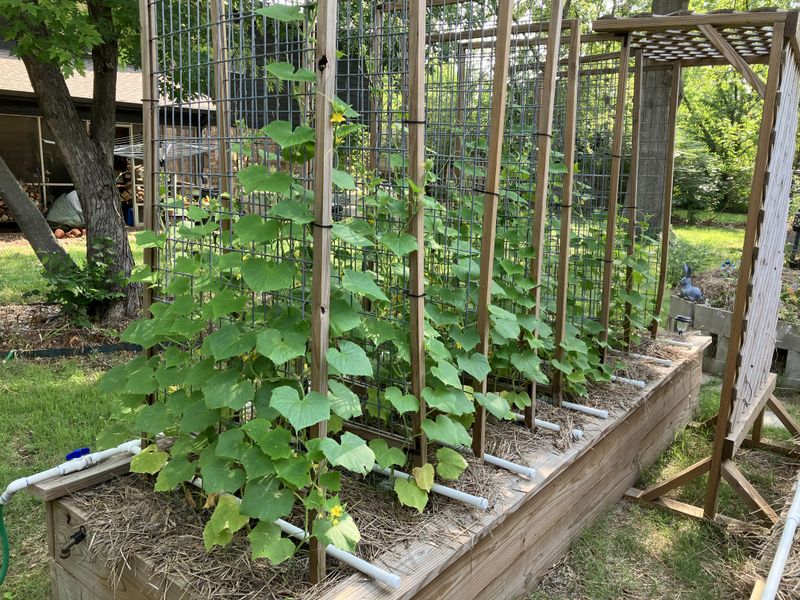
Not every Arizona yard has room for a big wooden structure or a heavy cattle panel. String trellising is a smart workaround for tight spaces, balcony gardens, or anyone growing cucumbers in containers on a patio in Phoenix or Tempe.
All you need is a sturdy overhead anchor, some strong twine, and a handful of clips or ties.
Attach a horizontal bar or rod above your planting area, whether that’s a fence rail, a pergola beam, or a simple pipe spanning two posts. Drop individual lengths of twine from that bar down to the base of each plant.
As the cucumber grows, gently wrap the main vine around the string or clip it loosely every few inches. The plant does most of the work on its own once it finds the support.
String trellising works especially well inside a shade cloth structure, which many Arizona gardeners use during the peak heat of June and July. The string fits neatly within that enclosed setup without taking up extra horizontal space.
Biodegradable jute twine is a popular choice because it can go straight into the compost at the end of the season along with the vines.
One honest limitation worth mentioning: heavy or long-season varieties may need thicker twine or supplemental clips to stay secure. Check the connections weekly since Arizona’s afternoon winds can loosen things faster than expected.
4. Wall Mounted Setup Uses Vertical Surfaces
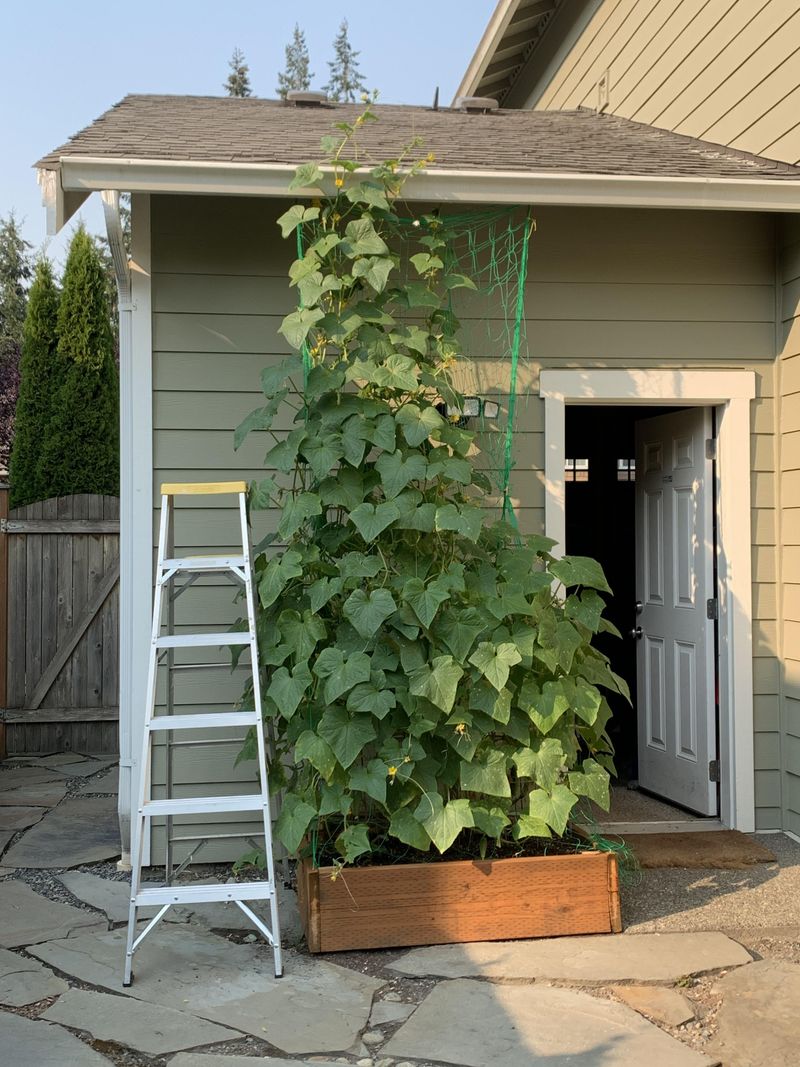
Blank walls and fences are underused real estate in most Arizona backyards. Mounting a trellis directly onto a wall or block fence turns that wasted vertical space into a productive growing surface without taking up any ground footprint at all.
Block walls are especially common in Tucson and Scottsdale neighborhoods, and they hold mounting hardware well.
Attach horizontal eye bolts or screw hooks into the wall at regular intervals, then run wire, netting, or a pre-made grid panel across them. Leave a few inches of space between the wall surface and the trellis material so air can circulate behind the plant.
Without that gap, heat radiating off a stucco or block wall in summer can stress the vines considerably.
South-facing walls absorb a lot of solar heat in Arizona, so east or north-facing surfaces tend to be gentler on cucumbers during the hottest months.
A west-facing wall might work fine in spring before temperatures climb past 100 degrees, but it can get brutal by mid-June.
Matching the wall orientation to your planting window makes a noticeable difference in how long the plants stay productive.
For renters or anyone who prefers not to drill into walls, tension-mounted options using adjustable poles work as a non-permanent alternative. These wedge between the floor and ceiling or between two walls, holding a trellis frame in place without fasteners.
5. Teepee Shape Improves Airflow Around Plants
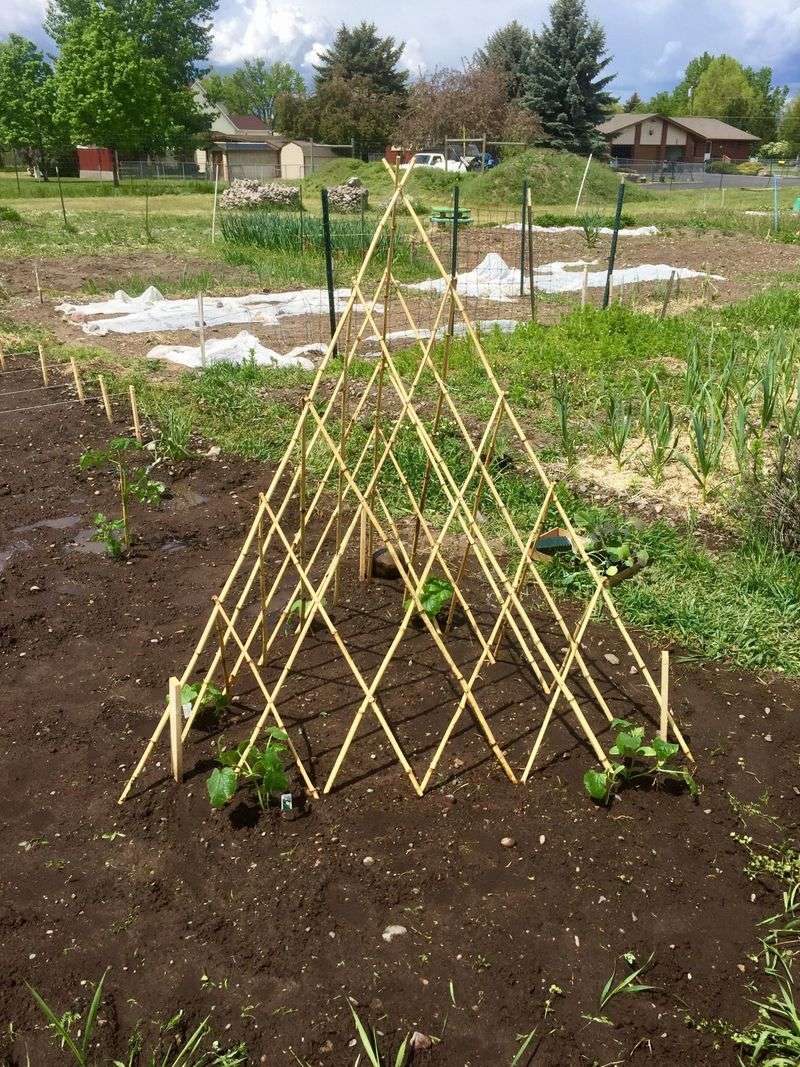
Airflow matters more than most people realize when growing cucumbers in Arizona’s humid monsoon season. Crowded vines trap moisture and create the warm, damp conditions that powdery mildew thrives in.
A teepee-shaped trellis naturally opens up space between stems, letting air move freely through the plant and helping foliage dry off faster after rain or overhead watering.
Building a teepee is one of the easiest trellis projects around. Gather three to five bamboo poles or straight wooden dowels, push the bottom ends into the soil in a circle about two feet across, then gather the tops together and tie them tightly with twine or wire.
That’s the whole structure. Plant one cucumber seedling at the base of each pole, and the vines will climb upward naturally as they grow.
Bamboo is a practical choice in Arizona because it handles heat and UV exposure reasonably well compared to untreated wood. It’s also lightweight, inexpensive, and widely available at garden centers across the Valley.
A single teepee fits neatly into a raised bed corner or a large container, making it flexible enough for almost any setup.
Keep in mind that a teepee works best with bush-type or compact cucumber varieties rather than aggressive sprawling types that need more linear support.
6. Ladder Style Guides Climbing Without Crowding
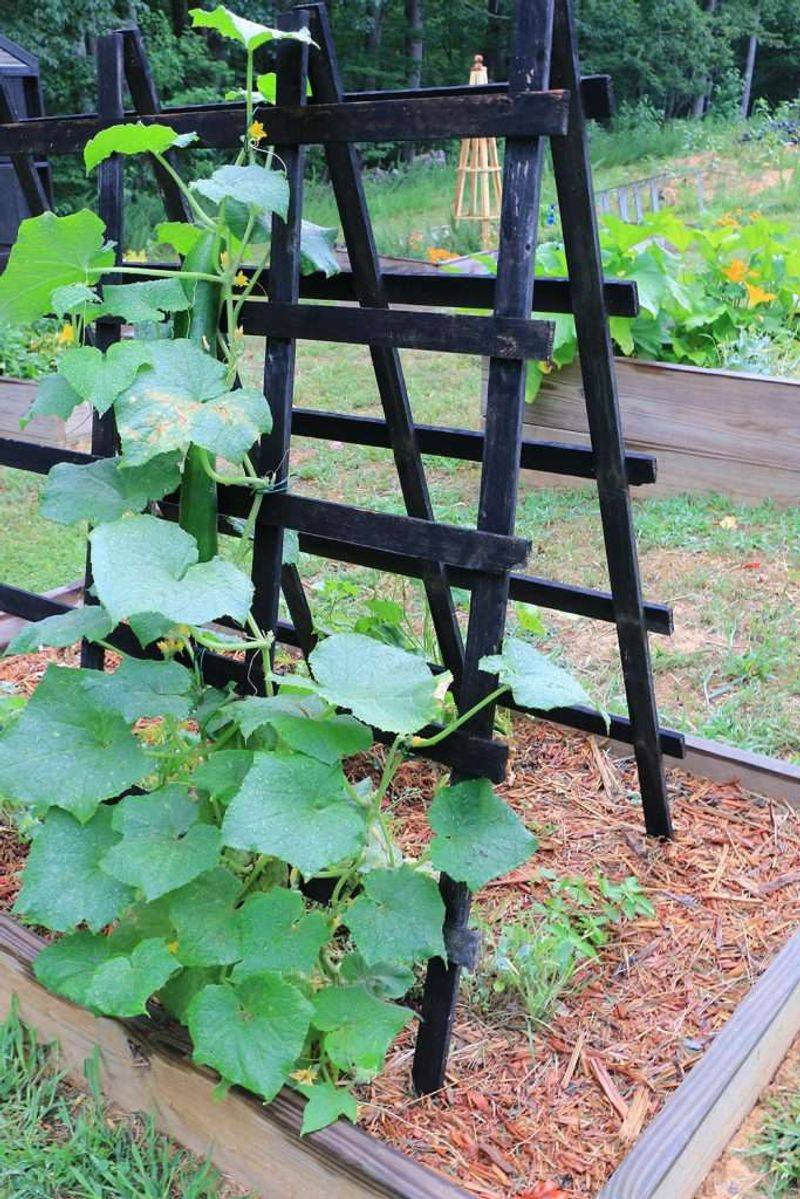
An old wooden ladder leaning against a fence or raised bed might not look like much, but it works surprisingly well as a cucumber trellis. Each rung acts as a natural guide, spacing the vines out as they climb instead of letting them pile on top of each other.
Separation between stems means better light penetration and more room for fruit to develop without getting squished.
Repurposing a ladder costs nothing if you already have one sitting in a garage or shed. Lean it at a slight angle rather than perfectly vertical so vines don’t grow straight up and then flop over the top.
Tying loose twine horizontally between the rungs can add extra anchor points if the vine needs more guidance between levels.
In Arizona, painted or sealed wood holds up better outdoors than raw lumber, which can crack and splinter quickly under constant sun exposure.
If you’re building a ladder trellis from scratch rather than repurposing one, cedar or redwood resists weather better than pine without needing as much treatment.
A quick coat of exterior wood sealer extends the life considerably in a dry desert climate.
Spacing matters when placing this type of trellis. Allow at least 18 inches between adjacent ladders if you’re using more than one so plants don’t grow into each other.
7. Arch Setup Expands Growing Area
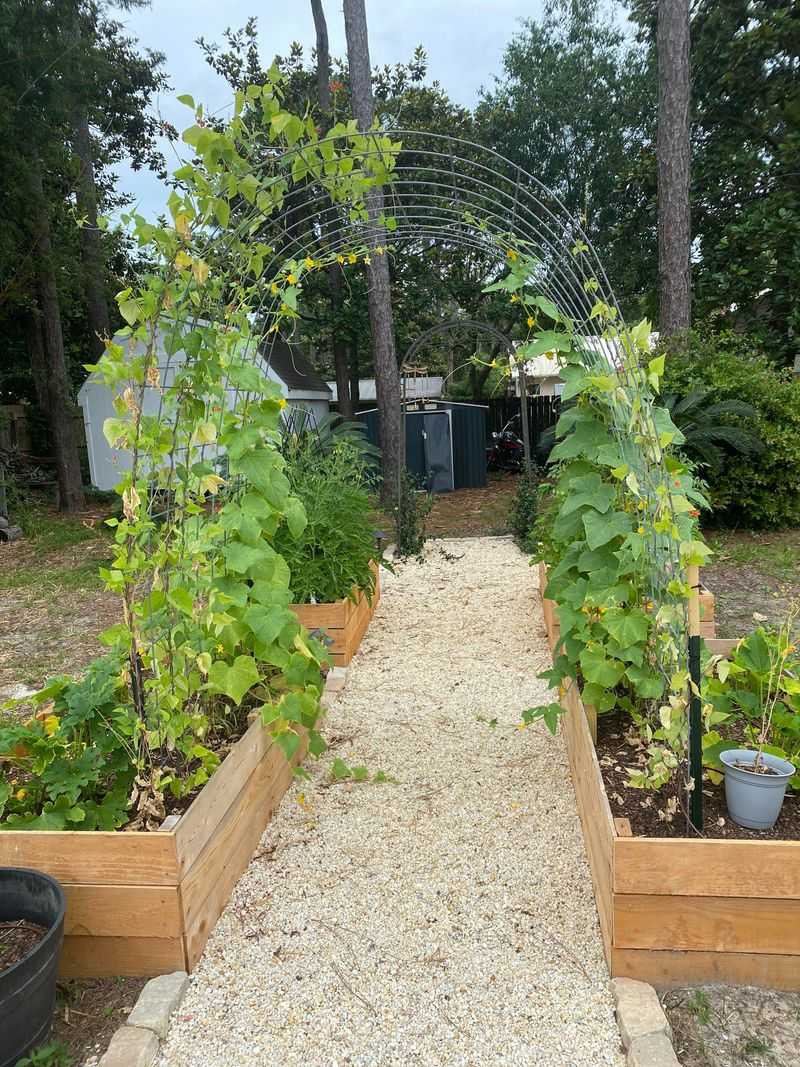
Walking under an arch covered in hanging cucumbers feels a bit like stepping into a garden you didn’t know you had.
Arch trellises use overhead space that most flat trellises completely ignore, and they can turn a garden path into a productive growing tunnel without shrinking your walking area.
In Arizona, that extra vertical room also means cucumbers hang freely in the air where they’re easier to spot and pick.
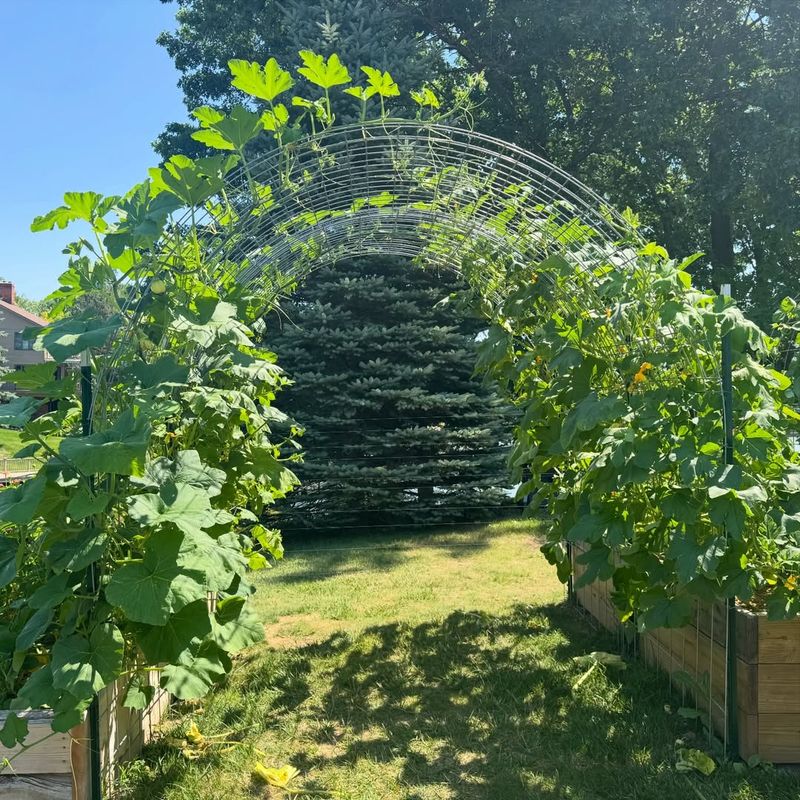
Bending a cattle panel into an arch is the most popular method. Push both ends of the panel into the soil on opposite sides of a path or bed, and the natural curve holds the shape without any cutting or welding.
The panel is stiff enough to support heavy vine growth across the entire span, including mature fruit hanging from the top section.
PVC pipe is a lighter alternative that bends easily when warmed by Arizona’s sun, though it may need internal support wire to hold a consistent curve under the weight of a full-grown plant.
Either material works, but cattle panel arches tend to last longer under the physical stress of monsoon winds and heavy fruiting seasons.
Cucumbers grown on an arch receive good sun exposure across most of the vine since the plant wraps around the curve rather than growing straight up a flat surface.
Harvesting is also more comfortable because the fruit hangs at eye level or below rather than hiding behind dense foliage up high.