Should You Cut Back Spirea This March In Georgia
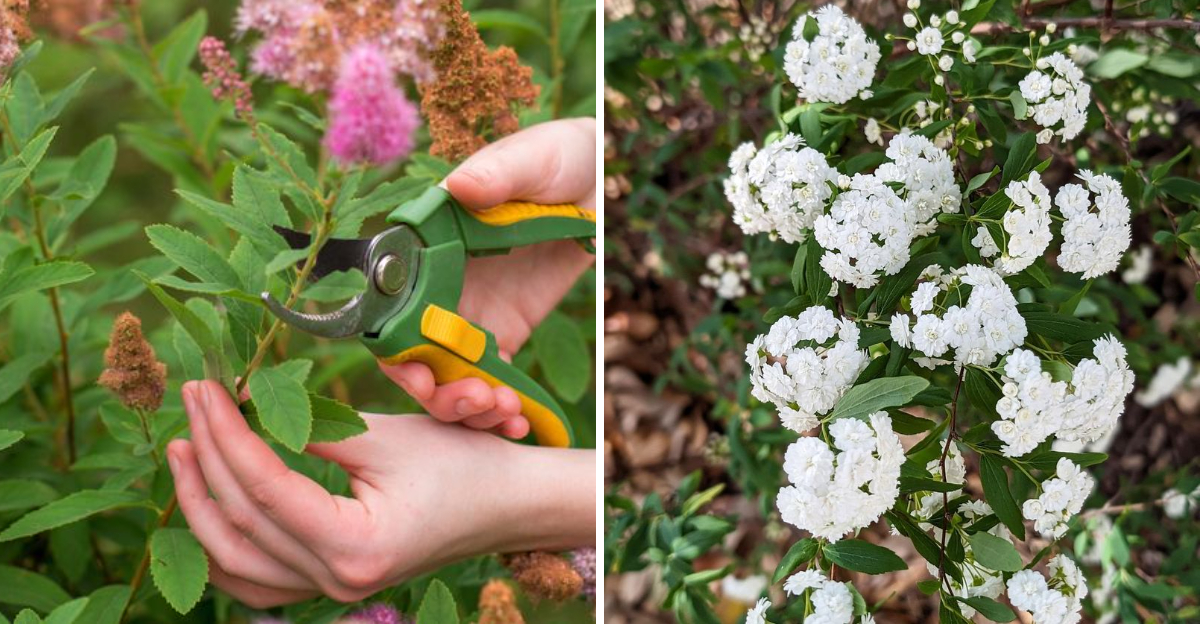
Spirea shrubs are common in many Georgia yards because they are reliable, easy to grow, and covered in flowers when the season is right.
When March arrives and the garden starts waking up, many gardeners look at their spirea and wonder if it should be cut back before new growth begins.
It seems like the perfect moment to tidy things up.
Branches may look a little messy after winter, and trimming shrubs in early spring often helps many plants grow back stronger. With spirea, though, the timing is not always that simple.
Some spirea shrubs handle early spring pruning without any problem, while others set their flower buds earlier and can lose their blooms if they are cut too soon.
That is why March raises the same question for many Georgia gardeners every year. Should spirea be cut back now, or is it better to wait a little longer?
1. Light Pruning In March Can Keep Spirea Neat Before New Growth Starts
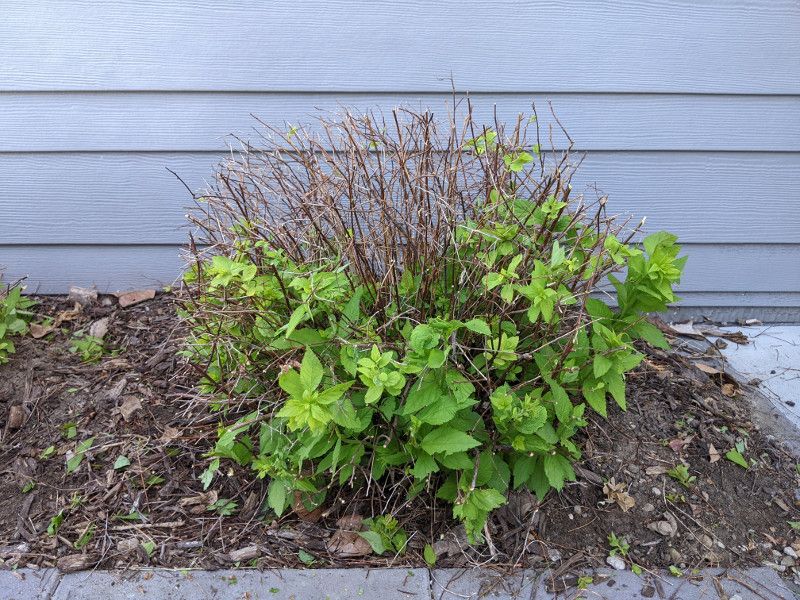
Grab your pruning shears before those buds really start popping, because that narrow window in early March is prime time for shaping summer-blooming spirea in Georgia.
Right now, while the shrub is still mostly dormant, you can actually see the structure clearly without a tangle of leaves blocking your view.
That makes it a lot easier to decide which stems to keep and which ones to remove.
Summer-blooming types like Anthony Waterer and Neon Flash push out flowers on fresh new growth.
Cutting them back hard in early spring tells the plant to put energy into producing those vigorous new shoots, which means more flowers come July and August.
Skip the pruning and you often end up with a leggy, uneven shrub that blooms less than it should.
In Georgia, temperatures in early March can still swing a bit, but as long as you’re not expecting a hard freeze in the next few days, pruning is generally safe. Cut stems back by about one-third to one-half, aiming just above a healthy outward-facing bud.
Keep cuts clean and angled so water doesn’t pool on the wound. A clean cut heals faster and reduces the chance of disease getting in.
Shaping your spirea now sets it up for a full, balanced season of growth and color without much fuss later on.
2. Removing Weak Or Crossing Branches Improves Airflow In Spirea Shrubs
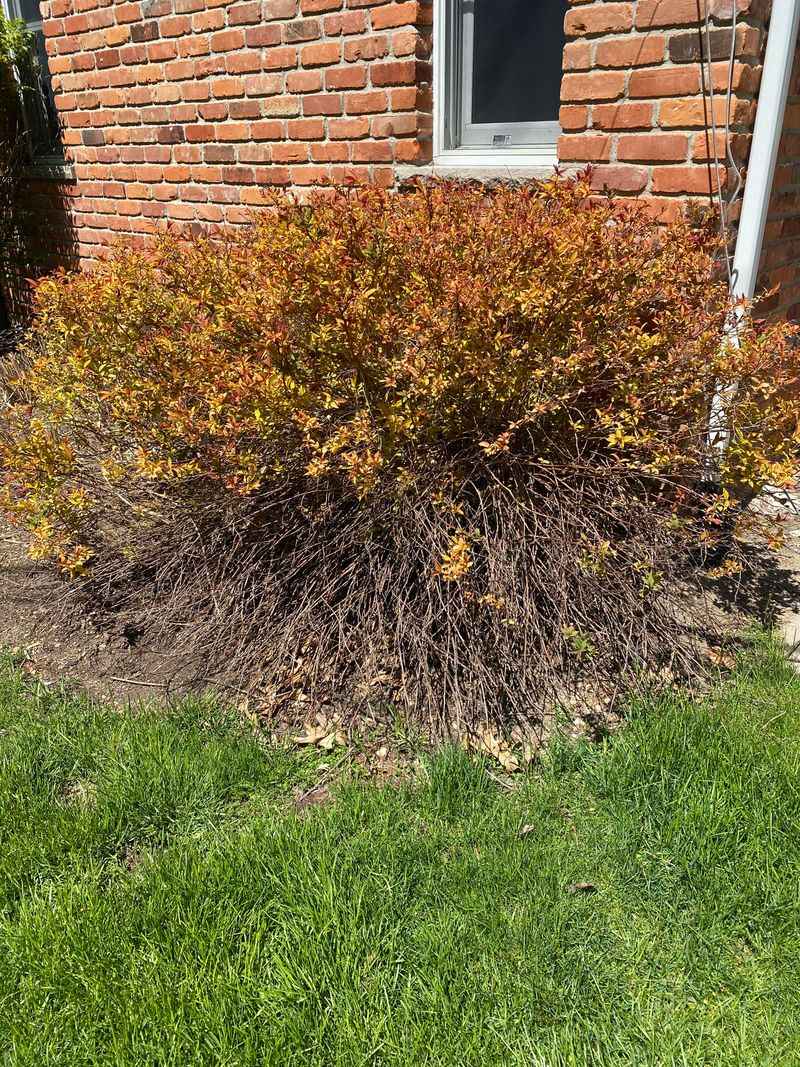
Weak, rubbing branches are trouble waiting to happen, and March is the perfect time to deal with them before new leaves make the interior of the shrub hard to see.
Branches that cross and rub against each other create wounds that invite fungal problems, especially in Georgia’s humid spring and summer conditions.
Cleaning those out now is one of the most practical things you can do for your spirea’s long-term health.
Start by looking at the center of the shrub. Spindly stems that barely support their own weight, branches growing inward instead of outward, and any two stems that are clearly rubbing together are your targets.
Your Georgia Garden Changes Every Week. Your Plan Should Too.
Gardening in Georgia changes quickly throughout the season. Every Friday you’ll receive a simple weekly plan showing exactly what to plant, prune, fertilize, harvest, and protect so you never miss the right timing.
You don’t need to remove a huge amount of material, just enough to open things up so air and light can move through the canopy freely.
Better airflow means the foliage dries faster after rain or irrigation, which cuts down on powdery mildew and leaf spot issues that are pretty common in Georgia yards during wet spring months.
It also means sunlight can reach the inner stems, encouraging more even growth across the whole shrub rather than just the outer edges.
After you’ve removed the problem branches, step back and look at the overall shape. A well-thinned spirea should look open but not sparse, with a natural, rounded silhouette.
Don’t overthink it. A few deliberate cuts in March can save you a lot of trouble by midsummer when the heat and humidity really kick in across Georgia.
3. Spring-Flowering Spirea Should Wait Until After Bloom
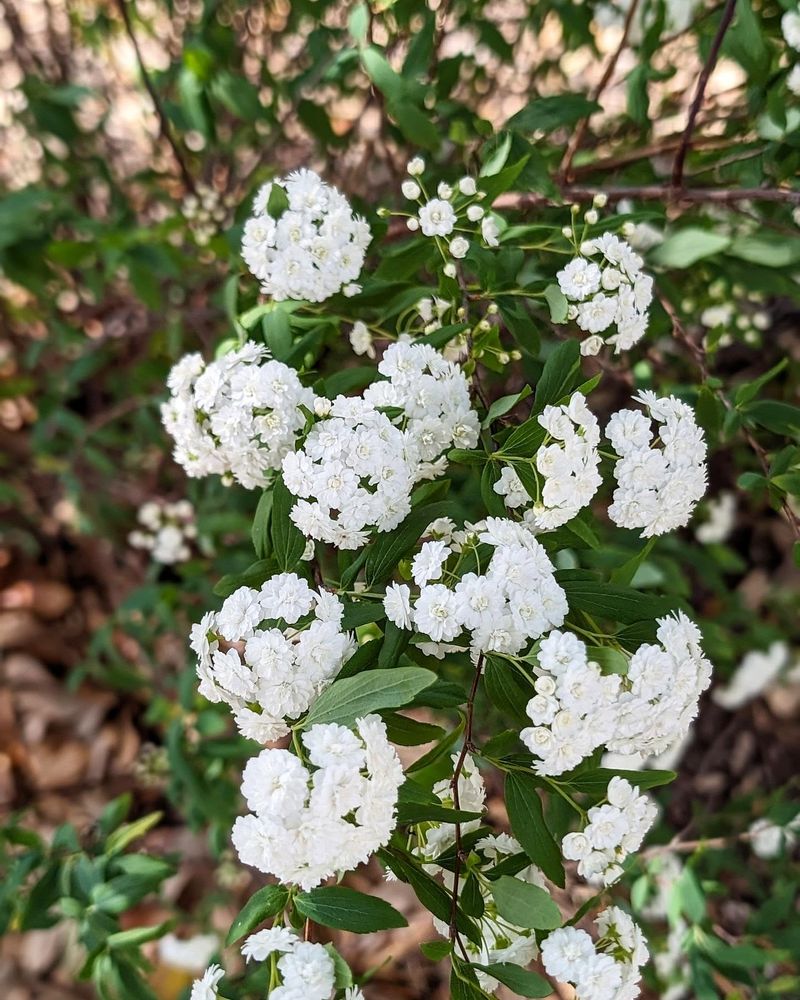
Bridal wreath spirea in full bloom is one of those genuinely beautiful spring sights, and cutting it back in March would wipe out every single one of those flowers before you ever got to enjoy them.
Spring-blooming spireas like Vanhouttei and Bridal Wreath set their flower buds on last year’s wood over the winter.
Prune in March and you’re removing exactly what you waited all year for.
Hold off until those white flower clusters have fully faded, which in Georgia typically happens sometime in April. Once blooming is finished, that’s your window to prune without sacrificing next year’s show either.
Pruning right after bloom gives the plant the entire growing season to produce new stems that will carry next spring’s flower buds.
Waiting doesn’t mean you’re neglecting your shrub. March is actually a good time to walk around your spring-blooming spirea and note any obviously broken or clearly crossed stems that you can address carefully without cutting into the budded wood.
Just be conservative and intentional with any cuts you make before bloom.
A lot of Georgia gardeners accidentally prune their spring-blooming spirea at the wrong time simply because they’re treating it the same as their summer bloomers. Knowing which type you have makes a real difference.
Check the tag if you saved it, or just watch when it blooms. Flowers in April mean hands off in March, plain and simple.
Patience here is rewarded with a spectacular floral display you won’t want to miss.
4. Summer-Flowering Spirea Can Be Trimmed In Early Spring
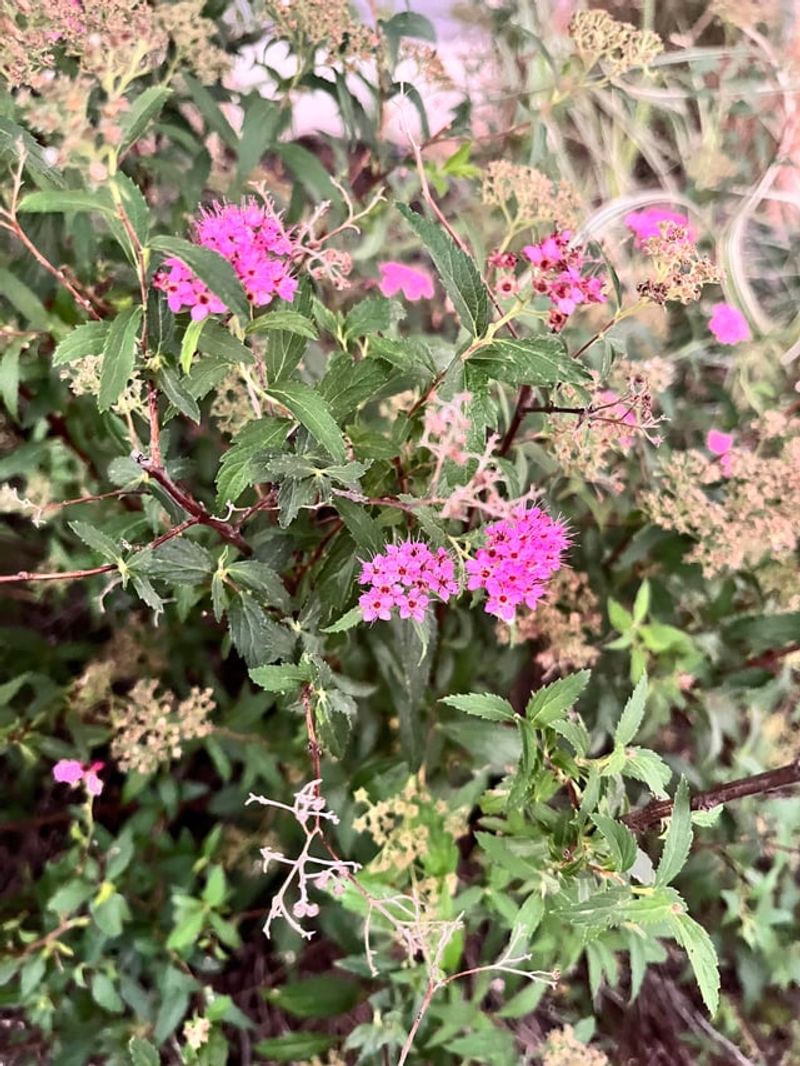
Japanese spirea, Anthony Waterer, Neon Flash, and similar summer-blooming types are basically built for early spring pruning. Unlike their spring-blooming cousins, these varieties push their flowers out on brand-new growth produced each season.
Cutting them back in early March in Georgia doesn’t cost you any blooms at all because those flower buds haven’t even started forming yet.
Early March pruning on summer bloomers actually triggers a stronger, more vigorous flush of new growth than you’d get if you left the shrub alone. More new growth means more flower clusters by mid to late summer.
In Georgia’s long warm season, summer-blooming spirea has plenty of time to recover from a spring trim and still put on a full show.
Cut summer-blooming spirea back to about six to twelve inches from the ground if you want to really rejuvenate an older or overgrown shrub. For a younger plant in decent shape, cutting back by a third to half is usually plenty.
Either way, you’ll see results within a few weeks as new green shoots push up from the base and along the remaining stems.
Georgia gardeners who prune their summer-blooming spirea consistently in early spring tend to have fuller, more vigorous shrubs than those who skip the annual trim. It doesn’t take long, and the results are noticeable.
A couple of hours with a good pair of bypass pruners in early March can genuinely transform how your spirea looks and performs for the entire season ahead.
5. Avoid Heavy Pruning While Spirea Is Beginning To Leaf Out
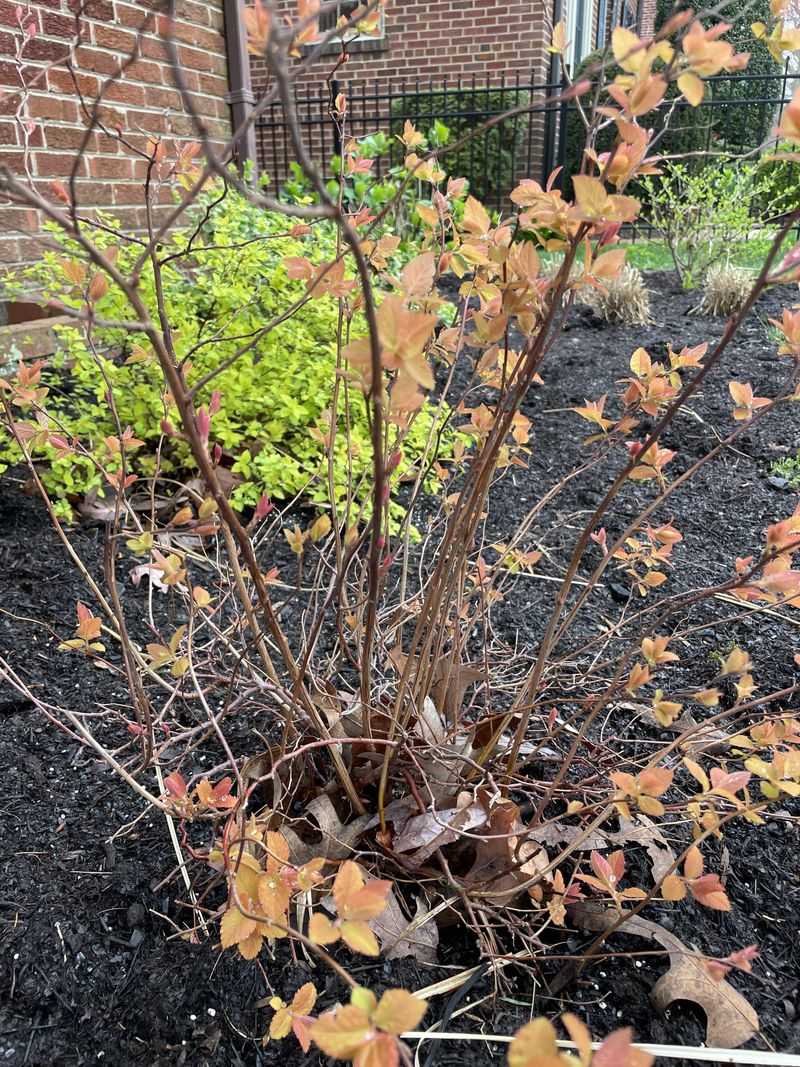
Timing really does matter, and there’s a point in March where you’ve missed the ideal window for heavy pruning on summer-blooming spirea.
Once you start seeing those small, fresh leaves unfurling along the stems, the plant has already committed energy to that new growth.
Cutting heavily at that stage forces the shrub to start over, which is a real setback during a critical growth period.
Light cleanup is still fine once leafing out begins. Removing a few damaged tips or crossing stems will not hurt the plant.
What you want to avoid is taking off large amounts of leafed-out growth, because that puts real stress on the plant right when it’s working hardest to establish itself for the season.
In Georgia, spirea can move from dormant to actively leafing out surprisingly fast once temperatures start climbing in March.
A stretch of warm weather can push things along quickly, so don’t keep putting off your pruning thinking you have more time than you do.
Check your shrubs early in the month rather than waiting until the end.
If you do miss the window and your spirea is already leafed out, just leave it for now. A light shaping trim after flowering is fine for summer bloomers, and you can do a more thorough pruning next late winter before growth starts again.
Heavy pruning on a leafed-out shrub in Georgia’s warming spring isn’t worth the setback it causes. Let it grow, enjoy the season, and plan better for next year.
6. Removing Old Woody Stems Helps Rejuvenate Mature Spirea Shrubs
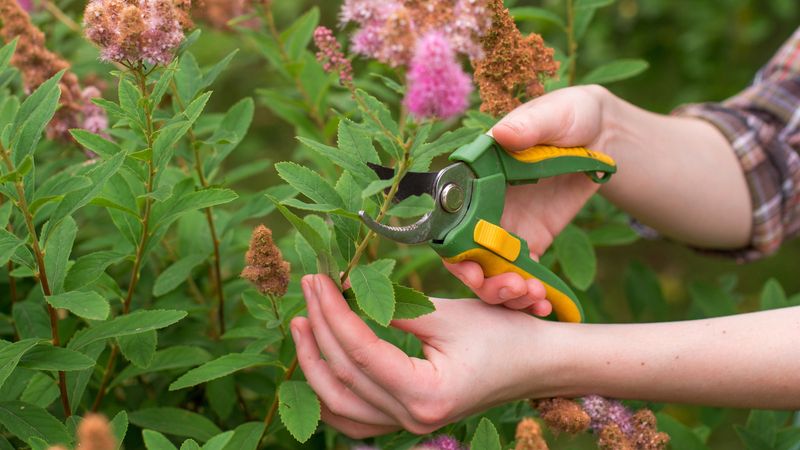
Old spirea shrubs have a way of getting thick and tangled at the base over the years, and all that woody congestion actually limits how well the plant grows and blooms.
Removing the oldest, thickest stems at ground level is one of the most effective things you can do to bring a tired, overgrown spirea back to life.
March in Georgia is an ideal time to tackle this kind of rejuvenation work.
Look for stems that are noticeably darker, thicker, and more bark-covered than the rest. Those are typically the oldest ones, and they tend to produce less growth and fewer flowers than younger stems.
Cutting them out at the base with loppers or a pruning saw opens up the center of the shrub and redirects the plant’s energy into newer, more productive wood.
You don’t have to remove every old stem at once. Taking out roughly one-third of the oldest stems each year over three years is a gentler approach that keeps the shrub looking decent while still pushing it toward renewal.
A more aggressive approach, cutting the whole plant back hard to six inches, works well on very overgrown specimens and is something Georgia gardeners can do safely in early March before new growth kicks in.
Within a season, you’ll typically see a noticeable difference in how the rejuvenated shrub grows. Fresh stems emerge from the base, the overall shape tightens up, and flowering improves considerably.
Spirea is tough and bounces back well from hard pruning, especially in Georgia’s warm climate where the growing season gives plants plenty of time to recover and thrive.