These Lawn Care Habits In April Can Lead To Problems By Summer In Georgia
April can make a Georgia lawn look like it is heading in the right direction, yet certain habits during this stage can quietly set up problems that show up later in the season.
Grass greens up, growth picks up, and everything seems to be moving in a good direction.
It is easy to stick with routines that feel right in the moment, especially when there are no clear signs of trouble. What happens now often does not show up until summer heat starts to put real pressure on the lawn.
Some choices can lead to thinning, uneven color, or stress that becomes much harder to fix once temperatures climb.
A closer look at those early habits can help prevent issues from building and keep the lawn in better shape through the months ahead.
1. Cutting Grass Too Short Weakens Root Growth
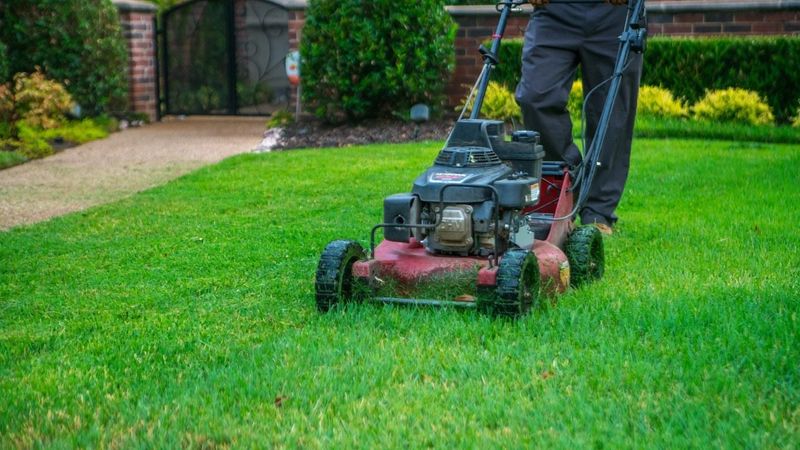
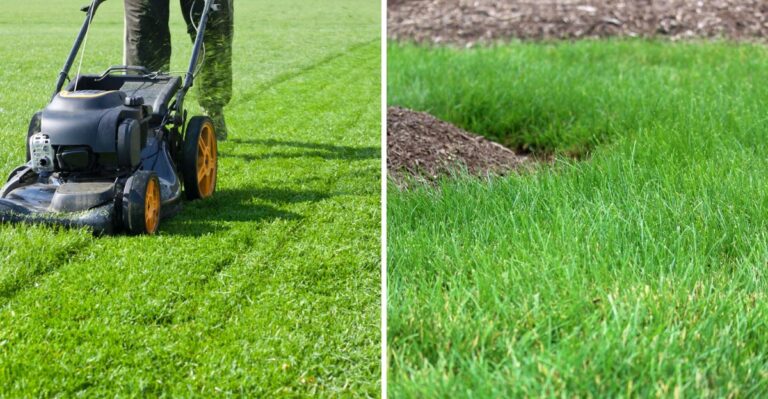
Scalping your lawn in April might look tidy right after you mow, but it puts serious stress on the grass before summer even starts. Warm-season grasses like Bermuda and Zoysia, which are common across Georgia, depend on leaf blade length to fuel root development.
Cut too low, and the plant shifts its energy upward trying to regrow blades instead of pushing roots deeper into the soil.
Shallow roots are a real problem once Georgia summer hits. When temperatures climb into the 90s and rain gets unpredictable, grass with weak roots has almost no buffer.
Bare patches show up fast, and weeds rush in to fill those spaces without much resistance.
A good rule of thumb for most Georgia lawns is to keep Bermuda around 1.5 to 2 inches and Zoysia closer to 2 to 2.5 inches during active growth. Cutting more than one-third of the blade at a time stresses the plant regardless of the grass type.
It sounds simple, but plenty of homeowners push the mower deck down too low thinking shorter means less frequent mowing.
Consistency matters more than height alone. Mowing on a regular schedule rather than letting grass get tall and then cutting it back hard keeps the root system stable.
If you have been scalping in April, raise the deck now and give the lawn a few weeks to recover before the heat of summer arrives in Georgia.
2. Watering Lightly And Frequently Leads To Shallow Roots
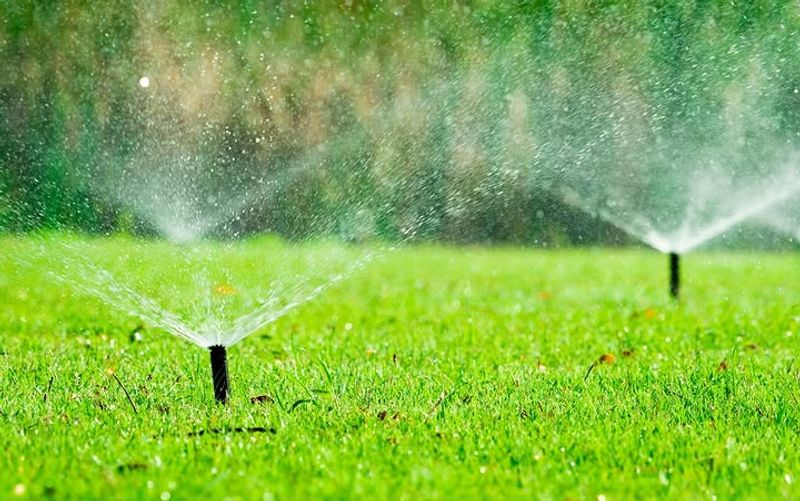
Short, frequent watering sessions might seem like you are keeping the lawn hydrated, but you are actually training the roots to stay near the surface. Grass roots follow moisture.
Water only the top inch of soil every day, and the roots have no reason to grow deeper. That becomes a serious problem when Georgia summer dryness sets in and that shallow surface moisture disappears fast.
Deep, infrequent watering encourages roots to reach further down into the soil profile where moisture stays more consistent.
Aiming for about one inch of water per week, applied in one or two sessions rather than daily sprinkles, gives the soil time to dry slightly between waterings.
That drying cycle actually pushes roots downward in search of moisture.
Your Georgia Garden Changes Every Week. Your Plan Should Too.
Gardening in Georgia changes quickly throughout the season. Every Friday you’ll receive a simple weekly plan showing exactly what to plant, prune, fertilize, harvest, and protect so you never miss the right timing.
Georgia clay soils complicate things a bit. Water can pool on the surface or run off before it soaks in, especially if the lawn has not been aerated recently.
Watering in shorter intervals with breaks in between, sometimes called cycle and soak, helps water penetrate clay without runoff.
Early morning is the best time to water in Georgia. Midday watering loses too much to evaporation in the heat, and evening watering leaves the lawn damp overnight, which raises the risk of fungal issues that are already common in Georgia’s humid climate.
Getting the watering schedule right in April builds a root system that actually holds up when summer gets tough.
3. Fertilizing Too Early Pushes Weak Growth
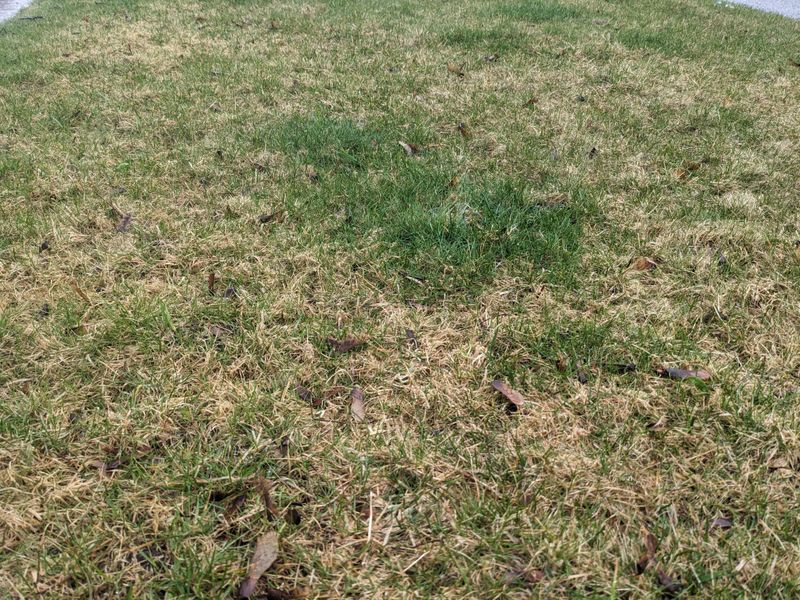
Reaching for the fertilizer bag the moment April arrives is tempting, especially when the lawn starts greening up and you want to push that along.
But Georgia’s warm-season grasses are not fully out of dormancy in early April, and heavy fertilizer at that stage often does more harm than good.
You end up feeding growth the plant cannot fully support yet.
Rapid, forced growth from excess nitrogen in early spring tends to produce soft, thin blades that are more vulnerable to fungal disease and heat stress later on. That lush green surge looks promising in April but can leave the lawn looking patchy and worn by June.
Soft growth is also more attractive to certain insects that become active in Georgia as temperatures climb.
Timing fertilizer application to when the grass is truly active makes a noticeable difference. For most of Georgia, that window falls closer to late April into May, once soil temperatures have consistently reached around 65 degrees Fahrenheit.
A soil thermometer is inexpensive and takes the guesswork out of it.
Slow-release nitrogen fertilizers are worth considering because they feed the lawn gradually rather than dumping nutrients all at once.
Skipping that step and applying a standard fertilizer blend means you might be adding nutrients the soil already has in excess, which can cause its own set of problems.
4. Ignoring Soil Compaction Limits Healthy Development
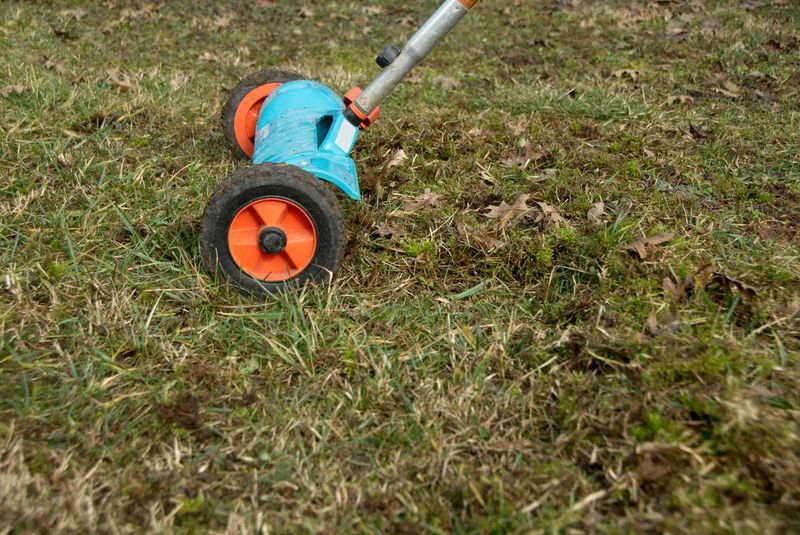
Georgia clay is notorious for getting hard and dense, and April foot traffic on a lawn that has not fully woken up yet makes compaction worse. Compacted soil blocks water, air, and nutrients from reaching the root zone.
Grass growing in compacted ground looks stressed even when you are watering and fertilizing correctly, because the roots simply cannot access what they need.
Signs of compaction are not always obvious early in the season. Puddles that linger after rain, thin turf in high-traffic areas, and soil that feels like packed dirt rather than loose ground are all clues.
By summer, those areas often turn into bare or struggling patches that seem to resist every fix you try.
Aeration is the standard fix, but timing matters in Georgia. Punching holes in warm-season grass before it is actively growing can stress the lawn more than it helps.
Late spring, once the grass is well into active growth, is generally a better window for core aeration in Georgia. That said, recognizing compaction early in April lets you plan ahead and avoid making it worse with heavy equipment or excessive foot traffic.
Topdressing with compost after aeration improves soil structure over time, especially in areas with heavy clay content. It will not transform compacted soil overnight, but consistent effort across a couple of seasons does produce real results.
Addressing compaction is one of those foundational steps that supports everything else you do for a Georgia lawn.
5. Mowing With Dull Blades Damages Grass Tips
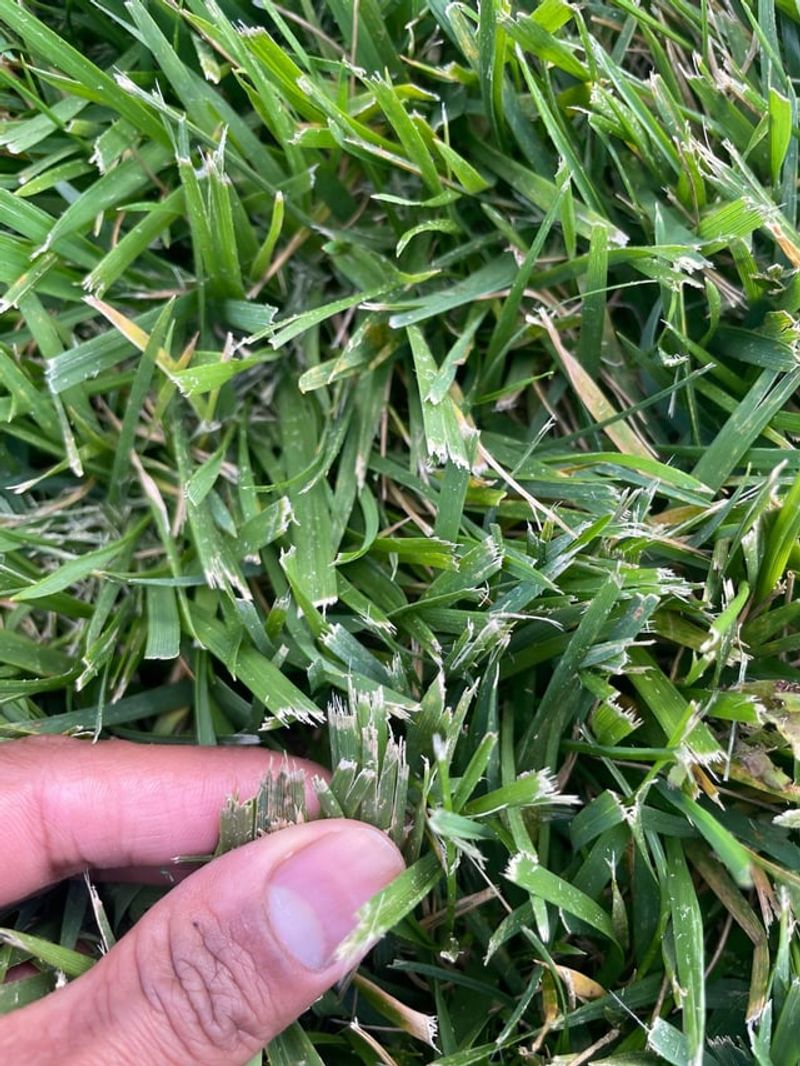
A dull mower blade does not cut grass cleanly. It tears and shreds the tips instead, leaving ragged edges that turn brown within a day or two.
From a distance the lawn looks like it has a disease or drought stress, but the real culprit is sitting in your garage. This is one of the easiest problems to avoid, yet it catches a lot of Georgia homeowners off guard every spring.
Torn grass tips are more than a cosmetic issue. Those jagged wounds create entry points for fungal pathogens, and Georgia’s spring humidity gives those pathogens exactly the conditions they need to spread.
Brown tip damage from dull blades can look strikingly similar to early fungal disease, which sometimes leads to unnecessary fungicide applications.
Blade sharpening is something most homeowners skip or forget about until the damage is already visible.
Sharpening once at the start of the mowing season and again mid-season is a reasonable baseline, though heavily used mowers or lawns with sandy Georgia soil may need it more often.
A sharp blade makes a cleaner cut that heals faster and keeps the lawn looking better between mowings.
Getting blades sharpened is not expensive at most small engine shops, and it takes less than a day. Some homeowners sharpen blades themselves with a file or bench grinder, which is a practical option if you are comfortable doing it safely.
Either way, starting April mowing with a sharp blade is one of the simplest things you can do for your Georgia lawn this spring.
6. Overwatering Creates Ideal Conditions For Disease
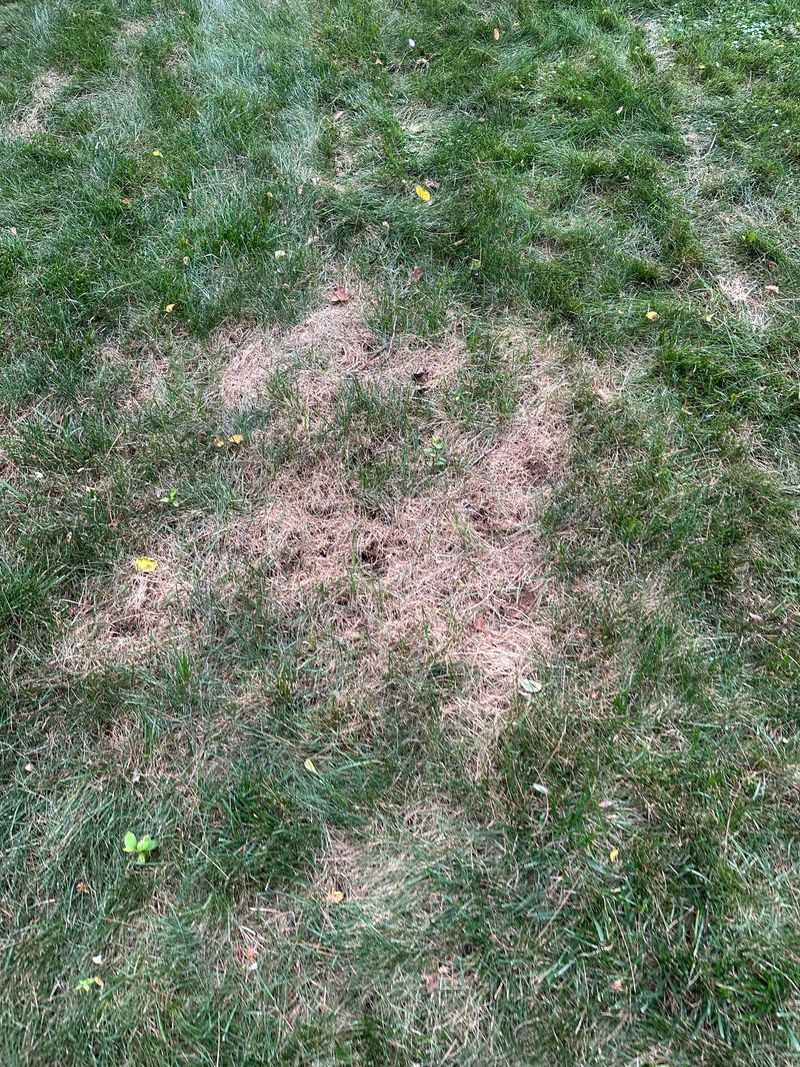
Georgia’s spring weather is already humid, and adding excess water on top of that creates a breeding ground for lawn disease.
Fungal issues like brown patch and dollar spot thrive in consistently wet conditions, and overwatered Georgia lawns in April often show signs of disease well before summer officially arrives.
Once a fungal problem gets established, it takes real effort to get under control.
Overwatering does not just come from running sprinklers too long. Watering too late in the day leaves moisture sitting on grass blades overnight, and even moderate amounts of water become problematic when they never fully dry.
Georgia springs can bring enough rainfall on their own, and supplemental irrigation on top of wet weather pushes the lawn into waterlogged territory.
Checking soil moisture before turning on the irrigation system is a habit worth building. Push a screwdriver or your finger a few inches into the soil.
If it comes out damp, the lawn does not need more water yet. Relying on a set timer without checking actual conditions is one of the most common overwatering mistakes.
Waterlogged soil also pushes oxygen out of the root zone, which weakens the grass at a time when it should be building strength for summer.
Roots sitting in saturated soil struggle to take up nutrients, and the lawn ends up looking pale and thin despite receiving plenty of water.
Backing off irrigation and letting Georgia’s natural rainfall do more of the work in April is often the better approach.
7. Letting Weeds Go Early Allows Them To Spread Fast
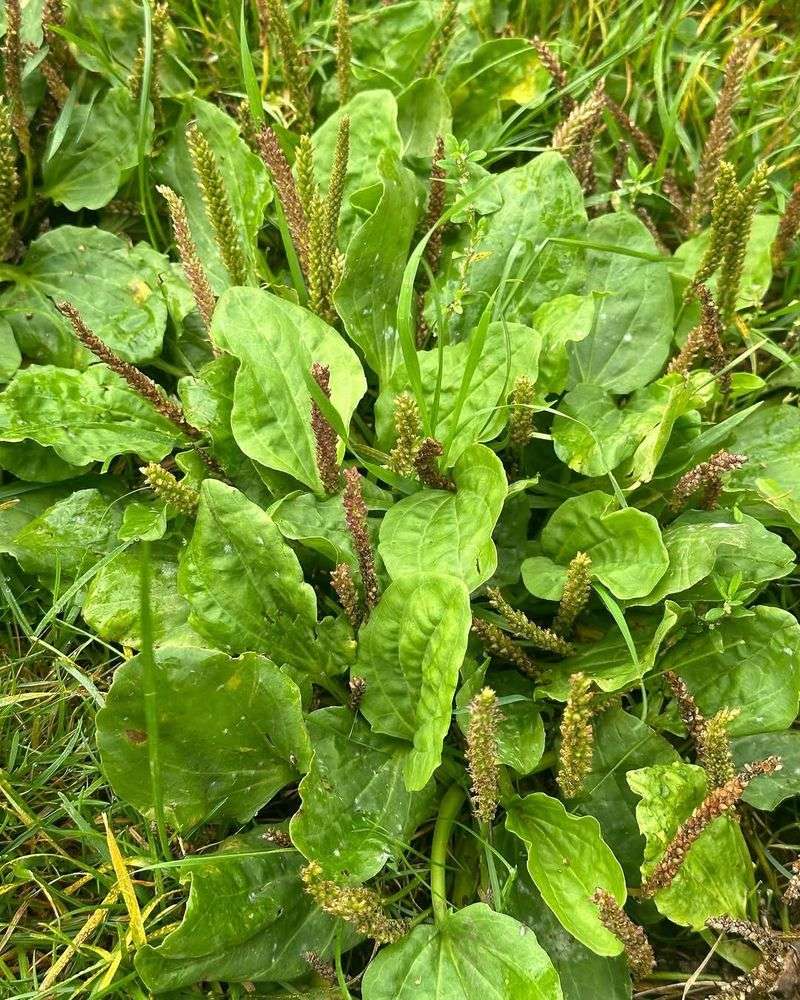
Weeds that get ignored in April do not stay small and manageable. By June, what started as a few scattered plants can turn into a lawn that looks more like a weed patch than turf.
Georgia spring conditions, with warm days, regular rain, and soil that is waking up, are genuinely ideal for weed establishment and seed spread.
Common Georgia spring weeds like henbit, chickweed, and annual bluegrass are already flowering and setting seed by mid-April. Each plant can produce hundreds of seeds, and those seeds do not go anywhere.
They sit in the soil and germinate later in the season or the following year. Letting them go to seed in April multiplies the problem significantly.
Post-emergent herbicides applied in April can address broadleaf weeds that are already visible without harming most established warm-season grasses.
Reading the label carefully matters because some products are not safe for Centipede grass, which is common in parts of Georgia.
Spot treating is often more practical than broadcast spraying for light infestations.
Hand-pulling works for small patches, especially in areas near garden beds where herbicide drift is a concern. Getting the root out along with the top of the plant is key, because weeds that are simply snapped off at soil level often regrow quickly.
A thick, healthy lawn is the best long-term defense against weeds. Thin turf from other April mistakes, like scalping or compaction, gives weeds the open space they need to move in and spread across a Georgia lawn.