6 Georgia Shrubs Safe To Prune In March And 3 That Should Wait
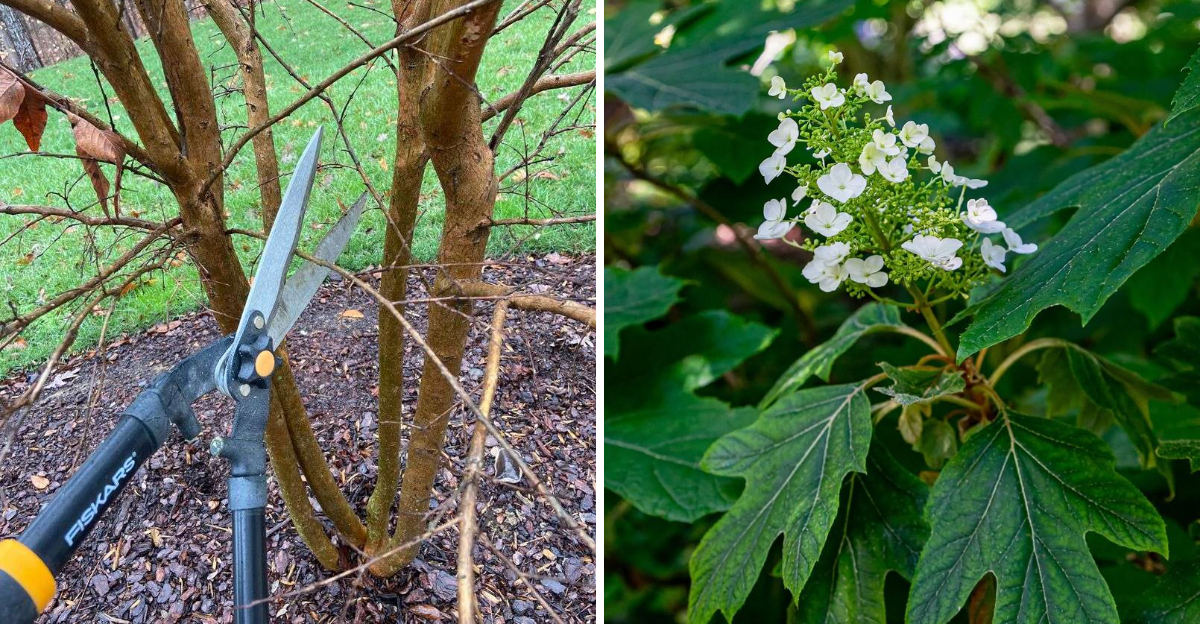
March pruning can be helpful in Georgia gardens, but it only works when the right shrubs are trimmed at the right time. Some shrubs respond well to an early spring cutback and quickly push out fresh growth once temperatures begin to warm.
Others are already preparing their flower buds, and pruning them now would remove the very blooms gardeners are waiting to see.
This is where timing makes all the difference. Georgia’s mild late winter and early spring can make it tempting to clean up every shrub at once, but a careful approach protects both plant health and seasonal blooms.
A few shrubs benefit from light pruning in March to remove winter damage, improve shape, and encourage stronger new growth. At the same time, several popular flowering shrubs are better left alone until after they finish blooming.
Knowing which ones fall into each group keeps the garden looking full and healthy as spring unfolds.
1. Spirea Blooms On New Wood And Tolerates Early Spring Pruning
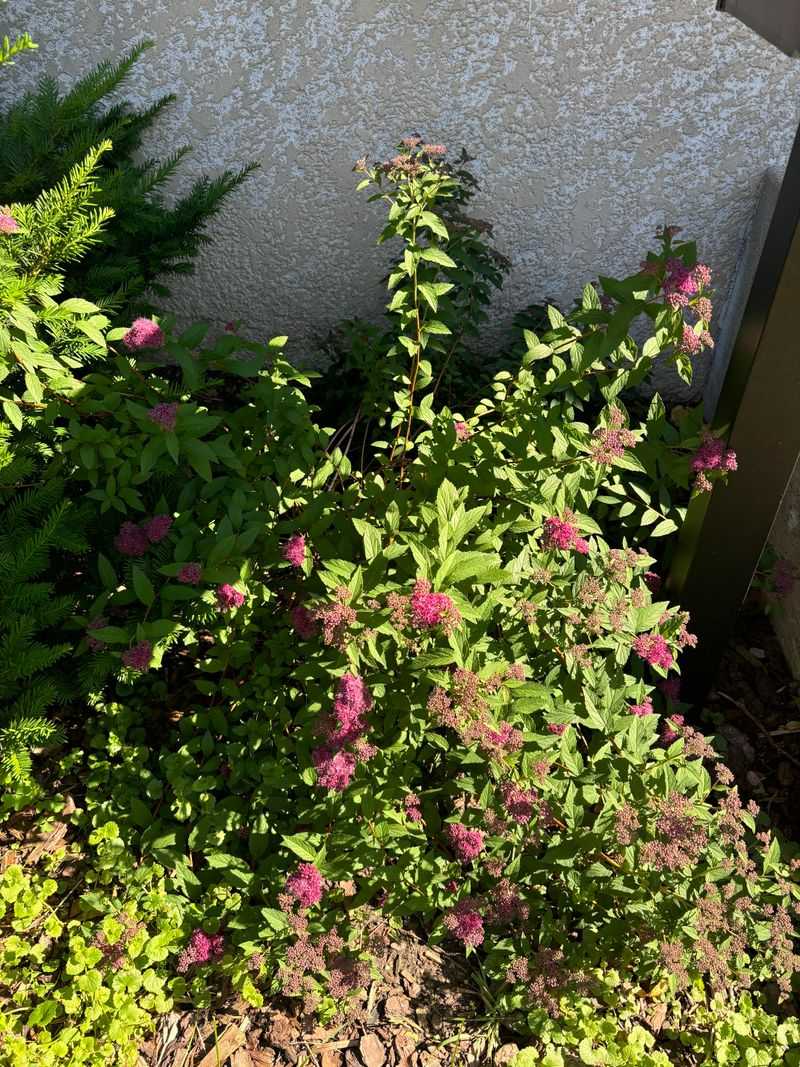
Spirea is one of those shrubs that practically invites you to cut it back hard in early spring. Because it blooms on new wood grown during the current season, pruning in March gives it plenty of time to push out fresh stems loaded with flowers before summer arrives.
In Georgia, where temperatures can climb quickly after late February, getting in early with your pruners is smart. Wait too long and the plant is already spending energy on growth you are about to remove.
Early March is the sweet spot before new green shoots really take off.
Cut spirea back by about one-third to one-half of its total height. Focus on removing the oldest, woodiest stems at the base to encourage younger, more vigorous growth from the crown.
Sharp bypass pruners make cleaner cuts than anvil types and reduce the chance of crushing soft tissue.
Avoid shearing spirea into a tight ball shape. That approach looks tidy for about two weeks, then produces a dense outer shell of weak, twiggy growth.
Open up the center of the plant instead so air and light can reach the interior, which keeps the whole shrub healthier through the hot Georgia summer ahead.
2. Beautyberry Responds Well To Late Winter Cutbacks
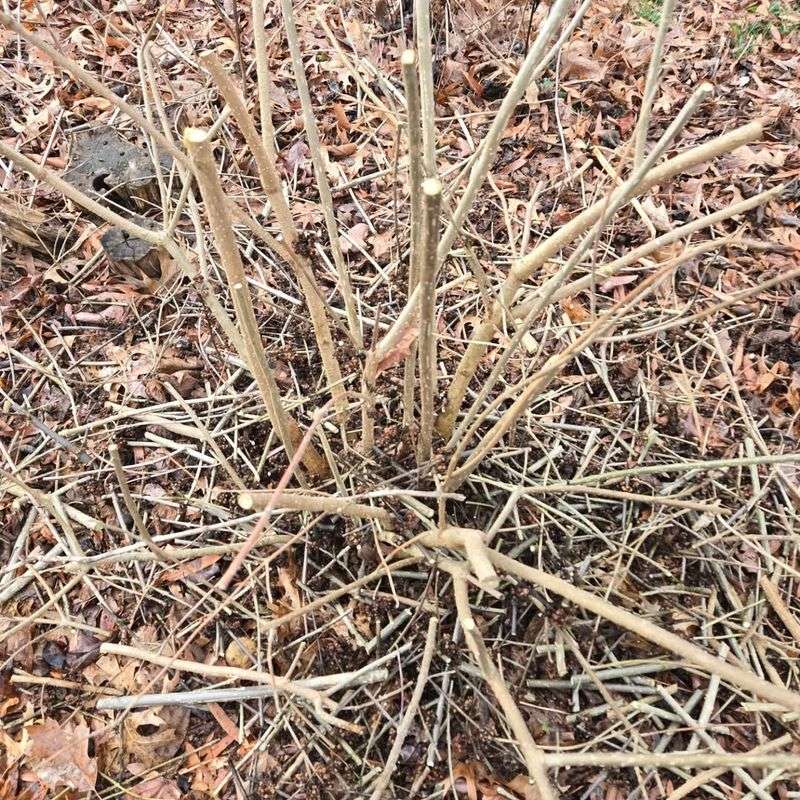
Few shrubs get as much attention in a Georgia yard come fall as beautyberry, with those electric purple berries clustered tight along every arching stem. But by late winter those stems are looking rough, and that is exactly when you want to grab your loppers.
Beautyberry produces its berries on new wood, so cutting it back hard in late February or early March does not hurt the show at all. In fact, a harder cut usually means longer, more vigorous stems and a better berry display come autumn.
Some gardeners cut the whole plant down to about six inches from the ground and it bounces back fast.
Georgia winters are mild enough that beautyberry rarely suffers serious cold damage, but checking the structure of the branches before you start cutting is still worth doing.
Your Georgia Garden Changes Every Week. Your Plan Should Too.
Gardening in Georgia changes quickly throughout the season. Every Friday you’ll receive a simple weekly plan showing exactly what to plant, prune, fertilize, harvest, and protect so you never miss the right timing.
Remove anything that looks hollow or discolored first, then work on shaping the remaining framework.
No need to be delicate here. Beautyberry is tough and forgiving, and it responds to aggressive pruning better than most shrubs in the Southeast.
Just make sure your cuts are clean and angled slightly so water runs off the exposed wood rather than pooling on the cut surface.
3. Rose Of Sharon Flowers On New Growth And Handles March Pruning
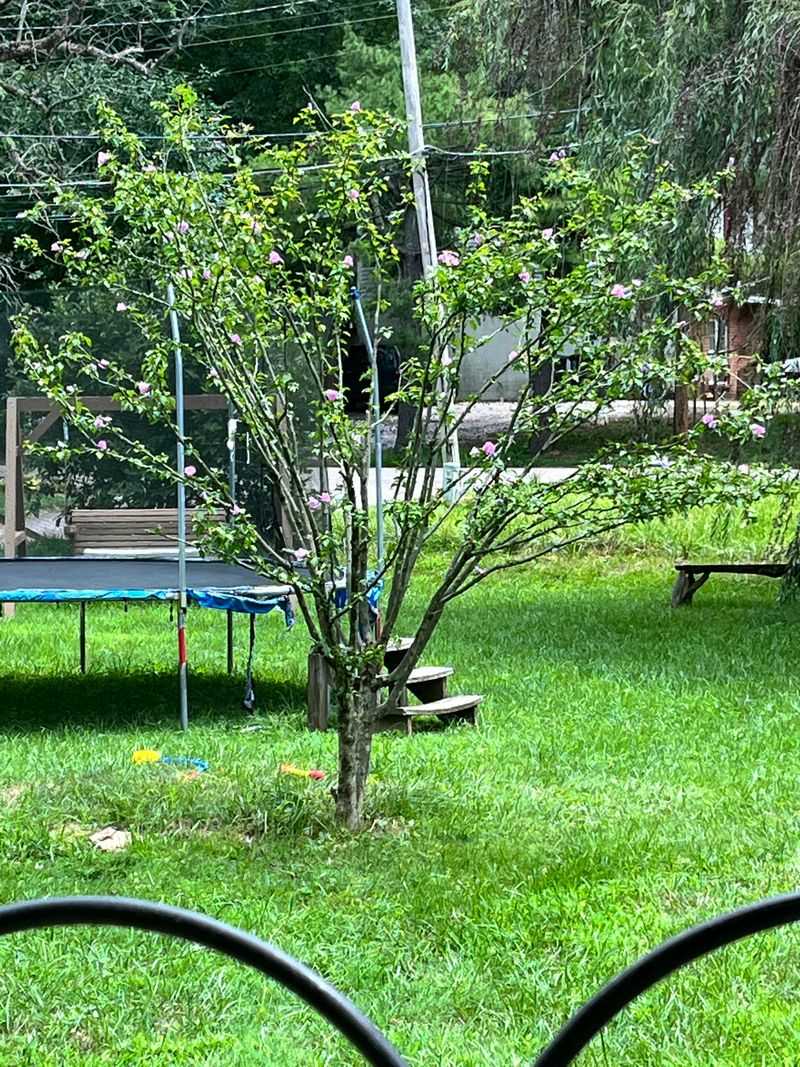
Rose of Sharon is a late-season bloomer that does not even begin to flower until midsummer, which makes March pruning a completely safe call.
All those blooms appear on stems that grow during the current year, so cutting back in early spring actually sets the plant up for a stronger flowering season.
Across Georgia, Rose of Sharon tends to self-seed aggressively if you let the seed pods stay on the plant through winter.
Pruning in March also gives you a chance to remove those old pods before they drop and create a carpet of unwanted seedlings around your garden beds.
A good approach is to cut stems back by about one-third and remove any crossing or rubbing branches entirely. If the shrub has gotten very large and leggy over the years, you can cut it back more dramatically without worrying about losing this year’s bloom.
Keep in mind that Rose of Sharon can look completely lifeless in early March.
Scratch a stem lightly with your thumbnail and look for green underneath the bark before deciding anything needs to come out entirely. Patience pays off with this one.
4. Crape Myrtle Is Traditionally Pruned Before Active Spring Growth
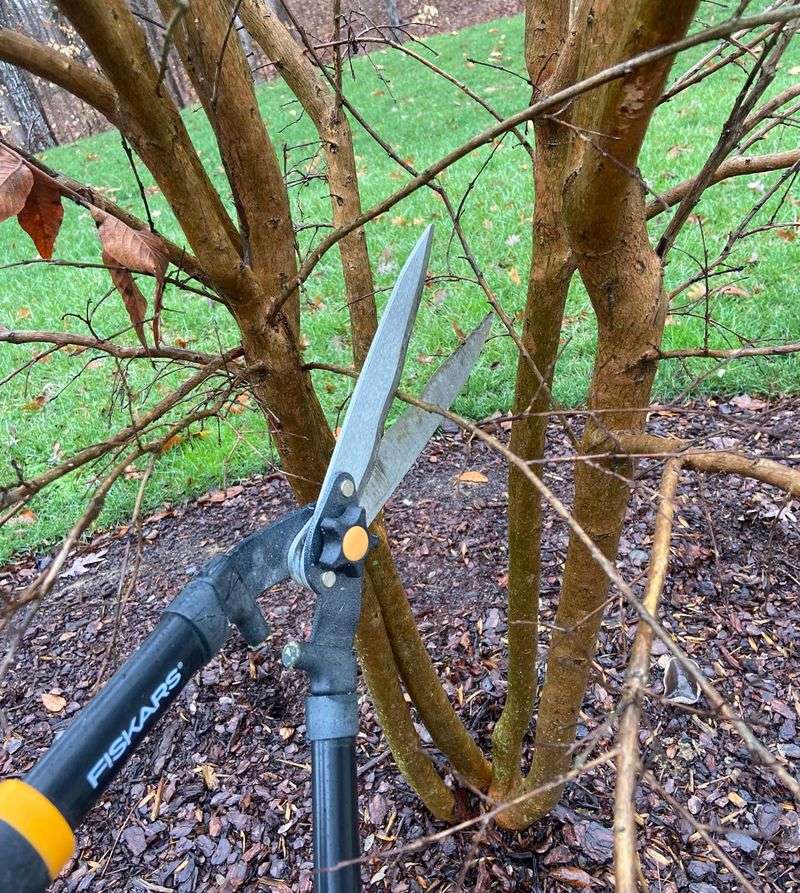
Crape myrtles are everywhere in Georgia, lining driveways, filling front yards, and anchoring landscape beds across the state. March pruning is common, but the way most people do it causes more problems than it solves.
Topping a crape myrtle, which means cutting all the main branches back to thick stubs, is a widespread habit that weakens the tree over time and leads to a burst of weak, whippy regrowth that flops under the weight of summer blooms.
A better approach is selective thinning: remove crossing branches, pull out suckers from the base, and trim side branches that clutter the canopy.
If size is the real concern, choose a smaller variety next time rather than hacking down a mature tree every year.
That said, if you are dealing with a crape myrtle that genuinely needs to be reduced, late February through early March is the right window before new growth begins pushing out.
In Georgia, crape myrtles break dormancy fairly early compared to other states, so do not put this task off past mid-March. Once you see green buds swelling at the branch tips, the window for easy, clean pruning has mostly passed.
Get out there before the plant wakes up fully.
5. Bluebeard Benefits From Early Spring Cutbacks
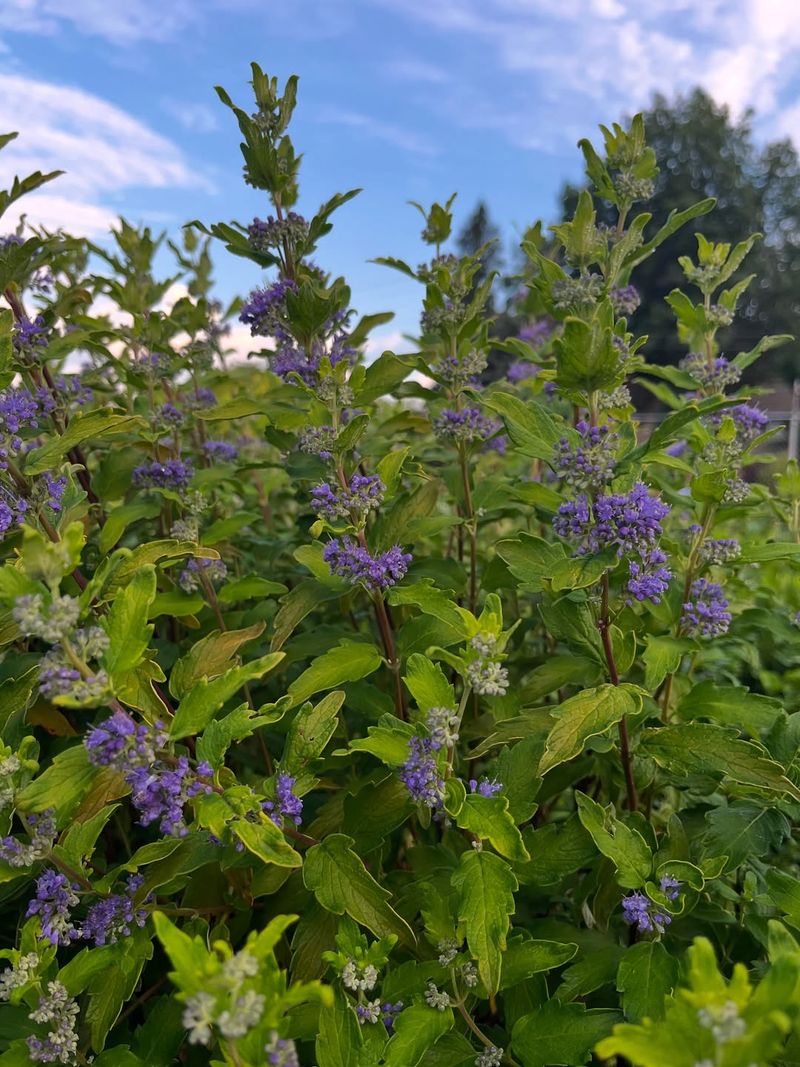
Bluebeard, also called Caryopteris, is one of those late-summer bloomers that earns its place in a Georgia garden through sheer toughness in heat and humidity. By the time March rolls around, the old stems from last year are dry, brittle, and ready to come off.
Because Bluebeard flowers on new wood pushed out during spring and summer, cutting it back hard in early March does nothing but help it.
Most experienced Georgia gardeners cut the whole plant back to within a few inches of the ground or to the lowest set of visible buds on each stem.
It looks severe but the plant recovers quickly once soil temperatures rise.
One thing to watch for is winter damage. In colder parts of north Georgia, Bluebeard can get hit by late freezes that blacken the upper stems.
Even if the top growth looks completely gone, the root system is usually fine and will push new growth once things warm up.
Bluebeard pairs well with ornamental grasses and coneflowers in sunny border plantings. After pruning, a light layer of compost around the base gives the plant an early nutrition boost as it starts its new growth cycle.
Keep the compost pulled back slightly from the crown to avoid moisture buildup around the base.
6. Sweetshrub Can Be Lightly Shaped Before New Growth Begins
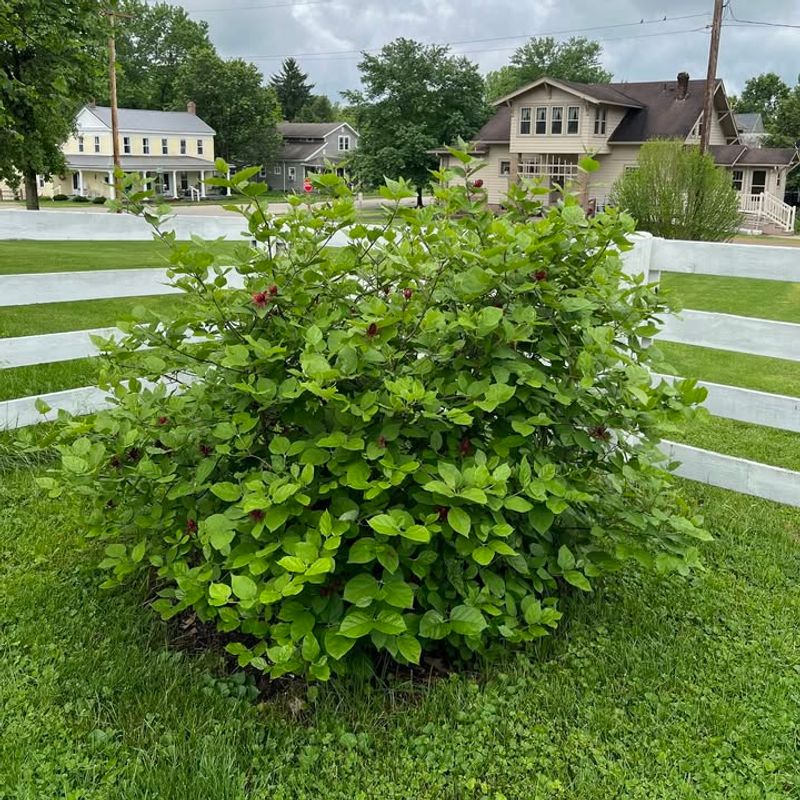
Sweetshrub has one of the most distinctive fragrances of any native plant you will find growing in Georgia.
The dark burgundy flowers smell like a cross between strawberries and spiced wine, and they appear in spring on wood that was set during the previous growing season.
That matters for pruning timing. Because sweetshrub sets a portion of its flower buds on old wood, you want to be careful about how much you remove in March.
Light shaping is fine, but aggressive cutting risks reducing your spring bloom. Stick to removing crossing branches and any growth that is clearly out of bounds.
Sweetshrub tends to spread by suckering from the base, so March is also a good time to pull or cut back any rooted suckers that have wandered beyond where you want the plant to grow. This keeps the clump tidy without disrupting the main flowering structure.
In shaded spots under tall trees, which is where sweetshrub does best across much of Georgia, the plant often grows more open and leggy than in sunnier locations.
Removing a few of the oldest interior stems each year helps keep air moving through the plant and encourages denser growth from the base over time.
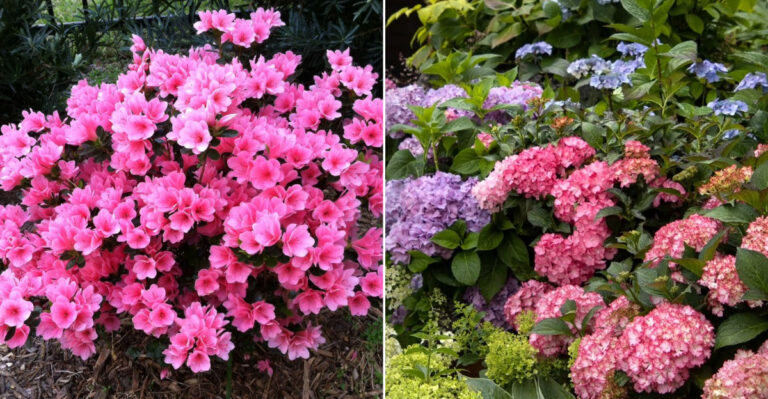
7. Azalea Sets Flower Buds Early And Should Be Pruned After Bloom
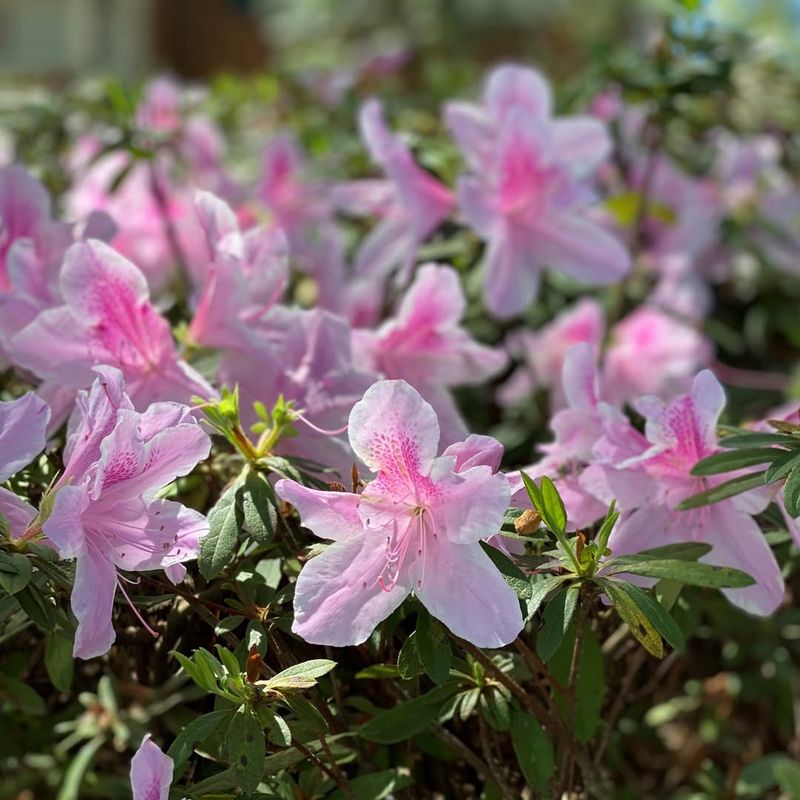
Azaleas are probably the most iconic spring flowering shrub in Georgia, and they are also one of the most commonly pruned at the wrong time.
Cutting them back in March means cutting off the flower buds that have been sitting on those stems since last summer, and the result is a shrub full of leaves and zero flowers.
Azaleas set their buds for the following year almost immediately after they finish blooming in spring. That gives you a relatively short window to prune, typically right after the flowers drop in late April or May, before the plant starts locking in next year’s buds.
Across Georgia, azaleas bloom at different times depending on variety, so check your specific plants rather than going by a calendar date. Some early varieties finish by late March while others peak in mid-April.
Wait until the last petal has dropped before picking up your pruners.
Light shaping right after bloom is usually all that is needed. Removing a few long, wayward branches and opening up the interior of dense plants is enough to keep them looking good without disrupting next year’s bloom cycle.
Major renovation pruning, if needed, is better spread out over two or three seasons rather than done all at once.
8. Camellia Pruning Is Best Done After Flowering Ends
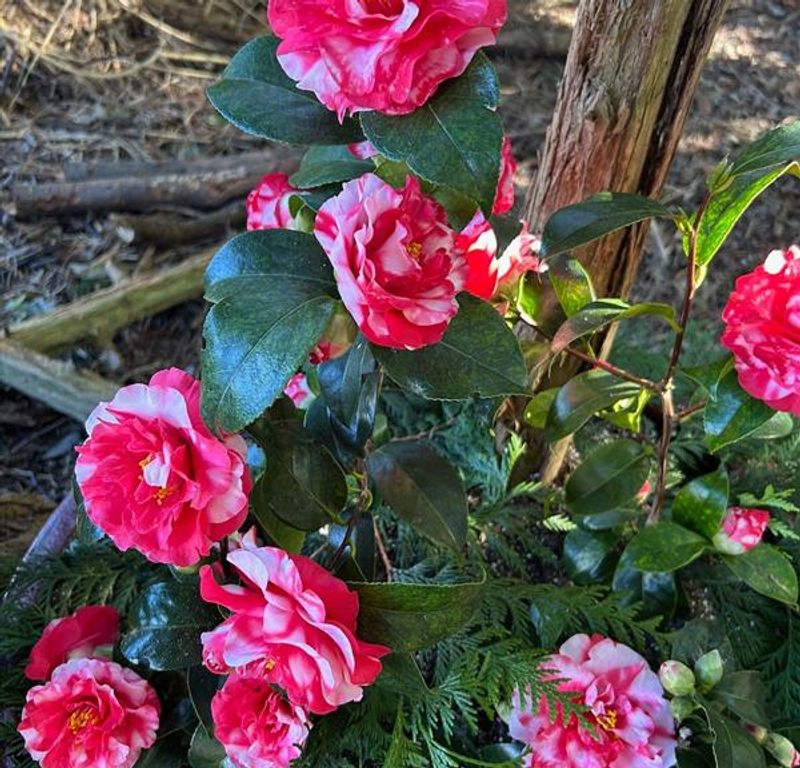
Camellias bloom during some of the coolest months of the year in Georgia, which makes them unusual and genuinely valuable in a landscape that goes quiet from November through February.
Pruning them in March, before the flowers have fully finished, cuts the show short for no good reason.
Camellia japonica varieties often bloom from late winter into early spring depending on the year and the location in the state.
Camellia sasanqua varieties typically bloom in fall, so their pruning window is different and falls in late November or early December after flowering wraps up.
For spring-blooming japonicas, wait until the last blooms have dropped before you start shaping. In most parts of Georgia that means sometime in March or April, depending on how the season has gone.
Pruning right after bloom gives the plant the maximum amount of time to set new growth before the following year.
Keep cuts clean and do not remove more than about one-third of the plant at a time. Camellias are slow growers and heavy pruning can set them back noticeably.
Focus on removing crossing branches and any stems that are growing directly into the center of the plant where air circulation is already limited.
9. Oakleaf Hydrangea Blooms On Old Wood And Should Not Be Cut In March
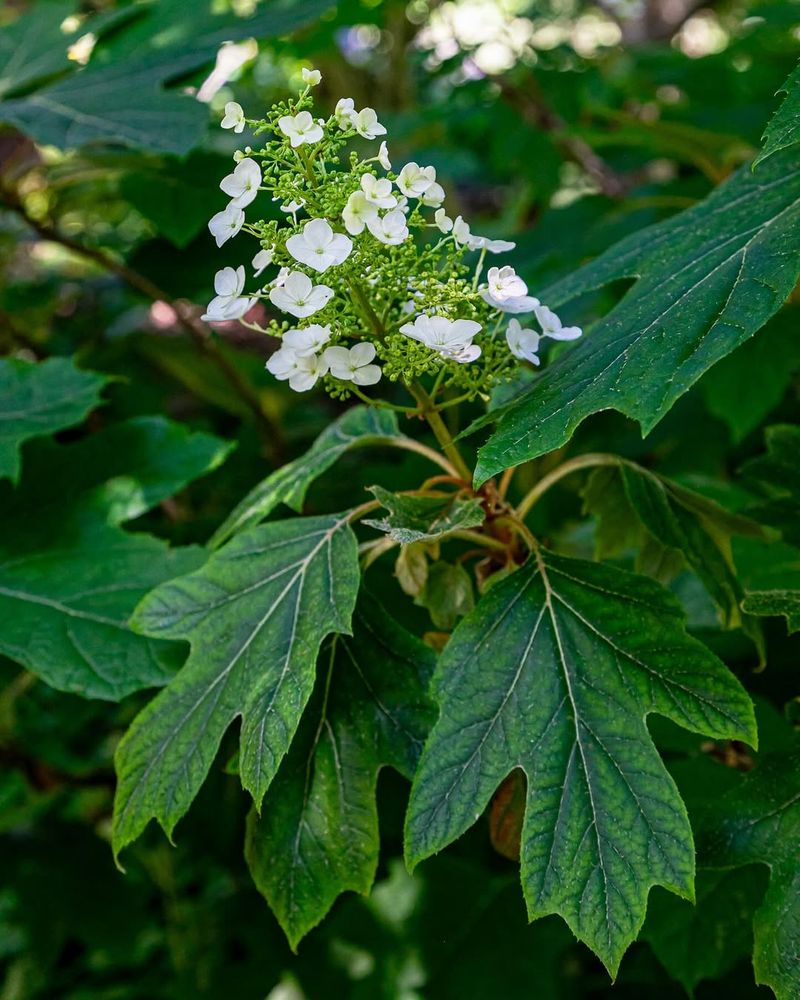
Oakleaf hydrangea is one of the best shrubs you can plant in a Georgia garden, partly because it tolerates heat and drought better than most other hydrangea types. But it is also one of the easiest to accidentally ruin with poorly timed pruning.
Every flower cluster that opens on an oakleaf hydrangea in early summer formed on wood that grew during the previous season. Cut those stems back in March and you are removing the exact wood that holds this year’s bloom.
The plant will survive and push new growth, but it will not flower until the following year.
Pruning should happen in late June or July, right after the flowers have finished. That timing lets the plant set new growth for the rest of the summer, which then matures and carries next year’s buds through winter.
Waiting until after bloom is the only way to avoid losing the flower display.
In Georgia, oakleaf hydrangeas also develop attractive peeling bark and bold fall foliage, so they earn their space in the yard beyond just the summer flowers. Resist the urge to cut them back in late winter even if they look ragged after a hard freeze.
New growth will emerge from the base and along the stems once temperatures climb in April.