7 Native Georgia Perennials To Plant In Mid-April For Long Summer Blooms
Mid April in Georgia brings a shift that many gardeners wait for, when soil feels warmer, days stretch longer, and planting starts to feel more reliable. It is one of those moments when the garden begins to move forward in a noticeable way.
Some plants respond especially well during this time, settling in early and building strength before summer heat starts to take over. That early start often leads to fuller growth and a more consistent display once the season reaches its peak.
Native perennials stand out in this window because they match local conditions and tend to hold up better through changing weather. They do not need constant adjustments, and they continue to perform once established.
Choosing the right ones now can shape how the garden looks for months, especially when long lasting color and steady growth matter most through the Georgia summer.
1. Black Eyed Susan Brings Steady Yellow Blooms Through Summer
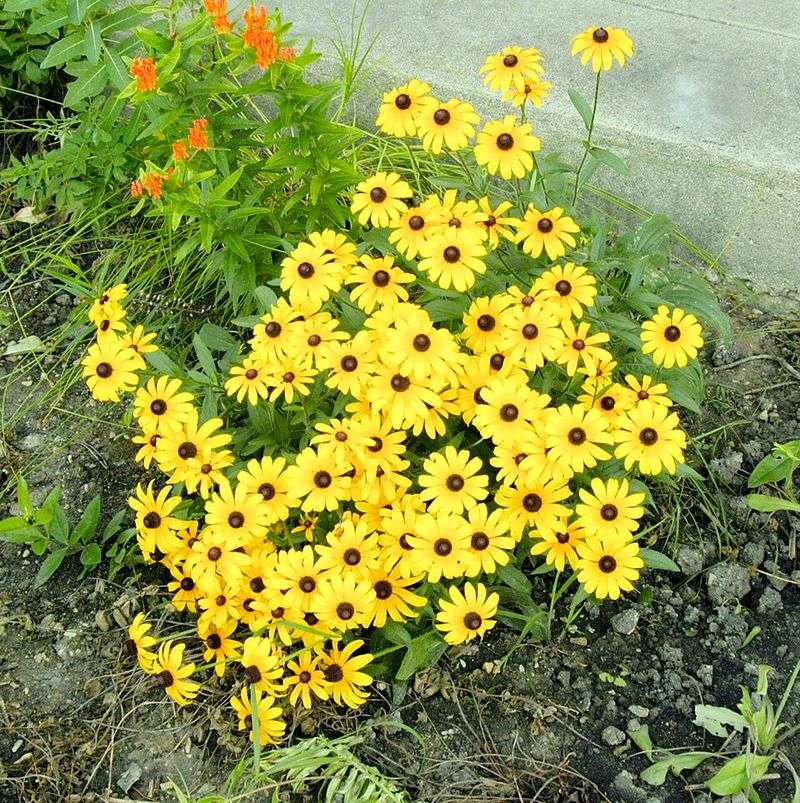
Few flowers put on a show quite like Black-Eyed Susan does in a Georgia summer. Those bright yellow petals around a deep brown center are hard to miss, and once a patch gets going, it tends to spread in a way that fills gaps you forgot you had.
Planting in mid-April gives the roots time to anchor before the heat arrives, which makes a real difference come July.
Rudbeckia hirta grows best in full sun with decent drainage. Heavy clay that stays soggy after rain can cause root problems, so if your soil holds water, mixing in some compost before planting helps a lot.
Sandy or loamy spots in Georgia tend to suit this plant just fine without much fuss.
Blooms typically start showing up in early to mid-summer and can carry through into fall if the plant stays reasonably healthy. Deadheading spent flowers, meaning snipping off the old blooms before they go to seed, can stretch the blooming period noticeably.
You do not have to be obsessive about it, but checking in every week or two pays off.
Bees and butterflies visit regularly when it is in bloom, so it pulls double duty as both a visual plant and a pollinator resource. Black-Eyed Susan also reseeds itself naturally, which means you may find new plants popping up in nearby spots the following spring.
In Georgia gardens, that kind of self-sufficiency is genuinely useful, especially when you want color that keeps returning without constant replanting.
It also makes it easier to build a fuller planting over time without needing to add new plants every season.
2. Purple Coneflower Handles Heat While Blooming For Weeks
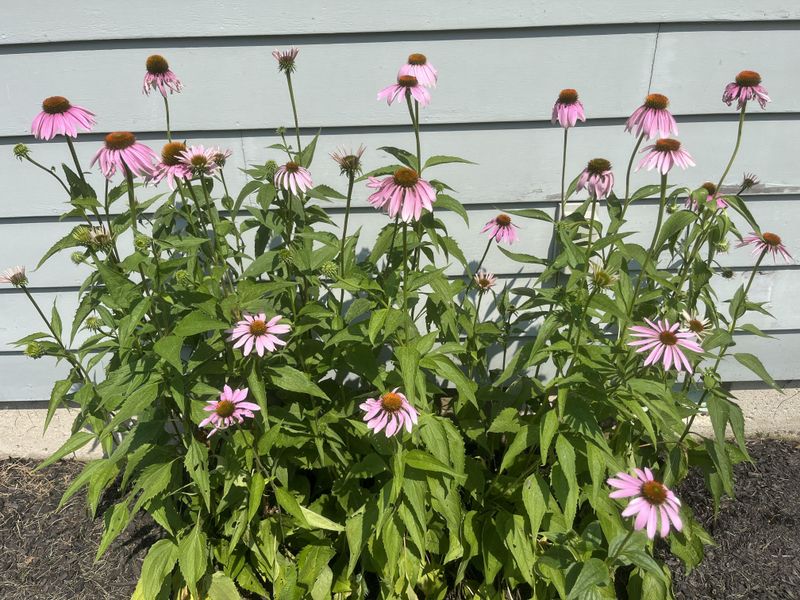
Echinacea purpurea does not flinch when Georgia temperatures climb into the nineties. Most plants start looking rough by mid-July, but purple coneflower keeps pushing out blooms even when the air feels thick and the ground dries out between rain events.
That kind of staying power is exactly what you want from a summer perennial.
Plant it in full sun for the best flower production, though it can manage in spots that get some afternoon shade without completely shutting down. Soil drainage matters more than soil richness here.
Your Georgia Garden Changes Every Week. Your Plan Should Too.
Gardening in Georgia changes quickly throughout the season. Every Friday you’ll receive a simple weekly plan showing exactly what to plant, prune, fertilize, harvest, and protect so you never miss the right timing.
Coneflower planted in ground that drains well will outperform one planted in rich, wet soil almost every time in Georgia’s climate.
Mid-April planting gives the root system a few solid weeks to develop before summer heat peaks. Young plants may not bloom heavily in their first season, which is completely normal.
By the second year, established clumps tend to bloom more freely and for longer stretches, often from mid-summer into early fall.
Pollinators absolutely work these flowers hard. Bees of several species, butterflies, and even the occasional hummingbird visit the blooms regularly.
Leaving the seed heads standing after flowering ends also brings goldfinches and other small birds into the garden during late summer and fall.
Purple coneflower spreads slowly through both seeds and root division, so a single plant can gradually turn into a small colony over several seasons. Thinning the clump every few years keeps plants vigorous and prevents overcrowding in tighter beds.
3. Coreopsis Keeps Producing Bright Flowers With Minimal Care
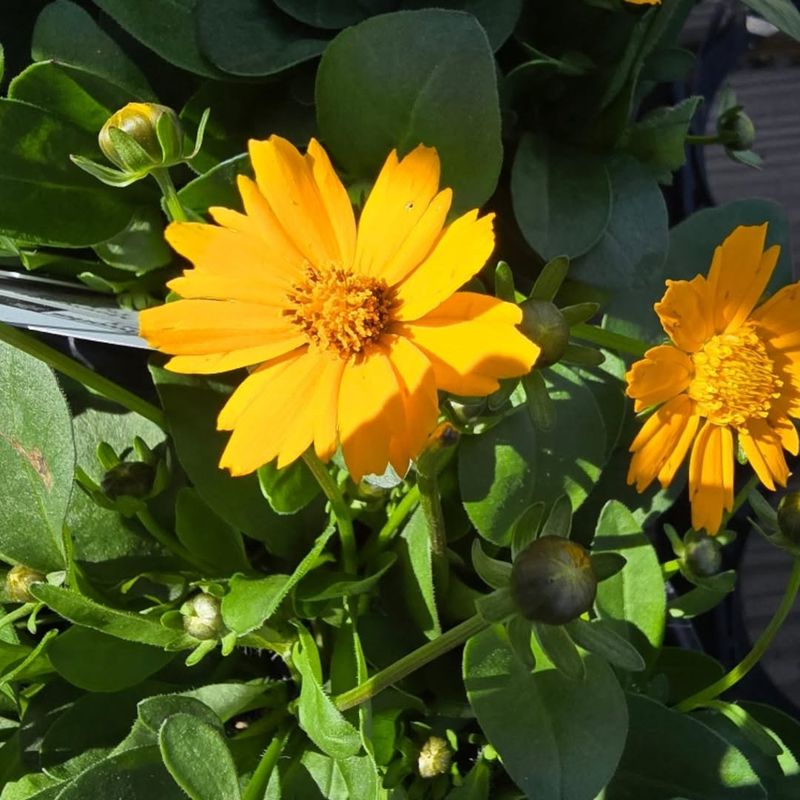
Coreopsis has a reputation for being almost too easy, but that reputation is honestly well-earned. Plant it in a sunny spot with decent drainage, and it tends to bloom steadily from early summer onward without demanding much attention.
For Georgia gardeners who want reliable color without constant upkeep, this plant earns its place in the bed.
Coreopsis tinctoria, the plains coreopsis, is a native species that handles Georgia’s heat without much complaint.
The flowers are small and daisy-like, usually yellow with reddish-brown centers, and they come in such numbers that the plant can look almost covered in blooms during peak season.
It has a light, airy quality that works well alongside heavier-textured plants.
Mid-April is a good time to get transplants in the ground because the soil temperature is rising but not yet punishing. Coreopsis does not need particularly rich soil, and in fact overly fertile ground can push leafy growth at the expense of flowers.
Lean, well-drained soil often produces better blooming than heavily amended beds.
Cutting back the plant by about a third after the first heavy flush of blooms can encourage a second round of flowering later in summer. It is not guaranteed, but in many Georgia gardens it works well enough to be worth trying.
Consistent deadheading also helps extend the season noticeably.
Bees and small butterflies visit coreopsis flowers regularly throughout the season. Songbirds sometimes pick at the seed heads in late summer, adding another layer of garden activity once the blooming slows down.
4. Bee Balm Attracts Pollinators While Holding Strong Color
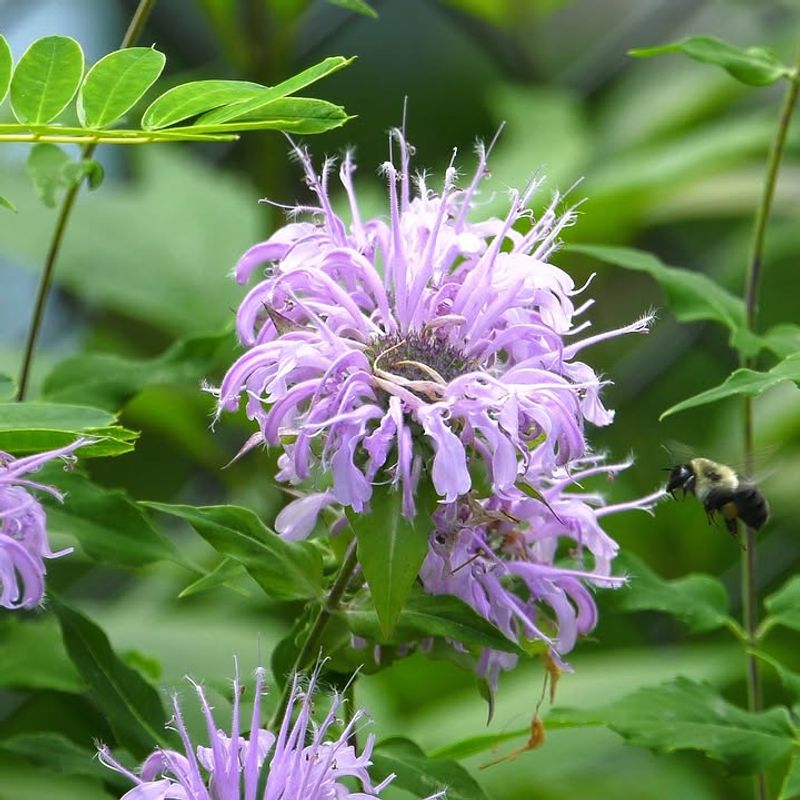
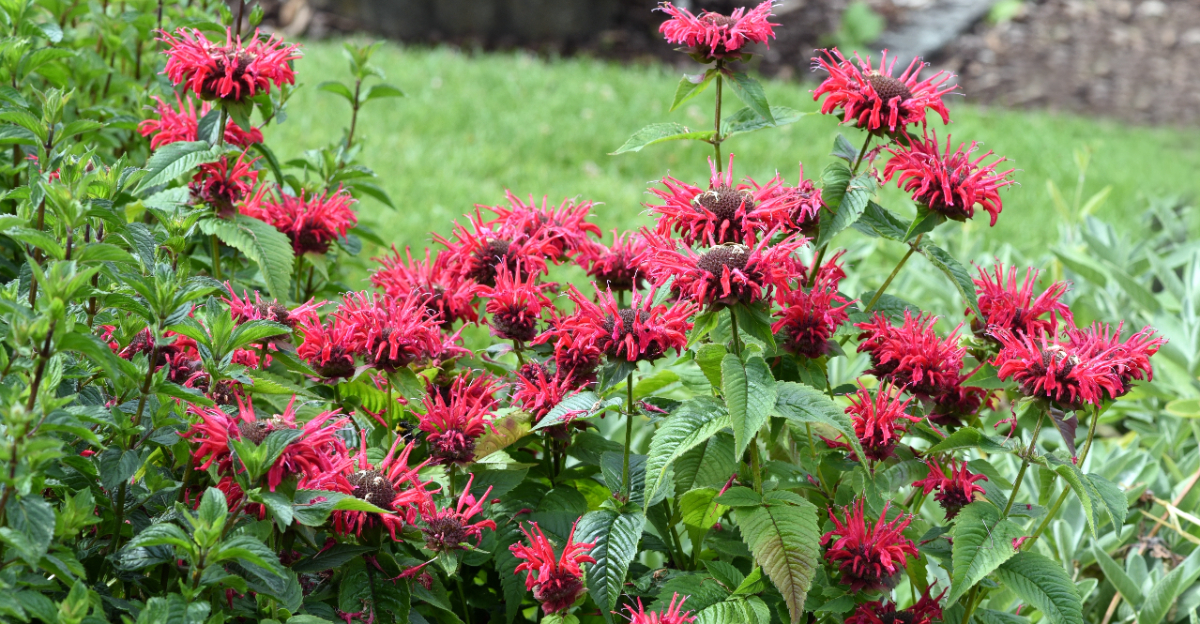
Walk past bee balm on a warm afternoon and the scent hits you before you even see the flowers. Monarda fistulosa, also called wild bergamot, carries an oregano-like fragrance that is surprisingly strong for a wildflower.
That scent is part of why pollinators track it down so reliably, and why gardeners in Georgia tend to keep coming back to it year after year.
Planting in mid-April gives bee balm time to get rooted before the hottest stretch of summer arrives. It prefers full sun to light partial shade and does best in soil that drains reasonably well.
Heavy clay with poor drainage can cause crown rot issues, so breaking up compacted spots before planting is worth the extra work if your yard tends to stay wet.
Blooms arrive in mid to late summer, which is later than some of the other plants on this list. That timing actually works in your favor because it extends the overall bloom season in your garden rather than competing with earlier-flowering plants.
The lavender-pink flower heads are shaggy and distinctive, nothing like the neat, tidy blooms of cultivated garden varieties.
Powdery mildew can show up on the leaves during humid Georgia summers, especially in spots with limited air circulation. Spacing plants at least eighteen inches apart helps, and choosing a location with good airflow makes a real difference.
Leaf appearance may suffer late in the season, but the flowers usually hold up regardless.
Hummingbirds, native bees, and several butterfly species visit the blooms consistently. It is one of the more ecologically active plants you can put in a Georgia pollinator garden.
5. Blazing Star Sends Up Tall Spikes That Bloom Deep Into Summer
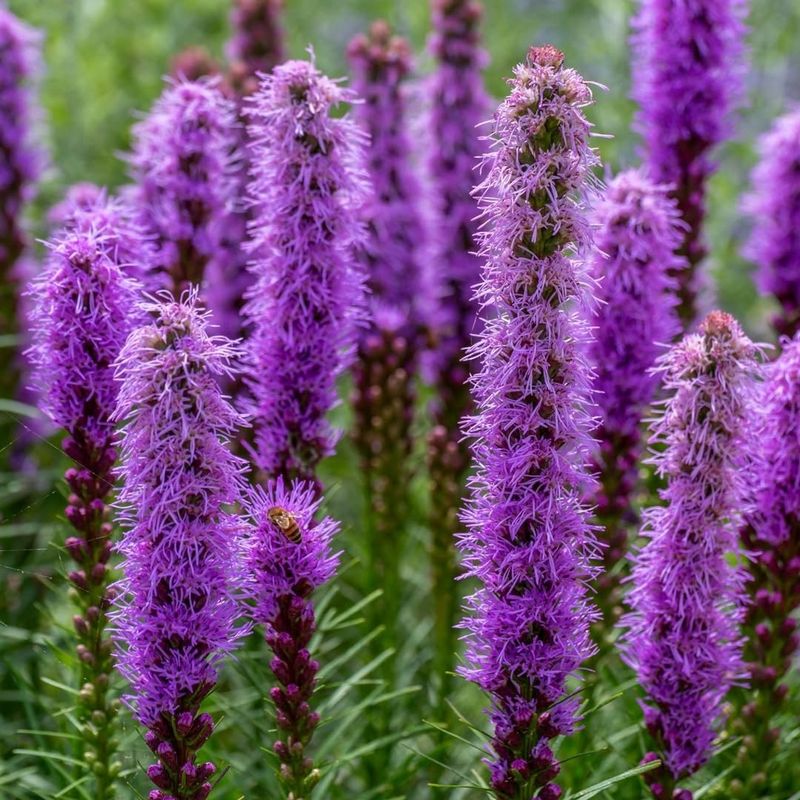
Blazing star does something most perennials do not: it blooms from the top of the spike downward.
That unusual pattern means the flowers open gradually over several weeks instead of all at once, which stretches the visual impact longer than you might expect from a single plant.
In a Georgia garden where summer heat can cut bloom seasons short, that slow progression is genuinely valuable. Liatris spicata grows in upright clumps with grass-like foliage that stays tidy and unobtrusive before the spikes emerge.
Plants started from corms in mid-April will spend the first several weeks building root structure underground before sending up visible growth. Do not get discouraged if early progress seems slow, because once the spikes appear, they move quickly.
Full sun and well-drained soil are the two things blazing star really needs to perform well. Sandy or loamy Georgia soil suits it well.
Heavy, poorly drained clay is harder to work with, but adding organic matter to improve drainage before planting can help considerably.
Blooms typically arrive in mid to late summer, with purple flower spikes reaching anywhere from two to four feet tall depending on growing conditions.
Monarchs and swallowtails visit heavily when it is in bloom, and goldfinches often pick at the seed heads after flowering ends.
Leaving the spent spikes standing into fall gives birds a food source and adds some structural interest to the garden.
Blazing star tends to spread slowly over time, forming wider clumps that can be divided every few years to maintain vigor and share plants with other parts of the garden.
6. Native Garden Phlox Delivers Long Lasting Summer Color
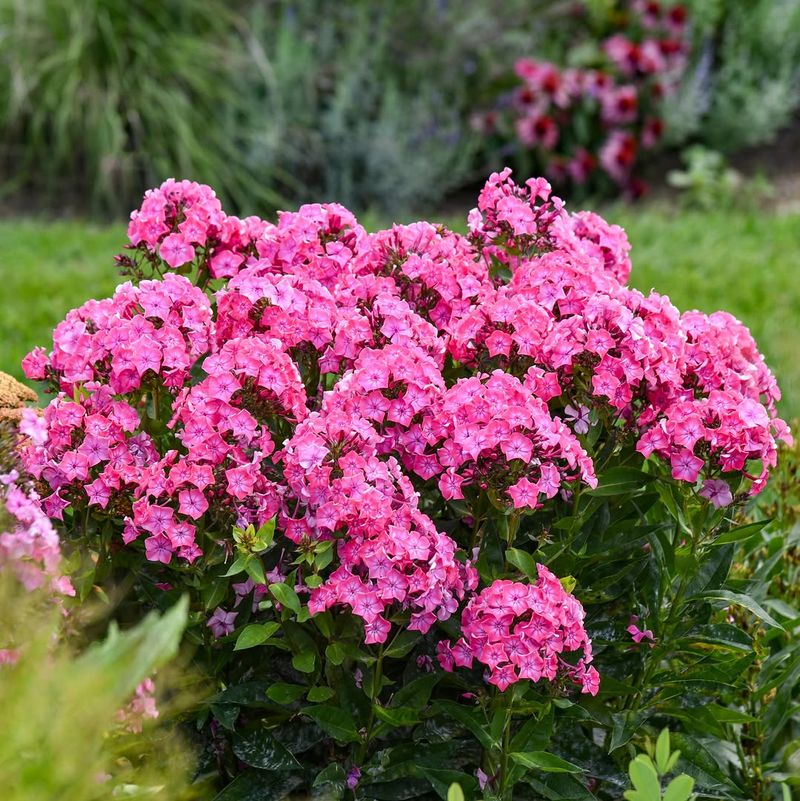
Garden phlox has been growing in Georgia’s woodlands and meadows long before it showed up in nursery catalogs.
Phlox paniculata is the native species behind most of the cultivated varieties sold today, and planting it in mid-April gives it a solid start before the heat of summer really settles in.
The clusters of fragrant flowers in shades of pink, lavender, and white are some of the most recognizable blooms in a summer garden.
Height is one of phlox’s strengths. Mature plants can reach three to four feet, which makes them useful at the back of a border or as a backdrop for shorter bloomers like coreopsis or black-eyed Susan.
Spacing matters a great deal with phlox because crowded plants have poor air circulation, and that invites powdery mildew, which is already a concern in Georgia’s humid summers.
Aim for at least eighteen to twenty-four inches between plants and choose a spot with morning sun and some afternoon shade if possible.
Full sun works fine in many Georgia locations, but afternoon shade can reduce stress on the plants during the hottest weeks of summer.
Blooms usually arrive from mid-summer onward and can continue for four to six weeks under decent conditions.
Cutting back the spent flower heads may encourage some rebloom later in the season, though results vary depending on rainfall and overall plant health that year.
Hummingbirds and swallowtail butterflies are regular visitors to phlox blooms. The fragrance, which is strongest in the evening, adds a sensory layer to the garden that most flowering plants simply do not offer.
7. Butterfly Weed Handles Heat While Blooming Through Summer
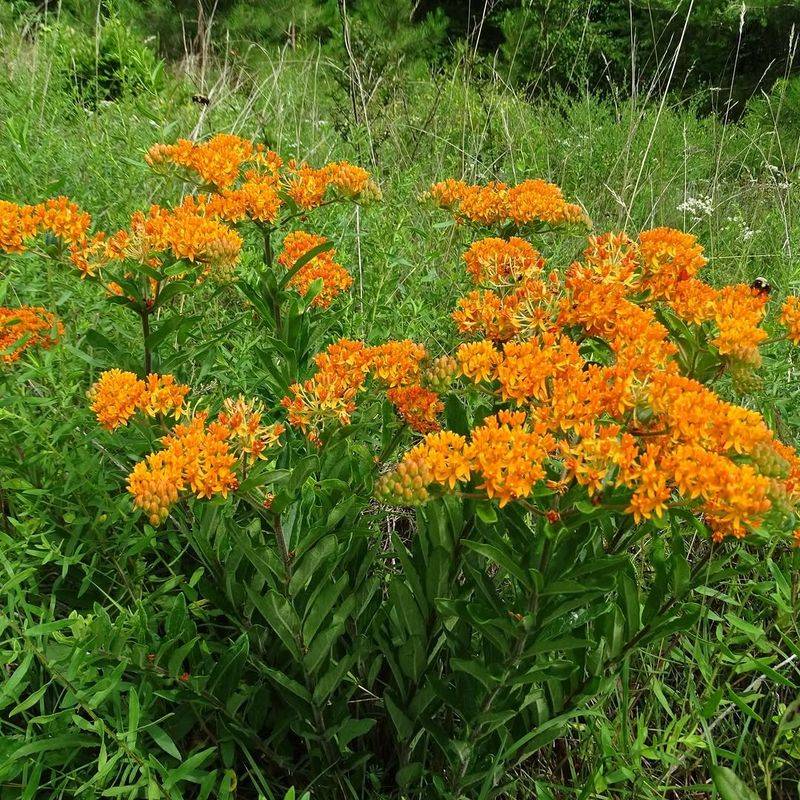
Butterfly weed settles in quickly when planted in mid April, especially as Georgia soil begins to warm and hold steady moisture without staying soggy.
That early timing gives roots a chance to establish before the heavier heat of summer starts building, which makes a noticeable difference in how the plant performs later in the season.
Asclepias tuberosa is known for its vivid orange blooms that stand out immediately once flowering begins. The color holds well even through strong sun, and the plant continues producing flowers steadily rather than fading after a short burst.
Blooms usually start in late spring and can continue well into summer when conditions stay reasonably stable.
Full sun is where butterfly weed performs best. It prefers well drained soil and actually handles lean, sandy, or slightly rocky ground better than rich, heavily amended beds.
Too much moisture around the roots can slow growth, so areas that dry out between watering tend to work in its favor.
Once established, it does not need frequent watering. Occasional deep watering during extended dry periods is enough, and overwatering can do more harm than good.
Its deep taproot helps it stay stable during heat and dry stretches, which is one of the reasons it holds up so well in Georgia gardens.
Pollinator activity around butterfly weed is constant during bloom. Butterflies, especially monarchs, are drawn to it, along with bees that visit throughout the day.
It brings movement and steady color at a time when many other plants begin to slow down.