4 Arizona Perennials That Are Safe To Trim In March And 5 That Should Wait
March can be a confusing time for pruning in Arizona gardens. Some perennials are ready for a quick trim that helps them grow back fuller and stronger, while others still need a little more time before being cut back.
Trimming too early can remove developing growth or delay flowering, which is why timing matters more than many gardeners realize.
As temperatures begin to warm and daylight increases, certain Arizona perennials respond well to light pruning. Cleaning up old stems and shaping the plant can encourage fresh growth and keep the garden looking tidy as the season moves forward.
At the same time, a few plants are better left alone for now, especially those preparing to bloom or still recovering from cooler weather.
Knowing which perennials can be safely trimmed in March and which ones should wait can make a big difference in how healthy and full they look later in the season.
1. Autumn Sage Responds Well To A March Cutback In Arizona

Autumn sage is one of the most forgiving plants you can grow in Arizona, and March is exactly the right moment to give it a reset.
By late winter, the stems tend to get woody and leggy, and a good cutback encourages a flush of fresh new growth right when temperatures start warming up.
Cut back about one-third of the overall plant, not all the way to the ground. You want to leave some leafy growth on the stems rather than cutting into bare wood.
Sharp, clean pruners make a real difference here since rough cuts on woody stems can invite problems later.
After trimming, Autumn sage in Arizona typically rebounds fast. Within a few weeks, you will notice compact new growth filling in from the base and along the stems.
That tighter shape leads to more blooms through spring and into summer, which is exactly what you are going for. Skipping the March trim often results in a sprawling, open plant that flowers less and looks tired by May.
A little effort now pays off with a fuller, more productive plant for the rest of the growing season in the desert.
2. Damianita Stays Fuller With A Light Early Spring Trim
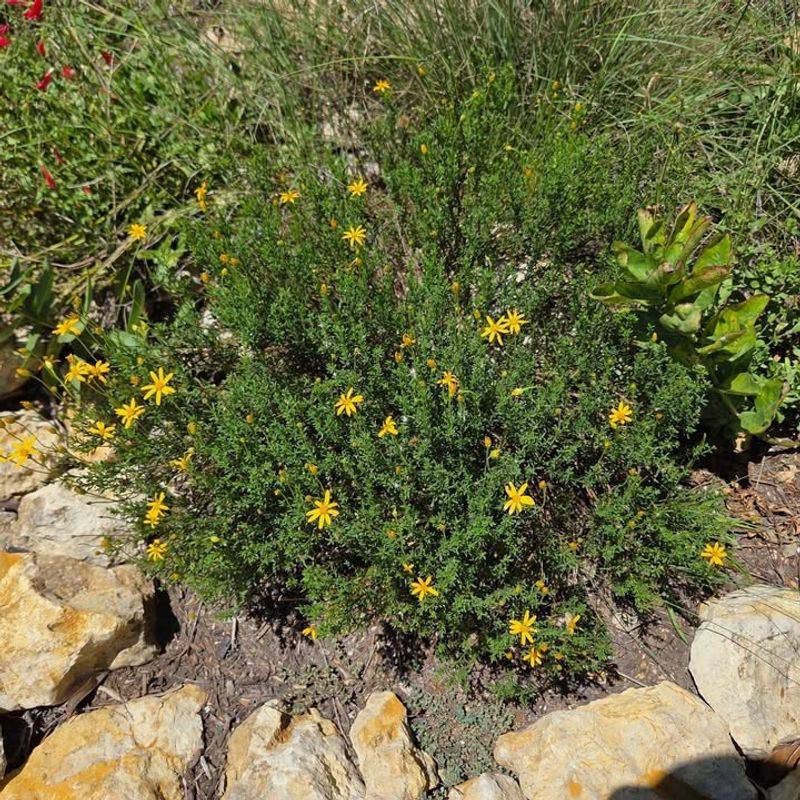
Not every Arizona native needs heavy pruning, and Damianita is a perfect example of a plant that responds best to a light touch. A gentle trim in March helps keep the mounding shape tight without stressing the plant heading into its active growing period.
Damianita naturally forms a low, rounded mound covered in fine needle-like foliage. Over time, the outer edges can get scraggly and the center may start to open up.
Lightly shearing the tips back by a few inches in early March encourages denser growth across the whole plant before the heat arrives.
Skip the urge to cut deep into the plant. Damianita does not respond well to hard cutbacks, and removing too much green growth at once can leave it struggling to recover during the warming weeks ahead.
Focus on the outermost stems and remove any dried-out sections you notice along the edges. In Arizona gardens, Damianita that gets a light early spring cleanup tends to bloom more heavily with its cheerful yellow flowers throughout spring and into early summer.
Your Arizona Garden Changes Every Week. Your Plan Should Too.
Gardening in Arizona changes quickly throughout the season. Every Friday you’ll receive a simple weekly plan showing exactly what to plant, prune, fertilize, harvest, and protect so you never miss the right timing.
Keeping the shape compact also reduces wind damage during Arizona’s breezy spring season.
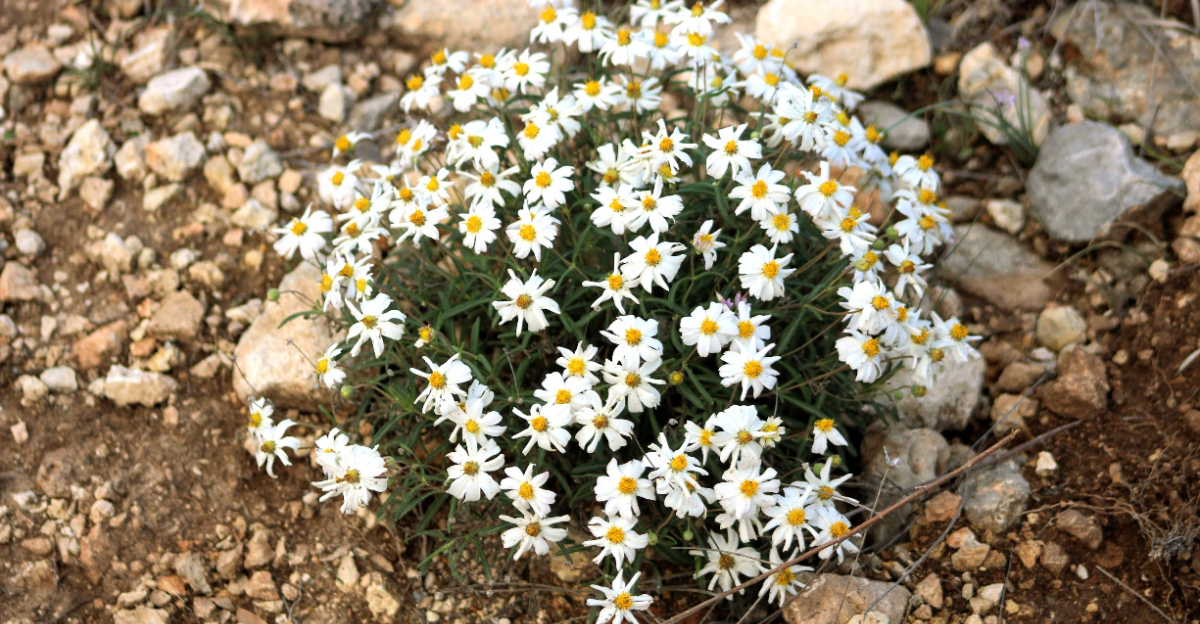
3. Blackfoot Daisy Looks Tidier After A Gentle Spring Prune
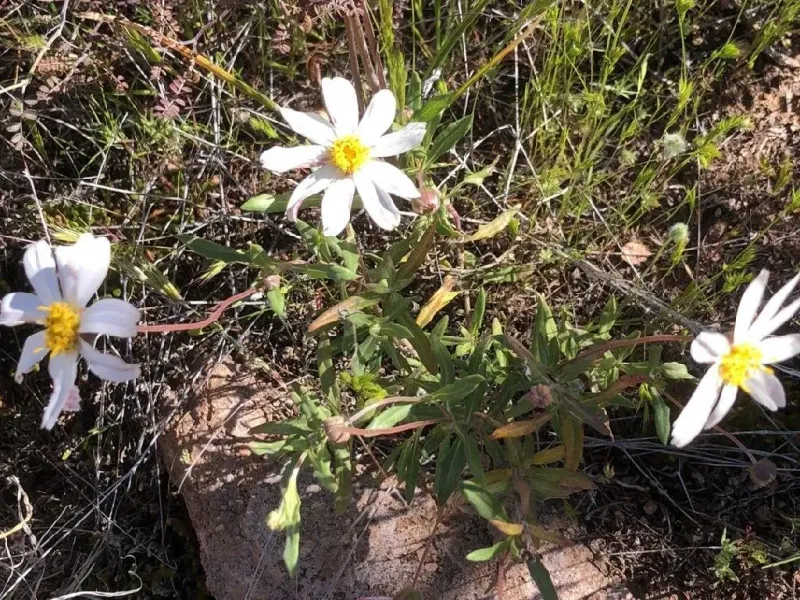
Blackfoot daisy is a tough little plant, but by the end of winter it often looks rough around the edges. Stems get tangled, spent flower heads pile up, and the whole plant can look more like a mess than a garden feature.
A gentle prune in March fixes that quickly.
Rather than shearing the whole plant flat, selectively remove dead and dried stems while keeping healthy green growth intact. Cutting back the oldest stems by about one-third helps stimulate new branching from the base.
Work slowly and check each stem before cutting so you do not accidentally remove stems that are already showing new buds.
Blackfoot daisy in Arizona tends to bloom in waves, and a spring cleanup helps set up that first wave of flowers to be fuller and more uniform. Plants that skip the early prune often bloom unevenly, with some sections flowering while others stay dormant.
Keeping the plant tidy also improves airflow through the center, which matters in Arizona where humidity spikes briefly during monsoon season.
A compact, well-pruned Blackfoot daisy handles summer heat far better than one left to sprawl through spring without any attention at all.
4. Desert Marigold Benefits From Cleaning Up Old Growth
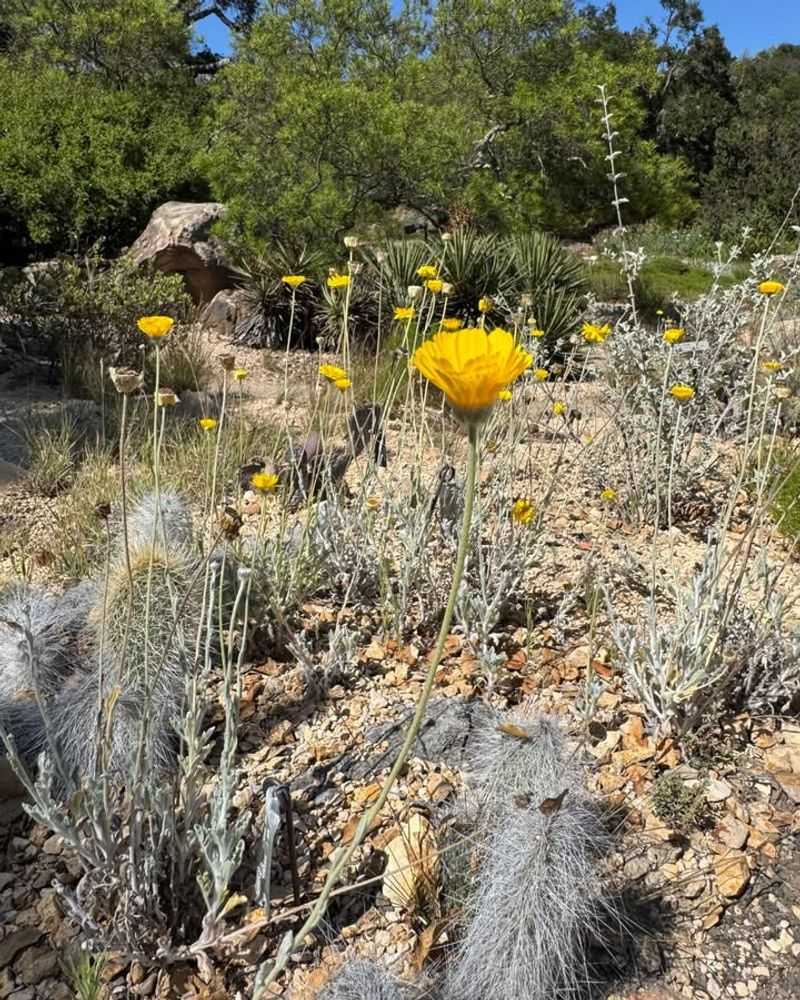
Desert marigold is one of those plants that blooms so enthusiastically it almost forgets to stop. By March, the plant is often loaded with dried seed heads and old flower stalks that need to come off before new growth takes over.
Clearing out that dead material makes a noticeable difference fast.
Focus on removing spent flower stalks and any fully dried stems. You do not need to reshape the whole plant in March, just clean it up.
Removing old seed heads also prevents the plant from putting energy into seed production when you would rather have it channeling that energy into fresh foliage and new blooms.
Arizona gardeners who skip this cleanup often notice their Desert marigold looking patchy and struggling to bloom evenly by April. Old dried growth traps moisture and debris against the crown of the plant, which can create issues as temperatures rise.
A quick cleanup session with gloves and pruners takes maybe fifteen minutes per plant and sets it up for a strong spring flush.
Desert marigold is already well-adapted to Arizona heat, so giving it a clean start in March means more flowers for you to enjoy from spring all the way through fall.
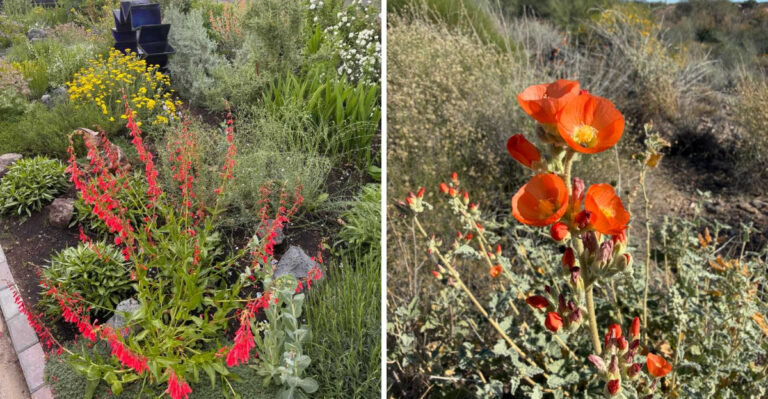
5. Penstemon Flowers First Before Any Cutting Back
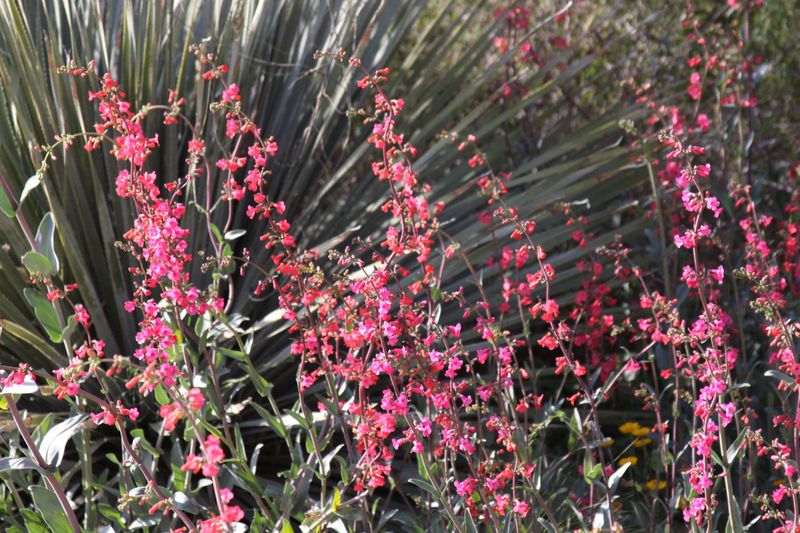
Penstemon is one of the most rewarding bloomers in an Arizona garden, and cutting it back in March would mean cutting off the very flower buds that are already forming.
By early spring, Penstemon is actively preparing to bloom, not resting, so trimming at this stage sets the plant back significantly.
Hold off on any pruning until after the main bloom cycle finishes. Depending on the variety, that could be anywhere from late April through June.
Once the flower spikes have gone by and the plant starts to look spent, that is your window to clean it up without sacrificing the show.
Penstemon varieties like Penstemon parryi are iconic in Arizona landscapes and attract hummingbirds reliably every spring. Cutting them back early does not just hurt the plant, it removes a critical food source for wildlife during an important migration period.
Let the flowers fully open, enjoy them, and wait. When the blooms finally fade and the stalks dry out, cut them back to the basal foliage and let the plant rest before it pushes new growth.
Patience with Penstemon in March is always worth it once those tall flower spikes open up across your yard.
6. Red Yucca Grows Best When Early Spring Pruning Is Avoided
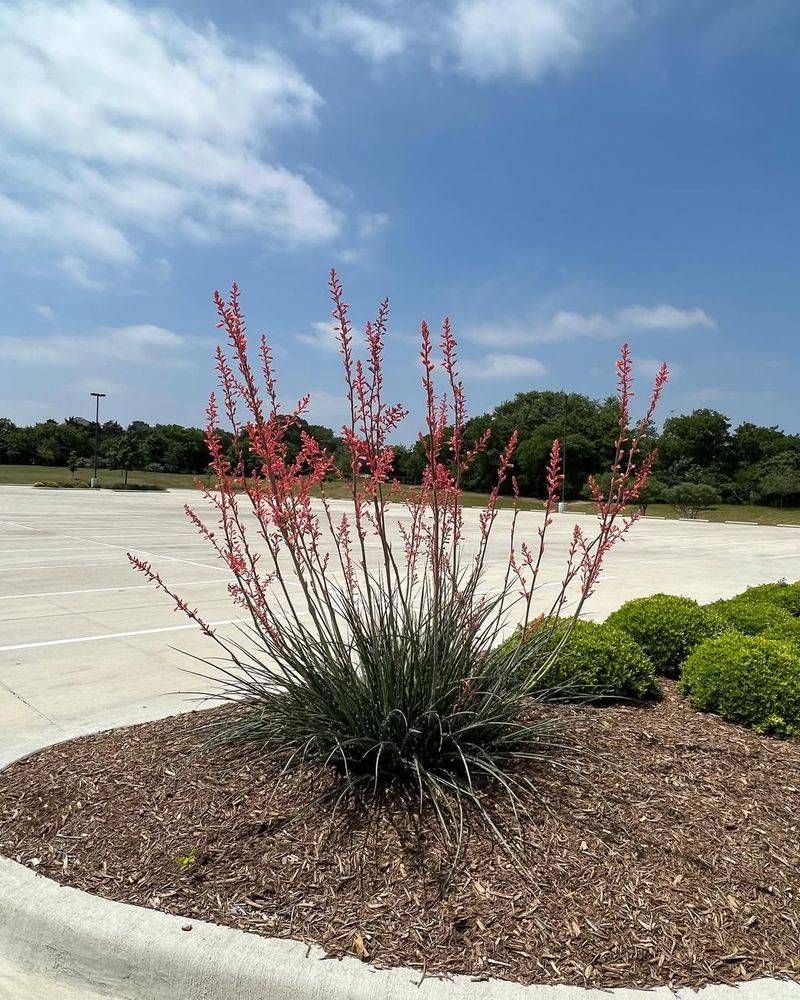
Red yucca looks dramatic in the landscape year-round, but March is not the time to start cutting it back. Flower stalks from the previous season may still be standing, and new bloom spikes are already developing at the base of the plant.
Removing anything now risks cutting into growth that is just getting started.
Old flower stalks that look dry and brown can be tempting to remove, but wait until you can clearly see which stalks are fully spent versus which ones are new growth pushing up alongside them.
Pulling or cutting the wrong stalk at this time of year is an easy mistake to make and can slow the plant’s bloom cycle noticeably.
Red yucca in Arizona typically sends up its long coral-pink flower spikes in spring and early summer, and those stalks attract hummingbirds for weeks. Letting the plant go through its natural cycle without interference in March means you get the full benefit of that bloom.
If you want to tidy up old stalks, wait until late spring when new growth is clearly established and the old stalks are obviously dry and disconnected from any active growth at the base.
Arizona’s Red yucca is tough, but it rewards patience more than early intervention.
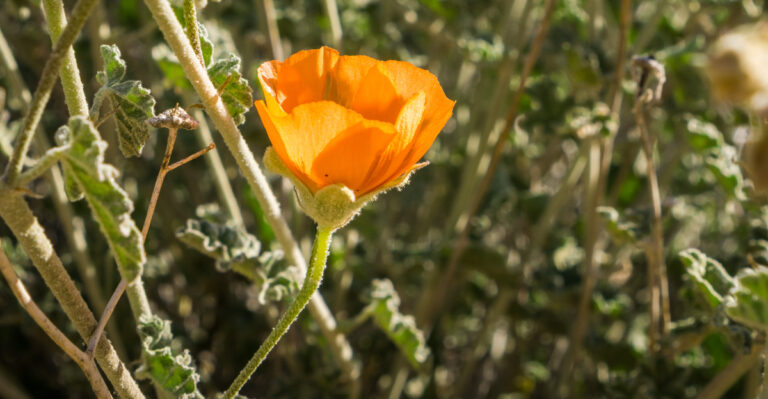
7. Globe Mallow Finishes Blooming Before Any Major Trim
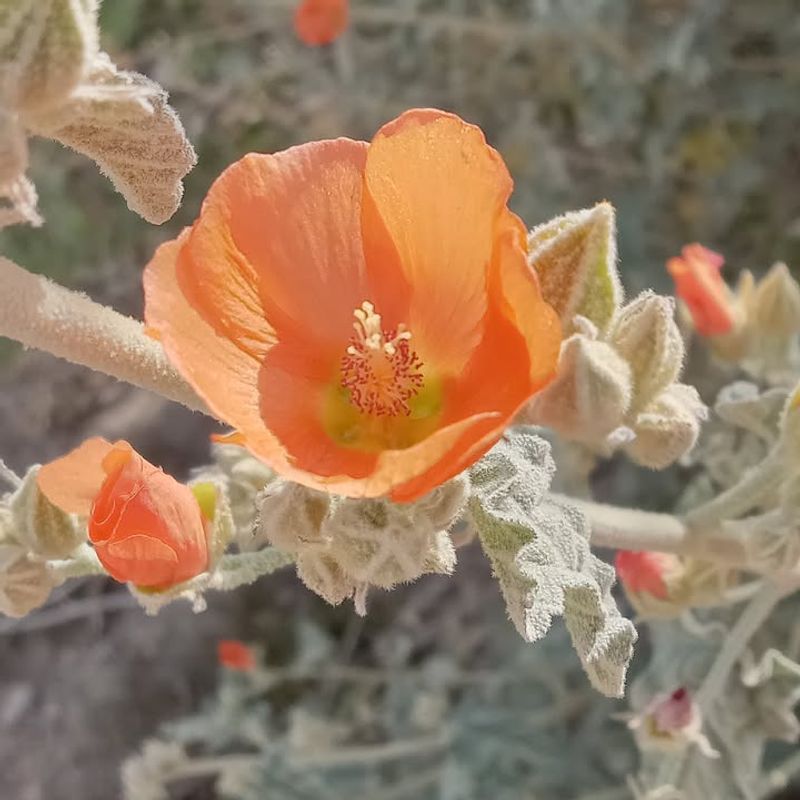
Globe mallow is one of Arizona’s most cheerful spring bloomers, and it starts putting on its orange flower show right around the time most gardeners are itching to get out and prune things.
Cutting it back in March means cutting off a bloom display that was weeks in the making.
Globe mallow blooms heavily in late winter and early spring, often starting as early as February in lower desert areas of Arizona. By March, the plant is typically at or near peak bloom.
Any major trimming at this stage shortens that display and removes stems that are actively flowering or holding buds ready to open.
Wait until the blooms have faded and the plant starts to look tired, usually by late April or early May. At that point, you can cut it back fairly hard to encourage a second flush of growth and possible rebloom in fall.
Globe mallow left alone through March tends to self-seed lightly, which means new plants popping up nearby the following year. If you want to control spreading, deadhead after blooms fade rather than cutting the whole plant back early.
Letting it finish its spring cycle is always the smarter move in an Arizona garden.
8. Angelita Daisy Keeps Blooming When Left Untouched In March
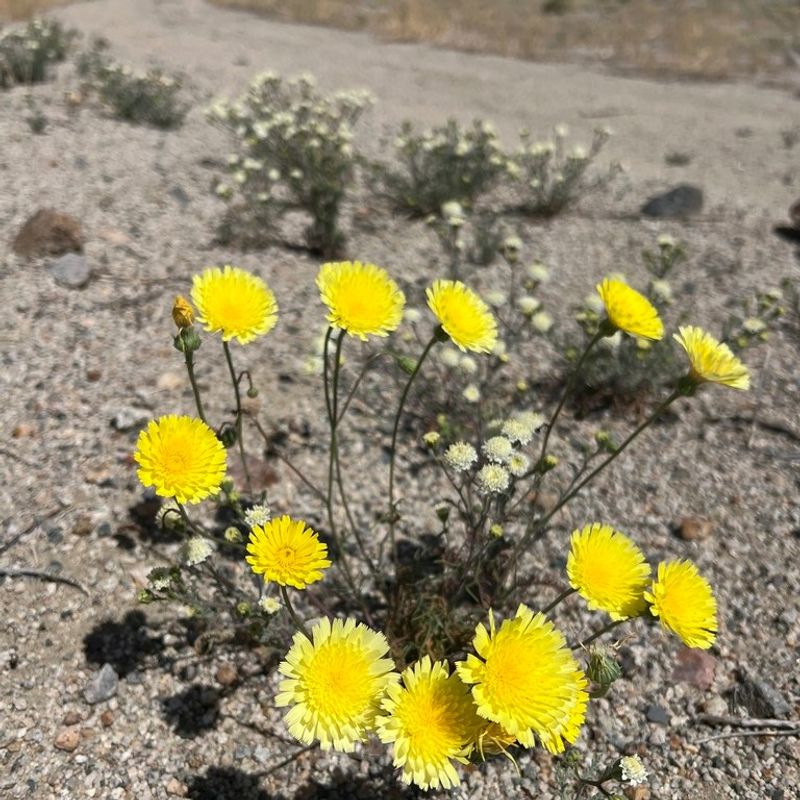
Angelita daisy is one of those plants that seems to bloom almost nonstop in Arizona, and March is typically right in the middle of one of its best flowering periods.
Trimming it back now would interrupt a bloom cycle that does not need any help from pruning to keep going strong.
Unlike some perennials that need a spring cutback to reset, Angelita daisy tends to self-regulate fairly well. It naturally sheds spent flowers and pushes new buds from the same stems without much intervention.
Cutting into actively blooming stems removes flowers that still have days or weeks left on them.
If you notice truly dead or dried sections in March, you can carefully remove just those portions without disturbing the rest of the plant.
But for the most part, leaving Angelita daisy alone through March and into April lets it do what it does naturally in Arizona’s spring climate.
When the bloom cycle finally slows down in late spring or early summer, that is a better time to give it a light shaping if needed.
Arizona gardeners who resist the urge to prune this plant in March are consistently rewarded with a longer, more continuous flower display that carries well into the warmer months ahead.
9. Desert Ruellia Produces Strong Growth When Pruned Later In Spring
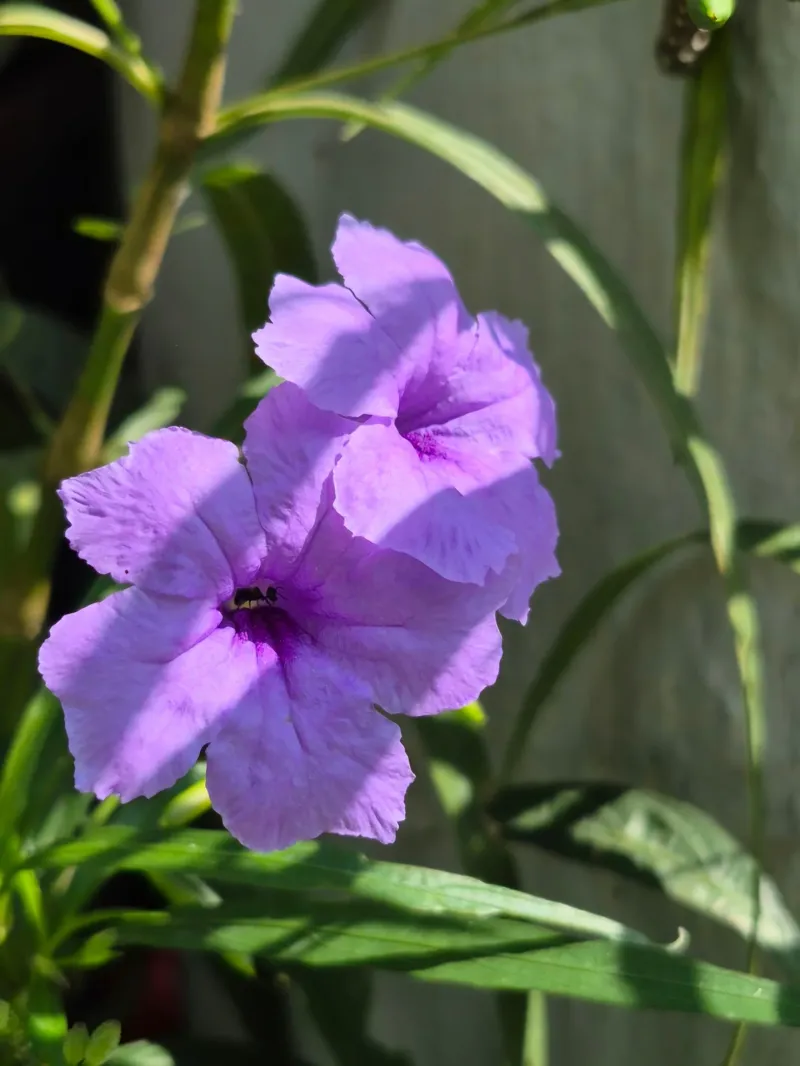
Desert ruellia moves at its own pace in early spring, and pushing it with a March pruning rarely produces the results you are hoping for.
By the time March rolls around in Arizona, this plant is just beginning to wake up from its winter slowdown, and cutting it back too early interrupts that process.
Waiting until late April or even early May gives Desert ruellia time to show you exactly where new growth is emerging.
Once you can clearly see fresh shoots and leaves pushing out from the base and along the stems, you have a much better map of what to remove versus what to keep.
Early pruning before that new growth is visible often results in cutting into stems that were still viable.
Desert ruellia pruned in late spring tends to bounce back with dense, vigorous growth that fills in quickly before the heat of summer settles in. In Arizona’s climate, that timing aligns well with the plant’s natural growth rhythm.
You get a tidier shape, stronger stems, and better flower production by simply waiting a few extra weeks.
Holding off in March is not about being lazy, it is about working with the plant’s schedule instead of against it, which always produces better results in the long run.