7 Tough Native Ohio Trees That Handle Flooding
A beautiful tree can turn into a disaster in a yard that stays wet. Heavy rain falls across Ohio, the ground saturates, and many popular landscape trees begin to struggle.
Leaves yellow, roots suffocate, and growth slows until the tree never fully recovers. Poor drainage and stubborn clay soil create constant frustration for homeowners across the state.
Some trees simply refuse to tolerate soggy ground. Others thrive in it.
Across Ohio’s floodplains, wetlands, and creek valleys, certain native trees evolved to handle soil that stays wet for long stretches. Strong roots, flexible growth habits, and natural tolerance for saturated ground allow them to succeed where most trees fail.
Plant the right species and those troublesome low spots become one of the most reliable parts of the landscape.
Instead of struggling through wet seasons, these tough native trees grow tall, stable, and healthy year after year in the same conditions that defeat less adaptable trees.
1. Plant River Birch Where Soil Stays Wet
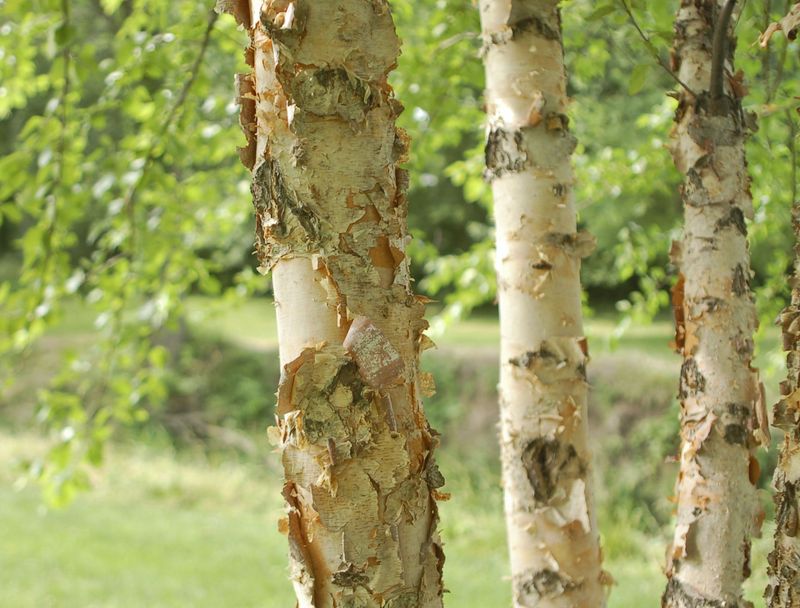
Few trees look as striking in a wet yard as river birch, thanks to its peeling, cinnamon-colored bark that curls away from the trunk in papery sheets. This native tree is right at home along Ohio’s streams, riverbanks, and low-lying areas where water lingers long after a rainstorm.
It has evolved to handle saturated soil conditions that would stress most other landscape trees.
River birch grows quickly, often adding one to two feet of height per year under good conditions. Ohio homeowners with soggy corners of their yard will appreciate how this tree fills in space fast while also providing real visual interest in every season.
The golden-yellow fall foliage adds another layer of appeal before winter arrives.
Planting river birch in groups of two or three creates a natural, multi-stem effect that mirrors how it grows in the wild along Ohio waterways. It prefers full sun to partial shade and does especially well in acidic soils.
Avoid planting it in areas with overhead utility lines since it can grow 40 to 70 feet tall at maturity. River birch is one of the smartest choices Ohio gardeners can make for wet, low spots in the landscape.
2. Grow Bald Cypress In Flood Prone Areas
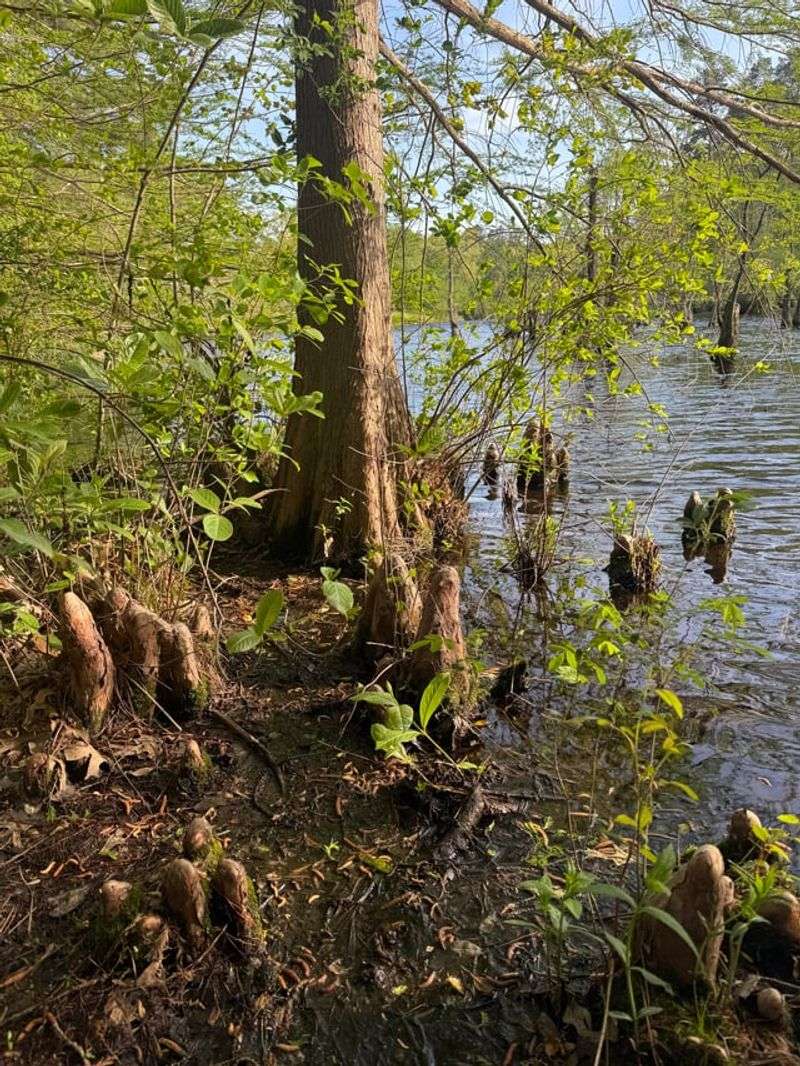
When standing water is a serious and ongoing problem in your yard, bald cypress may be the most impressive solution available to Ohio gardeners. This ancient tree has survived in swamps and flooded wetlands for millions of years, making it genuinely one of the most flood-tolerant trees on the planet.
It can handle soil that stays underwater for extended periods without suffering root damage.
Bald cypress is known for producing woody growths called knees that rise up from the roots around the base of the tree. Scientists believe these structures may help the tree exchange gases in flooded soils.
They also give the tree a dramatic, almost prehistoric look that makes it a real conversation piece in any Ohio landscape.
Despite its swampy reputation, bald cypress also adapts surprisingly well to average or even slightly dry soils once it gets established. It grows in full sun and can reach 50 to 70 feet tall, forming a graceful, pyramidal shape.
Your Ohio Garden Changes Every Week. Your Plan Should Too.
Gardening in Ohio changes quickly throughout the season. Every Friday you’ll receive a simple weekly plan showing exactly what to plant, prune, fertilize, harvest, and protect so you never miss the right timing.
The feathery, soft green foliage turns a warm russet-orange color in fall before dropping for winter. Ohio homeowners dealing with chronic flooding will find bald cypress to be an incredibly dependable and long-lived landscape tree.
3. Use Swamp White Oak In Low And Flooded Ground
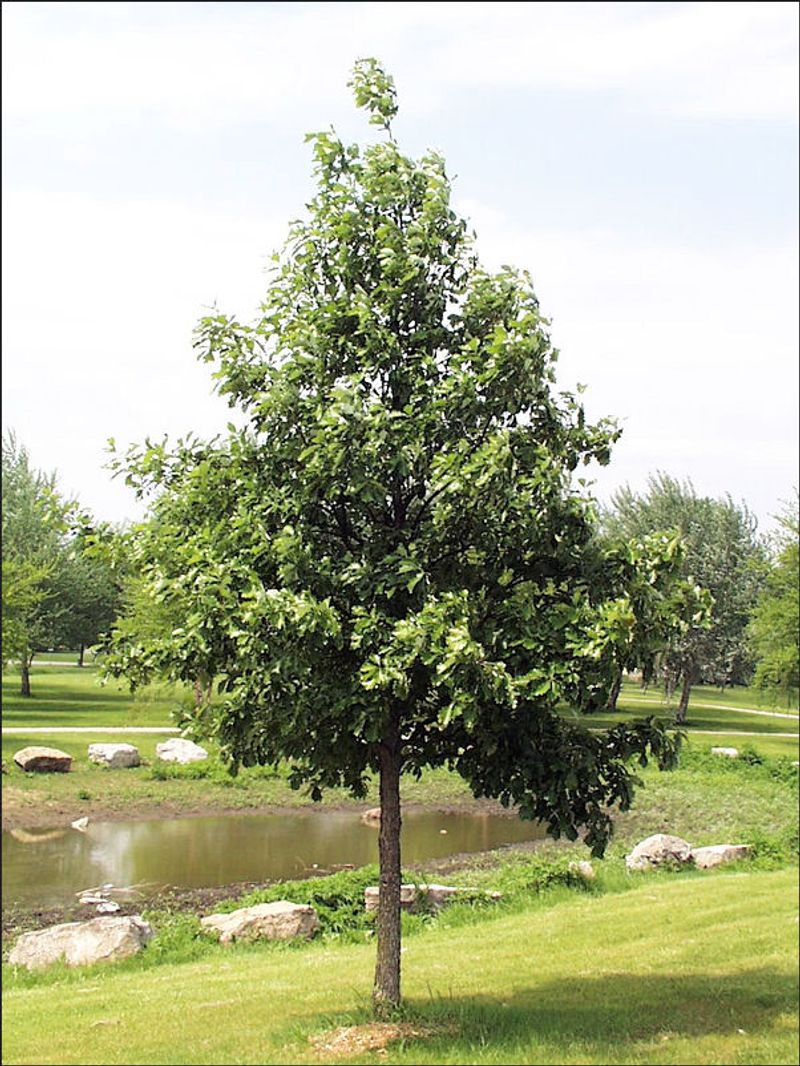
Bottomlands and floodplains across Ohio have long been home to swamp white oak, a rugged and long-lived native tree that handles wet soil with ease. Its name alone tells you where it likes to grow, and it delivers on that promise year after year.
This oak evolved in the low, frequently flooded areas along rivers and streams throughout the Midwest, so wet ground is simply its natural home.
Swamp white oak has a distinctive look that sets it apart from other oaks. The upper bark peels away in curling flakes, while the lower trunk stays deeply furrowed and dark.
Leaves are large, shiny green on top and pale beneath, turning a warm yellow to reddish-brown in fall. It grows 50 to 60 feet tall and develops a broad, rounded canopy that provides generous shade.
Beyond its beauty, swamp white oak is a powerhouse for wildlife. Its acorns are an important food source for deer, wild turkeys, squirrels, and a wide range of birds.
Ohio homeowners planting in low areas near rain gardens, retention ponds, or natural drainage swales will find swamp white oak to be a reliable and ecologically valuable choice. It prefers full sun and grows at a moderate pace once established.
4. Choose American Sycamore For Wet Bottomlands
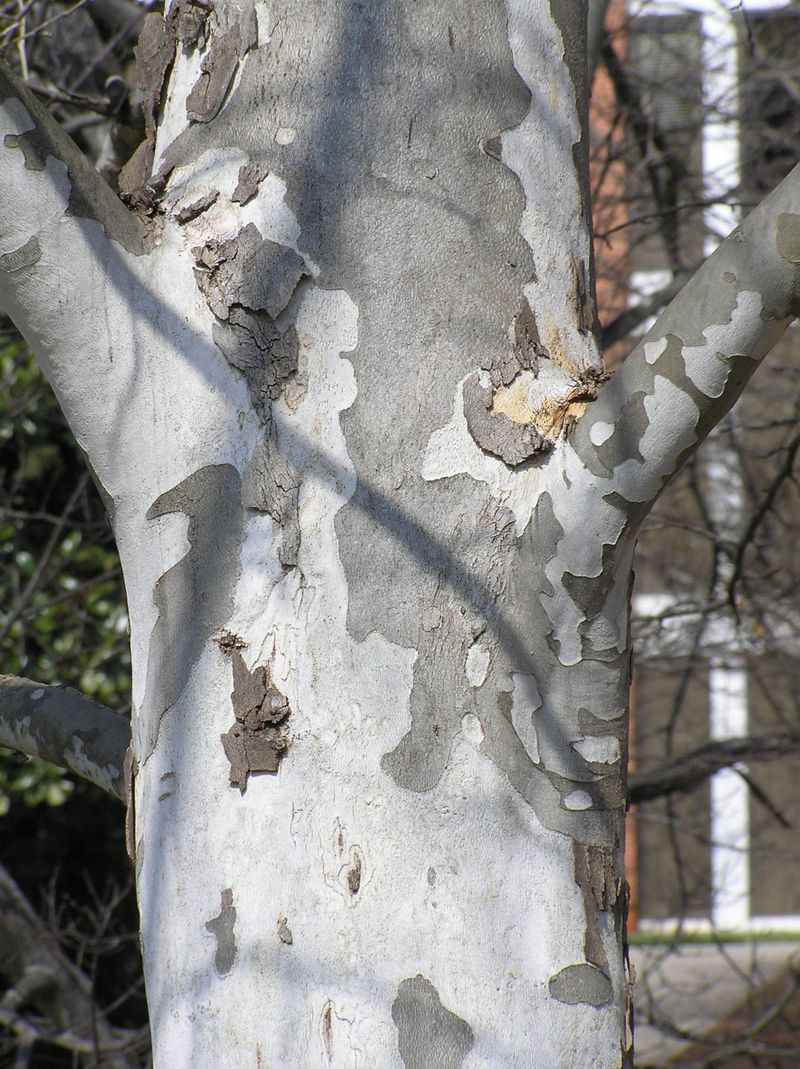
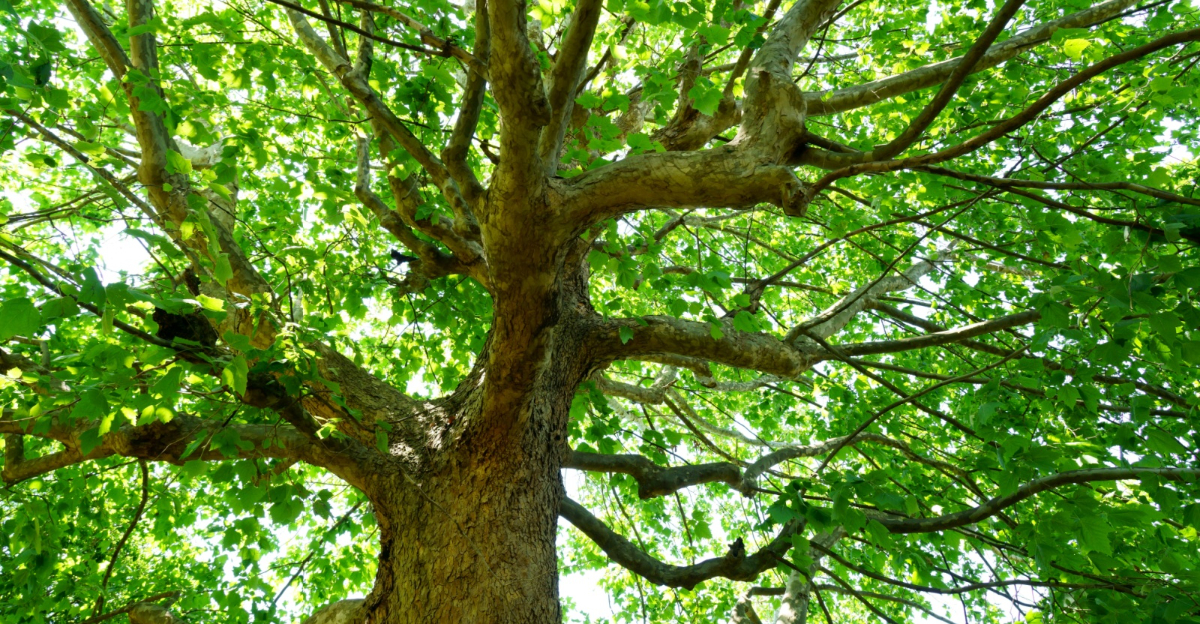
Drive along almost any river or creek in Ohio and you will likely spot the unmistakable white and tan mottled bark of the American sycamore glowing against the tree line. This native giant is one of the largest deciduous trees in North America, and it has a deep connection to Ohio’s waterways and bottomland forests.
Wet soil is not a problem for sycamore. It is practically a requirement.
American sycamore can grow 75 to 100 feet tall with a massive, wide-spreading canopy. Its bark is one of the most recognizable features in the Ohio landscape, shedding in patches to reveal a creamy white inner surface that almost seems to glow in winter light.
The large, maple-like leaves provide dense shade throughout the growing season.
For Ohio homeowners with large, low-lying properties near water or with significant drainage issues, sycamore makes a bold and practical choice. It grows quickly and anchors streambanks, helping to reduce erosion during heavy rain events.
Wildlife benefits too, as hollow older sycamores provide nesting cavities for wood ducks, owls, and other cavity-nesting birds. Plant it in full sun with plenty of space, because this tree grows big and needs room to spread its impressive canopy fully.
5. Plant Pin Oak In Heavy Clay And Wet Soil
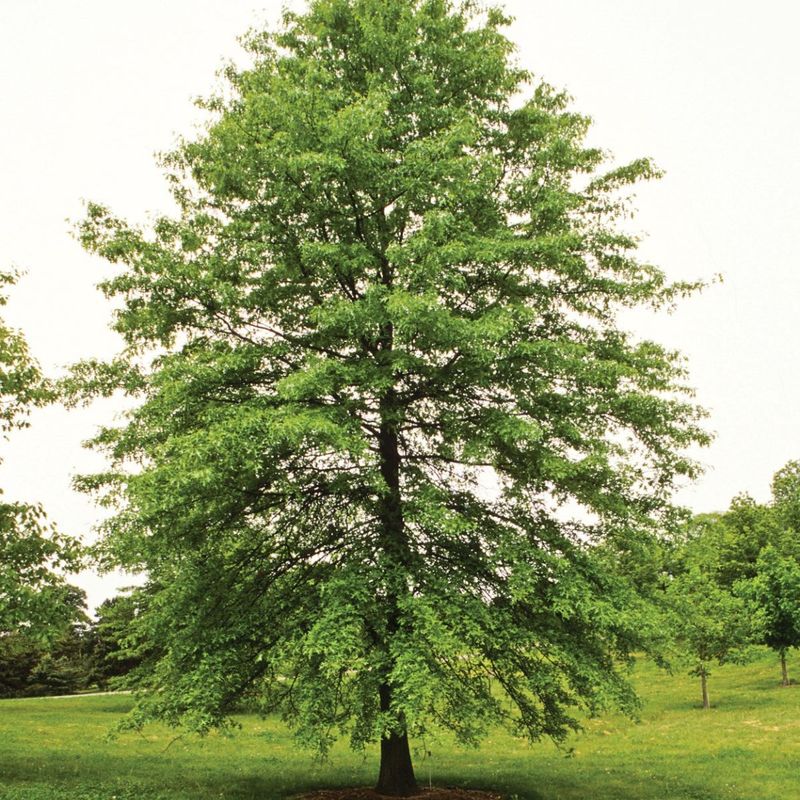
Heavy clay soil that stays wet for weeks is a common headache across much of Ohio, and pin oak is one of the best native trees for handling exactly those conditions. Unlike many trees that suffer in poorly drained clay, pin oak evolved in the flat, seasonally flooded clay flats and low woods of the Midwest.
Wet, compacted soil is something this tree has handled for centuries.
Pin oak has a strong, pyramidal shape when young that becomes more rounded and open with age. Its deeply cut, star-shaped leaves are glossy dark green in summer and turn a rich bronze-red in fall, often holding on well into winter.
This persistent foliage adds texture and interest to the Ohio landscape even after most other trees have gone bare.
One practical tip for Ohio gardeners planting pin oak is to choose a spot with full sun, since this tree performs best with at least six hours of direct sunlight daily. It can grow 60 to 70 feet tall and spreads 25 to 40 feet wide, so give it space.
Pin oak is also a valuable wildlife tree, producing small acorns that attract deer, squirrels, and many bird species. It is a smart, tough choice for wet, clay-heavy yards throughout Ohio.
6. Add Red Maple To Landscapes With Periodic Flooding
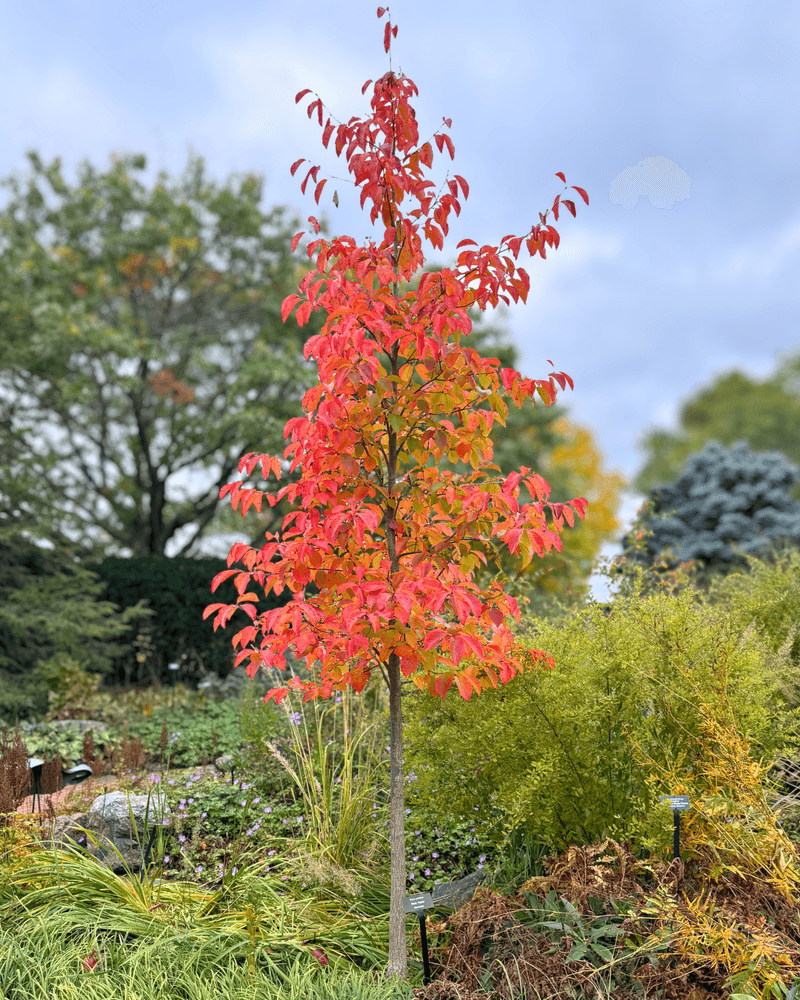
Few native trees in Ohio put on a fall color show as vivid and reliable as red maple. Brilliant scarlet, orange, and yellow leaves light up Ohio yards every autumn, making this tree a neighborhood favorite.
Beyond its beauty, red maple brings serious toughness to the table, especially when it comes to handling wet soil and occasional flooding.
Red maple naturally grows across a wide range of Ohio habitats, from wet bottomlands and swampy areas to upland slopes and forest edges. That broad adaptability is one of its greatest strengths.
It handles clay soil, periodic flooding, and poorly drained low spots far better than many other popular landscape trees. Ohio homeowners dealing with yards that flood occasionally after heavy spring rains will find red maple to be a forgiving and dependable choice.
This tree grows quickly, often gaining one to two feet per year, and reaches 40 to 60 feet at maturity with a rounded to oval canopy. It thrives in full sun to partial shade and works well as a shade tree, a specimen planting, or even in naturalized areas near water.
Red maple also supports Ohio wildlife, providing seeds that birds and small mammals rely on in early spring when other food sources are still limited. It is a true all-around performer for Ohio landscapes.
7. Consider Silver Maple For Very Wet Sites
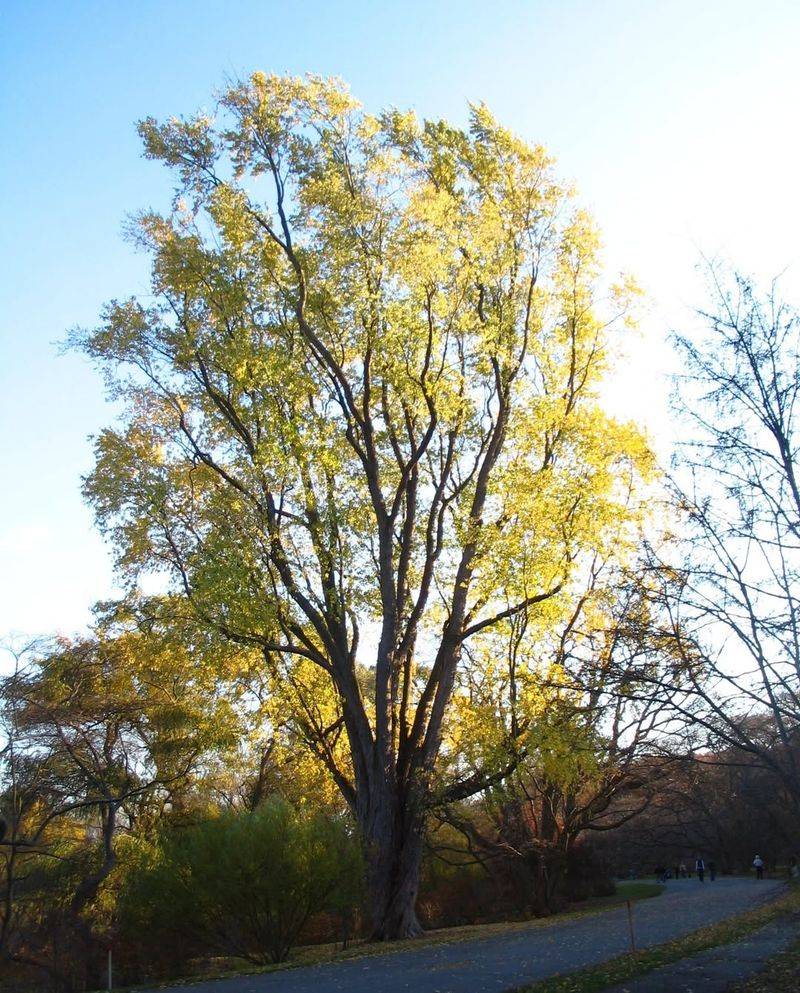
Along Ohio’s rivers and floodplains, silver maple is one of the most commonly spotted native trees, and for good reason. This fast-growing native thrives in the kind of wet, soggy conditions that challenge most other trees.
If you have a low spot in your Ohio yard that collects water regularly or sits near a drainage ditch, silver maple is worth serious consideration.
Silver maple gets its name from the silvery-white undersides of its leaves, which flash and shimmer in the wind, creating a beautiful rippling effect across the canopy. It grows rapidly, often reaching 50 to 80 feet tall, and develops a wide, arching canopy that provides generous shade.
In early spring, silver maple blooms before its leaves emerge, producing small clusters of red and yellow flowers that are among the first signs of the season in Ohio.
One thing to keep in mind is that silver maple’s fast growth can come with somewhat brittle wood, so planting it away from structures, power lines, and areas prone to heavy ice storms is a smart move.
It performs best in full sun to partial shade and tolerates clay, wet, and even temporarily flooded soils with ease.
For very wet sites in Ohio where few other trees will succeed, silver maple is a reliable and fast-establishing native option.