8 Companion Plants That Make Ohio Hydrangeas Shine
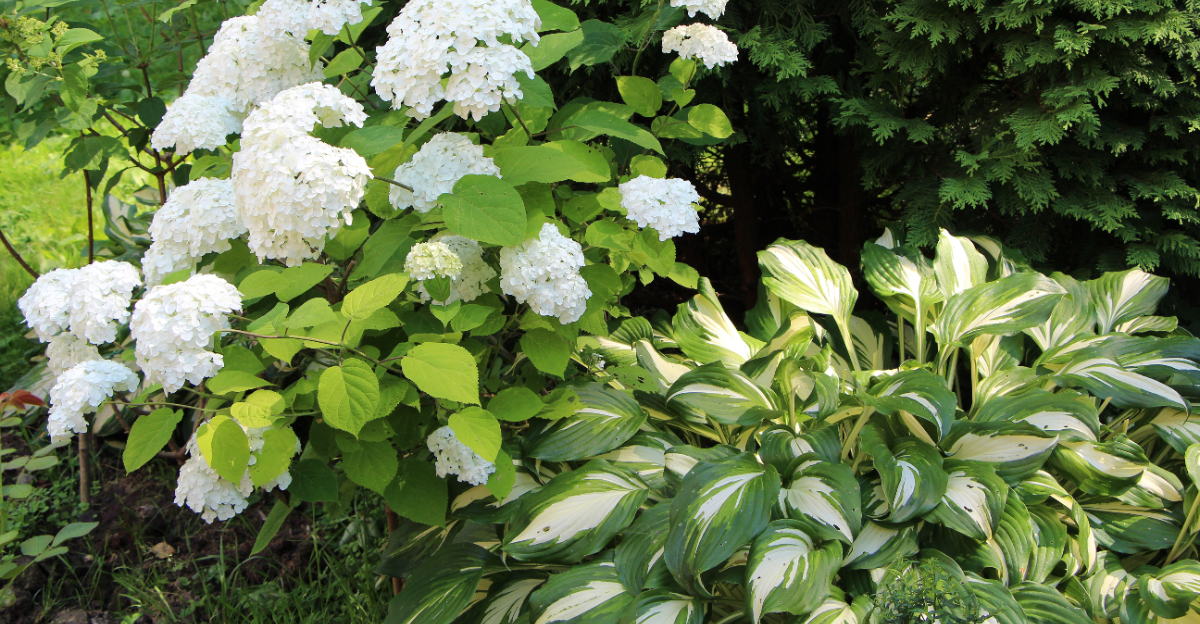
Hydrangeas are already showstoppers on their own, but the right companions can take an Ohio garden from pretty to truly stunning.
Growing hydrangeas in Ohio means working with humid summers, cold winters, and plenty of shade from mature trees, so choosing plants that thrive in those same conditions makes all the difference.
A well-paired garden bed does more than look good. It helps fill gaps, naturally reduces weeds, and builds layers of color and texture that carry interest from early spring through late fall.
In many Ohio gardens, it is the planting around hydrangeas that ends up making the biggest visual impact.
1. Astilbe Adds Soft Plumes And Summer Spark
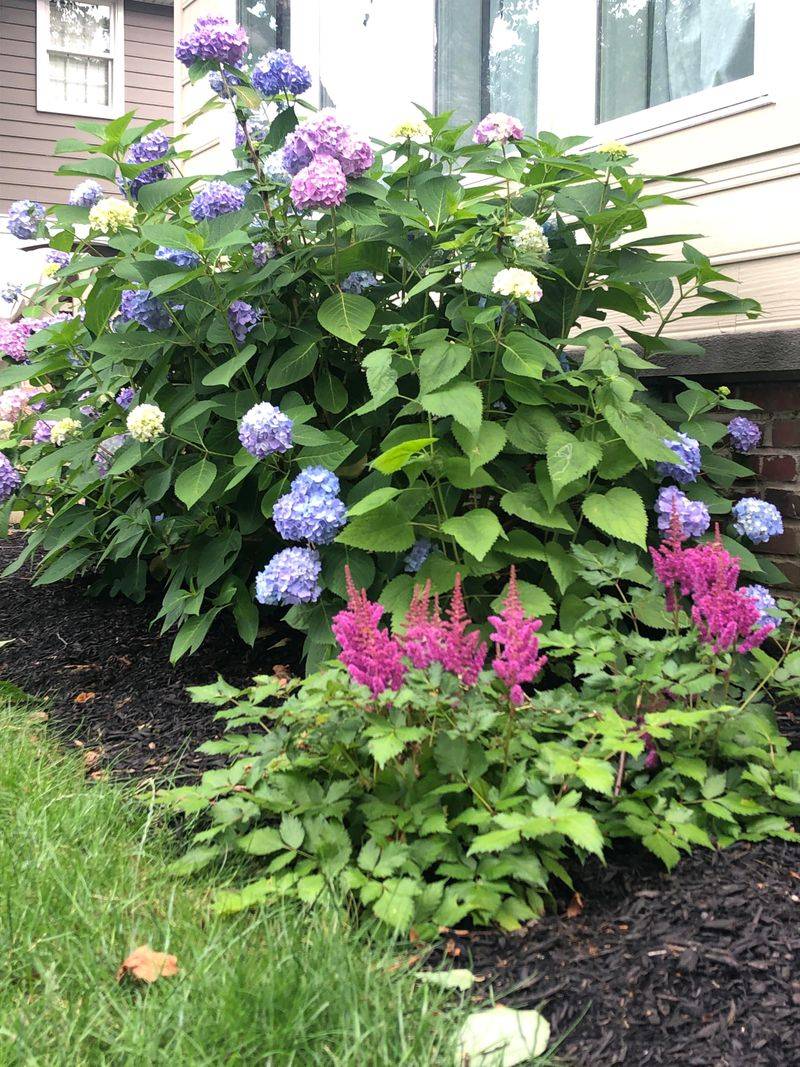
There is something almost magical about watching astilbe plumes rise up through a garden bed in early to midsummer.
The soft, feathery flowers in shades of pink, red, lavender, and white create a kind of gentle fireworks effect that hydrangeas simply cannot produce on their own.
Together, the two plants form a layered display that feels lush and full.
Bloom timing works in astilbe’s favor as a hydrangea companion in Ohio. Many astilbe varieties begin flowering in late June and July, right as Annabelle and Incrediball hydrangeas hit their peak.
That overlap creates a garden moment worth photographing. Later-blooming astilbe cultivars like ‘Visions in Red’ can extend the show into August, keeping the bed looking active even as some hydrangea blooms start to age.
Moisture is where astilbe and hydrangeas really connect. Both plants want consistent soil moisture and do not enjoy drying out between waterings.
Ohio’s clay-heavy soils, when amended with compost, hold moisture well and support both plants reliably. Raised beds or sloped plantings with good drainage keep roots healthy and reduce the risk of standing water.
Planting astilbe about 18 inches from the hydrangea base gives each plant enough room to fill out naturally. A layer of shredded leaf mulch helps retain moisture and keeps soil temperatures stable through Ohio’s unpredictable spring and early summer weather.
2. Hellebores Keep The Bed Looking Good Before Hydrangeas Wake Up
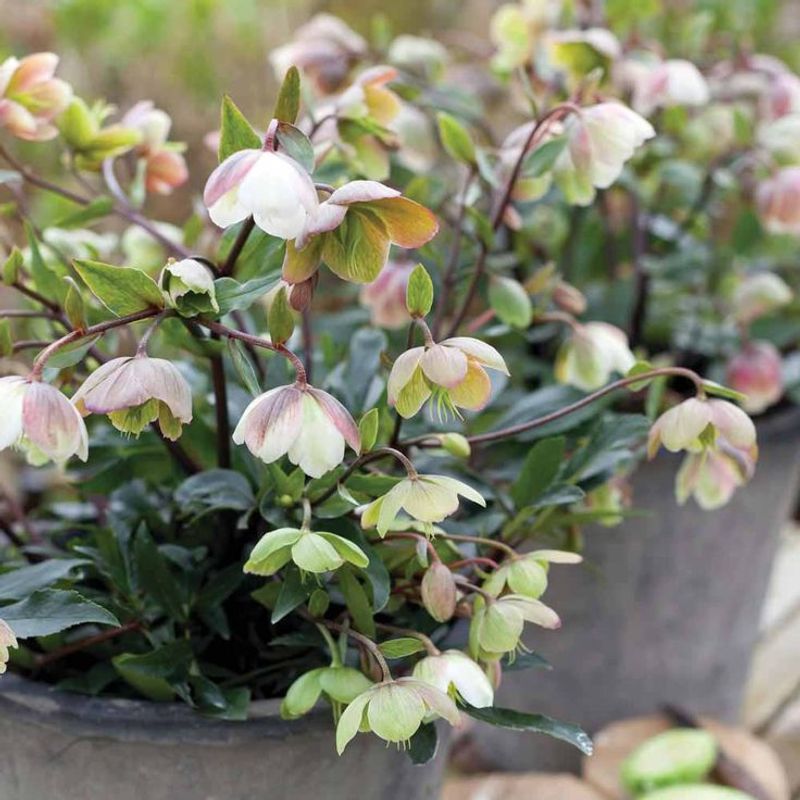
Early spring in Ohio can feel like a long, gray wait, especially in a garden bed where hydrangeas have not yet leafed out. Hellebores solve that problem quietly and elegantly.
Their leathery, evergreen foliage holds through winter and stays presentable even after heavy snowfall, giving the bed structure during the months when almost nothing else is showing.
Blooming from late February through April in Ohio, hellebores fill the exact seasonal gap that hydrangeas leave behind.
Nodding flowers in shades of deep burgundy, soft pink, cream, and near-black create quiet but striking color while the rest of the garden is still waking up.
Pollinators, including early bumblebees, visit the flowers on warm late-winter days, which adds unexpected life to the garden.
Hellebores thrive in the same partial shade conditions that hydrangeas prefer. Once established, they are remarkably low-maintenance and do not need dividing or frequent attention.
Ohio winters do not bother them at all since most species are hardy to USDA zone 4 or 5, well within Ohio’s range.
Your Ohio Garden Changes Every Week. Your Plan Should Too.
Gardening in Ohio changes quickly throughout the season. Every Friday you’ll receive a simple weekly plan showing exactly what to plant, prune, fertilize, harvest, and protect so you never miss the right timing.
Placement matters with hellebores. Tucking them at the front or sides of a hydrangea planting, about 18 inches from the shrub base, lets their spring display take center stage before the hydrangea canopy fills in.
As summer arrives and hydrangeas leaf out fully, the hellebore foliage settles into a clean, dark green backdrop that frames the whole bed.
3. Hosta Brings Bold Leaves And Big Contrast
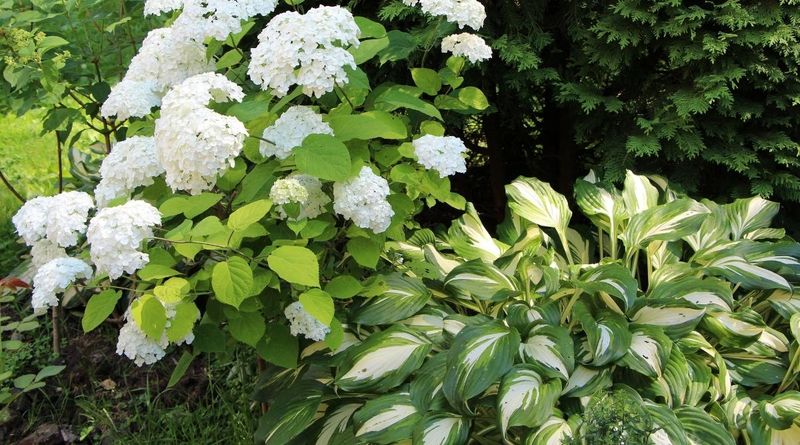
Few plants make hydrangeas look as polished as hostas do. Their broad, textured leaves create a visual anchor that draws the eye right to the hydrangea blooms above them.
In Ohio gardens, where dappled shade under trees is common, hostas practically thrive without much fuss.
Size variety is one of the biggest advantages hostas bring to a planting bed. Miniature types like ‘Blue Mouse Ears’ work well along the front edge, while giants like ‘Sum and Substance’ fill in the middle layer with impressive presence.
Mixing sizes creates a tiered effect that makes the whole bed feel designed and intentional rather than just planted.
Hostas and hydrangeas share the same preferences: morning sun, afternoon shade, and consistently moist soil with good drainage. That alignment means less work for the gardener since both plants respond well to the same watering routine and mulching habits.
Ohio summers can get surprisingly dry in July and August, so grouping plants with similar moisture needs is genuinely practical.
Foliage color also plays a big role here. Blue-green hosta varieties like ‘Halcyon’ complement the cool tones of blue hydrangea blooms beautifully.
Golden-leafed types like ‘August Moon’ bring warmth and contrast to white-flowering varieties. Spacing hostas about 18 to 24 inches apart gives them room to spread without crowding the hydrangea base.
4. Coral Bells Light Up The Base With Colorful Foliage
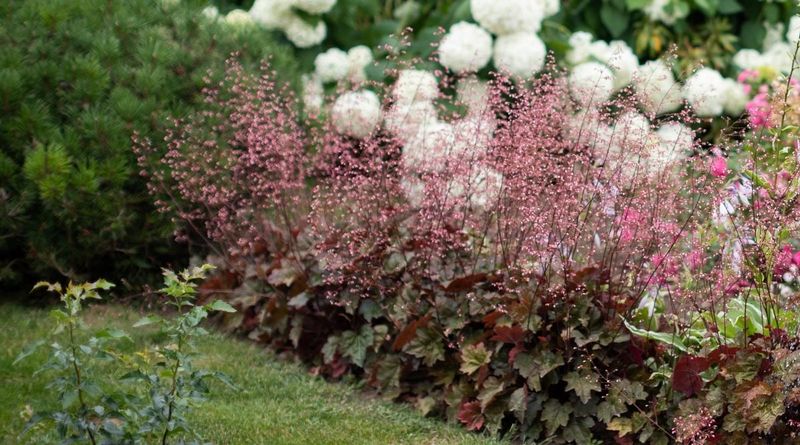
Walk through any well-designed Ohio shade garden and there is a good chance you will spot coral bells doing the quiet but important work of brightening the ground layer.
Known botanically as Heuchera, these perennials are grown almost entirely for their foliage, and what foliage it is.
Colors range from deep plum and caramel to lime green and silvery-white, giving gardeners a wide palette to work with depending on the hydrangea variety nearby.
Pairing coral bells with white or cream hydrangeas creates a rich, layered look that feels intentional without being overdone.
A deep burgundy variety like ‘Palace Purple’ or ‘Obsidian’ next to a white Annabelle hydrangea creates a striking contrast that holds interest all season long, not just during bloom time.
Silver-patterned varieties like ‘Silver Scrolls’ work beautifully beneath blue-toned hydrangeas.
Ohio’s variable weather does not rattle coral bells much. They handle both heat and cold reasonably well when planted in partial shade with consistently moist, well-drained soil.
Mulching around the base helps protect the shallow roots during Ohio’s freeze-thaw cycles in late winter and early spring, which can heave plants out of the ground if left unprotected.
Spacing coral bells about 12 to 15 inches apart along the front edge of a hydrangea bed creates a tidy, colorful border.
Their compact size, usually 12 to 18 inches tall, keeps them from competing with the hydrangea’s visual presence while still contributing meaningfully to the overall design.
5. Brunnera Brings Bright Blue Flowers And Frosted Leaves
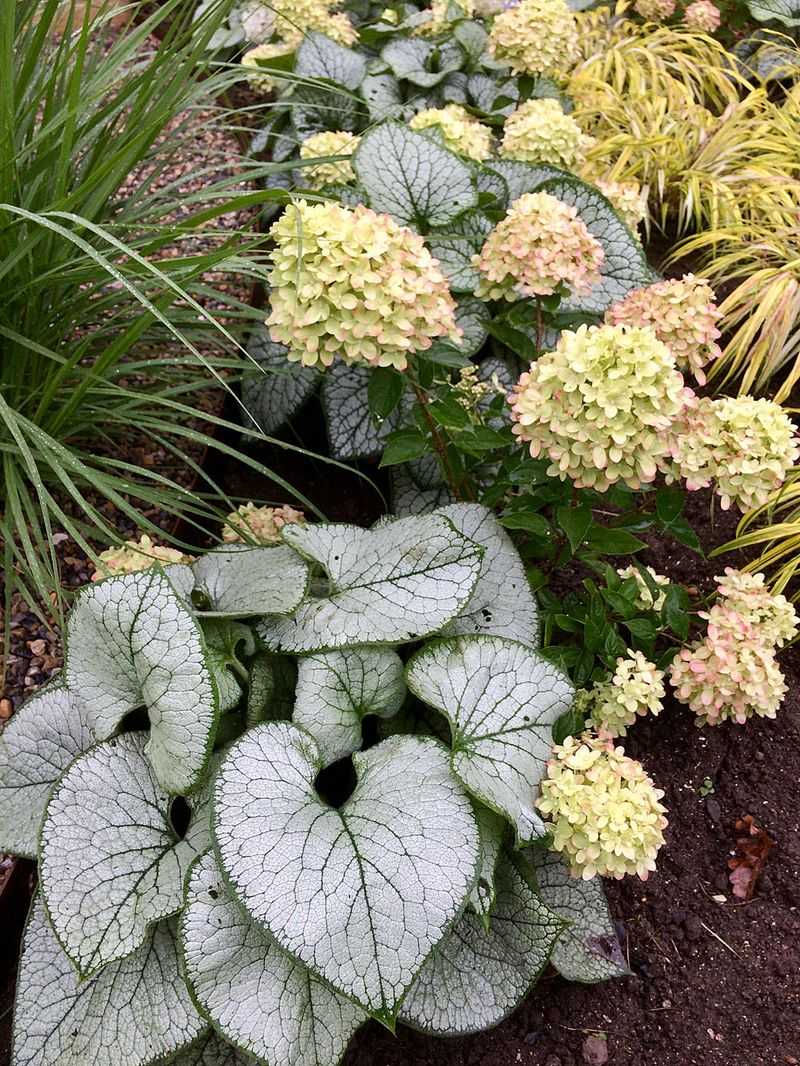
Not every plant earns a devoted following among shade gardeners, but Brunnera macrophylla has done exactly that, and for very good reason.
The variety ‘Jack Frost’ is one of the most recognized shade perennials in the Midwest because of its silvery, frosted leaves that seem to glow even in low light.
That reflective quality brightens up the base of a hydrangea planting in a way that few other plants can match.
Spring is when Brunnera earns its keep most visibly. Tiny, forget-me-not-style flowers in a clear, cheerful blue appear in April and May, creating a soft color layer beneath the hydrangeas before their own foliage fully fills in.
That early bloom is a genuine bonus in Ohio gardens where spring interest is often limited to bulbs and early shrubs.
After flowering, the large heart-shaped leaves take over and do excellent work through the summer. They suppress weeds, hold moisture at the soil surface, and create a clean, textured look that complements hydrangea foliage without competing with it.
In Ohio’s humid summers, Brunnera holds up well as long as it stays out of direct afternoon sun, which can scorch the leaves.
Plant Brunnera about 18 inches from the hydrangea base to give it room to spread naturally. A single clump can reach 18 to 24 inches wide over a few seasons, making it an efficient and low-effort ground layer plant for woodland-style Ohio garden beds.
6. Foamflower Creates A Fresh Woodland Look Underneath
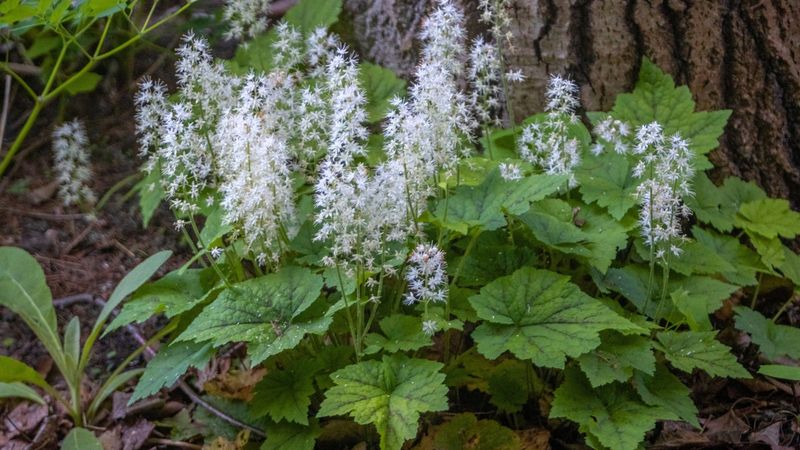
Native plants have been gaining well-deserved attention in Ohio gardens, and foamflower, known botanically as Tiarella, is one of the standout choices for shaded beds.
Native to eastern North American woodlands, it fits naturally into the same environment where many hydrangeas thrive.
Planting it alongside hydrangeas is less about forcing a combination and more about recreating a habitat that already makes sense.
Foamflower earns its name from the frothy white flower spikes that appear in late April and May.
The blooms rise on slender stems above deeply lobed, mapple-like leaves and create a delicate, airy texture at ground level that contrasts nicely with the bolder foliage of hostas or the large leaves of hydrangeas above.
Pollinators, especially native bees, visit the flowers consistently during spring.
As a groundcover, foamflower spreads gently by stolons, filling in gaps without becoming aggressive or invasive.
Ohio State University Extension notes that native groundcovers like Tiarella help reduce erosion and soil compaction in shaded areas, which is especially useful under hydrangeas where foot traffic can compact the soil over time.
The spreading habit also helps suppress weeds throughout the growing season.
Foamflower performs best in consistently moist, humus-rich soil with good drainage, the same conditions hydrangeas prefer.
Spacing plants about 12 inches apart gives them room to knit together into a cohesive carpet over two to three growing seasons, creating a finished, woodland-style look that feels completely at home in an Ohio garden.
7. Native Carex Adds Texture And Season Long Structure
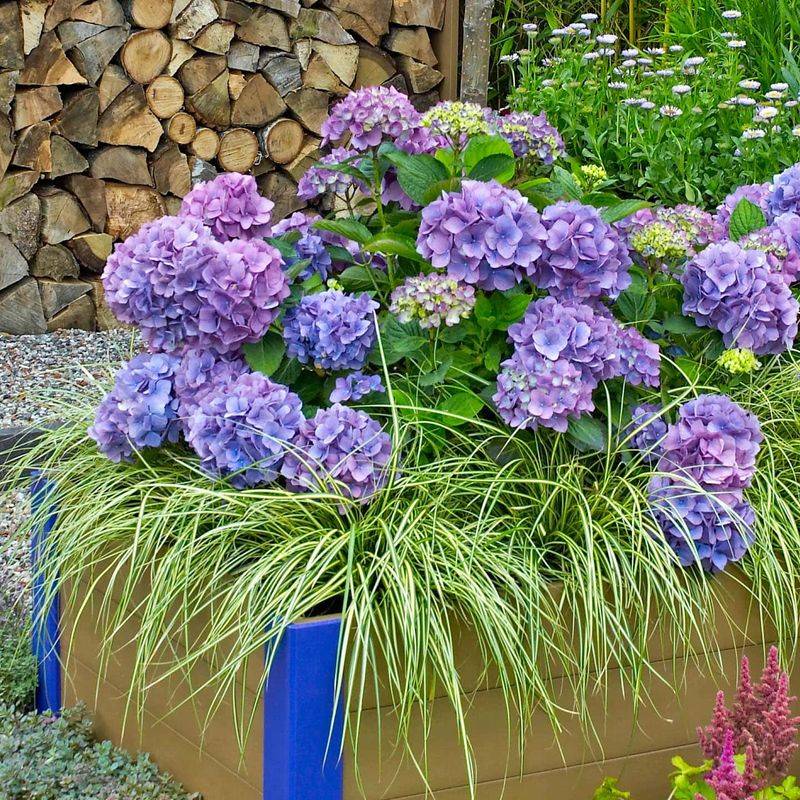
Structure is something a lot of garden beds lose in the off-season, but native sedges like Carex pensylvanica and Carex appalachica hold their form almost year-round.
These Ohio-native sedges are not flashy in the traditional sense, but their fine-textured, arching foliage creates a soft, layered look at the base of hydrangea plantings that feels both natural and intentional.
Carex pensylvanica, commonly called Pennsylvania sedge, is particularly well-suited to Ohio’s shade gardens. It forms low, dense tufts of narrow green leaves that stay attractive from spring through late fall.
Unlike many ornamental grasses, it does not flop or become unruly. It simply holds its ground, suppresses weeds, and provides consistent texture without competing with the hydrangeas above for visual attention.
Carex appalachica, or Appalachian sedge, offers a similar habit with slightly finer texture and works especially well in drier shade conditions, such as under dense tree canopies where hydrangeas are sometimes planted.
Both sedges are native to Ohio’s woodland understory, which means they are already adapted to the thin, humus-rich soils and low light levels common in established Ohio home landscapes.
From a practical standpoint, native sedges reduce bare soil exposure between hydrangea stems, which limits weed establishment without the need for thick mulch layers. Spacing clumps about 10 to 12 inches apart creates a tight, weed-resistant mat over two seasons.
Their undemanding nature makes them one of the most reliable low-maintenance companions available for Ohio hydrangea beds.
8. Woodland Phlox Fills The Space With Soft Early Color
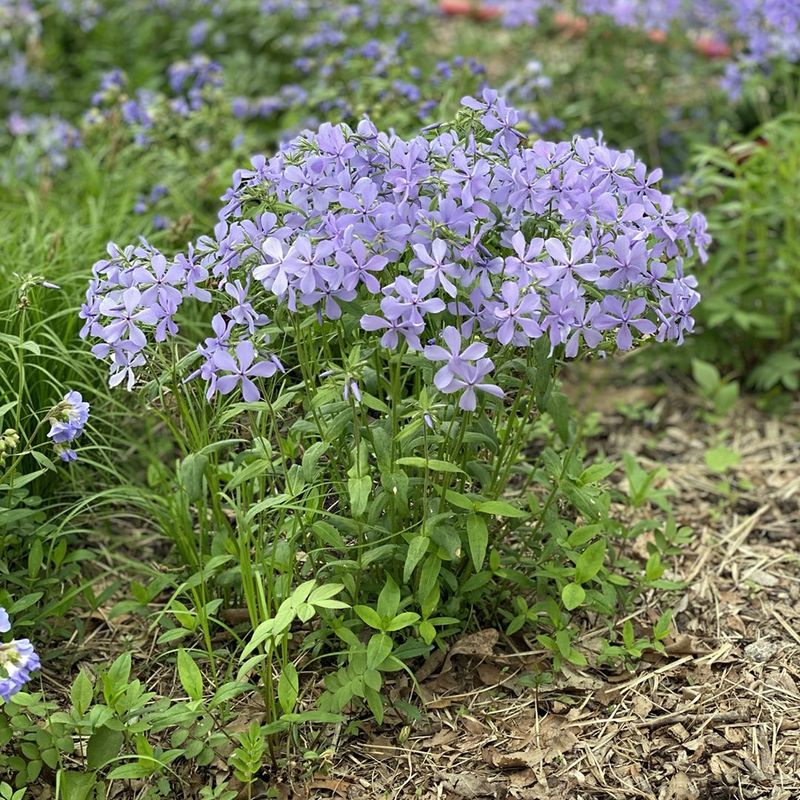
Before hydrangeas put on their summer show, there is a window in late April and May when the garden bed can feel a little bare and unfinished.
Woodland phlox, known botanically as Phlox divaricata, fills that gap with clusters of soft lavender, blue, or white flowers that carpet the ground with quiet, early-season charm.
It is one of the most reliable spring performers for shaded Ohio gardens.
Native to eastern North American woodlands, Phlox divaricata is well-suited to the partial shade and moist, organically rich soils that hydrangeas prefer.
It blooms for three to four weeks in spring and attracts early pollinators, including butterflies and native bees, which is a genuine ecological bonus for any garden.
The fragrance is mild and pleasant, adding another sensory layer to the planting.
After flowering, woodland phlox settles into a semi-evergreen mat of small, lance-shaped leaves that provides modest groundcover through summer.
It does not spread aggressively, which makes it a well-mannered companion that stays where it is planted without requiring constant editing.
Ohio gardeners who want a native option with real spring impact will find this plant consistently rewarding.
Spacing plants about 12 to 15 inches apart along the front or side edges of a hydrangea bed allows them to fill in gradually over two seasons.
Pairing woodland phlox with hellebores or Brunnera creates a continuous sequence of spring interest that bridges the gap beautifully between late winter and the arrival of full hydrangea foliage and bloom.