Plants That Create Beautiful Natural Privacy In Michigan Yards
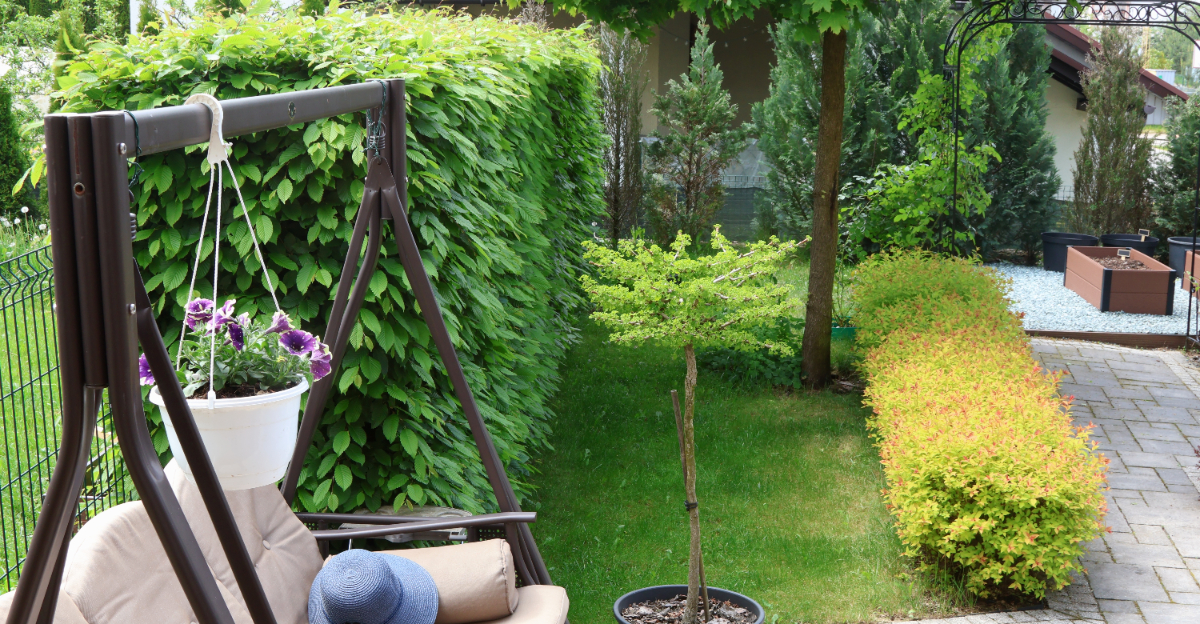
A quiet backyard retreat is something many Michigan homeowners dream about, but privacy is not always easy to find in busy neighborhoods.
Instead of building tall fences or solid walls, many gardeners are turning to a more natural solution.
The right plants can create a thick, beautiful screen that transforms an open yard into a calm and secluded space.
Across the Upper and Lower Peninsulas, Michigan’s climate supports a wide range of trees and shrubs that grow dense enough to block unwanted views.
Some stay green all year, while others fill out quickly during the growing season and add texture, color, and wildlife activity to the landscape. With the right choices, a simple yard can become a peaceful outdoor hideaway.
These plants are among the best options for creating lush, living privacy screens that look stunning in Michigan gardens.
1. Arborvitae
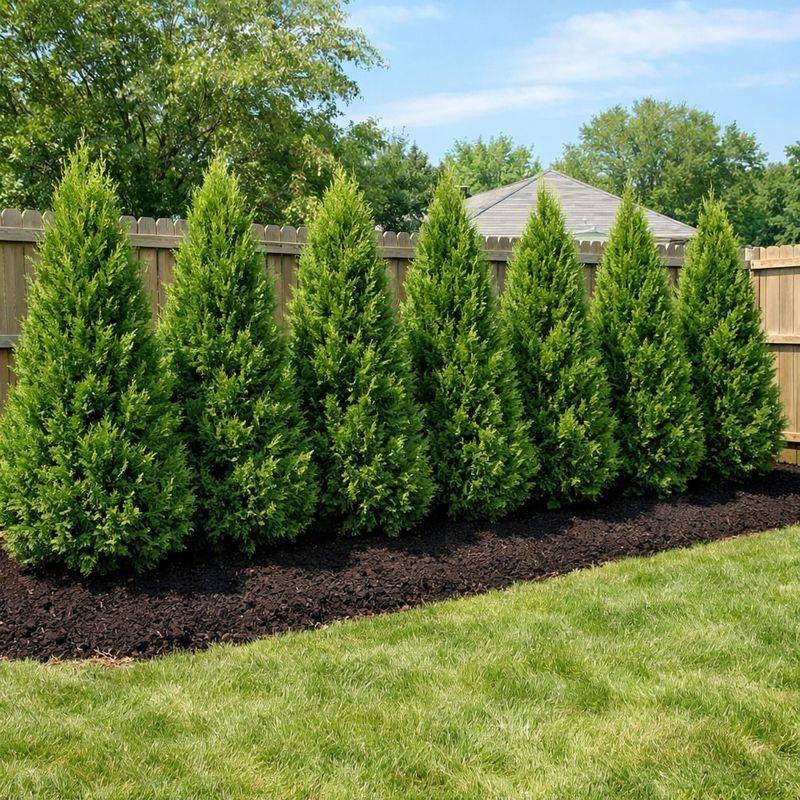
Few plants have earned their spot in Michigan yards quite like the Arborvitae. Known scientifically as Thuja occidentalis, this evergreen is practically built for the Great Lakes region.
It stays lush and green all year long, even through Michigan’s coldest winters, making it one of the most reliable choices for a living privacy wall.
Popular cultivars like ‘Emerald Green’ and ‘Techny’ are especially well-suited for creating tight, neat hedges along property lines.
‘Emerald Green’ stays narrow and compact, reaching about 10 to 15 feet tall, while ‘Techny’ grows wider and handles Michigan’s harsh winters with impressive ease.
Both varieties hold their rich green color throughout every season. For the best results, plant Arborvitae about 3 to 4 feet apart.
Spacing them this closely encourages the branches to fill in and overlap, forming a solid, dense screen over time.
Full sun to partial shade works well, and the soil should drain properly to keep roots healthy.
Within just a few growing seasons, you will have a thick, beautiful barrier that adds both privacy and year-round curb appeal to your Michigan home.
2. Eastern Red Cedar
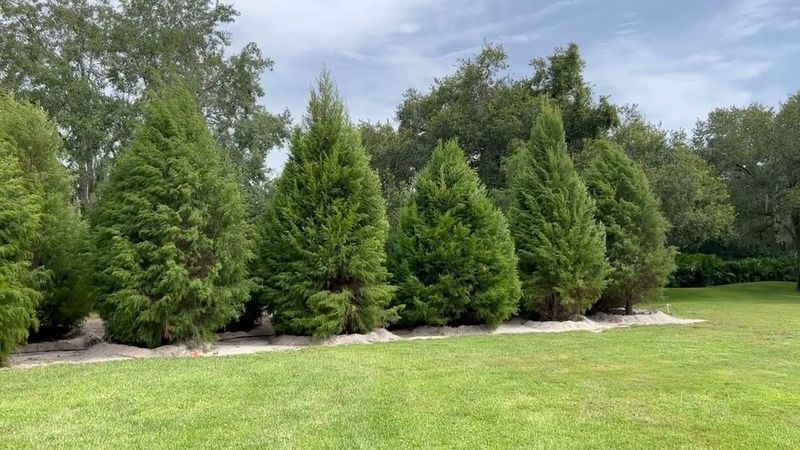
Rugged, reliable, and surprisingly beautiful, the Eastern Red Cedar is a Michigan yard’s best friend when it comes to long-term privacy.
Juniperus virginiana is a native evergreen that has adapted perfectly to Michigan’s cold winters, dry summers, and everything in between.
Its dense, feathery foliage stays green year-round, creating a solid visual barrier no matter the season. One of the biggest advantages of this tree is its toughness.
Eastern Red Cedar handles poor soil, drought conditions, and freezing temperatures without skipping a beat.
That kind of resilience makes it a low-maintenance option for Michigan homeowners who want a strong privacy screen without constant upkeep.
Birds love this tree too, nesting in its branches and feeding on its small blue berries through the winter months.
For planting, space Eastern Red Cedars about 8 to 10 feet apart to create a natural-looking hedge or windbreak.
Over time, the trees fill out beautifully and form a broad, layered screen that feels more like a woodland edge than a planted row.
If you want a privacy solution that also adds wildlife habitat and a naturalistic feel to your Michigan yard, this native evergreen absolutely delivers on every front.
Your Michigan Garden Changes Every Week. Your Plan Should Too.
Gardening in Michigan changes quickly throughout the season. Every Friday you’ll receive a simple weekly plan showing exactly what to plant, prune, fertilize, harvest, and protect so you never miss the right timing.
3. American Hornbeam
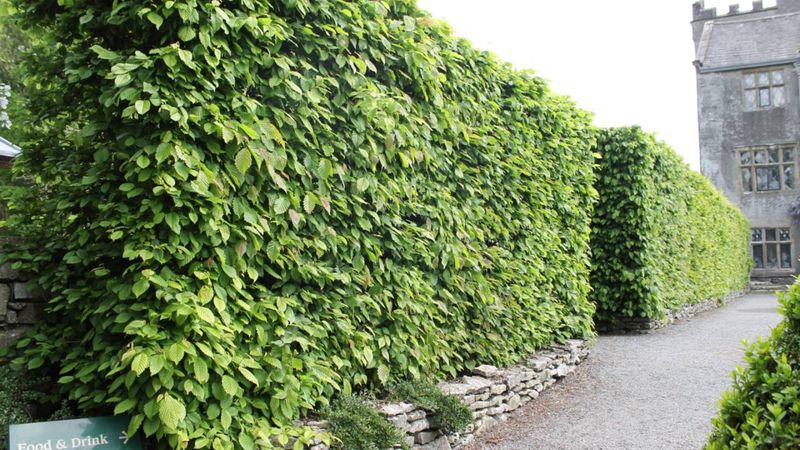
Not every Michigan yard gets full sun all day, and that is exactly where the American Hornbeam shines.
Carpinus caroliniana is a native understory tree that naturally grows beneath larger trees in Michigan’s forests, so it actually thrives in partial shade.
That makes it a fantastic choice for yards where most other privacy plants would struggle to fill in properly. What makes the Hornbeam especially useful for privacy is how well it responds to pruning.
With regular shaping, it can be trained into a tidy, dense hedge that holds its form season after season. In summer, the foliage is thick and full, blocking sightlines effectively.
Come fall, the leaves turn gorgeous shades of orange and red before dropping, giving the yard a stunning seasonal display.
Michigan yards that have moist, well-drained soil near streams or low-lying areas are perfect spots for this tree.
It handles wet conditions far better than many other hedge plants, which is a real bonus given Michigan’s frequent spring rains.
The Hornbeam grows slowly, so patience is key, but the payoff is a refined, sculptural hedge that looks completely natural in a Michigan landscape.
It brings both function and four-season beauty to any shaded corner of your yard.
4. Serviceberry
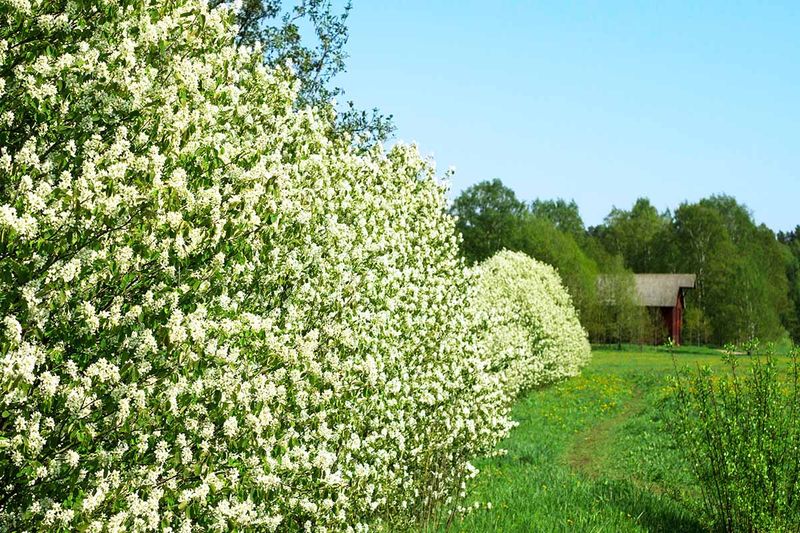
Serviceberry might just be the most underrated privacy plant in Michigan.
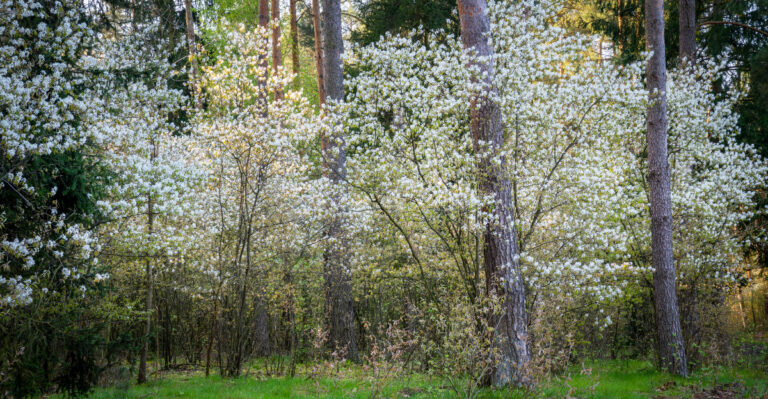
Amelanchier canadensis is a native small tree that offers something beautiful in nearly every season, and when planted in groups, it forms a soft, layered screen that feels completely natural.
Spring brings a burst of delicate white flowers before the leaves even fully open, making it one of the earliest blooming trees in Michigan yards.
As the season moves into summer, the dense green foliage fills in nicely, providing solid coverage along property lines or garden borders.
The small, sweet berries that follow the flowers are a favorite among Michigan’s native birds, turning your privacy planting into a lively wildlife habitat.
Robins, cedar waxwings, and catbirds flock to Serviceberry during berry season, which adds a whole new level of enjoyment to your backyard experience.
Fall color on Serviceberry is genuinely impressive, with leaves shifting to warm shades of orange and red before the season ends.
Plant them about 4 to 6 feet apart in groups of three or more to build a natural, flowing screen rather than a rigid hedge.
Serviceberry adapts well to Michigan’s varied soil conditions and handles both wet and dry periods gracefully.
For Michigan homeowners who want privacy with personality, Serviceberry is a wonderful, multifaceted choice.
5. Red Twig Dogwood
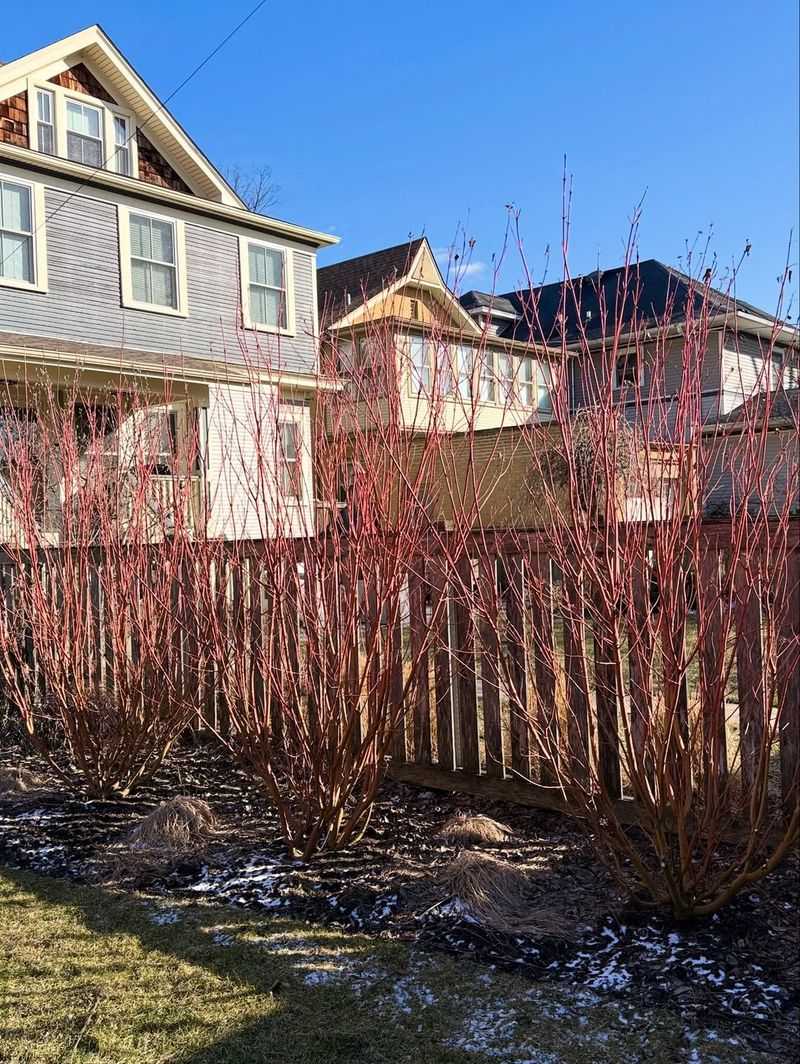
Red Twig Dogwood is one of those plants that earns its place in a Michigan yard through every single season.
Cornus sericea is a native shrub that spreads naturally into thick, multi-stemmed thickets when planted in groups, creating a dense living screen that works beautifully along fence lines, property edges, or low spots in the yard.
The summer foliage is lush and full, doing a great job of blocking unwanted views. What really sets Red Twig Dogwood apart is what happens after the leaves fall.
Those brilliant red stems light up the winter landscape like something out of a painting, making it one of the most visually striking plants in any Michigan yard during the coldest months.
While most shrubs go dormant and blend into the gray winter backdrop, Red Twig Dogwood practically glows against a fresh snowfall. Growing conditions for this shrub are pretty easygoing.
It thrives in full sun to partial shade and loves moist soil, making it perfect for low areas or spots near ponds and rain gardens throughout Michigan. Plant shrubs about 4 to 5 feet apart and they will spread and fill in over time without much fuss.
Birds nest in its branches and eat the small white berries, adding even more life to your Michigan privacy planting through the warmer months.
6. Ninebark
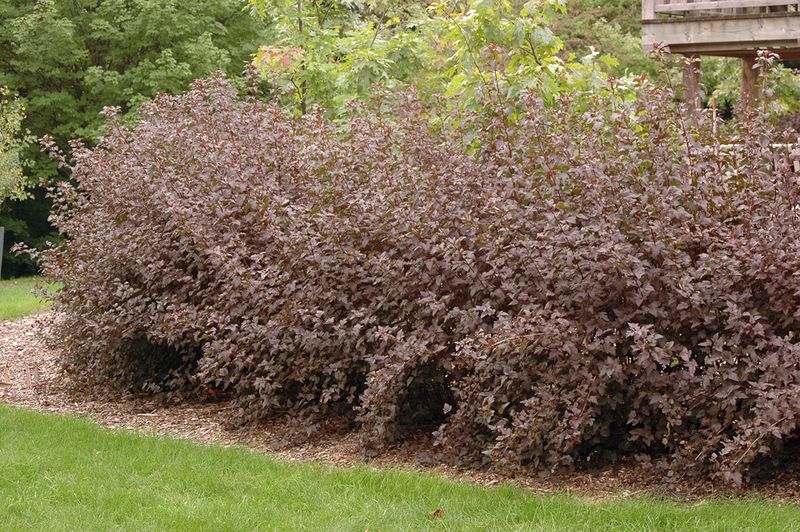
If you want a fast-growing native shrub that pulls double duty as a privacy screen and a garden showstopper, Ninebark belongs in your Michigan yard.
Physocarpus opulifolius is a tough, adaptable shrub that grows vigorously and quickly develops the kind of dense, full foliage needed to screen out neighboring views.
It is native to Michigan and the surrounding Great Lakes region, so it fits right into the local landscape without any fuss.
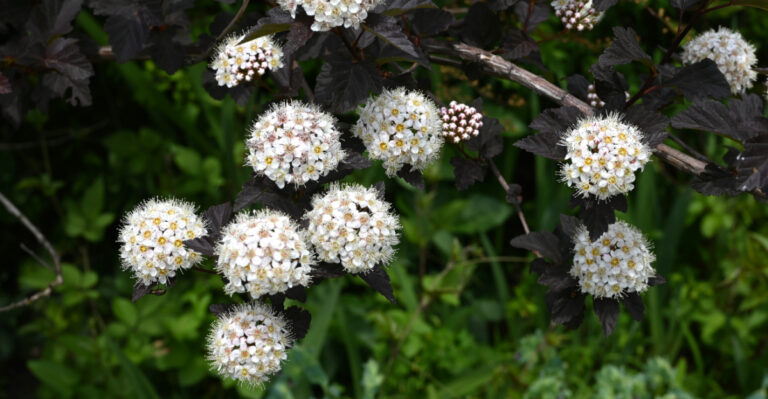
One of the coolest things about Ninebark is its peeling, layered bark that reveals warm cinnamon and orange tones underneath.
Even in winter, after the leaves have fallen, the stems bring visual interest that most other privacy shrubs simply cannot match.
During the growing season, clusters of small white or pinkish flowers attract pollinators, and the foliage comes in shades ranging from bright green to deep burgundy depending on the cultivar you choose.
Ninebark handles Michigan winters with no trouble at all, and it is not picky about soil type. Whether your yard has clay, sandy, or loamy soil, Ninebark adapts and keeps growing.
Space plants about 4 to 5 feet apart along a property line for a full, informal hedge that fills in within two or three seasons.
For Michigan gardeners who want results quickly without sacrificing natural beauty, Ninebark is a genuinely smart and satisfying choice.
7. Highbush Cranberry
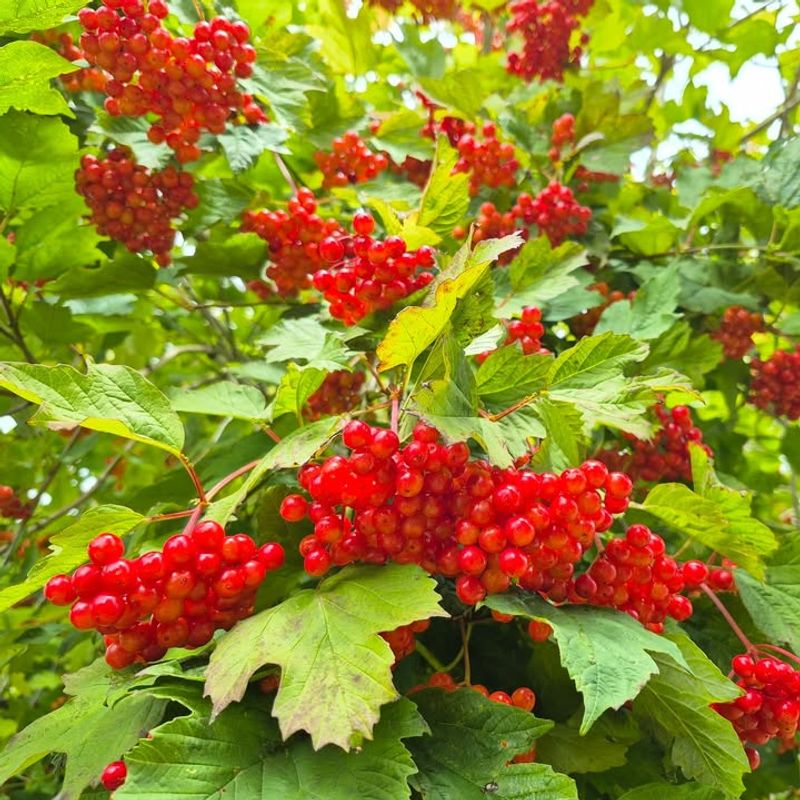
American Highbush Cranberry brings so much more to a Michigan yard than just privacy. Viburnum trilobum is a native shrub that grows into a dense, multi-stemmed form reaching 8 to 12 feet tall, making it a solid natural screen when planted in a row.
Space plants about 4 to 6 feet apart and they will knit together over time into a full, beautiful barrier along any property edge.
Spring kicks off with clusters of showy white flowers that attract pollinators and fill the yard with a fresh, cheerful energy.
By late summer and into fall, the branches droop with heavy clusters of bright red berries that are absolutely irresistible to Michigan’s native birds.
Robins, waxwings, and thrushes all depend on Highbush Cranberry berries as a food source during migration, so planting it means you are also supporting local wildlife in a meaningful way.
Fall color on this shrub is outstanding. The leaves shift to vivid shades of red and orange before dropping, giving your Michigan yard a brilliant seasonal finale.
Even in winter, the red berry clusters that birds have not yet finished off add color to the landscape.
Highbush Cranberry tolerates wet soils and part shade, which makes it a natural fit for many Michigan yards where drainage can be challenging. It is one of the most rewarding multi-season privacy plants you can grow here.
8. Norway Spruce
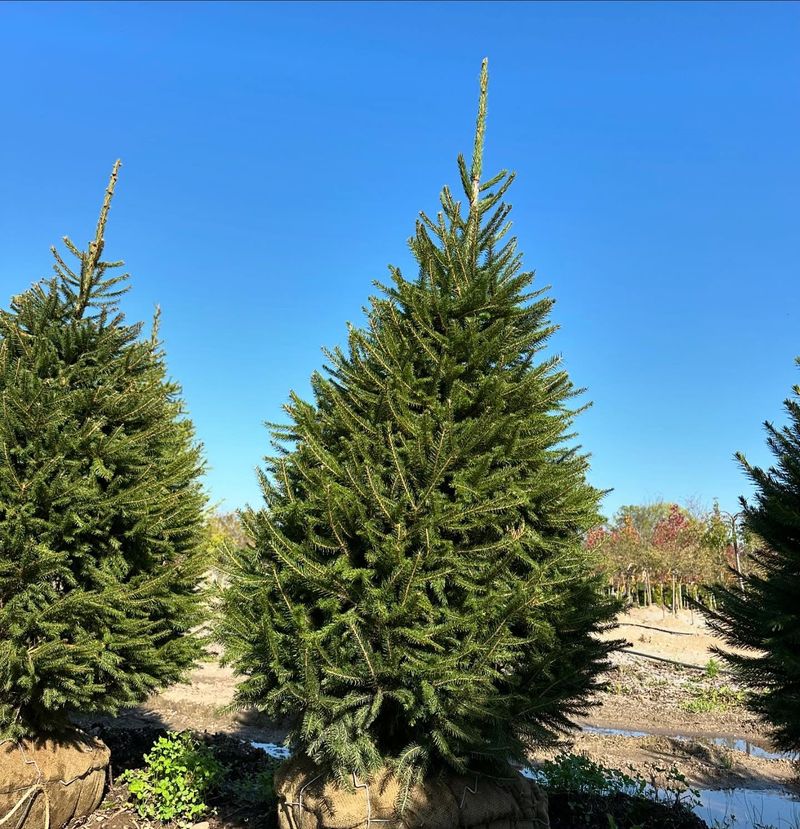
When Michigan homeowners need serious height and serious privacy, Norway Spruce steps up to deliver.
Picea abies is a fast-growing evergreen that can reach 40 to 60 feet tall at maturity, making it one of the most effective natural barriers available for larger properties.
Its sweeping, drooping branches give it a graceful, dramatic look that stands out beautifully against Michigan’s open winter skies. Speed is one of Norway Spruce’s biggest selling points.
Compared to many other large evergreens, it grows relatively quickly, adding 1 to 2 feet of height per year under good conditions.
The lower branches stay dense and full when the tree gets adequate sunlight, which is exactly what you want for a privacy planting at ground level.
Planted in a row, these trees form an impressive wall of green that blocks wind, noise, and neighboring views all at once.
Space Norway Spruce about 10 to 15 feet apart to allow each tree room to develop its full, natural shape while still creating a connected, overlapping screen.
The trees adapt well to Michigan’s cold winters and are not overly demanding about soil type as long as drainage is reasonable.
For Michigan homeowners with larger lots who want a bold, long-lasting privacy solution that also functions as a windbreak, Norway Spruce is one of the most dependable and visually striking choices available.
9. Common Lilac
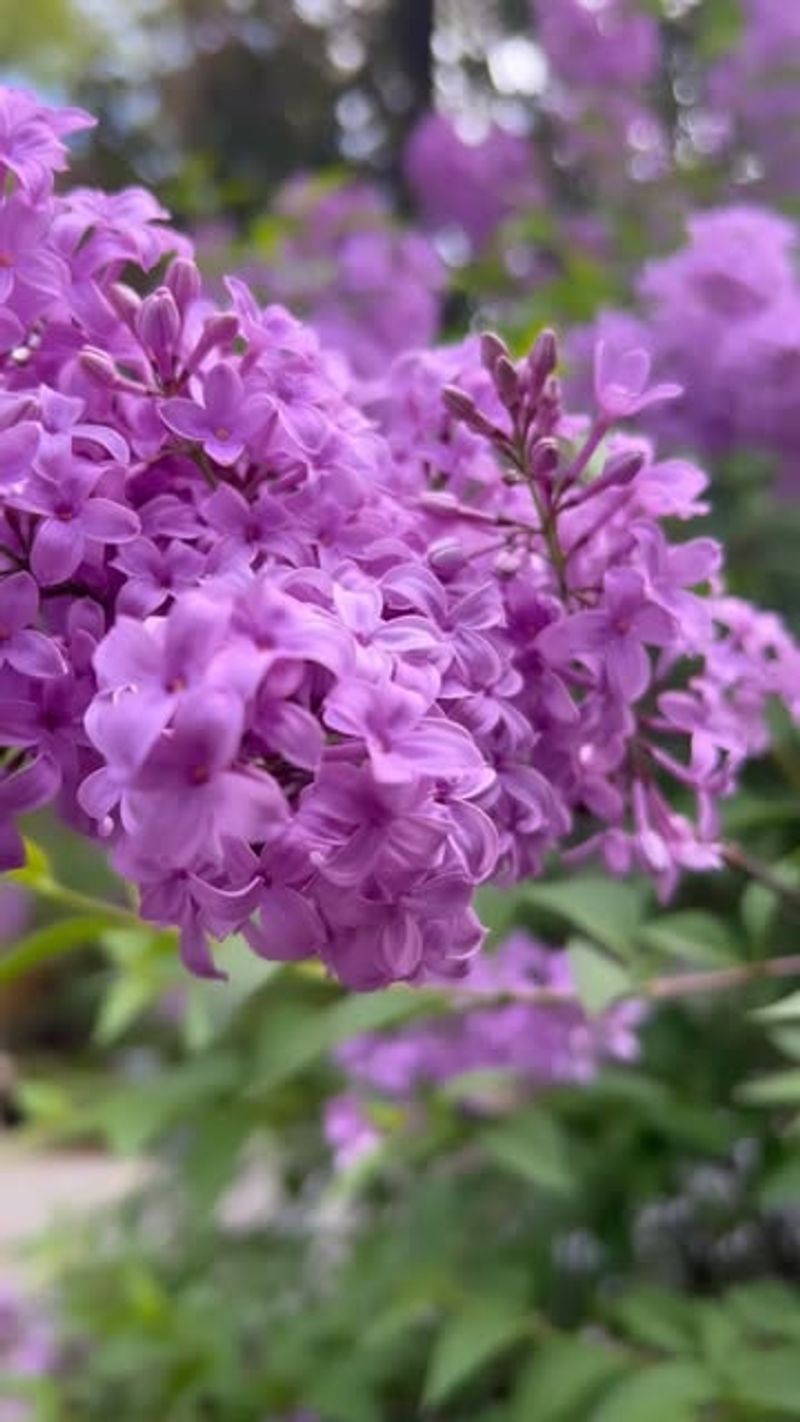
Few plants bring as much joy to a Michigan spring as the Common Lilac. Syringa vulgaris has been growing in Michigan gardens for generations, and its famous fragrant purple blooms are one of the most beloved seasonal sights across the state.
Beyond the flowers, though, lilac is a genuinely capable privacy shrub that forms a thick, dense hedge when planted in a row and given room to grow.
Plant Common Lilac about 4 to 5 feet apart and the shrubs will gradually fill in, their branches weaving together into a full, leafy screen by midsummer.
The foliage stays lush and green from late spring through fall, providing solid coverage during the months when you most want to enjoy your outdoor space.
Once the blooms fade in late May, the hedge settles into a quiet, hardworking green backdrop that lets the rest of your Michigan garden shine.
Lilacs are remarkably cold-hardy and actually need Michigan’s chilly winters to bloom their best the following spring.
They prefer full sun and well-drained soil, and once established, they require very little maintenance beyond an occasional pruning after flowering. Older stems can be thinned out every few years to keep the shrub vigorous and full.
For Michigan homeowners who want a privacy hedge that doubles as a springtime showpiece, Common Lilac is a timeless, fragrant, and deeply satisfying choice.