Top 7 Year-Round Flowers And Perennial Plants For Texas Yards
Texas gardens have a personality all their own. The hot summers, mild winters, and unpredictable rainfall can make it tricky to keep plants looking fresh throughout the year.
That’s why choosing flowers and perennials that thrive in local conditions is so important. With the right picks, your yard can stay colorful, lively, and inviting no matter the season.
Year-round plants do more than just look pretty. They provide structure, attract pollinators like butterflies and bees, and make your outdoor space feel complete.
Some bloom in early spring, others light up summer, and a few hold their color well into fall and winter. By combining these hardy varieties, you can design a yard that never feels empty or dull.
For Texas gardeners, the secret to a vibrant, low-maintenance landscape is picking plants that are built for the climate. With the right mix, your yard will stay beautiful and full of life all year long.
1. Lantana (Lantana Camara)
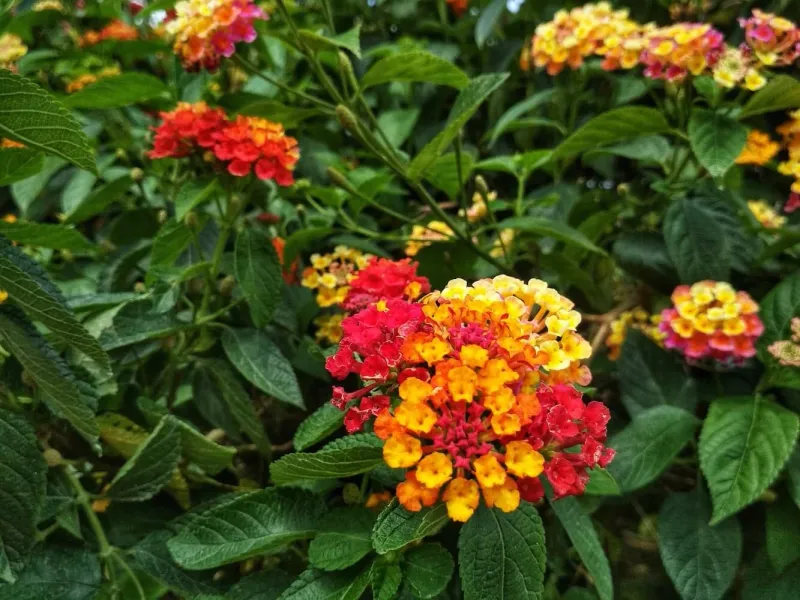
Few plants can match the toughness and color of lantana in a Texas yard. This heat-loving perennial pushes out bold clusters of flowers in shades of orange, yellow, red, pink, and purple from spring all the way through fall.
Even when summer temperatures soar past 100 degrees, lantana keeps on blooming without skipping a beat.
One of the biggest reasons Texas gardeners love lantana is its incredible drought tolerance. Once established, it needs very little water to survive and thrive.
Plant it in a sunny spot with well-drained soil, and it will reward you with nonstop color for months at a time.
Butterflies absolutely love lantana. Swallowtails, monarchs, and Gulf fritillaries flock to its blooms throughout the growing season.
Hummingbirds are also known to visit, making it a fantastic choice for anyone who wants to attract wildlife to their yard.
Lantana grows as a spreading shrub and can reach anywhere from two to six feet tall depending on the variety.
Compact varieties work great in containers or along garden borders. Larger types make excellent low-maintenance hedges or ground covers in open spaces.
In South Texas and along the Gulf Coast, lantana often acts like a true perennial, coming back reliably each spring.
In colder parts of the state, it may need a little protection during winter freezes, but it usually bounces back quickly once warm weather returns. It is truly one of the most dependable flowering plants you can grow across Texas.
2. Autumn Sage (Salvia Greggii)
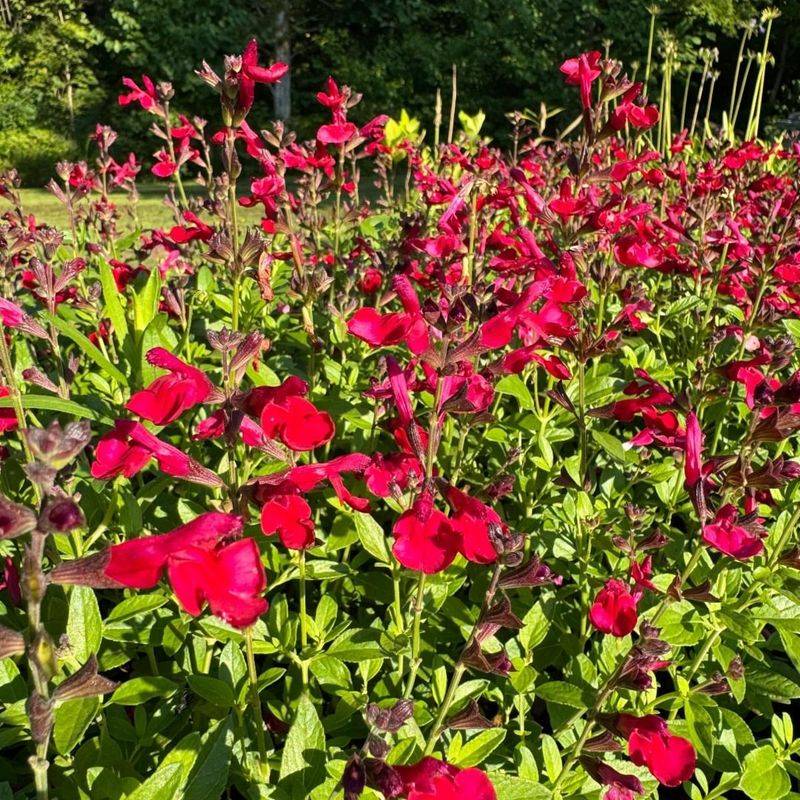
Ask any experienced Texas gardener to name their favorite native perennial, and autumn sage is almost always on the list.
This tough little shrub produces small, tubular flowers in shades of red, pink, coral, and white that just keep coming back throughout the year. In mild Texas winters, it may barely stop blooming at all.
Autumn sage is native to the Chihuahuan Desert region and the Texas Hill Country, which means it was practically built for the state’s harsh growing conditions.
It thrives in full sun and handles dry, rocky, or poor soils without complaint. Once it gets established, it asks for almost nothing in return for its stunning floral display.
Your Texas Garden Changes Every Week. Your Plan Should Too.
Gardening in Texas changes quickly throughout the season. Every Friday you’ll receive a simple weekly plan showing exactly what to plant, prune, fertilize, harvest, and protect so you never miss the right timing.
Hummingbirds are wild about autumn sage. The tubular shape of the flowers is perfectly designed for hummingbird feeding, and you can expect regular visits from ruby-throated hummingbirds throughout the warm months.
Bees and butterflies also stop by frequently, making your yard a lively hub of pollinator activity.
Most varieties of autumn sage grow between two and three feet tall and wide, making them ideal for borders, rock gardens, or mass plantings. They pair beautifully with other Texas natives like blackfoot daisy and coreopsis.
Trimming them back lightly after each flush of blooms encourages even more flowers to appear.
Whether you garden in San Antonio, Midland, or the Texas Panhandle, autumn sage is a reliable performer that brings lasting color and wildlife value to any landscape throughout the seasons.
3. Blackfoot Daisy (Melampodium Leucanthum)
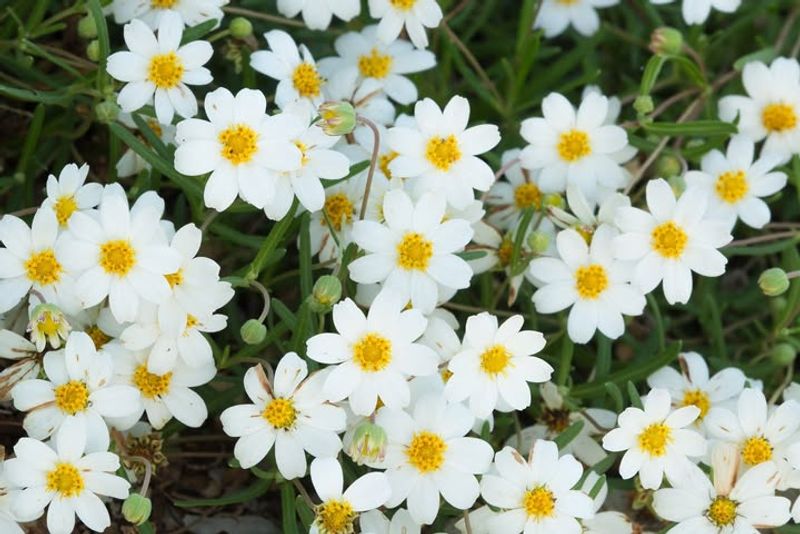
There is something wonderfully cheerful about a plant that covers itself in tiny white flowers even when rain is scarce and the sun is relentless. Blackfoot daisy does exactly that, and it does it with almost no help from the gardener.
This low-growing perennial is a true Texas treasure that deserves a spot in every yard across the state.
Native to the limestone hills and rocky plains of Texas and the Southwest, blackfoot daisy is perfectly adapted to lean soils and dry conditions. It forms a tidy mound about one foot tall and up to two feet wide, making it a great choice for rock gardens, slopes, and sunny borders.
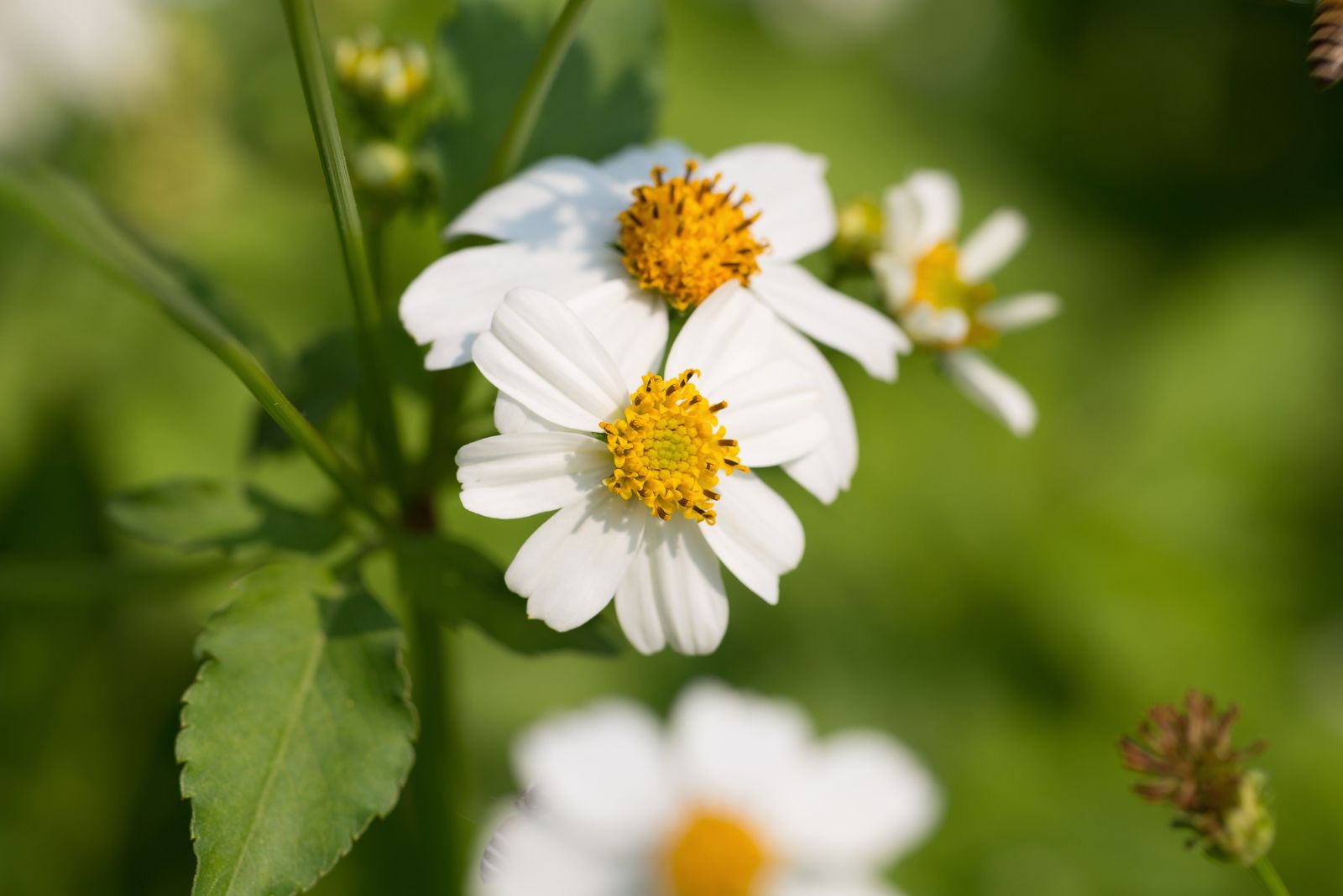
The small white flowers with yellow centers have a faint honey-like fragrance that adds another layer of charm.
Blooming can begin as early as February and continue all the way into November in warmer parts of Texas. That is an impressive stretch of color for such a compact plant.
Even during the hottest, driest stretches of summer, blackfoot daisy keeps producing fresh flowers without needing supplemental irrigation.
The key to success with this plant is excellent drainage. It does not like sitting in wet soil, so raised beds or gravelly areas work perfectly. Avoid heavy clay if possible, or amend the soil well before planting.
Pollinators including bees and butterflies visit the flowers regularly. Blackfoot daisy also tends to reseed lightly, gradually filling in surrounding areas and creating a natural, wildflower-meadow feel in Texas yards over time.
4. Coneflower (Echinacea Species)
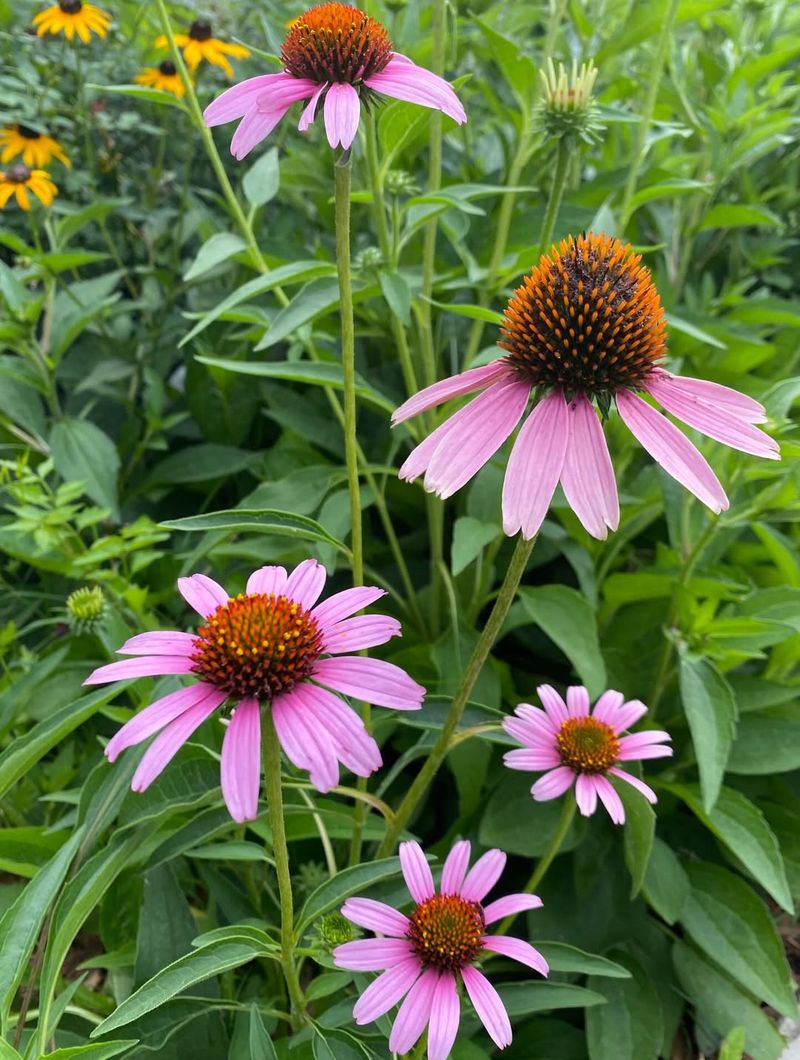
Bold, beautiful, and surprisingly tough, coneflowers are a standout choice for Texas gardeners who want long-lasting summer color without constant pampering.
These large, daisy-like blooms come in purple, pink, white, orange, and yellow depending on the variety. Their raised, spiky centers give them a distinctive look that stands out in any garden bed.
Coneflowers belong to the Echinacea family and are native to much of North America, including parts of Texas. Once they get established in the ground, they handle heat and dry spells remarkably well.
Full sun is where they perform best, and they prefer well-drained soil that does not stay soggy after rain.
Did you know that coneflowers have been used in herbal medicine for centuries? Many people recognize the Echinacea name from natural cold remedies sold in health stores.
But in the garden, these plants shine for a completely different reason: their incredible ability to attract pollinators of all kinds.
Bees swarm to coneflower blooms throughout the summer, and goldfinches love to perch on the seed heads in fall and winter.
Leaving the dried seed heads standing through the colder months gives birds a valuable food source and adds interesting texture to the winter garden.
In Texas, coneflowers typically bloom from late spring through summer and sometimes into early fall. They spread slowly over the years and form larger clumps that reward you with more blooms each season.
Dividing the clumps every few years keeps them vigorous and full of energy for continued flowering across your yard.
5. Coreopsis (Coreopsis Species)
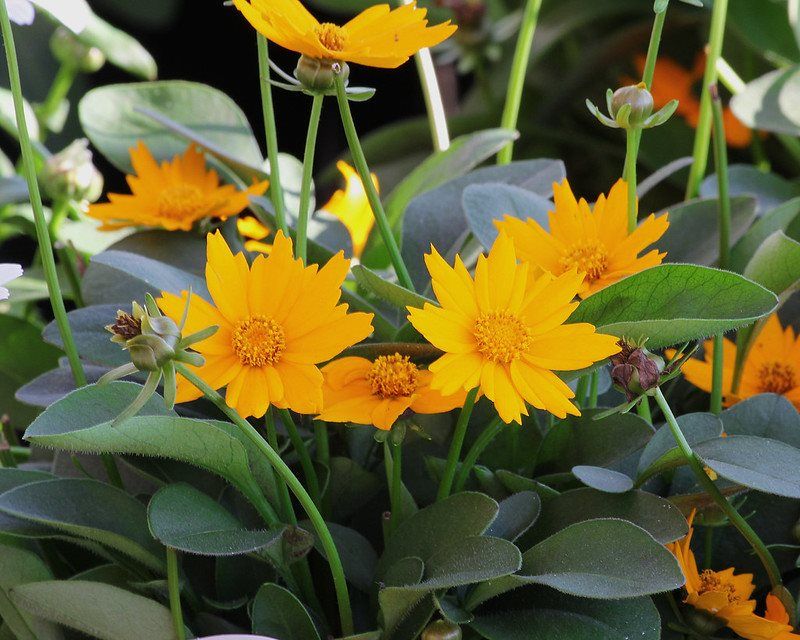
If your Texas yard could use a burst of sunshine, coreopsis is the plant to reach for. These bright yellow and golden flowers bloom with incredible enthusiasm from spring through fall, filling garden beds and borders with nonstop cheerful color.
Few perennials offer this much visual impact with this little effort. Coreopsis is sometimes called tickseed, and it is one of the most adaptable flowering perennials you can grow in Texas.
It thrives in full sun and well-drained soil, tolerates heat like a champion, and handles drought conditions once it gets settled in.
Sandy or loamy soils work especially well, though it adapts to many soil types as long as water does not pool around the roots.
Many varieties of coreopsis bloom for extended periods, especially when you remove spent flowers regularly. This practice, known as deadheading, encourages the plant to keep pushing out new blooms rather than putting energy into seed production.
Even without deadheading, most varieties are generous bloomers throughout the warm months.
Texas Yellowstar, a native species of coreopsis, is particularly well-suited to the state’s conditions. It naturalizes beautifully along roadsides and in meadow-style plantings, and it reseeds freely to create larger drifts over time.
Mixing coreopsis with purple or blue-flowered plants like autumn sage creates a stunning color contrast in the landscape.
Butterflies and bees visit coreopsis blooms regularly, making it a solid choice for pollinator gardens. Across Texas, from the Piney Woods to the Trans-Pecos region, coreopsis delivers reliable beauty season after season with very minimal upkeep required.
6. Red Yucca (Hesperaloe Parviflora)
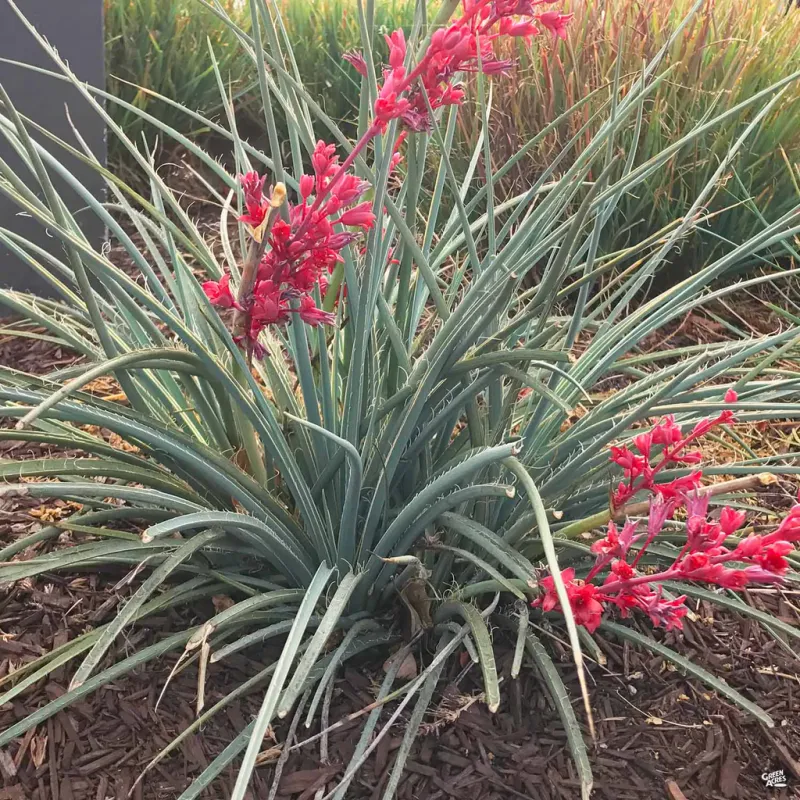
Red yucca does not look like most flowering perennials, and that is exactly what makes it so striking.
Long, arching, grass-like leaves form a dramatic fountain at the base of the plant, and from late spring through summer, tall flower spikes shoot upward and become covered in tubular coral-pink blooms. It is the kind of plant that makes visitors stop and ask what it is.
Despite its name, red yucca is not actually a true yucca. It belongs to the Hesperaloe genus and is native to the Chihuahuan Desert and the Texas Hill Country.
This origin story explains why it handles Texas summers so effortlessly. Blistering heat, rocky soil, and months without rain are no problem for this resilient perennial.
Hummingbirds are completely devoted to red yucca. The coral-colored tubular flowers are a perfect match for hummingbird beaks, and these tiny birds will visit the flower spikes again and again throughout the blooming season.
Orioles and large bees also take advantage of the nectar-rich blooms. Red yucca is a cornerstone of xeriscape design in Texas. It works beautifully in dry garden beds, rock gardens, and modern landscapes where water conservation is a priority.
Pairing it with ornamental grasses, agaves, or desert willows creates a low-water planting that looks polished and intentional.
Maintenance needs are minimal. Simply remove old flower stalks after blooming ends and trim any damaged leaves as needed.
Over time, red yucca forms clumping colonies that become more impressive every year in Texas landscapes.
7. Mexican Heather (Cuphea Hyssopifolia)
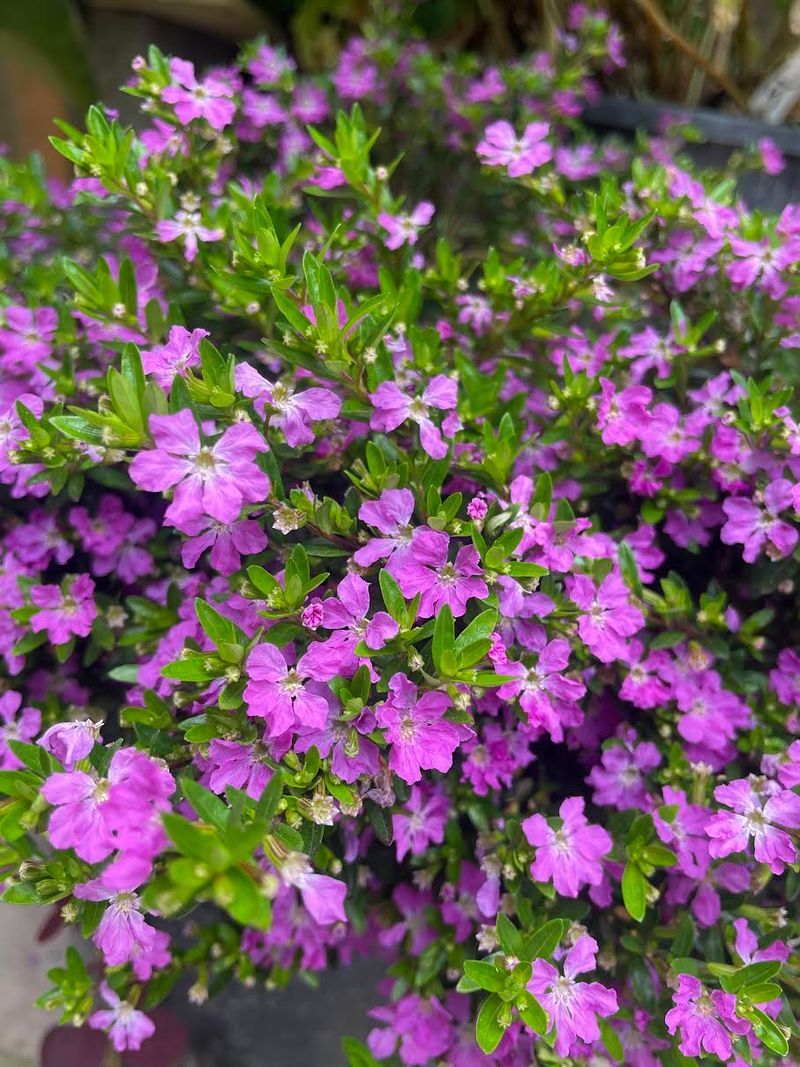
Small but mighty, Mexican heather is one of those plants that earns its place in a Texas yard by simply refusing to stop blooming.
This compact perennial produces a seemingly endless supply of tiny purple, lavender, or white flowers from spring all the way through the first cold snap of winter. In South Texas and along the Gulf Coast, it may bloom nearly year-round.
Mexican heather grows into a tidy mound about one to two feet tall and wide, making it a fantastic choice for edging pathways, filling container gardens, or creating low borders along flower beds.
Its fine-textured foliage stays green and attractive even when it is not in active bloom, which adds value during quieter gardening seasons.
Warm, sunny locations are where Mexican heather truly shines. It loves the heat and handles humidity well, which makes it a natural fit for the coastal and eastern parts of Texas where summers feel like a steam bath.
Regular watering helps it thrive, though established plants can tolerate short dry spells without much trouble.
Bees and butterflies visit the flowers frequently, drawn in by the abundant nectar the tiny blooms provide. The plant also tends to attract hummingbirds when planted in large groupings that create a more visible floral display in the landscape.
One fun fact about Mexican heather is that it is not actually native to Mexico. It originates from Guatemala and other parts of Central America.
Regardless of its roots, it has become a beloved staple in Texas gardens for its cheerful, non-stop blooming habit and easy-care personality.