What To Seed In March In Florida For A Strong Spring Garden
March unlocks Florida gardens like no other month. The sun hits just right, the soil warms, and every seed planted now sets the stage for a spring explosion of color, flavor, and life.
Imagine crisp lettuce, aromatic basil, juicy tomatoes, and crunchy carrots bursting from the earth, all thriving before the summer heat shows up. Garden beds transform into vibrant tapestries while pollinators arrive to complete the circle of growth.
Strategic planting now guarantees steady harvests, bold flavors, and flowers that demand attention. Every corner of a backyard can become a showstopper with the right crops taking root at the perfect moment.
March doesn’t wait, and neither should gardens.
Plant boldly, water smart, and watch the magic unfold as your Florida garden becomes a paradise of abundance, taste, and beauty that turns every visit outside into an unforgettable experience.
1. Crisp Greens Are Ready To Grow
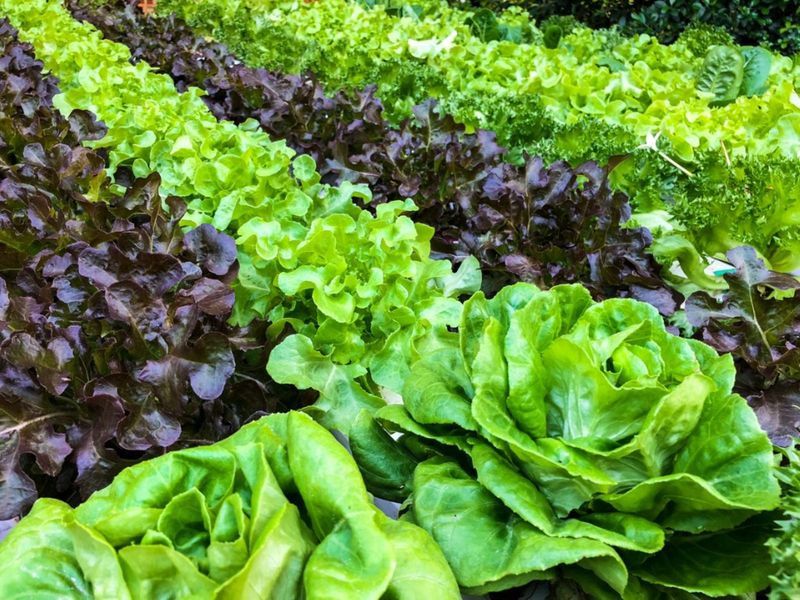
Few things beat walking outside and snipping fresh salad greens right before lunch. In Florida, March is still a sweet spot for planting quick-growing leafy greens before the summer heat really kicks in.
Arugula, lettuce, and mixed salad blends germinate fast and can be ready to harvest in as little as 30 days from seeding.
For best results, sow seeds directly into well-draining soil enriched with compost. According to the University of Florida IFAS, North and Central Florida gardeners should prioritize getting leafy greens in the ground early in March, while South Florida gardeners should act quickly since warm temperatures arrive sooner there.
Spacing matters more than most beginners realize. Plant rows about 6 inches apart and thin seedlings so they have room to spread.
Consistent moisture is key, so water lightly every day or two. Mulching around the base of your plants helps keep the soil cool and moist longer, which these greens absolutely love during Florida’s warming spring days.
2. Spinach And Kale Thrive In March
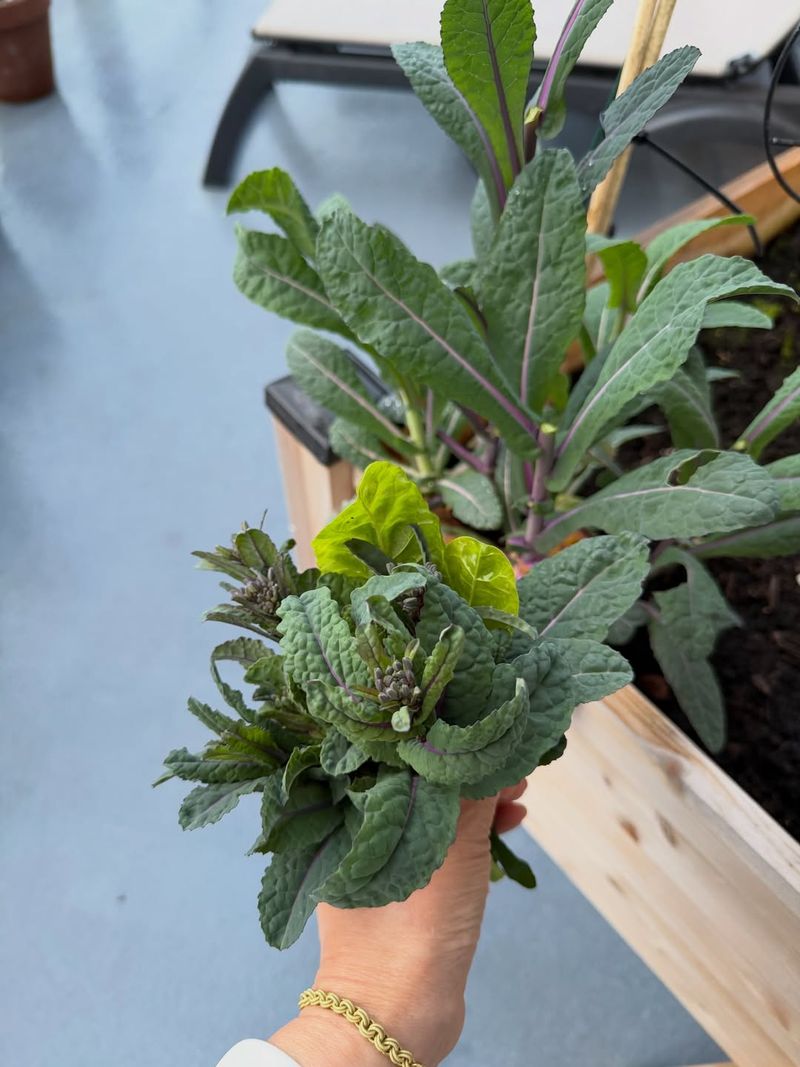
Spinach and kale are two of the hardest-working greens you can plant in a Florida spring garden. Both crops enjoy the cooler nights that March still brings, especially in North and Central Florida where temperatures can dip into the 50s.
That mild chill actually encourages sweeter, more tender leaves that taste far better than anything from a grocery store bag.
According to University of Florida IFAS guidelines, March is one of the last reliable months to seed spinach in Florida before heat causes it to bolt and go to seed. Kale is slightly more heat-tolerant and can stretch into late spring with some afternoon shade.
Sow seeds about half an inch deep and keep the soil consistently moist during germination.
Both plants benefit from soil that has been amended with compost before planting. Feed them with a balanced fertilizer two to three weeks after germination to encourage strong, leafy growth.
Harvest outer leaves regularly to keep new growth coming in. With just a little attention, spinach and kale can reward Florida gardeners with weeks of fresh, nutritious greens throughout the spring season.
3. Fresh Herbs Bring Flavor Fast
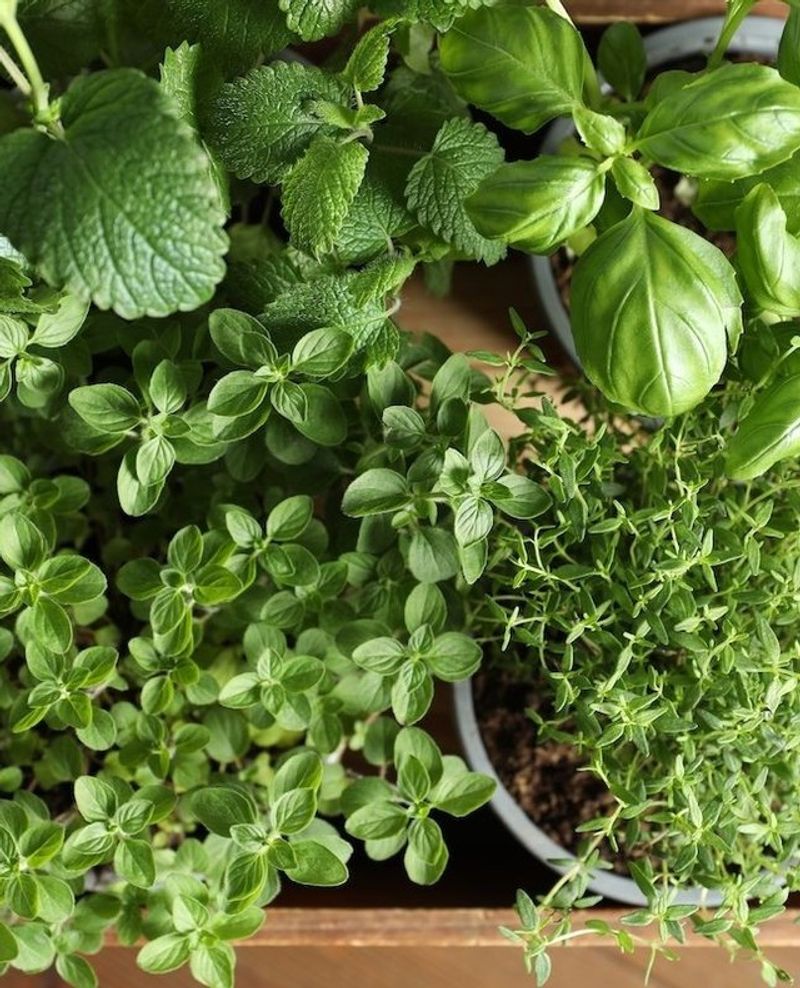
Imagine stepping outside every evening to grab a handful of fresh basil or cilantro for dinner. That dream is completely achievable in Florida this March.
Your Florida Garden Changes Every Week. Your Plan Should Too.
Gardening in Florida changes quickly throughout the season. Every Friday you’ll receive a simple weekly plan showing exactly what to plant, prune, fertilize, harvest, and protect so you never miss the right timing.
Herbs are among the fastest-rewarding plants you can seed, and many of them thrive in Florida’s warm, sunny spring conditions with very little fuss.
Basil is a star performer in Central and South Florida and should be seeded in March once nighttime temperatures stay above 55 degrees Fahrenheit. Cilantro and parsley do better in North Florida early in the month when it is still a bit cooler, since both prefer mild temperatures to establish roots.
According to IFAS, heat-tolerant herbs like oregano and rosemary also do extremely well throughout Florida during spring planting season.
Start herb seeds in small containers or directly in garden beds with loose, well-draining soil. Most herbs need at least six hours of full sun each day.
Water regularly but avoid overwatering, since soggy roots can cause problems. Pinch off flower buds as they appear to keep the plants producing leaves longer.
Growing herbs in Florida is one of the most satisfying and practical gardening investments you can make this spring.
4. Tomatoes Benefit From An Early Start
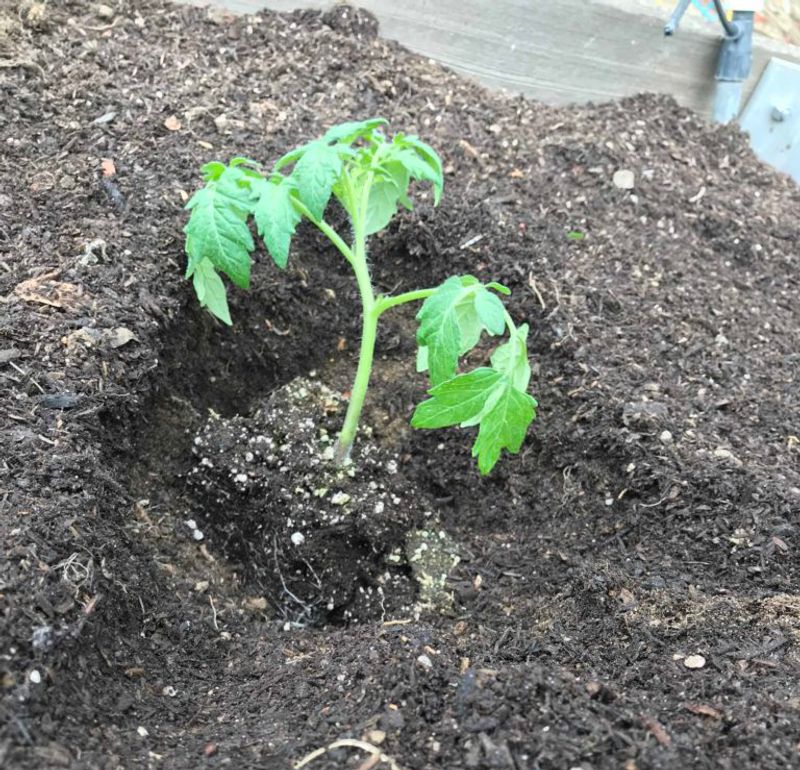
Tomatoes are the crown jewel of many Florida spring gardens, and March is a critical month to get them started right. Planting too late means your tomatoes will face Florida’s brutal summer heat before they finish producing.
Getting seeds or transplants in the ground early in March gives plants the time they need to flower and fruit before temperatures climb too high.
University of Florida IFAS recommends heat-tolerant tomato varieties for Florida gardens, including Solar Fire, Heatmaster, and Florida 91. These varieties are bred to set fruit even when temperatures are warm, which gives Florida gardeners a real advantage.
Prepare your soil by mixing in compost and a balanced fertilizer before planting, since tomatoes are heavy feeders that need rich, well-amended ground to perform their best.
Water tomatoes deeply and consistently, aiming for about one inch of water per week. Uneven watering can cause blossom drop and fruit problems.
Stake or cage plants early so they have support as they grow. Mulch around the base to hold in moisture and reduce weeds.
With the right variety and a little planning, Florida tomato plants seeded in March can reward you with a generous harvest before summer heat arrives.
5. Peppers Love The Warming Sun
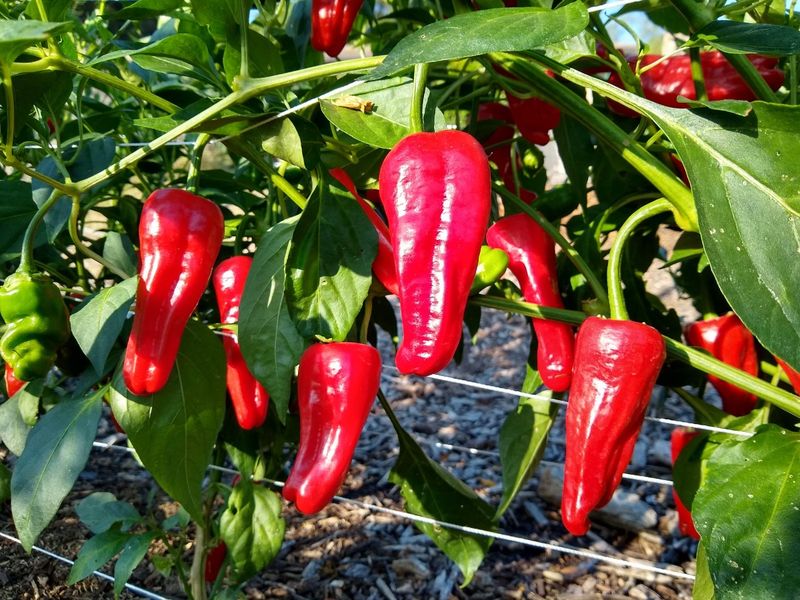
Peppers are one of those crops that seem to soak up every ray of Florida sunshine and turn it into something delicious. March is an ideal time to seed peppers across most of Florida because the warming days and mild nights create exactly the conditions these plants crave.
Both bell peppers and hot varieties like jalapeños, banana peppers, and habaneros all do well when started this month.
Pepper seeds need soil temperatures of at least 65 to 70 degrees Fahrenheit to germinate reliably. In South Florida, that is easy to achieve in March.
In North Florida, starting seeds indoors and transplanting them outside mid-to-late March gives them a safer start. IFAS recommends spacing pepper plants about 18 inches apart so each plant gets adequate airflow, which helps prevent fungal issues in Florida’s humid climate.
Peppers thrive in full sun, meaning at least six to eight hours of direct sunlight daily. Amend your garden bed with compost and a phosphorus-rich fertilizer to support strong root development.
Water consistently but allow the top inch of soil to dry slightly between waterings. Peppers planted in March in Florida can produce fruit well into early summer and sometimes even longer with proper care.
6. Beans Shoot Up Quickly This Month
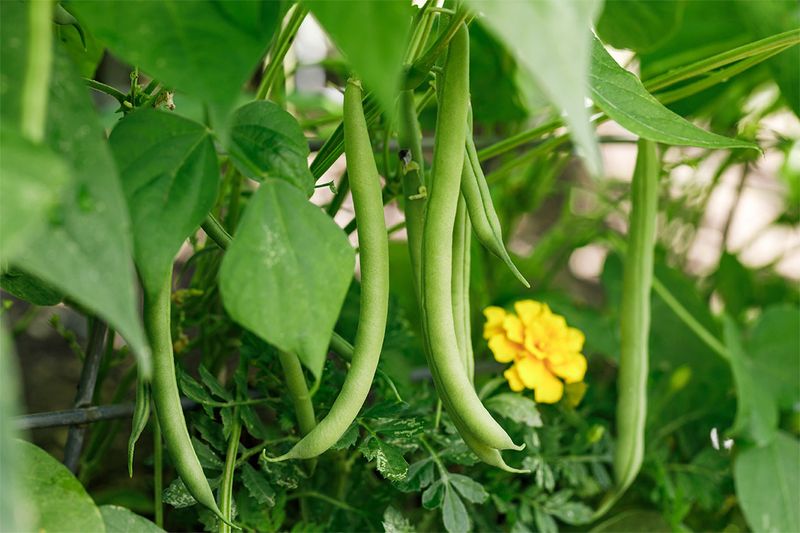
There is something incredibly satisfying about watching bean plants push up through the soil just days after planting. Beans are among the fastest-growing vegetables you can seed in March in Florida, and they require very little fuss once they get going.
Bush beans and pole beans both perform well across Florida this time of year, making them a great choice for beginners and experienced gardeners alike.
According to the University of Florida IFAS, March is an excellent month to direct-seed beans in all regions of Florida. Bush beans do not need any support structure and tend to produce their harvest all at once, making them great for small gardens.
Pole beans grow vertically and need a trellis or bamboo poles for support, but they produce over a longer period, which is a real bonus for continuous harvests.
Plant bean seeds about one inch deep and three to four inches apart in rows. Beans prefer full sun and well-draining soil.
Avoid over-fertilizing with nitrogen, as too much can encourage leafy growth at the expense of pods. Water regularly at the base of the plant to keep foliage dry and reduce disease pressure.
Florida gardeners who seed beans in March can expect their first harvest in as few as 50 days.
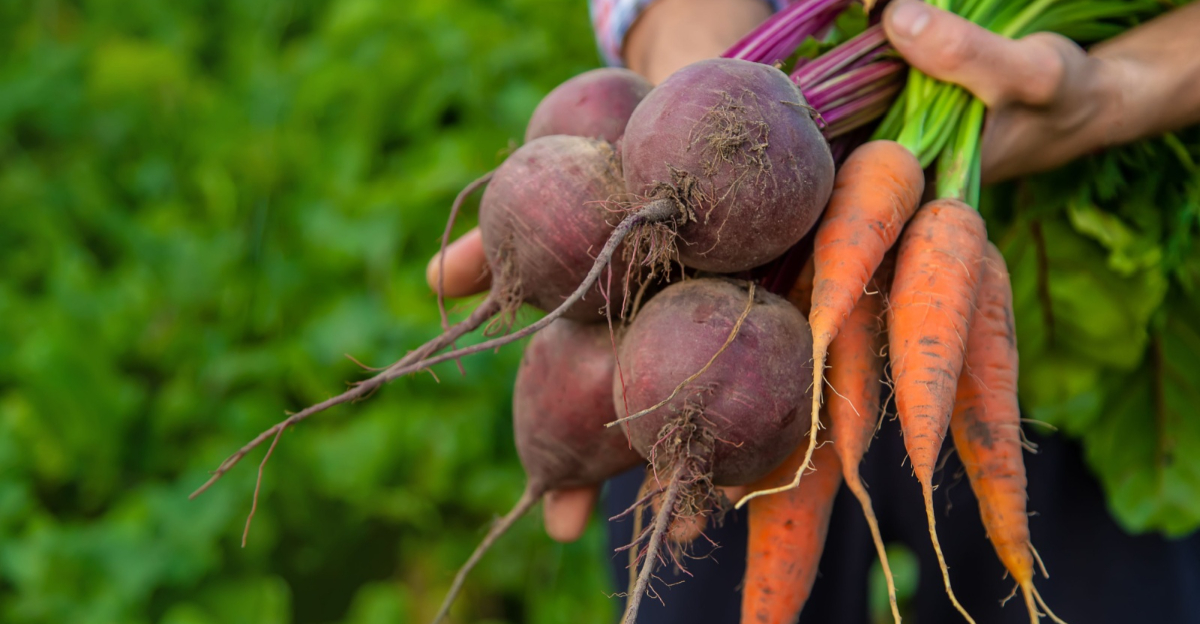
7. Carrots, Beets, And Roots Take Off
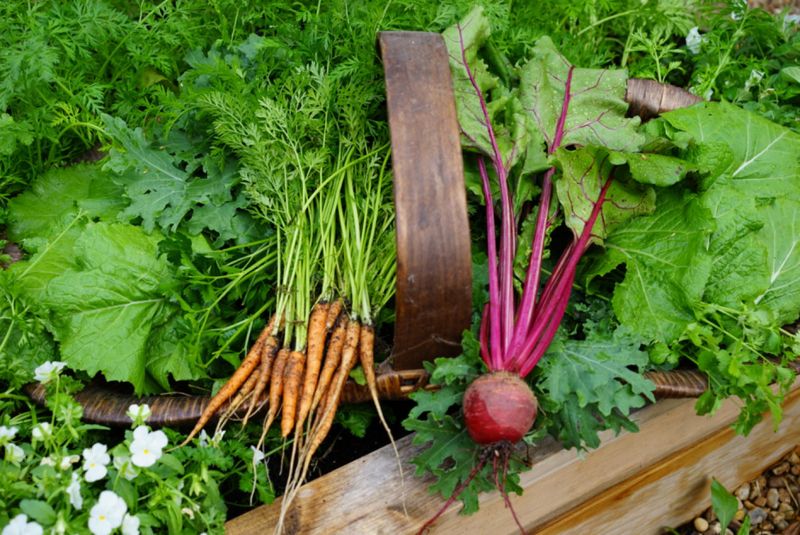
Root vegetables have a reputation for being tricky, but March in Florida is actually one of the better windows to grow them successfully. Carrots, beets, and radishes all prefer the cooler soil temperatures that early spring still provides before summer heat bakes the ground.
Getting seeds in the ground in early to mid-March gives roots enough time to develop before conditions turn too warm.
Florida’s sandy soil can actually be an advantage for root crops because it is loose and allows roots to push down without obstruction. However, sandy soil drains quickly and holds fewer nutrients, so mixing in generous amounts of compost before planting is essential.
IFAS recommends planting carrot seeds about a quarter inch deep and keeping the soil consistently moist during germination, which can take up to two weeks.
Beets are slightly more forgiving than carrots and can handle a bit more heat. Thin beet seedlings to about four inches apart once they sprout to give roots room to swell.
Radishes are the speed champions of the root vegetable world and can be ready to pull in as few as 25 days. Succession planting every two weeks throughout March keeps a steady supply of fresh root vegetables coming out of your Florida garden all season long.
8. Zucchini And Summer Squash Are Ready
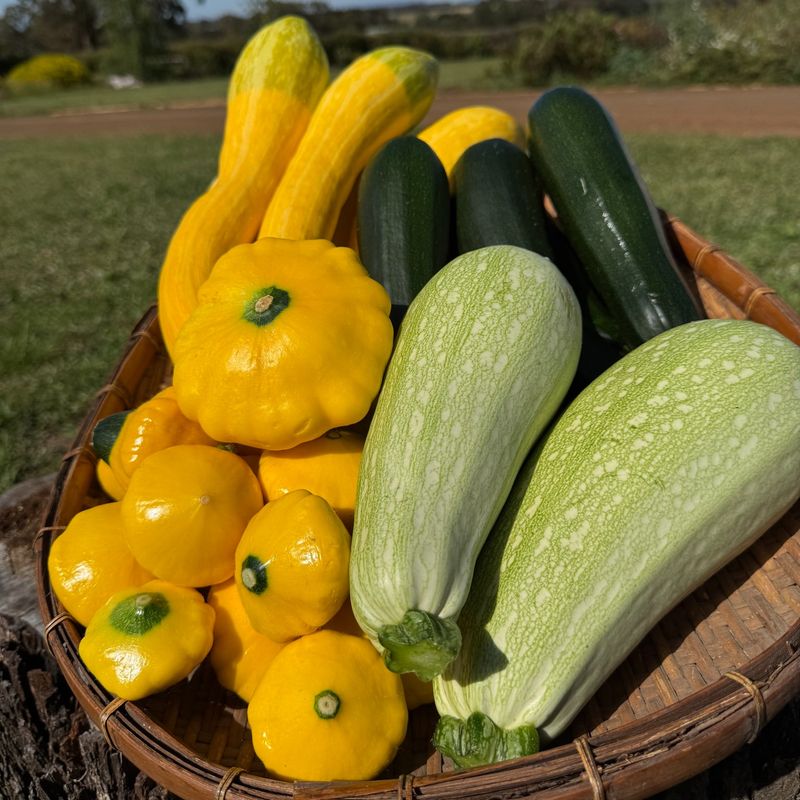
Zucchini might just be the most generous plant in the entire spring garden. Once it starts producing, it almost never stops, and March in Florida is the perfect time to get seeds in the ground.
Summer squash varieties including yellow crookneck and pattypan squash all germinate quickly in Florida’s warming March soil and can go from seed to harvest in about 50 to 60 days.
According to IFAS, squash grows best in full sun with rich, well-draining soil. Space plants generously, at least 24 to 36 inches apart, because squash plants spread out considerably as they grow.
Crowding leads to poor airflow, which in Florida’s humid climate can encourage powdery mildew and other fungal issues. Raised beds work especially well for squash because they improve drainage and warm up quickly in spring.
Water squash plants at the base rather than overhead to keep leaves dry and minimize disease risk. Consistent moisture is important, especially when plants are flowering and setting fruit.
Squash vine borers and cucumber beetles are pests to watch for in Florida gardens, so inspect plants regularly. Mulching around the base helps retain moisture and keeps weeds from competing with your plants.
With good spacing and consistent care, zucchini planted in March can produce abundantly through late spring.
9. These Flowers Brighten Any Garden
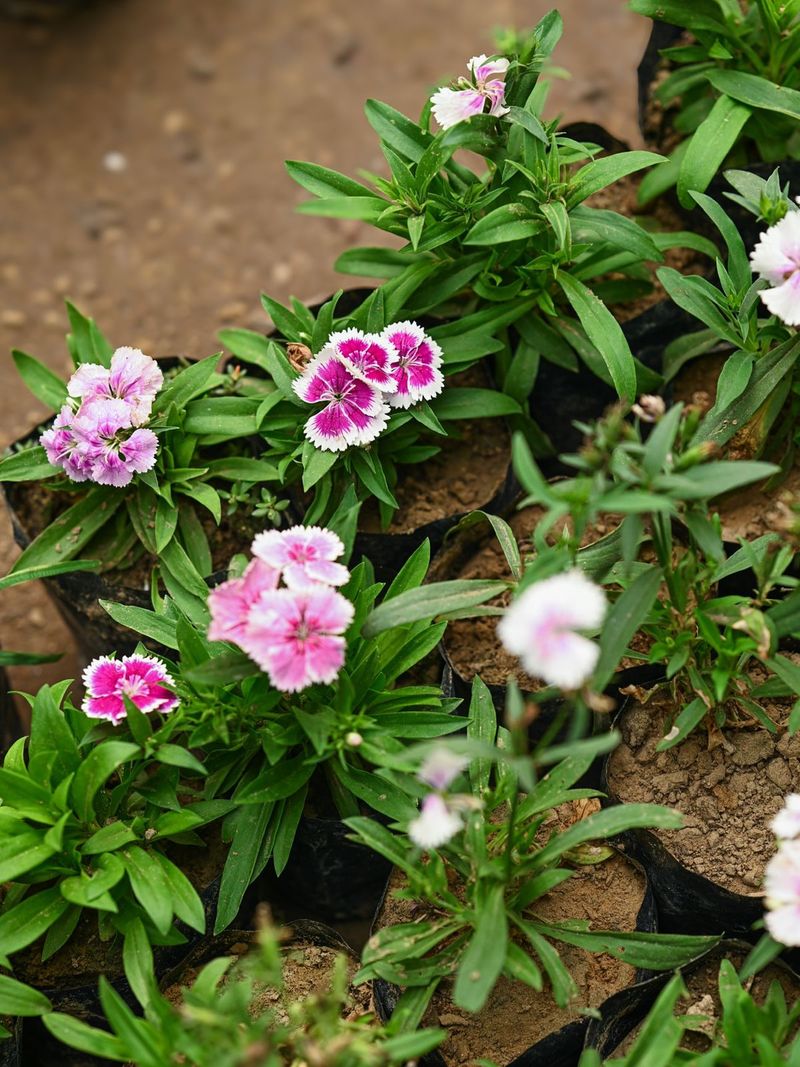
A vegetable garden without flowers is missing something special. Planting colorful blooms in March does more than just make your Florida garden look beautiful.
Many flowering plants attract pollinators like bees and butterflies that help your vegetables produce more fruit, and some even act as natural pest deterrents when planted nearby.
According to the University of Florida IFAS, March is a prime time to seed warm-season annuals across most of Florida. Zinnias are one of the easiest and most rewarding flowers to grow from seed in Florida, thriving in the heat and producing blooms in a wide range of vibrant colors.
Pentas and marigolds are also excellent choices, offering long bloom seasons and strong performance in Florida’s sunny spring conditions.
In North Florida, cool-season flowers like dianthus can still be planted early in March before transitioning to warm-season varieties later in the month. In Central and South Florida, coreopsis and sun-loving petunias perform beautifully when seeded in March.
Most annual flowers prefer well-draining soil and at least six hours of full sun. Water regularly and deadhead spent blooms to encourage continuous flowering.
Adding a colorful border of flowers to your Florida spring garden makes the whole space more lively, productive, and welcoming all season long.