Should Texas Gardeners Prune Fig Tree Before Spring
Have you ever looked at your fig tree in early spring and wondered if trimming it now would help or hurt your harvest? Fig trees are forgiving, but timing can make a noticeable difference in growth, fruit production, and overall tree health.
Knowing when to prune is key for gardeners who want strong branches, abundant figs, and a tree that looks great year-round.
Pruning is more than just cutting back branches. It shapes the tree, improves airflow, and helps sunlight reach inner leaves and fruit.
The right cuts can reduce disease risk and encourage larger, sweeter figs. In Texas, where winters are mild but unpredictable, understanding the best moment to prune can save both time and effort while setting the stage for a successful season.
With careful attention and the right techniques, your fig tree can flourish, reward you with bountiful fruit, and stay healthy for many years to come.
1. Why Pruning Fig Trees Is Important For Healthy Growth?
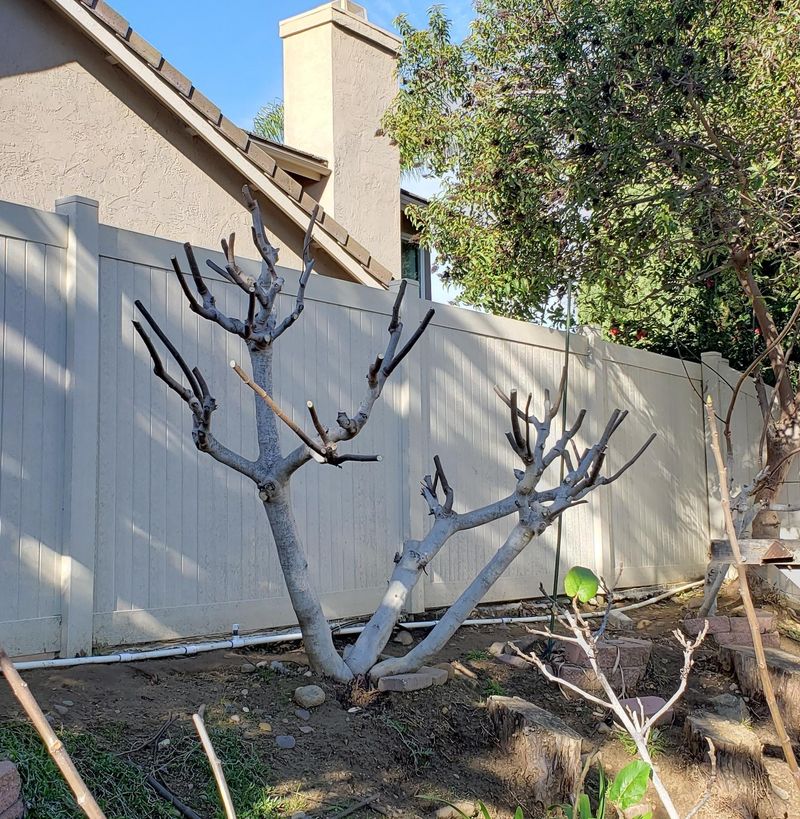
A well-pruned fig tree is a productive fig tree. Pruning might seem like a small task, but it plays a big role in keeping your tree healthy and full of fruit.
When you take the time to prune correctly, you give your tree the best possible chance to thrive through the Texas growing season.
Removing dry or damaged branches is one of the first reasons pruning matters. Old, broken, or decaying wood can slow down the tree’s energy and even spread disease to healthy parts.
Cutting those branches away lets the tree focus its energy on producing new growth and fruit instead.
Good airflow is another major benefit. When branches are crowded together, moisture gets trapped, which can lead to fungal problems.
Opening up the canopy by removing excess branches allows air to move through freely, reducing the chances of disease taking hold.
Sunlight is just as important as air. Fig trees need plenty of direct sun to produce sweet, ripe fruit.
When the center of the tree is too dense, inner branches get shaded out and fruit production drops. Pruning helps sunlight reach deeper into the canopy, supporting fruit development across more of the tree.
For Texas gardeners especially, where summer heat can be intense, a well-shaped tree handles stress better. A balanced canopy distributes resources more evenly, helping the tree stay strong even during dry spells.
Pruning also makes the tree easier to manage, harvest from, and inspect for pests or disease throughout the season.
2. When Fig Trees Should Be Pruned In Texas?
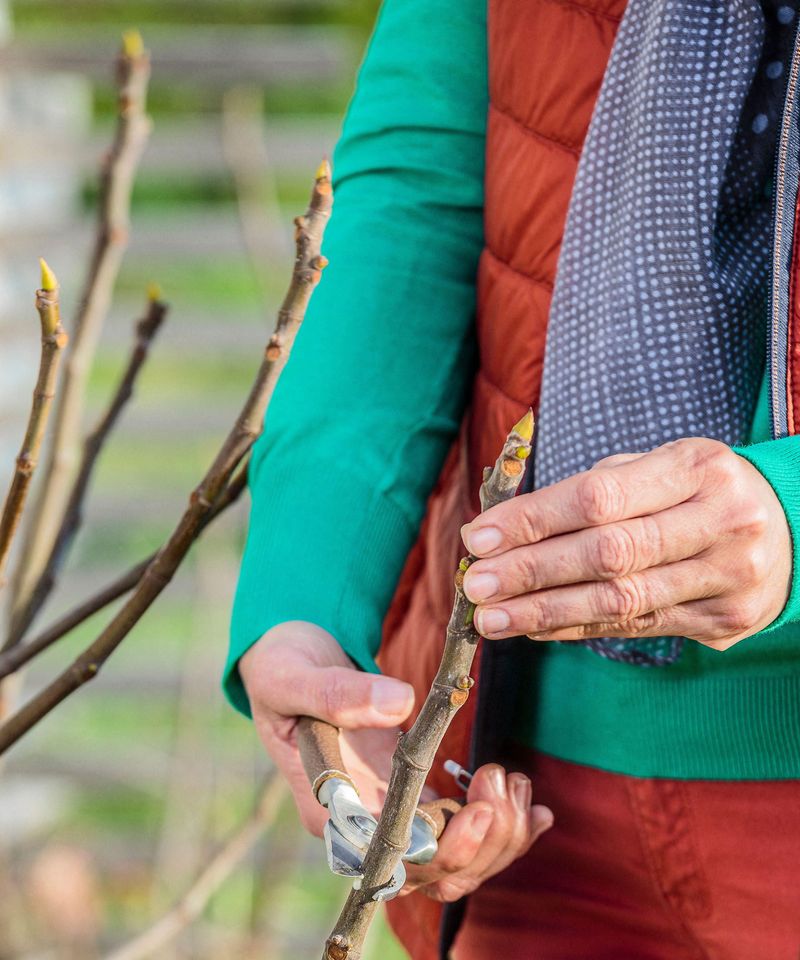
Timing is everything when it comes to pruning fig trees in Texas. Prune too early and you risk cold damage to fresh cuts.
Prune too late and you may interrupt new growth just as the tree is waking up for the season. Getting the timing right helps the tree recover quickly and grow strong.
Most Texas gardeners are advised to prune during the dormant season, which typically falls in late winter. At this point, the tree has finished its fall rest and has not yet pushed out new spring growth.
Your Texas Garden Changes Every Week. Your Plan Should Too.
Gardening in Texas changes quickly throughout the season. Every Friday you’ll receive a simple weekly plan showing exactly what to plant, prune, fertilize, harvest, and protect so you never miss the right timing.
This window gives you a clear view of the branch structure and allows cuts to heal before the growing season kicks in.
Where you live in Texas matters quite a bit. Gardeners in North Texas, where winters are colder and longer, may want to wait until late February or even early March before pruning.
Pruning too soon in those areas can expose fresh cuts to late freezes, which can set the tree back.
In Central Texas, late January through mid-February is often a safe window for pruning. Temperatures are mild enough that serious freezes become less likely, but the tree is still dormant and not yet budding.
Many experienced gardeners in the Austin and San Antonio areas follow this general schedule.
South Texas gardeners may be able to start pruning as early as mid-January since winters there are much milder. However, it is still smart to keep an eye on the forecast.
A late cold snap can catch gardeners off guard, so staying aware of local weather conditions is always a good habit.
3. Why Late Winter Pruning Works Best Before Spring?
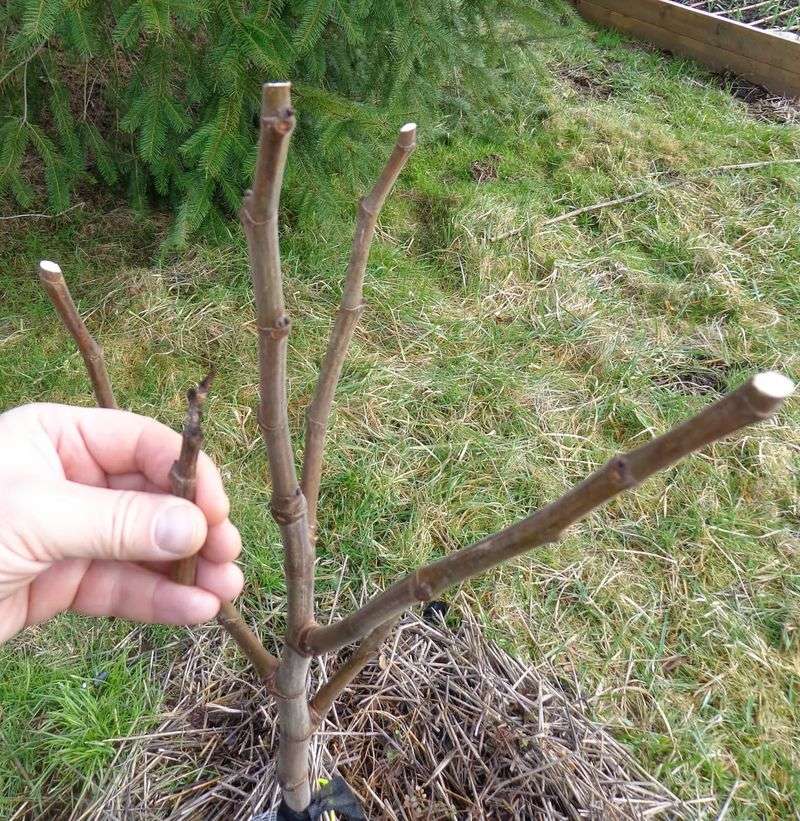
Late winter holds a special advantage for fig tree pruning that other seasons simply cannot match. Before leaves appear, you can see every single branch clearly.
There are no leaves blocking your view, which means you can spot weak spots, crossing branches, or dry wood much more easily than you could in summer.
Fig trees are dormant during late winter, meaning their growth has slowed way down. The tree is essentially resting.
Pruning a dormant tree puts far less stress on it compared to cutting branches when the tree is actively growing and pushing out new leaves or fruit.
When a tree is dormant, it is not using as much water or energy. That means cuts heal more efficiently once warmer weather arrives and the tree becomes active again.
The timing allows wound sites to begin closing up right as spring growth pushes forward, which reduces the risk of disease entering through fresh cuts.
Another reason late winter works so well in Texas is the mild weather. Unlike northern states where temperatures stay brutally cold for months, Texas winters often provide comfortable working conditions.
Gardeners can get outside and tend to their trees without battling extreme cold or snow. Pruning just before spring also gives the tree a clean slate heading into its most productive period.
With unwanted branches removed, the tree can direct all its energy into new shoots, leaves, and eventually fruit.
Think of it as clearing the path so the tree can run full speed into the growing season. For Texas gardeners, this late winter window is truly the sweet spot for pruning success.
4. How To Properly Prune A Fig Tree?
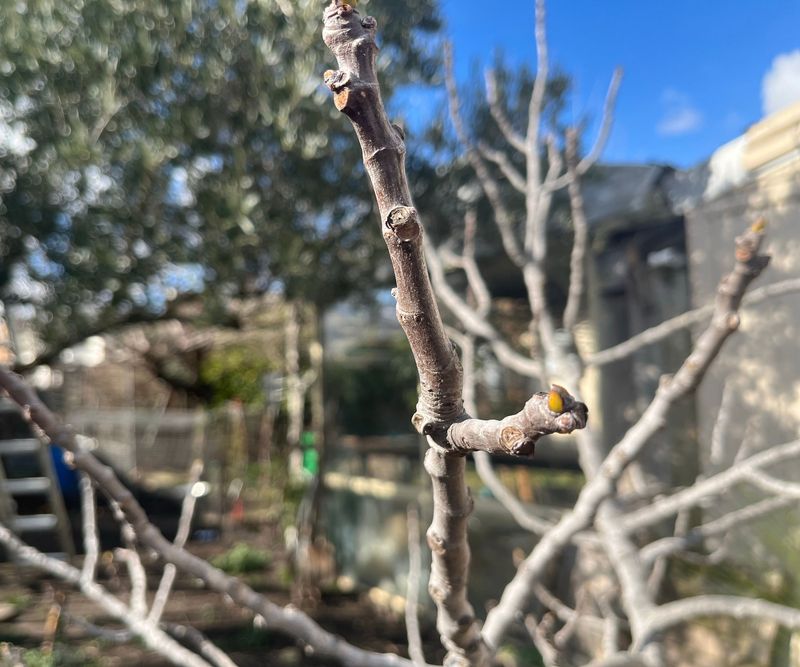
Pruning a fig tree does not have to be complicated, but it does require a bit of planning and the right tools. Sharp, clean pruning shears are a must.
Dull blades can crush or tear branches instead of making clean cuts, which slows healing and can invite disease. Always clean your tools before you start.
Start by walking around the tree and looking at its overall shape before making any cuts. Identify the branches that look dry, damaged, or diseased.
These should come out first. Dry wood is usually dry, brittle, and darker in color than healthy branches. Removing it right away improves the tree’s appearance and health.
Next, look for branches that cross or rub against each other. These create wounds and restrict airflow inside the canopy.
Pick the stronger of the two and remove the weaker one. This step alone can dramatically open up the center of the tree and let more sunlight in.
Shaping the tree is the next step. In Central Texas, many gardeners prefer a bush shape, which keeps the tree lower to the ground and makes harvesting easier.
You can also train the tree to a single trunk if you prefer a more traditional tree form. Either way, aim for a balanced, open canopy.
Avoid cutting more than one-third of the tree’s total branches in a single season. Taking off too much at once can shock the tree and reduce fruit production.
For mature fig varieties like Celeste or Alma, light pruning is usually all that is needed. A few careful cuts go a long way toward keeping your Texas fig tree in great shape.
5. Common Fig Tree Pruning Mistakes To Avoid
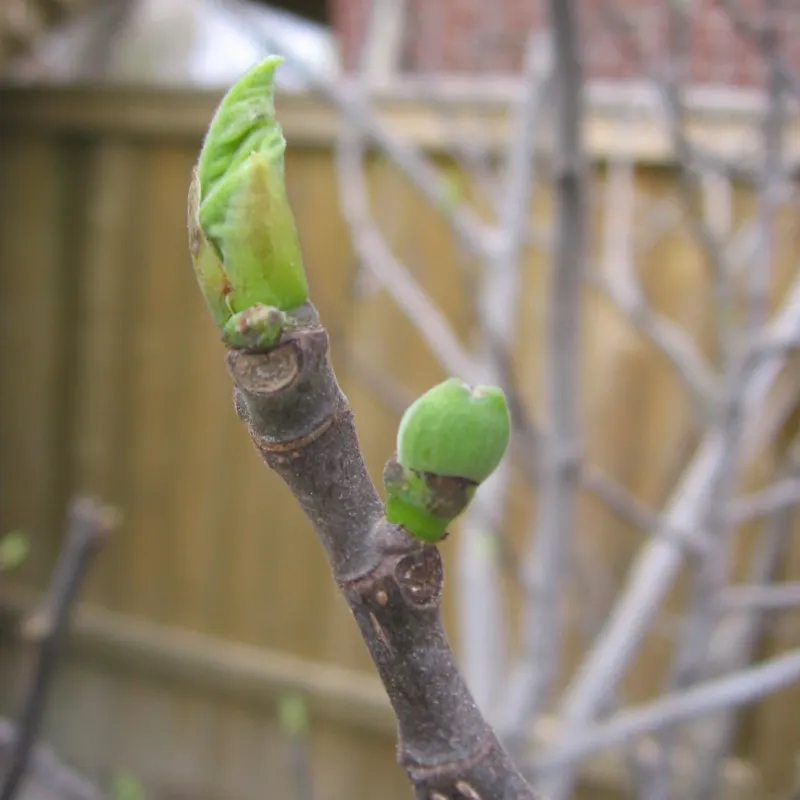
Even experienced gardeners make pruning mistakes from time to time. Knowing what to watch out for can save your fig tree a lot of unnecessary stress and help you get a better harvest.
Some mistakes are easy to make but just as easy to avoid once you know what they look like.
Over-pruning is one of the most common errors. Some gardeners get a little too enthusiastic with their shears and end up removing far more branches than the tree can handle.
Taking off more than one-third of the canopy at once can weaken the tree and reduce fruit production for that season. Less is often more when it comes to fig trees.
Pruning at the wrong time is another frequent mistake. Cutting branches during the active growing season, especially in the hot Texas summer, causes the tree to bleed sap.
That sap can attract insects and create openings for disease. Stick to the late winter window to avoid this problem entirely.
Making improper cuts is also something to watch for. Cutting too close to the trunk, called a flush cut, can damage the branch collar and slow healing.
Cutting too far from the trunk leaves a stub that may decay over time. The ideal cut is just outside the branch collar at a slight angle.
Skipping tool sanitation is a mistake that can spread disease from one branch to another or even from tree to tree. Always wipe your blades with a disinfectant solution between cuts, especially if you notice any signs of disease.
A little extra care with your tools protects your Texas fig tree and keeps it growing strong for many years to come.
6. Tips For Growing Healthy Fig Trees In Texas
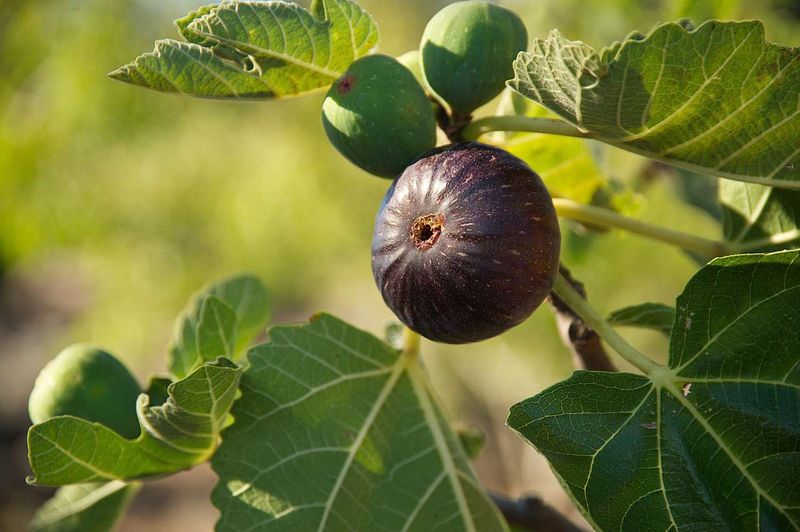
Growing a healthy fig tree in Texas is very rewarding, especially when you see it full of ripe fruit in late summer. Fig trees are actually well-suited to the Texas climate because they love heat and can handle dry spells better than many other fruit trees.
Still, a little extra care goes a long way. Planting location matters more than most people realize. Fig trees need full sun, meaning at least six to eight hours of direct sunlight each day.
Choose a spot in your yard that gets plenty of morning and afternoon sun. Avoid planting near large structures or other trees that could cast shade over the canopy. Soil drainage is equally important. Fig trees do not like sitting in wet, soggy soil.
Poor drainage can lead to root problems that affect the whole tree. If your Texas soil tends to hold water, consider raising the planting bed slightly or mixing in organic material to improve drainage before planting.
Watering during dry periods is something every Texas gardener should plan for. While fig trees are somewhat drought-tolerant once established, young trees need regular watering during their first couple of years.
During hot, dry Texas summers, even mature trees benefit from a deep watering every week or two.
Keep an eye out for pests and diseases throughout the growing season. Common issues include fig rust, root-knot nematodes, and scale insects.
Catching problems early makes them much easier to manage. Applying a layer of mulch around the base of the tree also helps retain soil moisture and regulate temperature, giving your Texas fig tree a healthy foundation all year long.