Should Pennsylvania Gardeners Prune Fig Trees Before Spring
There’s something comforting about the first hints of spring in Pennsylvania – the air smells fresher, and your garden starts waking up after a long winter.
If you’ve got a fig tree in your yard, you’ve probably eyed it this time of year and wondered what it needs to thrive.
Pruning can be a tricky balance. Too early or too late, and you might lose blossoms or stress the tree.
For many home gardeners, the question isn’t just “how,” but “when” to snip branches without harming the coming season’s fruit.
The right timing can encourage strong growth and better figs, but the details matter more than most realize. Let’s look at what your fig tree might be silently waiting for this spring.
1. Why Fig Tree Pruning Matters In Pennsylvania Gardens
Pruning a fig tree might sound like a small task, but in Pennsylvania, it can make or break your entire growing season. Fig trees that go unpruned tend to put energy into producing lots of weak, tangled branches rather than focusing that energy on sweet, healthy fruit.
When you take the time to prune correctly, you are essentially telling the tree where to direct its growth.
Pennsylvania gardeners face a unique challenge because the state experiences cold winters that can cause significant branch damage. Some branches may look alive but are actually struggling after a harsh freeze.
Removing those branches before spring arrives prevents disease from spreading and gives healthy wood the best chance to thrive.
Pruning also helps improve the overall shape of your fig tree. A well-shaped tree allows sunlight to reach all parts of the canopy, which leads to better fruit development throughout the summer months.
Without regular pruning, trees can become too dense and shaded inside, reducing fruit quality.
Another reason Pennsylvania gardeners should prioritize pruning is pest and disease management. Crowded branches trap moisture, which creates the perfect environment for fungal issues.
Thinning the tree out reduces that moisture buildup and keeps the tree healthier overall.
Many Pennsylvania gardeners find pre-spring pruning worthwhile, as a few hours spent with pruning shears can support healthier growth and potentially improve the season’s harvest.
2. The Best Time To Prune Fig Trees Before Spring
Timing is important when pruning fig trees in Pennsylvania, and pruning at the appropriate window can help support a healthier harvest. The sweet spot for pruning falls in late winter, usually somewhere between late February and mid-March, depending on your specific location in the state.
At that point, the tree is still dormant but the worst of the cold weather has typically passed.
Pruning too early in winter, say in November or December, can leave fresh cuts exposed to brutal freezing temperatures. Those open wounds on the branches become vulnerable entry points for frost damage and disease.
Waiting until late winter means the tree has had time to fully rest and is just starting to wake up when you make your cuts.
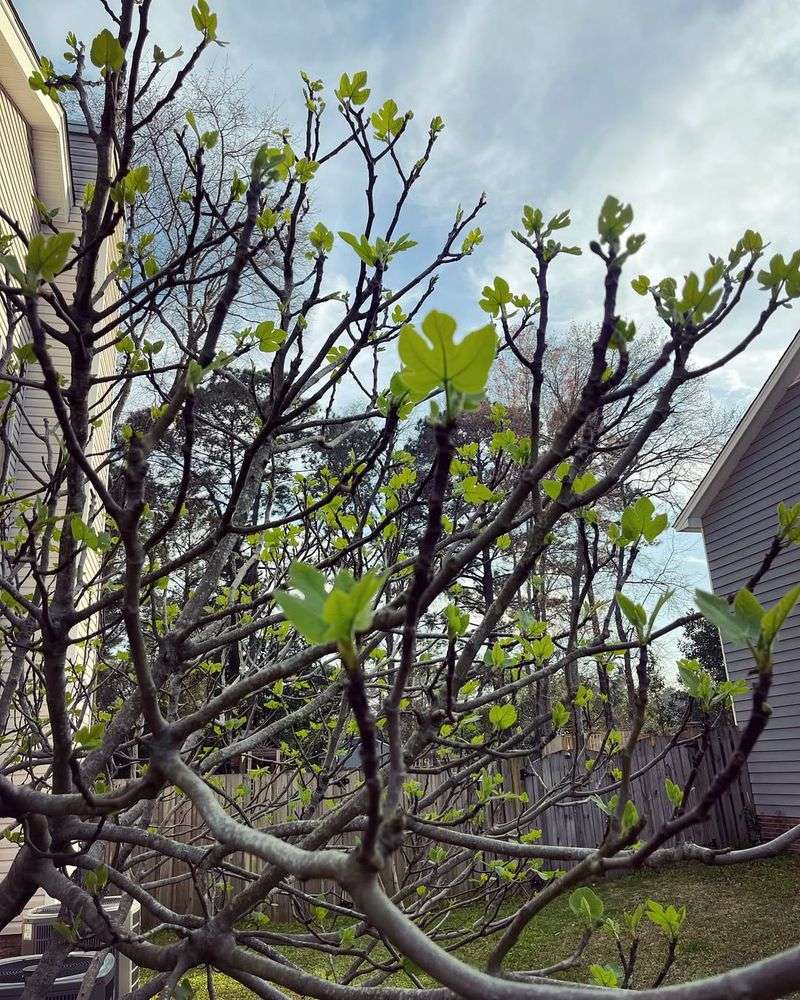
One helpful trick Pennsylvania gardeners use is watching for the buds to begin swelling slightly. That subtle swelling signals that the tree is about to push out new growth, which means late winter pruning time is right on schedule.
Your Pennsylvania Garden Changes Every Week. Your Plan Should Too.
Gardening in Pennsylvania changes quickly throughout the season. Every Friday you’ll receive a simple weekly plan showing exactly what to plant, prune, fertilize, harvest, and protect so you never miss the right timing.
Aim to prune shortly before new growth fully emerges, observing the buds carefully to avoid damage.
Avoid pruning in fall at all costs. Cutting branches in autumn can actually encourage the tree to send out new tender shoots right before winter arrives.
Those new shoots rarely have time to harden off properly, making them extremely susceptible to cold damage across Pennsylvania’s chilly landscape.
Sticking to the late winter pruning window gives your fig tree the best possible start. The timing reduces stress on the tree and sets up strong, productive growth from the very first warm days of spring onward.
3. Tools Pennsylvania Gardeners Need For Safe Pruning
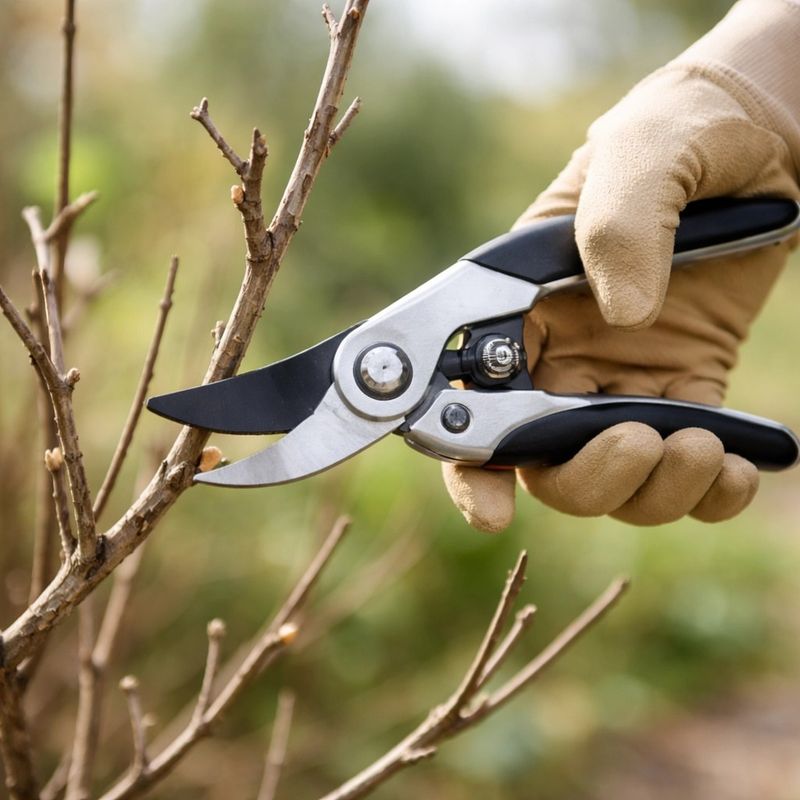
Having the right tools in your hands before you start pruning makes the whole job safer, faster, and better for the tree. Walking out to your fig tree with dull or dirty equipment is one of the quickest ways to cause more harm than good.
Sharp, clean tools make precise cuts that heal much faster than ragged ones.
Bypass pruners are the go-to choice for smaller branches, typically anything under half an inch in diameter. They work like scissors, with two blades passing each other to create a clean, smooth cut.
For branches between half an inch and an inch and a half, a pair of loppers gives you the extra leverage you need without straining your hands.
Larger, older branches on established Pennsylvania fig trees may require a pruning saw. These saws are designed specifically for cutting live wood and make clean work of thicker growth that loppers simply cannot handle comfortably.
A good pruning saw is a worthwhile investment for any serious gardener.
Sanitizing your tools between cuts is a step many beginners skip, but it matters a lot. A quick wipe with rubbing alcohol or a diluted bleach solution between cuts prevents the spread of any potential disease from one branch to another.
This simple habit protects the whole tree.
Do not forget a sturdy pair of gardening gloves and eye protection, especially when working with older fig trees that have rough bark. Comfortable, protective gear keeps you safe and lets you focus entirely on making the best possible pruning decisions for your Pennsylvania garden.
4. Step-By-Step Guide To Pruning Fig Trees
Starting with a clear plan before making a single cut is the smartest approach any Pennsylvania gardener can take. Walk around the entire tree first and take a good look at the overall structure.
Identify any branches that are clearly dead, damaged, or crossing over each other before you pick up your tools.
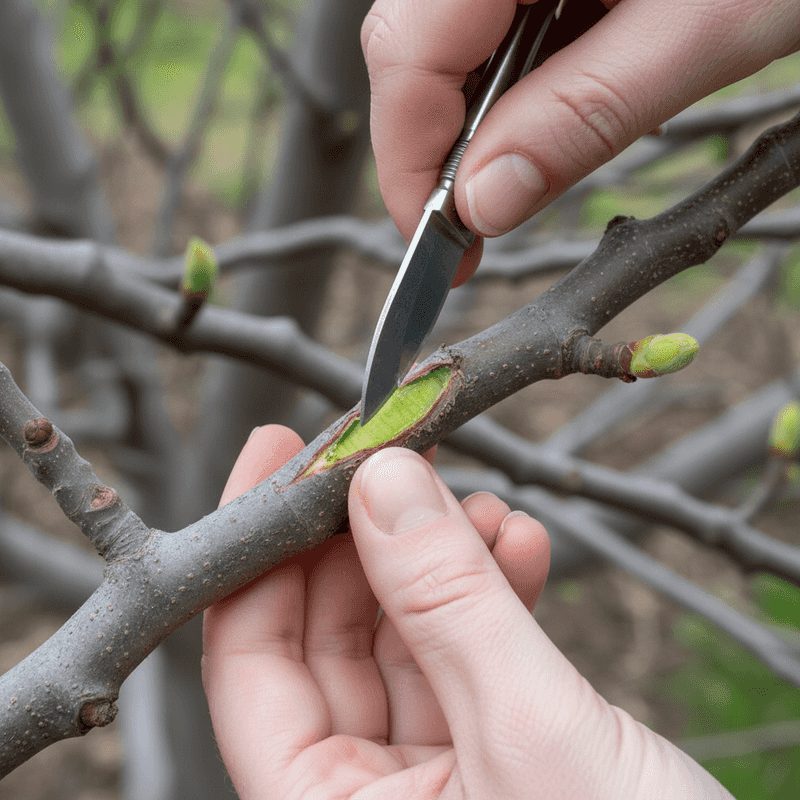
Begin by removing all dead or damaged wood. In Pennsylvania, winter can leave behind plenty of branches that look questionable, so snap a small tip off a branch to check.
If the inside shows green, it is alive. If it is brown and dry all the way through, go ahead and remove it cleanly back to healthy wood.
Next, thin out any branches that are growing inward toward the center of the tree. A fig tree needs good airflow and sunlight reaching all the way through its canopy to produce quality fruit.
Aim to leave at least a foot of clear space around each remaining branch so air can move freely.
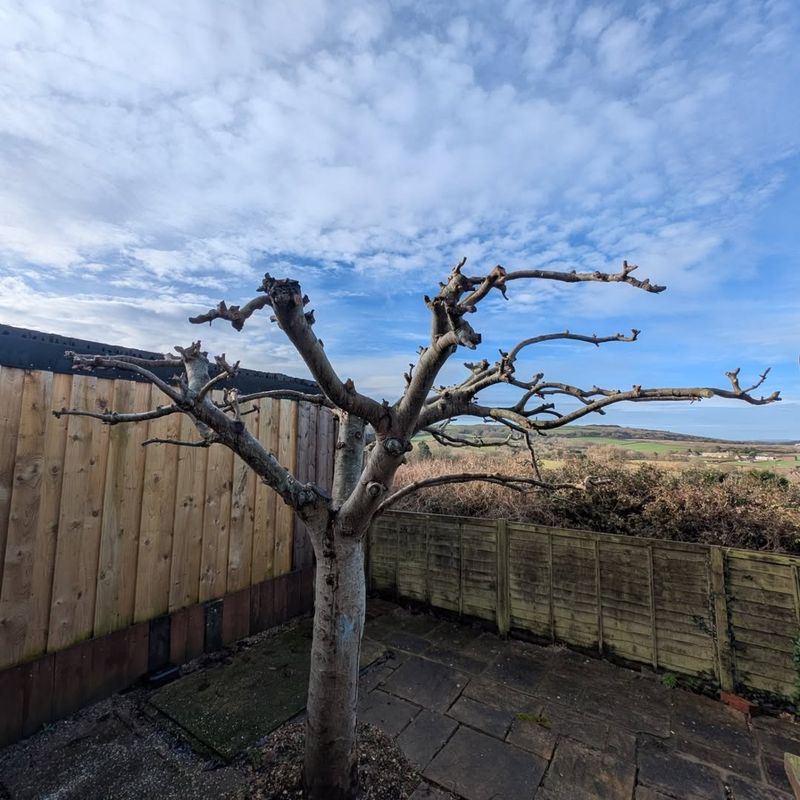
If your fig tree has grown taller than you can comfortably manage, consider reducing its height by about a third to a half. Shorter trees are much easier to harvest and often produce more fruit at reachable heights.
Make your cuts just above an outward-facing bud to encourage growth away from the center.
Always finish each cut cleanly and at a slight angle so water runs off rather than pooling on the cut surface. Once you are done, step back and admire your work.
A well-pruned Pennsylvania fig tree heading into spring is a genuinely satisfying sight for any gardener.
5. Common Mistakes To Avoid When Pruning Fig Trees
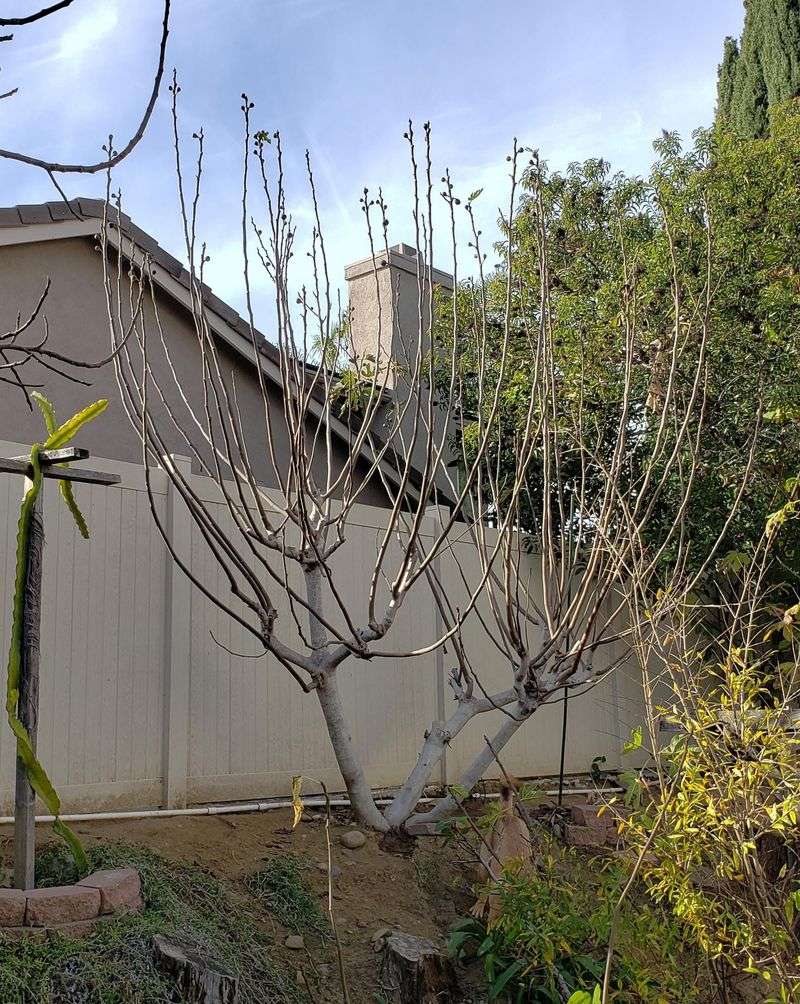
Even experienced Pennsylvania gardeners sometimes make pruning mistakes that set their fig trees back for the entire growing season. Knowing what not to do is just as valuable as knowing what to do.
One of the most common errors is pruning too aggressively, removing more than half the tree’s branches at once.
Over-pruning can stress the tree and may reduce fruit production temporarily. Fig trees produce their main crop on new growth from the current season, so stripping away too much wood leaves the tree scrambling to recover rather than focusing on fruit.
A good rule of thumb is to remove no more than a third of the total branch structure in any single pruning session.
Another frequent mistake is making cuts too close to the main trunk or leaving stubs that are too long. Cutting flush with the branch collar, the slightly raised ring where a branch meets the trunk, gives the tree the best chance to seal over the wound naturally.
Leaving long stubs behind creates entry points for pests and disease.
Skipping tool sanitation is a mistake that can quietly spread problems from one part of the tree to another. Always clean your pruning tools before you start and between cuts whenever possible.
This small habit protects your entire Pennsylvania garden investment.
Pruning at the wrong time of year can increase risk of damage. Fall pruning in Pennsylvania may encourage tender growth that is susceptible to cold.
Sticking to the late winter window keeps the tree protected and positions it perfectly for a productive spring season.
6. How Pruning Affects Fig Tree Health And Fruit Production
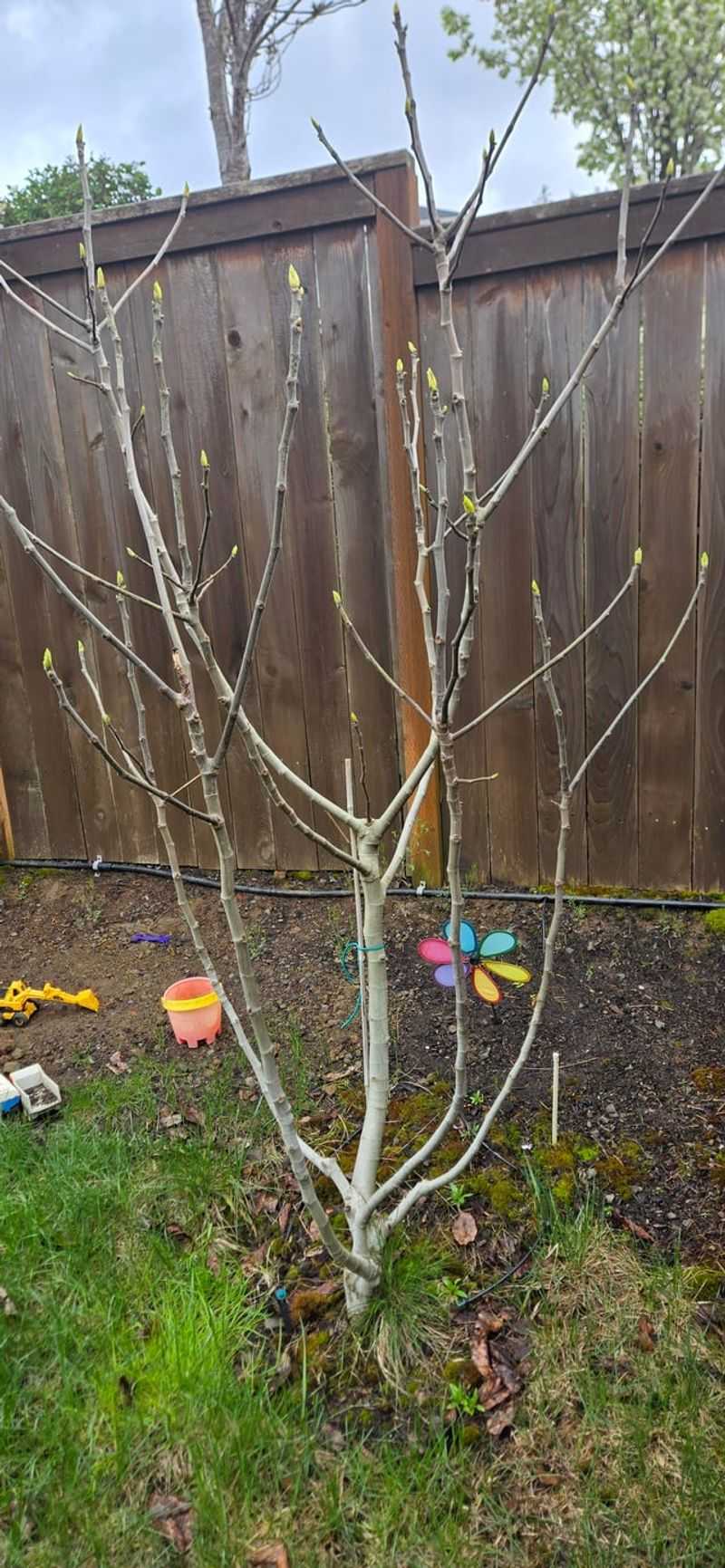
Few things are more satisfying for a Pennsylvania gardener than watching a properly pruned fig tree explode with healthy growth and abundant fruit come summer. Pruning directly influences both the health of the tree and the quality of the figs it produces, and the connection between the two is stronger than many people realize.
When you remove dead, damaged, or overcrowded branches, the tree can redirect its energy toward producing strong new shoots. Those new shoots are exactly where this season’s main fig crop will develop.
More healthy new growth almost always means more fruit, and in Pennsylvania’s relatively short growing season, maximizing that new growth matters a lot.
Improved airflow is another major health benefit that comes directly from good pruning. Thinning branches can improve airflow, which may reduce humidity around leaves and fruit and lower the likelihood of fungal issues in Pennsylvania’s wet spring and summer weather.
Better light penetration is also important. Figs that receive more sunlight tend to develop better flavor and ripen more evenly than those in dense shade.
A well-pruned tree with an open canopy allows every fig to get the sunlight it needs to develop its full flavor potential.
Long-term tree health also improves with consistent annual pruning. Trees that are pruned regularly tend to maintain a manageable size, produce more reliably, and show fewer signs of stress over the years.
For Pennsylvania gardeners committed to their fig trees, making pre-spring pruning a yearly habit is one of the most rewarding choices they can make.