Cheap Garden Upgrade That Instantly Attracts Pollinators In California
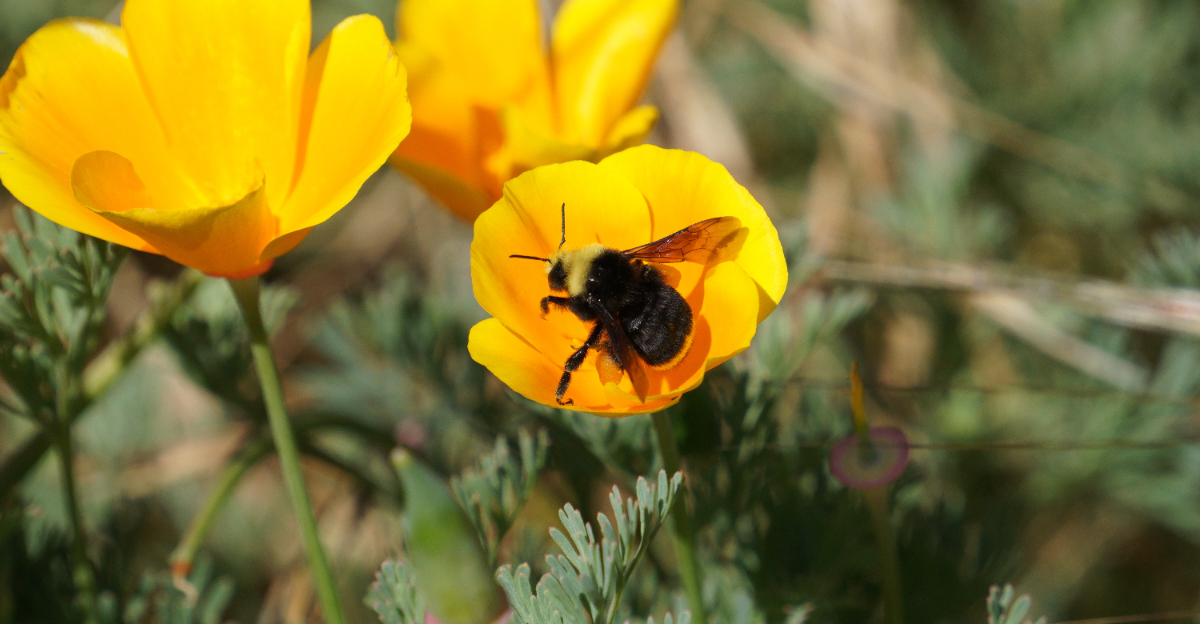
If you want to make your California garden more lively without spending a lot of money, you are in the right place. Pollinators like bees, butterflies, and hummingbirds play a huge role in keeping our gardens healthy and our food growing strong.
The good news is that attracting them does not require fancy tools or expensive plants. One of the easiest and most affordable ways to get started is by growing California poppies, the state flower that pollinators absolutely love.
These bright, cheerful blooms are low-maintenance, drought-tolerant, and perfect for California’s sunny climate. It doesn’t matter if you have a big backyard or a small patch of soil near your front door, this simple garden upgrade can make a big difference.
Read on to learn everything you need to know about using California poppies to turn your outdoor space into a buzzing, fluttering pollinator paradise.
1. Planting California Poppies For Pollinators
California poppies are one of the most powerful and affordable tools a gardener in California can use to attract pollinators fast. These iconic orange blooms are the state flower for a reason.
They are tough, beautiful, and incredibly welcoming to bees, butterflies, and other helpful insects.
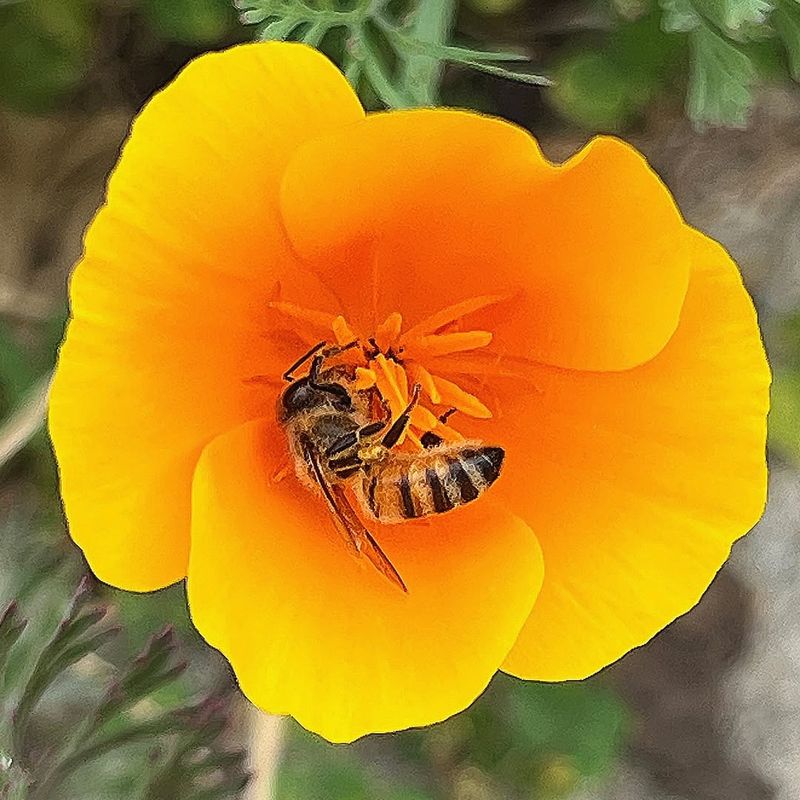
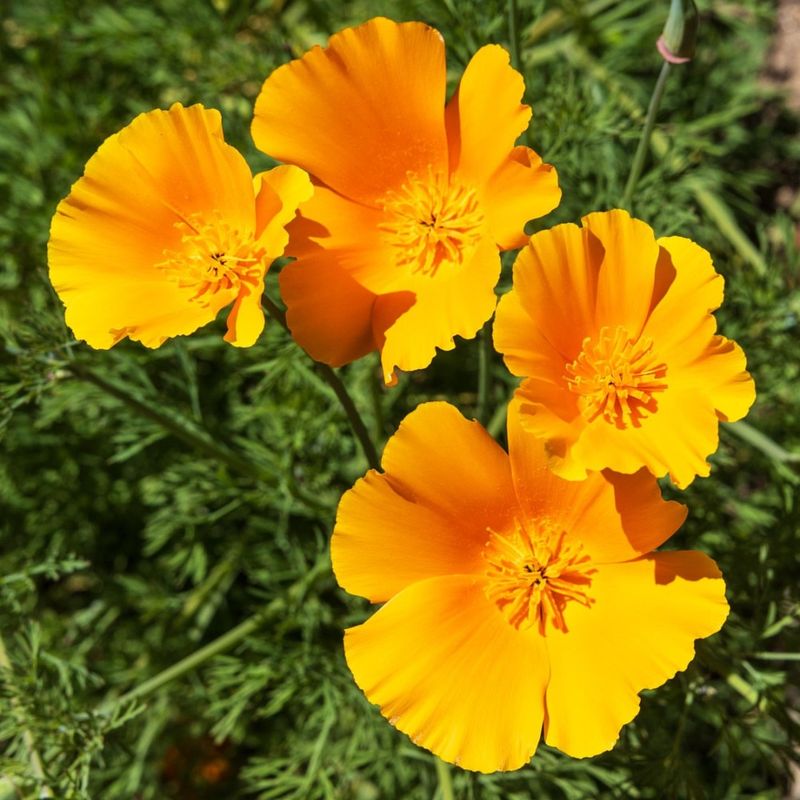
What makes them so special is their open, cup-shaped flowers. Bees love that shape because it gives them easy access to pollen.
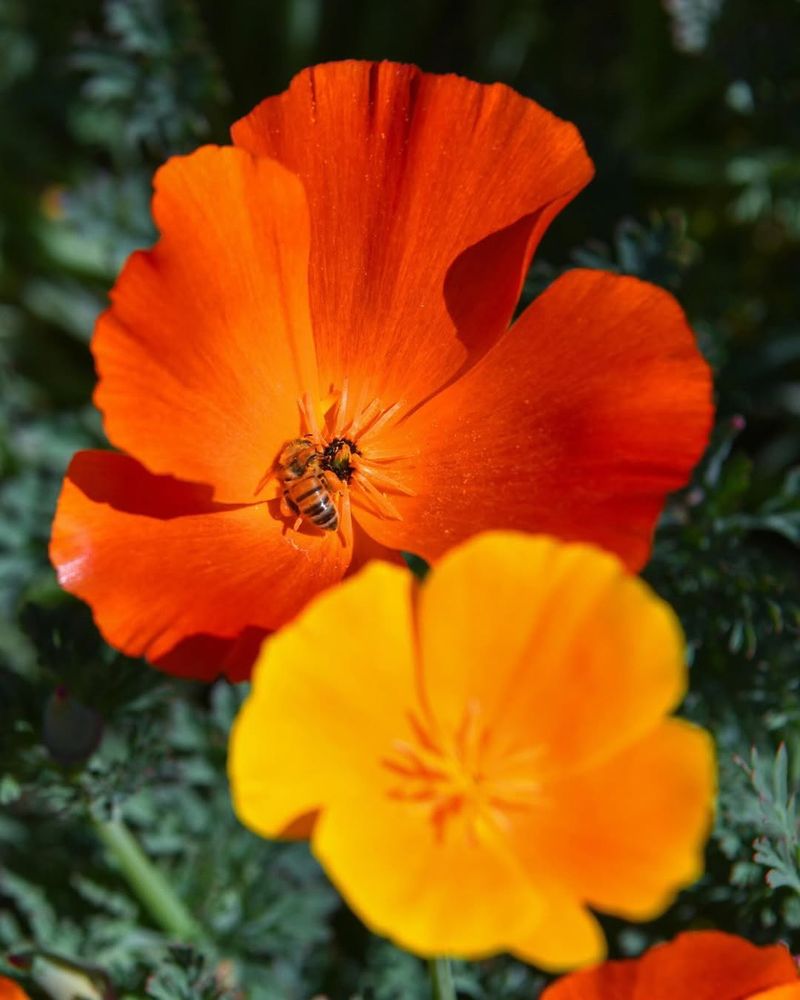
You will often spot native bees rolling around inside the blooms, collecting pollen with pure joy. Butterflies are also drawn to the bright orange color, which stands out like a beacon in any garden.
Planting these flowers is one of the cheapest upgrades you can make to your outdoor space. A small seed packet costs just a dollar or two and can fill an entire area with color and life.
Unlike many other flowers, California poppies do not need rich soil or constant watering. They actually prefer poor, dry, sandy soil, which is very common across California.
You do not need to be an expert gardener to grow them. Just scatter the seeds, press them lightly into the soil, and let nature do the rest.
Within weeks, you will start to see sprouts. Within a couple of months, your garden will be buzzing with activity from all the pollinators stopping by for a visit.
2. Why Pollinators Love These Flowers
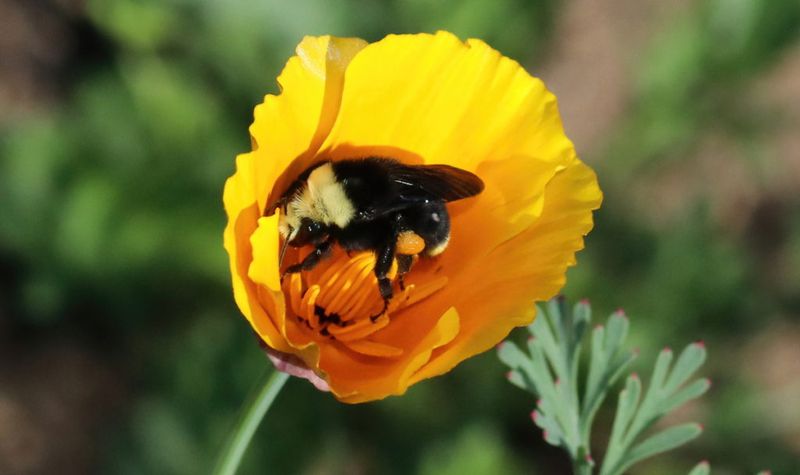
There is something almost magnetic about California poppies when it comes to pollinators. The bright orange petals act like a landing signal, calling bees and butterflies from far away.
Scientists believe that bees are especially attracted to yellow and orange flowers because those colors stand out clearly in their vision.
Beyond color, the pollen inside California poppies is rich and easy to reach. Native bees, including bumble bees and sweat bees, are frequent visitors.
They crawl right into the center of the bloom and gather pollen that helps them feed their young. This makes poppies a food source, not just a pretty decoration.
Butterflies are also big fans. Species like the painted lady and cabbage white butterfly flutter around poppy patches throughout spring and into summer in California.
Your California Garden Changes Every Week. Your Plan Should Too.
Gardening in California changes quickly throughout the season. Every Friday you’ll receive a simple weekly plan showing exactly what to plant, prune, fertilize, harvest, and protect so you never miss the right timing.
They sip nectar and help with pollination at the same time. It is a win for the butterflies and a win for your garden.
Even hoverflies, which look like tiny bees but are actually flies, show up regularly to feed on poppy pollen. These insects are underrated pollinators that help spread pollen from plant to plant.
By growing California poppies, you are essentially setting up a free outdoor buffet for dozens of different pollinator species that call California home. Your garden becomes part of a bigger, healthier ecosystem.
3. A Budget-Friendly Garden Upgrade
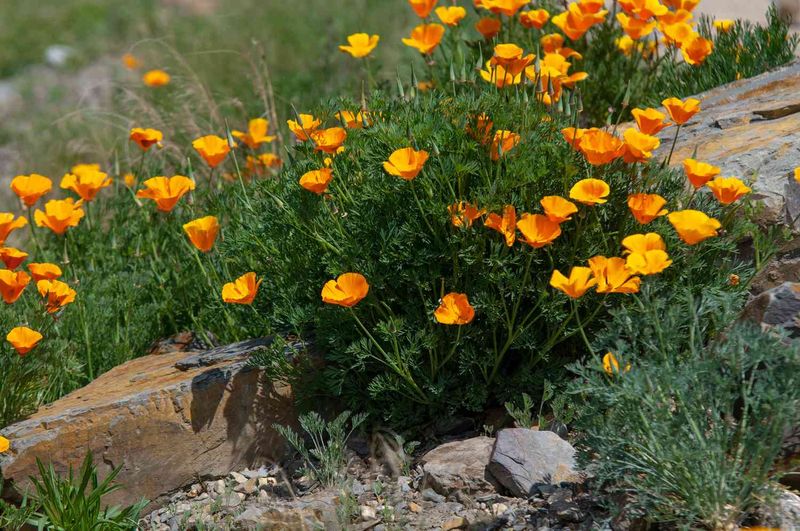
Not every garden upgrade needs to cost a fortune. In fact, some of the most effective changes you can make are also the most affordable ones.
California poppies are a perfect example of getting a lot for very little money.
A single seed packet can cost as little as one dollar at a local nursery or hardware store. Some gardeners in California even collect seeds from wild poppies growing along roadsides and use them for free.
One packet can easily cover a ten-square-foot area, giving you a dense, colorful patch of blooms without breaking your budget.
Compared to buying potted plants, which can cost five to fifteen dollars each, growing from seed is a smart financial move. You get more plants, more coverage, and more flowers for pollinators at a fraction of the price.
It is one of the best value-for-money garden decisions you can make in California.
Beyond the seeds themselves, there are no extra costs to worry about. You do not need special fertilizers, fancy tools, or extra irrigation systems.
California poppies thrive on neglect in the best possible way. They grow well in the dry, sunny conditions that are so common across California, which means lower water bills and less time spent on maintenance.
Simple upgrades like this one can completely transform how your garden looks and how many pollinators it attracts every single season.
4. Where To Plant California Poppies
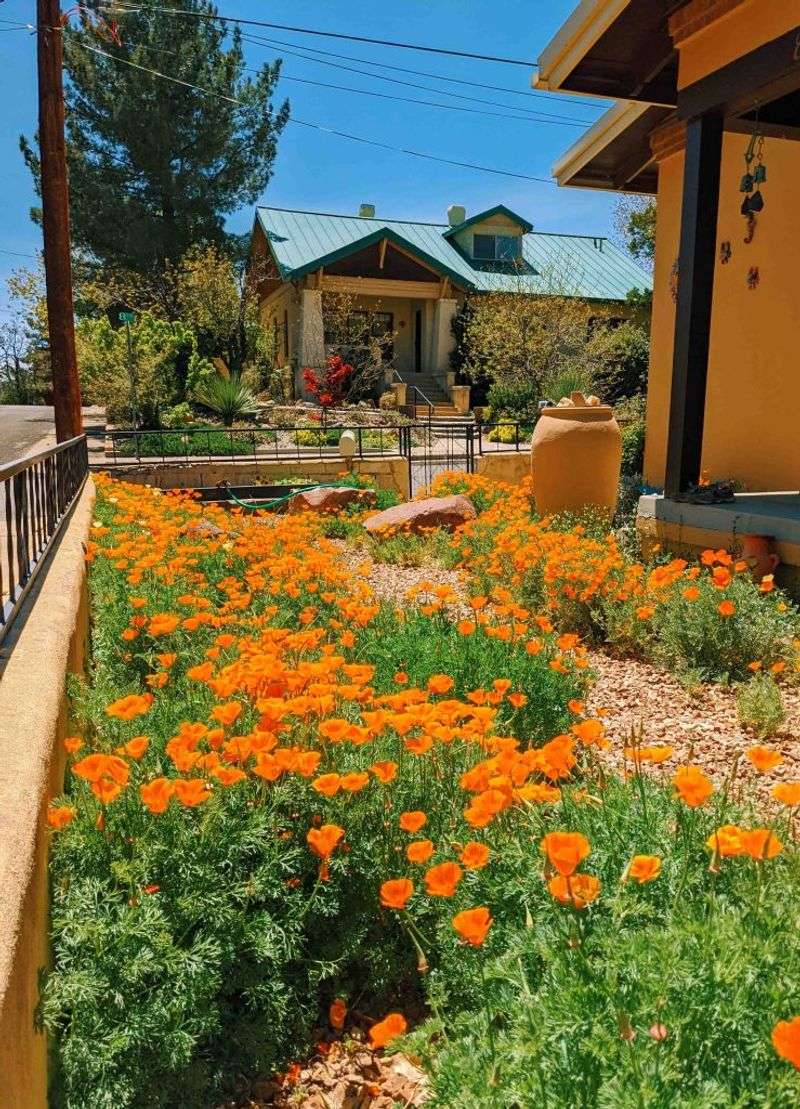
Picking the right spot for your poppies is key to getting the best results. Luckily, California poppies are not picky at all.
They grow best in full sun, which means they need at least six hours of direct sunlight each day. Most yards and garden spaces in California have plenty of that to offer.
Open garden beds, front yard borders, and hillside slopes are all excellent choices. Poppies look stunning when planted along pathways or near fences where they can spread freely.
They also do really well in raised beds if you have limited ground space. The important thing is to avoid shady spots, since poppies tend to get leggy and produce fewer blooms when they do not get enough light.
Soil type matters too, but in a good way for most California gardeners. Poppies actually prefer poor, well-drained soil over rich, heavy clay.
Sandy or rocky soil that other plants struggle in is exactly where poppies shine. If your yard has dry, tough soil, consider that a plus rather than a problem.
Container gardening is another option for those with patios or small outdoor areas. A large pot filled with sandy soil and placed in a sunny spot works great.
Pollinators will still find the flowers, even in urban areas of California. No matter where you plant them, poppies have a way of brightening up the space and pulling in pollinators almost immediately after blooming begins.
5. How To Grow Them From Seed
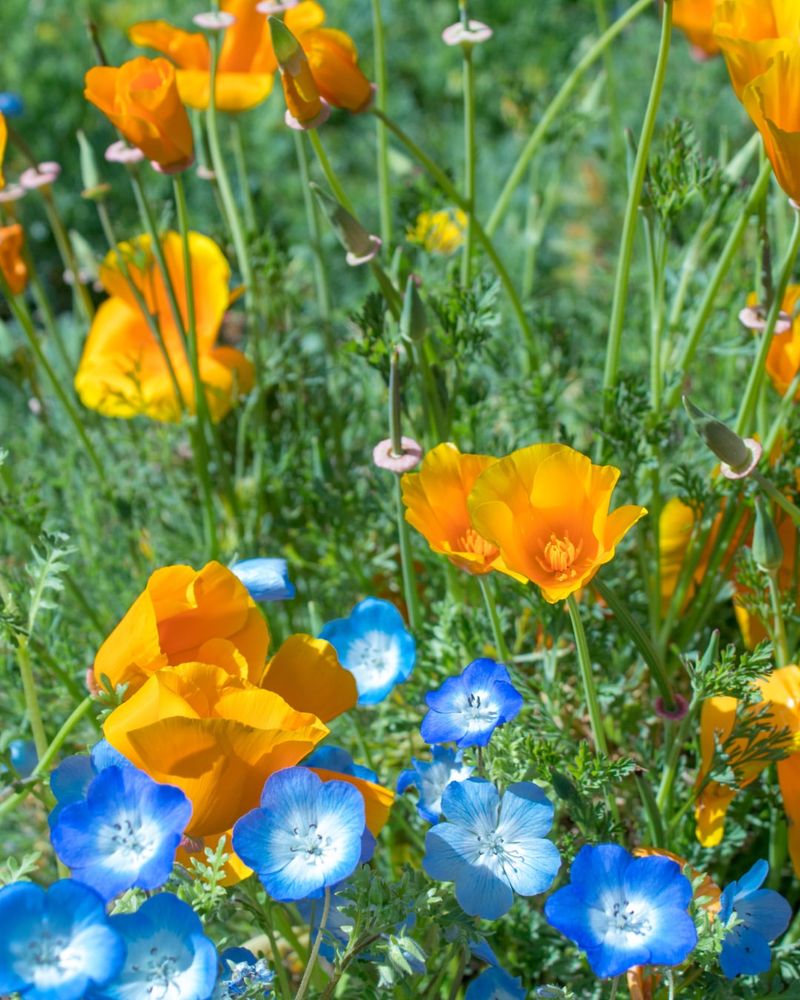
Growing California poppies from seed is one of the easiest gardening tasks you will ever try. No special skills are needed, and the process takes just a few minutes.
All you need are seeds, a patch of open soil, and some sunshine.
The best time to sow seeds in California is in the fall, between October and December. Fall planting allows the seeds to go through natural cold and moisture cycles during winter, which actually helps them sprout more successfully in spring.
You can also plant in early spring, between February and March, for a slightly later bloom.
To plant, simply loosen the top layer of soil with a rake or your hands. Scatter the seeds evenly across the surface, then press them down lightly so they make good contact with the soil.
Do not bury them deep. California poppy seeds need light to germinate, so just a thin dusting of soil on top is enough.
Water the area gently after sowing to help the seeds settle in. After that, nature takes over.
You should start to see tiny seedlings poking up within two to three weeks. Thinning the seedlings once they are a few inches tall helps the strongest plants grow bigger and produce more blooms.
Space them about six inches apart for the best results. Before long, your California garden will be covered in cheerful orange flowers ready to welcome pollinators of all kinds.
6. Water And Care Tips
One of the best things about California poppies is how little care they actually need. Once established, these plants are remarkably self-sufficient.
They were built for California’s dry, warm climate, which means they do not need much help from you to thrive.
Watering is minimal after the first few weeks. When you first sow seeds or transplant seedlings, water them lightly every few days to help them get established.
Once the roots are settled and the plants are a few inches tall, you can cut back on watering significantly. In most parts of California, rainfall alone is often enough to keep them going through the cooler months.
During hot, dry summers, a light watering once every week or two is usually all they need. Overwatering is actually more harmful than underwatering for these plants.
Too much moisture can cause root issues and lead to fewer blooms. Less truly is more when it comes to caring for California poppies.
As for fertilizer, skip it. Adding fertilizer to the soil can push the plant to grow more leaves and fewer flowers.
Poppies love lean soil, so let them grow naturally without extra nutrients. Weeding around them occasionally helps reduce competition for water and light.
Other than that, these resilient plants pretty much take care of themselves, making them a dream choice for busy gardeners across California who want big results with minimal effort.
7. Keeping Poppies Blooming Longer
Getting your California poppies to bloom as long as possible is easier than you might think. A few simple habits can stretch the blooming season from just a few weeks to several months of color and pollinator activity in your California garden.
Deadheading is one of the most effective tricks. This means removing spent flowers before they turn into seed pods.
When you snap off old blooms, the plant puts its energy into making new flowers instead of producing seeds. You do not need special tools.
Just pinch off the faded flowers with your fingers every few days and the plant will keep pushing out fresh blooms.
Staggering your planting schedule also helps. Instead of sowing all your seeds at once, plant a new batch every three to four weeks starting in fall.
This creates waves of blooming throughout the season, so there is always something fresh and colorful for pollinators to visit. It is a simple trick that makes a huge difference in how long your garden stays active.
Letting some plants go to seed at the end of the season is also a smart move. California poppies self-seed very easily.
When the seed pods dry out and split open, they scatter seeds into the surrounding soil. Those seeds will sprout the following season without any effort from you.
Over time, your poppy patch will grow bigger and more beautiful each year, turning your California garden into a permanent pollinator hotspot that practically maintains itself.