These 8 Purple Flowers Thrive Through California Summer Heat
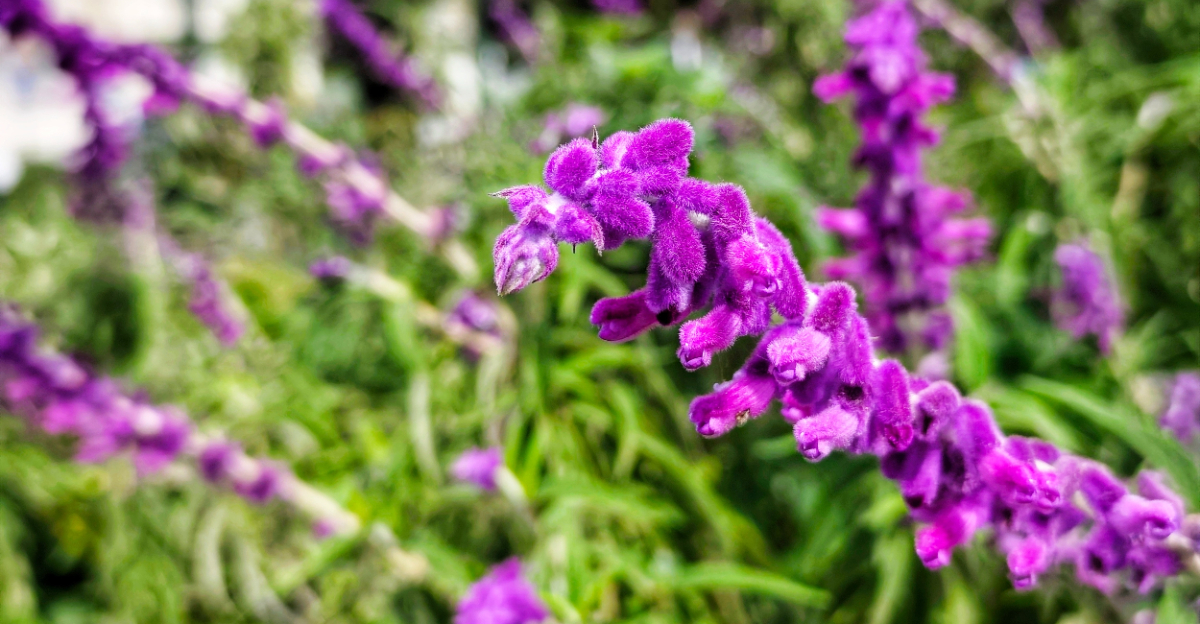
Summers around here do not play around. When the heat settles in and the sun starts blasting the garden day after day, plenty of flowers wave the white flag.
Purple blooms, though, can be a different story. The right ones keep pushing through the hottest stretch of the season and still manage to look fresh, colorful, and full of life when everything else starts looking a little tired and dramatic.
That is part of the reason California gardeners love them so much. Purple flowers bring rich color, a little elegance, and just enough wow factor to make a yard feel special without turning plant care into a full-time job.
Some spill beautifully over borders, some stand tall and steal the show, and some pull pollinators in like they just sent out party invitations.
Best of all, they can keep the garden looking lively when summer is at its toughest. A little purple goes a long way in hot-weather beds.
1. California Lilac
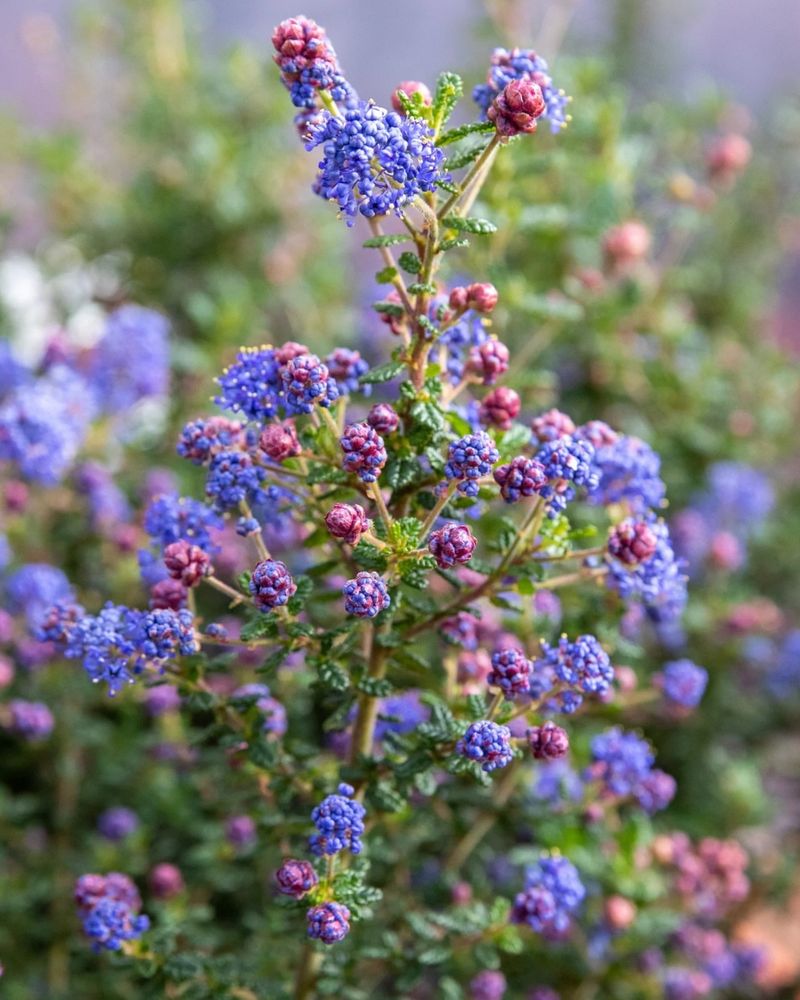
Few plants look as showstopping as California Lilac, also known as Ceanothus, when it bursts into full bloom. The flowers come in rich shades of purple, violet, and blue, and they completely cover the plant in a way that stops people in their tracks.
This native shrub is a true champion in California gardens.
What makes it even better is how little water it needs once it settles in. California Lilac is deeply drought-tolerant, which means it is perfectly suited for the state’s long, dry summers.
It grows best in well-drained soil with plenty of direct sun, and it does not ask for much after the first season.
Pollinators absolutely love it. Bees swarm the blooms, and butterflies are frequent visitors too.
Planting it along a slope or hillside helps with drainage and gives it room to spread naturally. In Northern and Southern California alike, this shrub performs beautifully year after year.
It is one of those plants that earns its place in the garden without any fuss. If you want bold purple color that thrives through summer heat, California Lilac is a smart, low-maintenance choice worth planting.
2. Coyote Mint
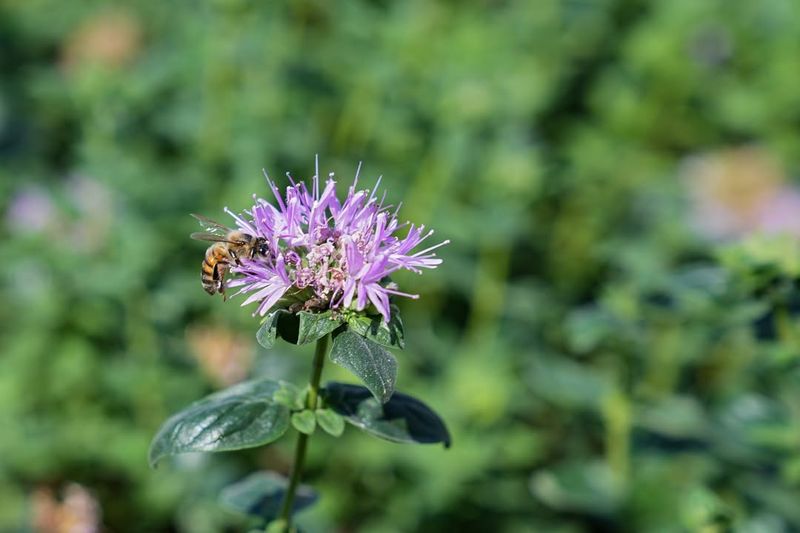
There is something wildly charming about Coyote Mint. It grows naturally across California’s dry hills and rocky slopes, filling the air with a fresh, minty scent that is hard to forget.
The tiny purple flowers bloom in cheerful clusters from late spring well into the summer months.
Monardella villosa, its botanical name, is a California native that thrives where other plants struggle. It loves full sun, drains well in rocky or sandy soil, and handles heat without any extra watering once established.
Gardeners across the state have discovered that this little plant punches way above its weight when it comes to toughness and beauty.
Butterflies and native bees are big fans of Coyote Mint. The blooms attract pollinators consistently, making it a valuable addition to any wildlife-friendly yard.
It also stays fairly compact, so it works well along pathways, in rock gardens, or at the front of a border planting. The minty fragrance is a bonus that adds sensory interest to your outdoor space.
Your California Garden Changes Every Week. Your Plan Should Too.
Gardening in California changes quickly throughout the season. Every Friday you’ll receive a simple weekly plan showing exactly what to plant, prune, fertilize, harvest, and protect so you never miss the right timing.
For California gardeners who want something native, tough, and genuinely pretty, Coyote Mint is a wonderful option that delivers all summer without demanding much in return.
3. Hummingbird Sage
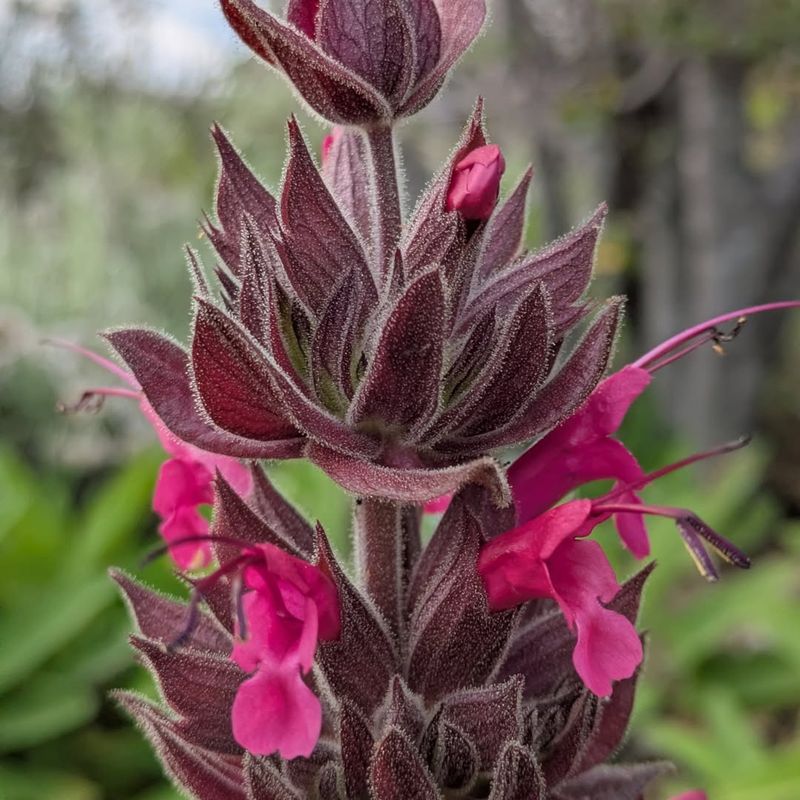
If you have ever watched a hummingbird dart from flower to flower, you already know the magic that Hummingbird Sage brings to a garden. Salvia spathacea produces tall, dramatic spikes of deep reddish-purple blooms that hummingbirds simply cannot resist.
The color is rich and bold, standing out even from a distance.
This California native is tough in the best possible way. It handles heat, tolerates dry conditions, and grows happily in both full sun and partial shade.
That flexibility makes it useful in many different garden spots, from open beds to areas under oak trees where other plants might struggle to survive.
Hummingbird Sage spreads slowly over time, forming a nice ground-covering patch that looks lush even during the hottest months. The leaves are large and textured, adding visual interest even when the plant is not in bloom.
It is a low-maintenance perennial that comes back reliably each year. Gardeners across California, from the Bay Area to San Diego, have found it to be one of the most rewarding native plants they have ever grown.
Plant it once, give it a little water to get started, and then step back and enjoy the show.
4. Mexican Bush Sage
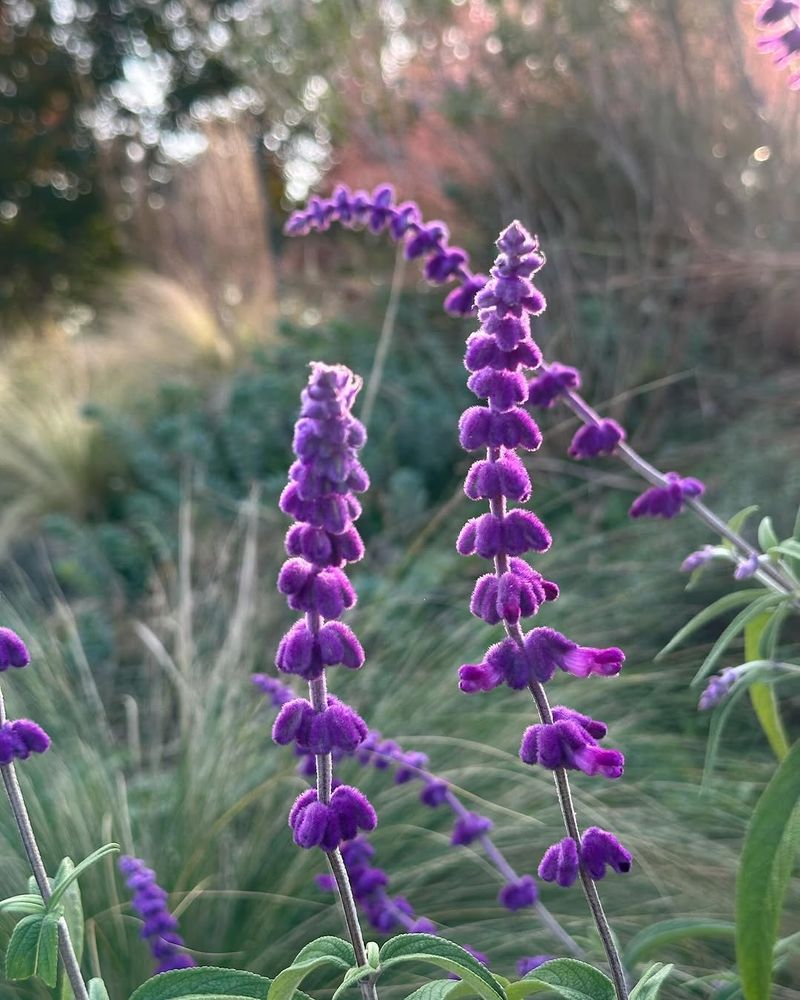
Velvet-soft and visually striking, Mexican Bush Sage is one of those plants that makes people stop and ask what it is. The long, arching stems are lined with fuzzy purple and white flower spikes that look almost too beautiful to be real.
Salvia leucantha blooms heavily in late summer and fall, which is exactly when many other plants start to fade in California’s heat.
It thrives in full sun and prefers well-drained soil. Once established, it needs very little supplemental water, which makes it a smart pick for water-conscious California gardeners.
The plant grows into a full, rounded shrub that adds structure and volume to the garden without taking over the space.
Hummingbirds and butterflies visit the flowers regularly, adding life and movement to the yard. Mexican Bush Sage also works beautifully as a backdrop plant behind shorter perennials or as a standalone focal point.
It handles the intense heat of inland California valleys especially well. Pruning it back in late winter encourages fresh, vigorous growth for the next season.
For gardeners who want something dramatic, pollinator-friendly, and genuinely heat-tough, this sage delivers season after season with very little effort required from you.
5. Foothill Penstemon
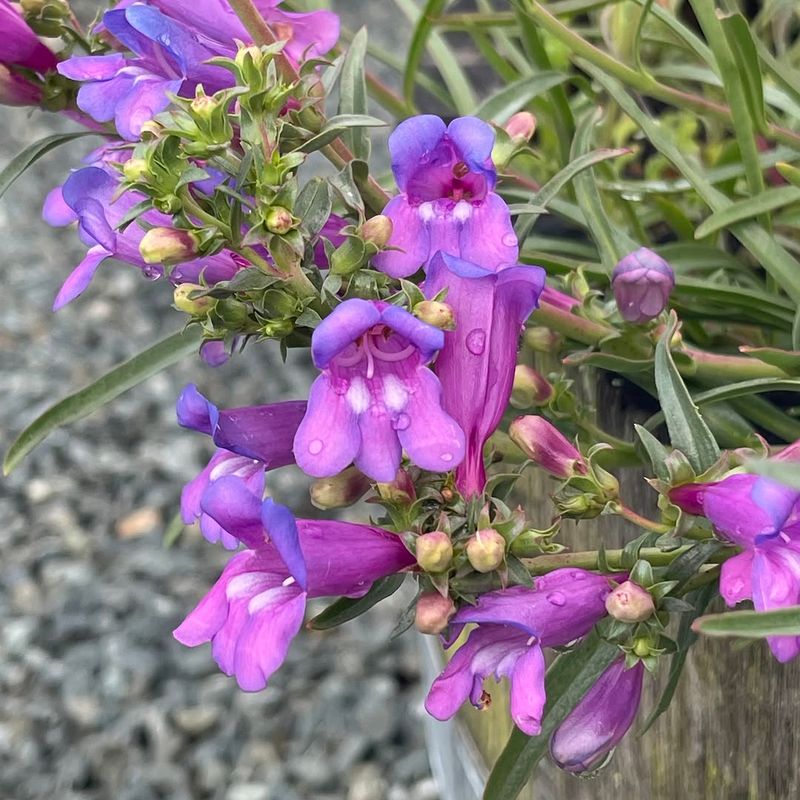
Growing up in the rocky foothills of California, Penstemon heterophyllus has adapted to some seriously tough conditions. The tubular purple and violet flowers line tall, elegant spikes that sway gently in the breeze.
It is a wildflower that looks refined enough to belong in any well-designed garden bed.
Foothill Penstemon blooms from late spring into early summer, and with a little deadheading, it can keep producing flowers well into the warmer months. It loves full sun and thrives in poor, well-drained soil.
In fact, overly rich or wet soil can actually work against it, so less is more when it comes to fertilizing and watering.
Hummingbirds are particularly drawn to the tubular blossoms, making this plant a lively addition to any California garden. It pairs beautifully with other native plants like California poppies and buckwheat, creating a natural, meadow-like look.
The plant stays relatively compact, usually reaching about two feet tall, which makes it easy to place in borders or containers. From the Sierra Nevada foothills to coastal gardens, Foothill Penstemon brings reliable purple color and wildlife activity without demanding constant attention.
It is a genuinely tough and lovely California native worth growing.
6. Douglas Iris
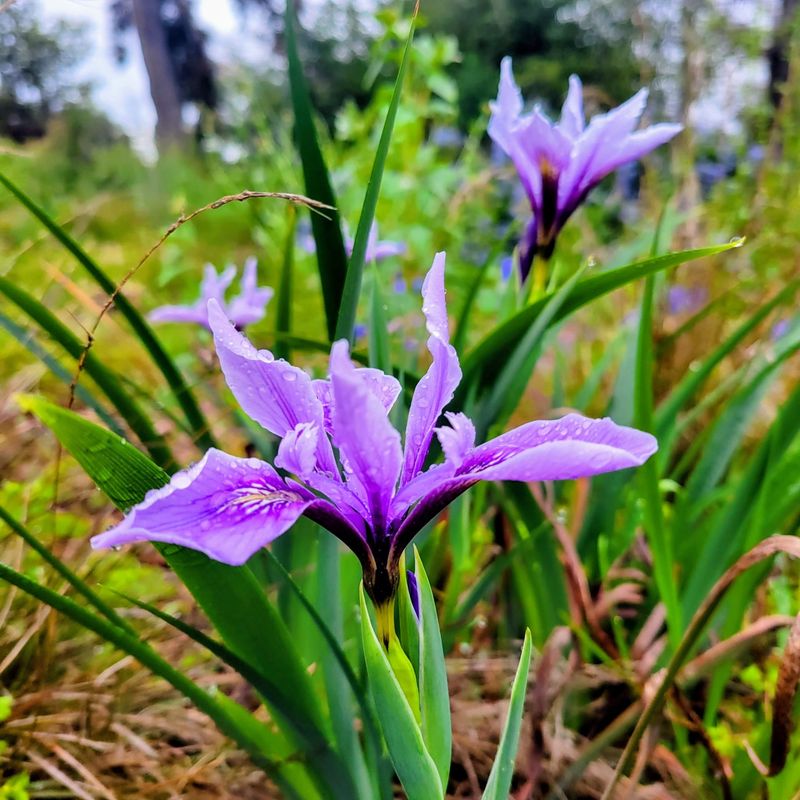
Elegant and quietly stunning, Douglas Iris is one of California’s most beloved native wildflowers. The blooms range from deep purple to soft lavender, and each flower has a delicate, intricate look that feels almost artistic.
Iris douglasiana is common along the California coast, but it grows well in many parts of the state.
Unlike many irises, this one handles both sun and shade with ease. It prefers well-drained soil and does not need much water once it is established.
In fact, it is one of the more drought-tolerant iris species available, which makes it well-suited to California’s dry summer conditions.
The plant forms attractive clumps of narrow, evergreen leaves that look tidy and structured year-round. Blooms typically appear in spring, but the foliage keeps the garden looking good through the summer heat.
Douglas Iris works wonderfully under oak trees, along pathways, or mixed into a native plant border. It also naturalizes over time, slowly spreading to fill in bare spots.
Gardeners in Northern California especially love it, though it performs well in many regions of the state. If you want a native iris that is both beautiful and resilient, Douglas Iris is a perfect fit for your yard.
7. Verbena
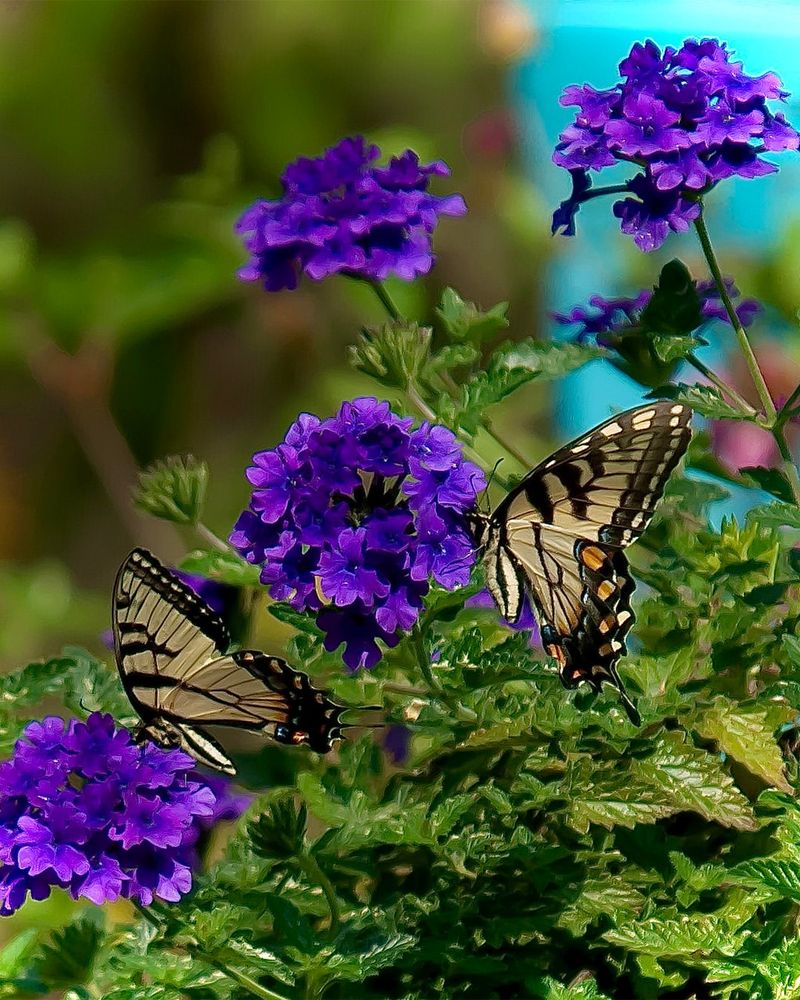
Cheerful and unstoppable, Verbena is the kind of plant that just keeps going no matter how hot it gets. The clusters of tiny purple blooms cover the low-growing plant in a carpet of color that lasts from spring all the way through fall.
In California’s warm climate, it performs especially well because it genuinely loves the heat and sun.
Verbena is drought-tolerant once established, which is a huge plus for California gardeners dealing with water restrictions and long dry seasons. It grows best in full sun with well-drained soil, and it does not need heavy fertilizing to look great.
A light trim now and then encourages fresh blooms and keeps the plant looking tidy.
Butterflies are huge fans of Verbena, and you will often see them fluttering around the blooms on warm afternoons. The plant works beautifully as a ground cover, in hanging baskets, or spilling over the edges of raised garden beds.
It pairs well with ornamental grasses and other drought-tolerant plants in a water-wise California landscape. Whether you garden in Los Angeles, Sacramento, or anywhere in between, Verbena brings reliable, vibrant purple color with minimal fuss.
It is a no-brainer addition to any summer garden.
8. Lavender
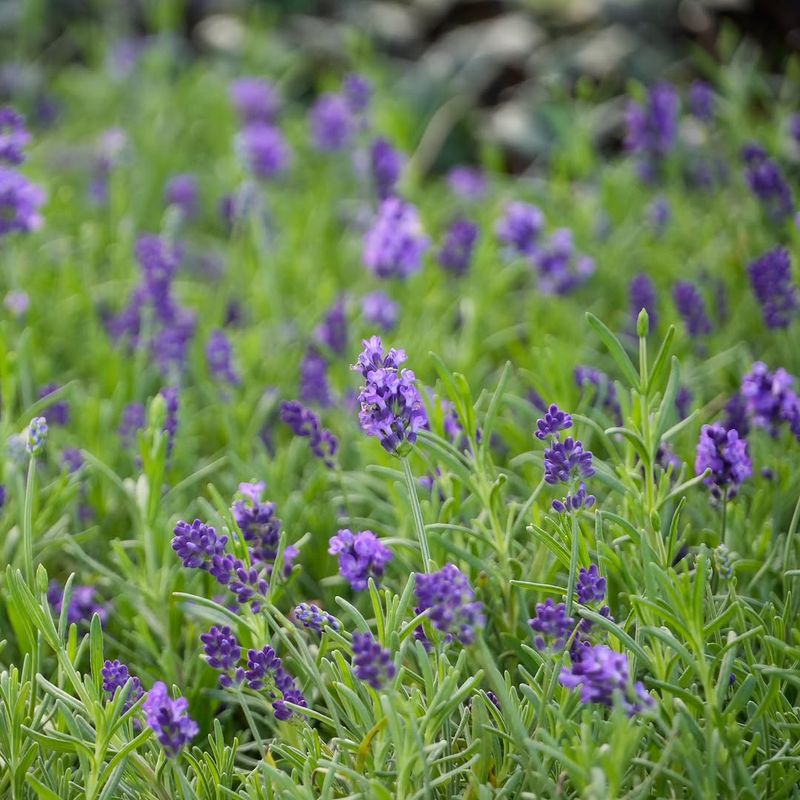
Walk past a lavender plant in full bloom and the scent alone will stop you in your tracks. That sweet, calming fragrance is just one reason why lavender is one of the most popular plants in California gardens.
The purple flower spikes are beautiful, long-lasting, and incredibly attractive to bees, butterflies, and other pollinators.
Lavender thrives in full sun and well-drained soil, two things that California summers deliver in abundance. Once established, it is remarkably drought-tolerant and actually prefers to dry out between waterings.
Overwatering is one of the few things that can cause problems, so a hands-off approach usually works best after the first growing season.
There are many varieties to choose from, including English lavender, Spanish lavender, and French lavender, each with slightly different looks and bloom times. English lavender tends to be the most fragrant, while Spanish lavender is especially heat-tolerant.
Both perform well throughout California. Lavender also has practical uses beyond the garden: the dried flowers can be used in sachets, cooking, and homemade products.
It is one of those rare plants that is both decorative and useful. For California gardeners who want low-maintenance beauty with serious summer staying power, lavender is truly hard to beat.