8 Cold Hardy Vegetables Michigan Gardeners Should Plant Early
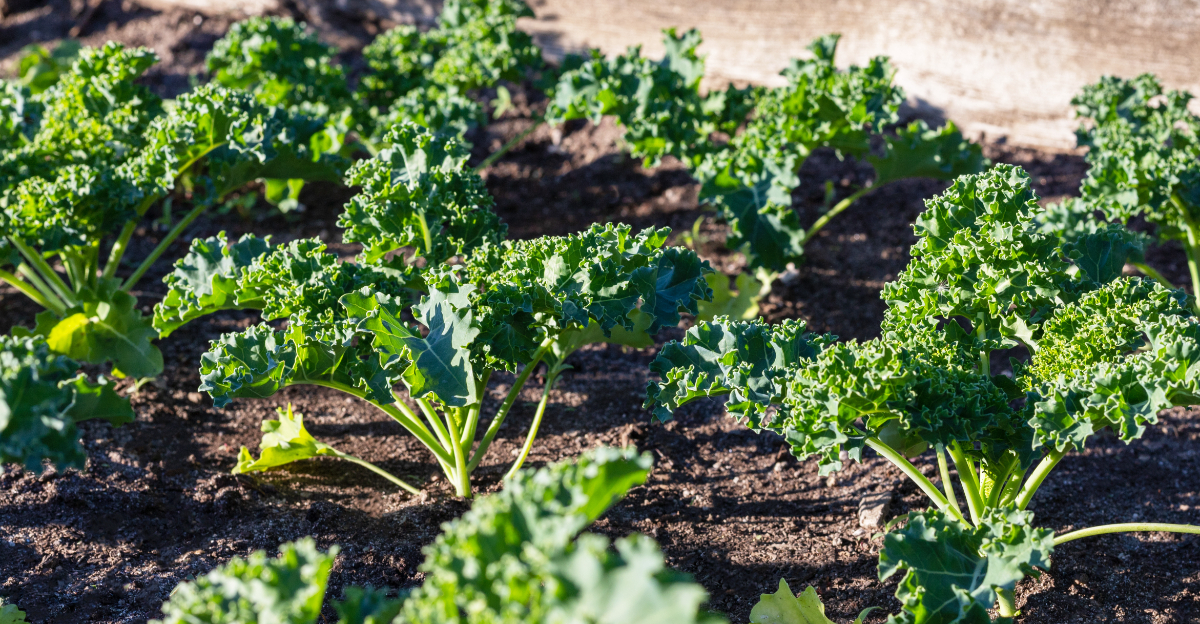
Michigan winters can feel endless, but the gardening season actually begins sooner than many people expect. As the snow melts and the soil starts to loosen, early spring opens a valuable window for planting.
While some crops need warm weather, several vegetables prefer the cool temperatures that arrive at the start of the season.
Across the Upper and Lower Peninsulas, experienced gardeners take advantage of this early period to plant crops that thrive in crisp air and chilly soil.
These vegetables can handle light frost and often grow better before the stronger heat of summer arrives. Starting them early also means enjoying fresh harvests weeks ahead of the main growing season.
With the right choices, Michigan gardens can begin producing food long before warm weather settles in. These cold hardy vegetables are some of the best options for getting a strong start in early spring.
1. Peas
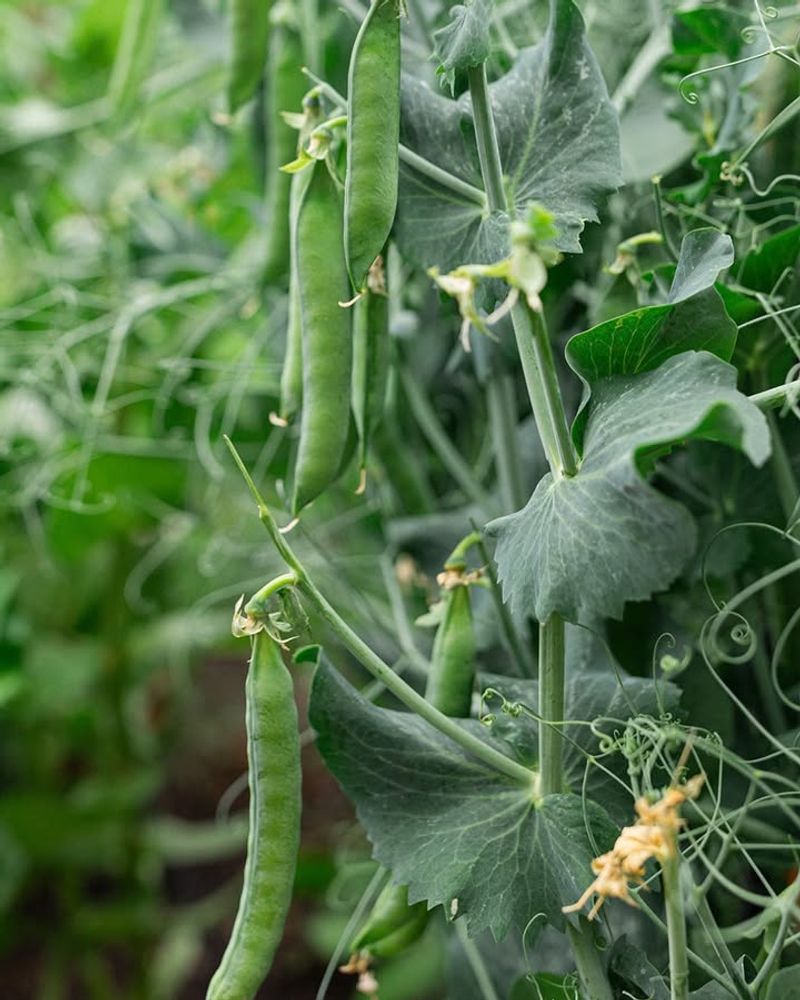
There is something almost magical about watching pea vines climb a trellis on a crisp Michigan morning in early spring. Peas, known scientifically as Pisum sativum, are one of the very first vegetables you can plant directly in the ground each year.
They actually prefer the cold and begin germinating when soil temperatures reach around 40 degrees Fahrenheit, making them a perfect fit for Michigan’s unpredictable early spring weather.
In Southern Michigan, gardeners can sow peas as early as the first week of March. Northern Michigan gardeners should aim for late March to give the soil enough time to thaw.
Plant seeds about one to one and a half inches deep and roughly two inches apart in a sunny spot with good drainage. Peas need support as they grow, so setting up a simple trellis or fence before planting saves you trouble later.
Climbing varieties especially benefit from vertical support because it improves air circulation and helps prevent disease. Harvest your peas young for the sweetest, most tender flavor possible.
Fun fact: peas are one of the oldest cultivated crops in human history, dating back thousands of years. Michigan’s cool spring climate is genuinely ideal for growing them, so do not hesitate to get those seeds in the ground as soon as conditions allow.
2. Spinach
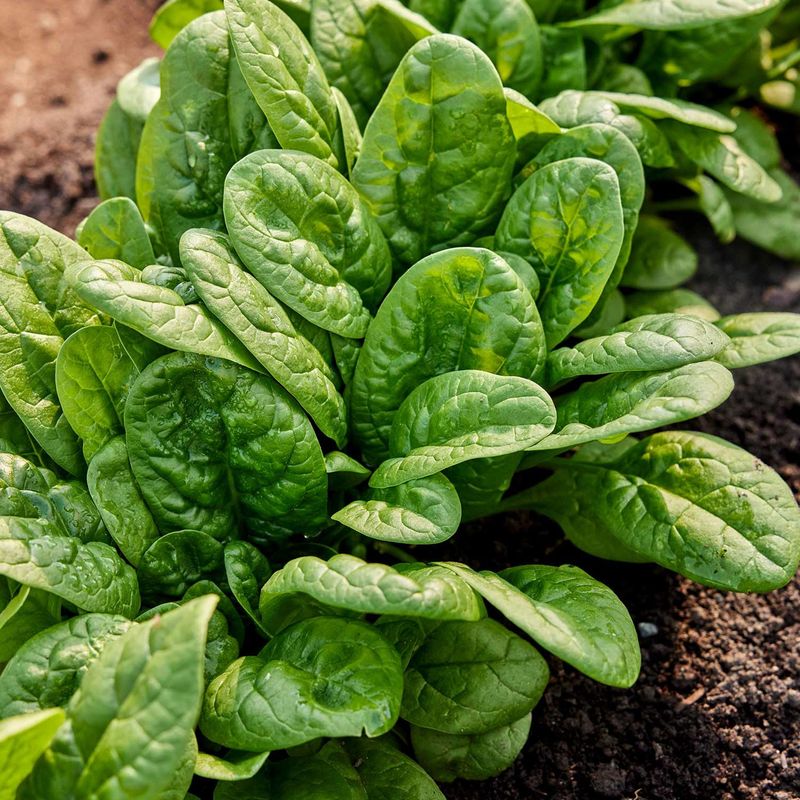
Spinach is the kind of vegetable that thrives when most other crops are still waiting for warmer weather. Spinacia oleracea, as it is formally known, is perfectly suited to Michigan’s cool early spring conditions.
Seeds can germinate in soil temperatures as low as 35 degrees Fahrenheit, which means you can direct sow spinach almost as soon as the ground is workable, often in early March across much of the state.
Sow seeds about half an inch deep and space them roughly two inches apart in rows. Once seedlings sprout and reach a manageable size, thin them to about three inches apart so each plant gets enough room to grow strong leaves.
Spinach prefers full sun but handles partial shade better than most vegetables, which is handy for Michigan gardens that may still have some tree cover in early spring.
Your Michigan Garden Changes Every Week. Your Plan Should Too.
Gardening in Michigan changes quickly throughout the season. Every Friday you’ll receive a simple weekly plan showing exactly what to plant, prune, fertilize, harvest, and protect so you never miss the right timing.
Keep the soil evenly moist throughout the growing period because dry conditions cause spinach to bolt, meaning it goes to seed too quickly and becomes bitter.
Harvest outer leaves within four to six weeks of planting and the plant will keep producing fresh growth from the center.
One cool detail about spinach is that cold temperatures actually make its flavor milder and slightly sweet, so Michigan’s chilly spring nights work in your favor here. Fresh spinach straight from a Michigan garden is a true seasonal treat.
3. Radishes
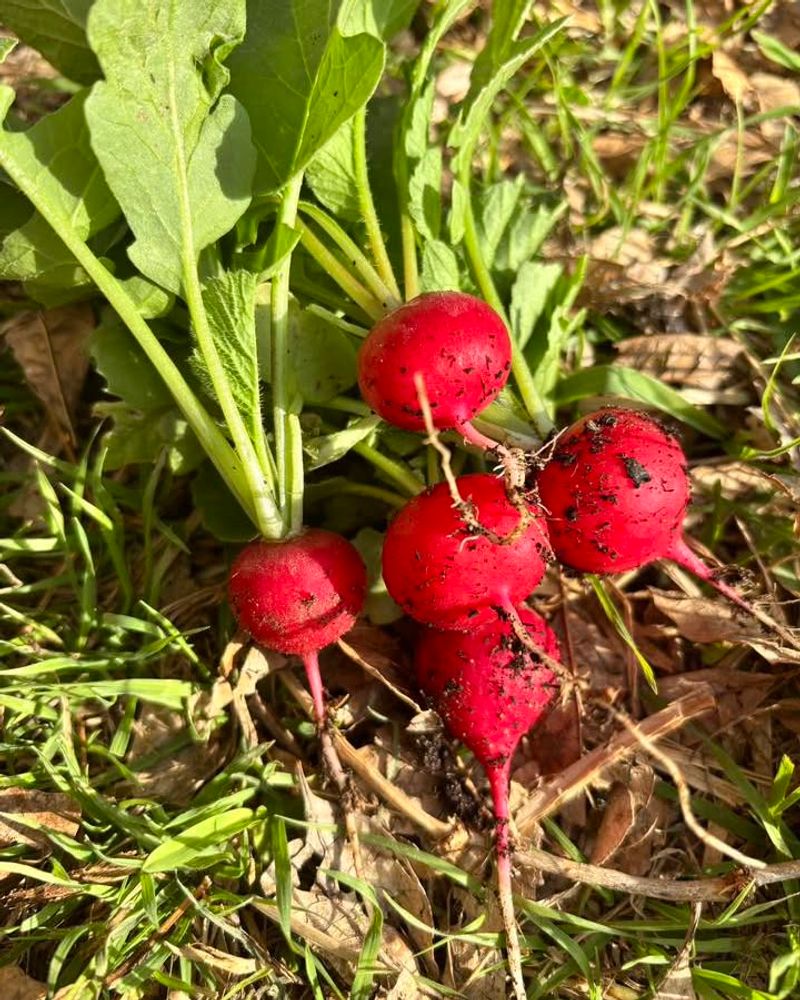
If you want instant gardening satisfaction, radishes are your answer. Raphanus sativus is one of the fastest-maturing vegetables you can grow, often going from seed to table in just 20 to 30 days.
That quick turnaround makes radishes incredibly rewarding, especially for newer Michigan gardeners who want to see results fast while waiting for slower crops to catch up.
Radishes handle cold soil with ease and can be direct sown in both Southern and Northern Michigan starting in early March. Sow seeds about half an inch deep and space them one inch apart in rows.
Once seedlings emerge and start developing, thin them to about two inches apart so the roots have enough room to swell properly. Overcrowded radishes tend to produce more leaf than root, which is not what you are going for.
Full sun and consistent moisture are the two biggest keys to growing crisp, flavorful radishes. Letting the soil dry out too much causes the roots to become woody and sharp-tasting rather than juicy and mild.
Here is a fun bonus: radishes actually work well as companion plants because they attract certain insects away from more valuable nearby crops. Michigan gardeners can sow radishes in succession every two weeks for a continuous harvest through late spring.
They are small, quick, and genuinely one of the most practical vegetables you can grow in a Michigan spring garden.
4. Lettuce
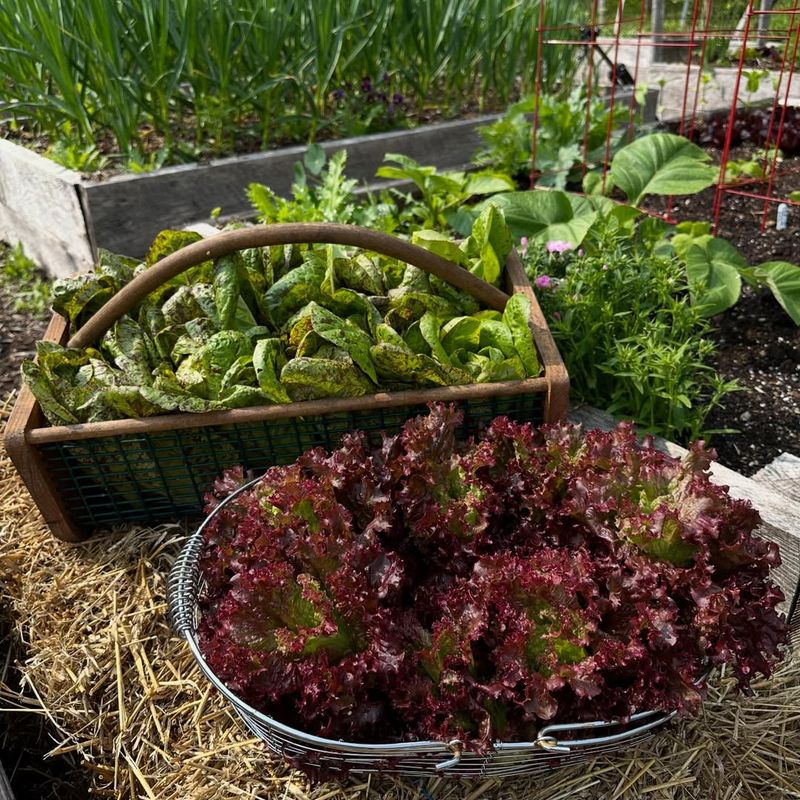
Crisp, colorful, and surprisingly tough for such a delicate-looking plant, lettuce is a springtime staple for Michigan gardeners.
Lactuca sativa grows best in cool weather and can handle light frosts without much fuss, making it one of the most reliable early-season crops in the state.
In Southern Michigan, direct sowing can begin as early as the first week of March, while Northern Michigan gardeners typically aim for mid-March when soil conditions allow.
Lettuce seeds are tiny, so scatter them lightly across the soil surface and press them in gently without burying them too deep. A depth of about a quarter inch is all they need.
Lettuce actually requires some light to germinate well, so covering seeds too deeply can slow things down. Once seedlings are big enough to handle, thin them to about six to eight inches apart depending on the variety you are growing.
Planting successive crops every two weeks is a smart strategy that gives you a steady supply of fresh lettuce throughout spring rather than one overwhelming harvest all at once.
Many varieties go from seed to harvest in around 45 days, which fits nicely into Michigan’s spring growing window. Keeping soil consistently moist and providing afternoon shade during any unexpected warm spells will prevent early bolting.
Few things beat the crunch of fresh Michigan-grown lettuce in a spring salad, and starting early makes that possible sooner than you might think.
5. Kale
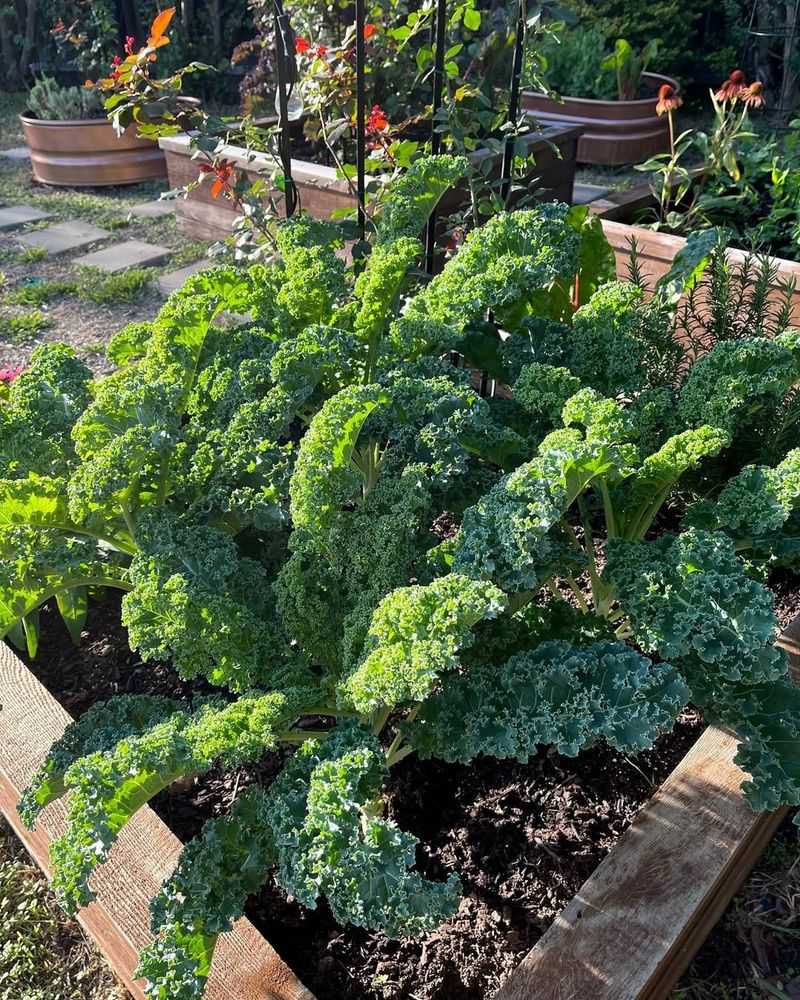
Kale might just be the toughest vegetable in the Michigan garden. Brassica oleracea var. sabellica can handle temperatures well below freezing, and unlike many crops, it actually gets better after a cold snap.
Exposure to frost triggers the plant to convert some of its starches into sugars, which noticeably sweetens the flavor of the leaves. Michigan’s unpredictable spring weather, with its mix of warm days and cold nights, is practically made for growing kale.
In Southern Michigan, you can start direct sowing kale seeds as early as the first week of March. Northern Michigan gardeners should plan for mid to late March depending on local conditions.
Sow seeds about half an inch deep and space plants roughly 12 to 18 inches apart once thinned. Kale grows into a large, leafy plant, so giving it enough room improves airflow and keeps the garden looking healthy rather than crowded.
Harvest outer leaves regularly once plants are established, which encourages the center of the plant to keep pushing out fresh new growth. Kale is loaded with vitamins and minerals, making it one of the most nutritious crops you can grow in a Michigan garden.
It also has a long productive season, often surviving well into late fall and sometimes even through early winter in milder parts of the state. For gardeners who want maximum value from a single planting, kale delivers season after season.
6. Carrots
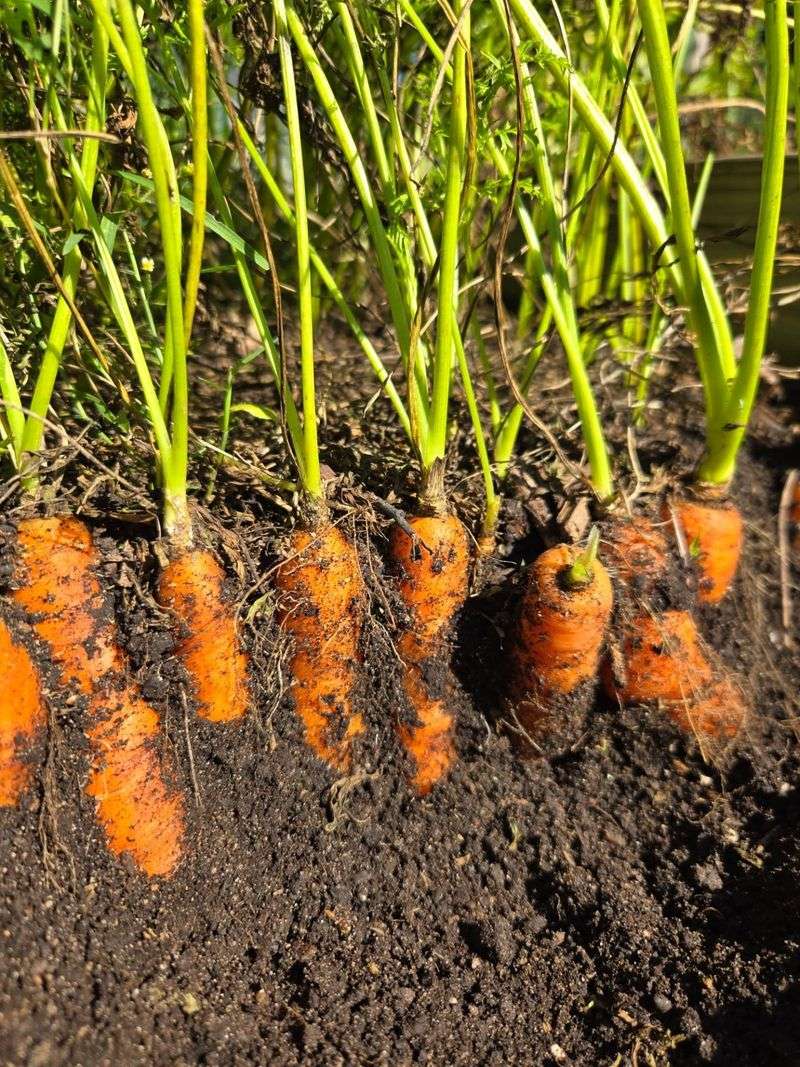
Carrots have a little secret that Michigan gardeners get to enjoy: cool temperatures make them sweeter.
Daucus carota subsp. sativus converts starches to sugars when exposed to cold, which means spring-planted carrots grown in Michigan’s chilly early season often taste better than those grown in warm climates.
That natural sweetness is worth every bit of patience it takes to grow them. In Southern Michigan, plant carrot seeds in late March once the soil can be worked easily. Northern Michigan gardeners should target early April for best results.
Carrot seeds need loose, well-drained soil to develop straight, full roots, so take time to break up any clumps and remove rocks before planting.
Sow seeds about a quarter inch deep in rows and keep the seedbed consistently moist because carrot seeds are sensitive to drying out during germination, which can take anywhere from 10 to 21 days.
Once seedlings are a few inches tall, thin them to about two to three inches apart so each root has room to grow properly without crowding its neighbors.
Covering the seedbed with a light layer of row cover fabric helps retain moisture and protects against unexpected late frosts. Established carrot plants handle light frosts without any trouble at all.
Michigan’s spring soil conditions are genuinely well-suited to carrots, and the reward of pulling a bright orange, homegrown carrot from Michigan soil is one of the most satisfying moments in any gardener’s season.
7. Beets
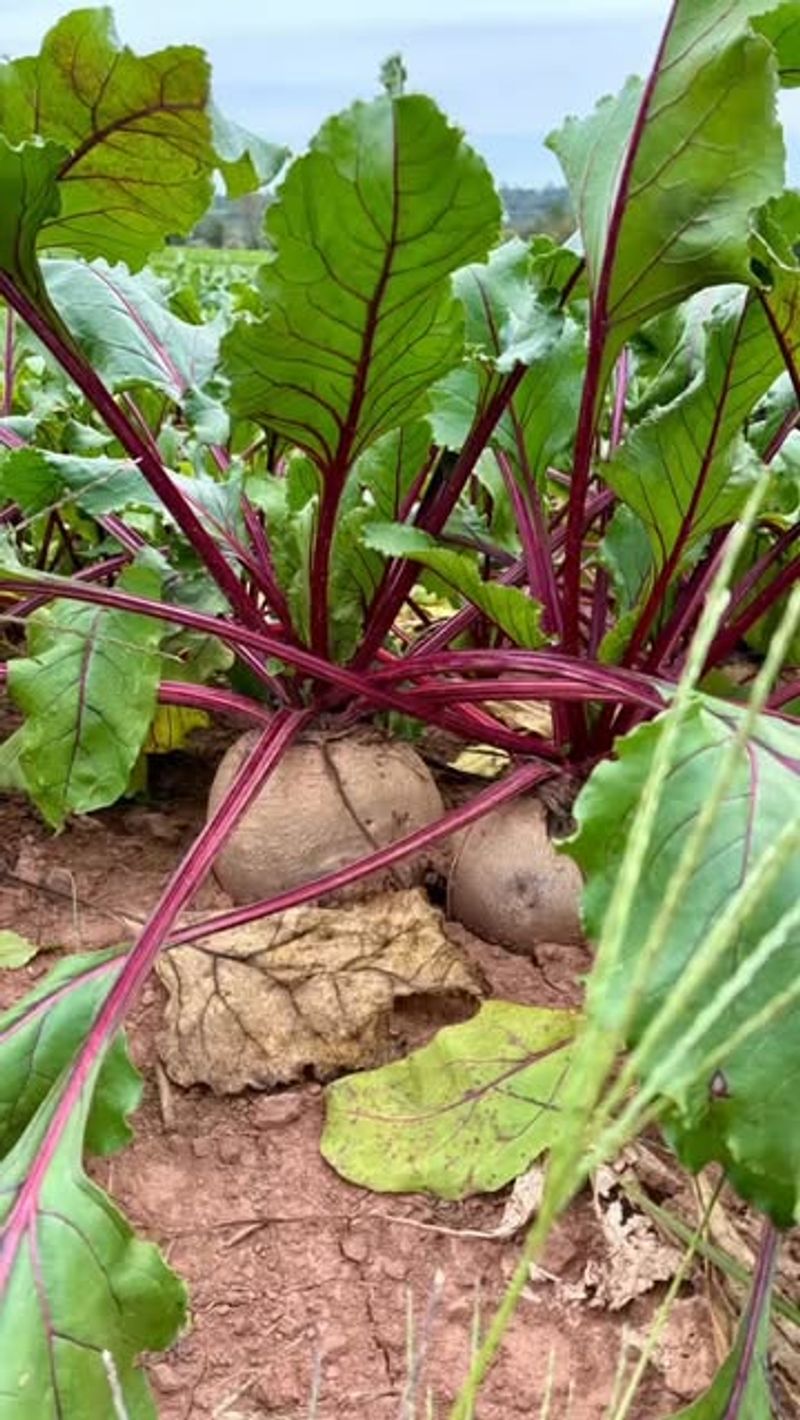
Beets bring a lot to the Michigan garden, and not just their bold, earthy flavor. Beta vulgaris is a versatile crop because you can eat both the roots and the leafy greens, which means you get two vegetables for the work of planting one.
That kind of efficiency is hard to beat, especially in the early season when every garden bed counts.
Beet seeds germinate in soil temperatures around 45 degrees Fahrenheit, which makes them a strong candidate for early spring planting across Michigan. Plant seeds about half an inch deep and roughly two inches apart in rows.
What many gardeners do not realize is that each beet seed is actually a cluster of multiple seeds, so thinning seedlings is especially important.
Once plants are a few inches tall, thin them to about three to four inches apart to give each root enough space to develop fully without competition.
Beets prefer loose, well-drained soil with consistent moisture throughout the season. Letting the soil get too dry or too compacted leads to tough, misshapen roots that are harder to cook and less enjoyable to eat.
In Southern Michigan, beets can go in the ground as early as late March. Northern Michigan gardeners usually wait until early April.
Regular thinning and steady watering are the two habits that make the biggest difference in beet quality, and Michigan’s naturally cool spring temperatures create a great environment for growing them from the very start of the season.
8. Swiss Chard

Swiss chard is one of the most visually striking vegetables you can grow in a Michigan garden, with stems that come in brilliant shades of red, yellow, orange, and white. Beta vulgaris subsp. vulgaris is not just beautiful though.
It is also remarkably tough, handling cool spring temperatures with ease while continuing to produce leaves well into the heat of summer, giving Michigan gardeners one of the longest productive windows of any leafy green.
In Southern Michigan, direct sowing works well starting in late March. Northern Michigan gardeners should wait until early April when soil conditions are more consistently workable.
Sow seeds about half an inch deep and thin seedlings to about six inches apart as they grow. Swiss chard seeds, like beet seeds, are actually seed clusters, so multiple seedlings may sprout from one planting spot and will need thinning early on for best results.
Fertile, well-drained soil and consistent watering throughout the season keep Swiss chard productive and the leaves large and tender.
Harvest outer leaves regularly once plants are established, starting from the outside and working inward, which encourages the plant to keep generating fresh growth from the center.
Unlike some other greens that struggle once summer heat arrives, Swiss chard stays productive across both seasons.
For Michigan gardeners who want a single planting that delivers color, nutrition, and a long harvest window, Swiss chard is genuinely one of the most rewarding early-season choices available.