These Popular Michigan Plants Were Just Added To The Invasive Species Watch List
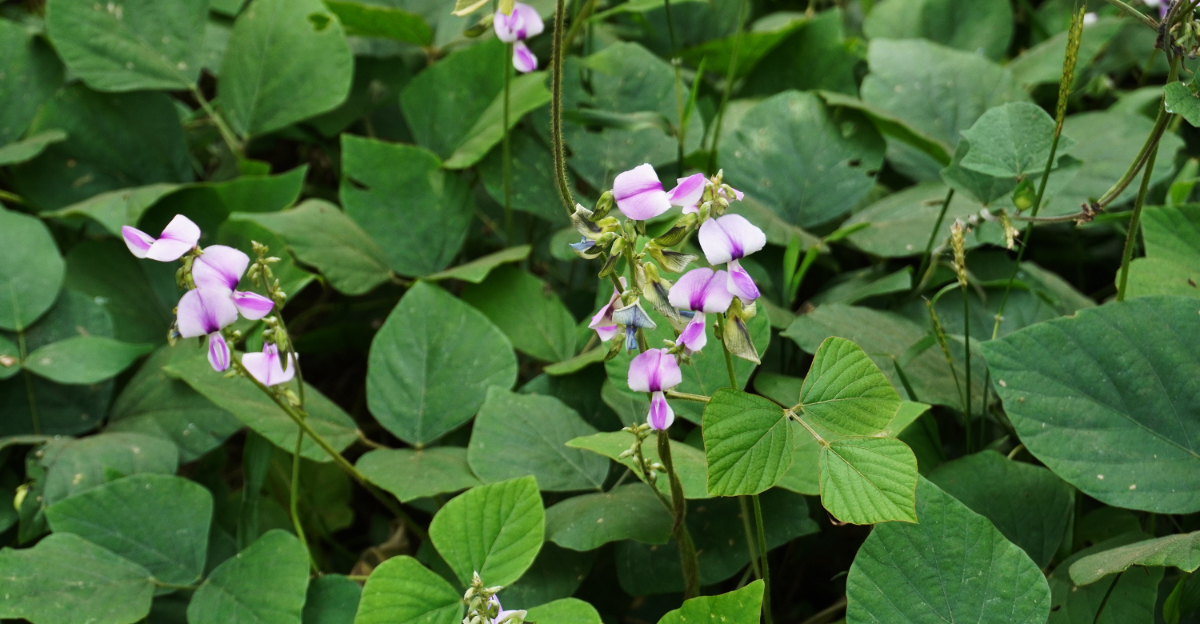
Some plants that have been common in Michigan landscapes for years are now getting a second look, and in some cases, they are being added to official invasive species lists.
That means they are no longer just a gardening choice. They can become regulated or even illegal to grow, sell, or spread.
This shift often surprises homeowners, especially when these plants were once widely recommended or sold at nurseries.
Recent updates and proposed changes in Michigan have focused on species that spread aggressively and harm native ecosystems.
In fact, several familiar plants like common buckthorn, glossy buckthorn, callery pear, and Japanese barberry have been identified as serious risks and proposed for stricter regulation.
The concern is how quickly these plants can take over, crowd out native species, and disrupt wildlife habitats.
Knowing which popular plants are now considered invasive can help you avoid future problems and make smarter choices for a healthier Michigan landscape.
1. Hydrilla (Hydrilla verticillata)
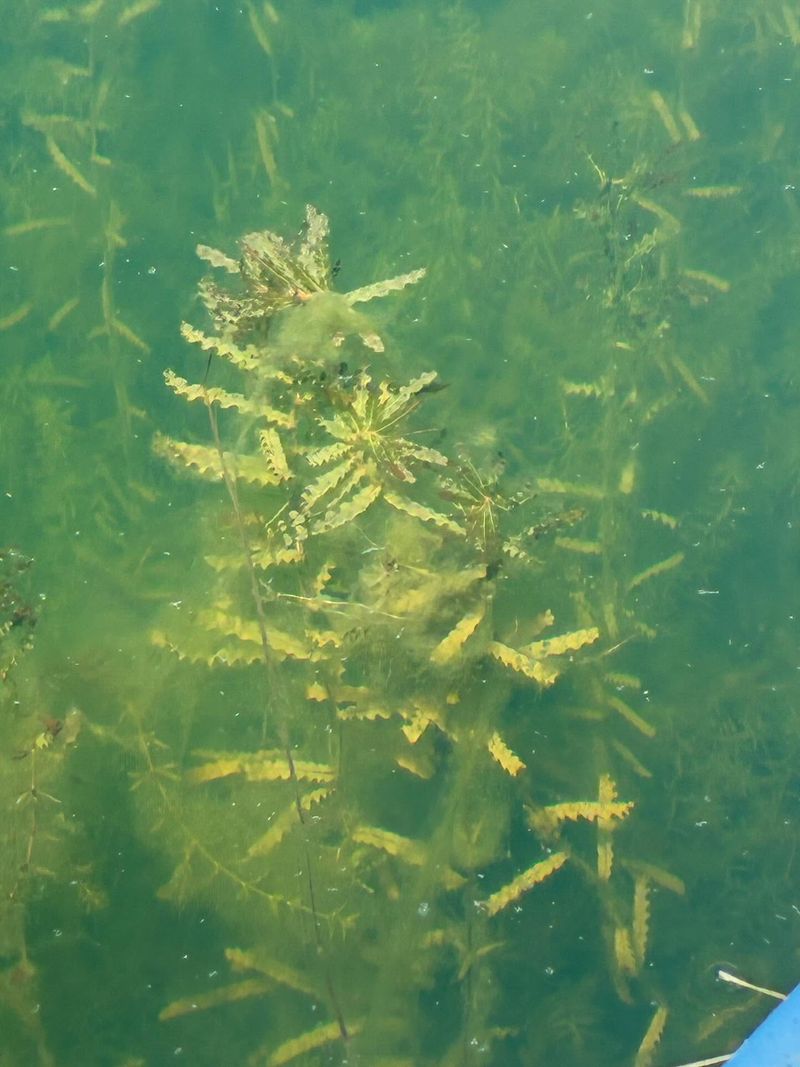
Underneath the calm surface of Michigan ponds, one plant is quietly taking over in a big way.
Hydrilla is widely considered one of the most aggressive aquatic invasive plants on the planet, and it has now been detected in private ponds right here in Michigan.
That discovery alone has put conservationists and water managers on high alert across the state. Hydrilla grows incredibly fast, sometimes up to an inch per day under the right conditions.
It forms thick, tangled mats beneath the water that block sunlight from reaching native aquatic plants.
Fish and other wildlife that depend on healthy, open waterways can quickly find their habitat disrupted when this plant moves in. What makes Hydrilla especially tricky is how easily it spreads.
Tiny plant fragments can hitch a ride on boat propellers, fishing gear, or even water birds, moving from one water body to another without anyone noticing.
Michigan’s many interconnected lakes and rivers make this a very real concern for the whole region.
If you use Michigan waterways for boating or fishing, always clean your equipment before moving between lakes. Check for any plant material clinging to anchors, trailers, or waders.
Reporting any unusual aquatic growth to the Michigan Invasive Species Program is one of the simplest and most powerful actions any outdoor enthusiast can take.
2. Japanese Stiltgrass (Microstegium vimineum)
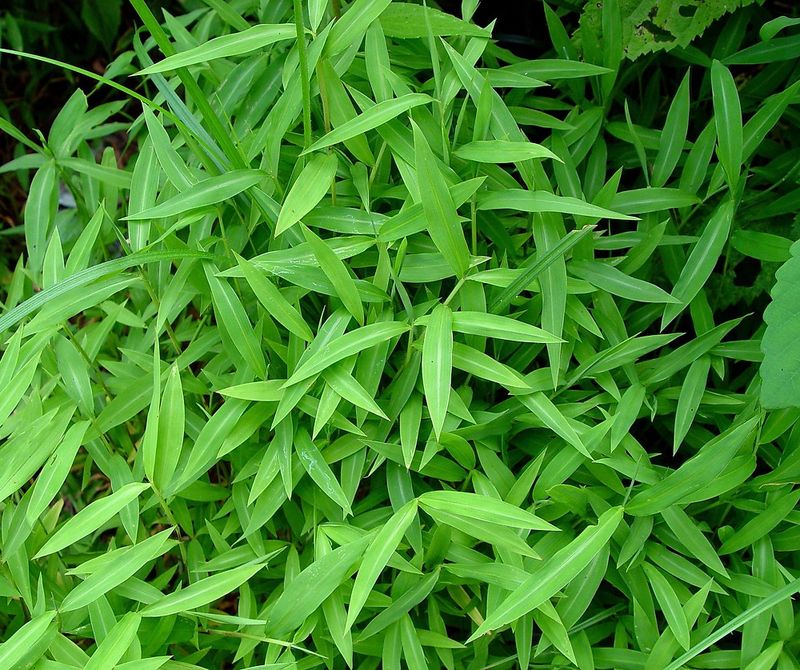
Picture a quiet Michigan woodland trail where native wildflowers and ferns once covered the forest floor. Now imagine a pale green grass slowly creeping in and replacing all of it.
That is exactly what Japanese Stiltgrass does, and it has officially landed on Michigan’s invasive species Watch List. This grass thrives in shaded areas where many other plants struggle to survive.
It spreads quickly along stream banks, roadsides, and the edges of forests, forming dense patches that crowd out native woodland plants.
What makes it particularly competitive is its ability to grow in low-light conditions that most invasive species cannot tolerate.
Japanese Stiltgrass produces a huge number of seeds each season, and those seeds can remain in the soil for several years waiting to sprout.
Your Michigan Garden Changes Every Week. Your Plan Should Too.
Gardening in Michigan changes quickly throughout the season. Every Friday you’ll receive a simple weekly plan showing exactly what to plant, prune, fertilize, harvest, and protect so you never miss the right timing.
A single plant can produce up to 1,000 seeds, which means even a small patch can turn into a major infestation surprisingly fast. Michigan’s shaded forest floors provide near-perfect conditions for this plant to thrive.
Hikers and outdoor lovers in Michigan should learn to recognize this grass by its slightly silvery midrib running down each leaf blade.
If you spot it on a trail or near a waterway, report it right away through the Michigan Invasive Species Program website.
Early detection is truly the best tool for stopping its spread before it becomes a much bigger problem.
3. Chaff Flower (Achyranthes japonica)
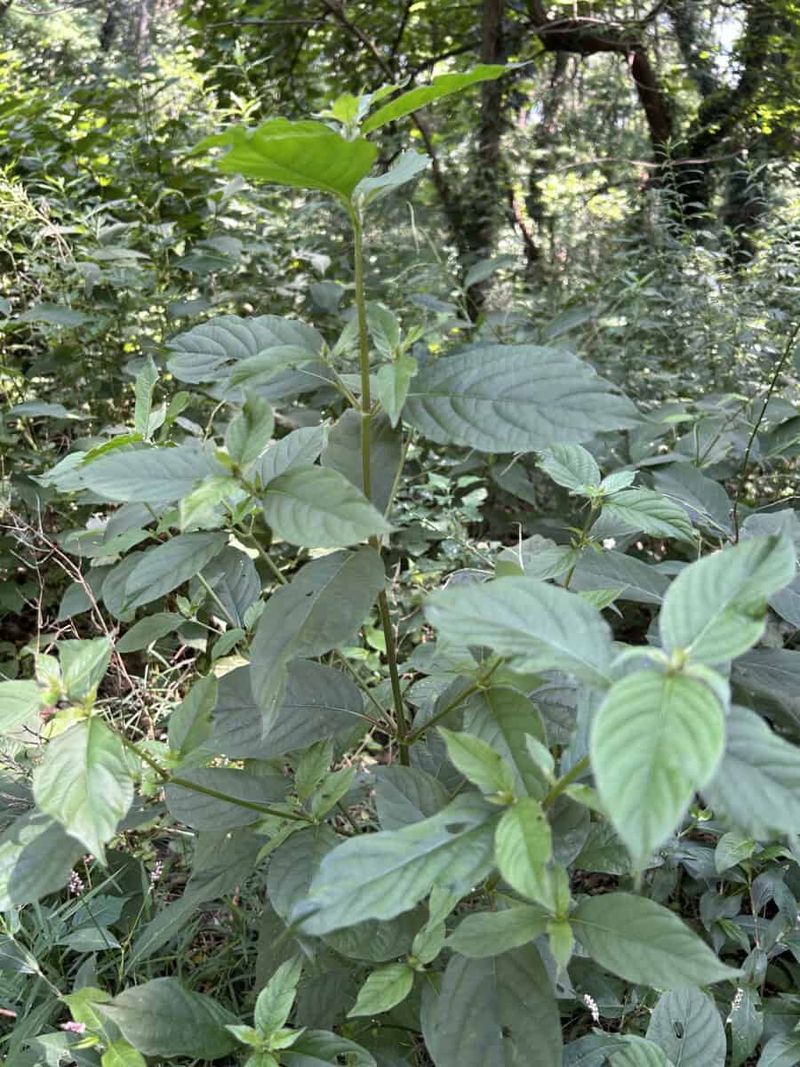
Most people walk right past Chaff Flower without giving it a second glance, but this unassuming plant is becoming a growing concern in Michigan’s forests and floodplains.
Originally from Asia, it has been quietly spreading across parts of the Midwest, and it recently earned a spot on Michigan’s official Watch List for invasive species.
Chaff Flower grows tall and produces brush-like seed heads that stick to clothing, fur, and feathers with impressive efficiency. That stickiness is part of what makes it so hard to contain once it gets going in an area.
Animals and people unknowingly carry its seeds deep into forests and along riverbanks, spreading it far beyond where it first appeared.
Once established, Chaff Flower forms dense stands that shade out native wildflowers and understory plants.
Floodplain forests in Michigan are especially vulnerable because the plant thrives in moist, nutrient-rich soils near rivers and streams.
These are also some of Michigan’s most ecologically valuable habitats, making the threat even more serious.
Gardeners and hikers near Michigan’s river corridors should pay close attention to any unfamiliar tall plants with bristly seed clusters.
Removing Chaff Flower before it sets seed is the most effective way to prevent further spread.
If you think you have spotted it, photograph the plant and report it through Michigan’s invasive species reporting tools as soon as possible.
4. Calligraphy Sedge (Carex kobomugi)
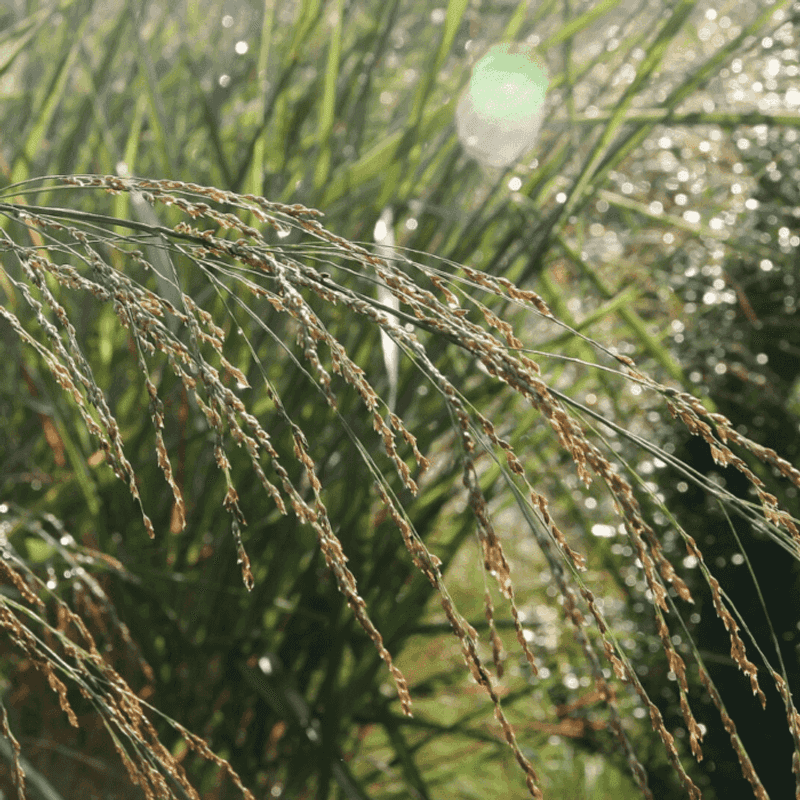
Michigan’s Great Lakes shorelines are some of the most stunning natural landscapes in the entire country, featuring sweeping sand dunes and a rich mix of native coastal plants.
Calligraphy Sedge, also known as Japanese Sedge, is threatening to change that picture in a serious way.
This coastal dune invader has been added to Watch Lists because of how aggressively it takes over shoreline habitats.
Unlike many invasive plants that spread by seed, Calligraphy Sedge spreads primarily through underground rhizomes that extend outward in dense mats.
These mats are incredibly tough and can outcompete native dune grasses and wildflowers that hold the shoreline together.
When native plants lose ground, the entire dune ecosystem becomes less stable and less diverse.
The plant was originally introduced through the horticultural trade, often sold as an ornamental grass for coastal gardens.
Once it escapes into natural areas along Michigan’s Great Lakes shoreline, it is extremely difficult to manage.
Removing it requires persistent effort over multiple seasons, and even small fragments left behind can regrow into new plants.
If you live near or visit Michigan’s Great Lakes coast, take a closer look at the grasses growing along the dunes.
Calligraphy Sedge has stiff, sharp-edged leaves and a dense, clumping growth form that stands out from native species.
Reporting sightings quickly to the Michigan Invasive Species Program gives land managers the best chance of stopping its spread along these treasured shorelines.
5. Cinnamon Vine (Dioscorea polystachya)
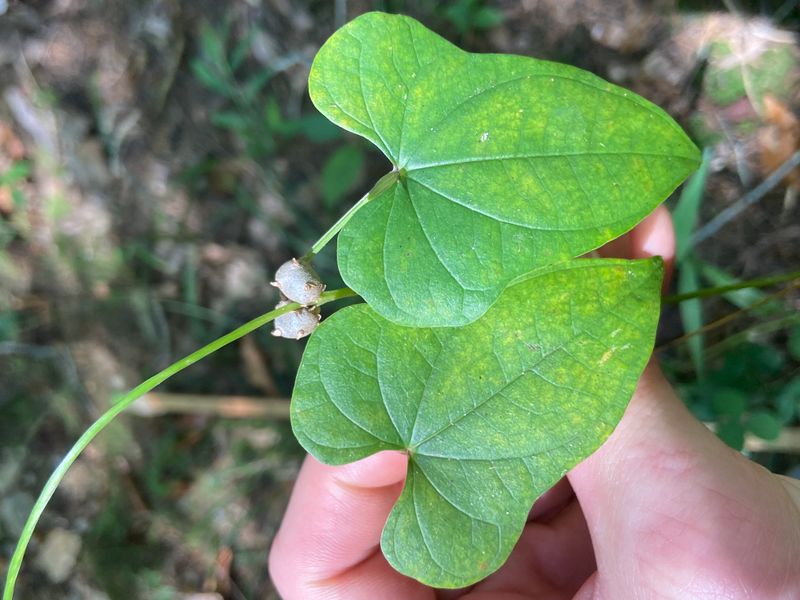
With its heart-shaped leaves and a faint cinnamon scent, this vine might seem like a charming addition to a backyard trellis.
But Cinnamon Vine, also known as Chinese Yam, is one of the sneakiest invasive plants now being monitored on Michigan’s Watch List.
Once it takes hold, getting rid of it becomes a genuinely tough challenge. The plant spreads in two very effective ways.
Underground tubers can grow deep into the soil and are nearly impossible to remove completely by hand.
Above ground, small aerial bulbils form along the stem and drop to the ground, each one capable of sprouting into a whole new plant.
Together, these two methods make Cinnamon Vine one of the most persistent invasive vines in the region.
In Michigan’s woodland edges and disturbed areas, this vine climbs over native shrubs and small trees, blocking sunlight and putting enormous stress on native vegetation.
It spreads easily along roadsides, stream banks, and garden borders, especially in areas with rich, moist soil. Many homeowners have unknowingly planted it, thinking it was a decorative garden vine.
If you have Cinnamon Vine growing in your Michigan yard or garden, the Michigan Invasive Species Program recommends removing it carefully and consistently each season.
Never compost the bulbils or tubers, as they can sprout in a compost pile. Bagging all plant material and disposing of it properly is the safest way to keep it from spreading further into natural areas.
6. Kudzu (Pueraria Montana Var. Lobata)
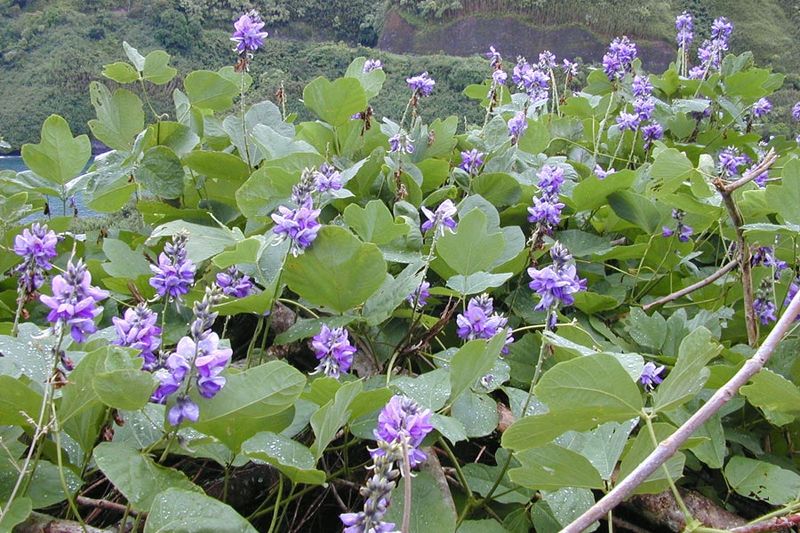
Nicknamed “the vine that ate the South,” Kudzu has a reputation that precedes it wherever it goes.
While it has not spread widely across Michigan just yet, it has earned a firm spot on the state’s Watch List, and experts say early detection is absolutely critical to keeping it that way.
The moment Kudzu establishes itself somewhere, the challenge of managing it multiplies fast.
Kudzu can grow up to a foot per day during warm summer months, smothering everything in its path including shrubs, fences, utility poles, and even full-grown trees.
Its massive leaves create a thick canopy that blocks sunlight from reaching anything beneath it, essentially cutting off native plants from the energy they need to survive. In states like Georgia and Tennessee, entire landscapes have been transformed by this vine.
Michigan’s warming summers are making conditions increasingly favorable for Kudzu to survive and spread further north than it historically could.
That shift in climate patterns is exactly why Michigan officials are prioritizing awareness and early action now, before the plant gains a real foothold in the state’s forests and roadsides.
Spotting Kudzu early makes a massive difference in how manageable it is to control. The leaves are large and three-lobed, and the vine produces purple, grape-scented flowers in late summer.
If you see anything matching that description growing along a Michigan roadside or forest edge, report it immediately to the Michigan Invasive Species Program so a rapid response team can assess the situation.
7. European Water Clover (Marsilea Quadrifolia)
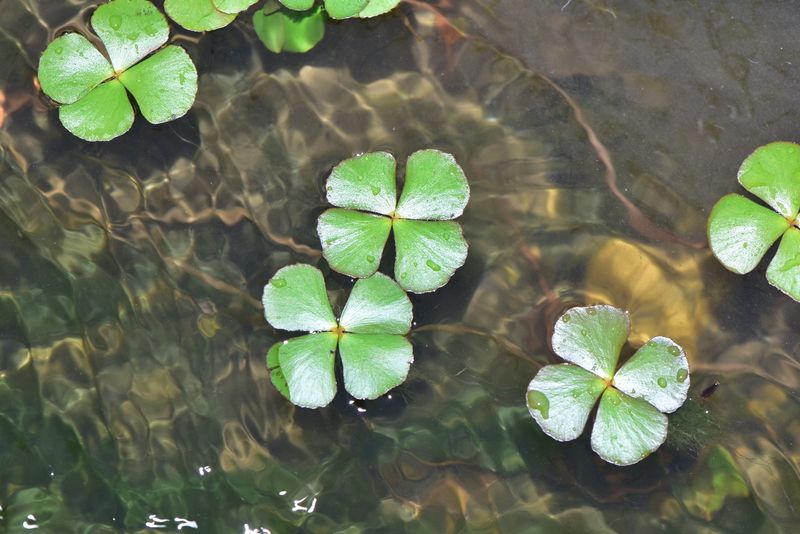
At first glance, European Water Clover looks almost magical, like a pond full of tiny four-leaf clovers floating peacefully on the surface.
But this charming appearance hides a real ecological problem that Michigan’s water managers are now taking very seriously.
This aquatic invasive has made the Watch List because of its ability to disrupt native freshwater ecosystems in shallow lakes and ponds.
European Water Clover spreads through both spores and rhizome fragments, making it very hard to fully remove once it becomes established in a water body.
It forms dense mats on the water surface that reduce oxygen levels and block sunlight from reaching native aquatic plants and algae.
Over time, that disruption ripples through the entire food web, affecting insects, fish, and the birds that rely on healthy aquatic habitats.
Michigan’s abundance of shallow inland lakes and slow-moving streams makes the state particularly vulnerable to this plant.
It was originally introduced through the aquarium and water garden trade, where it was sold as a decorative plant.
Many people released it into natural waterways without realizing the long-term consequences of that action.
If you have a backyard pond in Michigan, check whether any of your aquatic plants might be European Water Clover before introducing them to natural waterways. Never release pond plants into lakes, rivers, or streams.
Reporting any unusual clover-like floating plants to the Michigan Invasive Species Program helps protect the state’s freshwater resources for future generations.
8. Yellow Floating Heart (Nymphoides Peltata)
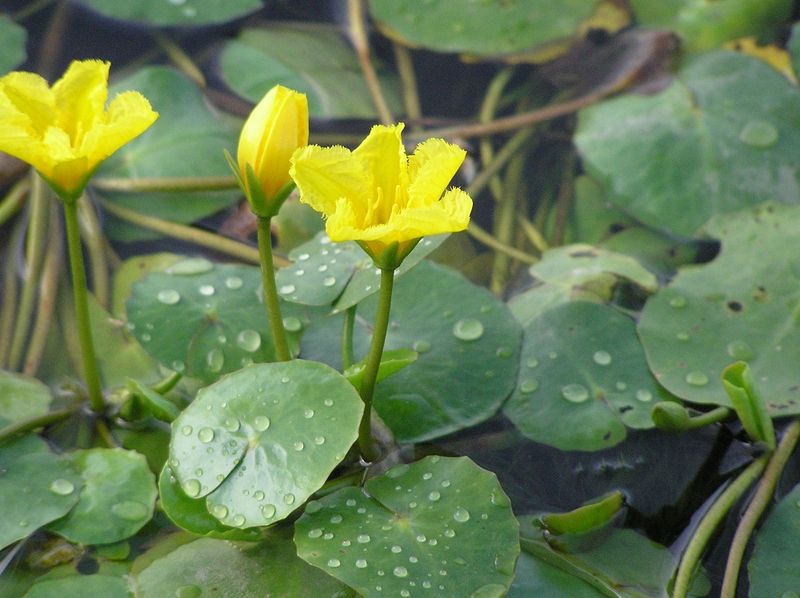
With its bright yellow flowers and round floating leaves, Yellow Floating Heart looks like something straight out of a botanical garden.
Many people have planted it intentionally in decorative ponds, completely unaware that it is one of the most aggressively spreading aquatic invasives being actively managed in Michigan right now.
Its good looks have unfortunately made it a popular choice that has caused real ecological problems.
Yellow Floating Heart spreads through multiple methods, including stem fragments, seeds, and underground rhizomes. Even a tiny piece of the plant left behind after removal can regenerate into a full new plant.
This resilience makes it extremely difficult to manage once it establishes itself in a Michigan lake or pond, requiring repeated removal efforts over several seasons.
Dense mats of Yellow Floating Heart shade out native aquatic plants and reduce oxygen levels near the water surface.
Native fish, turtles, and aquatic insects that depend on open water and healthy native vegetation find their habitat dramatically changed when this plant takes hold.
Michigan’s many inland lakes are especially at risk because the plant thrives in calm, shallow water.
Michigan officials are actively monitoring and removing Yellow Floating Heart from several water bodies across the state.
If you have this plant in a decorative pond, never allow water from that pond to flow into a natural waterway.
Connecting with your local Michigan cooperative extension office about safe, legal alternatives for water garden plants is a great first step toward protecting local ecosystems.
9. Parrot Feather (Myriophyllum Aquaticum)
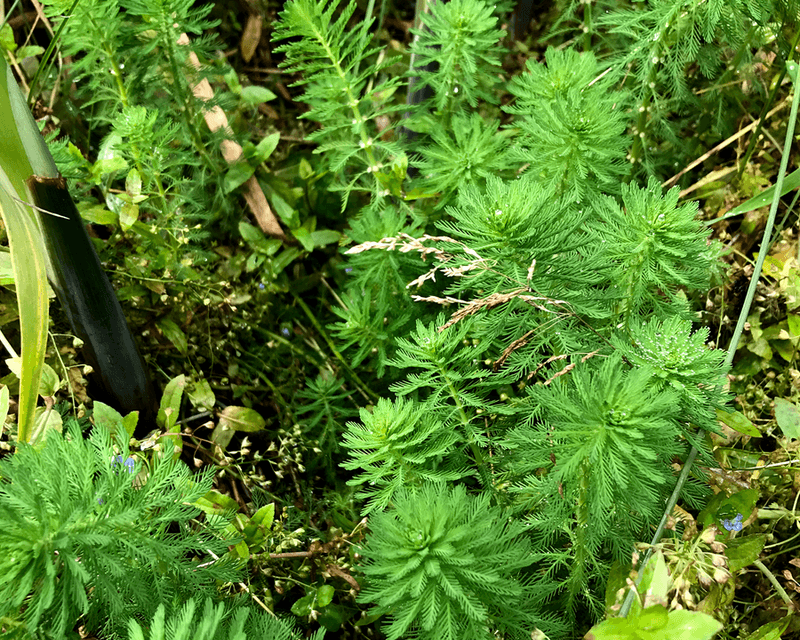
Parrot Feather gets its name from the bright, feathery leaves that emerge above the water surface, looking almost like green plumes waving in the breeze.
It is easy to see why this plant became popular in water gardens and aquariums across the country.
But in Michigan, Parrot Feather has become a top target for invasive species control efforts because of how rapidly it spreads and how much damage it causes to natural waterways.
Unlike many aquatic plants, Parrot Feather grows both above and below the water surface, giving it a unique ability to spread even in areas with some water movement.
It forms extremely dense mats that block sunlight, reduce oxygen, and physically prevent native plants from growing.
Waterways affected by Parrot Feather infestations often see a significant drop in biodiversity within just a few seasons.
Michigan’s slow-moving streams, drainage ditches, and shallow lakeshores provide ideal conditions for this plant to thrive and expand.
Once established, it is very difficult to manage because even small plant fragments can break off and float downstream to start new infestations.
Mechanical removal often spreads the plant rather than containing it without careful, coordinated effort.
The Michigan Invasive Species Program is actively targeting Parrot Feather in several locations across the state.
If you currently grow this plant in a water feature, the safest action is to remove it carefully and replace it with a native Michigan aquatic plant.
Never drain a water garden containing Parrot Feather into a natural waterway, and always dispose of plant material in sealed bags in the trash.