The Welcome Plant That Handles Michigan Weather And Looks Great In Pots All Year
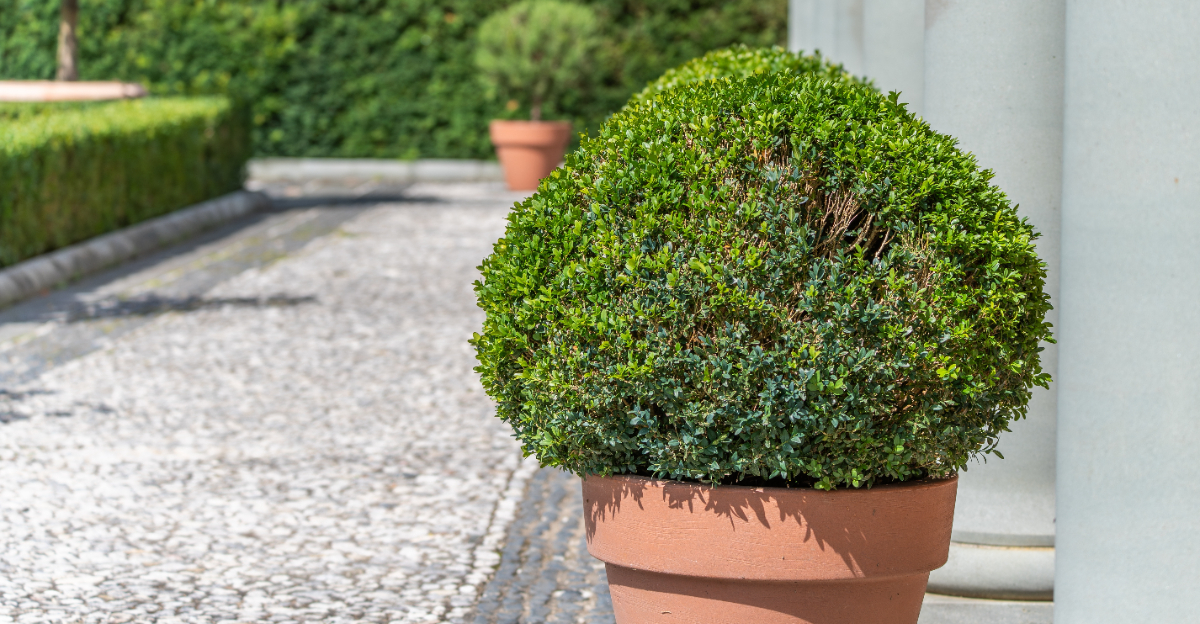
Some plants quietly prove their value year after year, and boxwood is one of them. Walk through neighborhoods across Michigan and you will notice these neat green shrubs framing front doors, lining garden paths, and anchoring tidy landscape beds.
Their rich color and naturally compact shape make them a favorite for homeowners who want a yard that looks polished in every season. Across the Upper and Lower Peninsulas, boxwood has earned a reputation for reliability.
It handles snowy winters, humid summers, and the shifting weather that Michigan is known for.
Even when other plants fade back for the season, these evergreen shrubs keep their structure and color.
That steady performance is why so many Michigan landscapes rely on boxwood for borders, entryways, and container displays.
Once you understand what makes this classic shrub so dependable, it becomes easy to see why it remains such a trusted choice.
1. Boxwood Stays Green All Year In Michigan
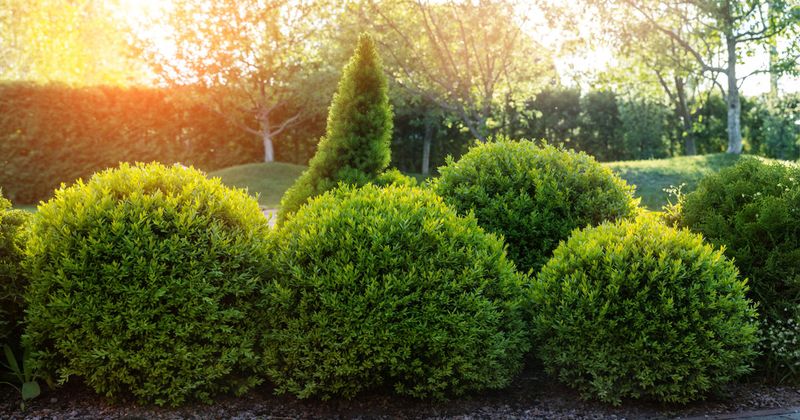
While most Michigan gardens turn brown and bare by November, boxwood keeps showing up with rich green leaves that simply refuse to fade.
Buxus sempervirens, commonly known as Common Boxwood, holds its small, glossy leaves through every season, giving your yard structure and color even on the coldest winter days. That kind of year-round presence is something most plants just cannot offer.
Michigan winters can be long and gray, so having a plant that stays vibrant makes a real difference in how your home looks from the street.
Boxwood planted near front entryways or along foundation beds creates a polished, welcoming look when everything else looks dormant.
Many Michigan homeowners specifically choose boxwood because it does the heavy lifting visually during those slow winter months.
Container displays on porches and patios also benefit greatly from boxwood’s evergreen habit. A well-placed pot of boxwood near a front door keeps the entrance looking intentional and put-together even in February.
Pair it with some seasonal decor like pinecones or ribbon, and your entryway feels warm and inviting all winter long.
For Michigan gardeners who want beauty without the seasonal gaps, boxwood is honestly hard to beat.
2. Boxwood Tolerates Michigan Cold With Proper Placement
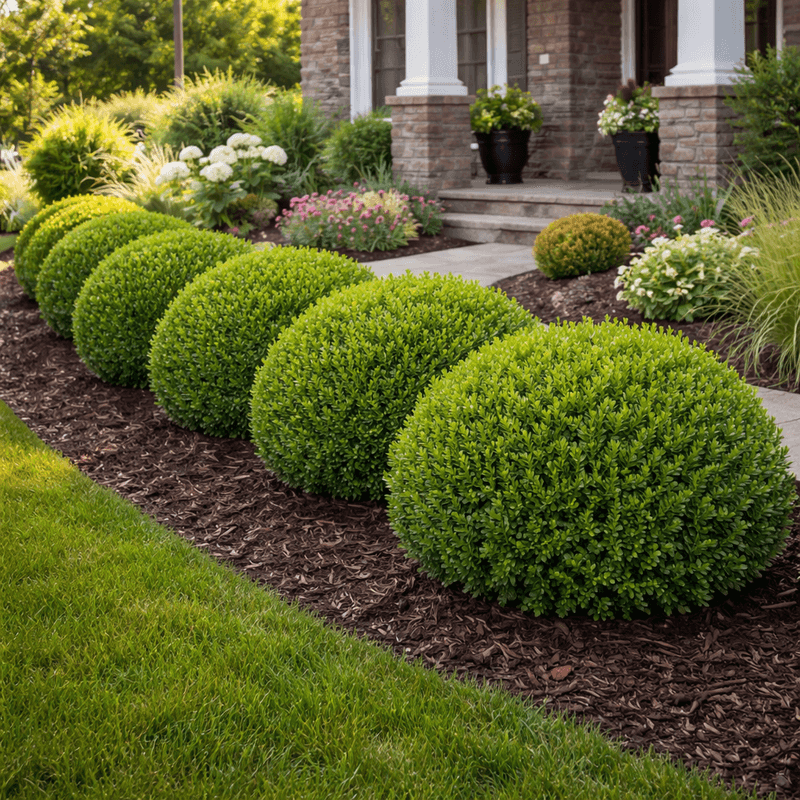
Surviving a Michigan winter takes real toughness, and boxwood has that in spades when planted in the right spot.
Many popular varieties are hardy in USDA Zones 5 and 6, which covers a large portion of Michigan, including cities like Grand Rapids, Lansing, and Ann Arbor.
Knowing your zone before planting helps you pick the best variety for your specific location. Placement matters more than most people realize.
Boxwood thrives when it has some natural shelter, like the side of a house, a wooden fence, or a row of taller evergreens that block harsh northwest winds.
Michigan winters can send brutal gusts that dry out evergreen foliage fast, so a sheltered spot helps the plant stay healthy and looking its best all season long. Mulching around the base of the plant is another simple step that pays off big.
A layer of mulch about two to three inches deep helps regulate soil temperature and protects roots during the freeze and thaw cycles that are common across Michigan.
Your Michigan Garden Changes Every Week. Your Plan Should Too.
Gardening in Michigan changes quickly throughout the season. Every Friday you’ll receive a simple weekly plan showing exactly what to plant, prune, fertilize, harvest, and protect so you never miss the right timing.
Avoid piling mulch directly against the stems, though, since that can trap moisture and cause problems.
With smart placement and a little prep in fall, boxwood handles Michigan winters with surprising ease and minimal fuss from you.
3. Boxwood Is Ideal For Containers Year Round
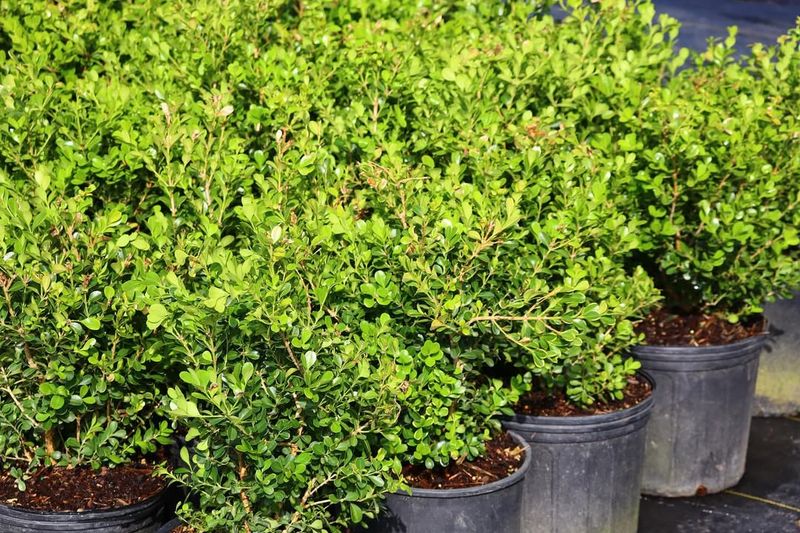
Boxwood might just be the best plant you can put in a container on a Michigan porch. Its slow, compact growth means it does not quickly outgrow its pot, and that dense evergreen shape looks tidy and attractive through every single month of the year.
Whether it is July or January, a boxwood in a well-chosen container adds instant curb appeal. Choosing the right pot makes a big difference in how well your boxwood survives Michigan winters.
Frost-resistant containers made from fiberglass, thick resin, or heavy-duty plastic hold up better than terracotta, which can crack when temperatures drop below freezing.
A large container also insulates roots more effectively, giving the plant a better chance of coming through harsh cold snaps unharmed.
Well-drained potting soil is essential since boxwood roots do not like sitting in water for long periods.
Mixing regular potting soil with perlite improves drainage and keeps roots healthy through wet Michigan springs and falls.
Position your pots where they get some wind protection during the coldest months, such as close to a wall or under a covered porch overhang.
With the right setup, a potted boxwood in Michigan can look just as good in February as it does in June, making it a genuinely year-round investment for your outdoor space.
4. Boxwood Can Be Shaped Into Formal Designs

Few plants respond to pruning as willingly and gracefully as boxwood does. Its dense branching structure and small, tightly packed leaves make it almost like natural sculpting material for gardeners who love a clean, formal look.
Michigan gardeners have long used boxwood to create everything from simple low hedges to elegant spheres flanking a front walkway. Topiary shapes are especially popular in Michigan entryways and formal garden beds.
A pair of round boxwood balls placed on either side of a front door creates a symmetrical, classic look that feels both elegant and welcoming.
Because the plant holds its shape so well between trimmings, you do not need to fuss with it constantly to keep it looking sharp and intentional.
Timing your pruning correctly makes a noticeable difference in how the plant performs through winter.
The best time to trim boxwood is in late spring or early summer, right after the new growth has flushed out and hardened slightly.
Pruning too late in the season encourages tender new growth that may not have enough time to toughen up before Michigan’s first frost arrives.
Using clean, sharp shears and making smooth cuts helps the plant heal quickly and maintain that polished, sculpted appearance that makes boxwood such a standout in formal Michigan landscapes.
5. Boxwood Grows Slowly And Requires Little Maintenance
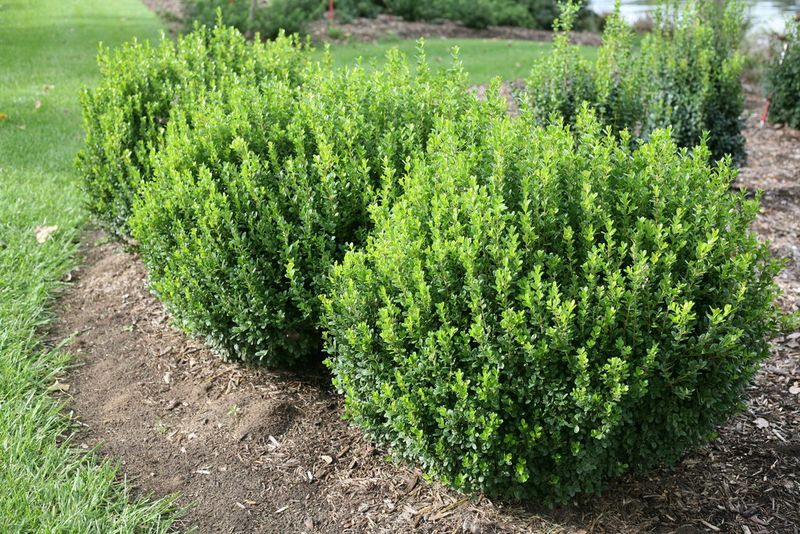
One of the most underrated qualities of boxwood is just how little it demands from you once it gets settled in.
Compared to many popular shrubs that seem to double in size every season, boxwood grows at a relaxed pace of about three to six inches per year for most common varieties.
That slow growth rate is actually one of the biggest reasons Michigan gardeners keep coming back to it.
Because the plant does not put on a lot of new growth quickly, you spend far less time with pruning shears in your hand.
A quick shaping once or twice a year is usually all it takes to keep boxwood looking neat and well-groomed in Michigan landscapes.
That kind of low-effort maintenance is a huge plus for busy homeowners who still want a polished, professional-looking yard.
Container displays also stay manageable for longer because the plant does not rush to outgrow its pot. You can keep the same boxwood in the same container for several years with just occasional root pruning or repotting when needed.
Watering needs are modest too, especially once the plant has established a healthy root system.
For Michigan gardeners who want beauty without a heavy weekly workload, boxwood delivers reliable, low-fuss performance that genuinely holds up season after season without constant attention.
6. Boxwood Works Well For Natural Garden Borders
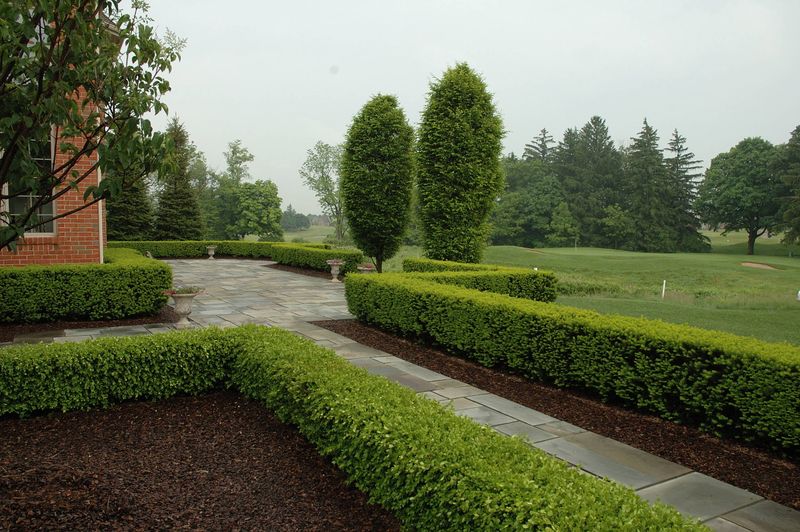
Walk through almost any well-designed Michigan garden and there is a good chance you will spot boxwood doing border duty along a pathway, patio edge, or flower bed.
Its dense, bushy growth creates a clean, defined line that helps organize a garden space and gives it that finished, intentional look that takes a landscape from ordinary to polished. It does this job beautifully through every single season.
Unlike flowering border plants that look great for a few weeks and then fade, boxwood maintains its structure and greenery all year long.
That consistency is especially valuable in Michigan, where winters can stretch on for months and a bare garden border offers nothing to look at.
Boxwood keeps the bones of your garden visible and attractive even when snow covers everything around it.
When planting boxwood as a border hedge, spacing plants about eighteen to twenty-four inches apart gives them enough room to fill in naturally over time without crowding.
Planting in a straight line along a walkway creates a formal, elegant feel, while a slightly irregular arrangement can look more relaxed and cottage-inspired. Either way, the result is a clean, structured edge that helps define garden spaces with confidence.
Michigan gardeners who invest in boxwood borders often say it is one of the best landscaping decisions they have made for long-term, four-season curb appeal.
7. Boxwood Handles Michigan Freeze And Thaw Cycles
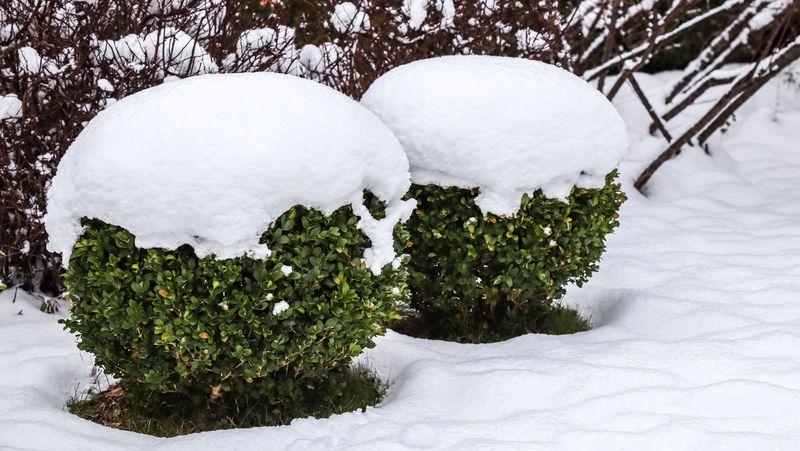
Michigan winters are not gentle. Temperatures can swing dramatically from week to week, freezing the ground solid and then thawing it out again before the next cold snap arrives.
That repeated cycle of freezing and thawing can stress many plants, but boxwood handles it remarkably well when it is planted in the right conditions. The single most important factor is soil drainage.
Boxwood roots need to stay relatively dry during winter because waterlogged soil that freezes and expands can damage root systems significantly.
Raised garden beds or naturally elevated planting sites allow excess moisture to drain away from the root zone, giving boxwood a much better chance of coming through Michigan’s unpredictable winters in great shape.
Avoid planting boxwood in low spots where water tends to collect after rain or snowmelt, since those areas stay saturated longer and create exactly the soggy conditions the plant struggles with most.
Sandy loam soils common in parts of western Michigan actually drain quite well and tend to support healthy boxwood growth.
Amending heavy clay soils with compost or coarse grit before planting can also improve drainage considerably.
Getting the soil right from the start is the most reliable way to help boxwood thrive through many years of Michigan’s challenging freeze and thaw cycles without suffering preventable root damage.
8. Boxwood Pairs Well With Seasonal Container Plants
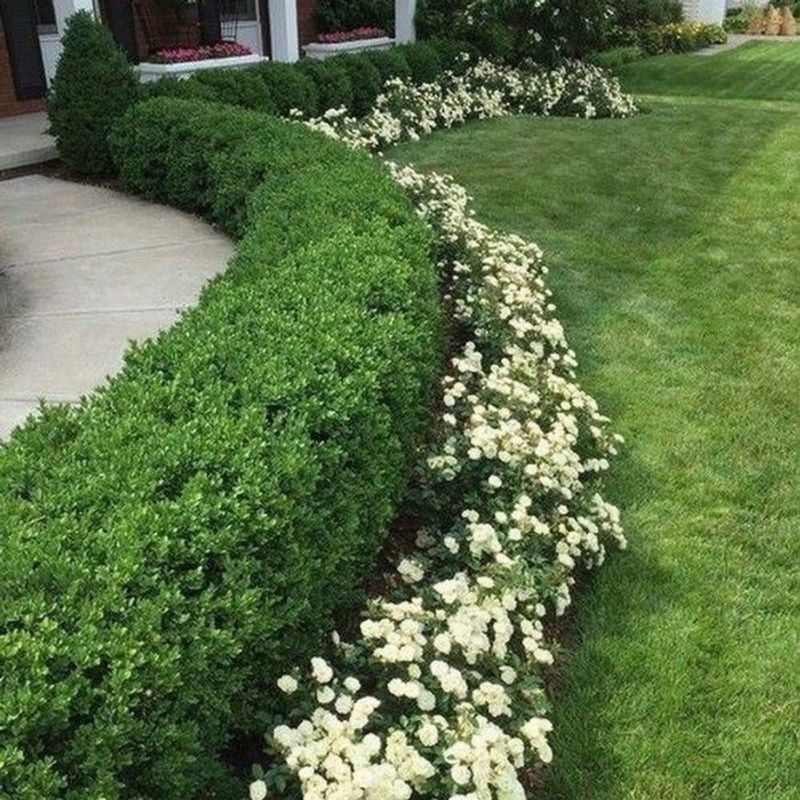
Think of boxwood as the steady, reliable centerpiece that holds your container garden together while everything else around it changes with the seasons.
Michigan gardeners have discovered that keeping a boxwood as the permanent anchor plant in a large pot allows them to swap out surrounding flowers throughout the year without ever losing that structured, polished look that makes a display pop.
In spring, cheerful pansies and violas planted around the base of a boxwood create a fresh, colorful combination that feels lively and welcoming after a long Michigan winter.
Summer opens the door to colorful annuals like petunias, calibrachoa, or sweet potato vine, which spill over the edges of the container and add vibrant seasonal energy.
When fall arrives, ornamental cabbage, kale, or mums pair naturally with the boxwood’s deep green color for a rich, autumnal arrangement.
Winter is where boxwood truly earns its anchor status, standing strong and green after all the seasonal companions have been swapped out for evergreen cuttings, berries, or decorative branches.
The cost efficiency of this approach is also worth noting since you invest once in the boxwood and only replace the surrounding seasonal plants.
Michigan homeowners who use this layered container strategy consistently get compliments on their front porch displays all year long, making boxwood one of the smartest container gardening investments available.
9. Boxwood Creates A Welcoming Entryway Display
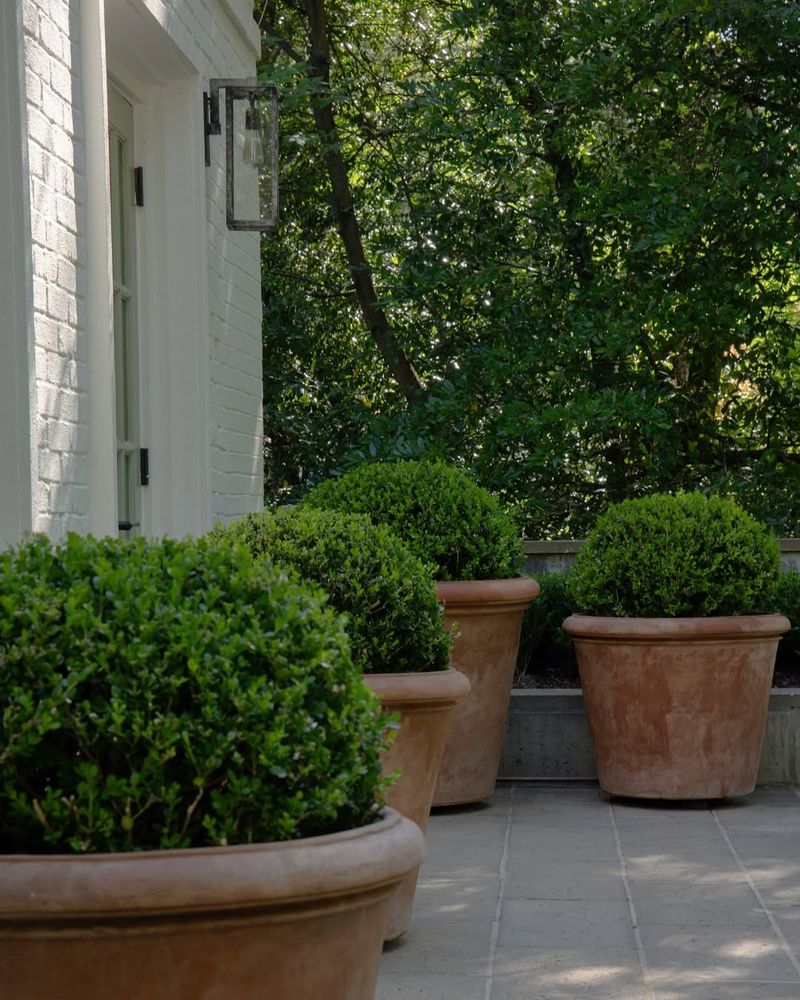
There is something timeless and inviting about a pair of matching boxwood pots flanking a front door.
Michigan homeowners have embraced this classic look for good reason because it works in every season, suits almost any architectural style, and sends a clear message that someone cares about their home.
That is exactly why boxwood earned the nickname welcome plant in neighborhoods across the state.
The symmetry of two matching boxwood containers creates a natural visual frame around a doorway that draws the eye and makes the entrance feel intentional and warm.
Whether your home is a craftsman bungalow in Grand Rapids or a colonial in the Ann Arbor suburbs, a pair of well-shaped boxwood pots instantly elevates the curb appeal.
The evergreen foliage stays rich and green even through Michigan’s coldest months, so the effect never disappears with the seasons. Seasonal decorating is where boxwood entryway displays really shine.
In winter, tuck in some cut evergreen branches, a few pinecones, or a string of warm white lights to transform the pots into a festive holiday display.
Come spring, add some tulip bulbs or colorful pansies around the base for a fresh seasonal refresh.
The boxwood itself never needs to move or change because it forms the perfect permanent foundation for whatever decorative touches you want to add throughout the year in your Michigan home.