6 Vegetables You Can Start Indoors In Texas Right Now For A Huge Spring Harvest
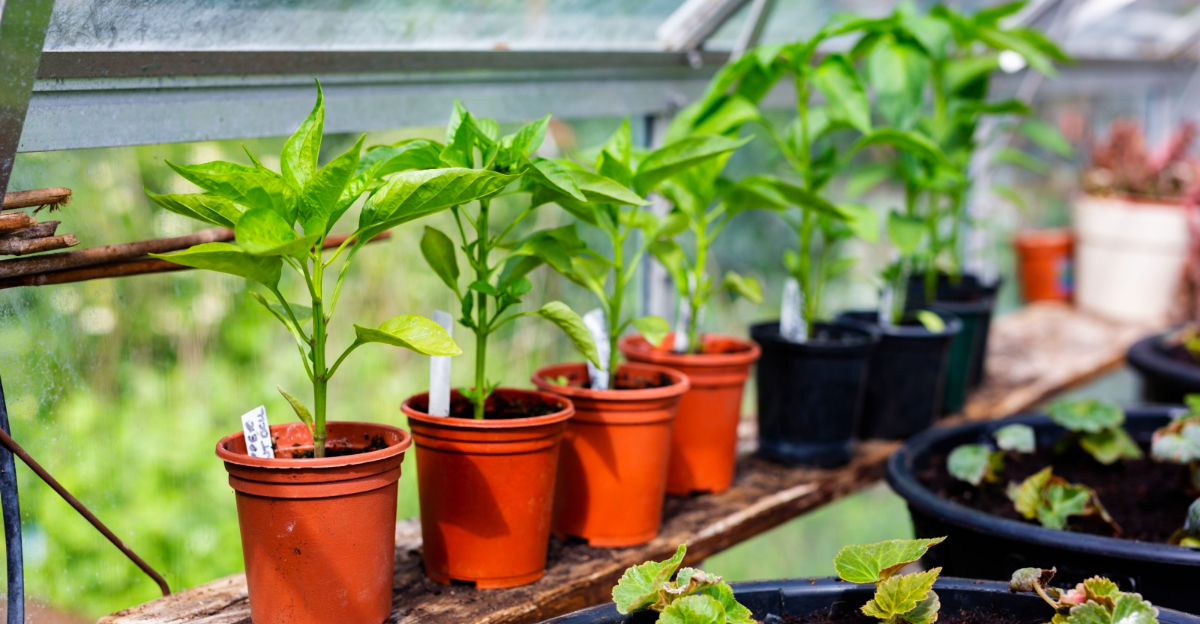
Want to be the first in the neighborhood to harvest a bumper crop? In Texas, the secret isn’t magic – it’s getting your garden moving while it’s still cold outside.
If you wait until the last frost to start thinking about planting, you’ve already missed the bus.
Starting your seeds indoors is the ultimate power move to ensure your garden thrives, whether you are dealing with humid Gulf breezes, dry Hill Country heat, or the chill of the Panhandle.
From juicy tomatoes to crisp cabbage, starting these six key vegetables now gives your transplants the head start they need to explode with growth the moment they hit the soil.
Ready to turn your spring patch into a high-yield, flavorful masterpiece? Let’s get growing.
1. Tomatoes Produce Juicy Fruit And Thrive In Warm Sunny Spots
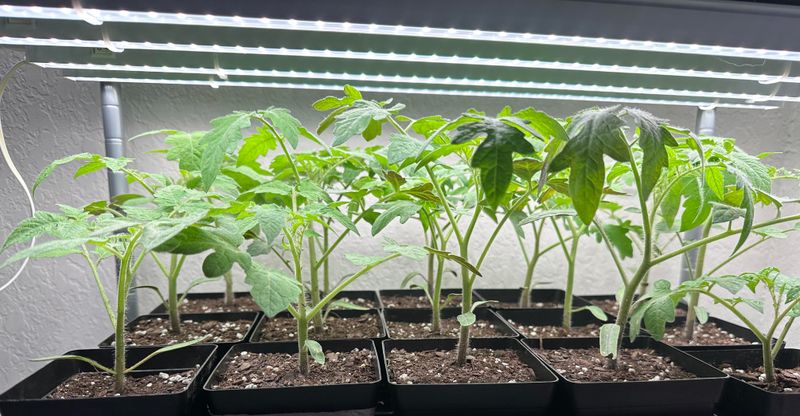
Few things get a Texas home gardener more excited than watching tomato seedlings push through the soil, knowing that juicy homegrown fruit is just weeks away.
Tomatoes are one of the most rewarding vegetables you can grow in Texas, but they need a head start indoors to really shine during the short window between the last frost and the blazing summer heat.
Start tomato seeds indoors about 6 to 8 weeks before your last expected frost date. In North Texas, that typically means sowing seeds in mid-February through early March.
Use a quality seed-starting mix, keep the soil consistently moist, and aim for a germination temperature around 70 to 80 degrees Fahrenheit. A heat mat placed under your trays can speed things up considerably.
Good light is non-negotiable. Tomato seedlings that do not get enough light will stretch out and become weak, which makes transplanting harder.
A south-facing window works, but a grow light set 2 to 3 inches above the seedlings for 14 to 16 hours a day produces much stronger plants.
Once nighttime temperatures stay consistently above 50 degrees and soil temps reach at least 60 degrees, your transplants are ready for the garden.
Harden them off gradually over 7 to 10 days by setting them outside in a sheltered spot for increasing amounts of time each day.
Celebrity, Porter, and Heatmaster are excellent Texas-friendly varieties that handle warm weather well and produce generous harvests through late spring.
2. Peppers Bring Bold Flavors And Grow Quickly Indoors First
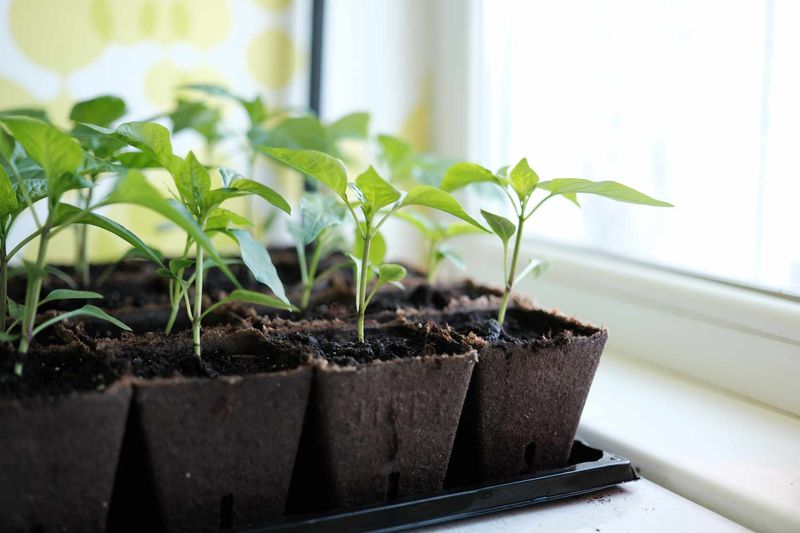
Anyone who has ever grown peppers in Texas knows they have strong opinions about the weather. They love heat, they dislike cold soil, and they absolutely will not tolerate frost.
That combination makes indoor seed starting not just helpful but essential if you want a productive pepper harvest before summer temperatures push past the comfortable growing range.
Plan to sow pepper seeds indoors about 8 weeks before your last frost date. In North Texas, that puts your start date around early February, while Central and South Texas gardeners can aim for mid-February.
Peppers germinate best at soil temperatures between 75 and 85 degrees Fahrenheit, so using a heat mat is a smart move. Without consistent warmth, germination can be slow and uneven.
Once seedlings emerge, move them under bright light immediately. Leggy, pale seedlings are one of the most common mistakes gardeners make when starting peppers indoors.
Your Texas Garden Changes Every Week. Your Plan Should Too.
Gardening in Texas changes quickly throughout the season. Every Friday you’ll receive a simple weekly plan showing exactly what to plant, prune, fertilize, harvest, and protect so you never miss the right timing.
A grow light running 14 to 16 hours daily keeps plants compact and healthy. Water consistently but avoid soggy soil, as peppers are sensitive to root issues caused by overwatering.
Transplant outdoors about two weeks after your tomatoes go in, once soil temperatures have reached at least 65 degrees. Peppers are slower to warm up than tomatoes, so patience pays off here.
Recommended varieties for Texas gardens include Jalafuego jalapeño, Big Bertha bell pepper, and Serrano, all of which handle Texas heat well and produce abundantly through late spring and into early summer.
3. Eggplants Develop Shiny Purple Fruit And Strong Seedlings

Eggplant is one of those vegetables that Texas gardeners either love or overlook, but once you grow your own, it is hard to go back to store-bought.
The glossy purple fruit looks stunning in the garden, and homegrown eggplant has a tenderness and flavor that commercial versions rarely match.
The key to success is building strong seedlings indoors well before outdoor conditions are ready.
Start eggplant seeds indoors about 8 weeks before your last frost date, similar to peppers. In North Texas, that means getting seeds in trays around early February.
Eggplant is even more heat-dependent during germination than peppers, preferring soil temperatures between 80 and 90 degrees Fahrenheit. A heat mat is almost essential for reliable germination.
Without adequate warmth, seeds can sit in the soil for weeks without sprouting.
Eggplant seedlings are slow growers at first, which is why the extra indoor time matters so much. Give them plenty of bright light, ideally from a grow light running 14 to 16 hours a day, and keep them warm.
Once they develop their second set of true leaves, you can begin light fertilizing with a balanced liquid fertilizer to encourage steady growth.
Transplant outdoors after the last frost when soil temperatures consistently exceed 65 degrees. Eggplants thrive in Texas heat once established, making them ideal for the spring-to-summer transition period.
Good variety choices for Texas include Black Beauty, Ichiban, and Millionaire, all of which produce well in the state’s warm growing conditions and resist common heat stress.
4. Cabbage Adds Crisp Heads And Handles Cooler Early Spring Soil
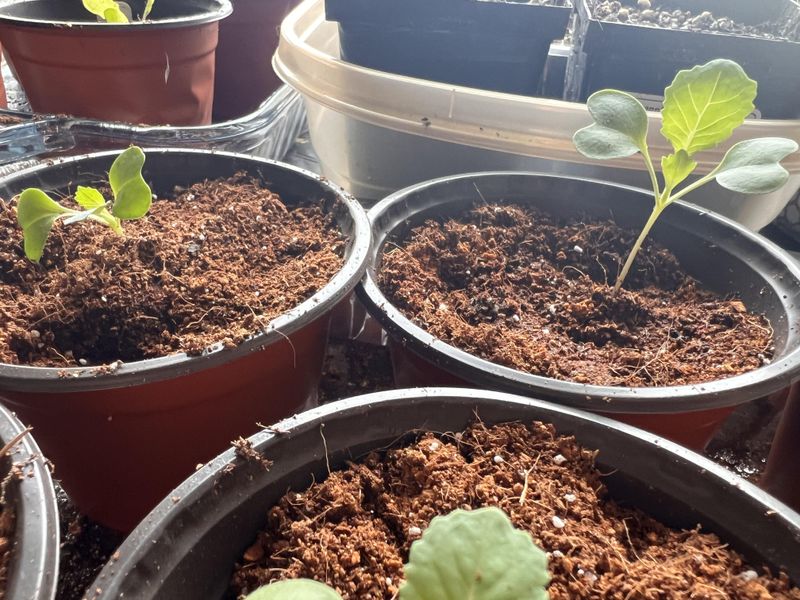
Unlike the warm-season crops on this list, cabbage actually prefers cooler growing temperatures, which makes it a perfect fit for Texas early spring gardens.
The trick is getting seedlings started indoors so they are ready to transplant the moment the soil becomes workable outside, giving them the cool window they need to form tight, heavy heads before temperatures climb too high.
Start cabbage seeds indoors 6 to 8 weeks before your last frost date. In North Texas, that puts your sowing window between mid-February and early March.
Cabbage germinates easily at room temperature, so a heat mat is helpful but not required the way it is for peppers and eggplant.
Keep the seed-starting mix evenly moist and expect germination within 5 to 10 days under normal indoor conditions.
Cabbage seedlings are sturdy and grow relatively quickly compared to some other vegetables. They benefit from bright light but are slightly more forgiving than tomatoes if conditions are not perfect.
Aim for at least 12 to 14 hours of light daily to keep them from stretching toward the nearest window. Once seedlings are about 4 inches tall with a few true leaves, they are ready for hardening off.
Transplant cabbage outdoors 2 to 4 weeks before your last frost date, as it can handle light frosts once established. Texas gardeners in Central and South Texas can often get transplants in the ground even earlier.
Recommended varieties include Stonehead, Golden Acre, and Rio Verde, all of which mature quickly and perform well across different Texas growing regions.
5. Broccoli Produces Tender Florets And Benefits From Indoor Starts
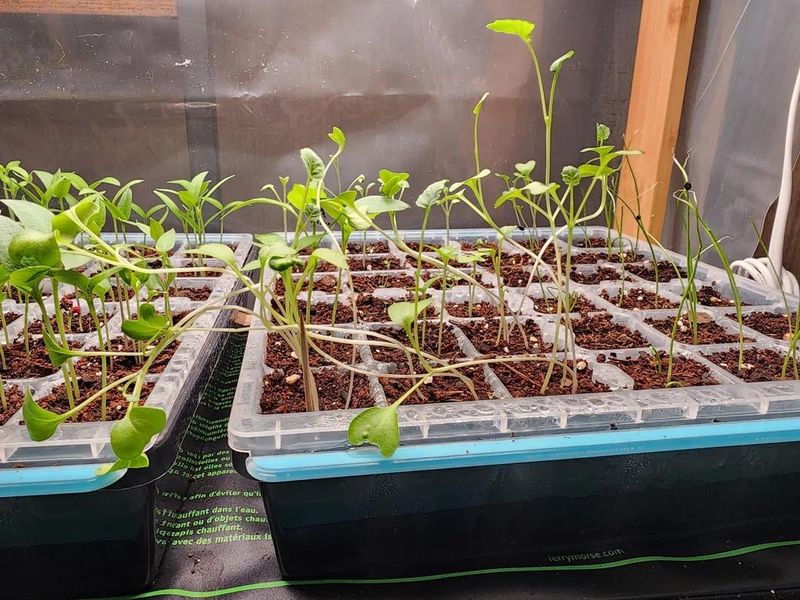
Broccoli has a reputation for being finicky, but Texas gardeners who start it indoors and time the transplant correctly are often rewarded with tender, flavorful florets that are nothing like what you find in the grocery store.
The challenge with broccoli in Texas is the narrow temperature window it prefers for heading up, which makes getting the timing right through indoor starting absolutely critical.
Sow broccoli seeds indoors 6 to 8 weeks before your last expected frost date. In North Texas, this puts the start window in mid-February to early March.
Use a quality seed-starting mix and keep temperatures around 65 to 75 degrees Fahrenheit for strong germination.
Broccoli germinates quickly, often within 5 to 7 days, and seedlings grow at a steady pace once they get going.
Provide seedlings with at least 12 to 14 hours of bright light daily to prevent leggy growth. Compact, stocky seedlings transplant far better than tall, weak ones.
Once seedlings reach 4 to 6 inches in height and have developed a couple of sets of true leaves, begin the hardening-off process over about a week before moving them outdoors permanently.
Transplant broccoli outdoors 2 to 4 weeks before your last frost, as it tolerates cool temperatures well. Broccoli prefers soil rich in organic matter, so amend your beds with compost before planting.
Packman, Green Magic, and Premium Crop are reliable variety choices for Texas spring gardens. They head up quickly, which is important for getting a harvest before Texas heat shuts down production in late spring.
6. Cauliflower Forms Dense White Heads And Grows Strong From Seedlings
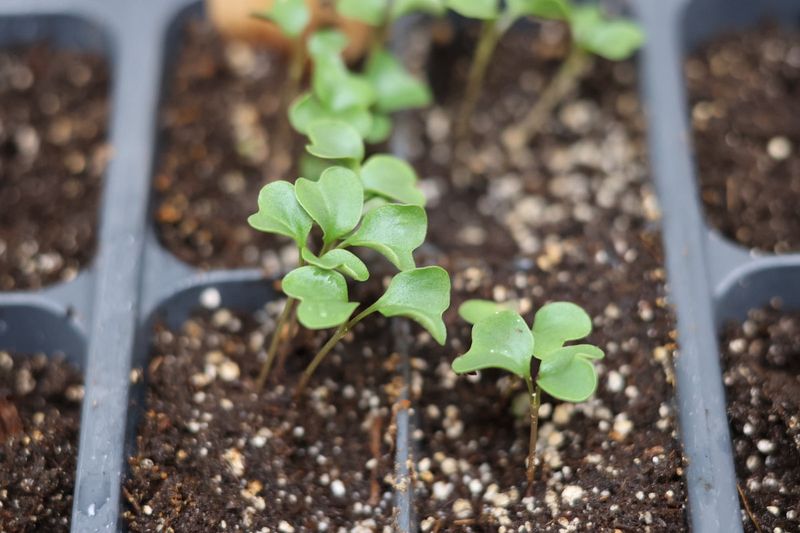
Cauliflower is sometimes called the most demanding vegetable in the spring garden, and honestly, that reputation is not entirely unfair. It requires consistent temperatures, steady moisture, and good nutrition to form those beautiful dense white heads.
But Texas gardeners who start cauliflower indoors and give it the right conditions from the very beginning find it far more manageable than its reputation suggests.
Start cauliflower seeds indoors 6 to 8 weeks before your last frost date. In North Texas, that means sowing seeds from mid-February through early March.
Cauliflower germinates well at temperatures between 65 and 75 degrees Fahrenheit, so standard indoor room temperatures work fine.
Keep the seed-starting mix evenly moist but not waterlogged, and expect germination within 5 to 10 days.
Cauliflower seedlings need consistent light to develop properly. A grow light running 12 to 14 hours daily produces compact, healthy transplants that establish quickly once moved outdoors.
One common mistake is letting seedlings sit too long indoors and become root-bound in small cells. Check roots regularly and move up to slightly larger containers if needed before transplanting day arrives.
Move transplants outdoors 2 to 4 weeks before your last frost date, once they are 4 to 6 inches tall and well-hardened.
Rich, well-amended soil with good moisture retention is important for consistent head development.
In Texas, once heads begin forming, some gardeners tie outer leaves over them to protect the white color from sun exposure. Snow Crown, Amazing, and White Corona are solid Texas-friendly varieties that head up reliably during the spring season.