The 7 Times Buying Seedlings Beats Starting Seeds In Pennsylvania
Do you dream of lush, productive beds in February, only to end up with a basement full of sad, leggy, or frost-bitten sprouts by May? You aren’t alone.
Every Pennsylvania gardener has wrestled with our state’s unpredictable spring – where a sunny windowsill can turn into a cold draft in hours and a late-season frost can wipe out your hard work in a single night.
The truth is, starting from seed is a noble pursuit, but it isn’t the only path to a dream garden.
Sometimes, skipping the stress and heading straight to your local nursery or plant sale is the smartest gardening move you can make. It’s not giving up; it’s a practical shortcut to sturdier, healthier plants.
Ready to save your spring? Here are 7 times when buying seedlings beats starting from scratch.
1. When You Want Long Season Crops Without Starting Months Ahead
Tomatoes, peppers, and eggplants are the backbone of many Pennsylvania vegetable gardens, and all three appreciate a long, warm stretch to produce well.
The challenge is that Pennsylvania’s last frost varies widely, from warmer pockets that settle earlier to higher elevations and colder counties that can stay frosty deep into May.
That uncertainty puts pressure on seed starting, because these crops do not move fast in cool conditions.
The indoor timeline also changes by crop.
Tomatoes often do well with about six to eight weeks indoors before transplanting, while peppers commonly need closer to eight to ten weeks to become sturdy, and eggplant frequently lands in the same general range as tomatoes.
That means seed trays and lights are often in play while winter is still hanging around.
Many gardeners simply do not want to manage watering, airflow, potting up, and light distance for that long, especially when the payoff depends on the weather cooperating later.
Buying seedlings can remove that whole indoor stretch and let you plant when your soil has warmed and nights look steadier.
It also helps you choose plants that already have a thicker stem and a stronger root system.
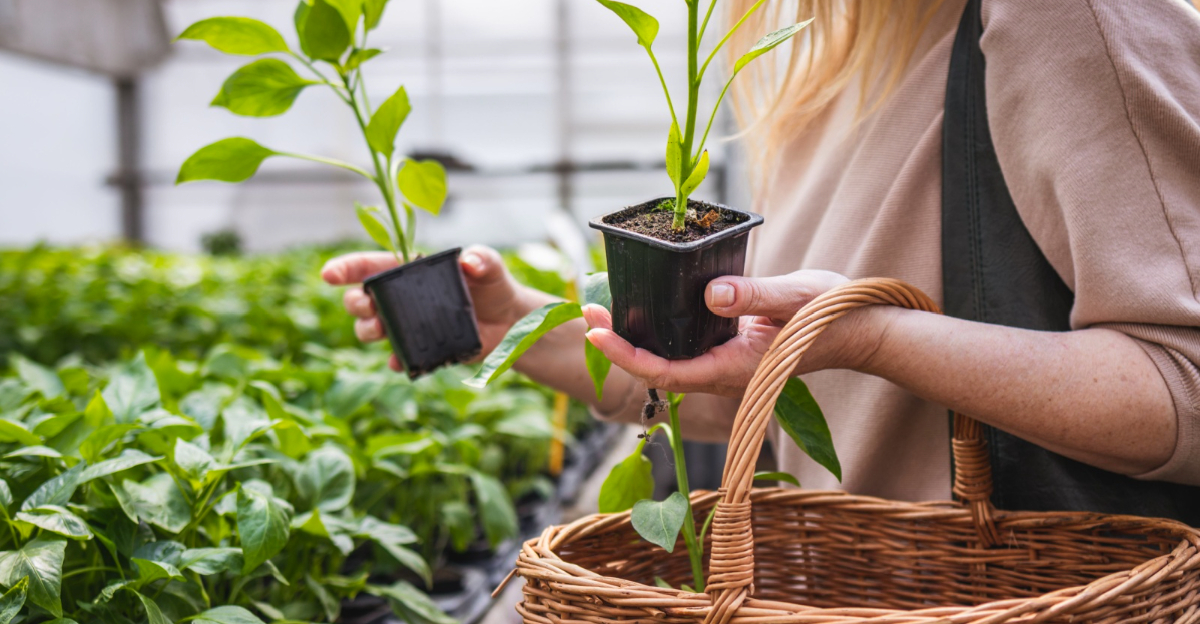
When shopping, aim for compact growth, healthy green leaves, and no pests tucked under foliage. Avoid plants with flowers already forming in small pots, since that can signal stress.
Seed starting can still be worthwhile for rare varieties, but for reliable summer harvests without weeks of indoor upkeep, transplants can be the smoother path in many Pennsylvania gardens.
2. When You Missed The Indoor Seed Starting Window
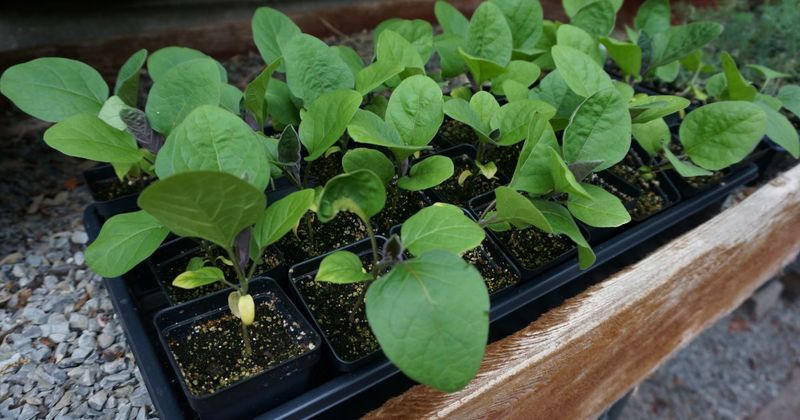
It happens to nearly every gardener at some point. You planned to start seeds in February, but then work got hectic, the seed order arrived late, or you simply forgot until April was already underway.
Missing the indoor seed starting window is frustrating, but it does not have to mean a lost growing season in Pennsylvania.
The timing window for starting seeds indoors is surprisingly narrow for many vegetables.
Tomatoes and peppers need those eight to ten weeks indoors, and starting them in late April means they would not be ready for outdoor transplanting until late June or early July, cutting significantly into Pennsylvania’s productive summer growing window.
Your Pennsylvania Garden Changes Every Week. Your Plan Should Too.
Gardening in Pennsylvania changes quickly throughout the season. Every Friday you’ll receive a simple weekly plan showing exactly what to plant, prune, fertilize, harvest, and protect so you never miss the right timing.
Crops started too late often struggle to mature before cooler fall temperatures arrive in September and October.
Nurseries and garden centers across Pennsylvania fill their benches with healthy, well-grown transplants starting in late April and through May.
These plants were started by professional growers with proper lighting, controlled temperatures, and consistent fertilization, which means they are often better established than what a home gardener could produce under typical household conditions.
When shopping for seedlings after missing your own start date, check the transplant tags for days-to-maturity information.
Choose varieties with shorter maturity times if you are purchasing late in the season, since every week counts in Pennsylvania’s climate.
A seedling purchased in mid-May and transplanted into warm, prepared soil can still produce a generous harvest before the first fall frost arrives.
3. When You Do Not Have Strong Indoor Light
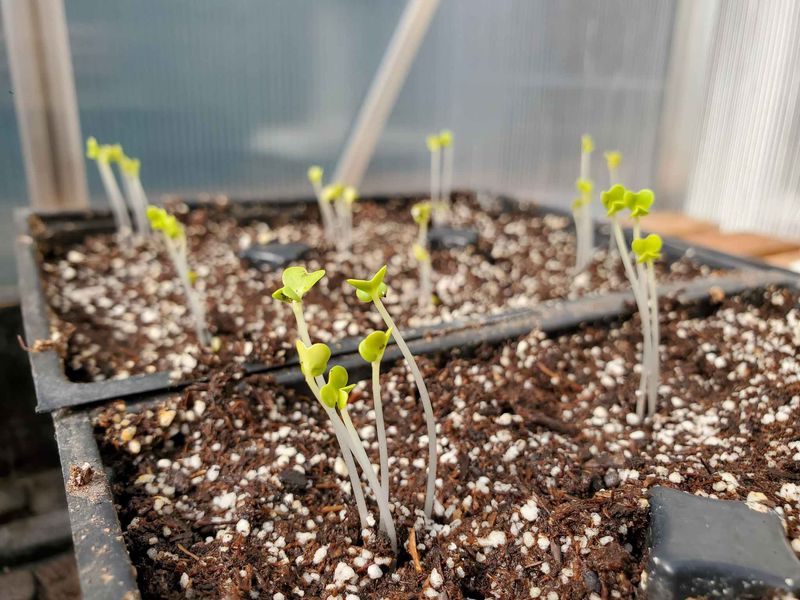
Seed catalogs make starting indoors sound simple, but the reality of growing healthy seedlings in most Pennsylvania homes is more complicated. The problem is light, and specifically the lack of it.
Pennsylvania winters and early springs are notoriously cloudy, and a south-facing window provides only a fraction of the light intensity that seedlings actually need to develop properly.
Seedlings that do not receive enough light grow tall and spindly in a process called etiolation. These leggy plants have weak stems, poor root systems, and reduced ability to handle the transition to outdoor conditions.
Even after hardening off, etiolated seedlings tend to underperform compared to compact, well-grown transplants.
The solution is a quality grow light setup, but those come with upfront costs and require consistent daily management.
If your home does not have a dedicated seed starting area with supplemental lighting, buying seedlings is a straightforward and cost-effective alternative.
Professional growers use greenhouse conditions that provide consistent light, proper temperature ranges, and controlled humidity, producing seedlings that are structurally stronger than most home-grown starts.
At the nursery, look for seedlings with short internodal spacing, meaning the leaves are close together along the stem rather than widely spaced.
Short, stocky plants with deep green color are a reliable indicator of good growing conditions.
In Pennsylvania, where cloudy spring days are the norm rather than the exception, purchasing seedlings grown under professional lighting is often the more reliable path to a productive garden without investing in equipment you may only use once a year.
4. When You Cannot Commit To Hardening Off
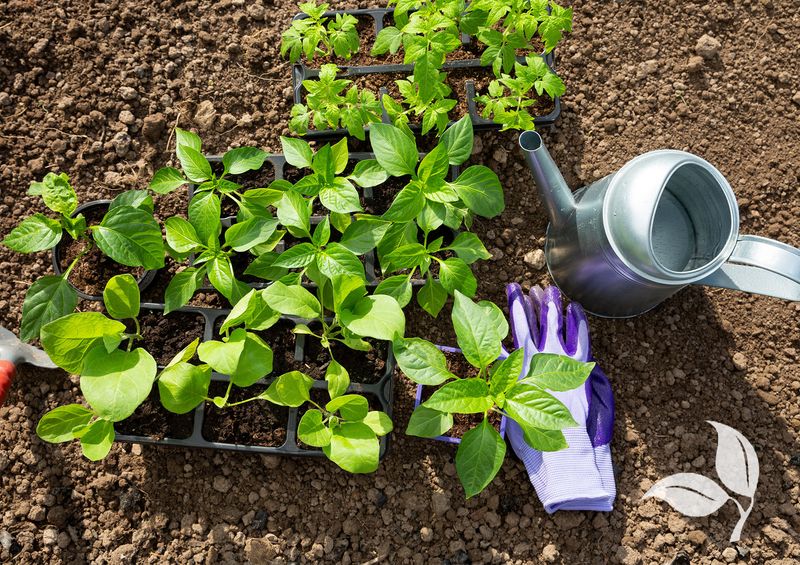
Hardening off sounds simple on paper, but in a Pennsylvania spring it can turn into a daily juggling act. Seedlings raised indoors are used to steady temperatures, gentle airflow, and filtered light.
Outdoor conditions add bright sun, gusty wind, and big swings between daytime warmth and chilly nights. That transition is where many homegrown plants stall, sunburn, or get stressed.
A typical hardening off routine takes about one to two weeks of gradual exposure. Plants start with a short stint outside in bright shade, then build up toward longer periods and more direct sun.
Pennsylvania weather can interrupt that plan fast. A calm day can turn windy, a warm afternoon can be followed by a cold night, and a surprise frost warning can force everything back indoors.
For gardeners with long workdays, travel, or unpredictable schedules, it is easy to miss a day or two, then feel like you are starting over.
Purchased seedlings are often grown in conditions that help them transition more smoothly than a windowsill start, but many still appreciate a short adjustment period.
A simple approach is giving them a few days of dappled shade, protecting them from strong wind, and keeping soil evenly moist while they settle.
Watch for drooping that lasts into the evening, bleached leaf patches, or crispy edges, since those can signal too much sun too fast.
Buying seedlings can reduce the workload and shrink the hardening off learning curve, which is a big deal in a busy Pennsylvania spring.
5. When Late Frost Risk Keeps Outdoor Timing Tight
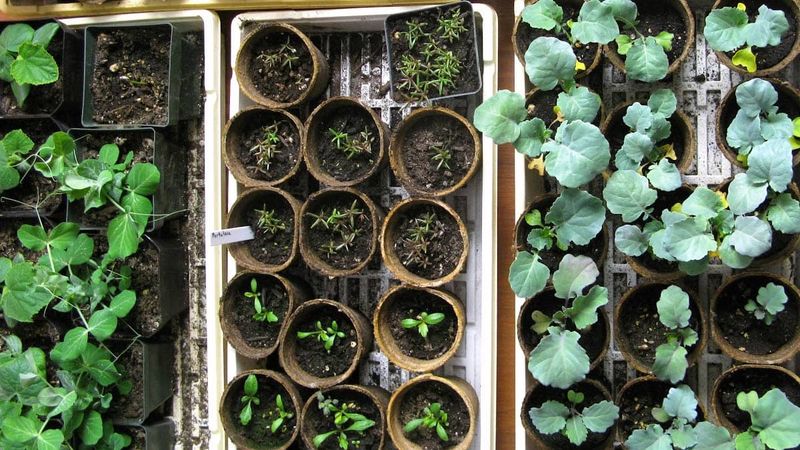
Pennsylvania’s last frost dates vary considerably depending on where you live in the state.
Gardeners in Philadelphia and the southeastern counties often see their last frost by mid-April, while those in Centre County, the Laurel Highlands, or the northern tier may face frost risk well into May.
This variation makes outdoor transplanting timing genuinely tricky, especially when you have tender seedlings that took weeks to grow indoors.
When you start seeds indoors, you are racing against a moving target. Start too early and your seedlings outgrow their containers before it is safe to plant outside.
Start on time but hit a cold snap in late May, and weeks of indoor growing effort can be set back significantly by a single frosty night.
The emotional and practical cost of watching carefully tended seedlings suffer from unexpected cold is something many Pennsylvania gardeners know well.
Buying seedlings closer to your local last frost date removes much of that timing pressure.
Rather than managing plants for two months indoors and then gambling on spring weather, you can wait until conditions in your specific part of Pennsylvania feel stable and then purchase transplants that are ready to go into the ground within a few days.
Check your county’s average last frost date as a guide, but also pay attention to local forecasts in the two weeks before you plan to plant.
Pennsylvania’s microclimates mean that a valley garden may experience frost several days after a nearby hilltop garden is already frost-free.
Purchasing seedlings gives you the flexibility to wait for the right moment without losing anything you invested indoors.
6. When You Only Need A Couple Plants Of Something
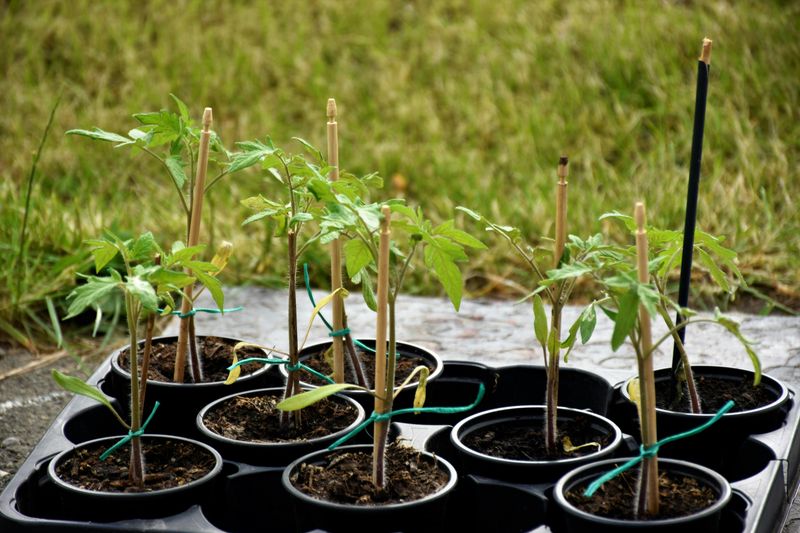
Seed packets are an excellent value when you need a lot of plants, but they are not always the most practical option when your garden only has room for two or three of something.
A standard seed packet of zucchini, for example, might contain twenty or more seeds.
Starting all of them indoors means managing multiple trays, thinning seedlings, and eventually composting or giving away plants you do not need.
For a small raised bed or urban garden, that is a lot of effort for a modest outcome.
Buying two or three transplants of zucchini, cucumber, or basil at a Pennsylvania garden center or farmers market is genuinely more efficient in this situation.
You pay a modest price per plant, skip the germination and thinning process entirely, and put exactly the number of plants you need directly into your prepared bed.
There is no waste, no leftover seeds to store, and no surplus seedlings to manage.
This approach works especially well for crops that are easy to find as transplants, including summer squash, cucumbers, basil, parsley, and even some flower varieties.
For less common vegetables or specialty herbs, seeds may still be the better route since transplants are not always available.
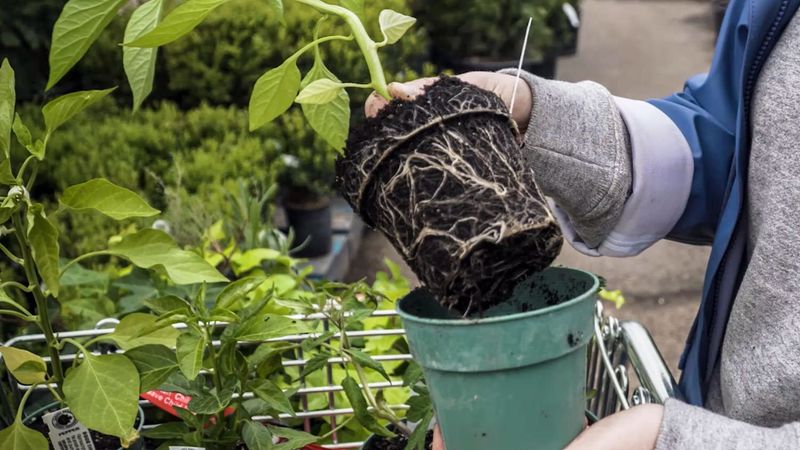
When choosing individual seedlings at a nursery, inspect each plant carefully. Avoid ones that are root-bound, with roots visibly escaping the bottom of the pot, as these can be slower to establish.
In Pennsylvania’s relatively short warm season, a healthy transplant that settles in quickly is worth more than a struggling seedling that takes weeks to recover from transplant stress.
7. When You Need A Fast Replant After Weather Or Pest Problems
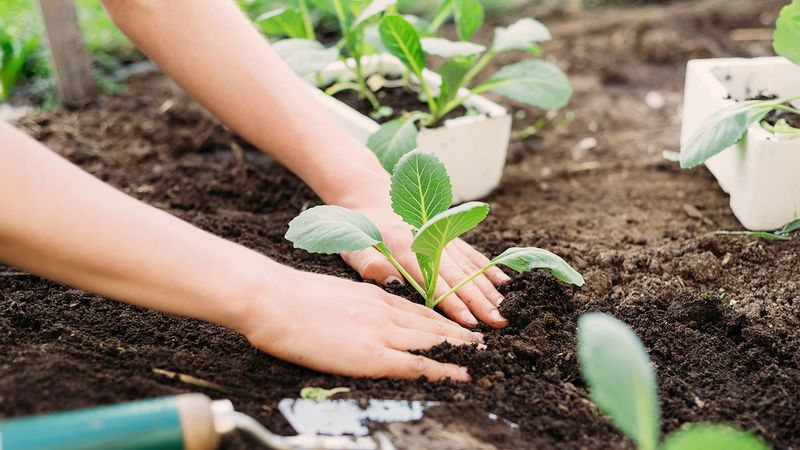
A late cold snap, cutworms, slugs, or hail can leave frustrating gaps in a Pennsylvania garden right when the season should be taking off.
Losing young plants early feels extra painful because the calendar is already tight in many parts of the state.
Starting over from seed at that point can mean waiting several weeks for plants to catch up, and the replacement may not reach its stride until summer is already rolling.
Buying replacement seedlings is often the quickest way to get momentum back.
Garden centers and local plant sales frequently carry transplants well into late May and early June, which lines up with when many setbacks happen.
That timing can be especially helpful for warm season crops and bedding flowers, since replanting a larger start can bring harvest or bloom time back into a more comfortable window.
Before replanting, it helps to identify what caused the loss. A quick check for cut stems at soil level often points to cutworms, while chewed leaves with slime trails suggests slugs.
Frost damage tends to look like darkened, limp growth after a cold night. Matching the fix to the problem can prevent a repeat.
Cardboard or paper collars can discourage cutworms, and a light row cover can protect new plants during a chilly stretch.
For hail damage, simply removing shredded leaves and giving the plant a week can help you decide whether replacement is necessary.
When shopping, pick compact, healthy starts with no spotted foliage and no obvious insects. Water consistently for the first week so roots can grab the surrounding soil.
A quick replant done well can still produce a satisfying season in Pennsylvania, especially when you choose varieties that mature or bloom on a reasonable timeline for your area.