Should Michigan Gardeners Cut Back Panicle Hydrangea Before Spring
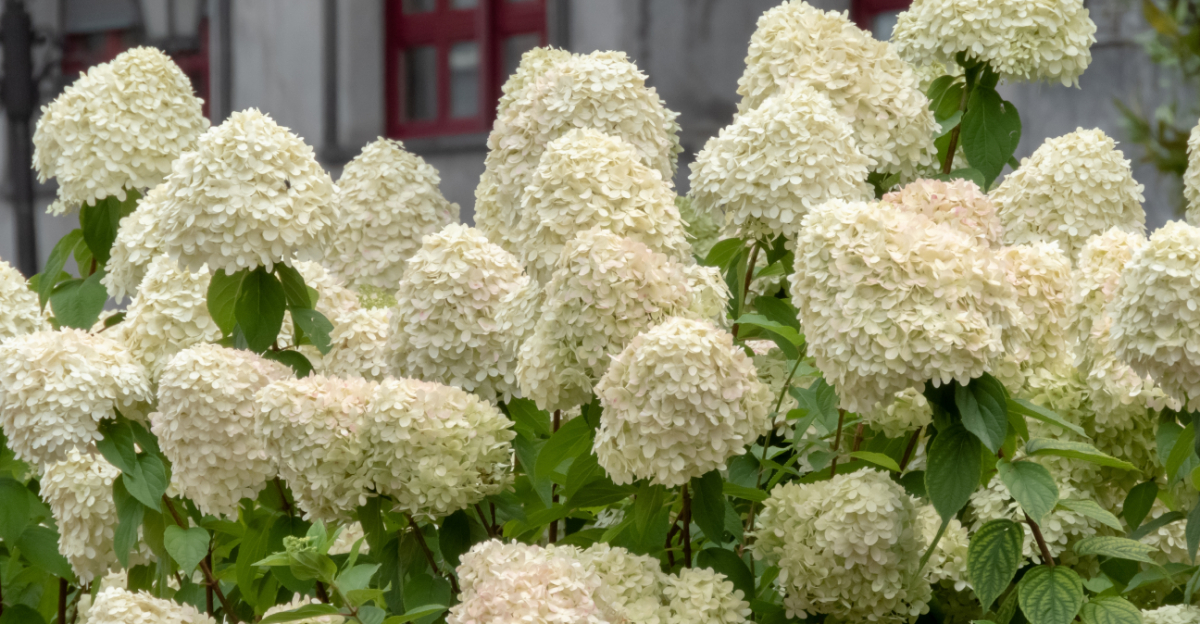
Michigan mornings in early spring have a way of catching every gardener’s attention. The snow is melting, the air smells fresh, and even a glance at your panicle hydrangeas brings a mix of hope and curiosity.
After a long winter, deciding which branches to prune can feel like a small puzzle – too much or too little can change next season’s blooms.
Panicle hydrangeas are surprisingly resilient, but knowing when and how to cut back can make a real difference.
Frost can leave some stems weaker than others, and choosing the right approach helps keep your shrubs healthy while encouraging fuller, more vibrant flowers.
With a few smart pruning moves, your panicles can look fuller and bloom brighter. Once you start trimming the right way, you may notice your whole garden starts showing signs of new life in ways you hadn’t expected.
1. When Is The Best Time To Prune Panicle Hydrangeas In Michigan
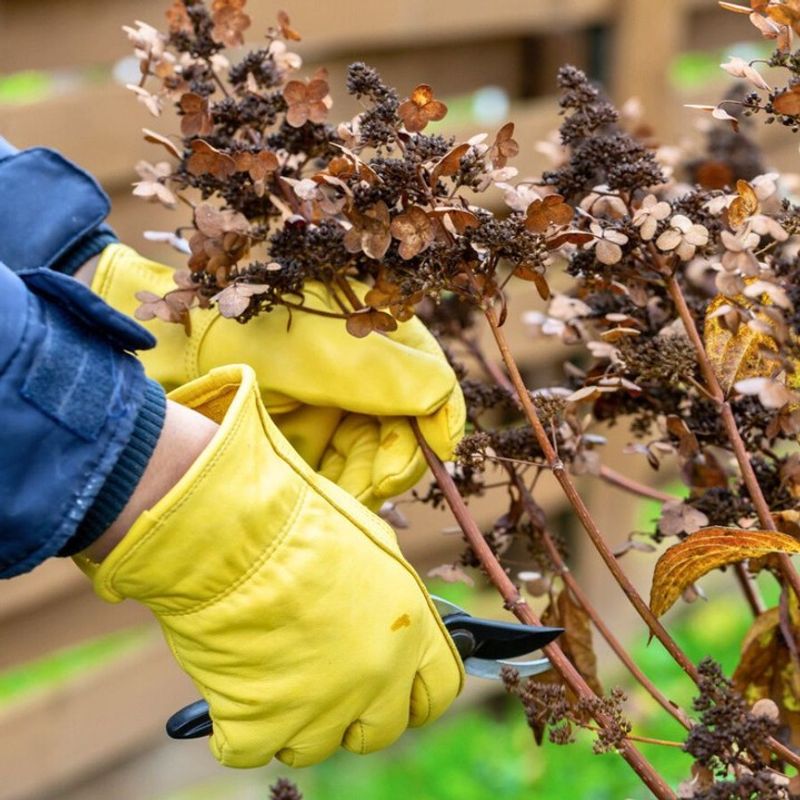
Timing is everything when it comes to pruning panicle hydrangeas, especially in a state like Michigan where winters can stretch well into March. The sweet spot for pruning falls in late winter to early spring, right before new growth begins to push out from the stems.
Catching this window gives your plant the best possible head start for the growing season ahead.
Panicle hydrangeas bloom on new wood, which means the flowers you enjoy each summer grow on stems that sprout during that same year. Pruning before those stems emerge encourages the plant to send out stronger, thicker growth that can support bigger, showier blooms.
Waiting too long into spring means you risk cutting off new buds that are already forming.
In Michigan, late February through mid-March is generally the ideal pruning window, depending on your specific location in the state. Northern Michigan gardeners may need to wait a bit longer than those in the southern Lower Peninsula, where warmer temperatures arrive earlier.
Watching the forecast and waiting until hard frost nights are mostly behind you is a smart move.
A good rule of thumb is to look for the first signs of tiny green buds swelling on the branches. That is your signal that the plant is waking up and ready to respond to a good trim.
Pruning at this stage allows wounds to heal quickly and reduces the chance of cold damage to freshly cut stems.
2. What Parts Of The Plant Should You Cut Back
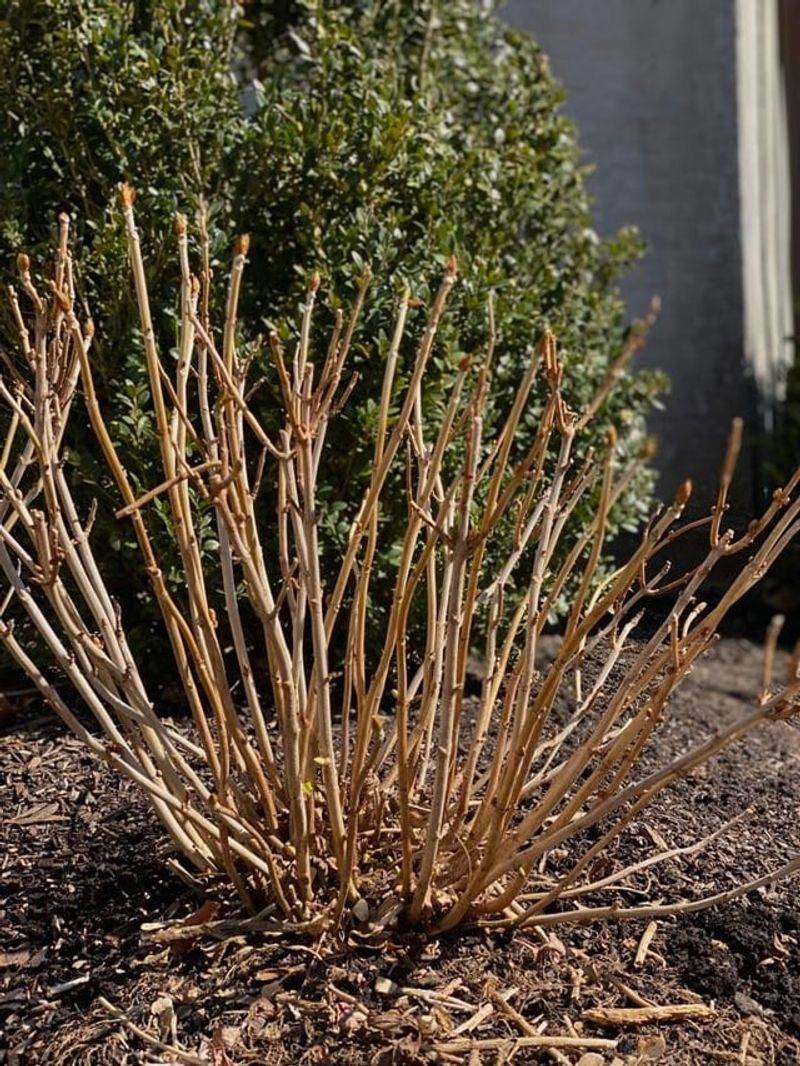
Not every part of a panicle hydrangea needs to go when pruning season rolls around. Knowing exactly what to cut and what to leave alone will save you a lot of frustration and keep your plant looking its best.
Start by walking around the shrub and taking a good look at the overall structure before you make a single cut.
Damaged or diseased branches are always the first things to remove. These are usually easy to spot because they look dry, brittle, or discolored compared to the healthy wood.
Removing them clears the way for strong new growth and keeps the plant from wasting energy trying to push through damaged tissue.
Your Michigan Garden Changes Every Week. Your Plan Should Too.
Gardening in Michigan changes quickly throughout the season. Every Friday you’ll receive a simple weekly plan showing exactly what to plant, prune, fertilize, harvest, and protect so you never miss the right timing.
After clearing out the weak stuff, focus on shaping the plant by cutting back about one-third of last season’s growth. This approach keeps the shrub from getting too leggy or top-heavy, which is a common problem with panicle hydrangeas that go several years without pruning.
Cutting back to a strong set of outward-facing buds encourages a fuller, more balanced shape.
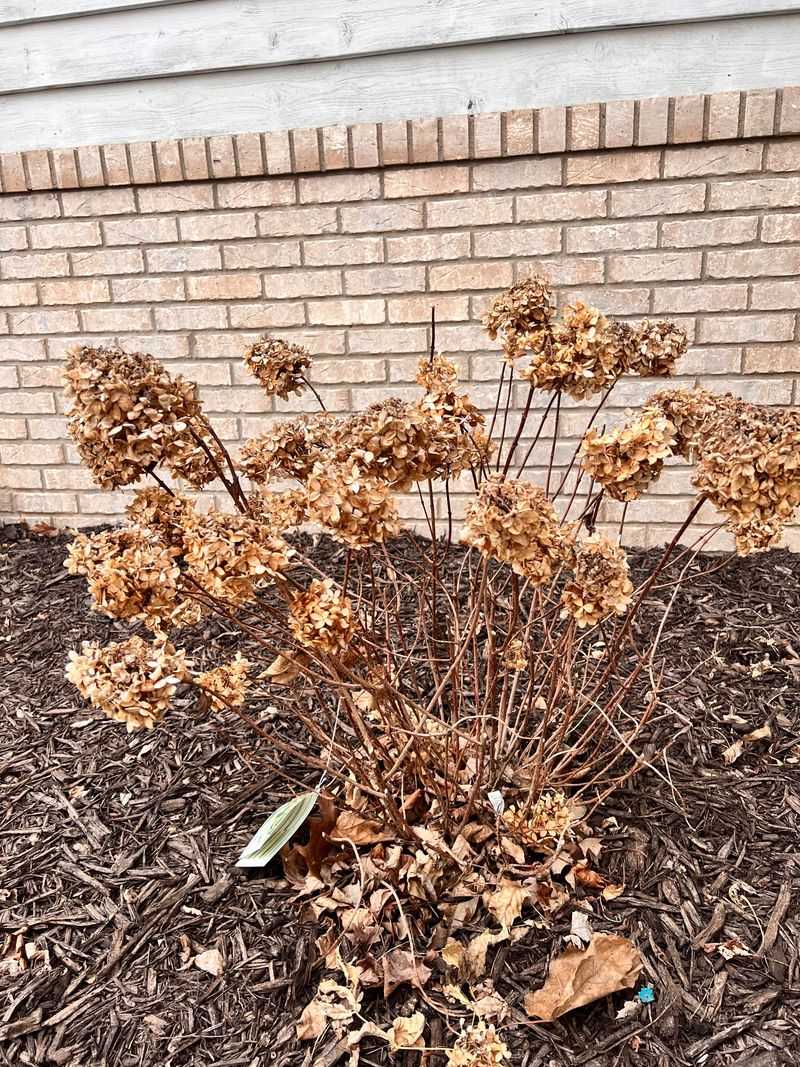
Old flower heads from the previous season are another target worth addressing. Many Michigan gardeners actually leave these on through winter because they add visual interest in the snowy landscape and offer some protection to the buds below.
Come late winter, though, snipping them off as part of your pruning routine is a smart and tidy choice that refreshes the plant’s appearance heading into spring.
3. How To Properly Prune Panicle Hydrangeas Without Damaging Growth
Grabbing a pair of dull scissors and hacking away is probably the fastest way to set your hydrangeas back rather than move them forward. Proper technique matters more than most people realize, and the good news is that once you know the basics, pruning panicle hydrangeas becomes a pretty straightforward task.
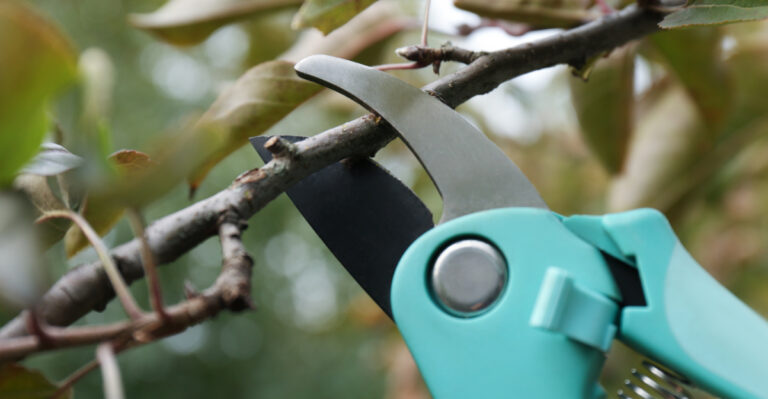
Sharp, clean tools are non-negotiable. Bypass pruning shears work best for stems up to about three-quarters of an inch thick, while a pruning saw or loppers handle thicker, older wood.
Before you start cutting, wipe your blades with rubbing alcohol or a diluted bleach solution to avoid spreading any potential disease from plant to plant. Michigan gardeners dealing with multiple shrubs especially benefit from this habit.
Make each cut at a slight angle, about a quarter inch above an outward-facing bud. Angled cuts help water run off rather than pool on the wound, which lowers the risk of rot setting in.
Cutting too far above a bud leaves a stub that can become an entry point for pests and disease, so precision pays off here.
Avoid removing more than one-third of the plant in a single season unless you are doing intentional hard pruning to rejuvenate an overgrown shrub. Taking off too much at once can stress the plant and result in fewer blooms that season.
Work slowly, step back often, and assess the shape as you go. A little patience during the pruning process leads to a much more satisfying result when blooming season arrives in Michigan.
4. Tips For Encouraging Bigger Blooms And Healthy Branches
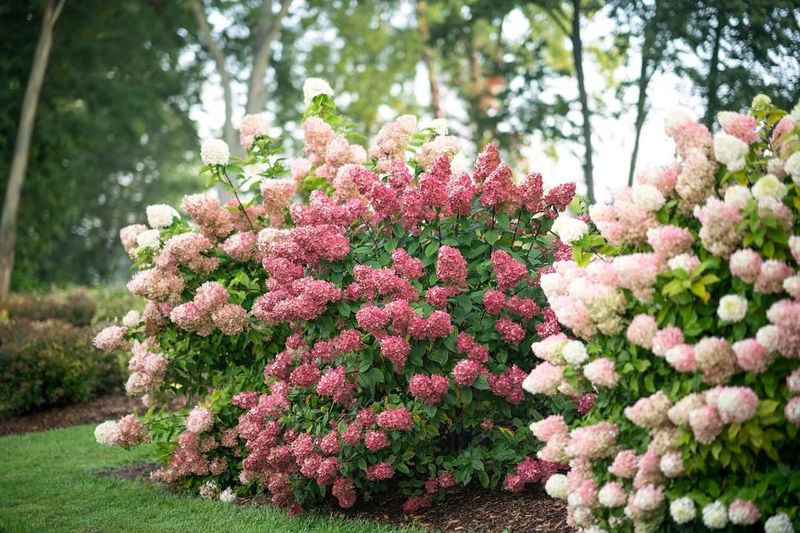
Every Michigan gardener dreams of those massive, cone-shaped flower clusters that make panicle hydrangeas so stunning in the summer landscape. Getting those big, impressive blooms is not just a matter of luck.
A few smart habits during and after pruning can make a noticeable difference in the size and abundance of your flowers each season.
Hard pruning can encourage healthy new stems. Cutting back carefully while removing old or weak wood helps promote strong growth and supports abundant blooms.
Thicker stems are stronger and better able to hold up heavy flower heads without flopping over, which is a common complaint among gardeners who skip this step.
Feeding your panicle hydrangea after pruning also plays a big role in bloom quality. A balanced slow-release fertilizer applied in early spring as new growth begins gives the plant the nutrients it needs to build strong branches.
Avoid going overboard with nitrogen-heavy fertilizers, though, as too much nitrogen pushes leafy growth at the expense of flowers.
Watering consistently during the growing season is another key factor, particularly during Michigan’s occasionally dry summer stretches. Panicle hydrangeas are more drought-tolerant than other hydrangea types, but they still appreciate steady moisture when they are actively growing and blooming.
Mulching around the base of the plant helps lock in soil moisture, regulate temperature, and keep competing weeds at bay throughout the season.
5. Tricks To Protect Your Hydrangea From Winter Damage
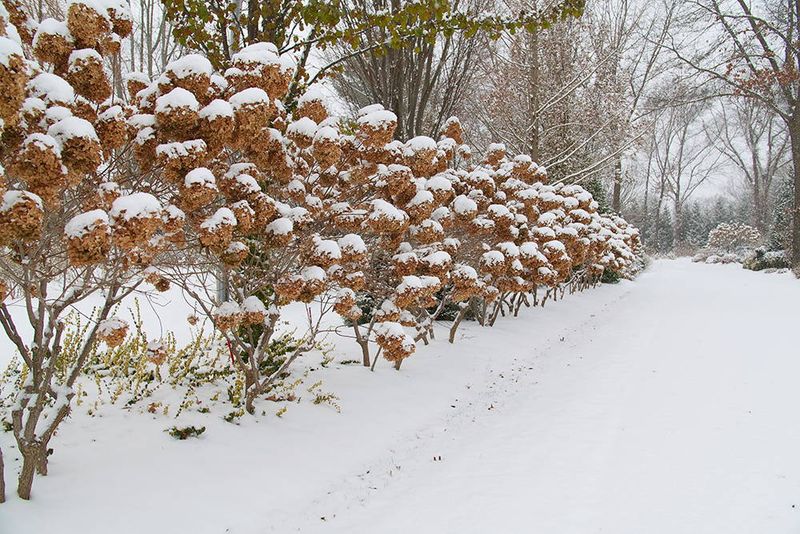
Michigan winters are no joke, and while panicle hydrangeas are actually among the hardiest hydrangea varieties you can grow, a little extra care goes a long way in keeping them looking their best year after year. The good news is that protecting these plants does not require a lot of complicated steps or expensive products.
One of the simplest and most effective things you can do is apply a generous layer of mulch around the base of the plant before the ground freezes. A three to four inch layer of wood chips, shredded bark, or straw helps insulate the root zone from extreme temperature swings.
This is especially helpful in northern Michigan where cold snaps can be particularly harsh and unpredictable.
Leaving the old flower heads and stems on the plant through the winter months is another underrated protective strategy. Those dried stems and seed heads act as a natural windbreak, shielding the crown of the plant from drying winter winds.
Leaving some stems over winter can offer limited protection, but combining this with proper mulching and site selection helps your hydrangea withstand Michigan winters more effectively.
Avoid pruning in late fall, which is a common mistake that leaves fresh cuts exposed to freezing temperatures. Those cuts need time to callous over, and cold weather slows that process significantly.
Wrapping young or newly planted panicle hydrangeas in burlap during their first winter in the Michigan landscape is also a worthwhile precaution until they are fully established and able to handle the cold on their own.
6. Common Mistakes To Avoid When Cutting Back Panicle Hydrangeas
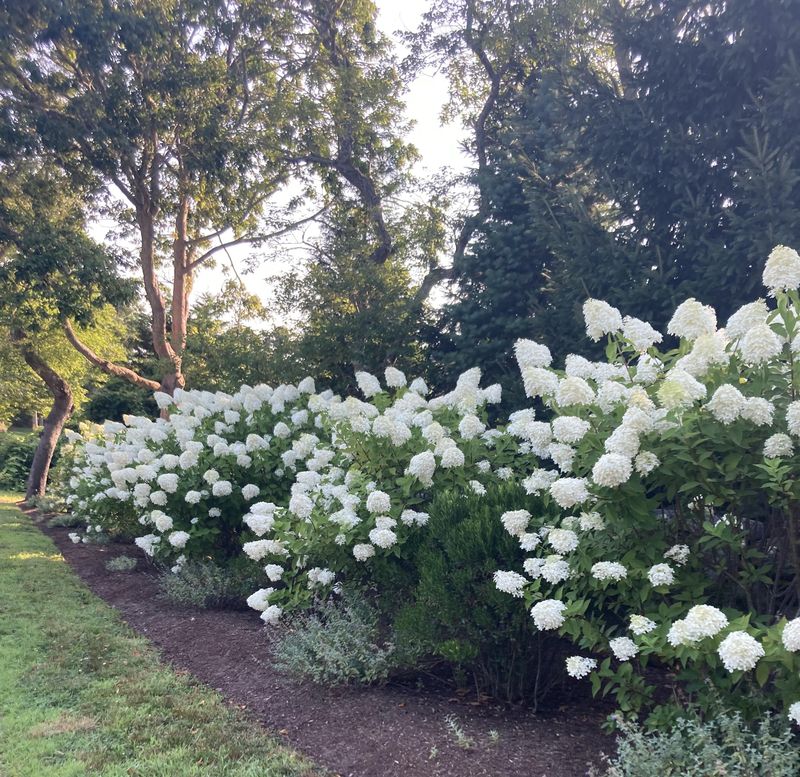
Even the most enthusiastic gardeners can run into trouble with panicle hydrangeas when they make a few classic pruning errors. Knowing what not to do is just as valuable as knowing the right techniques, and avoiding these pitfalls can save you an entire growing season of disappointment.
Pruning at the wrong time of year is probably the most common mistake Michigan gardeners make. Cutting back panicle hydrangeas in late fall might seem like a logical way to tidy up the garden before winter, but it actually leaves the plant more vulnerable to cold damage.
Waiting until late winter or early spring, after most hard freezes have passed, is generally safer, but timing may vary depending on your location and specific plant conditions.
Confusing panicle hydrangeas with other hydrangea types is another stumble worth mentioning. Bigleaf hydrangeas, for example, bloom on old wood and should not be pruned the same way.
Treating a panicle hydrangea like a bigleaf variety, or vice versa, can result in a season with no blooms at all. Always double-check which type you have before picking up your pruning shears.
Using dull or dirty tools is a mistake that often gets overlooked but causes real harm over time. Ragged cuts made with blunt blades heal more slowly and create larger entry points for pests and disease.
Skipping the step of cleaning your tools between plants can also spread fungal issues from one shrub to another across your Michigan garden. A few extra minutes spent maintaining your equipment is always worth it in the long run.