Popular Landscape Plants That Can Turn Invasive In Michigan
Some of the most popular landscape plants in Michigan come with a side that many gardeners do not see at first.
A shrub or vine may look attractive, grow quickly, and seem easy to manage, but that same fast growth can become a problem once it spreads beyond the yard.
In the right conditions, certain familiar plants can move into natural areas, crowd nearby plants, and create more work than homeowners expected. What makes this tricky is that many of these plants are still widely planted or passed along without much thought.
A favorite garden choice can slowly become the kind of plant that takes over fences, flower beds, and nearby spaces. That is why it helps to know which common landscape plants have invasive tendencies in Michigan.
A closer look can help you make smarter choices before a pretty planting turns into a lasting headache.
1. Callery Pear (Pyrus calleryana)
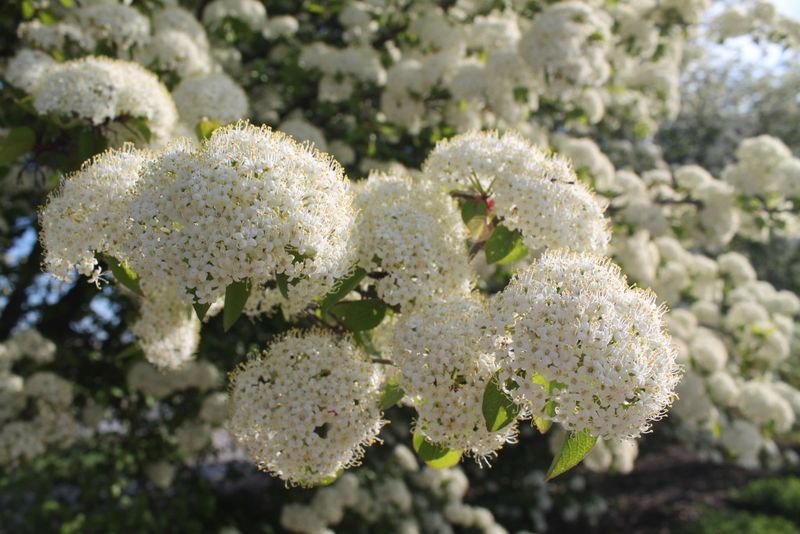
Every spring, the Callery pear bursts into a cloud of white blossoms that make it look like the perfect yard tree. It is easy to see why so many Michigan homeowners planted it over the years.
The flowers are showy, the shape is tidy, and it grows fast without much fuss. But beneath that pretty exterior is a plant with a serious spreading problem.
Callery pear spreads through seeds dropped by birds and through root suckers that sprout up around the base of the tree. Once those seeds land in open fields or along forest edges in Michigan, they can form dense thickets that crowd out native shrubs and wildflowers.
The trees cross-pollinate easily with each other, which makes the problem multiply quickly across neighborhoods and natural areas alike.
Michigan now treats Callery pear as an invasive tree of concern, and many experts strongly advise against planting new ones. If you already have one in your yard, it is worth monitoring for seedlings popping up nearby.
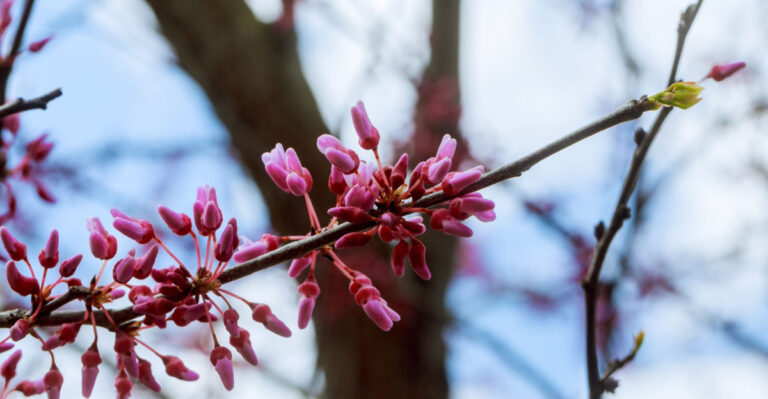
Better alternatives for Michigan landscapes include native flowering trees like serviceberry or redbud, both of which offer seasonal beauty without the invasive risk.
Swapping out a Callery pear for a native option is one of the most impactful landscaping upgrades you can make for Michigan ecosystems.
2. Norway Maple (Acer platanoides)
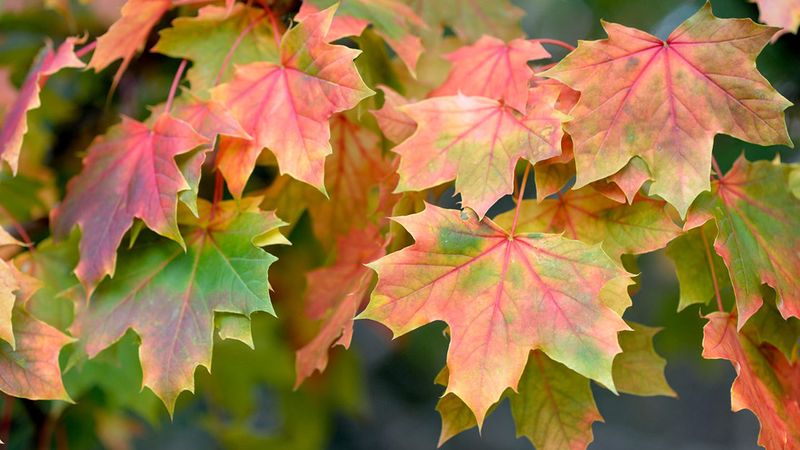
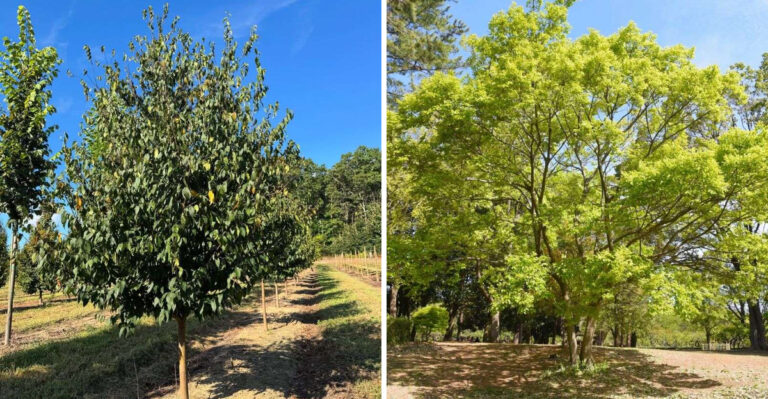
Walk through almost any older Michigan neighborhood and you will likely spot a Norway maple without even realizing it. It looks a lot like the native sugar maple, with a full rounded canopy and dense shade that homeowners have loved for decades.
Nurseries sold it widely as a tough, low-maintenance shade tree, and it delivered on that promise. The catch is what happens beyond the yard.
Norway maple spreads aggressively into wooded areas across Michigan, where its seedlings sprout up by the thousands under the forest canopy.
Because it tolerates shade so well, it can outcompete native tree seedlings like oaks and maples that the local ecosystem actually needs.
Michigan forestry guidance now flags it as an invasive tree risk, warning that it disrupts natural forest regeneration over time.
One easy way to tell it apart from sugar maple is to break a leaf stem. Norway maple releases a milky white sap, while sugar maple does not.
Your Michigan Garden Changes Every Week. Your Plan Should Too.
Gardening in Michigan changes quickly throughout the season. Every Friday you’ll receive a simple weekly plan showing exactly what to plant, prune, fertilize, harvest, and protect so you never miss the right timing.
If you have one in your yard, it is not an emergency, but planting more is something to avoid.
Michigan homeowners looking for a replacement shade tree would do well with native options like red maple or basswood, which provide similar benefits without threatening the natural areas that make Michigan such a special place to live and garden.
3. Tree Of Heaven (Ailanthus altissima)
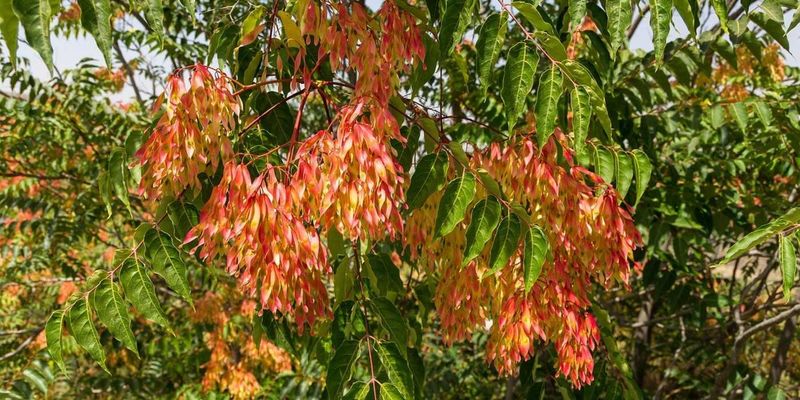
Few trees wear the word “heaven” less accurately than Ailanthus altissima, better known as Tree of Heaven. Originally brought to North America in the 1700s as an ornamental and silk-production plant, it quickly showed just how aggressively it could take over.
In Michigan, it has become one of the most unwanted plants in both urban and natural landscapes.
What made it appealing in the first place is also what makes it such a problem. Tree of Heaven tolerates poor soil, drought, air pollution, and compacted ground, growing fast in places where other trees struggle.
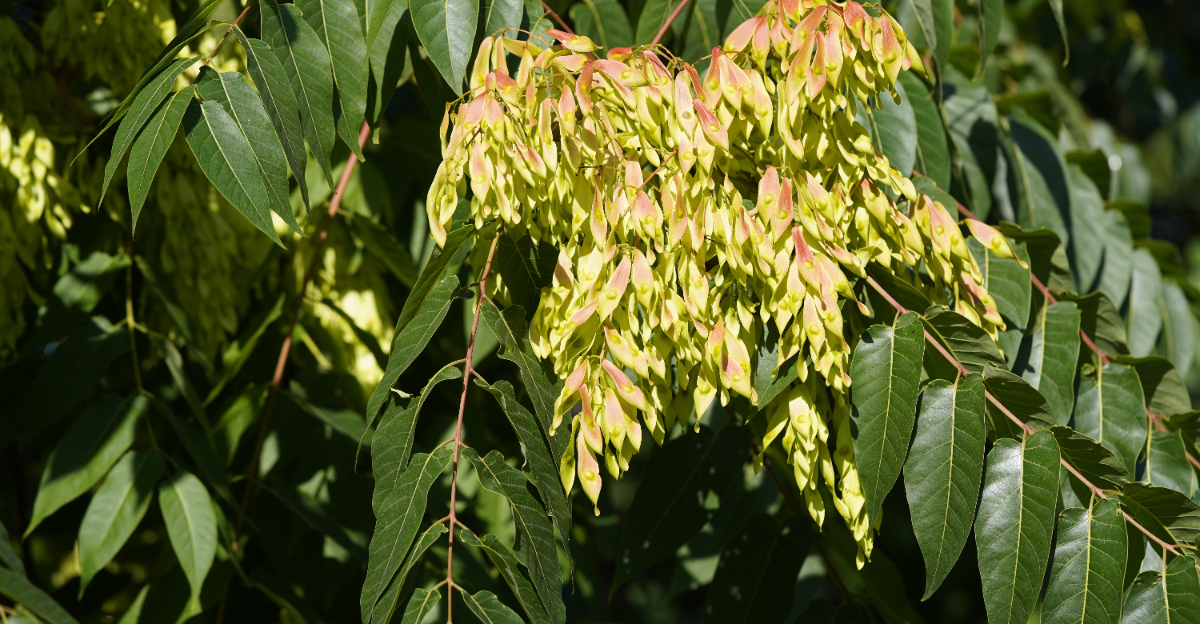
It spreads through massive quantities of winged seeds and through root shoots that can travel several feet from the parent tree. Once established in Michigan roadsides, forest edges, and disturbed areas, it is extremely hard to remove.
The leaves have a strong, unpleasant odor when crushed, which is one way to identify it. Another giveaway is the large compound leaves with smooth-edged leaflets that have a small notch near the base.
Michigan residents who spot this tree growing on their property should act quickly before it spreads further.
Native fast-growing alternatives like tulip tree or green ash offer similar rapid growth with none of the invasive baggage, making them far smarter choices for Michigan yards and restoration projects.
4. Japanese Barberry (Berberis thunbergii)
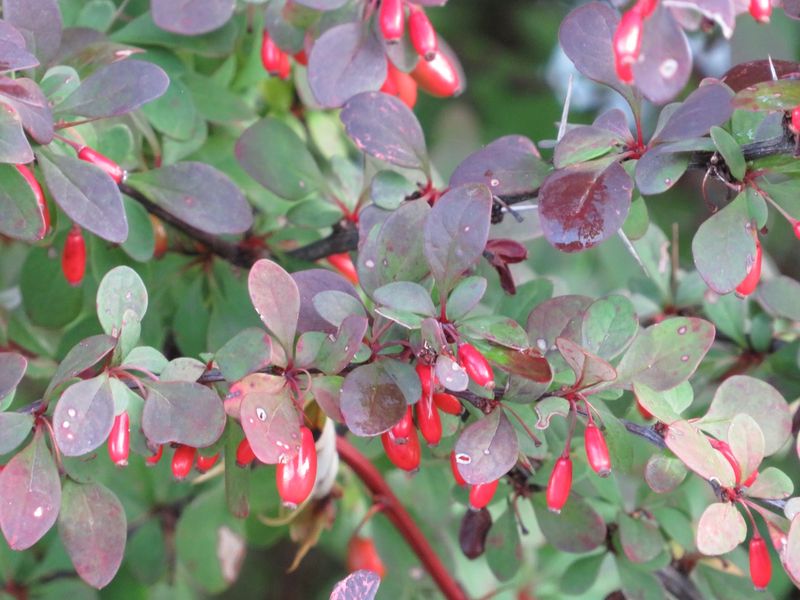
Japanese barberry has a lot going for it on paper. It is compact, colorful, deer-resistant, and incredibly tough in cold Michigan winters.
Landscapers planted it everywhere through the 1990s and 2000s because it checked so many boxes. But over time, Michigan naturalists started noticing it in places it should never have been, deep inside forests and natural areas far from any garden.
Birds eat the small red berries and scatter the seeds widely across Michigan. Once those seeds sprout in a woodland understory, barberry forms dense, thorny thickets that block sunlight and crowd out native wildflowers like trillium and wild ginger.
Research has also shown that areas with heavy barberry growth tend to have higher tick populations, because the dense low canopy creates ideal humid conditions where ticks thrive.
Michigan officially lists Japanese barberry as an invasive species, and several states have already banned its sale entirely.
If you have it in your yard right now, consider replacing it gradually with native shrubs like native viburnums or spicebush, both of which offer great fall color and provide food for Michigan birds and pollinators.
The shift away from barberry is not just about following rules. It is about making your yard a place that actually supports the natural world around it, rather than quietly working against it.
5. Burning Bush (Euonymus alatus)
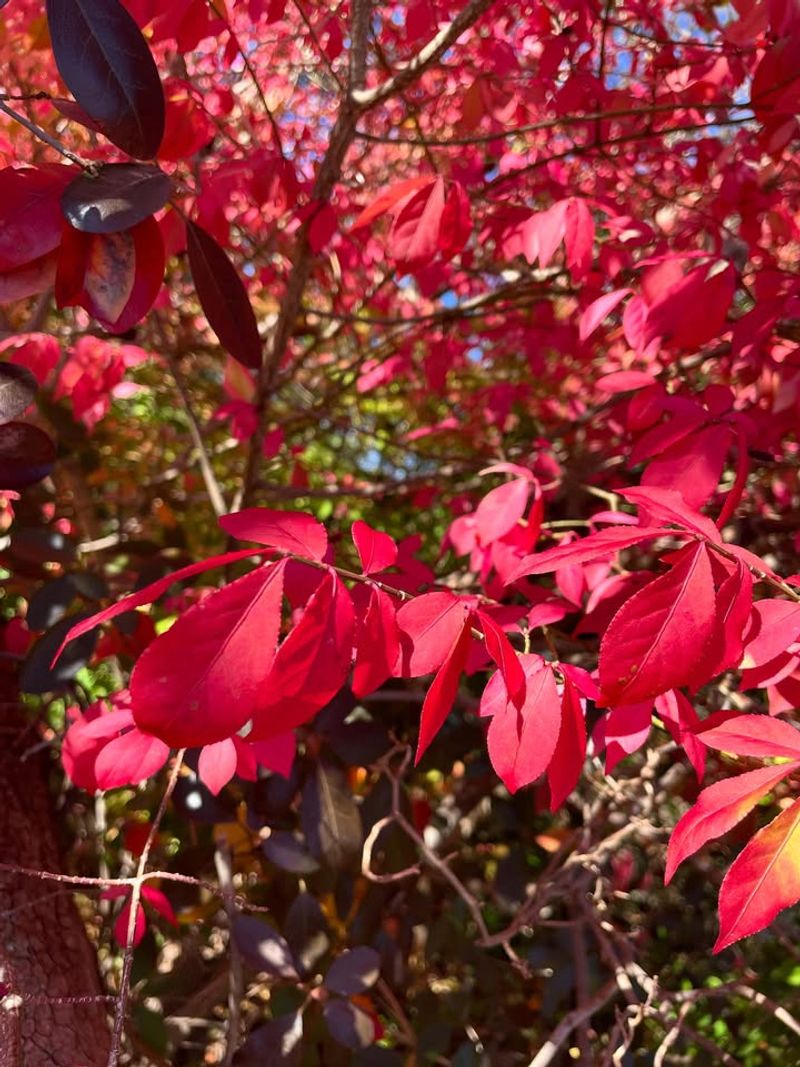
Few shrubs create as striking a fall display as burning bush. Its vivid red foliage has made it a long-time favorite in Michigan landscapes, often used in foundation plantings and along borders.
For many years, it was widely available and heavily promoted for its reliability and dramatic seasonal color. While it still delivers that visual impact, its behavior outside the garden has become a growing concern.
Burning bush produces small fruits that birds readily eat and disperse. These seeds travel beyond landscaped areas and begin to establish in nearby forests and natural spaces.
Once there, the shrub can form dense growth that shades out native plants and alters the understory of woodlands. Over time, this reduces plant diversity and changes how these ecosystems function.
Although it may still be present in many yards, planting new burning bush is no longer recommended in Michigan. Gardeners who want similar fall color can choose native alternatives such as highbush blueberry or chokeberry.
These options provide vibrant seasonal interest while also offering food and habitat for wildlife, making them a more balanced and environmentally friendly choice.
6. Border Privet (Ligustrum obtusifolium)
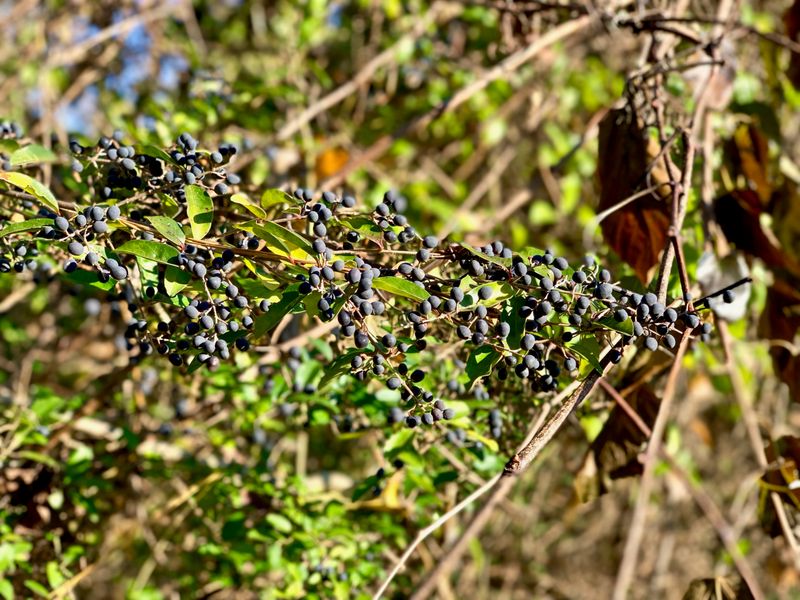
Hedges are meant to stay neatly where you plant them, forming tidy borders and defined spaces in the landscape. Border privet, however, tends to ignore those boundaries over time.
This fast-growing shrub was widely planted for its ability to create dense, uniform hedges, but it also produces large amounts of fruit that birds eagerly consume. As those seeds are carried beyond the yard, new plants begin appearing in nearby natural areas.
Once border privet escapes cultivation, it can form thick stands that crowd out native vegetation. These dense thickets block sunlight from reaching the ground, making it difficult for native wildflowers and shrubs to grow.
Another advantage it has is its extended growing season. It leafs out earlier in spring and keeps its foliage later into fall, allowing it to outcompete many local species that follow a more typical seasonal cycle.
If you already have border privet, careful management is important. Regular pruning helps control its size and reduces fruit production, while removing any seedlings that appear nearby prevents further spread.
For new plantings, choosing native shrubs offers a better long-term solution, supporting wildlife and maintaining a healthier balance in the surrounding environment.
7. Periwinkle (Vinca minor)
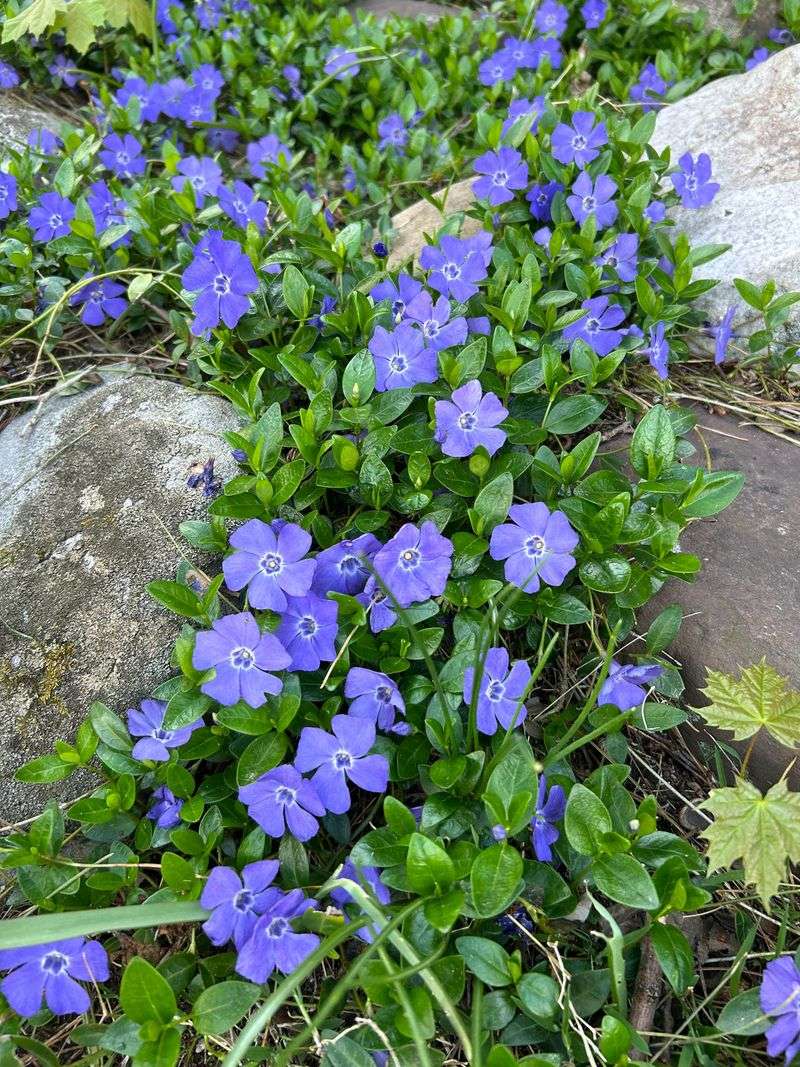
Periwinkle often looks like the perfect answer for difficult garden spaces, especially those shady spots under trees where other plants struggle to grow.
Its glossy green leaves and soft blue-purple flowers create an appealing, low-maintenance groundcover that can quickly fill in bare areas.
In a contained setting, it can perform exactly as expected, staying relatively tidy along borders and pathways. The challenge begins when periwinkle spreads beyond its intended space.
As it creeps outward, it can move into nearby wooded areas and start forming dense mats across the forest floor. These thick layers of growth block sunlight and prevent native plants from emerging.
Over time, important groundcovers like trillium and wild ginger can be pushed out, reducing plant diversity and altering the natural character of the area.
Because of this tendency, periwinkle is considered a plant that should be used with caution, especially near natural spaces.
Keeping it contained requires regular monitoring and occasional trimming. For gardeners looking for a similar look without the risk, native groundcovers provide an excellent alternative.
They offer comparable coverage while supporting local ecosystems and allowing other plants to thrive alongside them.
8. English Ivy (Hedera helix)
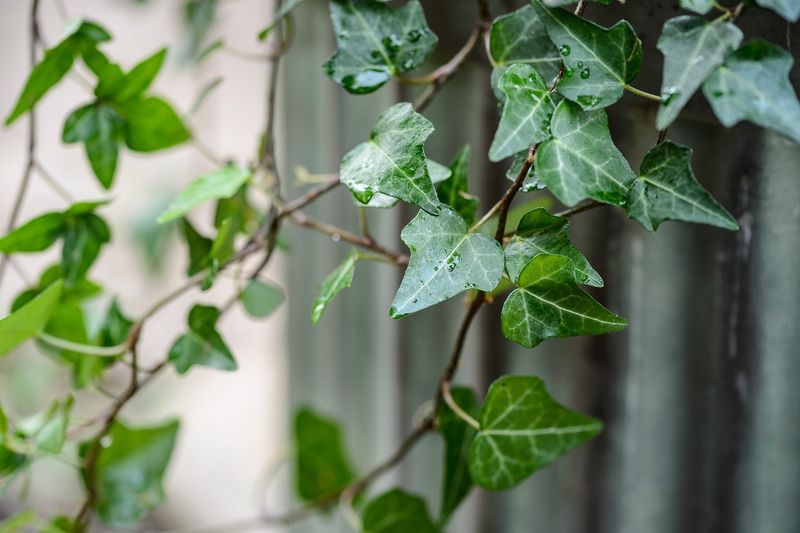
English ivy has a long history as a decorative groundcover, often associated with classic garden designs and older landscapes. Its trailing vines and evergreen foliage make it appealing for covering walls, slopes, and shaded areas.
While it can be attractive in a controlled setting, its growth habits can become problematic when it spreads beyond those boundaries. In Michigan, English ivy can move into nearby wooded areas and begin climbing trees.
As it grows upward, it adds weight to branches and competes for light, which can weaken the overall structure of the tree. Over time, this can affect the health of the canopy and reduce the vitality of the surrounding forest.
Once established, English ivy can be difficult to remove due to its persistent growth and ability to root along its stems. Gardeners are encouraged to monitor it carefully and keep it contained within designated areas.
Replacing it with native alternatives such as wild strawberry or creeping phlox provides similar ground coverage while supporting pollinators and maintaining a healthier balance within the landscape.
9. Oriental Bittersweet (Celastrus orbiculatus)
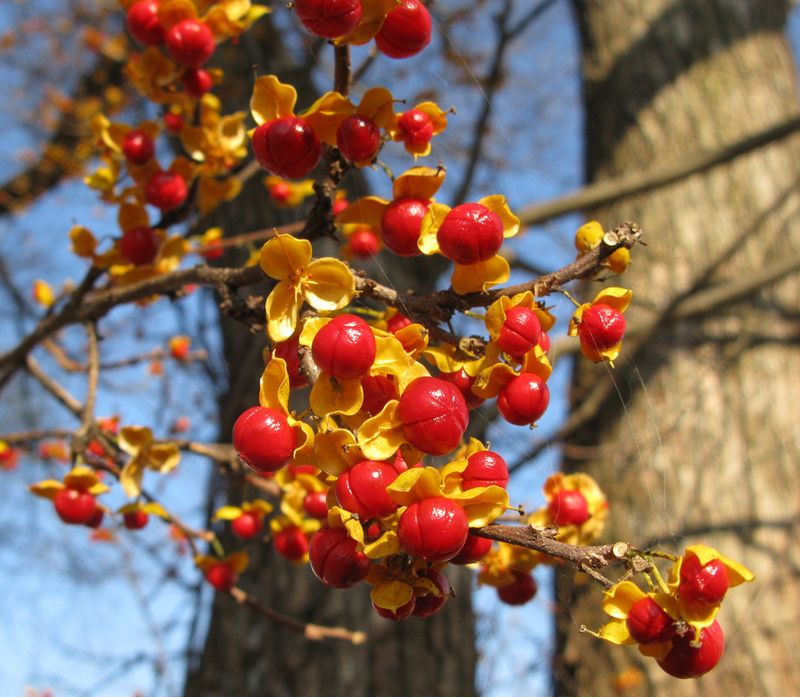
Oriental bittersweet became popular for its bright, decorative berries often used in fall arrangements. Unfortunately, those same qualities have contributed to its spread across Michigan landscapes.
Seeds are dispersed by birds and through discarded plant material, allowing it to establish in a wide range of environments. This fast-growing vine climbs aggressively, wrapping tightly around trees and shrubs.
As it expands, it can restrict growth and weaken the plants it climbs on. Over time, its presence can alter the structure of natural areas by overtaking native vegetation and limiting access to light and resources.
It is often confused with native American bittersweet, but the invasive variety tends to produce more abundant fruit along the length of the vine. Early identification and removal are important to prevent it from becoming established.
Gardeners looking for decorative vines can choose native alternatives that provide seasonal interest without spreading aggressively.
Managing Oriental bittersweet helps protect trees, maintain plant diversity, and support healthier ecosystems across Michigan landscapes.