The 9 Flowering Vines That Quickly Cover Trellises In Georgia Gardens
A bare trellis can make a garden feel unfinished, but that changes fast once the right flowering vine starts climbing.
In Georgia’s warm climate, many vines grow quickly once spring arrives, turning simple structures into walls of color and greenery in just one season.
A plain fence, arbor, or pergola can suddenly become the most eye-catching part of the yard.
Flowering vines do more than just cover space. Many produce waves of blooms that attract hummingbirds, butterflies, and bees while adding height and movement to the garden.
Some climb by twining, others by tendrils or clinging stems, but they all share one thing in common. They grow with surprising speed once temperatures warm.
For Georgia gardeners looking to soften fences, dress up a trellis, or create a blooming garden backdrop, these fast-growing vines can transform a simple structure into something that looks full, colorful, and alive through the growing season.
1. Carolina Jessamine Climbs With Golden Spring Blooms

Few sights in a Georgia garden beat a fence rail dripping with golden yellow blooms in late February or March, right when everything else still looks tired and bare. Carolina Jessamine is that vine.
It wakes up earlier than almost anything else in the yard and puts on a show before most gardeners have even started their spring planting lists.
Glossy evergreen leaves keep it looking decent through the winter months, so you are not staring at a pile of bare stems when January rolls around.
It handles full sun or partial shade without complaint, and it does not need perfect soil to perform well. Gardeners across Georgia plant it along fences, mailbox posts, and porch railings with great results.
Growth is steady rather than explosive, so it fills a trellis in a couple of seasons without completely taking over the yard. Fragrance is another bonus — those yellow blooms carry a light, sweet scent that drifts through the air on warm afternoons.
Keep in mind that all parts of this plant are toxic if eaten, so plant it away from areas where small children or pets play unsupervised.
It is also a native vine across much of the southeastern United States, which means it is well adapted to Georgia’s climate and usually requires very little maintenance once established.
2. Coral Honeysuckle Attracts Hummingbirds With Bright Flowers
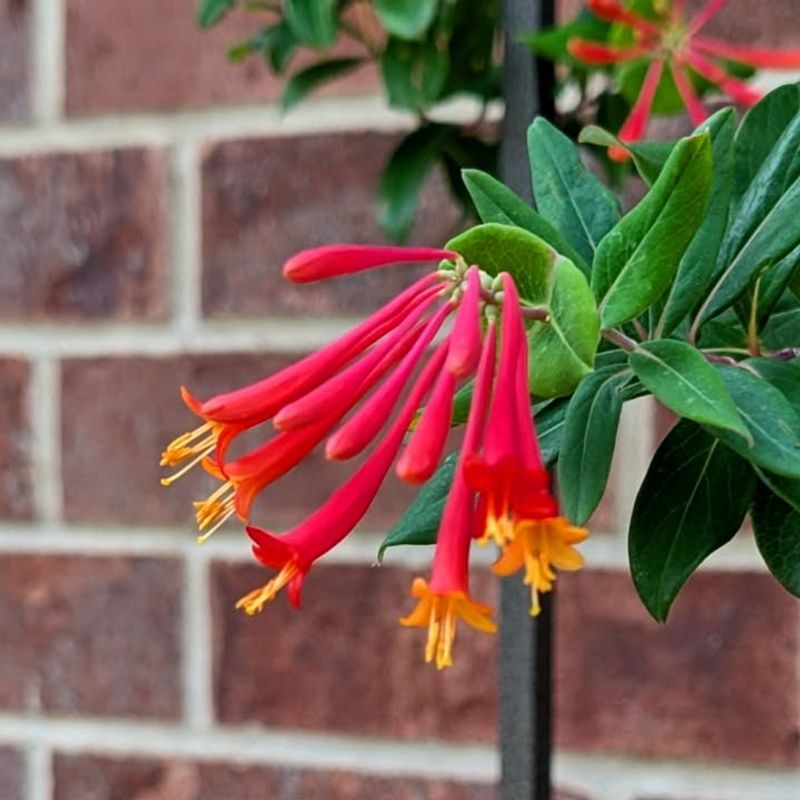
If you want hummingbirds visiting your yard every single day from spring through fall, plant Coral Honeysuckle and just wait.
Ruby-throated hummingbirds absolutely cannot resist those long, slender red and orange tubes, and you will have them buzzing around your trellis within days of the first blooms opening.
Unlike Japanese Honeysuckle, which spreads aggressively and causes real problems in Georgia landscapes, Coral Honeysuckle stays well-behaved and keeps to its trellis without running wild into neighboring plants.
That makes it a much smarter choice for home gardeners who want beauty without the headache of constant cutting back.
It blooms heaviest in spring but keeps producing flowers in waves all the way into early fall, giving pollinators a reliable food source across multiple seasons. Full sun brings out the most blooms, though it handles light afternoon shade without too much fuss.
Your Georgia Garden Changes Every Week. Your Plan Should Too.
Gardening in Georgia changes quickly throughout the season. Every Friday you’ll receive a simple weekly plan showing exactly what to plant, prune, fertilize, harvest, and protect so you never miss the right timing.
Stems twine naturally around wire, lattice, or wooden supports, so it needs very little help getting started. Red berries follow the flowers in late summer, giving birds another reason to hang around your Georgia garden long after the peak bloom season wraps up.
3. Passionflower Displays Unusual Star-Shaped Blooms
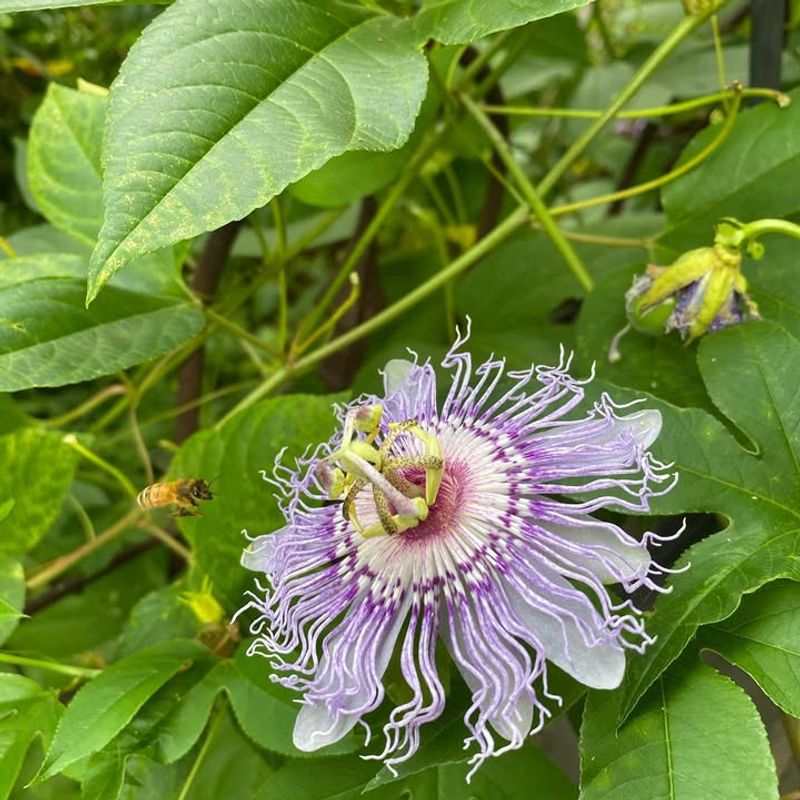
Nothing in a Georgia garden stops people mid-step quite like a passionflower bloom.
Visitors who have never seen one up close genuinely cannot believe it is a real plant growing in someone’s backyard rather than something out of a science fiction movie.
Passiflora incarnata is the native species that grows wild across Georgia roadsides and woodland edges, which means it is already dialed in to handle the region’s heat, humidity, and occasional dry spells without special treatment.
Blooms appear in midsummer and keep coming through early fall, each flower lasting just one day but replaced quickly by new buds.
Beyond the dramatic flowers, this vine supports Gulf Fritillary butterfly caterpillars, which feed exclusively on passionflower leaves. Planting it basically guarantees a butterfly nursery in your garden.
Maypop fruits follow the flowers, and they are actually edible with a tart, tropical flavor that surprises most people who try them for the first time. Growth is vigorous in Georgia’s warm climate, covering a trellis quickly from a single plant.
Cut stems back hard in late winter and fresh growth returns fast and full every spring without any real effort on your part.
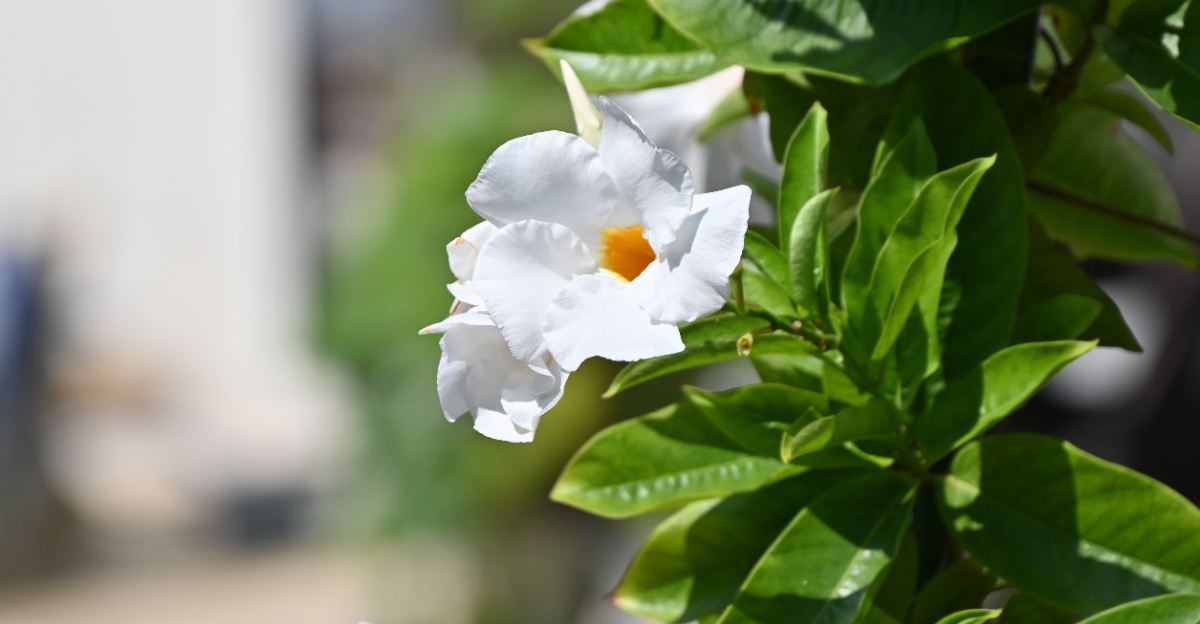
4. Confederate Jasmine Covers Trellises With Fragrant White Flowers
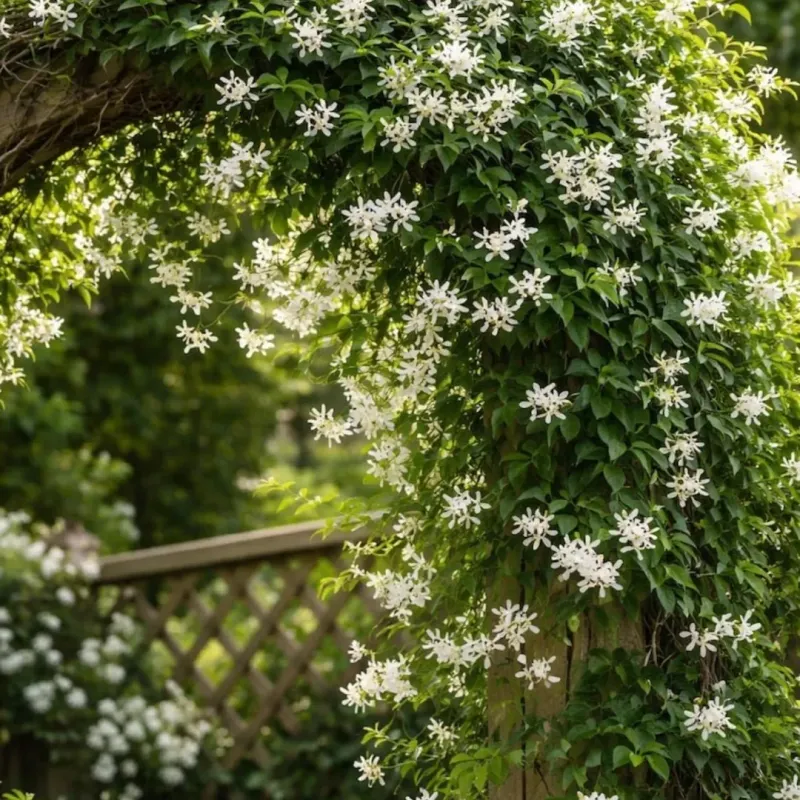
Walk past a Confederate Jasmine in full bloom and the fragrance alone will make you stop.
It is one of those scents that people across Georgia associate with warm late-spring evenings on the porch, and once you plant it, you will understand exactly why it has been a Southern garden staple for generations.
Technically a twining vine rather than a true jasmine, it wraps around trellises, arbors, and fence posts with a thick, dense coverage that looks intentional and polished.
Glossy dark green leaves stay on the plant year-round in most parts of Georgia, which means your trellis looks full and attractive even in the middle of January when nothing else is blooming.
White star-shaped flowers arrive in late spring and blanket the entire vine for several weeks. Afternoon shade helps protect the blooms during Georgia’s most intense summer heat, though the plant itself handles full sun reasonably well.
Trim it back after flowering to keep the shape tidy and encourage thicker coverage the following season.
It is a solid choice for covering a mailbox post, a porch column, or any structure where you want both beauty and a scent that genuinely improves the entire yard’s atmosphere.
5. Crossvine Produces Bold Orange Trumpet Blooms
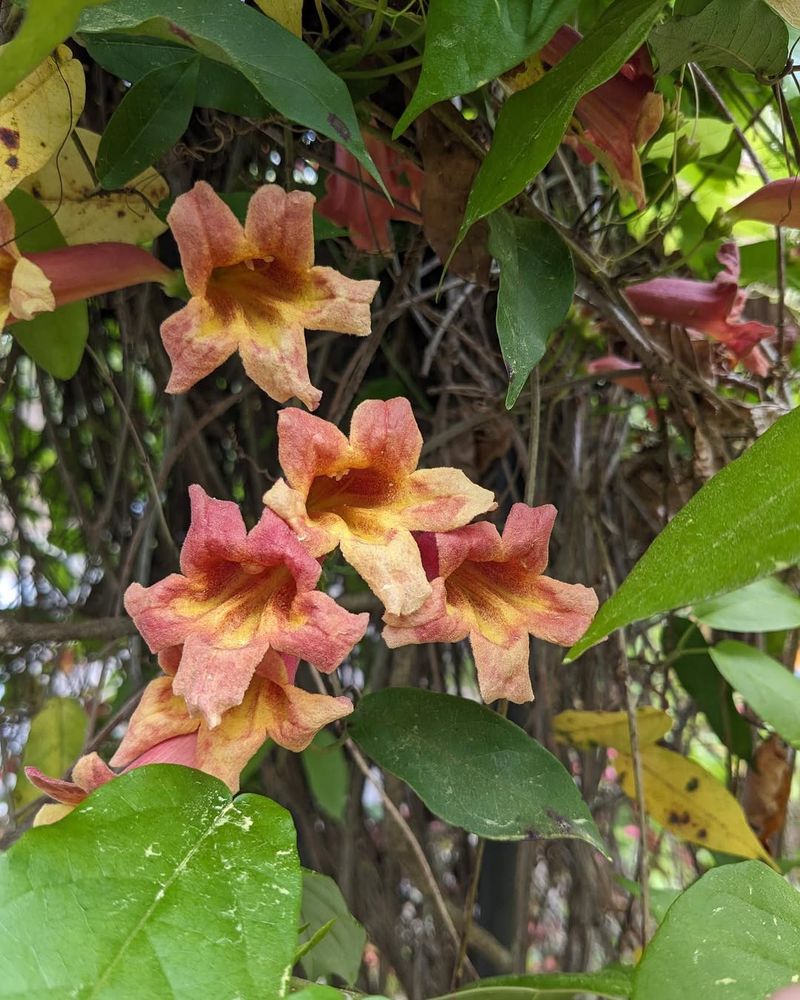
Crossvine earns its spot on any Georgia trellis by blooming in early spring before most other flowering vines have even woken up for the season.
Those bold orange and red trumpet flowers show up in April and cover the vine so thickly that the leaves are barely visible underneath all the color.
Cut a stem crosswise and you will see a distinct cross-shaped pattern in the center of the wood, which is exactly how this plant got its name.
It is a genuine native vine with deep roots in the Georgia landscape, climbing trees and fences across the state long before anyone was planting it intentionally in their yards.
Aerial rootlets grip surfaces tightly, making it excellent for climbing rough masonry walls, wooden fences, or metal trellises without needing ties or clips to hold it in place.
Growth reaches impressive heights quickly, sometimes pushing fifteen to twenty feet in a single growing season under good conditions.
Hummingbirds visit the flowers regularly, adding extra wildlife interest to the garden. It tolerates both drought and occasional wet periods, which matters a lot in Georgia where spring rains can be heavy and summer dry spells can stretch for weeks without warning.
6. American Wisteria Forms Hanging Purple Flower Clusters
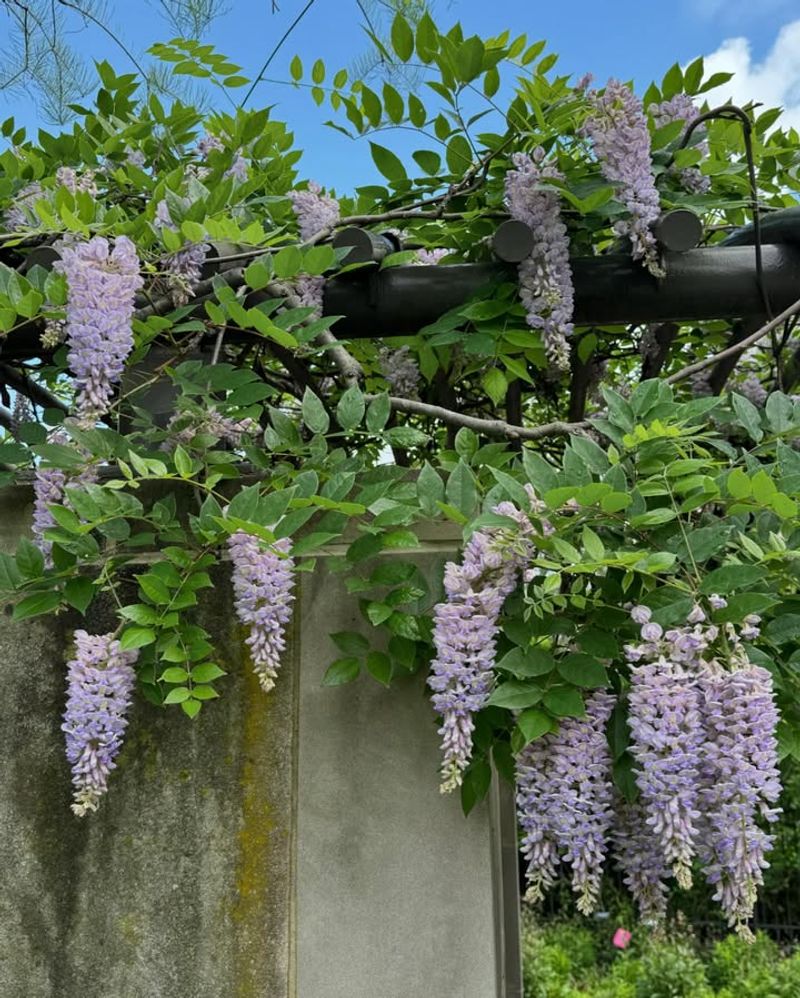
Purple flower clusters hanging down from a trellis or pergola in April is one of Georgia gardening’s most dramatic seasonal moments.
American Wisteria delivers that look without the invasive nightmare that comes with the Asian varieties many people accidentally plant.
Wisteria frutescens and its cultivars like ‘Amethyst Falls’ are the versions worth planting in Georgia.
They bloom reliably, stay manageable with regular pruning, and do not send runners underground across the entire yard the way Chinese or Japanese Wisteria notoriously does in Southern landscapes.
‘Amethyst Falls’ is especially popular because it blooms at a younger age than most wisteria and repeats its flowering cycle multiple times from spring through early summer. Fragrance is mild but pleasant, nothing overwhelming, just enough to notice on a still morning.
Strong support is not optional with this vine — it gets heavy over time and will pull down a lightweight trellis if the structure is not built to handle some serious weight. Plant it in full sun for the densest flowering.
Regular pruning twice a year, once after spring bloom and again in late summer, keeps growth controlled and encourages even better flower production the following season.
7. Climbing Hydrangea Creates A Dense Flowering Wall

Shady spots in Georgia gardens can be genuinely difficult to plant, but Climbing Hydrangea is one of the few flowering vines that actually prefers to grow where the sun does not pound all day long.
North-facing walls, shaded fences, and spots under large trees are where this vine truly shines.
Large flat-topped white flower clusters appear in late spring and early summer, covering the vine in a lacy pattern that looks completely different from anything else growing in most Georgia yards.
Even without flowers, the deep green foliage and peeling cinnamon-colored bark on older stems give the plant year-round visual interest that most vines simply cannot match.
Patience is required in the first two or three years because Climbing Hydrangea focuses on root development before putting energy into upward growth.
Once it gets moving though, it attaches to surfaces with adhesive rootlets and builds a thick, layered coverage that can eventually span an entire wall.
Avoid heavy fertilizing or you will get lots of leaves and very few flowers. It also handles Georgia humidity well and rarely develops the fungal problems that sometimes affect shrub hydrangeas.
8. Trumpet Vine Produces Bright Red Trumpet Flowers
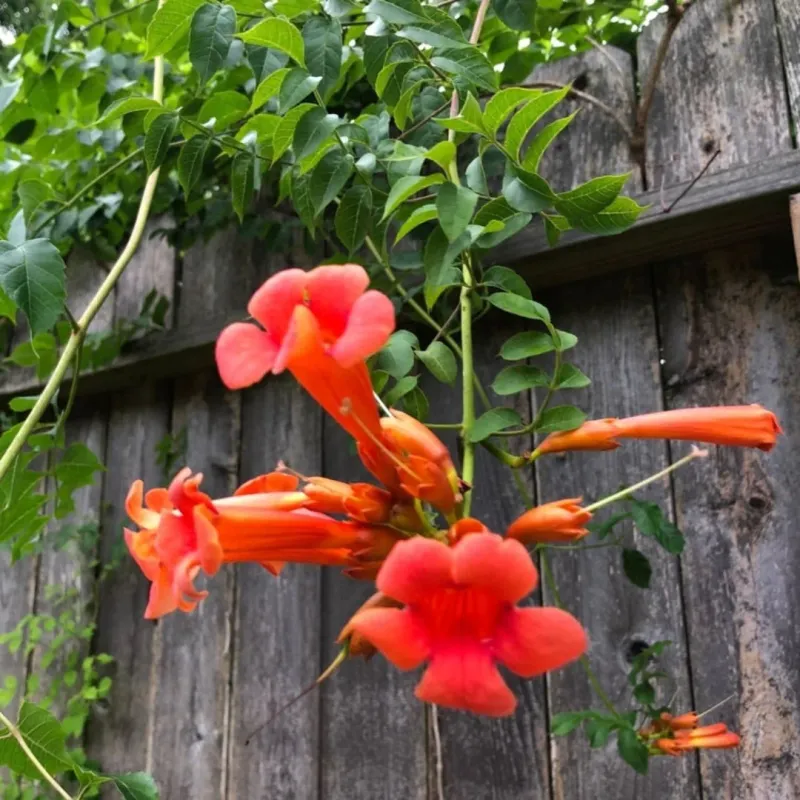
Trumpet Vine does not ease into a Georgia garden quietly. It arrives fast, climbs hard, and blooms with an intensity that makes it impossible to overlook from across the yard.
Clusters of red and orange trumpets appear in midsummer and continue into early fall, right when many other plants start looking tired from the heat.
Hummingbirds treat this vine like their personal cafeteria, visiting the flowers constantly throughout the day. If attracting wildlife is a priority, few vines deliver as consistently as Trumpet Vine does during the long Georgia summer months.
Fair warning though — this vine is genuinely aggressive. It spreads by runners underground and can pop up several feet away from the original plant if you are not watching for new shoots.
Give it a strong, dedicated structure like a large wooden fence or a sturdy metal arbor rather than a lightweight decorative trellis. Annual pruning keeps it from completely taking over, and cutting it back hard every late winter actually encourages better flowering.
Some people develop a mild skin irritation from handling the foliage, so wearing gloves when pruning is a smart habit to build into your Georgia garden routine from the start.
9. Mandevilla Twines With Large Tropical Blooms
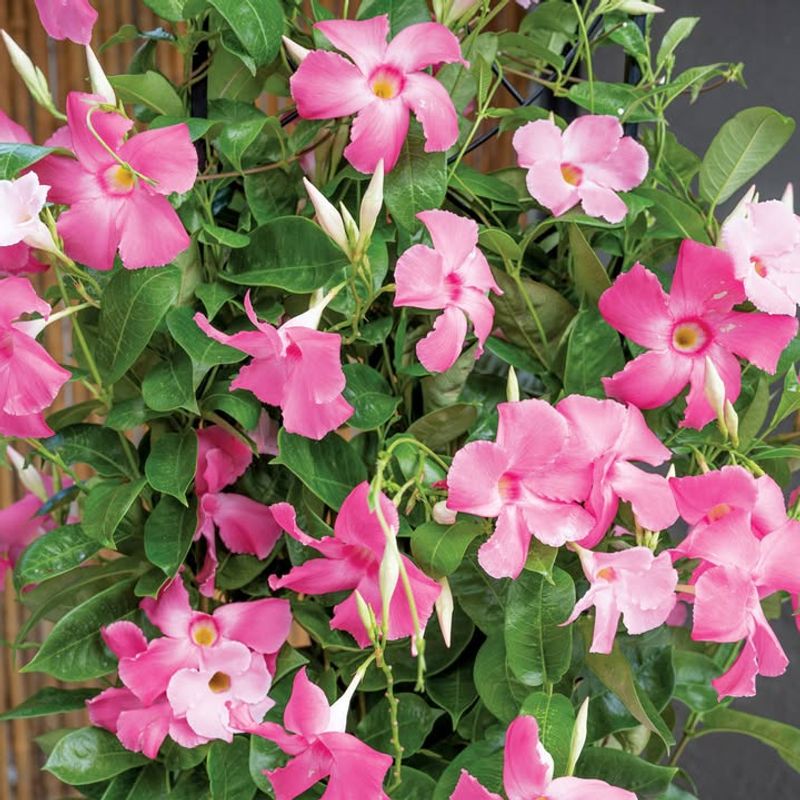
Bright pink Mandevilla blooms climbing a patio trellis give a Georgia garden a tropical resort feel that is genuinely hard to achieve with any other plant.
Flowers are large, glossy, and almost artificially perfect-looking, which is part of why this vine has become such a popular choice for containers and patio trellises across the state.
Georgia gardeners typically grow Mandevilla as an annual or bring it indoors before the first frost, since it is not cold-hardy enough to survive a North Georgia winter outdoors.
In South Georgia, gardeners in warmer zones sometimes get away with leaving it in the ground if they mulch the roots heavily and the winter stays mild.
Blooms appear from late spring and continue nonstop through fall as long as the plant gets enough sun and consistent water. Full sun is genuinely important here — a shaded Mandevilla produces weak growth and very few flowers.
Feed it with a balanced fertilizer every couple of weeks during the growing season to keep the flower production going strong.
It twines naturally around thin supports like wire or lattice, and in containers it pairs well with trailing plants that soften the base while the vine climbs dramatically upward above the pot.
A sturdy trellis or patio support helps guide the vines as they grow, keeping the plant upright and showing off those bright blooms at eye level.