7 Simple Tips For Growing More Tomatoes In Georgia This Spring
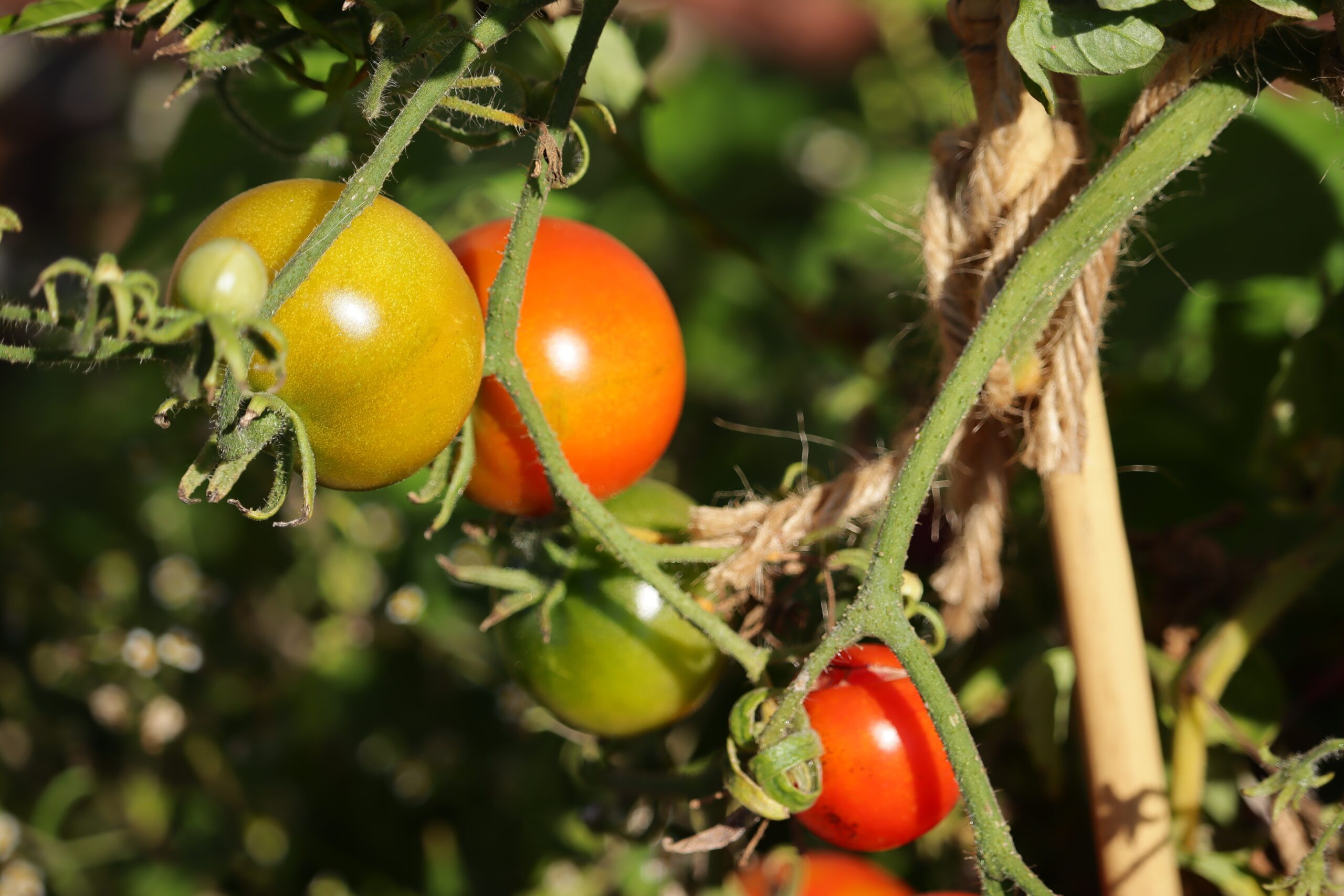
Tomatoes in Georgia can look like they are on track early in spring, then end up underwhelming once harvest time comes around.
You get strong leaves, decent growth, and everything seems fine, yet the number of tomatoes never matches what you expected.
That gap usually does not come from one obvious mistake. It builds from small choices that shape how the plant develops once the season picks up.
Those details do not stand out right away, which makes it easy to miss what actually matters.
Some gardens end up loaded with fruit, while others fall short under the same conditions, and the difference shows up later rather than at the start.
A few simple adjustments can shift that outcome and lead to plants that produce far more once the season moves forward.
1. Plant After Soil Warms For Strong Early Growth
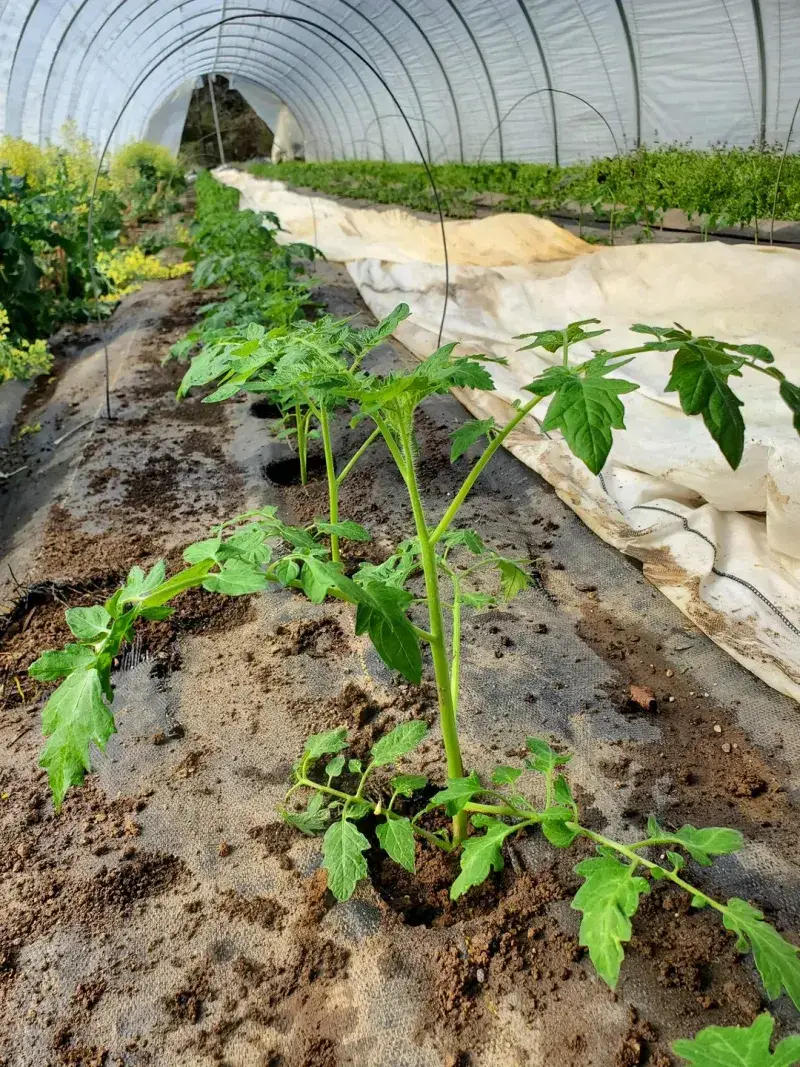
Cold soil is one of the most overlooked reasons tomato plants struggle in early spring. Even when the air feels warm enough in Georgia, the ground can still be holding onto winter chill, and roots planted into cold soil tend to sit there and stall instead of pushing outward.
Soil temperature should reach at least 60 degrees Fahrenheit before you transplant seedlings outside. Around the Atlanta area and central Georgia, that window typically opens somewhere between late March and mid-April.
Up in the mountains near Dahlonega or Blue Ridge, you might need to wait until closer to early May before conditions are right.
A basic soil thermometer costs just a few dollars and takes the guesswork out of timing. Push it about three inches down in the morning before the sun heats the surface, and check a few spots across your bed since temperature can vary more than you expect.
Rushing transplants into cold ground does not give you a head start. Plants that go in too early often look fine for a week or two, then just stop growing.
Roots need warmth to absorb water and nutrients properly, and a stressed young plant is more vulnerable to early-season fungal issues that are already common in Georgia’s humid conditions.
2. Give Tomatoes Full Sun To Support Heavy Fruit Set
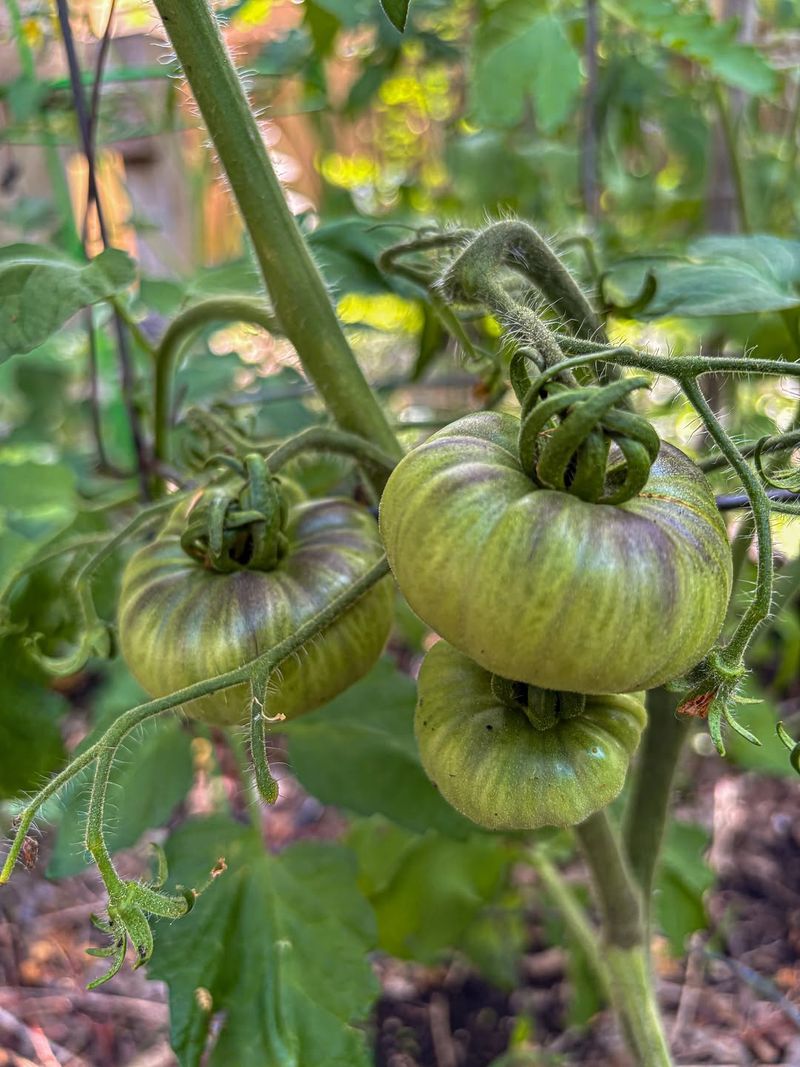
Fruit production on a tomato plant is directly tied to how much sunlight it receives each day. Without enough sun, plants will grow leaves and stems just fine, but flower drop increases and fruit set becomes inconsistent.
Six to eight hours of direct sunlight is the minimum, and more is generally better through Georgia’s long spring days.
Before you pick a planting spot, watch the area for a full day. Shade from a fence in the morning, a large tree overhead, or a nearby structure can cut into your sun hours more than you realize.
Even partial shade during peak afternoon hours in May and June can noticeably reduce how many tomatoes a plant sets.
South-facing spots in your yard tend to get the most consistent light exposure. Raised beds positioned away from structures and overhanging branches usually outperform in-ground rows that were placed without checking sun patterns first.
Your Georgia Garden Changes Every Week. Your Plan Should Too.
Gardening in Georgia changes quickly throughout the season. Every Friday you’ll receive a simple weekly plan showing exactly what to plant, prune, fertilize, harvest, and protect so you never miss the right timing.
One thing worth knowing about Georgia summers is that intense afternoon heat in July and August can actually cause blossom drop on its own, separate from the light issue.
That is a different problem, but it is worth mentioning because some gardeners assume poor fruit set is always a sun problem when sometimes it is a heat problem.
Spring planting takes advantage of the more moderate temperatures before that intense summer heat arrives.
3. Space Plants Properly To Improve Airflow And Reduce Disease
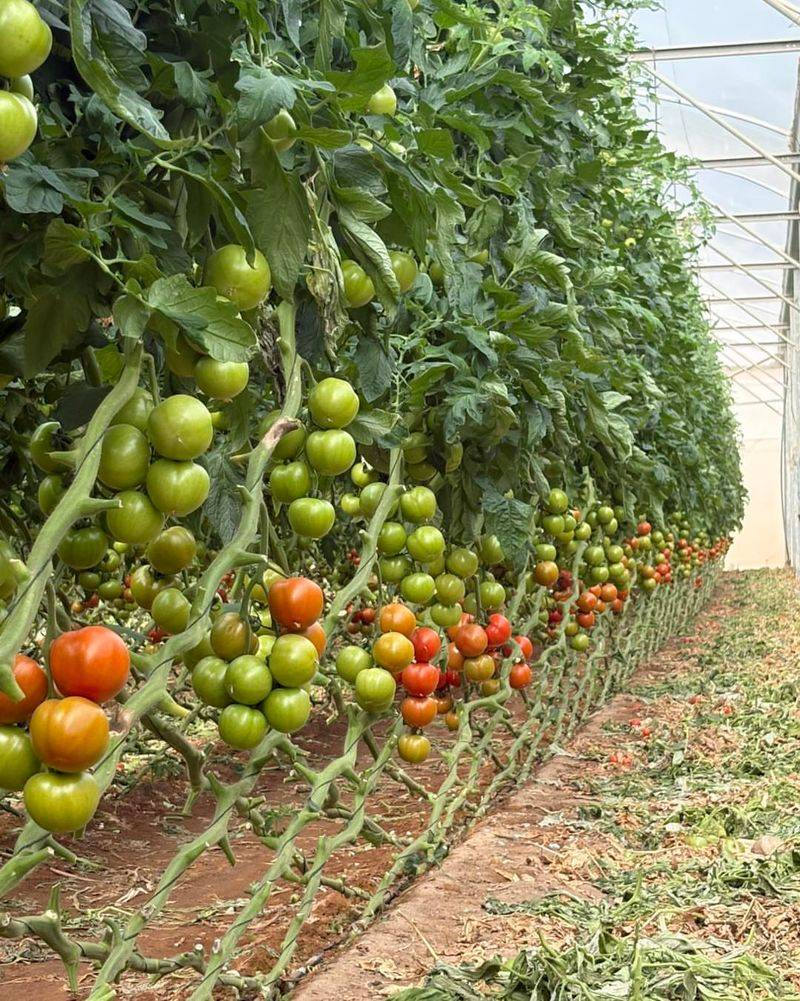
Crowding tomato plants together is a mistake that shows up later in the season when you least want to deal with it.
Tight spacing traps moisture between plants, and in Georgia’s humid spring and summer conditions, that moisture becomes a breeding ground for fungal diseases like early blight and Septoria leaf spot.
Standard spacing for most tomato varieties is 18 to 24 inches apart in the row, with rows spaced about 36 to 48 inches from each other. Larger indeterminate types like Better Boy or Cherokee Purple benefit from being on the wider end of that range.
Compact determinate varieties like Celebrity can get away with slightly tighter spacing, but they still need room to breathe.
Good airflow through the plant canopy helps foliage dry out faster after rain or morning dew. Wet leaves sitting for hours are far more likely to develop disease than leaves that dry within an hour or two of sunrise.
Georgia gets enough humidity on its own without adding to the problem by packing plants in too close.
Spacing also makes day-to-day care easier. Pruning suckers, checking for pests, and harvesting ripe fruit all become simpler when you can actually move around each plant without fighting through a tangle of foliage and cages.
4. Water Deeply And Consistently To Prevent Fruit Issues
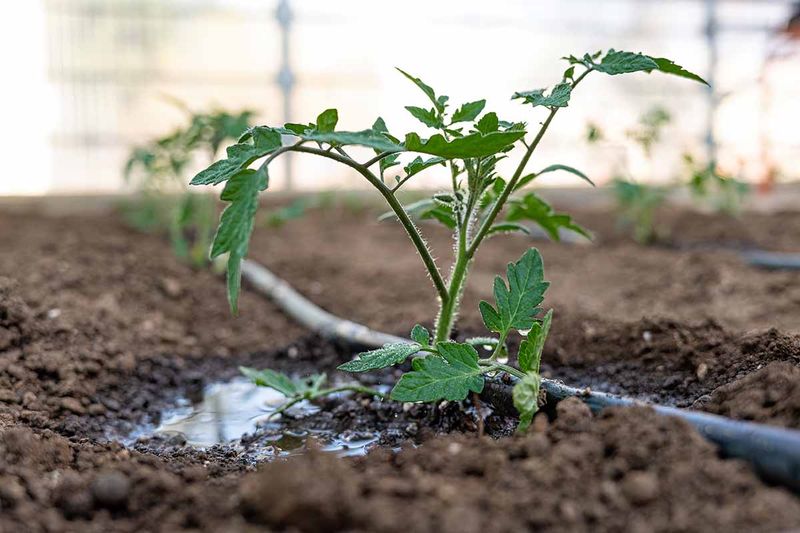
Blossom end rot is one of the most frustrating problems Georgia tomato growers run into, and inconsistent watering is usually the cause. That dark, sunken spot on the bottom of the fruit is not a disease.
It happens when a calcium deficiency develops inside the fruit due to uneven moisture levels in the soil, and it can ruin a significant portion of your harvest if left unaddressed.
Watering deeply and on a regular schedule helps the roots stay consistently moist rather than swinging between soaked and bone dry. Aim for about one to two inches of water per week, adjusting based on how much rain Georgia delivers that week.
A simple rain gauge in the garden takes the guesswork out of that calculation.
Shallow, frequent watering encourages roots to stay near the surface, which makes plants more sensitive to dry spells. Deep watering, on the other hand, pushes roots down further into the soil where moisture is more stable.
Soaker hoses and drip irrigation work well for this because they deliver water slowly at the root zone without wetting the foliage.
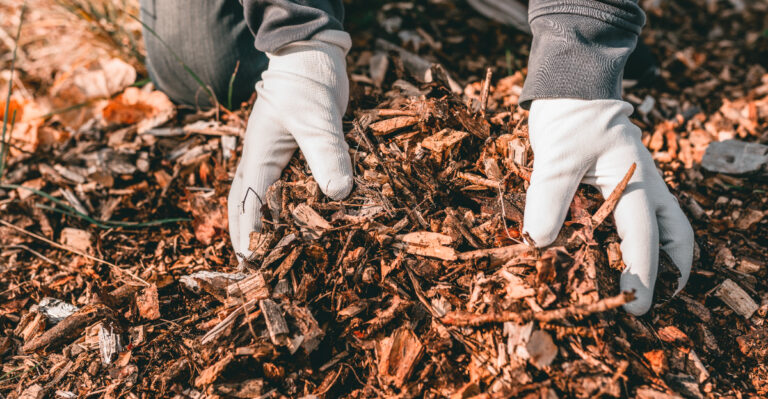
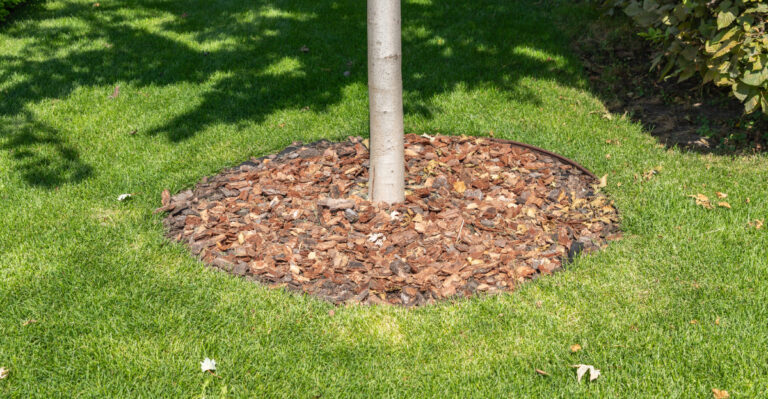
Mulching around the base of each plant with straw or wood chips helps hold soil moisture between watering sessions and keeps soil temperature more stable. In Georgia’s spring heat, bare soil can dry out surprisingly fast after a day or two without rain.
5. Support Plants Early With Stakes Or Cages
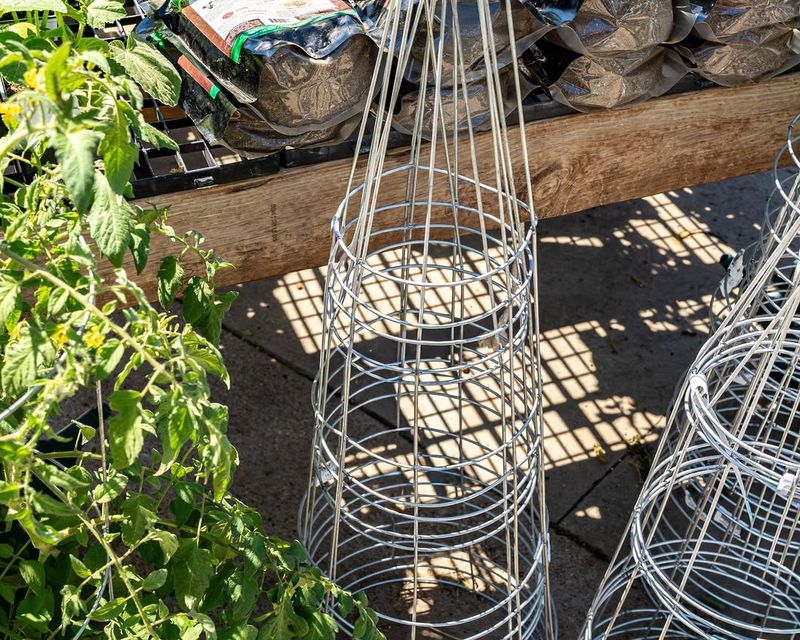
Waiting until a tomato plant is already leaning over before adding support is a common mistake that puts unnecessary stress on stems and roots. Getting your stakes or cages in place at transplant time or shortly after is much easier on the plant and on you.
Heavy wire cages work well for indeterminate varieties that keep growing all season. They give the plant multiple points of support as it climbs, and you do not have to keep tying stems as new growth appears.
For determinate types that stay more compact, a single sturdy stake tied loosely with soft garden twine usually does the job.
In Georgia, spring thunderstorms roll through regularly from April onward, and wind combined with heavy rain can snap an unsupported stem or topple an entire plant overnight.
A plant that gets knocked sideways and breaks at the main stem is not going to recover and produce fruit.
Support prevents that kind of setback before it happens.
Push cages or stakes deep enough into the soil that they stay secure even in soft or wet ground. At least 12 inches of depth is a reasonable starting point.
Shallow supports tip over in storms just as easily as unsupported plants do.
6. Feed With Balanced Fertilizer Without Overdoing Nitrogen
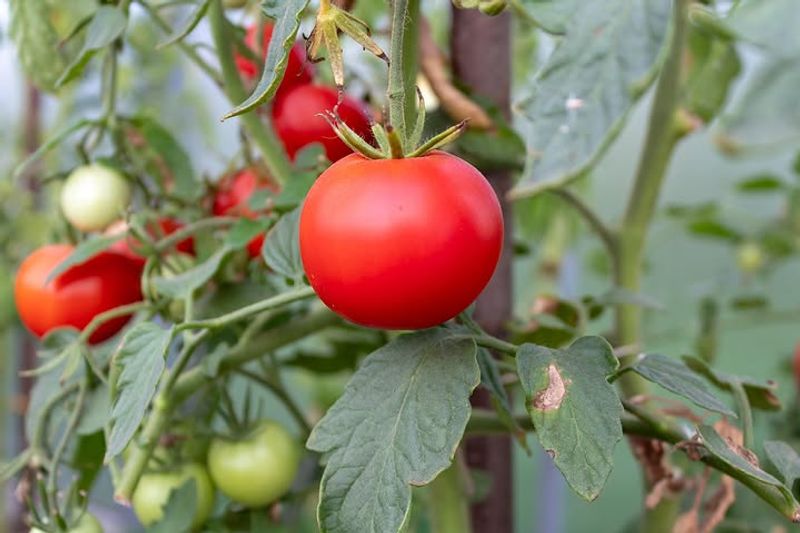
Too much nitrogen is one of the most common fertilizer mistakes tomato growers make, and the results are hard to miss. Plants fed heavy doses of nitrogen put out lush, dark green foliage that looks impressive but produces far fewer flowers and fruit than you want.
The plant is essentially channeling its energy into leaves instead of tomatoes.
A balanced fertilizer with roughly equal parts nitrogen, phosphorus, and potassium works well at transplant time and through early growth.
Once plants begin flowering, shifting to a fertilizer lower in nitrogen and higher in phosphorus and potassium helps push the plant toward fruit production.
Products labeled specifically for tomatoes and vegetables usually reflect this balance.
Georgia soils vary quite a bit depending on where you are in the state. Red clay soils in the Piedmont region often need compost worked in to improve structure and nutrient availability.
Sandy soils in South Georgia drain quickly and may need more frequent feeding since nutrients leach out faster. A basic soil test from your local UGA Extension office can tell you exactly what your soil needs before you start adding anything.
Feeding frequency matters too. A slow-release granular fertilizer applied every four to six weeks is generally more forgiving than liquid fertilizers applied too often.
With liquid feeding, it is easy to overdo it without realizing it.
7. Pick Ripe Fruit Often To Keep Plants Producing
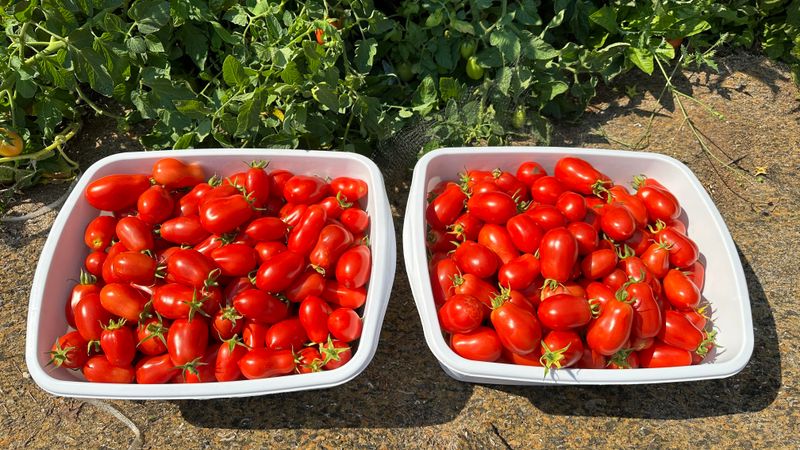
Leaving ripe tomatoes on the vine longer than needed is one of the quietest ways to slow down your harvest. A plant carrying fully ripe or overripe fruit starts putting energy into those tomatoes rather than pushing new flowers and setting fresh fruit.
Regular picking keeps that cycle moving forward.
Check your plants every two to three days once fruit starts coming in. In Georgia’s spring warmth, tomatoes can go from nearly ripe to overripe faster than you expect, especially during a stretch of warm weather in May and June.
A tomato that looks a day away from perfect in the morning can be cracking or attracting insects by the next afternoon.
Fruit does not have to be fully red on the vine to pick it. Tomatoes that have started to color and feel slightly soft to gentle pressure will finish ripening indoors at room temperature in just a day or two.
Picking at that stage also reduces the chance of birds, squirrels, or hornworms getting to your fruit before you do.
Consistent harvesting also makes it easier to spot problems early. When you are in the garden every few days pulling ripe fruit, you will notice pest damage, disease spreading on lower leaves, or spots forming on developing fruit before those issues get out of hand.