8 Early Blooming Perennials That Start The Season In Georgia Gardens
After a long winter, the first flowers that show up in a Georgia garden always feel a little special. While many plants are still waking up, a handful of hardy perennials are already pushing out fresh growth and the first bright blooms of the season.
These early starters bring color back to garden beds just when everything else still looks a bit quiet.
Georgia’s mild late winter and early spring weather gives several perennials a head start. As the soil begins to warm in February and March, these plants waste no time starting to grow.
Some open their flowers while trees are still bare, creating some of the first real signs that spring has arrived.
Planting a few early blooming perennials can make a huge difference in how a garden looks at the start of the season.
Instead of waiting weeks for color, these reliable plants help kick off the growing season with flowers that appear right when gardeners are ready to see life returning to the landscape.
1. Hellebore Opens Nodding Late-Winter Petals
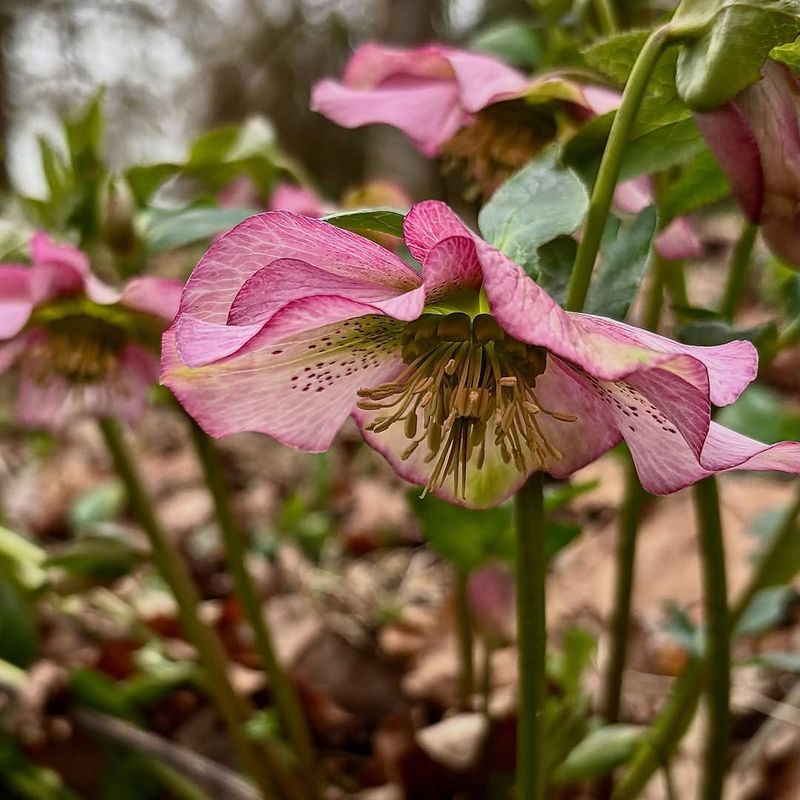
Few plants have the audacity to bloom in February, but hellebore pulls it off without breaking a sweat. In Georgia, where winters are mild enough to keep the ground workable, hellebores start pushing up flower buds while most other perennials are still dormant.
That alone makes them worth every square foot of garden space.
Plant them under deciduous trees where they’ll catch winter sun but stay shaded in summer. They prefer soil that drains well but holds some moisture.
Amend heavy Georgia clay with compost before planting, and they’ll settle in with very little fuss.
Flowers come in white, blush, deep plum, and near-black, and they hold for weeks rather than days. The nodding habit of the blooms is distinctive — you have to tip them upward to see the full face of the flower.
Worth doing, because the markings inside are often stunning.
Slugs can be a problem in wet springs, so check under foliage after heavy rain. Beyond that, hellebores are remarkably unfussy.
Divide clumps every few years in late summer to keep them blooming strongly. Georgia’s humid winters actually suit them well, and a mature clump in full bloom is one of the most striking sights a winter garden can offer.
Once established, hellebores are also surprisingly long lived, slowly forming larger clumps that return with dependable blooms every late winter in Georgia gardens.
2. Creeping Phlox Spreads Bright Color Across Beds
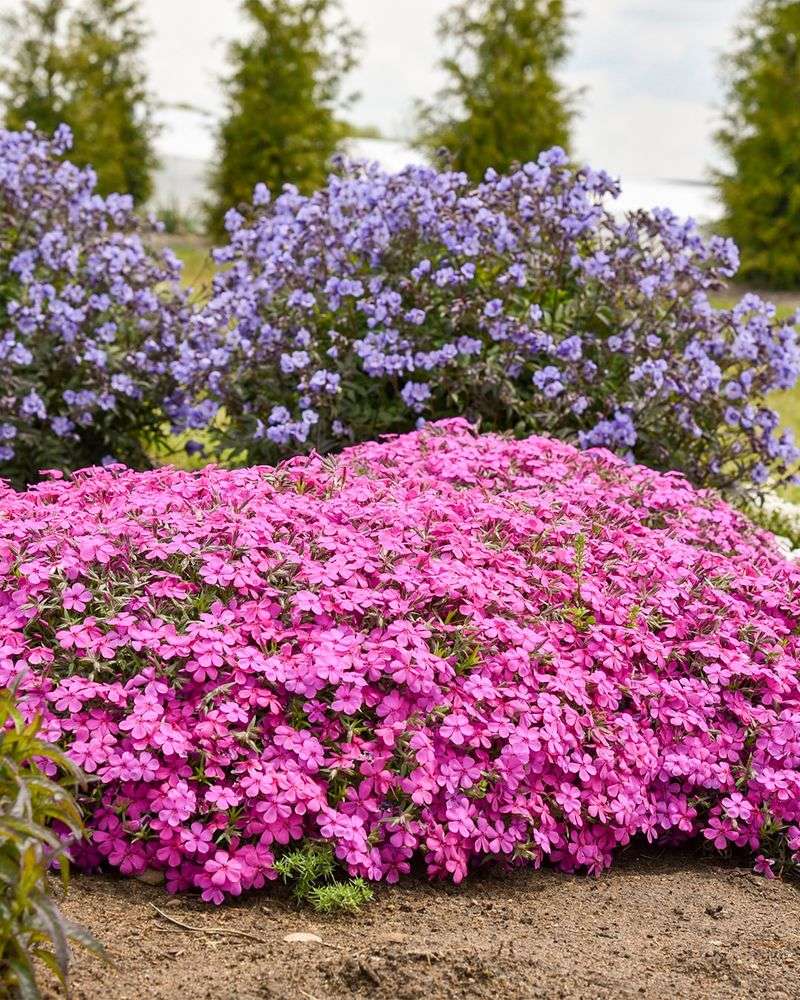
Creeping phlox earns its keep fast. By mid-March in Georgia, a well-established patch will be completely smothered in blooms — pink, lavender, white, or magenta depending on the variety.
From a distance, it looks like someone spilled paint across the ground.
It spreads by creeping stems that root where they touch soil, which makes it ideal for slopes, rock gardens, or the front edge of a sunny border. Full sun brings out the most blooms, but it tolerates light shade without much complaint.
Georgia’s spring heat can shorten the bloom window, so plant in a spot with afternoon shade if you want flowers to linger.
Your Georgia Garden Changes Every Week. Your Plan Should Too.
Gardening in Georgia changes quickly throughout the season. Every Friday you’ll receive a simple weekly plan showing exactly what to plant, prune, fertilize, harvest, and protect so you never miss the right timing.
Trim it back by about a third right after blooming finishes. That keeps the mat tight and encourages better coverage the following year.
Skip that trim, and the center can get woody and sparse over time.
Soil drainage matters more than soil richness here. Creeping phlox actually performs better in leaner, well-drained ground than in heavily amended beds.
If your Georgia yard has sandy soil or a rocky slope, that’s practically ideal. It roots quickly and fills gaps between stepping stones or along retaining walls with color that returns every single spring without any replanting required.
It also helps suppress weeds once the mat fills in, making it one of the easiest groundcovers for keeping sunny Georgia beds looking tidy.
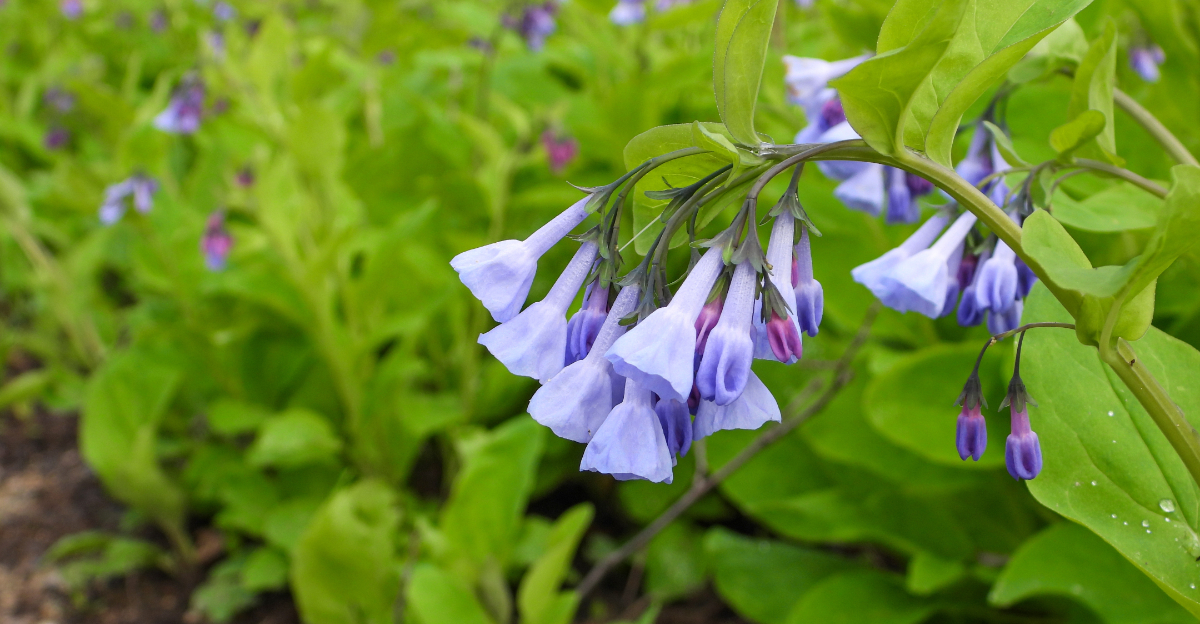
3. Virginia Bluebells Reveal Soft Blue Bells In Spring
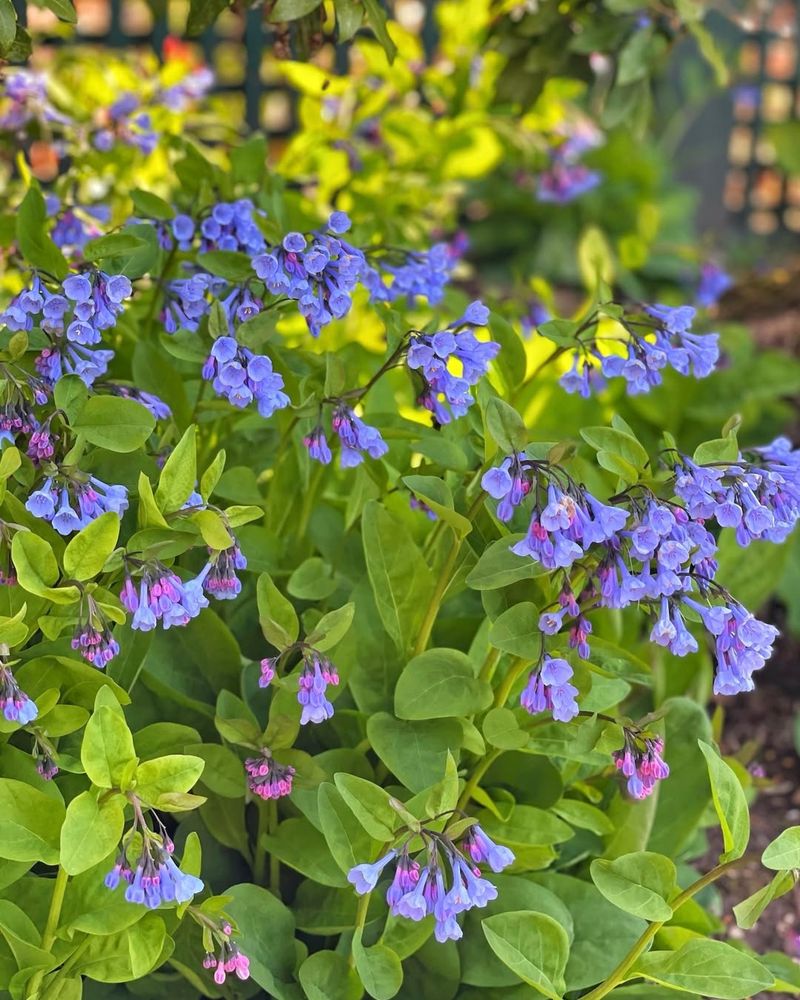
There’s a brief, magical window in early spring when Virginia bluebells take over a shaded Georgia garden bed with the kind of soft blue color you almost never see in the plant world. It lasts maybe three weeks.
Then the whole plant goes dormant and disappears until next year.
That disappearing act is the one thing you need to plan around. Mark where your bluebells are planted so you don’t accidentally dig them up in summer when no foliage remains.
Pair them with hostas or ferns, which fill in the gaps left behind after the bluebells fade.
They need consistently moist, organically rich soil and do best in partial to full shade. Georgia’s woodland gardens along creek banks or under hardwoods are about as close to perfect as it gets for this plant.
A spot that gets morning light and stays cool through the afternoon works well.
Bluebells spread by self-seeding, so a small initial planting can naturalize into a large colony over several years. Let the seed pods ripen and fall before cleaning up the bed.
Each tiny seed can become a new plant. In the right Georgia garden setting — shady, moist, undisturbed — Virginia bluebells will multiply into a spring display that genuinely stops people in their tracks.
After establishment, they ask for very little attention and simply return each spring when soil temperatures begin to warm.
4. Woodland Phlox Brings Light Fragrance To Garden Edges
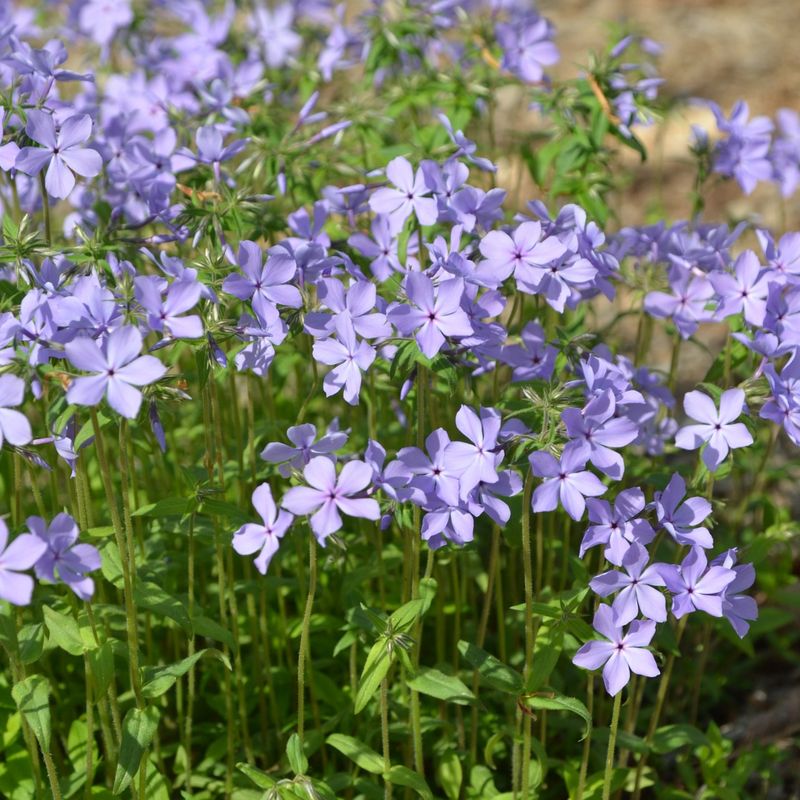
Walk past a patch of woodland phlox on a warm April morning in Georgia and the fragrance hits you before the flowers even come into view. It’s light and slightly sweet — not overpowering, just enough to make you stop and look for the source.
Also called wild blue phlox, this plant thrives along woodland edges and shaded borders where it gets filtered light and stays relatively cool. Georgia’s Piedmont region has plenty of spots like that, especially under pines or along fence lines with afternoon shade.
It blooms in soft lavender-blue from late March into May, bridging the gap between winter interest plants and summer perennials.
It spreads slowly by rhizomes and by self-seeding, eventually forming loose colonies that look completely natural. That relaxed, unstructured habit suits informal garden designs well.
If you’re trying to create a naturalistic or cottage-style edge, woodland phlox fits in without any effort.
Powdery mildew can appear in late summer, but by then the blooming season is long over and the foliage is less important. Good air circulation around plants helps reduce that problem.
Cut stems back after flowering to encourage tidy regrowth. Pollinators, especially early butterflies and native bees, visit the flowers regularly, adding movement and life to shaded Georgia garden corners right when the season is just getting started.
5. Columbine Shows Unique Spurred Petals In Spring
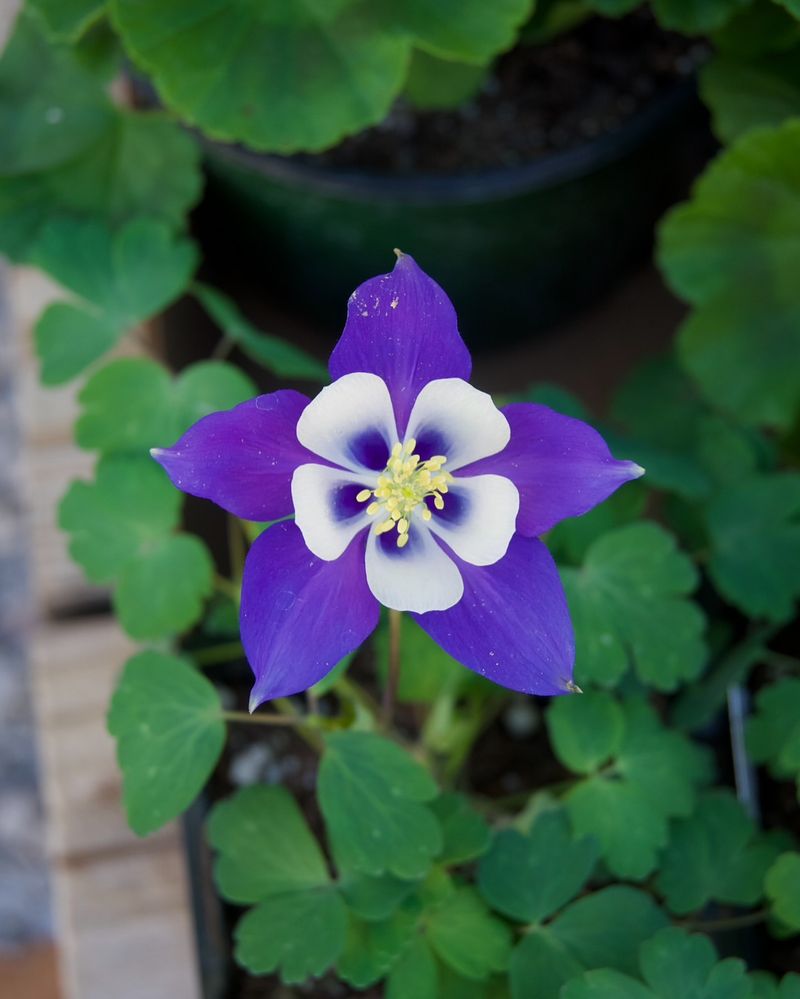
No other spring flower looks quite like columbine. Those backward-curving spurs and layered petals give it a look that’s almost architectural — complicated in the best way.
Hummingbirds figure out the nectar situation fast, and in Georgia they often arrive right when columbines hit peak bloom.
Columbines prefer partial shade and well-drained soil. In Georgia’s warmer zones, afternoon shade extends the blooming period noticeably.
Full sun tends to push plants toward an early finish, and the foliage often looks stressed by midsummer heat. A sheltered spot with morning light is ideal.
Seed directly into the ground in fall or early winter for blooms the following spring. Plants grown from seed often produce more interesting color variations than nursery transplants, and they tend to adapt better to local conditions.
Once you have columbines in a bed, they’ll self-seed and come back in slightly different spots each year, which gives the planting a natural, unplanned quality.
Leaf miners sometimes tunnel through the foliage, leaving pale trails across the leaves. It looks alarming but rarely affects the plant’s overall health or bloom production.
Simply remove affected leaves and move on. Columbines typically bloom for four to six weeks in Georgia’s spring, and a mix of varieties can stretch that window with overlapping color from early April into late May.
6. Bleeding Heart Forms Arching Stems With Pink Hearts
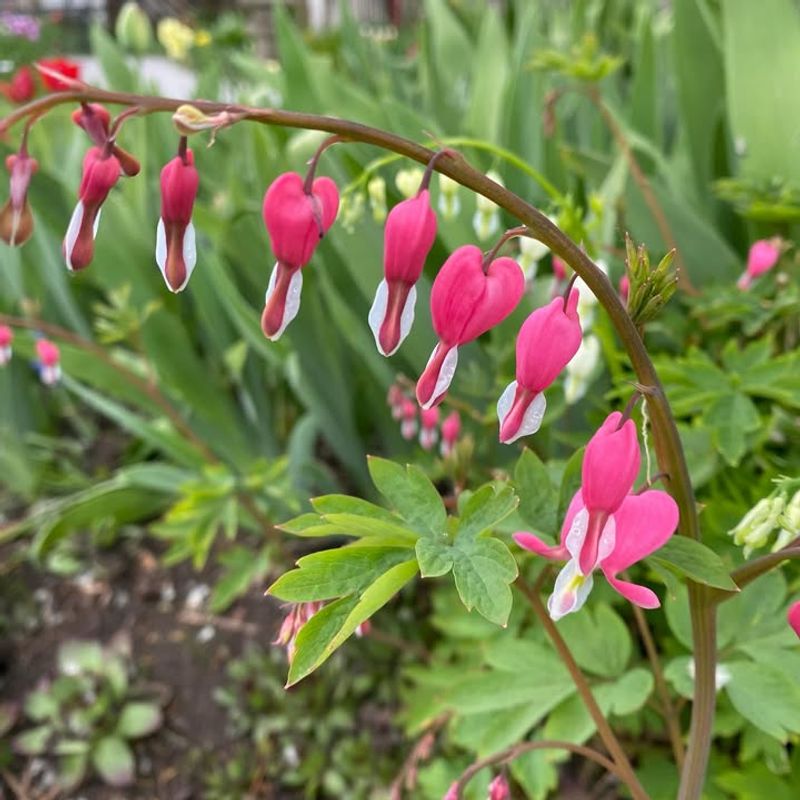
Bleeding heart is one of those plants that makes non-gardeners stop and ask what it is. The flowers look almost too perfect — small, heart-shaped, and hanging in a neat row from arching stems like tiny ornaments.
In Georgia, it blooms in early to mid-spring before the heat sets in.
Shade is non-negotiable for this one. Georgia summers are too intense for bleeding heart to handle in the open.
Plant it under trees or on the north side of a structure where it stays cool and gets indirect light. Moist, rich soil helps it establish quickly and produce more flower stems.
Like Virginia bluebells, bleeding heart goes dormant in summer. Plan for that gap by planting it near hostas, astilbe, or other shade perennials that fill in as the season progresses.
The combination works well in Georgia’s shaded beds and keeps the space looking full even after the bleeding heart disappears.
Fringed bleeding heart is a longer-blooming alternative that tolerates Georgia’s conditions slightly better than the classic variety. It stays in bloom from spring into early summer and doesn’t go fully dormant in mild years.
Both types are worth growing if you have shaded, moist spots available. A single mature clump in full bloom, with ten or more arching stems loaded with pink hearts, is genuinely one of spring’s best garden moments.
7. Candytuft Brightens Borders With Crisp White Petals
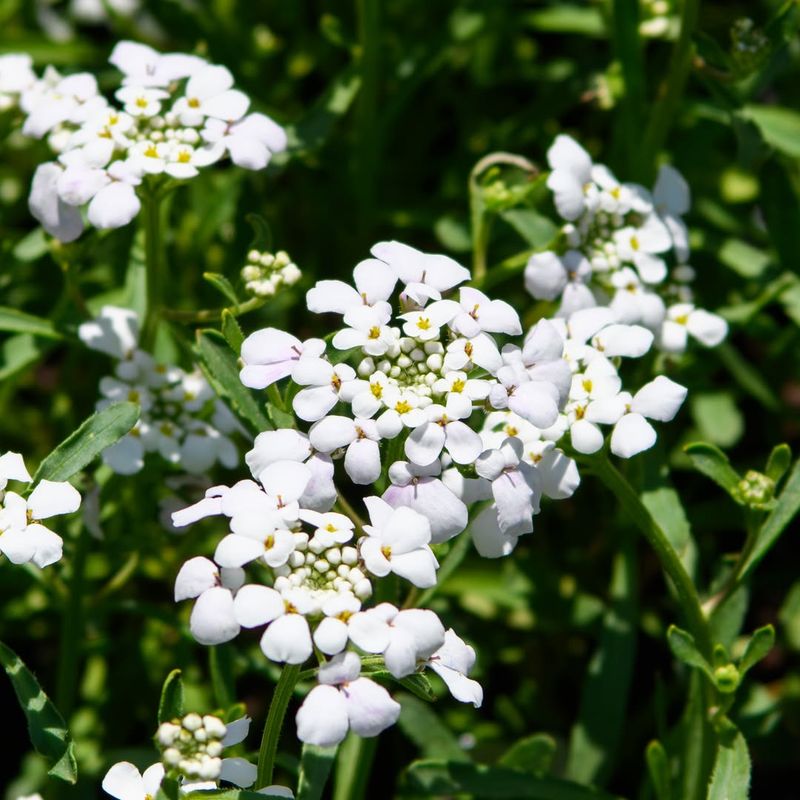
Candytuft blooms so heavily in early spring that the foliage completely disappears under the flowers. Pure white clusters pack together tightly across the plant, and from a few feet away the whole thing looks like a patch of snow that refused to melt.
It’s one of the cleanest-looking plants you can put in a Georgia border.
Full sun and sharp drainage are the main requirements. Candytuft actually prefers slightly alkaline soil, which is worth knowing if your Georgia soil runs acidic.
A light application of garden lime at planting time can make a noticeable difference in how vigorously it grows and blooms.
After flowering, shear the plant back by about a third. Skipping that step results in a looser, less tidy plant the following year.
The trim only takes a minute and keeps the mounding shape compact and attractive through the rest of the growing season.
Evergreen foliage means candytuft contributes to the garden even when it’s not blooming. The dark green, needle-like leaves look tidy through Georgia winters and provide contrast against early bulbs or other low plants.
It’s a reliable edging plant for sunny borders, and it pairs well with creeping phlox for a two-tone early spring display. Bloom time typically runs from late March into April, and established plants bloom more heavily with each passing year.
8. Bergenia Lifts Pink Petals Above Glossy Leaves
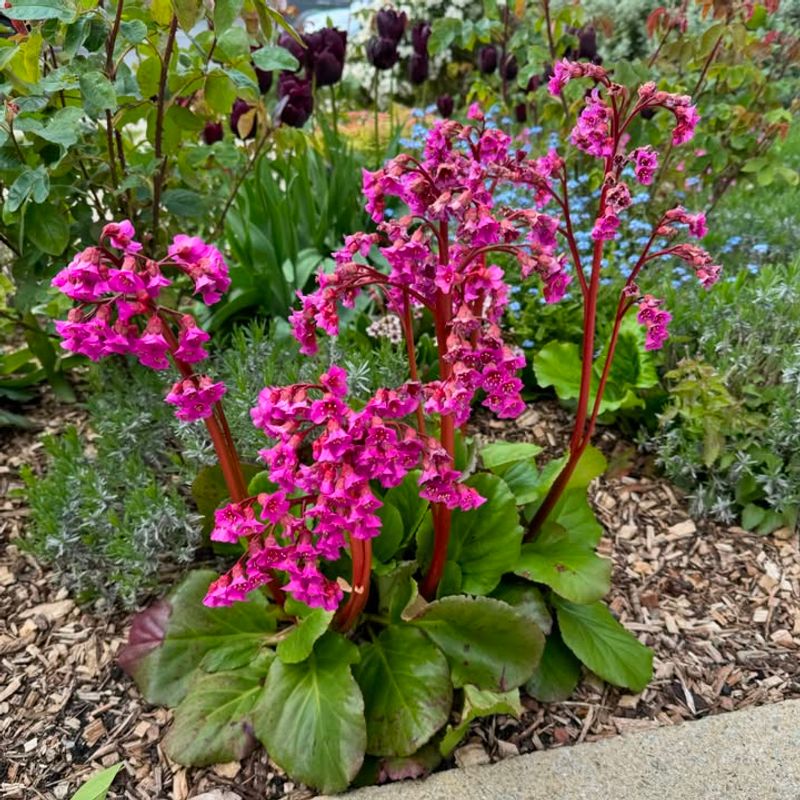
Bergenia does something clever in Georgia winters — its large, leathery leaves turn a deep reddish-bronze in the cold, then shift back to green as spring arrives.
By the time the flower stalks push up with their clusters of pink blooms, the whole plant has put on a two-season show already.
It handles shade better than most early bloomers and stays evergreen through Georgia’s relatively mild winters. Plant it along shaded paths, under trees, or at the base of shrubs where other plants struggle to get enough light.
The bold, rounded leaves provide strong textural contrast to finer-textured plants nearby.
Bloom stalks appear in late winter to early spring, typically February through March in central Georgia. Flowers are a clear, warm pink and hold up well even through late cold snaps, which is more than most early bloomers can claim.
Slugs occasionally target the foliage, especially in wet weather, so check periodically after heavy rain.
Divide clumps every three or four years to keep plants vigorous. Bergenia spreads slowly by thick rhizomes, and older sections in the center can become less productive over time.
Pull those out and replant the outer sections for a fresh, full-looking clump. Georgia gardeners who want bold foliage and reliable early color in a shaded spot often find bergenia is the most dependable option available.