This Is The Weed Ohio Lawns See First Each March And What To Do
March feels like a fresh start, but for Ohio lawns, it can be a rude awakening.
You might think the grass is waking up slowly from winter, but something green is already creeping across your yard – spreading fast, taking hold, and often going unnoticed until it’s everywhere.
Lawns across the state see it first, popping up in patches and along edges, challenging even the most careful gardeners. By the time you realize it, this early invader is hard to ignore and even harder to control.
That first March weed is henbit, sneaky, persistent, and ready to stake its claim in your lawn before spring even fully arrives.
1. This Is What Henbit Looks Like!
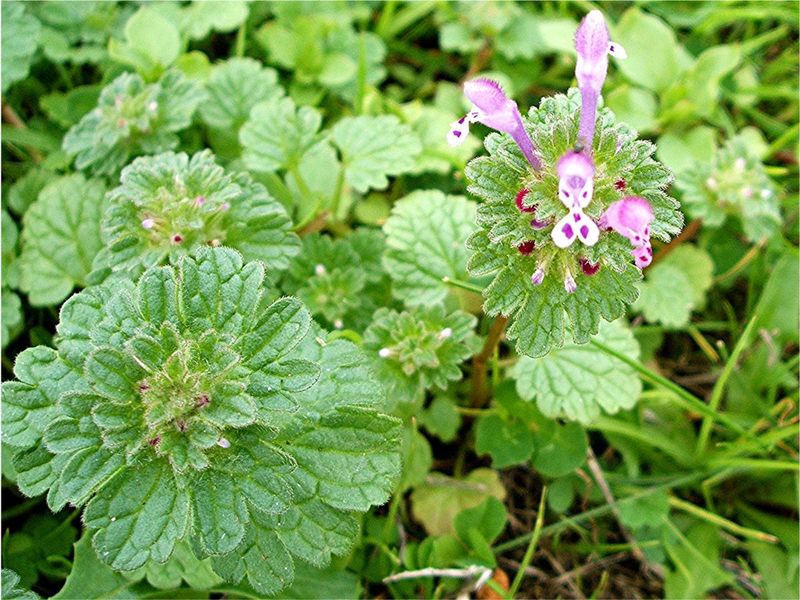
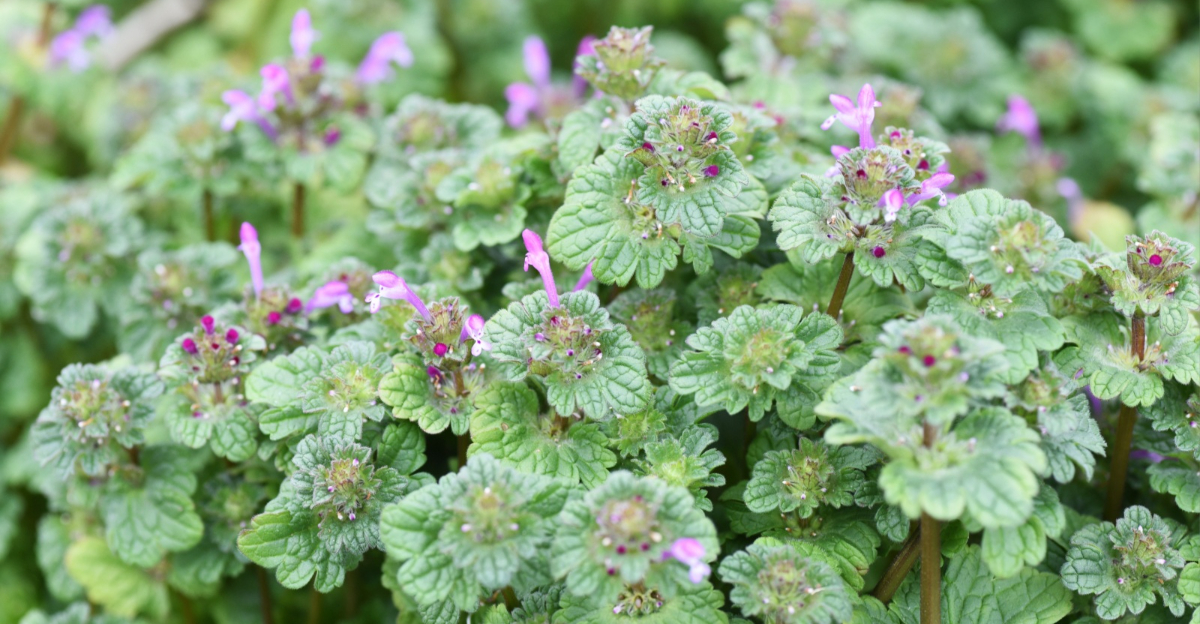
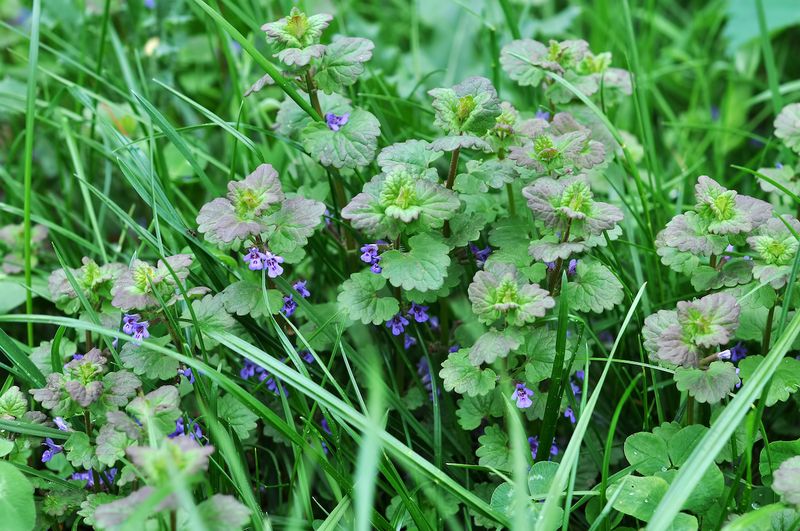
Spotting henbit early starts with knowing exactly what you are looking for. Henbit, known scientifically as Lamium amplexicaule, is a low-growing weed with rounded, scalloped leaves that wrap around the stem in pairs.
The leaves have a slightly wrinkled texture and a deep green color that stands out against dormant Ohio grass in early March.
One of the most recognizable features of henbit is its rosette growth pattern near the ground. Young plants hug the soil tightly, which makes them easy to overlook at first glance.
As the plant matures, it sends up square stems, a trait it shares with other members of the mint family.
By mid-March across Ohio, henbit produces small but vivid purple tubular flowers that bloom in clusters near the top of each stem. These flowers are actually quite pretty up close, but they signal that the plant is about to produce seeds.
The combination of purple blooms, scalloped leaves, and square stems makes henbit fairly easy to identify once you know what to look for in your lawn.
2. It Survives Winter To Appear Early
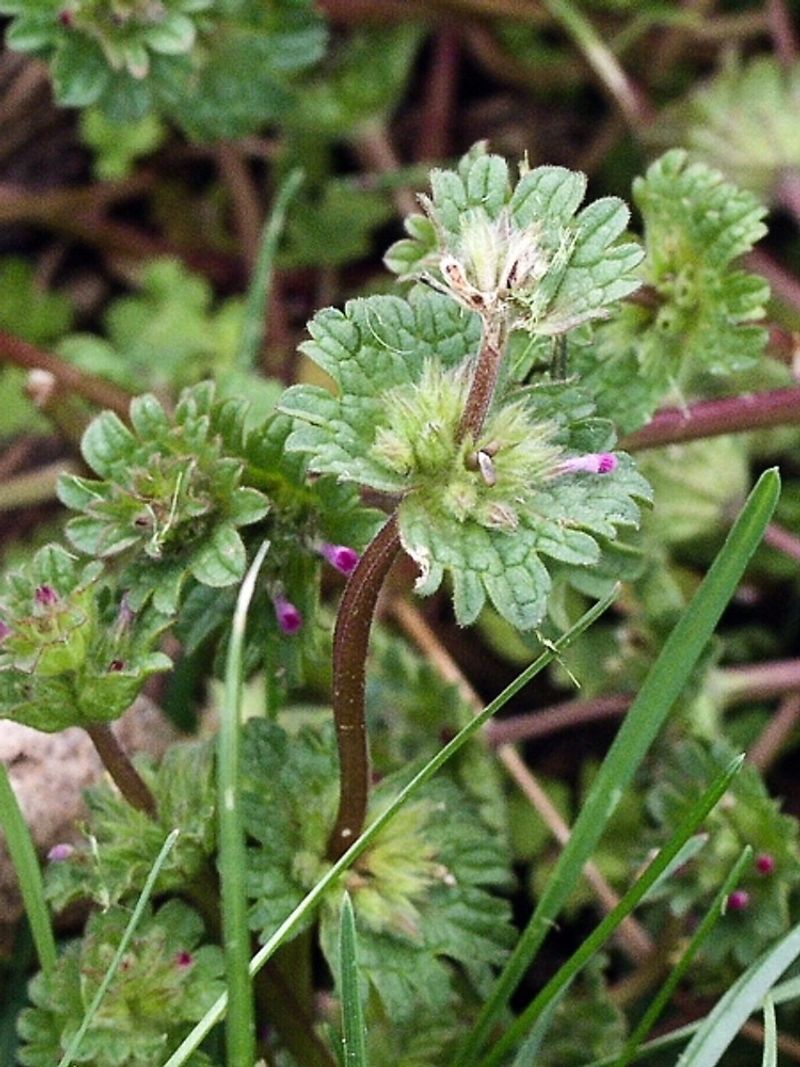
Henbit has a clever survival strategy that gives it a head start on every Ohio lawn each spring. It is classified as a winter annual, which means it germinates in the fall, survives through the cold months as a small seedling, and then explodes into growth the moment temperatures begin to rise in late February or early March.
While your Kentucky bluegrass or tall fescue is still dormant and waiting for warmer soil, henbit is already actively growing. Ohio winters can be brutal, but henbit seedlings are tough enough to handle frost, snow cover, and freezing temperatures without much trouble.
The plant essentially uses winter as a waiting period before its big spring growth push.
Ohio State University Extension notes that winter annual weeds like henbit thrive in the gap between dormant turf and actively growing grass. That window, usually spanning late February through mid-April in most parts of Ohio, is when henbit does the most damage.
Because there is little competition from your lawn grass during this period, henbit spreads freely and establishes strong roots before you even think about your first mow of the season.
3. Pull Or Mow It As Soon As You Spot It
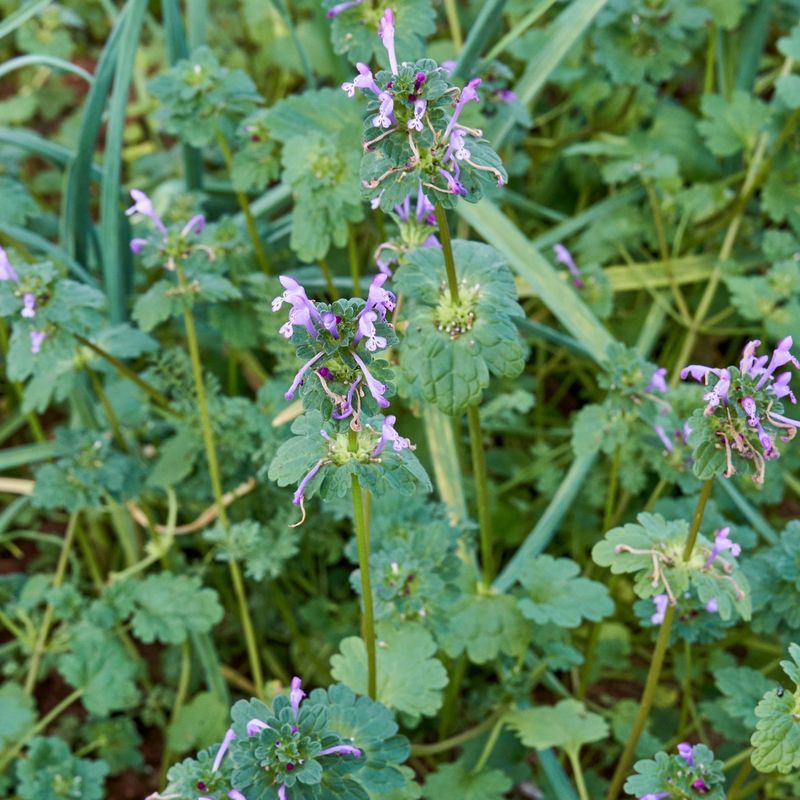
When you first notice henbit popping up in your Ohio yard, the fastest and most satisfying fix is to simply pull it out by hand. Henbit roots are relatively shallow, especially in moist early-spring soil, so removal is easier than you might expect.
Your Ohio Garden Changes Every Week. Your Plan Should Too.
Gardening in Ohio changes quickly throughout the season. Every Friday you’ll receive a simple weekly plan showing exactly what to plant, prune, fertilize, harvest, and protect so you never miss the right timing.
Grab the plant low near the base and pull firmly but gently to get as much root as possible.
For larger patches spread across your lawn, mowing can help knock henbit back before it flowers. Set your mower to a height of about three inches and run it over affected areas.
Mowing will not eliminate henbit completely, but it slows the plant down and, more importantly, removes the flower heads before they can produce seeds.
Ohio homeowners dealing with thin or patchy lawns should be especially proactive about early removal. Bare or sparse turf gives henbit plenty of room to spread unchecked.
After pulling or mowing, consider raking the area lightly and overseeding with a grass variety suited to Ohio conditions, such as tall fescue or perennial ryegrass. Filling in bare spots quickly reduces the open ground that henbit loves to colonize each spring.
4. Use Herbicides Only At The Right Time
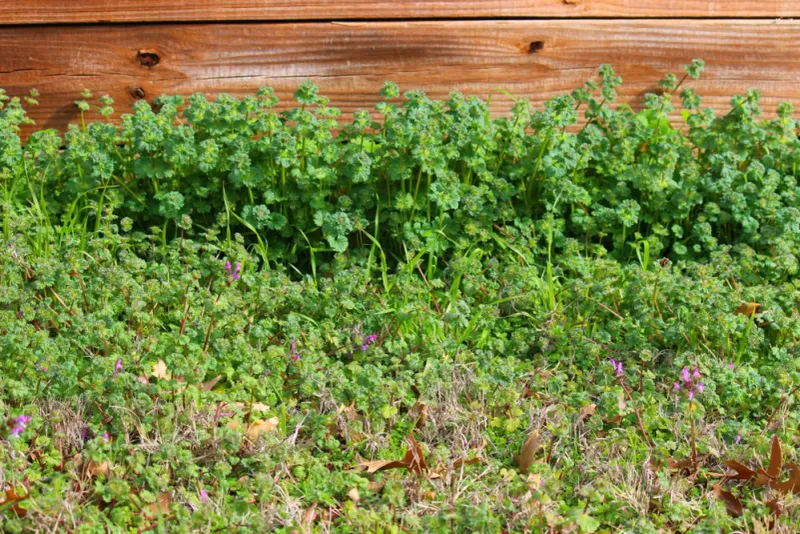
Herbicides can be a powerful tool against henbit, but timing is everything when it comes to getting real results in Ohio lawns. There are two main types to consider: pre-emergent and post-emergent herbicides, and each works at a different stage of the weed’s life cycle.
Pre-emergent herbicides are applied in late summer or early fall, before henbit seeds germinate. Products containing trifluralin or pendimethalin are commonly used by Ohio lawn care professionals to interrupt the germination process.
If you missed the fall window, do not worry, post-emergent herbicides applied in early spring can still tackle actively growing henbit plants.
For post-emergent control, look for broadleaf herbicide products containing 2,4-D, dicamba, or triclopyr. These are widely available at Ohio garden centers and work best when henbit is young and actively growing, typically before it flowers.
Always read the product label carefully and avoid applying on windy days or when rain is expected within 24 hours. Ohio State University Extension recommends spot-treating where possible to minimize impact on surrounding turf and garden areas.
Using herbicides responsibly protects your lawn, your family, and the local environment.
5. Strong Grass Helps Keep Henbit Away

A thick, healthy lawn is honestly the best long-term defense against henbit and nearly every other weed that troubles Ohio yards. Weeds like henbit thrive in thin, stressed, or compacted turf because bare soil gives their seeds a place to land and take hold.
When your grass is dense and vigorous, there simply is not enough open space for henbit to get a foothold.
Fertilizing your Ohio lawn at the right time makes a big difference. A light application of a slow-release nitrogen fertilizer in early spring, once soil temperatures reach around 50 degrees Fahrenheit, encourages grass to green up and fill in quickly.
Avoid heavy fertilizer applications too early, as this can push tender growth that is vulnerable to late-season cold snaps still common in Ohio through March and April.
Mowing height also plays a surprisingly large role in weed suppression. Keeping your turf at three to four inches tall shades the soil surface, making it harder for henbit seeds to germinate.
Overseeding thin areas in the fall with Ohio-appropriate grass varieties like turf-type tall fescue creates a thicker canopy that crowds out winter annuals before they even get started. A well-fed, properly mowed lawn is your strongest natural ally.
6. Avoid Letting It Flower And Seed
Here is a fact that changes how you think about henbit: a single plant can produce hundreds of seeds before the end of spring. Once those seeds drop into your lawn’s soil, they will sit quietly through the summer and germinate again in the fall, setting up the same problem all over again next March.
Stopping henbit before it flowers is one of the smartest moves an Ohio homeowner can make.
The window for action is narrow but very manageable. In most parts of Ohio, henbit begins to flower sometime between mid-March and early April, depending on the year’s weather patterns.
If you pull plants or apply post-emergent herbicide before those purple blooms open fully, you cut the reproductive cycle off at its source and dramatically reduce next year’s weed pressure.
Even if some flowers have already opened, do not give up. Removing flowering plants before seed pods mature still prevents a significant portion of next year’s seedbank from building up.
Bag the pulled plants rather than composting them, since henbit seeds can survive in a compost pile and end up back in your yard. Acting quickly during this critical window saves you a lot of work down the road and keeps your Ohio lawn looking clean through spring and summer.
7. Prepare Now To Prevent It Next Year
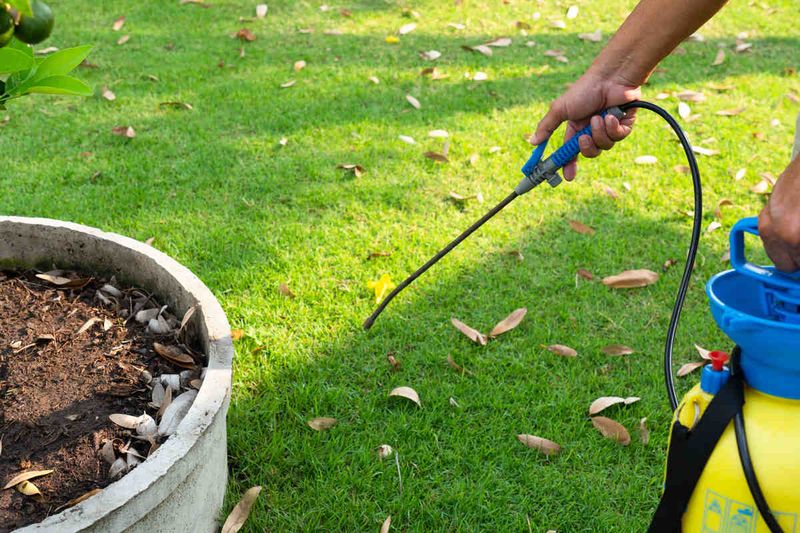
The best time to fight next year’s henbit is actually this fall. Because henbit is a winter annual that germinates in autumn, applying a pre-emergent herbicide in late August or early September in Ohio can stop new seeds from sprouting before winter even arrives.
Products containing dithiopyr or pendimethalin are solid choices for fall pre-emergent applications across most Ohio lawn types.
Soil health plays a bigger role in weed prevention than many Ohio homeowners realize. Compacted soil is harder for grass roots to penetrate but easy for weed seeds to colonize.
Core aeration in the fall loosens compacted ground, improves drainage, and helps your grass establish a deeper, stronger root system that competes more effectively with weeds like henbit through the following spring.
Mulching garden beds and bare areas near your lawn also reduces henbit pressure by covering the soil surface where seeds would otherwise germinate freely. A two-to-three inch layer of shredded wood mulch in garden borders keeps weed seeds from making contact with the soil.
Combining fall pre-emergent treatments, core aeration, overseeding, and smart mulching gives your Ohio lawn a comprehensive layer of protection that makes each March a little less weedy than the last.