Why March Is One Of The Best Months For Landscaping In Phoenix, Arizona
Many Phoenix homeowners start thinking about their yard around this time of year.
Outdoor spaces suddenly feel more inviting, and it becomes easier to imagine new plants, refreshed garden beds, or small landscape upgrades that can change how the whole yard looks.
After months of quieter garden activity, the landscape begins to pick up momentum again.
Landscaping in the desert often comes down to timing. Certain parts of the year give plants a better chance to settle in, and working outside is simply more comfortable before temperatures begin climbing toward the extreme heat Phoenix is known for.
Small improvements made at the right moment can have a lasting impact on how a yard performs later in the season.
Because of these conditions, many gardeners and homeowners start focusing on landscaping projects now, taking advantage of a window that can make outdoor upgrades much easier and more successful.
1. Mild March Temperatures Make Landscaping Work Easier
Working outside in Phoenix during July feels like standing next to an open oven. March is a completely different story.
Average highs hover in the low-to-mid 70s, and mornings start out in the high 40s, which makes it genuinely pleasant to spend a few hours digging, planting, and hauling materials around your yard without overheating.
That comfortable temperature range is not just good for the person doing the work. It also reduces the amount of water you need to keep new plants alive right after planting.
When the air is cooler, moisture stays in the soil longer, which gives roots a better chance to grab hold before they face any stress.
Phoenix landscapers and local nurseries both tend to get busy in March for exactly this reason. Residents who wait until April or May often find that the window for comfortable outdoor work has already started closing.
By late April, afternoon temperatures in the Phoenix metro area can push into the 90s, and physical outdoor labor becomes much more demanding.
Getting your landscaping done in March also means you can take your time and do the job right. No rushing to beat the heat, no cutting corners on soil prep or plant spacing.
You can work at a steady pace, pay attention to the details, and end up with results that actually hold up through the summer months ahead.
2. Plants Can Establish Roots Before Extreme Summer Heat
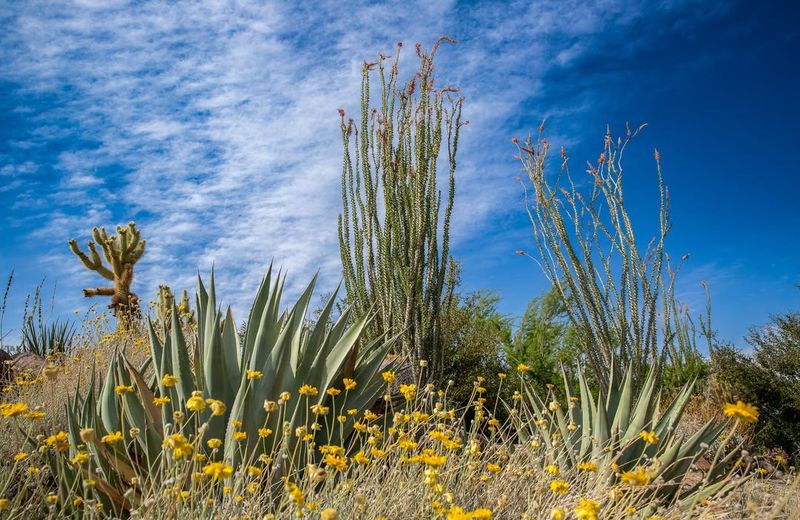
Root development is where everything starts. A plant that goes in the ground in March has roughly two to three months to push roots outward and downward before Phoenix temperatures climb into triple digits.
That head start matters more than most people realize when it comes to whether a plant survives its first summer.
Warm soil is a big part of why March works so well. Even when air temperatures feel mild, the ground in the Phoenix area retains heat from the previous months.
Roots respond to soil warmth by growing actively, and soil temperatures in March are usually ideal for encouraging that kind of root expansion in desert-adapted plants.
Your Arizona Garden Changes Every Week. Your Plan Should Too.
Gardening in Arizona changes quickly throughout the season. Every Friday you’ll receive a simple weekly plan showing exactly what to plant, prune, fertilize, harvest, and protect so you never miss the right timing.
Plants that go in the ground in late spring or early summer do not get that same runway.
They land in already-hot soil, face intense sun from their very first days, and often struggle to keep up with water demand before their roots have spread enough to support the plant properly.
March plantings simply have better odds from the start.
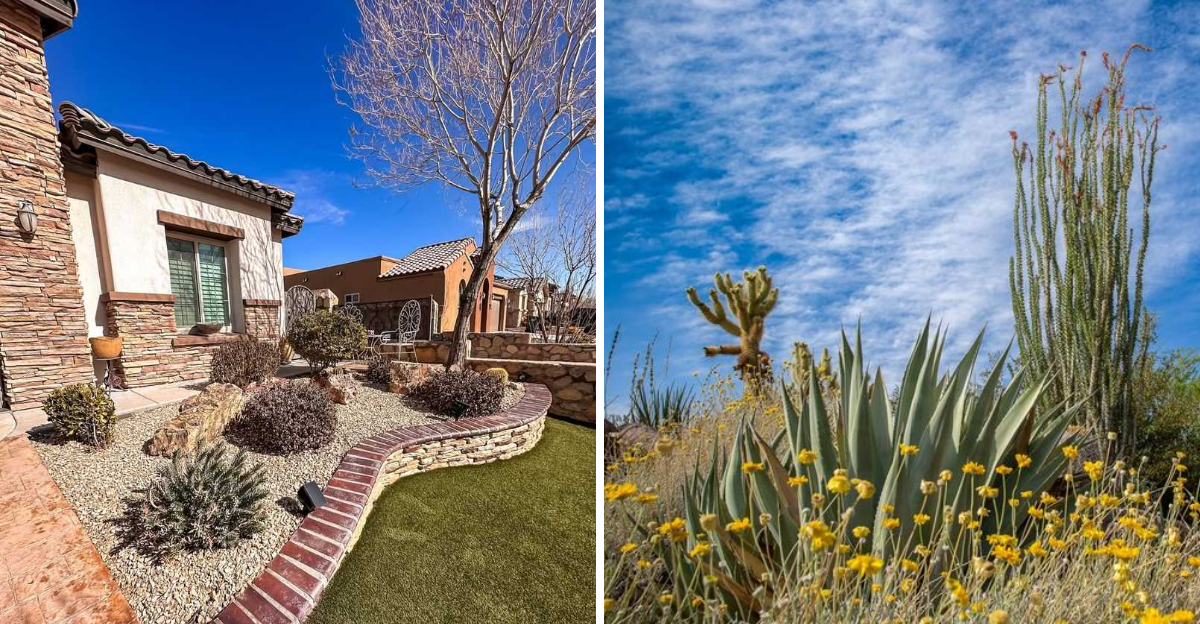
Shrubs like desert willow, Texas sage, and brittlebush all benefit from a March planting window in Phoenix. Even larger plants like desert spoon and agave varieties settle in faster when given cooler conditions to start.
Giving any plant extra time to anchor itself before the brutal heat arrives is one of the smartest things a Phoenix homeowner can do for long-term landscape success.
3. Spring Is A Good Time To Plant Desert Trees And Shrubs
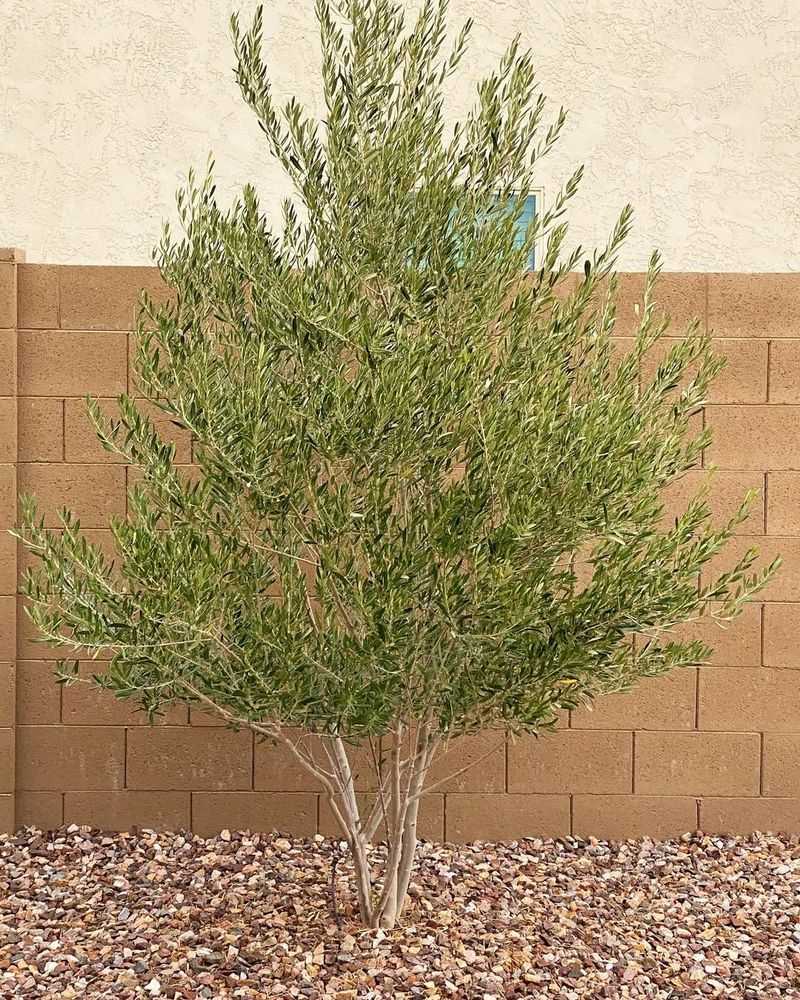
Few things change the look of a Phoenix yard faster than a well-placed tree or shrub. Spring is when local nurseries stock up on some of the best desert-adapted options, and March is right at the front of that wave.
Palo verde, ironwood, and desert willow are all excellent choices that handle Phoenix summers without needing constant attention once they get settled.
Shrubs like Texas ranger, globe mallow, and creosote are also worth considering for March planting in the Phoenix area.
These plants have been thriving in the Sonoran Desert for thousands of years, and they respond well to spring planting because the soil conditions match what they naturally prefer.
A little digging, some proper backfill, and consistent watering for the first few weeks is usually all they need.
Spacing matters more than people often think when adding trees and shrubs in a Phoenix landscape. Desert plants spread out more than they look like they will when young.
Giving them room now prevents crowding problems down the road and allows each plant to develop its full natural shape without competition.
Planting in March also gives you time to watch how each plant responds before the heat arrives. If something is not getting enough water or is planted in a spot with poor drainage, you will notice the signs early and have time to adjust.
Summer does not give you that same grace period, so spring planting comes with a built-in safety net that is hard to beat.
4. Cooler Weather Reduces Stress On Newly Planted Plants
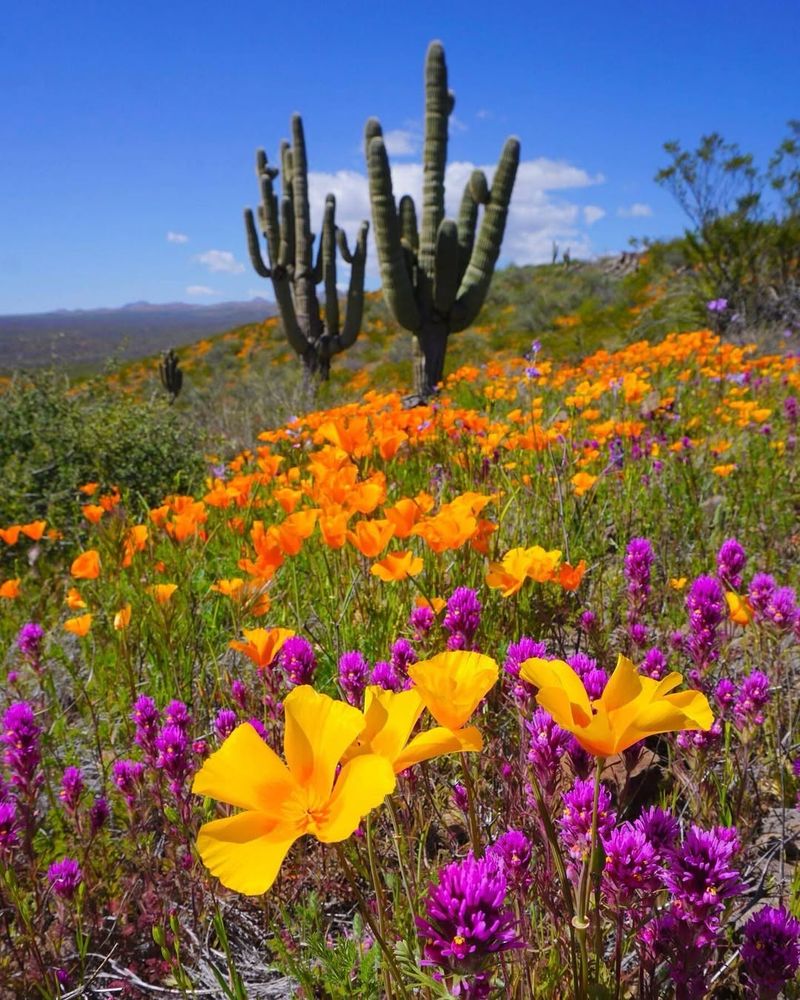
Stress is real for plants, especially right after they get moved from a container into the ground.
Roots that were used to a contained environment suddenly have to push into unfamiliar soil, and the plant has to keep feeding its leaves while that adjustment happens.
Cooler air temperatures in March make that transition significantly smoother.
High heat forces a plant to work hard just to stay alive. Leaves lose moisture faster, the soil dries out quickly, and a newly planted root system often cannot keep up with demand.
In Phoenix, that scenario plays out every summer with plants that were put in the ground too late. March sidesteps most of those problems by giving plants a gentler starting environment.
Wind is another factor that Phoenix residents deal with regularly. March can bring some breezy days, but the combination of mild temperatures and moderate wind is far less damaging than the hot, dry winds that blow through the Valley in May and June.
Newly planted shrubs and trees handle March breezes without much trouble.
Watering schedules are also easier to manage in cooler conditions. A plant installed in March typically needs water every two to three days for the first couple of weeks, then can be gradually reduced.
Compare that to a summer planting that may need daily watering just to stay alive, and the difference in effort and water cost becomes obvious. Phoenix water bills in summer are already high enough without adding extra irrigation for stressed new plants.
5. Preparing Soil With Compost Helps Improve Desert Ground
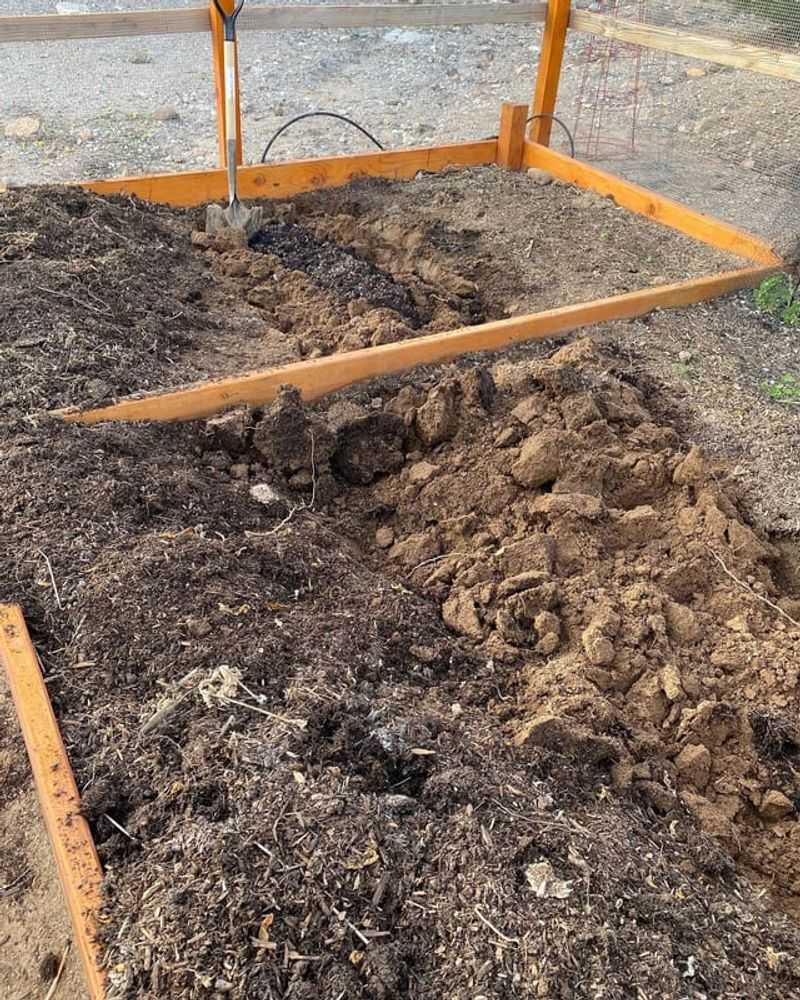
Phoenix soil is mostly caliche and compacted clay or sand, depending on where you live in the Valley. Neither type is particularly friendly to plant roots right out of the box.
Adding compost in March before planting is one of the most practical things you can do to give your landscape a real foundation to grow from.
Compost improves soil structure in two important ways. In sandy areas, it helps the soil hold moisture longer so roots can actually absorb water before it drains away.
In clay-heavy or caliche-dominated zones, it breaks up compaction and creates small air pockets that roots can move through more easily. Either way, the improvement is noticeable within a single growing season.
March is a good time to work compost into the ground because the soil is not yet baked hard by summer heat. Digging is easier, and freshly turned soil can settle and integrate before you start planting.
Waiting until summer to improve soil is much harder physically and less effective because dry, hot soil does not absorb organic matter as efficiently.
Local garden centers in Phoenix usually carry compost in bulk or bags, and some municipalities offer free compost programs that are worth checking into. A two-to-three inch layer worked six to eight inches deep makes a meaningful difference.
Pairing improved soil with good drainage and appropriate plant selection puts your Phoenix landscape in a much stronger position heading into the warmer months ahead.
6. Installing Drip Irrigation Is Easier Before Hot Weather
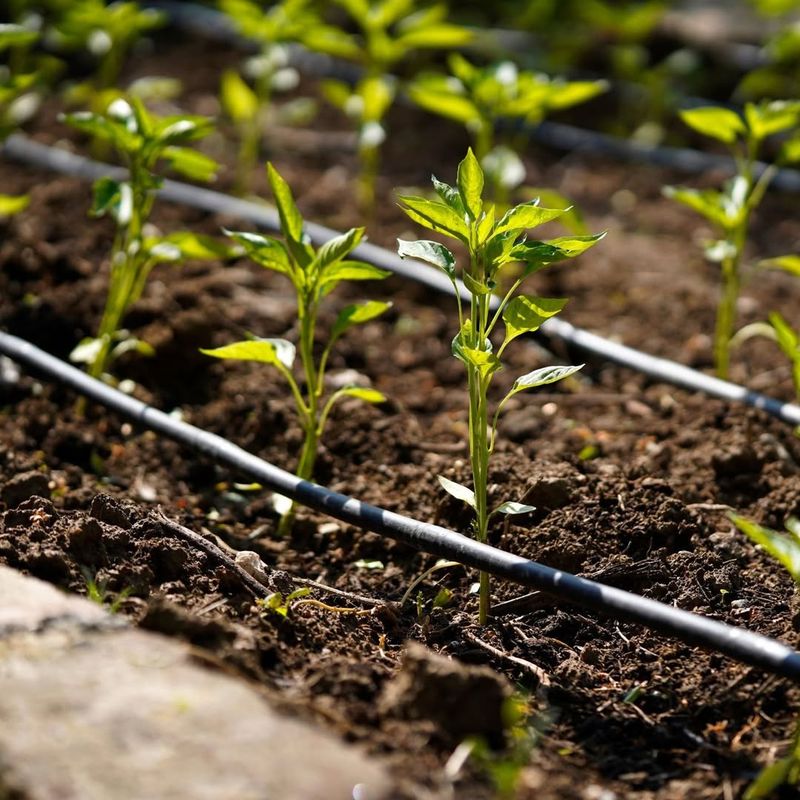
Nobody wants to be on their hands and knees running irrigation tubing across a Phoenix yard in July. March gives you a comfortable window to plan, install, and test a drip system before the heat makes outdoor work genuinely unpleasant.
Getting irrigation in place before summer is one of those tasks that pays off every single month afterward.
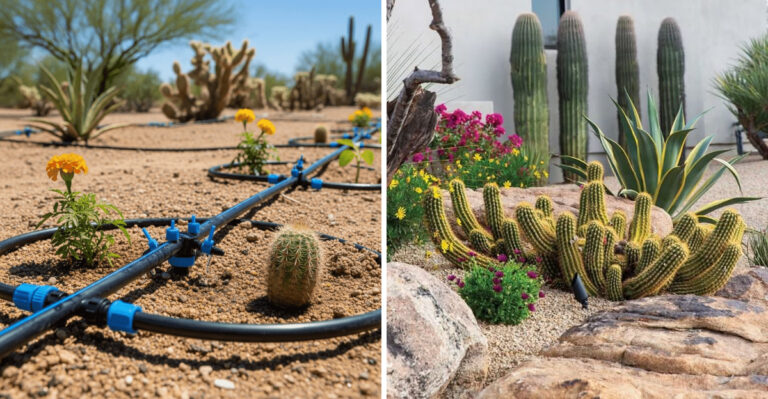
Drip irrigation is particularly well-suited for desert landscapes because it delivers water directly to the root zone rather than broadcasting it across the surface.
In Phoenix, where water conservation matters and evaporation rates are high, that efficiency adds up fast.
A properly installed drip system can cut outdoor water use significantly compared to traditional spray heads or hand watering.
March is also a practical time to check existing irrigation systems for problems. Winter can shift tubing, clog emitters, or leave small cracks in fittings that are not obvious until water starts running.
Walking your system in March and making repairs before the heat arrives means you are not scrambling to fix a broken emitter in 105-degree weather with stressed plants waiting for water.
Emitter placement matters a lot in desert landscapes. Putting emitters too close to the base of a plant can encourage shallow root growth, while placing them a foot or two out from the trunk pushes roots to spread outward.
A little planning during the March installation process leads to healthier plants and a more efficient system overall. Phoenix summers are long, and a good irrigation setup earns its value every single day.
7. Adding Mulch Early Helps Protect Soil As Temperatures Rise
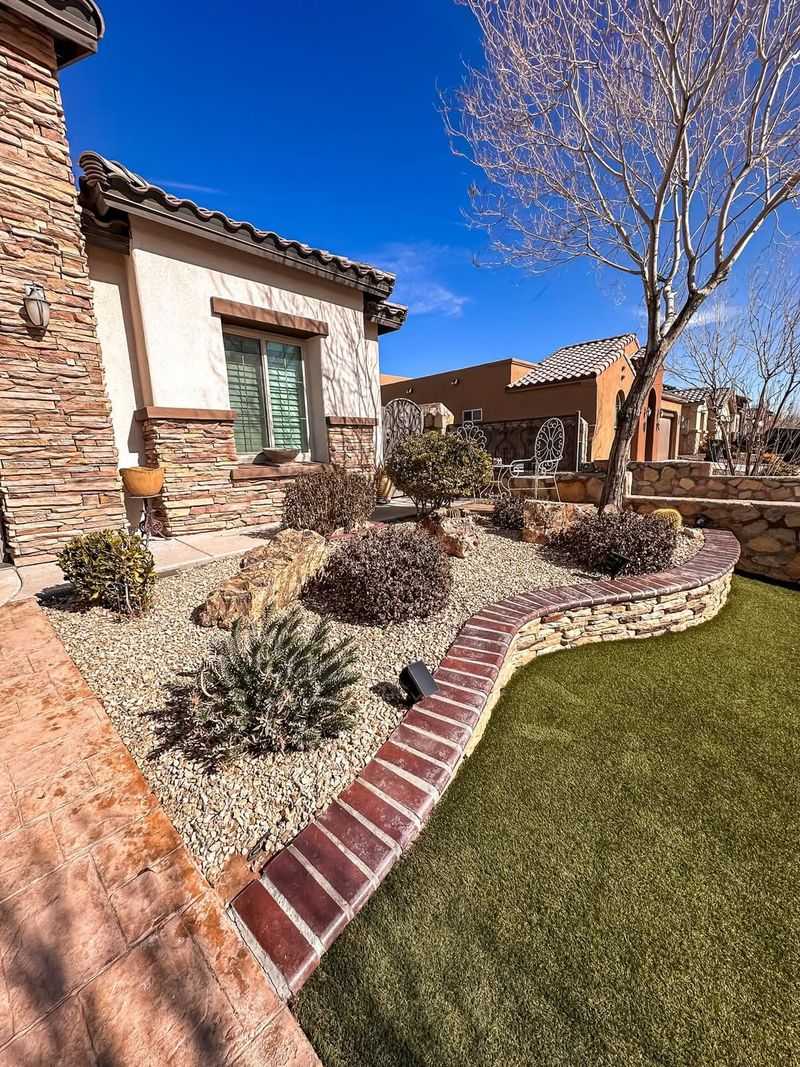
Bare soil in a Phoenix yard is basically an invitation for problems. Without some kind of ground cover, soil temperatures can spike dramatically on hot days, moisture evaporates almost immediately after watering, and weeds find it easy to take hold.
Laying mulch in March, before temperatures start climbing, puts a protective layer in place right when it is needed most.
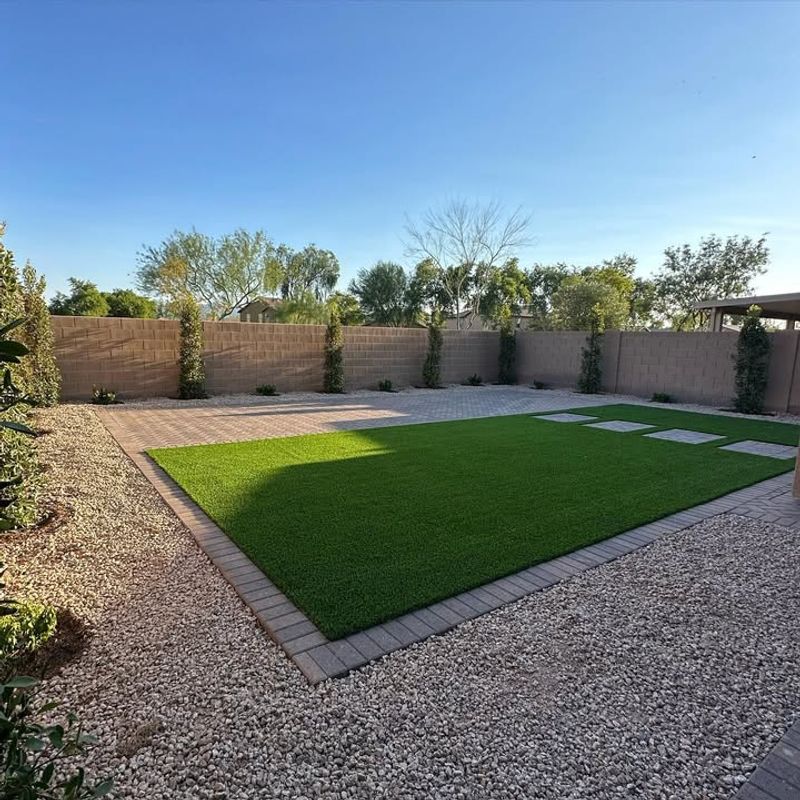
Decomposed granite is one of the most common ground covers in Phoenix landscapes. It blends naturally with the desert aesthetic, does not break down quickly, and does an effective job of reducing soil temperature and slowing evaporation.
A three-to-four inch layer around plants and across open soil areas makes a real difference in how much water your landscape needs through the summer.
Organic mulch options like wood chips or shredded bark also work well in Phoenix landscapes, especially in planting beds where improving soil health over time is a goal.
Organic mulch breaks down slowly and adds nutrients back into the soil as it decomposes.
Around trees and larger shrubs, a ring of organic mulch a few inches deep can meaningfully reduce the watering frequency needed during hot months.
Pulling weeds before laying mulch is worth the extra effort in March. Covering established weeds with mulch does not always stop them, but starting with clean ground and then covering it gives you a much better result.
Phoenix has its share of aggressive weeds, and getting ahead of them in early spring is far easier than dealing with a full infestation once summer warmth speeds up their growth cycle.