This Yard Upgrade Is Replacing Patchy Grass In Arizona Front Yards
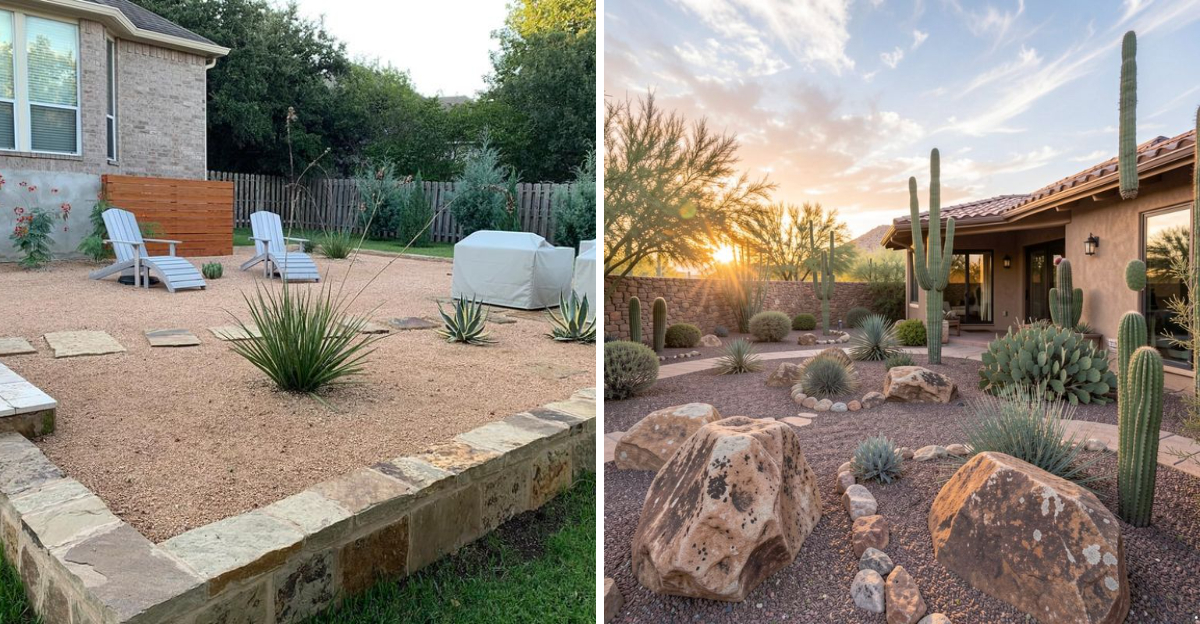
Your front yard can look worn out before summer even starts, especially in Arizona where grass struggles to stay consistent for long. One section turns thin, another loses color, and the whole space ends up looking uneven no matter how much effort goes into it.
You try to keep it in shape, yet the results never seem to hold once heat settles in. It becomes something you keep fixing instead of something that actually stays looking right.
Lately, more yards have started to shift in a noticeable way, especially in areas where grass never quite works the way it should.
That change does not come from doing more. It comes from doing something differently, and once it shows up, the entire yard starts to feel cleaner, more stable, and far easier to keep that way through Arizona conditions.
1. Decomposed Granite Replaces Patchy Grass In Front Yards
Walk down almost any street in Phoenix or Scottsdale right now, and you will notice something: fewer lawns, more gravel.
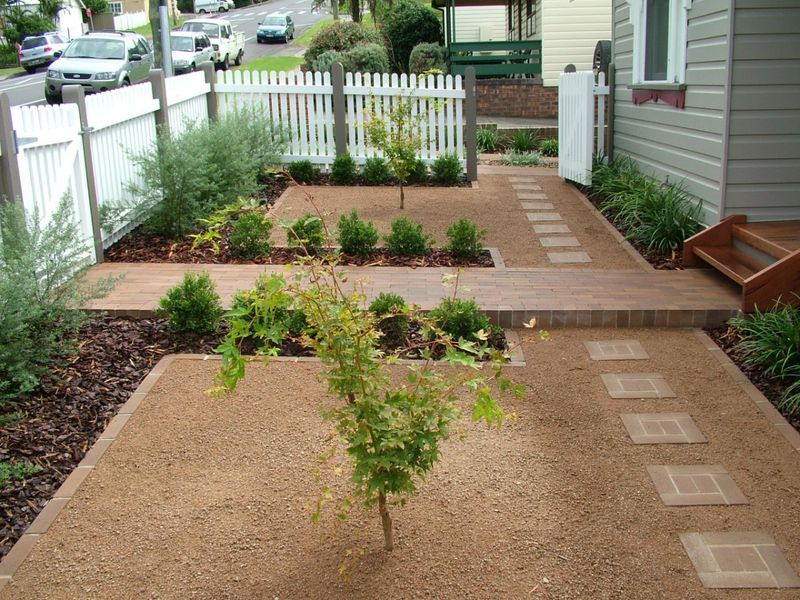
Decomposed granite, often called DG, has quietly taken over as the go-to ground cover for Arizona front yards, and it makes a lot of sense once you understand the climate here.
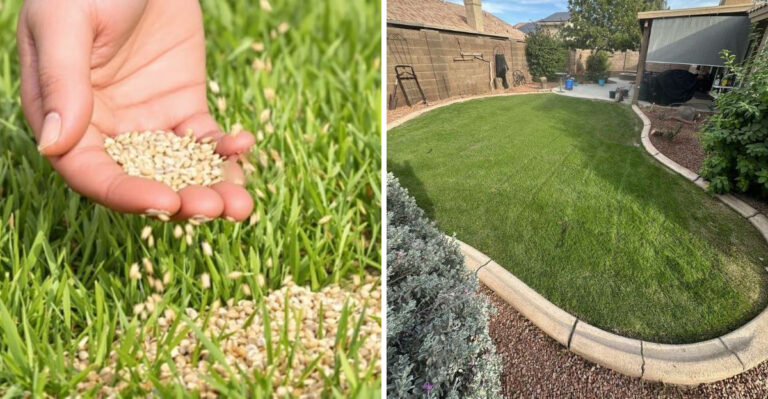
DG is crushed granite rock broken down into small, irregular particles. It packs down firmly when compacted, creating a stable surface that looks tidy without needing any water at all.
Homeowners in Tucson and Mesa have been switching for years, and the trend keeps growing as water restrictions tighten across the state.
Colors range from warm gold and rust to gray and buff, so it blends naturally with adobe-style homes and modern desert builds alike. You can pair it with cacti, agaves, or native shrubs to create a yard that actually looks intentional rather than neglected.
Installation is straightforward. Most landscapers lay a weed barrier fabric first, then spread DG two to four inches deep over the top.
That depth helps suppress weeds without blocking drainage, which matters during Arizona monsoon season when heavy rain can hit fast.
2. Removing Turf Ends Ongoing Patchy Lawn Problems
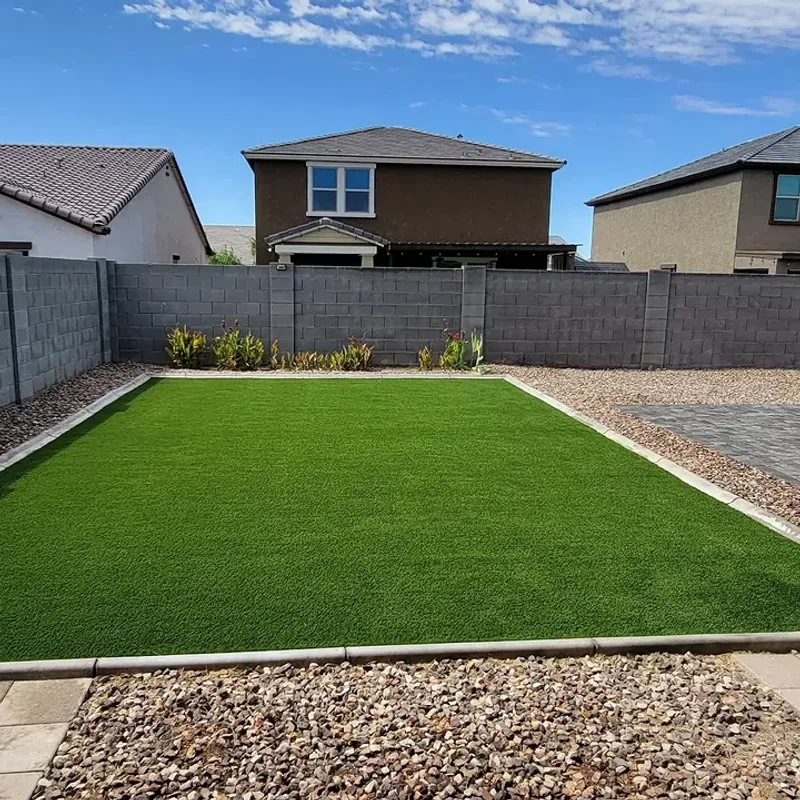
Patchy grass does not fix itself. In Arizona, once sections start thinning out from heat stress, compacted caliche soil, or inconsistent watering, the damage tends to spread rather than recover on its own.
Pulling out the turf entirely is often the most realistic path forward.
Turf removal can be done a few different ways. Sod cutters are the fastest option for large areas and can be rented from most equipment shops in the Valley.
Smaller yards sometimes get by with manual removal using a flat spade, though that takes more time and physical effort. Either way, the goal is getting the roots up so they do not keep competing with whatever goes in next.
Several Arizona cities have made this decision easier by offering grass removal rebates. Chandler runs a Single Family Grass Removal Rebate Program that pays homeowners per square foot of turf replaced with water-efficient landscaping.
Tempe and Glendale have offered similar programs in recent years, so it is worth checking with your local water utility before starting.
Your Arizona Garden Changes Every Week. Your Plan Should Too.
Gardening in Arizona changes quickly throughout the season. Every Friday you’ll receive a simple weekly plan showing exactly what to plant, prune, fertilize, harvest, and protect so you never miss the right timing.
3. Lower Water Use Makes It A Practical Choice
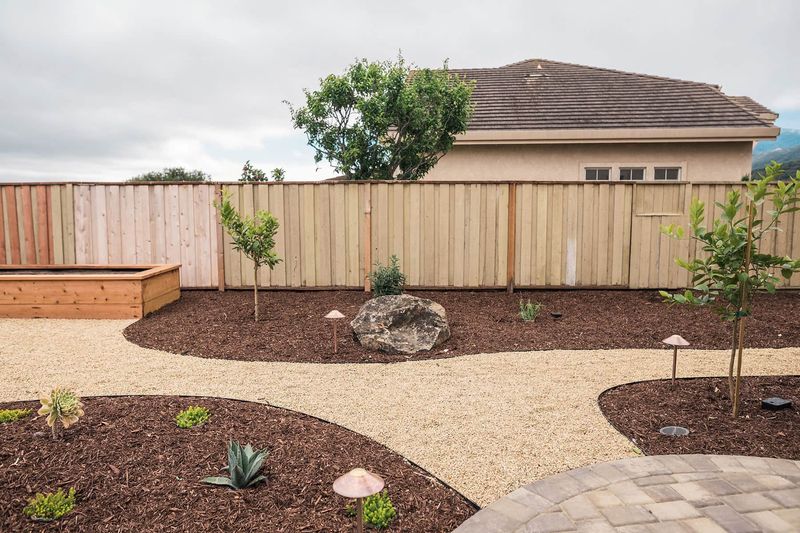
Arizona ranks among the driest states in the country, and water rates in cities like Phoenix and Tucson have climbed steadily over the past decade. A traditional grass lawn can easily consume 70 gallons or more per square foot each year, which adds up fast during the long, hot growing season.
Switching to decomposed granite cuts outdoor water use dramatically. Once DG is in place with drought-tolerant plants like palo verde trees, brittlebush, or desert marigold, a front yard can run almost entirely on rainfall during cooler months and minimal drip irrigation through summer.
That is a significant shift from the daily or every-other-day watering schedule that grass typically demands in this climate.
Drip systems paired with desert-adapted plants are far more efficient than sprinklers. Water goes directly to plant roots rather than evaporating off a lawn surface in the midday heat.
In Arizona, where temperatures regularly exceed 110 degrees Fahrenheit in summer, that evaporation loss from sprinkler-watered grass is substantial.
Water savings translate directly into lower utility bills. Homeowners who have completed the switch report noticeable reductions in their monthly water costs, though exact savings depend on yard size, plant selection, and local rates.
4. It Handles Arizona Heat Better Than Grass
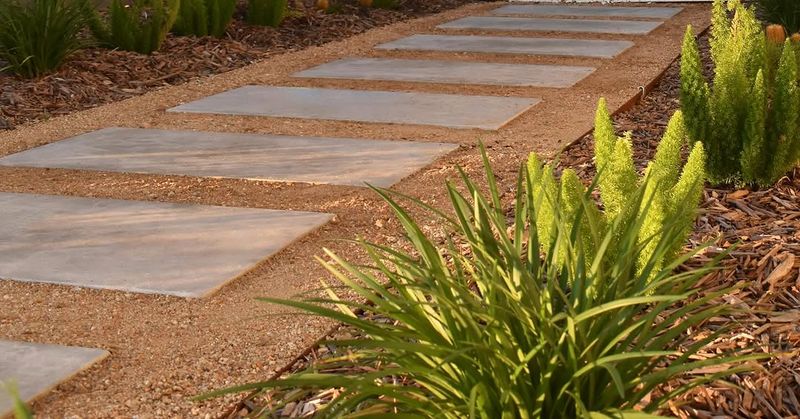
Grass struggles in Arizona heat in ways that become obvious by late June. Cool-season varieties like ryegrass go completely dormant and turn brown.
Bermuda grass, which is warm-season, handles summer better but still needs heavy irrigation and can develop bare patches where soil gets too compacted or foot traffic is high.
Decomposed granite does not wilt, brown, or thin out under 115-degree heat. It just sits there.
That stability is one of the main reasons homeowners across the Phoenix metro have been replacing their lawns with it, particularly in sun-exposed front yards where afternoon heat is most intense.
Heat does make DG surfaces warm to walk on barefoot, which is worth knowing if you have kids or pets who spend time in the front yard.
Lighter-colored granite reflects more heat than darker shades, so color choice can make a practical difference in surface temperature during peak summer months.
Pairing DG with shade trees like mesquite or desert willow helps manage surface temperature and makes the space more usable in warmer months.
Native trees adapted to Sonoran Desert conditions typically need less water than non-native species and provide reliable summer shade once they reach a reasonable size.
5. A Compacted Surface Helps Control Mud And Dust
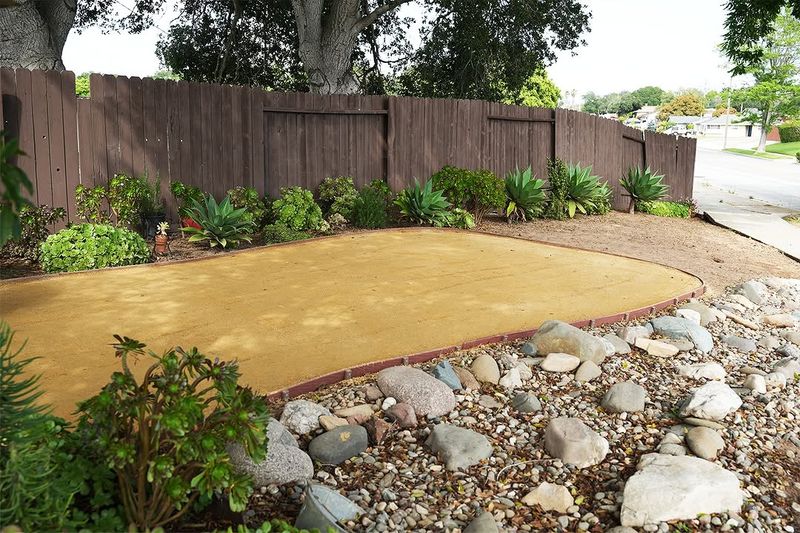
Arizona monsoon season runs roughly from mid-June through September, and it can drop a surprising amount of rain in a short time. Bare dirt yards turn into muddy messes quickly, and that mud tracks straight into the house.
Loose soil also blows around during dry, windy stretches, coating everything with a fine layer of dust.
Properly compacted decomposed granite solves both problems reasonably well. When DG is packed down with a plate compactor after installation, it forms a semi-solid surface that holds together under rain rather than washing out.
Water drains through it instead of pooling on top, which reduces runoff into the street and keeps the yard from turning swampy after a storm.
Some homeowners mix a stabilizer into the DG before compacting. This is a polymer binder that helps the material hold its shape even better over time.
Stabilized DG is particularly useful on sloped yards or in areas with higher foot traffic, where loose material tends to shift and spread without something holding it in place.
Dust control is another real benefit in Arizona, where dry months can last for long stretches. A compacted DG surface does not generate nearly as much airborne particulate as bare soil or poorly established grass.
6. Maintenance Drops Without Mowing Or Irrigation
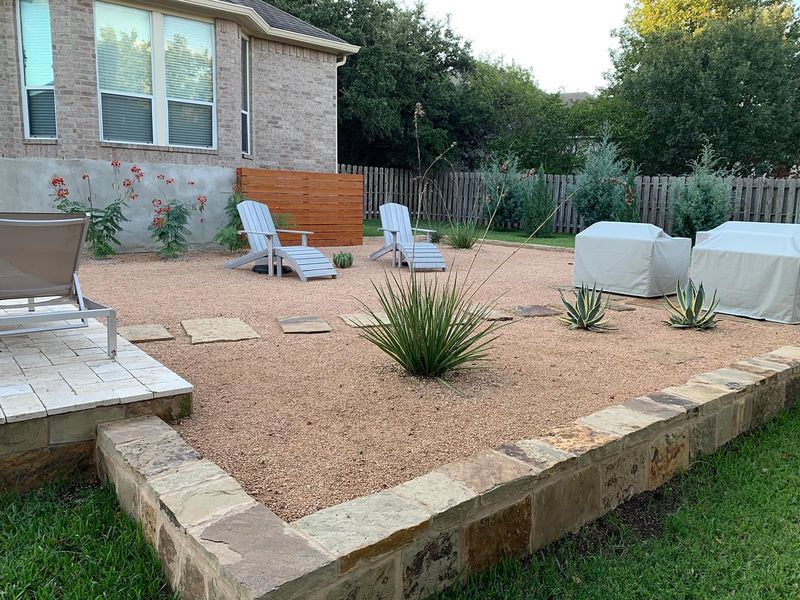
Mowing a lawn in Arizona summer heat is genuinely unpleasant. Temperatures at ground level during a July afternoon can feel unbearable, and most grass varieties need cutting at least every week or two through the warm season to stay manageable.
Add in edging, fertilizing, aerating, and overseeding in fall, and a traditional lawn becomes a significant time commitment.
Decomposed granite needs almost none of that.
After the initial installation, the main upkeep tasks are occasional raking to redistribute material that has shifted, pulling or spot-treating weeds that push through the barrier, and adding a thin layer of fresh DG every few years as the material settles or weathers.
Weeds are the most common complaint with DG yards, and they are manageable rather than overwhelming. A quality weed barrier under the granite blocks most germination from below.
Windblown seeds that land on top can still sprout, but they are easier to pull from loose gravel than from compacted soil, and a periodic application of pre-emergent herbicide in spring and fall keeps populations thin.
No irrigation system is required for the granite itself, though any plants in the yard will still need water. Drip lines servicing a handful of native plants take far less time to manage than a full sprinkler system covering an entire lawn.
7. A Clean Look Fits Desert Style Landscapes
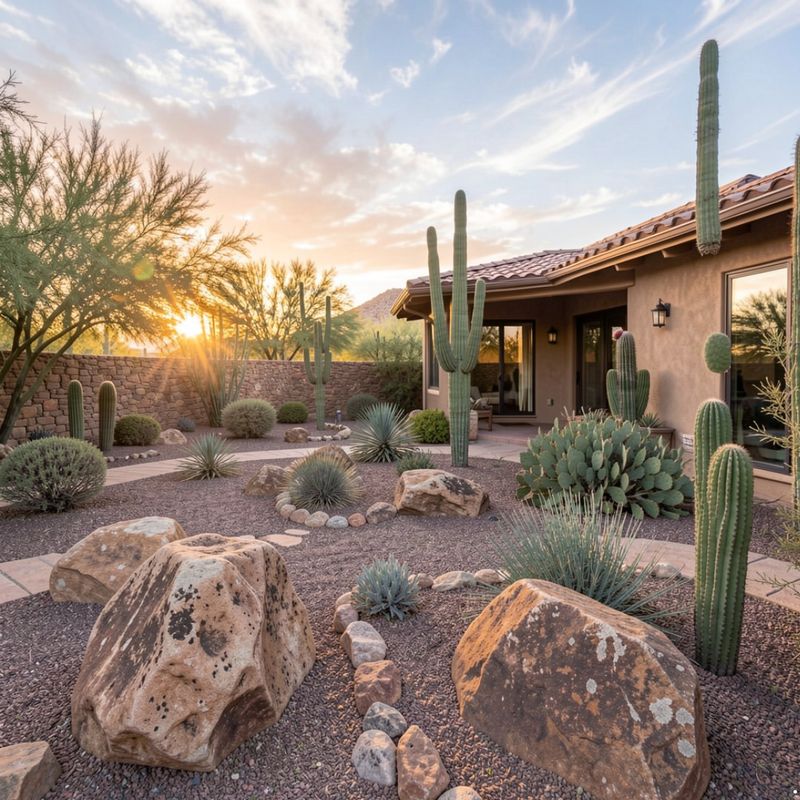
There is something visually satisfying about a front yard that looks like it belongs where it is.
In Arizona, that means embracing the colors and textures of the Sonoran Desert rather than fighting them with a strip of green turf that always looks slightly out of place against adobe walls and terracotta rooflines.
Decomposed granite comes in shades that complement desert architecture naturally. Warm gold and burnt sienna tones echo the surrounding landscape, while cooler gray options suit contemporary or minimalist home styles.
Paired with the right plants, a DG yard can look polished and deliberate without requiring a landscape architect.
Native plants like saguaro cactus, ocotillo, agave, and penstemon add height, structure, and seasonal color without demanding constant attention. Palo verde trees offer dappled shade and bright yellow blooms in spring.
Frogfruit, a native groundcover gaining popularity across Arizona, can fill in lower areas with a dense green mat that handles full sun and reduces the visual heaviness of all-gravel yards.
Edging materials help define the space and keep DG contained. Steel, concrete, and natural stone borders all work well and add a finished quality that separates a thoughtfully designed yard from one that just had the grass removed.