Vegetables North Carolina Gardeners Should Start Growing In Containers This March
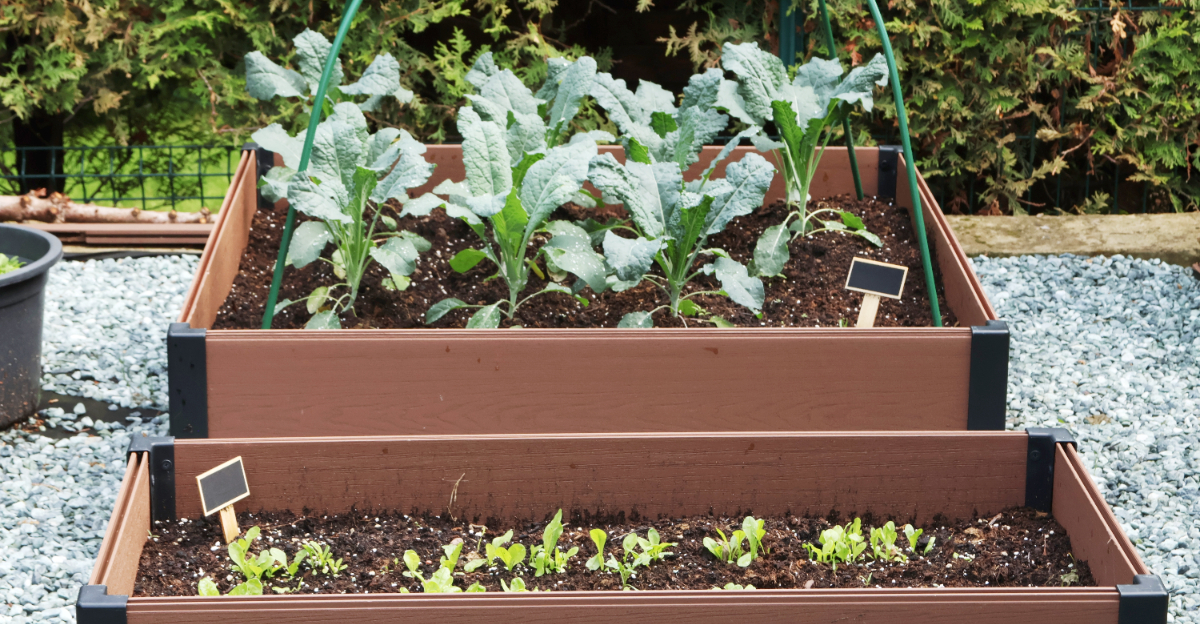
March in North Carolina brings a burst of energy to patios, balconies, and backyard gardens. After the quieter winter months, longer days and rising temperatures make it hard to resist getting outside and planting something fresh.
For many gardeners, this is the moment when the growing season truly begins. Container gardening makes it easier than ever to grow vegetables, even if you only have a small outdoor space.
Across the Coastal Plain, Piedmont, and Mountain regions, many vegetables grow beautifully in pots during early spring. With the right containers and a little sunlight, patios and porches can quickly turn into productive mini gardens.
Starting now gives plants time to grow strong before the hotter months arrive. Whether you are new to gardening or already love growing your own food, these vegetables are some of the best choices for container gardens in North Carolina this March.
1. Lettuce

Few vegetables reward you as quickly and generously as lettuce does in a container garden. Lettuce, or Lactuca sativa, loves the cool, mild temperatures that North Carolina offers in March, making it one of the smartest choices you can plant this month.
It does not need a deep pot, which makes setup super simple and beginner-friendly.
A wide, shallow container about 6 to 8 inches deep works perfectly for lettuce. Fill it with a high-quality, well-drained potting mix, sow your seeds about half an inch deep, and space them roughly 4 inches apart.
Place your container in a spot that gets at least 6 hours of sunlight each day, and keep the soil consistently moist but never waterlogged.
One of the best things about growing lettuce in containers is the cut-and-come-again harvesting method. You simply snip the outer leaves once they reach about 3 to 4 inches tall, and the plant keeps producing fresh new growth.
North Carolina gardeners can enjoy multiple harvests from a single planting this way. Try mixing different varieties like butterhead, romaine, and looseleaf in one container for a colorful, tasty salad bowl right outside your door.
2. Spinach
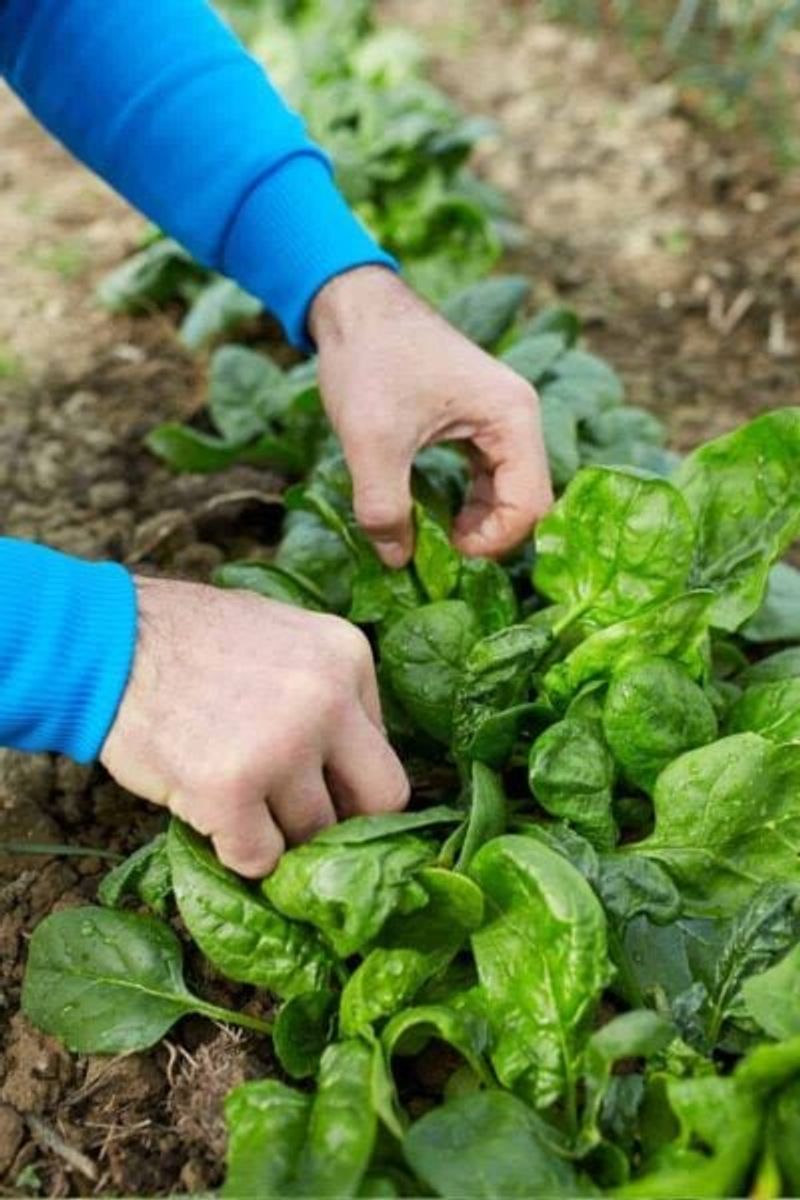
Spinach has a quiet superpower that most gardeners do not talk about enough. It grows fast, tastes great, and actually prefers the cool spring weather that North Carolina delivers in March.
Spinacia oleracea, its scientific name, thrives when temperatures stay between 45 and 65 degrees Fahrenheit, which lines up perfectly with early spring conditions across the state.
You can direct sow spinach seeds straight into your containers in March without any indoor seed starting required. Use a container that is at least 6 inches deep and fill it with a rich, moisture-retaining potting mix.
Sow seeds about half an inch deep and space them 2 to 3 inches apart. Spinach grows best with consistent moisture, so check your containers every day and water whenever the top inch of soil feels dry.
Partial to full sun works well for spinach, and it will reward your attention with tender, nutrient-packed leaves in as little as 4 to 6 weeks. North Carolina gardeners can harvest outer leaves regularly to keep the plant producing longer.
Your North Carolina Garden Changes Every Week. Your Plan Should Too.
Gardening in North Carolina changes quickly throughout the season. Every Friday you’ll receive a simple weekly plan showing exactly what to plant, prune, fertilize, harvest, and protect so you never miss the right timing.
Spinach is also one of the most nutritious vegetables you can grow, packed with iron, vitamins A and C, and antioxidants. Growing it at home means you get the freshest possible leaves with zero travel time from garden to plate.
3. Radishes
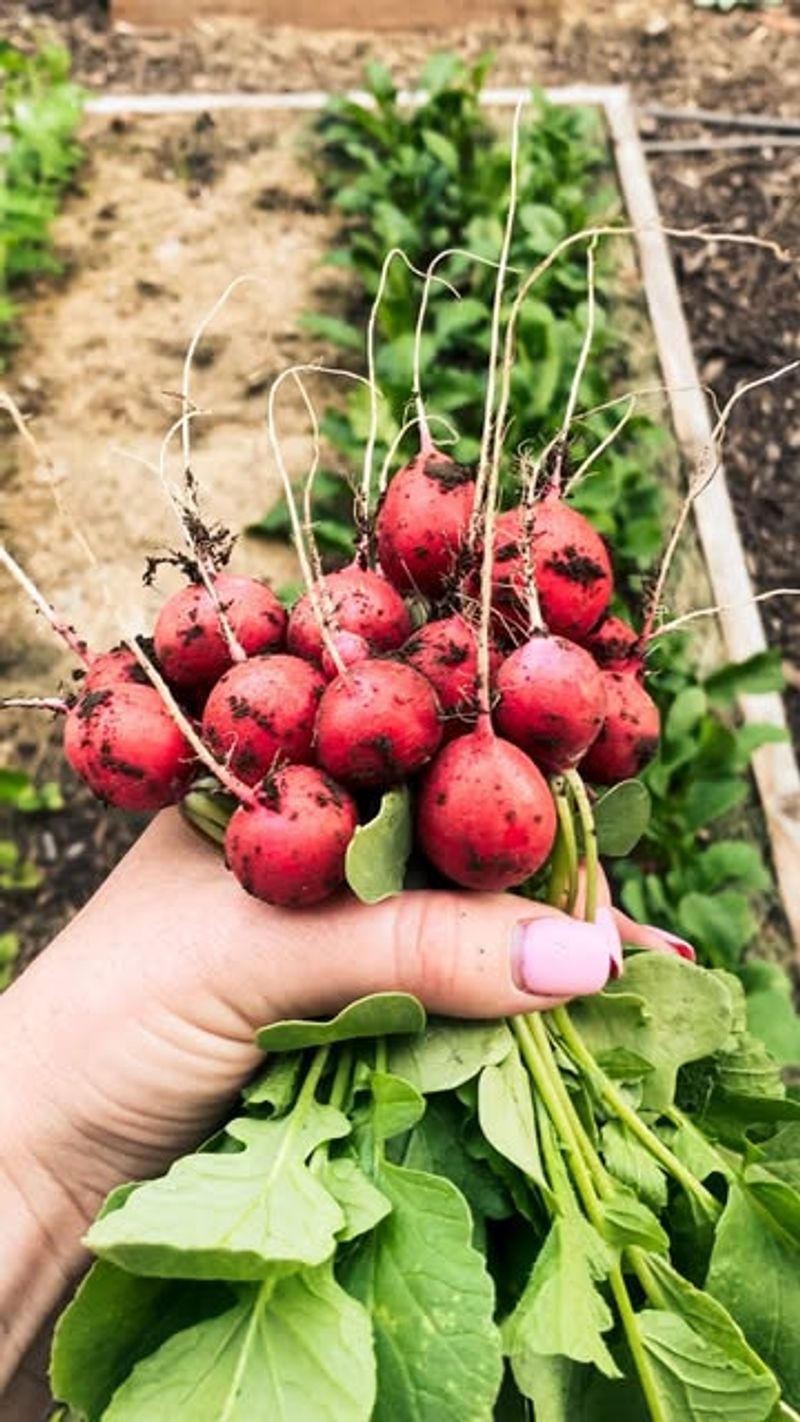
If you have ever wanted to grow something and actually see results fast, radishes are your answer. These small but mighty root vegetables are one of the quickest crops you can grow in containers, often maturing in just 25 to 30 days from seed.
Raphanus sativus loves cool soil, and March in North Carolina provides exactly the right environment for a speedy, successful harvest.
Radishes do not need a lot of space or a deep container. A pot that is at least 6 inches deep and filled with loose, well-drained potting mix is all they need.
Sow seeds about half an inch deep and space them 2 inches apart to give each root enough room to swell up nicely. Full sun is ideal, but radishes can also handle a spot with light afternoon shade.
Watering consistently is key because uneven moisture can cause radishes to crack or turn bitter. North Carolina gardeners love radishes for their low maintenance and quick turnaround, making them a great choice for impatient first-timers.
You can also succession plant every two weeks throughout March to keep a continuous harvest going.
Cherry Belle and French Breakfast are two popular varieties that perform beautifully in containers and deliver crisp, peppery flavor that tastes amazing in salads and as a crunchy snack.
4. Carrots
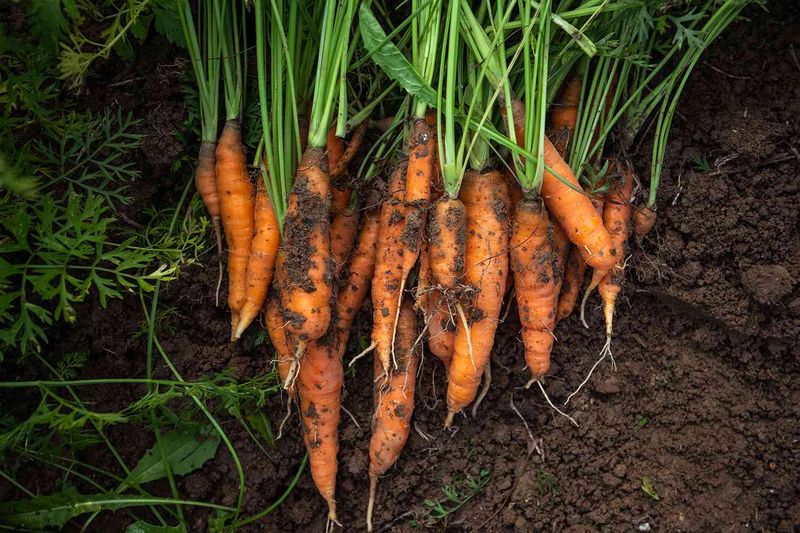
Carrots might seem like a vegetable that only belongs in a big garden bed, but they actually grow beautifully in containers when you give them the right setup. The key is depth.
Daucus carota subsp. sativus needs containers that are at least 10 to 12 inches deep so the roots have room to grow straight and long without hitting the bottom too soon.
Sowing carrot seeds in March in North Carolina is smart timing because the roots develop slowly and steadily through the cooler weeks of spring before summer heat arrives.
Fill your deep container with a light, loose, well-drained potting mix that is free of rocks or large chunks that could cause roots to fork.
Sow seeds thinly on the surface, cover with a thin layer of soil, and keep the top of the container consistently moist until germination begins, usually within 1 to 2 weeks.
Thin seedlings to about 2 to 3 inches apart once they reach an inch tall to prevent overcrowding. Nantes and Danvers Half Long are excellent carrot varieties for containers because of their shorter, stockier roots.
North Carolina gardeners who try container carrots for the first time are often surprised by how sweet and flavorful homegrown carrots taste compared to store-bought ones. The difference is genuinely remarkable and worth every bit of effort.
5. Green Onions
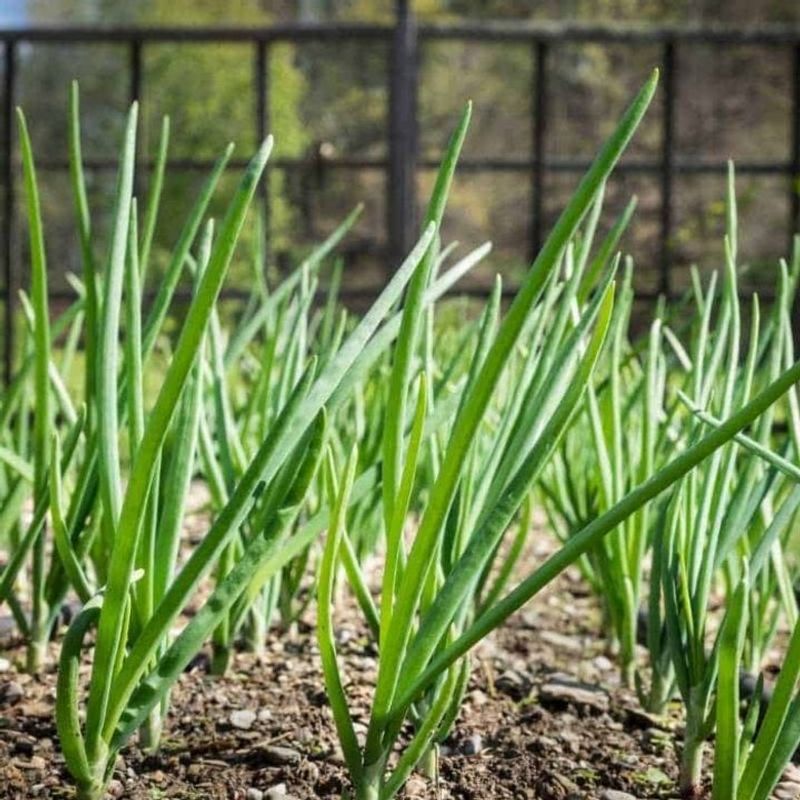
Green onions, also called scallions, are one of the most underrated container crops you can grow in North Carolina this March.
Allium fistulosum is incredibly easy to manage, grows quickly, and takes up very little space, making it ideal for small patios, balconies, or windowsills.
You can even regrow them from store-bought scallion roots placed in a glass of water before transplanting into a container.
For best results, plant green onion seeds or sets in a container that is at least 6 inches deep and filled with well-drained potting mix. Space seeds or sets about 2 inches apart so each plant has enough room to develop properly.
Green onions love full sun, so place your container in a spot that receives at least 6 hours of direct sunlight each day throughout the North Carolina spring season.
Consistent watering is important because green onions have shallow roots that can dry out quickly in containers. Water when the top inch of soil feels dry, but avoid overwatering since soggy soil can cause root problems.
The best part about growing scallions in containers is that you can harvest them young and tender, usually within 60 to 70 days.
Simply pull the whole plant or snip leaves from the top, and they will continue to regrow. Fresh green onions add incredible flavor to eggs, soups, salads, and stir-fries.
6. Kale

Kale has earned its reputation as one of the toughest and most nutritious vegetables you can grow, and it absolutely shines in containers during North Carolina’s cool spring weather.
Brassica oleracea var. sabellica is not just a trendy superfood, it is a genuinely hardy plant that can handle light frost, which makes March planting safe and practical across most parts of North Carolina.
Use a container that is at least 8 to 12 inches deep and filled with rich, fertile potting mix. Kale plants grow quite large, so give each one its own 5-gallon pot or space plants at least 12 inches apart in a larger container.
Place your container in full sun for the best leaf production, though kale can tolerate partial shade and still perform well during the cooler weeks of spring.
Water regularly to keep the soil evenly moist, and consider adding a slow-release fertilizer at planting time to support strong growth.
You can start harvesting kale leaves once the plant reaches about 8 to 10 inches tall by picking the outer, lower leaves first and leaving the center to keep growing.
North Carolina gardeners love kale for its versatility in the kitchen, from smoothies and salads to roasted chips and hearty soups. Lacinato and Curly kale are two varieties that do especially well in container settings during spring.
7. Swiss Chard
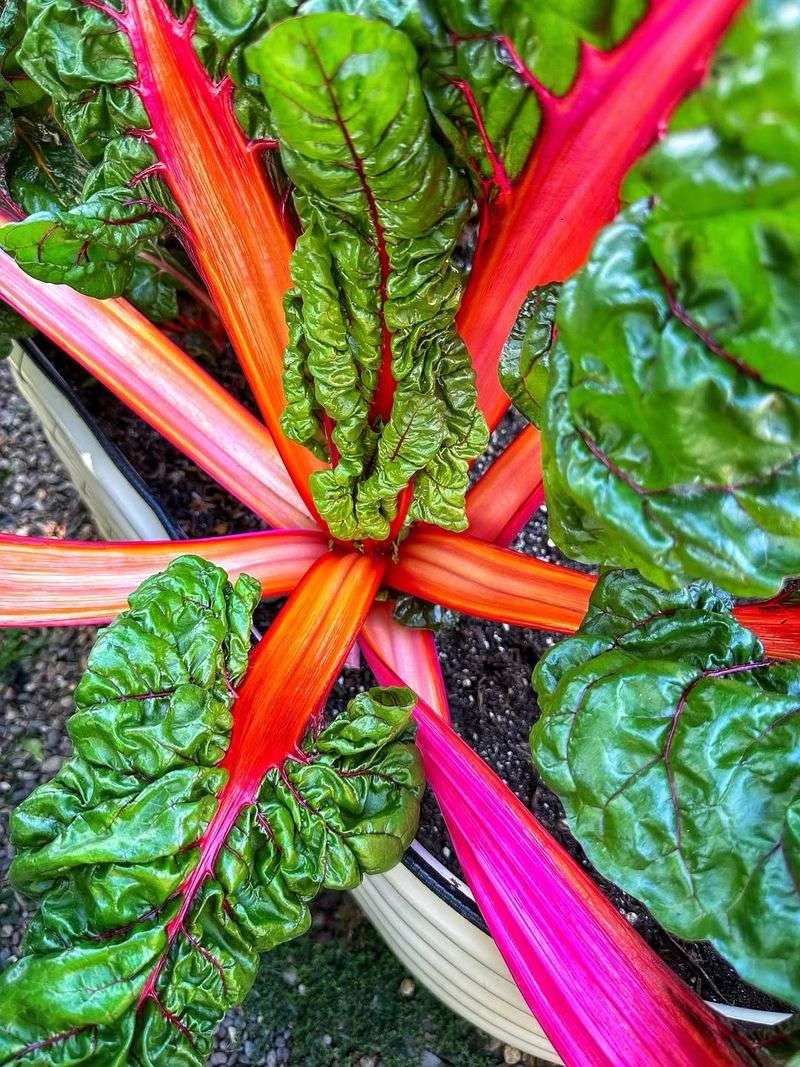
Swiss chard might just be the most visually stunning vegetable you can grow in a container this spring.
Beta vulgaris subsp. cicla produces bold, glossy leaves with brilliantly colored stems in shades of red, yellow, orange, and white, turning your container garden into something that looks as good as it tastes.
North Carolina gardeners who plant it in March will enjoy harvests that stretch well into summer.
Swiss chard tolerates cool temperatures and can even handle a light frost, making it a reliable and low-stress choice for early spring planting. Use a container that is at least 8 to 10 inches deep and fill it with a nutrient-rich potting mix.
Space transplants or seeds about 6 inches apart, and place your container where it will receive full sun to partial shade throughout the day.
Keep the soil consistently moist and feed your chard every few weeks with a balanced liquid fertilizer to encourage lush, vigorous leaf growth.
Harvesting is easy and rewarding because you simply cut outer leaves when they reach 6 to 8 inches long, and the plant continuously pushes out new growth from the center.
Swiss chard is packed with vitamins K, A, and C, and it cooks beautifully in everything from pasta dishes to sauteed side dishes. Rainbow chard is a popular variety that offers maximum color and flavor in one stunning plant.
8. Peas

There is something genuinely exciting about watching pea plants climb and twist their way up a trellis in a container garden. Garden peas, or Pisum sativum, are cool-weather champions that thrive when planted in March across North Carolina.
They prefer soil temperatures between 45 and 65 degrees Fahrenheit, which aligns beautifully with early spring conditions throughout the state.
Choose a container that is at least 8 to 12 inches deep and wide enough to support a small trellis or stake system for climbing varieties.
Bush peas work well in smaller containers without support, while climbing varieties like Sugar Snap or Snow peas need something to grab onto as they grow.
Fill your container with a well-drained, fertile potting mix and sow seeds about 1 inch deep, spacing them 2 to 3 inches apart for healthy development.
Peas love full sun but will also grow in partial shade during North Carolina’s early spring days. Water consistently without letting the soil dry out completely between sessions.
One fun fact about peas is that they actually fix nitrogen in the soil, which means they improve the quality of your potting mix over time.
You can begin harvesting sugar snap and snow peas once the pods fill out and feel firm, usually around 60 to 70 days after planting. Fresh homegrown peas taste incredibly sweet and crisp straight from the pod.
9. Arugula
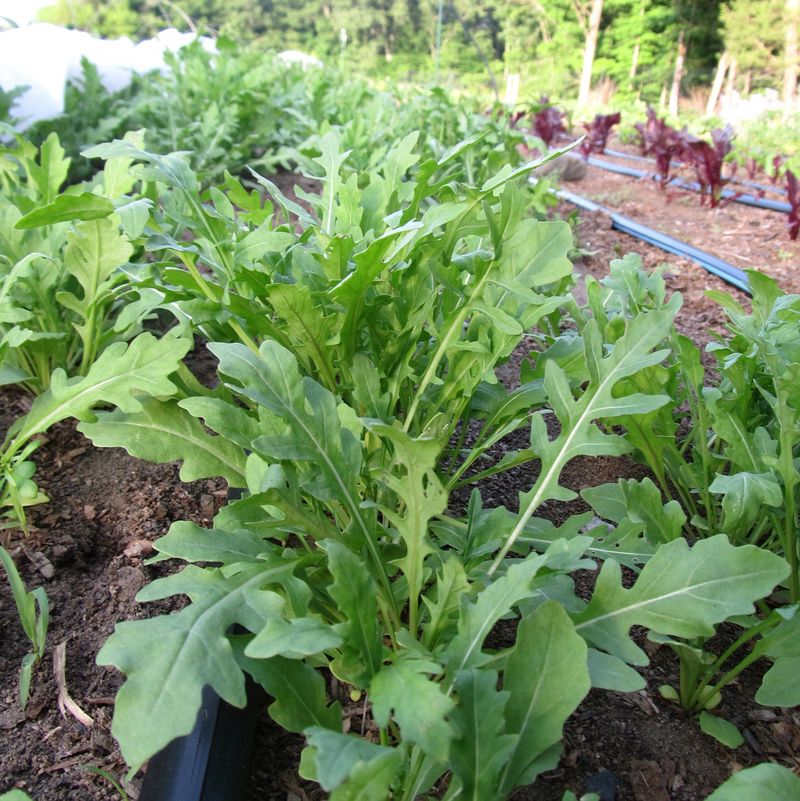
Arugula is the kind of vegetable that surprises people the first time they grow it. It goes from seed to harvest remarkably fast, often in just 30 to 40 days, and it absolutely loves the cool temperatures that North Carolina experiences in March.
Eruca vesicaria has a peppery, slightly nutty flavor that elevates salads, sandwiches, and homemade pizzas in a way that store-bought greens simply cannot match.
Growing arugula in containers is straightforward and rewarding. A shallow container just 4 to 6 inches deep works perfectly because arugula roots do not go very deep.
Fill it with a light, moisture-retaining potting mix, scatter seeds thinly across the surface, and press them gently into the soil. Water lightly and consistently, and you will see sprouts emerge within just 5 to 7 days under North Carolina’s mild spring conditions.
Arugula grows best in full sun but tolerates partial shade, which makes it a flexible option for gardeners with limited sunny spots. Harvest outer leaves once the plant reaches about 3 to 4 inches tall, leaving the center intact so it keeps producing.
You can get several harvests from one planting this way, stretching your yield across multiple weeks.
North Carolina gardeners who grow arugula for the first time often become hooked on its bold flavor and how effortlessly it produces fresh, ready-to-eat greens throughout the spring season.