Vegetables That Thrive In North Carolina’s Long Growing Season
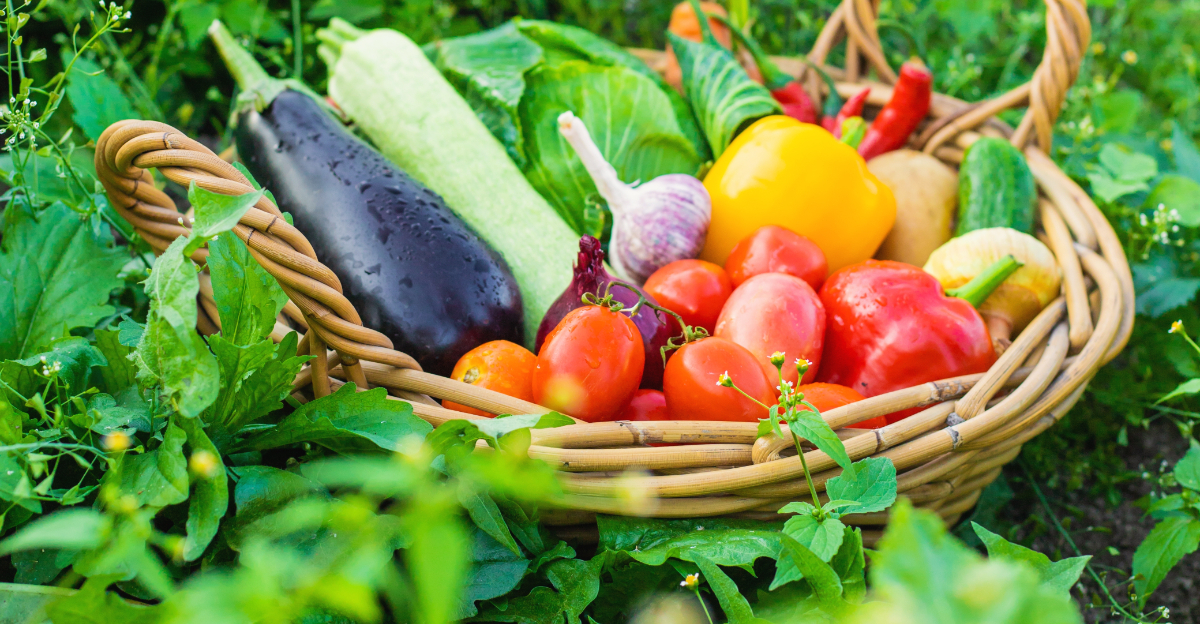
North Carolina gardeners enjoy one big advantage that many other states envy. The growing season is long, warm, and full of opportunity.
From early spring through the heat of summer and into mild fall weather, there is plenty of time for vegetables to grow strong and produce generous harvests.
Across the Coastal Plain, Piedmont, and Mountain regions, gardeners can take advantage of this extended season to grow crops that truly thrive in North Carolina conditions.
Warm sunshine, steady rainfall, and fertile soils create an environment where many vegetables perform beautifully. The key is choosing crops that match the rhythm of the local climate.
Some vegetables love the early warmth of spring, while others flourish during the long summer stretch. These nine vegetables are especially well suited for North Carolina gardens and make the most of the state’s generous growing season.
1. Tomatoes
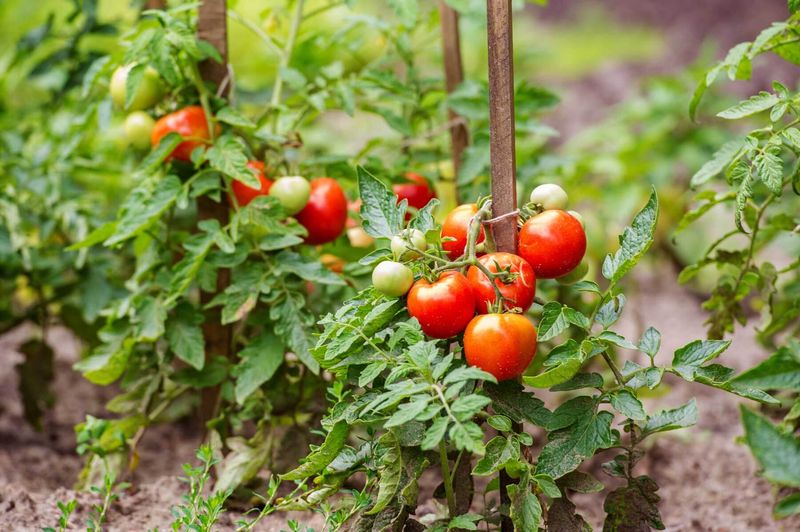
Few things spark as much excitement in a North Carolina garden as a tomato plant loaded with ripe, juicy fruit.
Tomatoes (Solanum lycopersicum) absolutely love the state’s warm temperatures and long sunny days, which run from roughly April through October across much of the Piedmont and coastal regions.
That wide window gives plants plenty of time to grow strong, flower, and fill out with delicious fruit before cooler weather settles in. Timing matters when you grow tomatoes here.
The last frost in the Piedmont typically falls around mid-April, so transplanting seedlings shortly after that date gives plants the best possible start.
Choosing dependable varieties like ‘Better Boy,’ ‘Celebrity,’ or ‘Roma’ works really well in North Carolina’s summer heat and humidity.
These selections handle warm nights and occasional dry spells better than many other types. Staking your plants early keeps stems upright and improves airflow, which helps prevent common fungal issues in the state’s humid summers.
Deep, consistent watering during hot stretches encourages roots to reach down rather than staying shallow.
Mulching around the base of each plant holds moisture in the soil and keeps ground temperature steady.
With a little attention and the right setup, North Carolina tomato plants can reward you with harvests that last well into September or even October, making every effort completely worth it.
2. Peppers
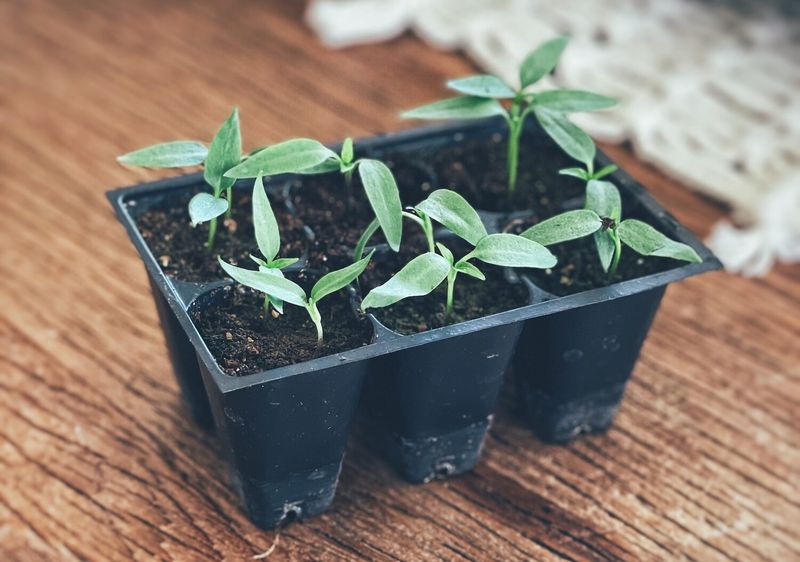
Sweet bell peppers and fiery hot varieties alike find a welcoming home in North Carolina gardens.
Peppers (Capsicum annuum) crave warmth, full sun, and well-drained soil, and the state’s long summer season delivers all three in generous amounts.
From the mountains to the coastal plain, gardeners across North Carolina enjoy watching pepper plants transform from small transplants into productive, fruit-covered beauties throughout the growing months.
Peppers are a bit more temperature-sensitive than tomatoes, so patience pays off here.
Transplanting seedlings outdoors after soil temperatures consistently reach 65 degrees Fahrenheit, usually in late April to early May depending on your region, gives plants the warm roots they need to take off quickly.
Starting seeds indoors six to eight weeks before that date gives you a strong head start on the season.
Both sweet and hot varieties perform beautifully in raised beds and in-ground plots across North Carolina.
Your North Carolina Garden Changes Every Week. Your Plan Should Too.
Gardening in North Carolina changes quickly throughout the season. Every Friday you’ll receive a simple weekly plan showing exactly what to plant, prune, fertilize, harvest, and protect so you never miss the right timing.
Popular picks include ‘California Wonder’ for bell peppers and ‘Cayenne’ or ‘Banana’ for those who enjoy a little heat.
Consistent moisture keeps plants from dropping blossoms during hot spells, which is a common frustration in July. A balanced fertilizer applied every few weeks supports steady growth and fruit set.
Watching a green pepper slowly blush red, yellow, or orange over several weeks is one of the most satisfying experiences a North Carolina gardener can have all season long.
3. Okra
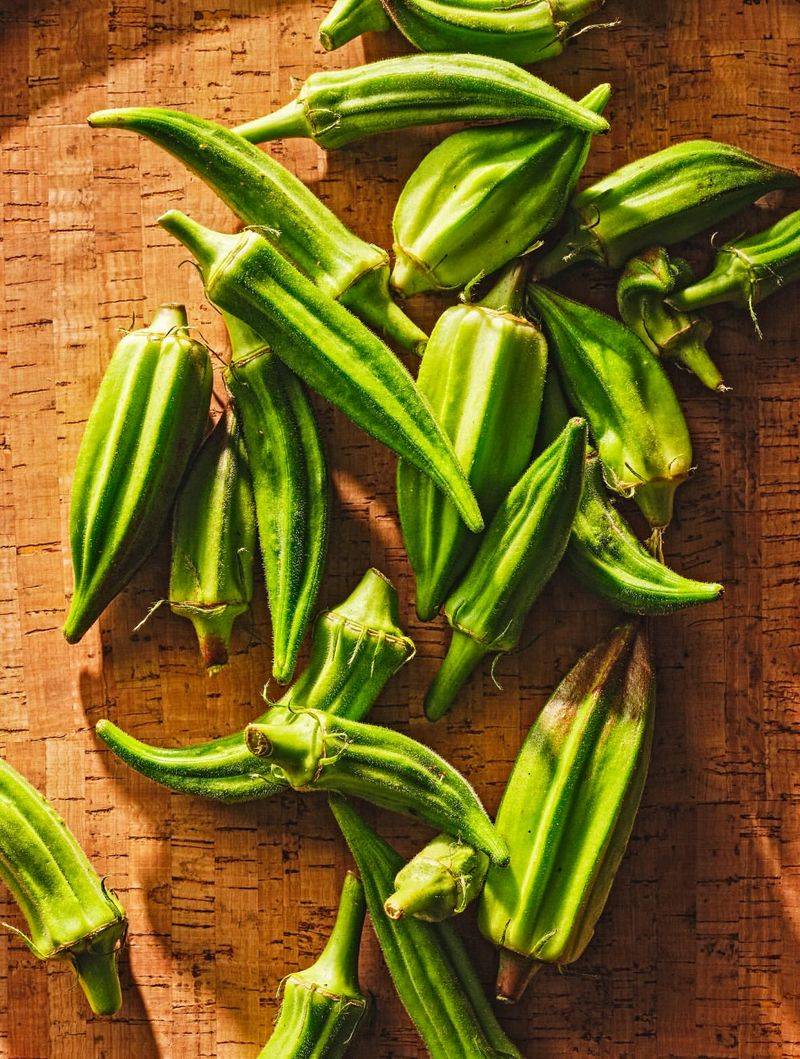
If there is one vegetable that seems purpose-built for North Carolina’s blazing summers, it is okra.
This heat-loving crop (Abelmoschus esculentus) thrives in conditions that would stress out many other garden plants.
Long, humid days with temperatures climbing into the upper 80s and 90s are exactly what okra needs to grow tall, flower freely, and produce pods at a remarkable pace throughout the summer months.
Okra grows quickly once the soil warms above 65 degrees Fahrenheit, which usually happens by late May across most of North Carolina.
Direct seeding into the ground after that point works well, though soaking seeds overnight speeds up germination noticeably.
Plants can reach five to six feet tall by midsummer, so giving them adequate space, around 18 inches apart, keeps the garden organized and allows for easy harvesting.
The secret to keeping okra productive is harvesting pods while they are still young and tender, typically when they reach two to four inches long.
Pods left on the plant too long become tough and fibrous, which discourages further production. Checking plants every day or two during peak summer keeps the harvest rolling.
Okra also brings a tropical flair to the garden with its large, attractive flowers that look similar to hibiscus blooms.
North Carolina’s long growing season means a single planting can supply fresh pods from June all the way through September, making it a true summer staple.
4. Sweet Potatoes
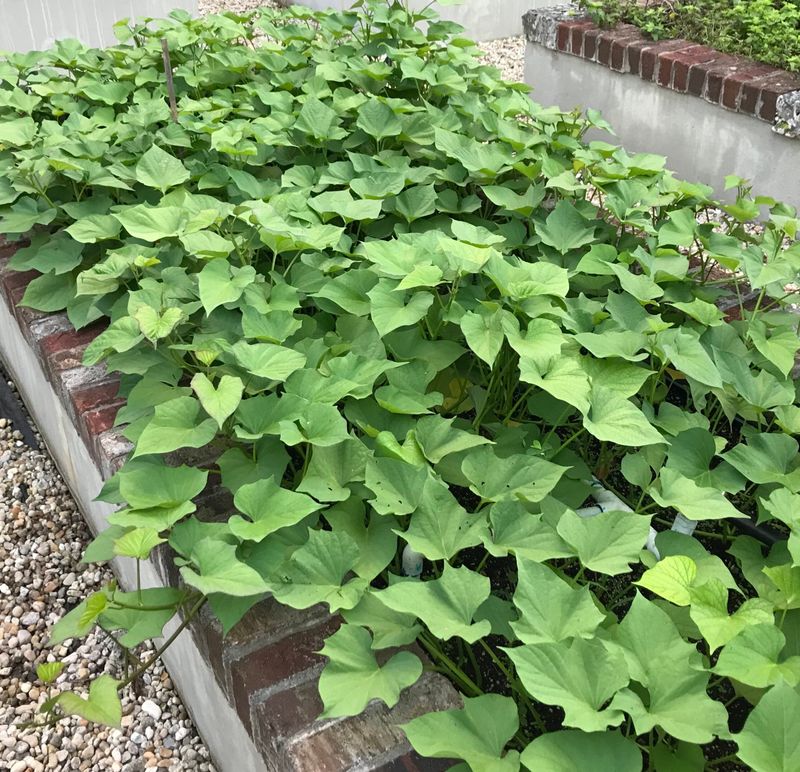
North Carolina has earned serious bragging rights when it comes to sweet potatoes.
The state consistently ranks as the top producer of sweet potatoes in the entire United States, and home gardeners here benefit from the same climate advantages that make large-scale production so successful.
Warm soil, long frost-free periods, and sandy loam in many parts of the state create near-perfect conditions for growing beautiful, sweet tubers.
Sweet potatoes (Ipomoea batatas) are planted using slips, which are small rooted cuttings taken from mature tubers.
Slips go into the ground after the soil warms thoroughly in late May, and the plants need roughly 100 to 120 frost-free days to develop large, well-formed roots.
That timeline fits comfortably within North Carolina’s growing season, especially in the Piedmont and coastal plain regions where frost typically holds off until late October or November.
Loose, well-drained soil gives tubers room to expand without resistance, so breaking up compacted ground before planting makes a real difference at harvest time.
Sweet potato vines spread aggressively and can cover a lot of ground, which actually helps suppress weeds throughout the summer.
Fertilizing lightly and avoiding excess nitrogen keeps plants focused on root development rather than leafy growth. Harvesting usually happens in September or October, just before the first frost arrives.
Curing freshly dug sweet potatoes in a warm space for a week or two deepens their sweetness and extends their storage life considerably.
5. Cucumbers
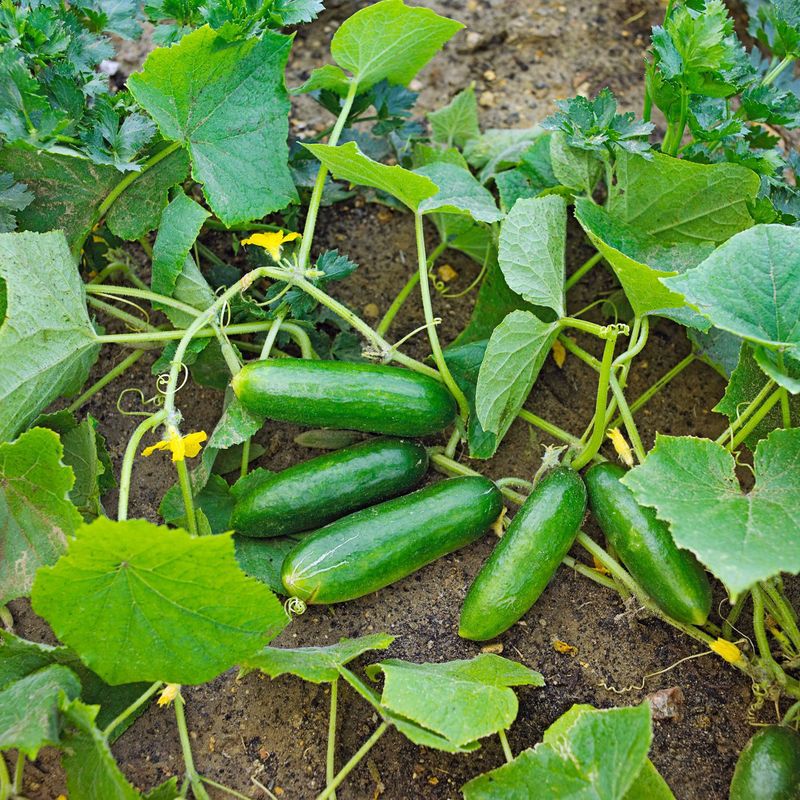
Crunchy, refreshing cucumbers practically grow themselves in North Carolina’s long warm season.
These fast-growing plants (Cucumis sativus) respond enthusiastically to full sun and consistent watering, often going from seed to first harvest in as little as 50 to 60 days.
That quick turnaround makes cucumbers a favorite among both new and experienced gardeners across the state, especially during the hot, productive months of June and July.
Growing cucumbers on a trellis is one of the smartest moves a North Carolina gardener can make.
Lifting vines off the ground improves air circulation around leaves and stems, which significantly reduces the risk of fungal diseases like powdery mildew and downy mildew that thrive in the state’s humid summer air.
Trellised plants also make harvesting much easier since fruit hangs visibly rather than hiding under leaves on the ground.
Planting cucumbers after soil temperatures reach at least 60 degrees Fahrenheit, usually from mid-April through May in North Carolina, gives seeds quick and reliable germination.
Succession planting every two to three weeks through early summer extends the harvest window well into August.
Keeping soil consistently moist prevents a common problem called bitter cucumbers, which occurs when plants experience irregular watering during fruit development.
Varieties like ‘Straight Eight,’ ‘Marketmore,’ and ‘Bush Pickle’ all perform reliably in North Carolina gardens and produce generously throughout the growing season without much fuss.
6. Summer Squash

Summer squash might just be the most productive vegetable a North Carolina gardener can grow.
Plants (Cucurbita pepo) go from seed to first harvest in just 50 to 60 days, and once they start producing, they barely slow down throughout the entire summer.
A single healthy zucchini or yellow squash plant can yield more fruit than a small family can eat in a week, which is part of what makes this crop so wildly popular in backyard gardens across the state.
Warm soil temperatures in late spring signal squash seeds to germinate quickly, often sprouting within a week of planting.
North Carolina’s extended growing season, which stretches comfortably from late April through October in most regions, gives summer squash plenty of time to go through multiple productive cycles.
Direct seeding into garden beds after the last frost, or transplanting seedlings started indoors a few weeks earlier, both work well depending on your schedule and preference.
Spacing plants about three feet apart allows their large leaves to spread freely without competing for light and airflow.
Harvesting squash while fruit is still small, around six to eight inches for zucchini, keeps plants energized and producing steadily.
Leaving oversized fruit on the plant actually signals it to slow down production, so regular picking is the key to a long harvest.
Adding a layer of mulch around plants helps retain moisture during North Carolina’s hot summer months and keeps roots comfortable even on the warmest days.
7. Green Beans
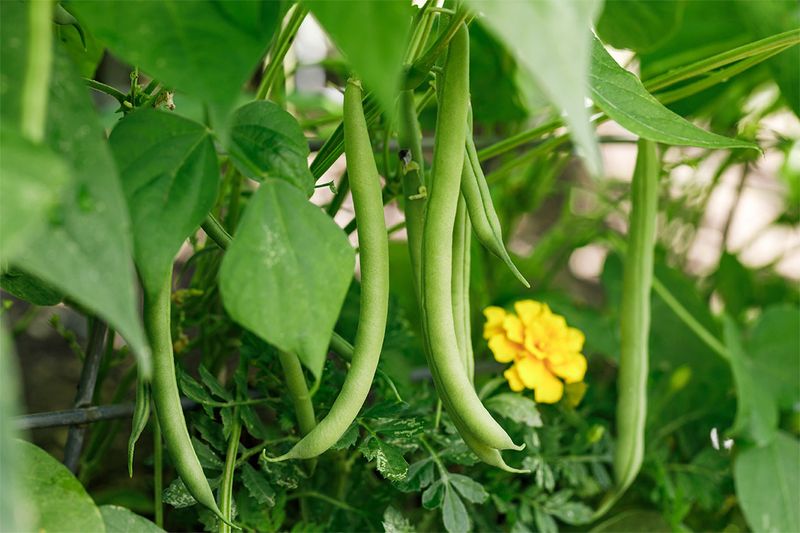
Green beans bring a satisfying combination of speed and reliability to North Carolina gardens.
These warm-season crops (Phaseolus vulgaris) germinate quickly in warm soil and move from seed to harvest in roughly 50 to 60 days, making them one of the most rewarding vegetables to grow for anyone who enjoys seeing fast results.
North Carolina’s long growing season creates an ideal opportunity to plant beans multiple times and enjoy fresh harvests from late spring all the way through late summer. Bush beans and pole beans each have their advantages in a North Carolina garden.
Bush varieties like ‘Provider’ and ‘Blue Lake Bush’ grow compactly without any support and produce concentrated harvests over two to three weeks.
Pole beans such as ‘Kentucky Wonder’ take a little longer to mature but produce over a much longer period and make excellent use of vertical space when grown on a trellis or fence.
Mixing both types gives you early harvests followed by a steady, extended supply. Planting beans every three weeks from late April through late July gives North Carolina gardeners a nearly continuous supply of fresh pods throughout the summer.
Beans prefer well-drained soil and dislike sitting in wet conditions, so raised beds or slightly elevated rows work particularly well.
Avoid over-fertilizing with nitrogen, as this pushes leafy growth at the expense of pod production.
Harvesting pods before seeds inside them fully develop keeps plants productive and ensures tender, flavorful beans every single time.
8. Eggplant
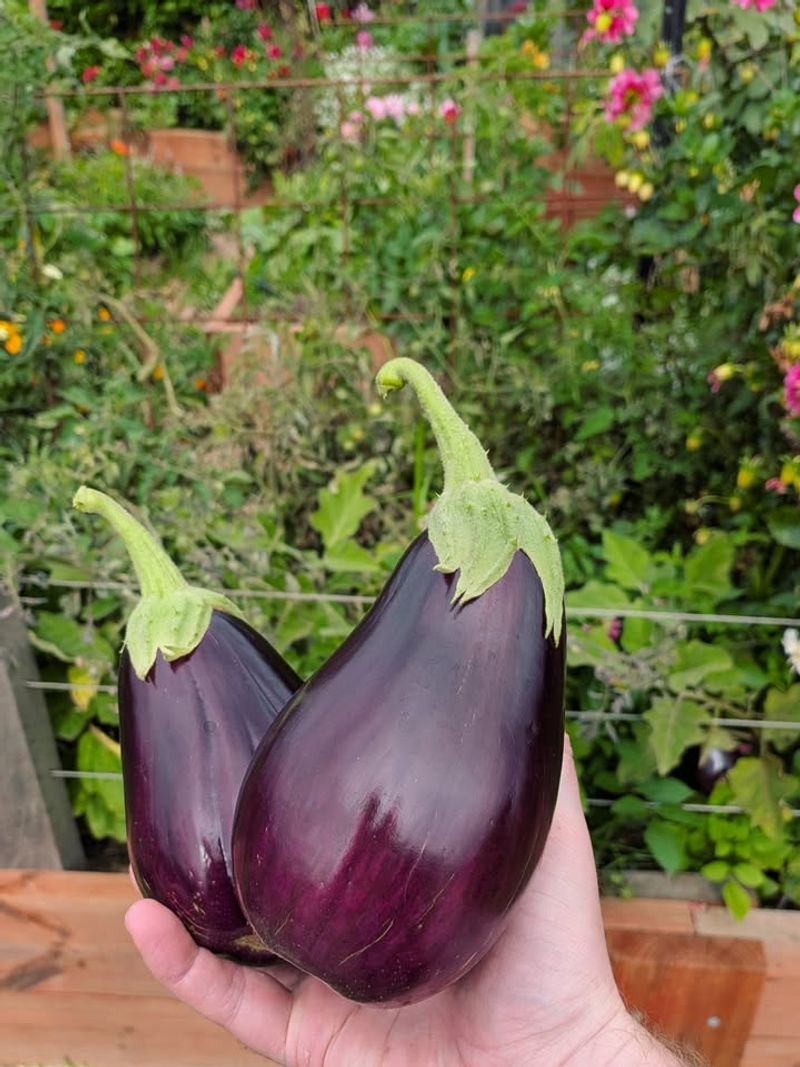
Eggplant is one of those vegetables that looks almost too beautiful to eat.
The deep purple, glossy fruits hanging from sturdy plants make a stunning addition to any North Carolina garden, and the state’s hot summer climate happens to be exactly what eggplants (Solanum melongena) need to thrive.
Warm nights, long sunny days, and temperatures regularly in the 80s and 90s push eggplant plants into vigorous, productive growth that keeps going well into September.
Starting eggplant from transplants rather than direct seeding gives the best results in North Carolina.
Seeds need eight to ten weeks of indoor growing before transplanting, so starting them in late February or early March sets you up for a smooth transition to the garden after the last frost in mid-April.
Transplants that go into warm soil quickly establish strong root systems and begin flowering within a few weeks of settling in.
Full sun is non-negotiable for good eggplant production, so choosing the sunniest spot in your garden pays off significantly.
Well-drained, fertile soil with consistent moisture keeps plants healthy and productive through the heat of July and August.
Popular varieties for North Carolina include ‘Black Beauty,’ ‘Ichiban,’ and ‘Fairy Tale,’ each offering reliable performance and excellent flavor.
Harvesting fruit while skin is still firm and glossy, rather than waiting until it becomes dull, gives you the best texture and taste while keeping plants focused on producing more fruit throughout the season.
9. Collard Greens
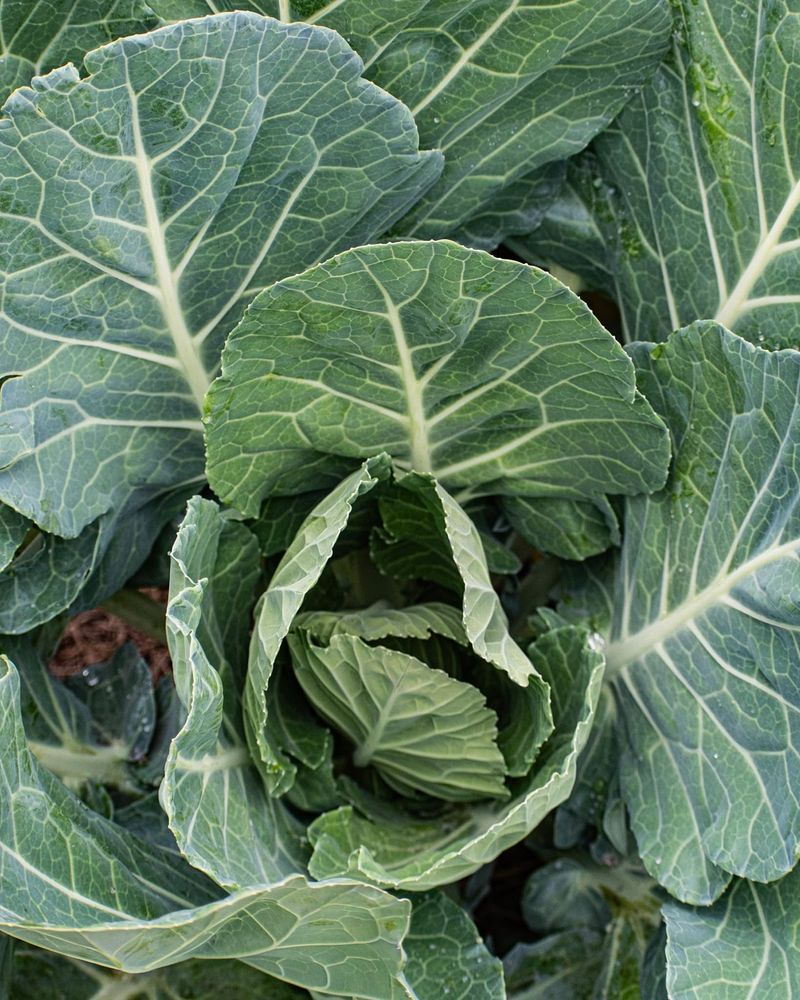
Collard greens hold a special place in North Carolina’s gardening and culinary traditions.
This sturdy vegetable (Brassica oleracea var. viridis) has been grown in the South for centuries, and it remains a beloved staple in gardens and kitchens across the state to this day.
What makes collards especially valuable in North Carolina is their ability to thrive during the cooler bookends of the growing season, providing fresh, nutritious leaves when many summer crops have already finished.
Spring planting works well for collards, with transplants going into the ground four to six weeks before the last expected frost in your region.
Fall planting is equally popular and often produces the best-tasting leaves, since light frost actually sweetens collard greens by converting starches into sugars.
Sowing seeds in late summer for a fall crop, usually in August across much of North Carolina, gives plants time to establish before cool weather arrives and enhances their flavor considerably.
Collards grow vigorously in full sun to partial shade and appreciate consistent moisture along with fertile, well-amended soil.
Harvesting outer leaves regularly while leaving the central growing point intact allows plants to keep producing new foliage over many weeks.
A single planting can supply fresh greens from October through December in North Carolina, and sometimes even longer in milder coastal areas.
Few vegetables offer that kind of extended harvest window combined with such deep cultural roots in the state’s gardening heritage.