Easy Plant Pairings That Grow Beautifully Together In One Pot In North Carolina
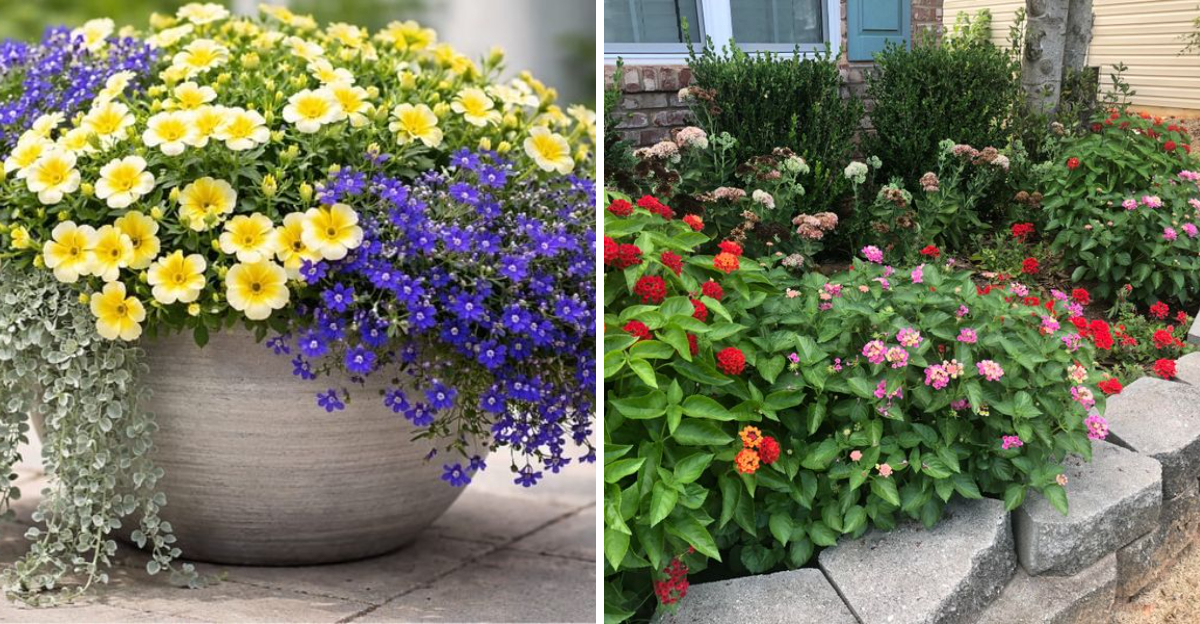
Growing multiple plants in one pot is a simple way to create a full, colorful display, but the right pairings make all the difference.
In North Carolina, where warm weather helps plants grow quickly, choosing combinations that thrive together keeps containers looking balanced instead of crowded.
Some plants share the same needs for sunlight, water, and space, while others can compete and struggle if grouped together. The goal is to create a mix where each plant supports the others and fills the pot in a natural, layered way.
When done well, a single container can offer height, color, and texture that feels complete on its own. It also makes care easier since everything in the pot follows a similar routine.
With a few smart choices, you can turn any container into a vibrant, low effort feature that looks great all season long.
1. Basil And Parsley
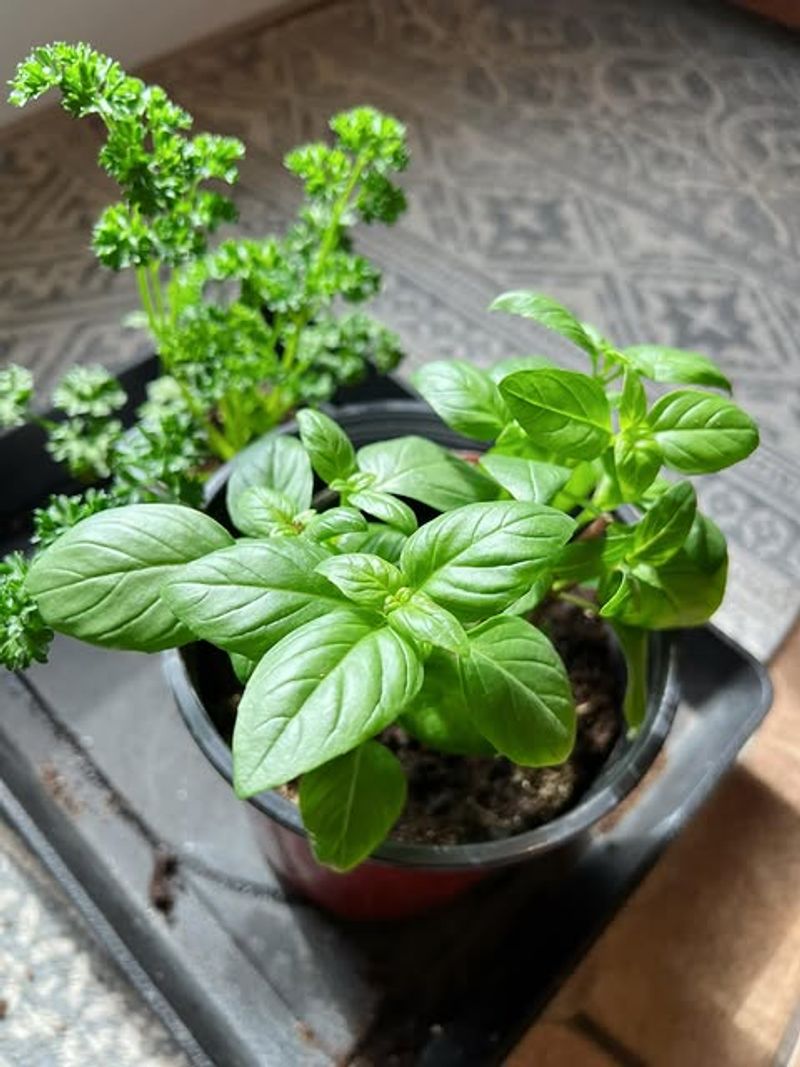
Few herb combinations smell as incredible as basil and parsley sharing one pot on a warm North Carolina morning. These two herbs have been kitchen staples for centuries, and growing them together just makes everyday cooking feel more connected to the garden.
Basil brings that sweet, peppery fragrance, while parsley adds a fresh, clean bite to everything from salads to pasta.
Both plants thrive in rich, well-draining potting mix with consistent moisture and at least six hours of sunlight daily.
In North Carolina, a spot with full morning sun and light afternoon shade is just about perfect, especially during the hotter summer months when intense heat can stress young basil.
A container that holds at least two gallons gives both herbs enough room to grow without competing for nutrients.
Watering consistently is the key to keeping this pair happy. Let the top inch of soil dry out slightly between waterings, but never let the pot sit bone dry for too long.
Pinching back basil flowers as they appear will keep the plant bushy and productive all season long. Parsley is a slow starter but a steady grower, so plant it a week or two earlier if you want both herbs to hit their stride at the same time.
Together, this duo is one of the most practical and rewarding container combinations you can grow in North Carolina.
2. Rosemary And Thyme
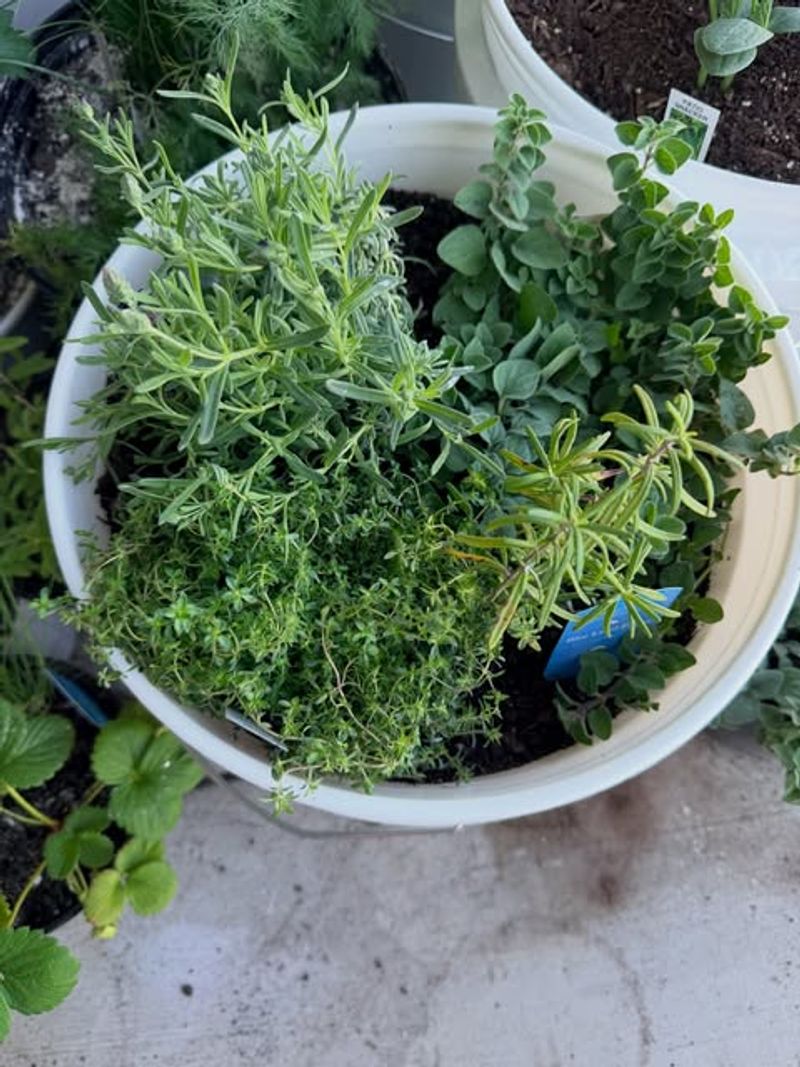
There is something almost rustic and timeless about a terracotta pot filled with rosemary and thyme sitting on a sunny North Carolina patio.
Both plants come from the Mediterranean, where rocky, dry hillsides shaped them into incredibly tough, drought-tolerant herbs.
That shared heritage means they have nearly identical care needs, which makes them one of the easiest container pairings you can grow.
Full sun is non-negotiable for this duo. They want at least six to eight hours of direct sunlight every day and soil that drains fast and stays on the drier side.
In North Carolina, heavy clay-based potting mixes can hold too much moisture and cause root problems, so always choose a gritty, well-draining blend. Adding a layer of gravel or small stones to the bottom of the pot can also help improve drainage significantly.
Your North Carolina Garden Changes Every Week. Your Plan Should Too.
Gardening in North Carolina changes quickly throughout the season. Every Friday you’ll receive a simple weekly plan showing exactly what to plant, prune, fertilize, harvest, and protect so you never miss the right timing.
Rosemary grows upright and tall, giving the container a bold vertical structure, while thyme creeps low and spills beautifully over the edges. This combination is not just pretty but also incredibly useful in the kitchen.
Both herbs pair wonderfully with roasted meats, vegetables, and homemade breads. Overwatering is the biggest mistake people make with this pairing, so water only when the top two inches of soil feel completely dry.
With minimal fuss and maximum flavor, rosemary and thyme are a must-grow combination for North Carolina container gardeners.
3. Chives And Cilantro
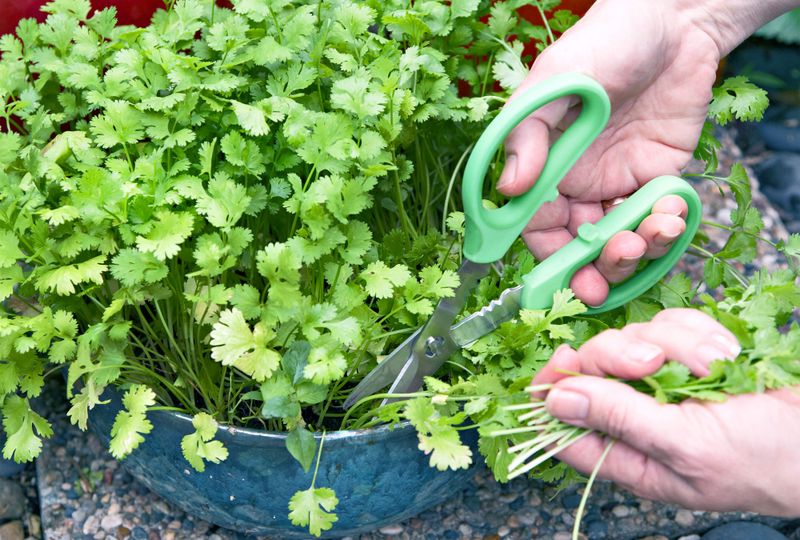
Spring in North Carolina is short, sweet, and absolutely perfect for growing chives and cilantro together in one container. Cilantro is famous for bolting, meaning it rushes to flower and go to seed the moment temperatures climb too high.
Pairing it with chives during the cooler spring months gives you a window of fresh, flavorful harvests before the summer heat takes over.
Chives are incredibly forgiving and almost impossible to mess up. They push up slender, hollow green leaves from early spring onward and bounce back quickly after cutting.
Cilantro, on the other hand, needs a little more attention. It prefers consistently moist soil and cooler air temperatures, ideally between 50 and 75 degrees Fahrenheit, which aligns perfectly with North Carolina’s spring season from March through May.
Plant both in a wide, shallow container with rich potting mix and good drainage. A spot that gets morning sun but stays shaded in the afternoon will extend your cilantro harvest by a couple of extra weeks.
Once cilantro starts to bolt and flower, you can actually let it go to seed and harvest the seeds as coriander, a spice used in countless recipes around the world.
Chives will continue producing long after cilantro fades, making this a smart seasonal pairing that gives you fresh herbs from the earliest days of spring all the way into summer across North Carolina.
4. Marigolds And Zinnias
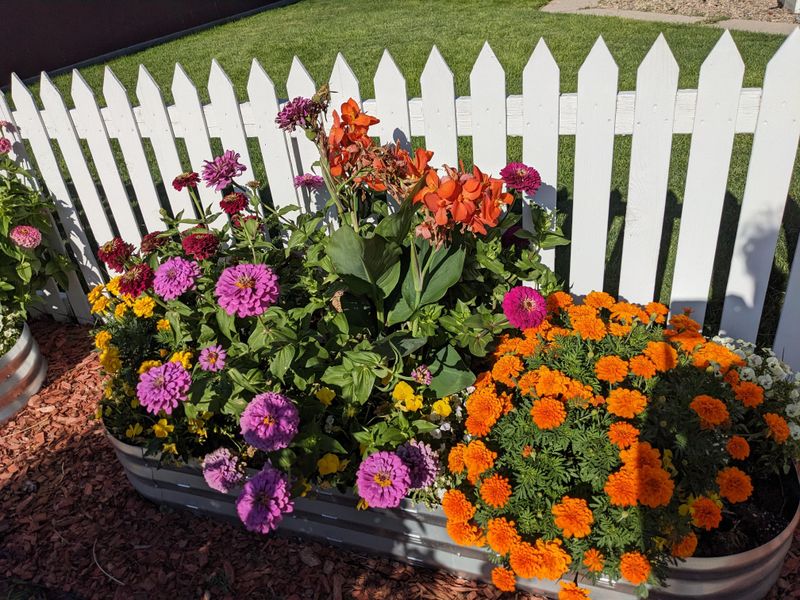
If you want a pot that practically glows with color all summer long, marigolds and zinnias are your answer.
Both are sun-loving annuals that absolutely thrive in North Carolina’s long, warm summers, producing cheerful blooms in shades of orange, yellow, red, and pink from late spring all the way through the first cool nights of fall.
They are also incredibly easy to grow, even for complete beginners. Marigolds bring a bold, golden warmth to the container while also naturally deterring certain garden pests with their distinctive scent.
Zinnias, on the other hand, come in a wider range of colors and attract butterflies and pollinators in droves.
Together, they create a vibrant, pollinator-friendly display that looks stunning on a sunny porch or front step anywhere in North Carolina.
Both plants need full sun, at least six hours daily, and well-draining potting mix. Water them deeply but allow the soil to dry slightly between waterings to prevent root problems.
Deadheading spent blooms regularly is the single most effective way to keep both plants producing flowers all season. Simply pinch or snip off faded flowers at the base of the stem, and new buds will follow quickly.
Choose a large container, at least 12 inches wide, to give both plants enough room to spread. This pairing is one of the most rewarding and low-maintenance color combinations you can grow in a North Carolina container garden.
5. Calibrachoa And Sweet Alyssum
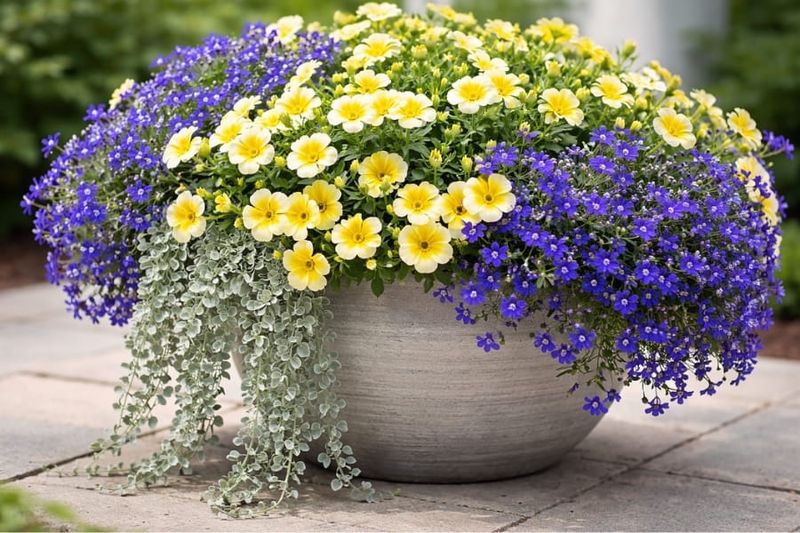
Walk through any garden center in North Carolina during spring and you will almost certainly spot this iconic pairing already put together in a hanging basket.
Calibrachoa, sometimes called million bells, produces hundreds of tiny trumpet-shaped flowers in shades of pink, purple, red, and yellow all season long.
Sweet alyssum, with its frothy clusters of honey-scented blooms in white, lavender, or rose, provides a delicate, lace-like texture that perfectly weaves between the bolder colors of its partner.
The visual contrast between calibrachoa’s saturated trumpets and sweet alyssum’s petite, airy blossoms is genuinely stunning.
Both plants trail energetically over the edges of the pot, creating a soft, cloud-like look that gets more impressive and lush as the season progresses.
This combination works especially well in hanging baskets, window boxes, and large elevated planters where the cascading flowers have room to drape freely and release their sweet fragrance.
Both plants love full sun and regular watering, though sweet alyssum appreciates a bit of afternoon shade in the peak of summer to keep its blooms fresh. In North Carolina’s hot summers, containers can dry out quickly, so checking moisture levels every day or two is a smart habit.
A slow-release fertilizer mixed into the potting soil at planting time will fuel both plants through the season with minimal extra effort.
Calibrachoa does not need deadheading and sweet alyssum is equally low-maintenance, making this one of the most carefree flower combinations available for North Carolina container gardeners who want big impact without a lot of daily chores.
6. Coleus And Begonias
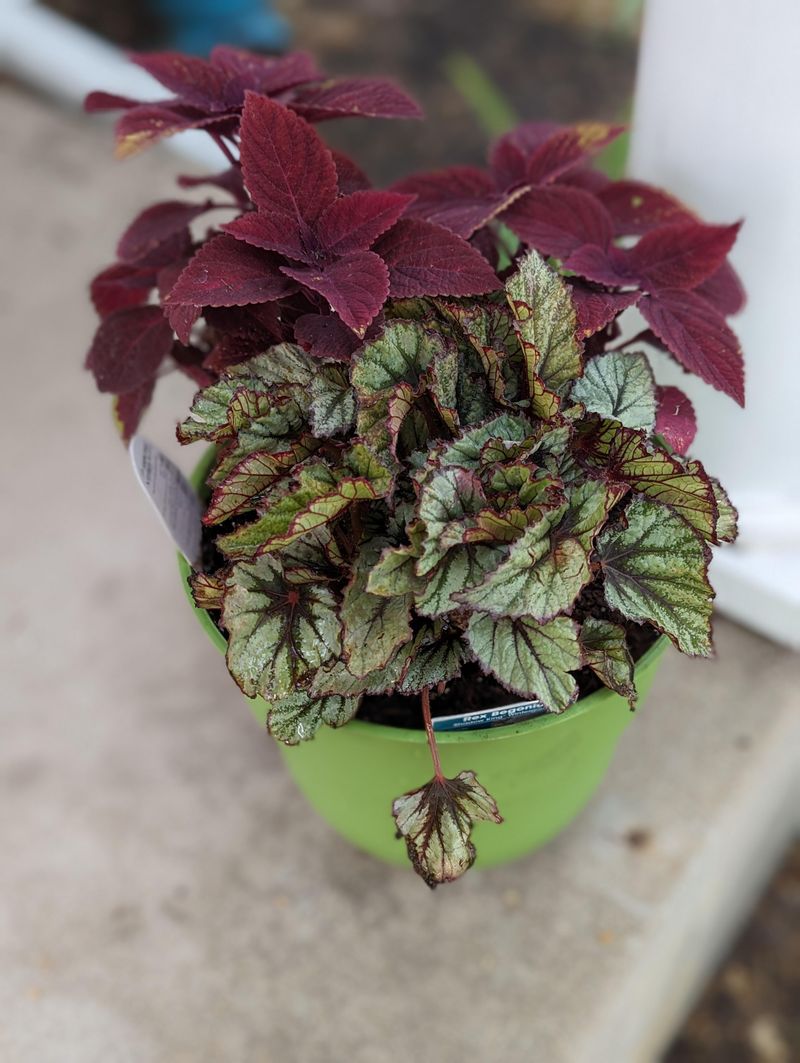
Not every porch or patio in North Carolina gets full sun, and that is exactly where coleus and begonias come in to save the day.
This pairing is built for shade and part-shade spots, delivering rich, eye-catching color even in areas where most other flowering plants would simply struggle to survive.
Coleus offers spectacular patterned foliage in combinations of red, green, purple, and gold, while begonias add soft, waxy blooms in shades of pink, red, white, and coral.
What makes this combination so appealing is that neither plant needs much fuss. Wax begonias are especially tough and bloom nonstop from spring through fall without requiring deadheading.
Coleus grows quickly and fills in beautifully, creating a lush, layered look that gets more impressive as the weeks go by. Together, they turn a shady covered porch into a genuinely vibrant and welcoming space.
Both plants prefer consistently moist, well-draining potting mix and do not appreciate long dry spells. In the warmer months across North Carolina, watering every two to three days is usually enough to keep them looking their best.
Avoid letting the pot sit in standing water, as begonias in particular are sensitive to soggy roots. Pinching back coleus occasionally will keep it from getting leggy and encourage fuller, bushier growth.
This is one of the most reliable and visually rewarding shade container combinations for gardeners anywhere in North Carolina.
7. Lantana And Verbena
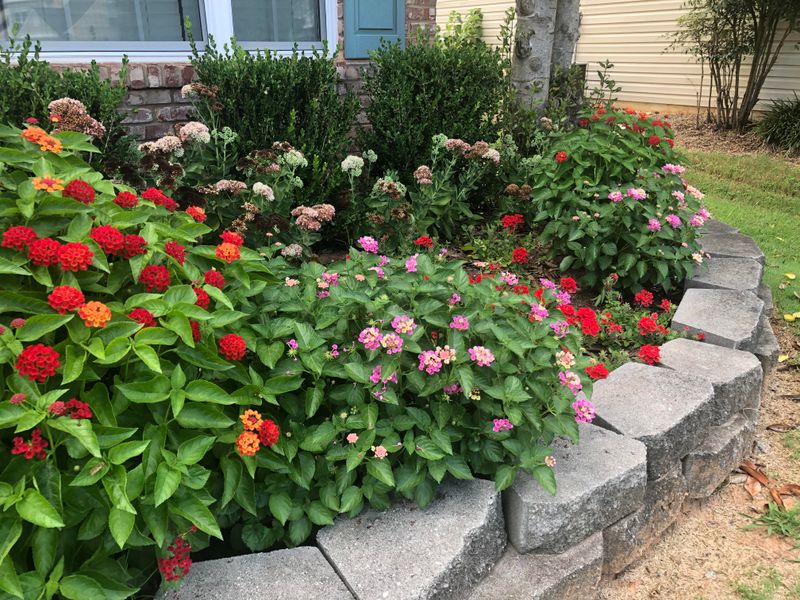
Summer heat in North Carolina can be brutal, and most flowering plants start to look worn out by July. Lantana and verbena, however, seem to get more vibrant the hotter it gets.
Both are heat-loving, sun-worshipping plants that produce clusters of small, jewel-toned flowers all summer long without much coaxing. If you have ever driven past a garden in July and wondered how those pots still looked so alive and colorful, this pairing was probably involved.
Lantana blooms in multicolored clusters that shift from yellow to orange to pink as they age, creating a constantly changing display that draws in butterflies and hummingbirds.
Verbena trails slightly and fills in the lower portion of the pot with dense, richly colored flower clusters in purple, red, pink, or white.
Together, they create a full, layered look that stays beautiful from late spring through the first cool snap of autumn.
Both plants prefer full sun and well-draining soil, and they actually perform better when not overwatered. In North Carolina’s clay-heavy soils, a premium potting mix with added perlite will help keep drainage sharp and roots healthy.
Fertilize every two to three weeks with a balanced liquid fertilizer to keep blooms coming strong through the hottest months. Deadheading verbena occasionally helps extend its blooming season, while lantana tends to be mostly self-cleaning.
This is one of the best heat-tolerant container pairings for long-lasting summer color in North Carolina.