Common Mistakes Florida Gardeners Make With Avocado Trees
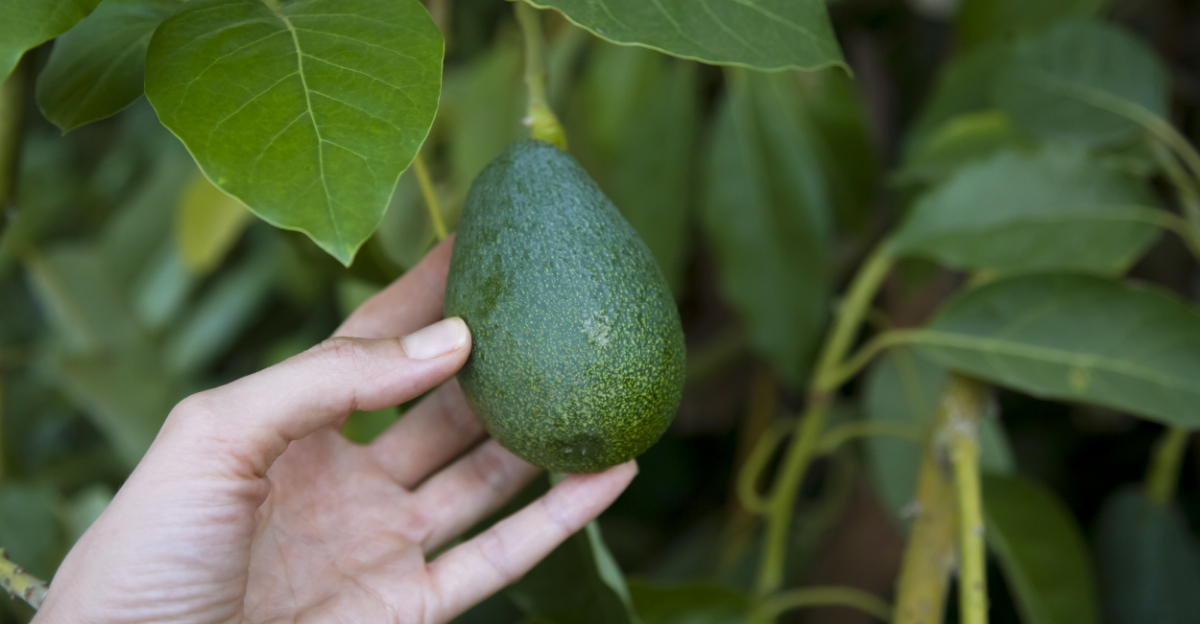
Florida sun feels amazing, but it can be a bit tricky for avocado trees. If you’ve planted one in your yard, you’ve probably noticed it doesn’t always behave like the glossy trees in the nursery photos.
From too much water to choosing the wrong spot, even experienced gardeners run into roadblocks when raising these tropical beauties in the Sunshine State.
Understanding what not to do can save your trees a lot of stress and your patience a lot of headaches.
We’re going to break down the most common mistakes that sneak into every avocado grower’s routine and show you how to avoid them so your trees thrive, blossom, and maybe even reward you with that first perfect fruit.
1. Overwatered Young Avocado Trees
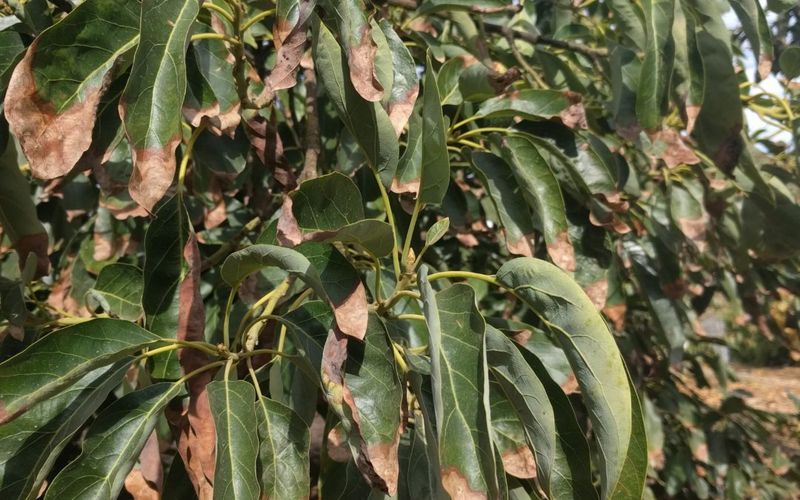
Believe it or not, too much love in the form of water is one of the fastest ways to hurt a young avocado tree in Florida. Many new gardeners assume that because Florida is hot, their trees need frequent watering, but avocado roots benefit from allowing the soil to dry slightly between waterings.
The reality is quite different, and overwatering is one of the top reasons avocado trees struggle in the state.
Avocado roots need oxygen just as much as they need water. When the soil stays soaked for too long, those roots cannot breathe properly.
This leads to root rot, a condition where the roots break down and can no longer absorb nutrients or water effectively, leaving the tree weak and unhealthy.
Young trees are especially vulnerable during their first year in the ground. A good rule of thumb is to water deeply but infrequently, allowing the top two inches of soil to dry out between waterings.
During Florida’s rainy season, which runs from June through September, you may not need to water at all.
Checking the soil moisture before reaching for the hose is a simple habit that makes a big difference. Use your finger or a basic moisture meter to test the soil a few inches down.
Sticking to a smart watering schedule, rather than watering on a fixed daily routine, gives your avocado tree the best chance to thrive in Florida’s humid environment.
2. Poorly Drained Soil Problems
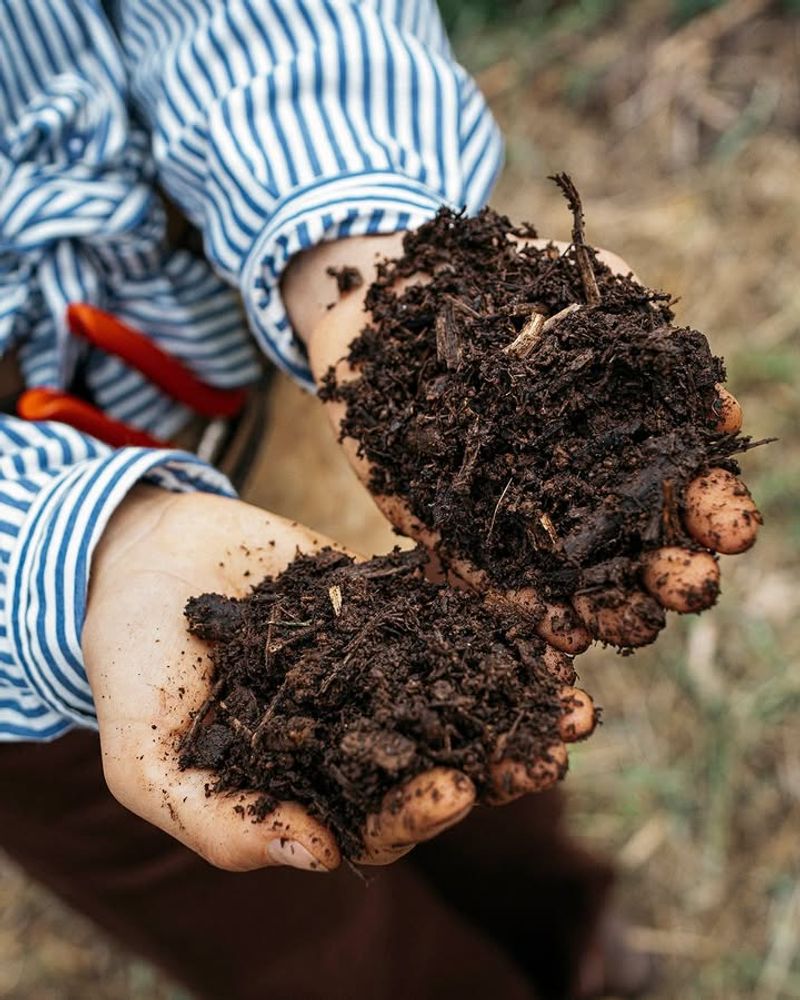
Florida’s soil is as varied as its landscape, and not all of it is suitable for avocado trees. From the sandy coastal soils of South Florida to the heavier clay-like soils found in some central and northern regions, drainage quality can vary widely from one yard to the next.
Planting an avocado tree without checking drainage first is a gamble that rarely pays off.
Avocados are notoriously sensitive to standing water. When roots sit in wet soil for extended periods, they become susceptible to Phytophthora root rot, a serious fungal disease that is extremely common in Florida.
Once established, this disease is hard to control and can weaken even a mature tree over time.
Before planting, do a simple drainage test by digging a hole about one foot deep, filling it with water, and watching how quickly it drains. If the water is still sitting there after an hour, you have a drainage problem that needs to be addressed first.
Your Florida Garden Changes Every Week. Your Plan Should Too.
Gardening in Florida changes quickly throughout the season. Every Friday you’ll receive a simple weekly plan showing exactly what to plant, prune, fertilize, harvest, and protect so you never miss the right timing.
Raised planting beds or mounds are a popular solution among Florida gardeners. Building up the planting area by six to twelve inches improves drainage significantly and gives roots a better environment to grow.
Mixing in organic compost can also help improve soil structure. Taking a little extra time to prepare the planting site properly is one of the smartest investments you can make for your avocado tree’s long-term health.
3. Ignoring Florida Cold Risks
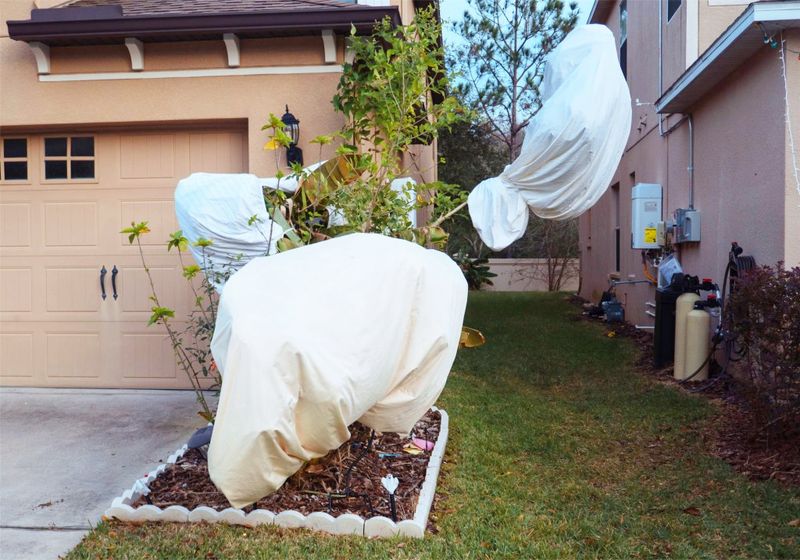
A reputation for sunshine and warmth can make it easy to forget that cold snaps are a real concern, especially in North and Central Florida. Many gardeners plant their avocado trees without ever thinking about cold protection, and then are caught completely off guard when temperatures drop during a winter cold front.
Most Florida-adapted avocado varieties can tolerate brief dips to about 28–32 degrees Fahrenheit, but damage is possible depending on tree age, variety, and duration of cold. Newly planted trees are the most vulnerable because they have not yet developed the bark thickness and root strength that older trees have.
Even in South Florida, where freezes are rare, an unexpected cold night can set a young tree back significantly. Smart gardeners in the Sunshine State keep an eye on weather forecasts from October through February and have a plan ready before cold weather arrives.
Covering your tree with frost cloth or burlap on cold nights is an effective and affordable method of protection. Stringing outdoor holiday lights around the canopy can also add a few degrees of warmth.
Mulching around the base of the tree helps protect the root zone from temperature swings. Planting near a south-facing wall or fence also provides natural wind protection and retains heat, giving your Florida avocado tree a much better chance of making it through a cold spell safely.
4. Pruning Mistakes That Hurt Growth
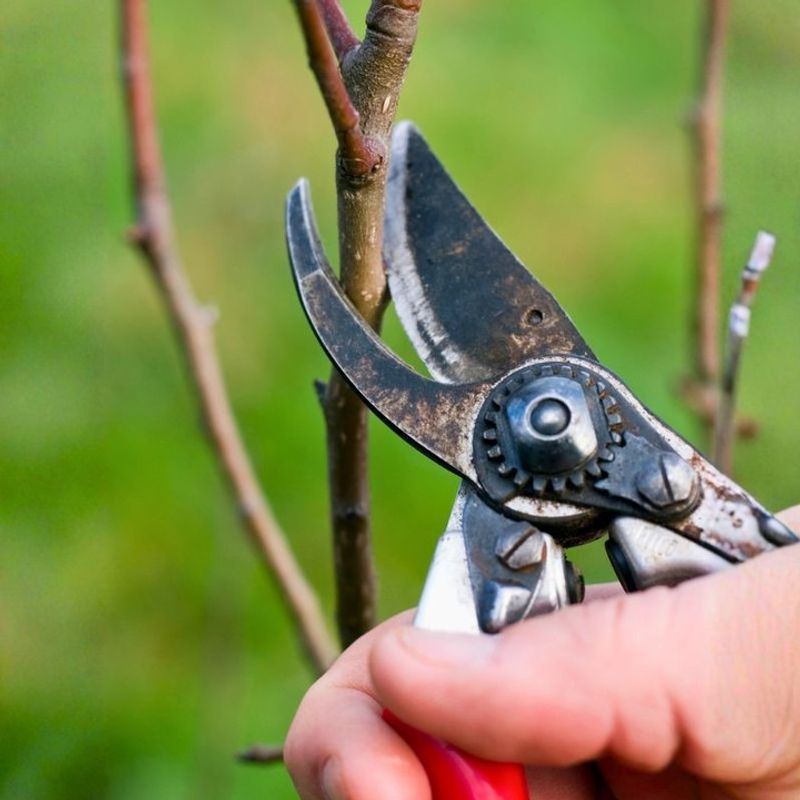
An avocado tree left to grow without any pruning can quickly become a tangled, overcrowded mess. Florida’s growing conditions are so favorable that avocado trees can put on a lot of new growth in a single season.
Without regular shaping and trimming, the canopy becomes dense, airflow drops, and the tree becomes more prone to fungal issues and pest problems.
Pruning also plays a huge role in fruit production. When branches cross over each other or grow too close together, sunlight cannot reach the inner parts of the tree.
Less sunlight means fewer flowers and, eventually, fewer avocados. Keeping the canopy open and well-shaped helps light penetrate throughout the tree and encourages more consistent fruiting year after year.
Many Florida gardeners make the mistake of either never pruning at all or pruning too aggressively all at once. Both extremes can stress the tree.
The goal is to remove dead or damaged wood, thin out crowded areas, and keep the tree at a manageable height for easy harvesting.
The best time to prune avocado trees in Florida is after the harvest season, typically in late summer or early fall. Always use clean, sharp tools to make smooth cuts that heal quickly.
Avoid pruning during periods of extreme heat or right before a cold snap. A little thoughtful pruning each year keeps your avocado tree healthy, productive, and looking great in your Florida landscape.
5. Skipping Fertilization Schedules
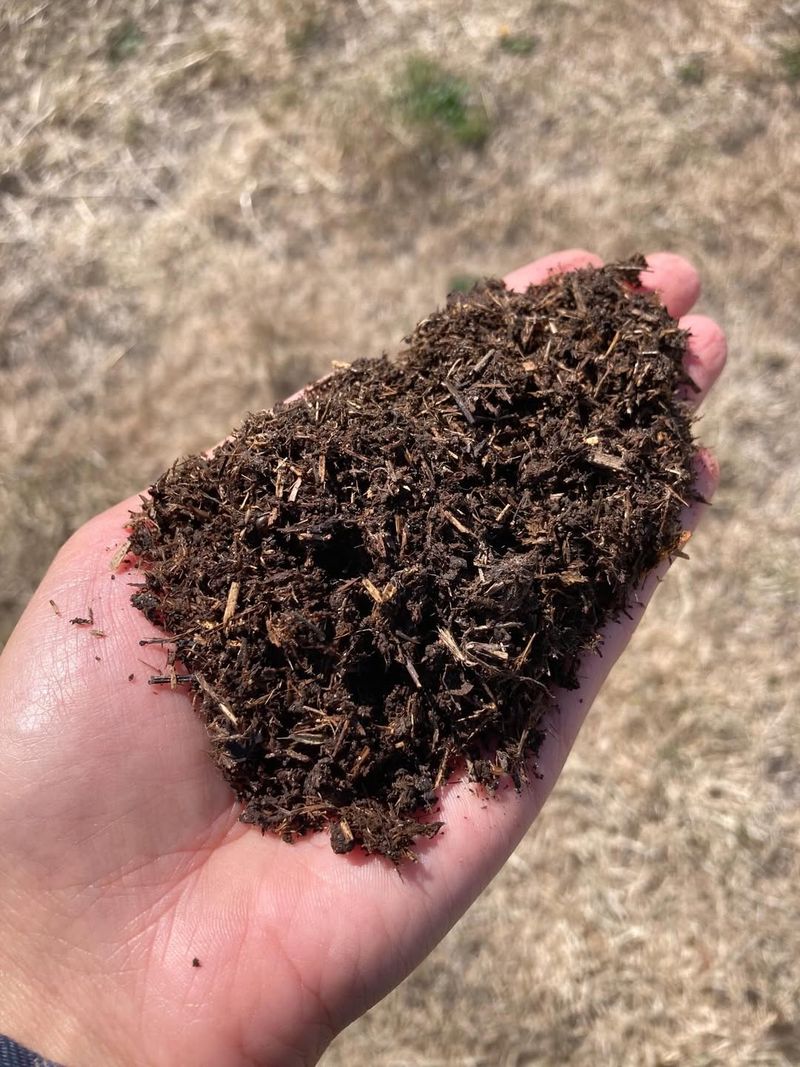
Avocado trees are hungry growers, and Florida’s sandy soils often lack the nutrients needed to keep them thriving. One of the most common mistakes gardeners make is assuming that once a tree is in the ground, it will take care of itself.
Without a consistent fertilization schedule, avocado trees in Florida can develop nutrient deficiencies that show up as yellowing leaves, poor fruit set, or stunted growth.
Nitrogen is the most important nutrient for avocado trees, supporting leaf growth and overall vigor. But a complete fertilizer that also includes potassium, phosphorus, and micronutrients like zinc and manganese is ideal for Florida conditions.
Zinc deficiency in particular is very common in Florida avocado trees and can cause small, distorted leaves if left uncorrected.
Young trees benefit from light, frequent fertilizer applications every six to eight weeks during the growing season. Mature trees generally need fertilizing three to four times per year.
Always follow the product label instructions, because over-fertilizing is just as harmful as not fertilizing at all and can actually burn roots or cause excessive leafy growth with little fruit.
Organic fertilizers like compost, fish emulsion, or well-aged manure are great options for Florida gardeners who prefer a more natural approach. They release nutrients slowly and also help improve soil structure over time.
Keeping a simple calendar reminder for fertilization dates takes the guesswork out of the process and helps your avocado tree stay consistently nourished throughout the year.
6. Wrong Avocado Variety Choices
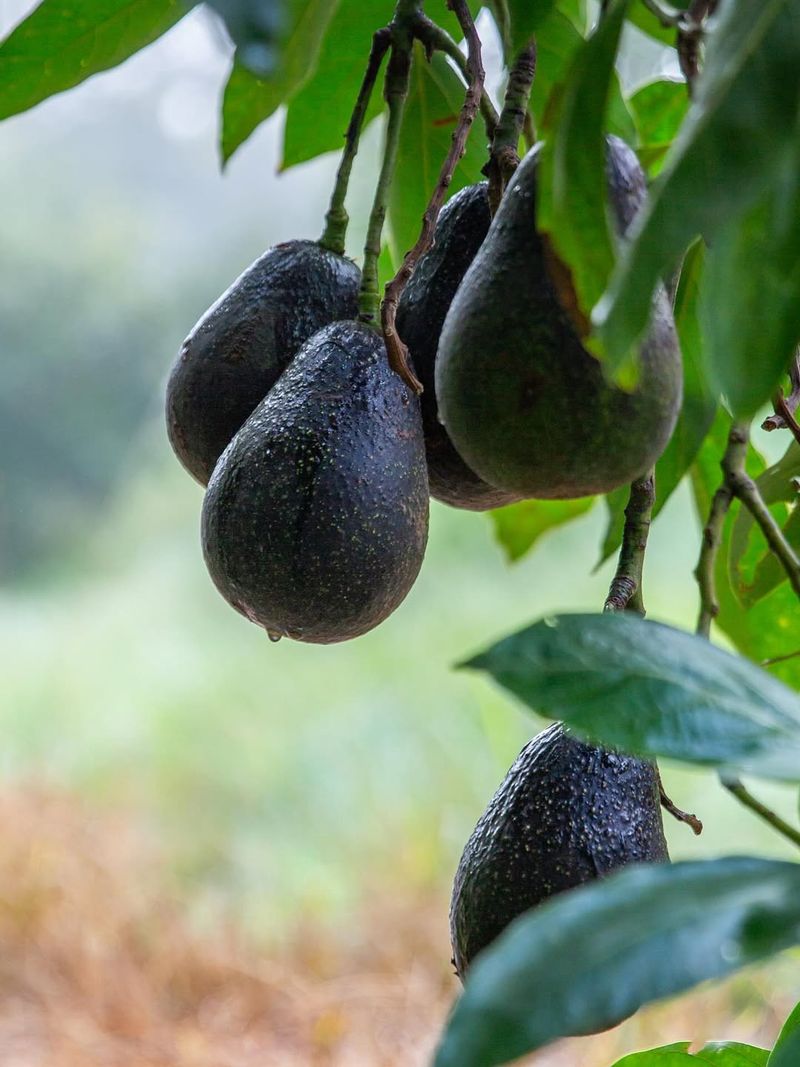
Walk into any Florida nursery and you might be surprised by how many avocado varieties are available. Not all of them are equally suited to the state’s climate, and picking the wrong one is a mistake that can cost you years of growing time.
Florida has a range of climate zones, from the subtropical warmth of Miami-Dade County to the cooler conditions of the Panhandle, and variety selection matters enormously.
California favorites like Hass avocados, which are common in grocery stores, often struggle in Florida’s humid summers compared with Florida-adapted varieties. They are more suited to dry Mediterranean-type climates.
Florida-adapted varieties like Lula, Choquette, Monroe, and Brogdon have been developed or selected specifically because they handle the state’s heat, humidity, and occasional cold much better.
Florida avocado varieties also tend to be larger and have a slightly lower fat content than Hass, which some people prefer. They are sometimes called Florida avocados or slimcados in stores.
Beyond taste, what matters most is selecting a variety that matches your specific location within the state.
Gardeners in South Florida have more flexibility and can grow a wider range of tropical varieties year-round. Those in Central or North Florida should focus on cold-hardy selections like Brogdon or Gainesville.
Talking to your local county extension office or a reputable Florida nursery before buying is always a smart move. Getting expert advice upfront saves a lot of frustration down the road.
7. Crowded Trees And Tight Spaces
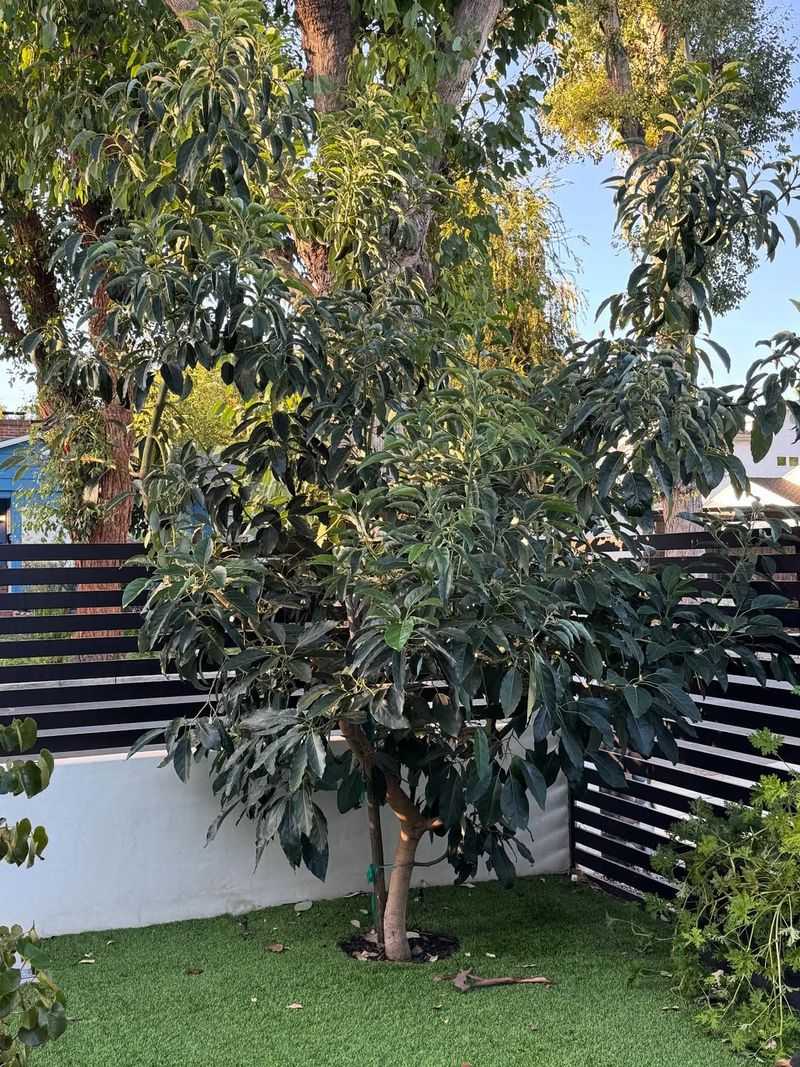
Avocado trees are big. That is something a lot of first-time growers in Florida underestimate when they are standing in a nursery holding a small potted sapling.
A mature avocado tree can reach 20–30 feet tall with a similar spread, though size depends on variety and growing conditions. Planting one too close to a fence, the side of your house, a driveway, or another tree is a setup for problems that only get worse over time.
Surface roots are a major concern with avocado trees. They tend to grow shallow and wide, which means they can lift sidewalks, crack driveways, and compete aggressively with nearby plants for water and nutrients.
In Florida, where the soil is often sandy and shallow, root spread can be even more pronounced.
Placing an avocado tree too close to structures also creates maintenance headaches. Overhanging branches can scrape rooflines, clog gutters, and make pruning much more difficult and expensive.
Dense canopy growth near a house can also trap moisture against siding or roofing materials, leading to mold or structural issues over time.
A good general guideline for Florida gardeners is to plant avocado trees at least 15 to 20 feet away from any structure, fence, or other large tree. If you have a smaller yard, look into semi-dwarf varieties that stay more compact.
Planning ahead for the tree’s full-grown size before you ever dig the first hole saves a tremendous amount of trouble and expense in the years ahead.