What Frost Really Does To Ohio Rhododendrons And How To Protect Them
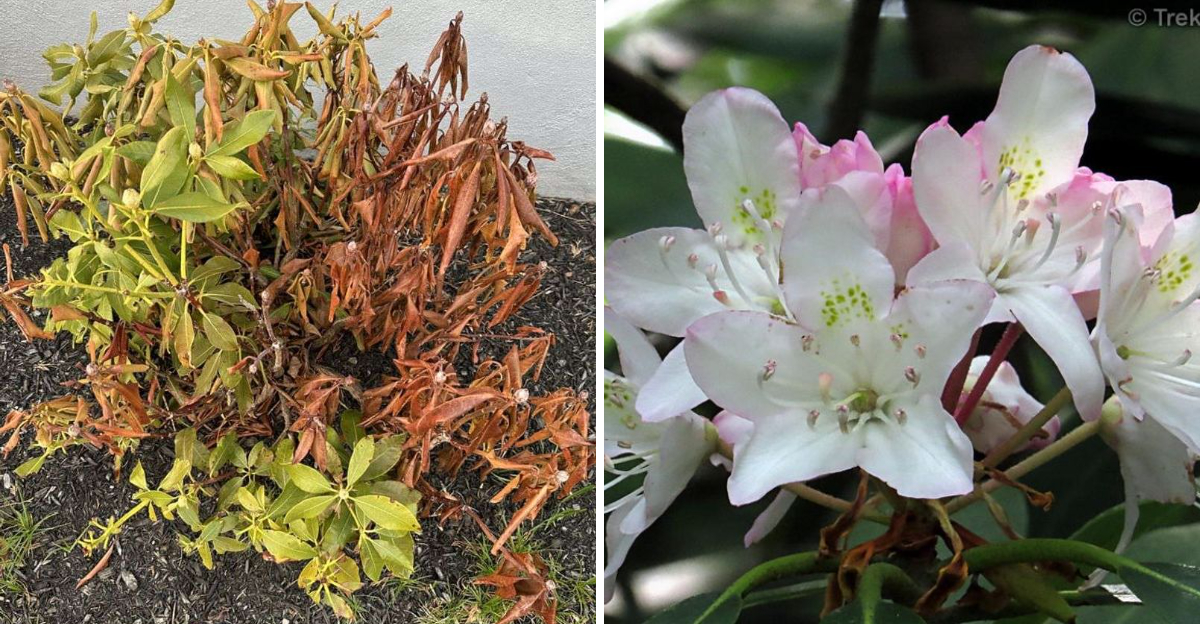
A mild winter day in Ohio can fool any gardener into thinking spring is already on the way. Then the temperature drops overnight, frost settles in, and rhododendrons wake up looking strangely different.
Leaves curl tightly, buds look dull, and the once glossy foliage suddenly appears tired. Many homeowners assume the shrub has suffered serious damage.
In reality, frost triggers a series of reactions inside the plant that most people never notice until it happens right in front of them.
Rhododendrons respond to cold in ways that look alarming but often serve as natural survival tricks. At the same time, repeated freezes, harsh winds, and sudden temperature swings across Ohio can still leave lasting stress on these popular shrubs.
Understanding what frost truly does to rhododendrons can change how gardeners react when winter strikes. Even better, a few simple steps can protect the plants long before the next cold night arrives.
1. The Hidden Damage Frost Can Cause Overnight
Most gardeners assume a light overnight freeze just chills the garden and nothing more. The truth is far more complicated, especially for evergreen shrubs like rhododendrons that keep their leaves all winter long.
Frost triggers a chain reaction inside the plant’s tissues that can take weeks or even months to fully show up.
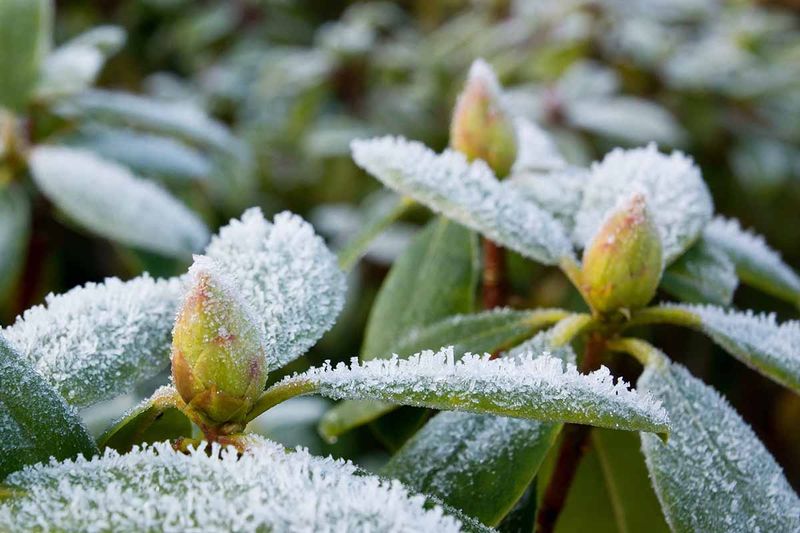
When temperatures drop below freezing, water inside the plant’s cells begins to freeze and expand. That expansion breaks down cell walls, which interrupts the movement of moisture throughout the entire shrub.
Leaves start to curl inward, a visible stress response the plant uses to slow down water loss when it can no longer pull moisture from frozen ground.
Flower buds are especially sensitive. Even a single hard freeze can damage the tender tissue inside buds before they ever get a chance to open.
Ohio gardeners often notice blackened or mushy bud centers in early spring, a clear sign that frost reached the interior of the bud during a cold overnight stretch.
The tricky part is that this damage often stays hidden beneath normal-looking foliage for several weeks. By the time browning or dieback becomes obvious, the injury happened long ago.
2. Why Ohio Winters Are Hard On Rhododendrons
Gardeners in states with consistently cold winters sometimes have it easier than Ohio homeowners do. A steady, predictable cold season actually allows rhododendrons to harden off properly and stay dormant until spring.
Ohio’s weather does not cooperate that way.
The state experiences dramatic temperature swings throughout winter, sometimes jumping 30 or 40 degrees within a single week. A warm spell in January or February can trick a rhododendron into breaking dormancy too early, pushing out new growth that becomes instantly vulnerable when the next cold front moves through.
That freeze-thaw cycle is one of the most damaging patterns these shrubs face.
Late spring frosts are another serious concern for Ohio gardeners. Just when rhododendrons are pushing out fresh buds and new leaf growth, a surprise frost in April or even early May can wipe out an entire season of blooms overnight.
Your Ohio Garden Changes Every Week. Your Plan Should Too.
Gardening in Ohio changes quickly throughout the season. Every Friday you’ll receive a simple weekly plan showing exactly what to plant, prune, fertilize, harvest, and protect so you never miss the right timing.
Regions across central and northeastern Ohio are particularly prone to these late cold events.
High humidity combined with freezing temperatures can also accelerate the damage. Wet, frozen conditions cause more rapid tissue breakdown than dry cold alone.
Ohio’s climate sits right in that challenging middle zone where rhododendrons need extra attention to survive comfortably each year.
3. How Cold Winds Make Frost Damage Even Worse
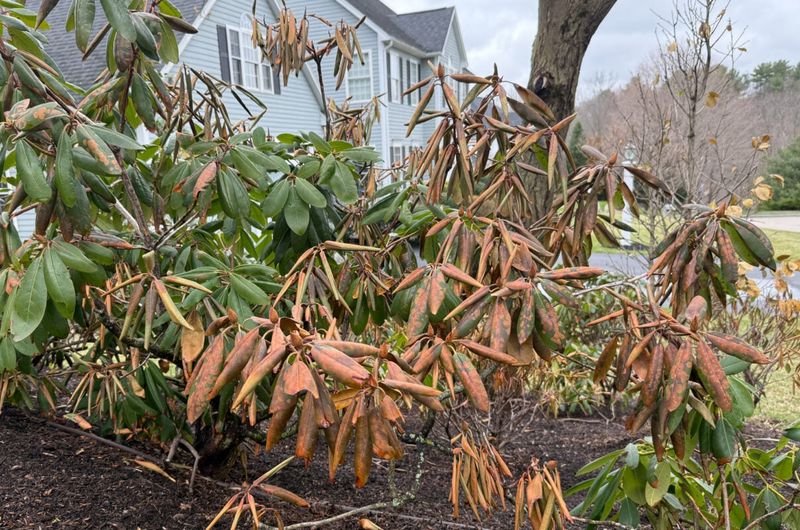
Frost alone is tough on rhododendrons, but add a cold, dry wind and the damage can double almost overnight. Wind is one of the most underestimated causes of winter injury for evergreen shrubs throughout Ohio, and rhododendrons feel it more intensely than many other landscape plants.
Evergreen leaves never fully stop losing moisture through their surfaces, even in winter. Under normal cold conditions, the plant manages that loss at a slow, steady rate.
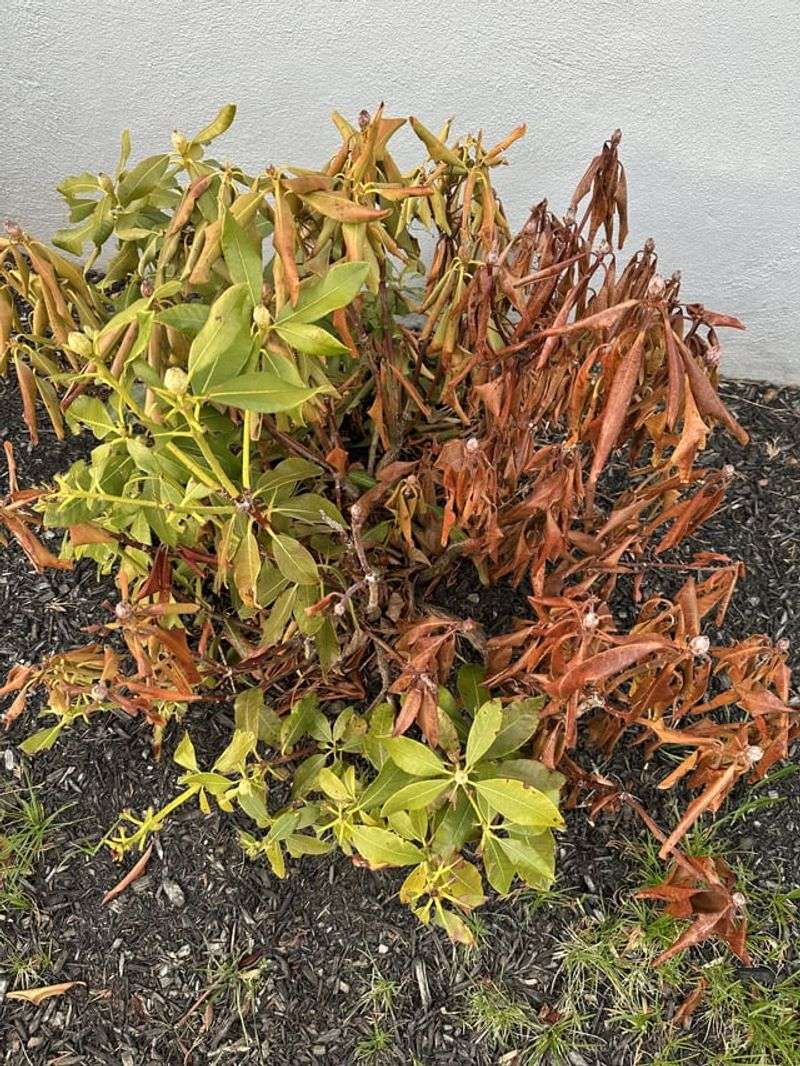
When wind picks up, moisture evaporates from the leaves much faster than the roots, sitting in frozen ground, can replace it. The result is a condition called desiccation, or winter burn, where leaves turn brown and crispy from the outside edges inward.
Rhododendrons planted on the west or southwest side of a property face the most exposure to Ohio’s prevailing winter winds. Without a natural windbreak like a fence, wall, or dense evergreen hedge nearby, these shrubs take a constant beating from November through March.
Wind also accelerates the freeze-thaw cycle by rapidly cooling leaf surfaces even when air temperatures are only mildly below freezing. Burlap screens and strategic planting near structures can dramatically reduce wind exposure and keep rhododendrons far healthier through Ohio’s harshest winter stretches.
4. The Early Warning Signs Your Shrubs Are Struggling
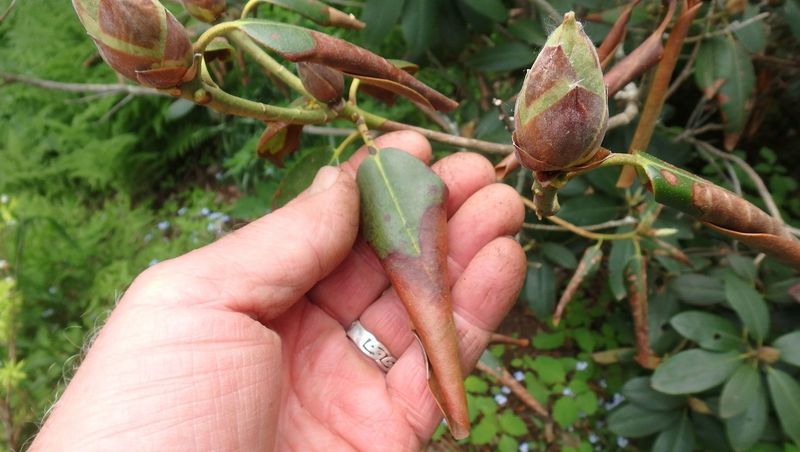
Catching frost stress early gives homeowners a real advantage when it comes to saving a struggling rhododendron. The plant sends out several clear signals before damage becomes severe, and knowing what to look for can help you act before a minor problem turns into a major setback.
Leaf curling is usually the first thing you will notice. When temperatures drop significantly, rhododendron leaves roll inward along their length and may also droop downward.
This is actually a normal, temporary response to cold. Leaves that stay curled for days after temperatures return to normal are a sign that something more serious is going on beneath the surface.
Browning along leaf edges or across entire leaves is a stronger warning sign. This type of discoloration often appears in late winter or early spring and points to desiccation or freeze damage that occurred weeks earlier.
Buds that look shriveled, blackened, or fail to swell as spring approaches are another red flag that frost reached the interior tissues.
Delayed spring growth compared to neighboring shrubs of the same variety also signals winter stress. If your rhododendron sits stiff and quiet while others nearby are actively leafing out, it likely endured more cold injury than it could easily recover from without some extra care and attention.
5. Smart Planting Spots That Reduce Frost Stress
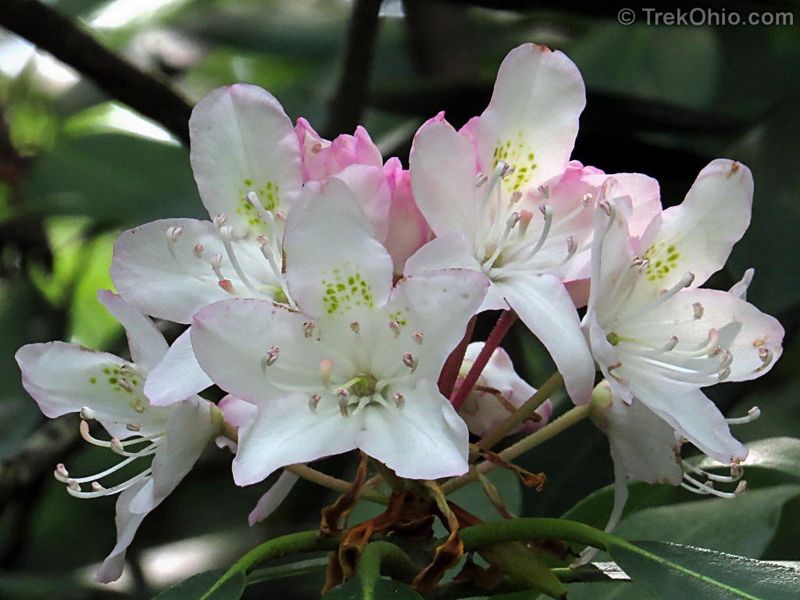
Location is one of the most powerful tools an Ohio gardener has against frost damage, and it costs nothing extra if you plan ahead before planting. Rhododendrons placed in the right spot simply face less stress every winter, year after year, without requiring extra intervention.
Planting on the north or east side of a house or solid fence gives rhododendrons two important advantages. First, the structure acts as a windbreak, blocking the cold, drying winds that blow in from the west and northwest during Ohio winters.
Second, the shade from the structure prevents the winter sun from warming the foliage too quickly on mild days, which reduces the freeze-thaw cycling that causes so much tissue damage.
Partial shade throughout the day also protects rhododendrons from summer heat stress, which weakens the plant heading into fall and makes it less capable of hardening off properly before the first frost arrives.
Avoid planting rhododendrons in open, exposed areas, on the south or west side of a property where winter sun and wind combine, or at the bottom of slopes where cold air settles on frosty nights. A spot near a mature evergreen hedge or a grouping of larger shrubs creates a naturally sheltered microclimate that Ohio rhododendrons thrive in through even the coldest winters.
6. Simple Ways Homeowners Protect Shrubs Before A Freeze
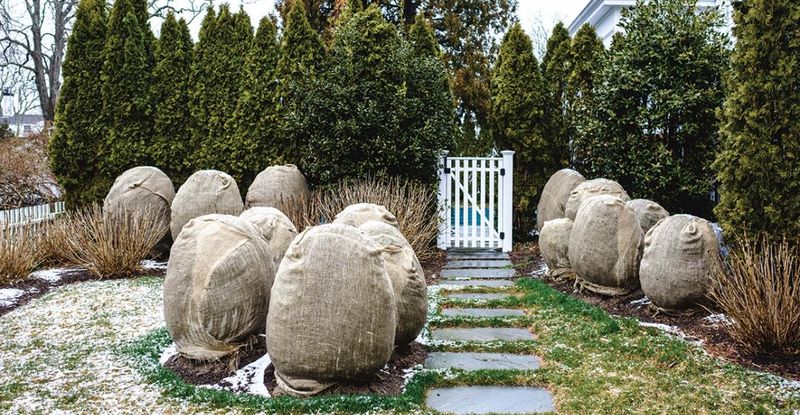
A little preparation in fall goes a long way toward keeping rhododendrons healthy through Ohio’s cold months. Most of the best protection strategies take only an hour or two and require basic supplies you can find at any garden center.
Mulching is one of the simplest and most effective steps. Apply a two to three inch layer of organic mulch, such as shredded bark, pine needles, or wood chips, around the base of the shrub.
Keep the mulch a few inches away from the main stem to prevent rot. This insulates the root zone, holds soil moisture, and buffers against the freeze-thaw cycles that damage shallow roots.
Watering deeply before the first hard freeze is another step many homeowners skip but really should not. Moist soil holds heat better than dry soil, and a well-hydrated plant handles cold stress far more effectively than a thirsty one.
Give rhododendrons a thorough soaking in late October or early November before the ground freezes solid.
Burlap screens installed on the windward side of the shrub block cold, drying winds without trapping heat the way plastic sheeting does. Anti-desiccant sprays applied to the leaves in late fall also help reduce moisture loss during harsh Ohio winters.
Combining two or three of these methods together gives rhododendrons the strongest possible protection heading into the cold season.
7. What To Do When Spring Reveals Frost Damage
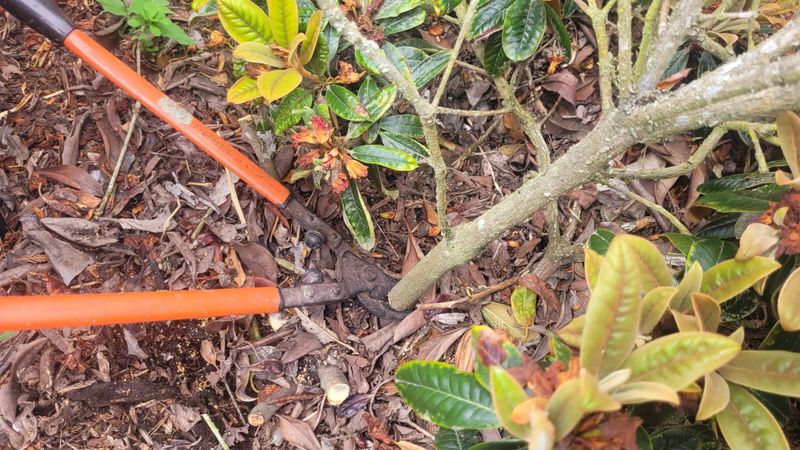
Spring can feel discouraging when you pull back the winter mulch and find brown, crispy foliage staring back at you. Before reaching for the pruning shears, patience is the most important tool in your kit.
Rhododendrons often look far worse than they actually are after a tough Ohio winter.
Wait until mid to late spring before making any major pruning decisions. Even branches that appear completely brown may still have living tissue underneath the bark.
Scratch the surface of a stem with your thumbnail and look for green tissue beneath. Green means the branch is still alive and may push out new growth once temperatures consistently warm up.
When it is time to prune, remove only the clearly damaged wood, cutting just above a healthy bud or a point where you can see green tissue. Avoid heavy pruning all at once, as removing too much foliage at a single time stresses the shrub further when it is already working hard to recover.
Give frost-damaged rhododendrons a boost with a slow-release, acid-forming fertilizer formulated for broadleaf evergreens. Avoid high-nitrogen products in early spring, as they push rapid soft growth that is especially vulnerable to any late frosts Ohio still has a habit of sending through in April and May.
8. How Healthy Rhododendrons Recover And Bloom Again
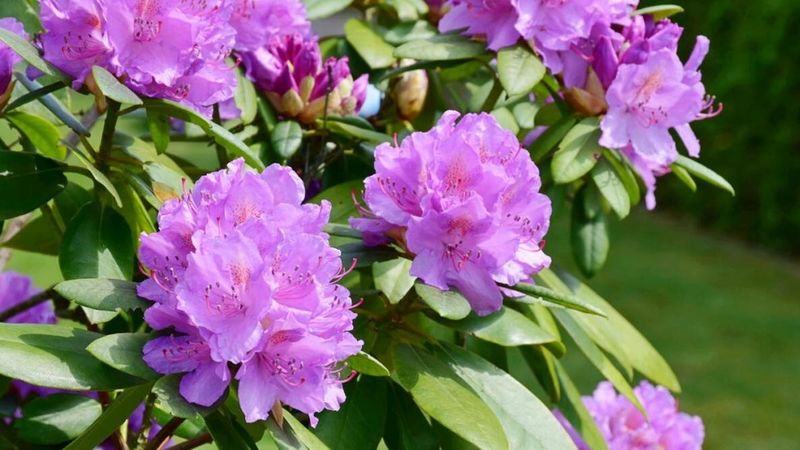
Few garden moments feel more rewarding than watching a rhododendron that struggled through a hard Ohio winter finally burst into bloom come May. Recovery is absolutely possible for most shrubs, and with consistent care, many bounce back stronger than they were before a difficult season.
Consistent watering throughout the growing season is the foundation of a healthy recovery. Rhododendrons have shallow root systems that dry out quickly during summer heat.
Deep, regular watering, especially during dry spells, keeps the plant hydrated and supports the new growth it needs to rebuild after frost damage.
Maintaining the right soil conditions makes a significant difference. Rhododendrons prefer acidic soil with a pH between 4.5 and 6.0.
Ohio soils can be more alkaline than these shrubs prefer, so testing your soil and amending with sulfur or an acidifying fertilizer helps the plant absorb the nutrients it needs to thrive.
Over the course of one to two full growing seasons, a well-cared-for rhododendron typically replaces damaged foliage, rebuilds its bud set, and returns to a full, healthy flowering habit. Choosing cold-hardy varieties suited to Ohio’s USDA hardiness zones 5 and 6, such as those bred through university programs for northern climates, gives your shrub the best long-term odds of blooming beautifully for decades to come.