This Common Ohio Gardening Habit Is Ruining Your Soil Structure
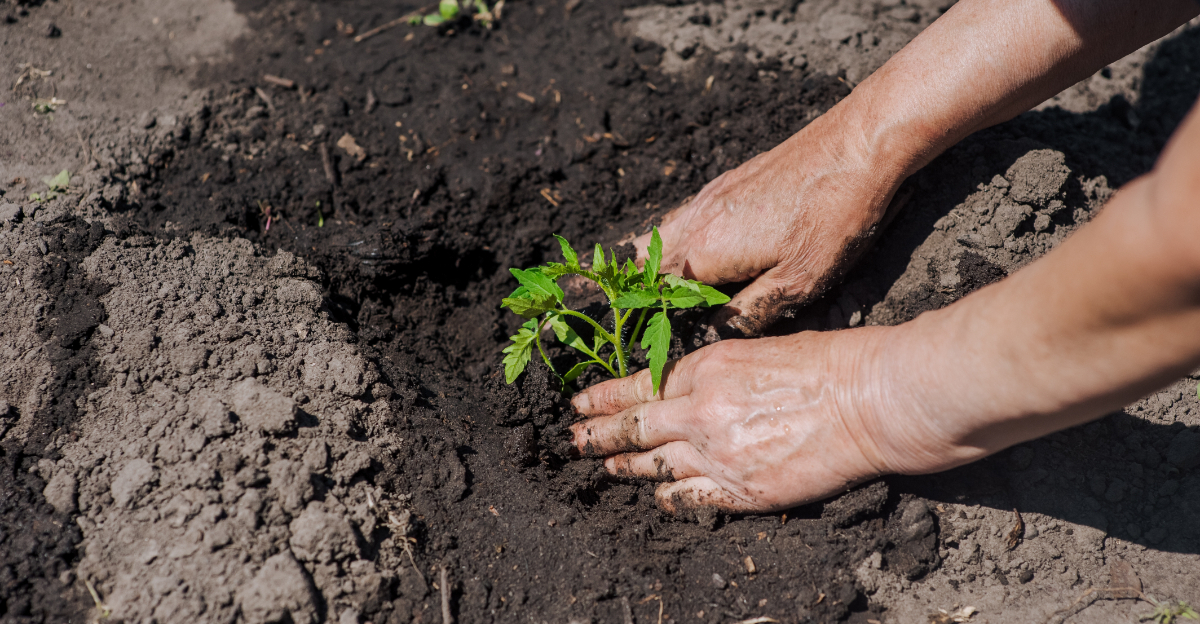
A lot of Ohio gardeners do this without thinking twice. The ground feels workable, the weather finally looks decent, and out comes the shovel, tiller, or rake.
It feels productive, responsible, and like the right way to get a garden ready. But one common habit can quietly undo a lot of that good effort by breaking apart the very structure your soil needs to stay healthy.
In Ohio, where spring soil often swings from soggy to compacted to crusty in a short stretch, structure matters more than many people realize. Good soil is not just dirt.
It is a living system with air pockets, crumbly aggregates, moisture balance, and the kind of texture roots depend on. Disturb it the wrong way or at the wrong time, and that balance starts to fall apart.
That is why this everyday gardening move can cause bigger problems than it seems, and why more Ohio gardeners are starting to rethink it.
1. Early Spring Soil In Ohio Often Looks Ready Before It Really Is
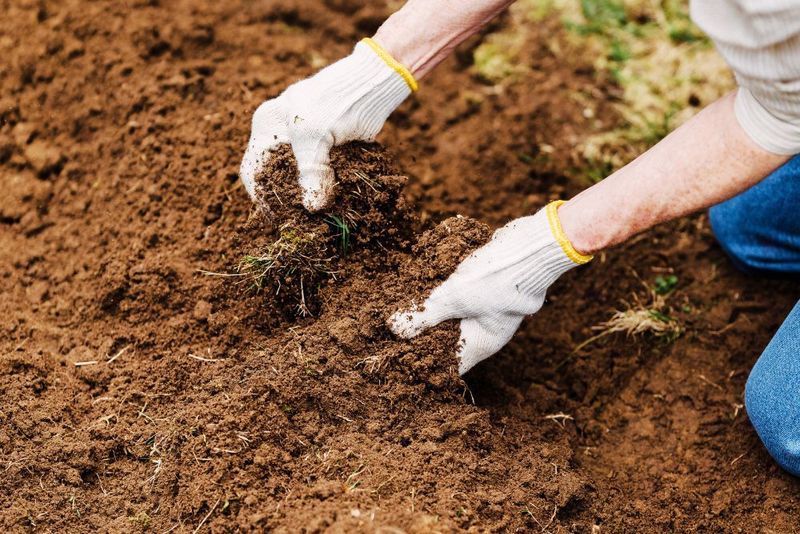
Picture this: it is late March in central Ohio, the top inch of your garden bed feels dry to the touch, and the sun is actually out for once. Every instinct says grab a shovel.
But that surface layer can fool you in a big way. Underneath that thin dry crust, the soil is often still holding a tremendous amount of water from recent rains and snowmelt.
Ohio’s spring weather is notoriously unpredictable. Rain can fall for days straight, then a brief warm spell gives the illusion that things have dried out.
What actually happens is that the surface evaporates quickly while moisture stays trapped deep in the soil profile. This is especially true in central and western Ohio, where clay-heavy soils act almost like a sponge that drains very slowly.
Freeze-thaw cycles make things even trickier. As temperatures swing above and below freezing throughout February and March, soil goes through repeated expansion and contraction.
That process leaves the ground saturated and fragile just below the surface. Many gardeners mistake a dry-looking top layer for a sign that the whole bed is ready to work.
The real issue is that this mistake is genuinely easy to make. It does not come from carelessness.
It comes from excitement and a surface-level look that gives the wrong impression. Knowing to look deeper, literally, is the first step toward protecting your soil every spring.
2. Working Wet Soil Breaks Down Its Natural Structure
Healthy soil is not just dirt. It is a living system full of tiny clumps called aggregates, which are clusters of soil particles held together by organic matter, fungal threads, and natural minerals.
These clumps create the crumbly, loose texture that gardeners love. Between them sit air pockets and channels that let water drain, oxygen move, and roots push through freely.
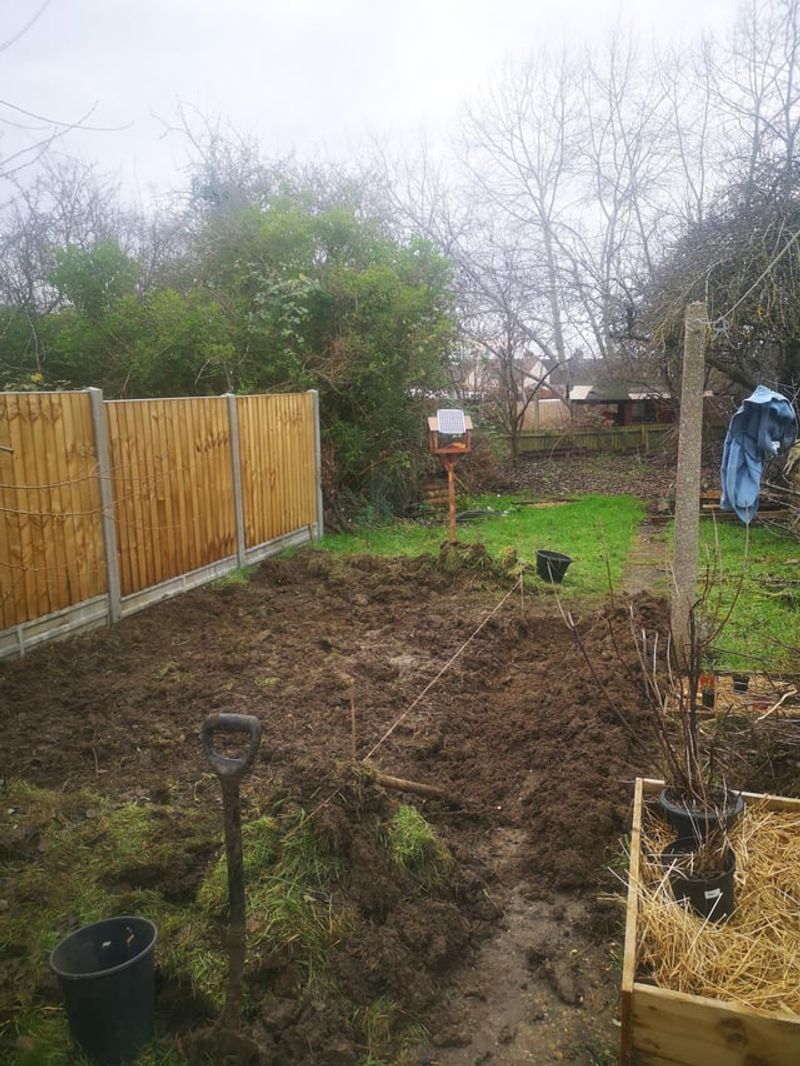
When you work soil that is too wet, those aggregates get smeared apart. A shovel or tiller does not just move wet soil around; it essentially squishes it.
Your Ohio Garden Changes Every Week. Your Plan Should Too.
Gardening in Ohio changes quickly throughout the season. Every Friday you’ll receive a simple weekly plan showing exactly what to plant, prune, fertilize, harvest, and protect so you never miss the right timing.
The particles collapse together, destroying the tiny spaces that make soil breathable and draining. What you are left with is a dense, compacted layer that behaves more like modeling clay than garden soil.
Ohio State University Extension has noted that tillage of wet soils can cause structural damage that persists throughout the entire growing season. Once those air pockets are gone, they do not come back on their own quickly.
Roots have nowhere to grow easily, water cannot move through properly, and the soil surface can harden into a crust after it dries.
The frustrating part is that the damage looks invisible at first. The soil just looks worked.
But over the next few weeks, as your plants try to establish themselves, the consequences become very clear. Protecting those natural aggregates is one of the most valuable things you can do for your garden long-term.
3. Compacted Soil Leaves Roots Struggling To Grow Properly
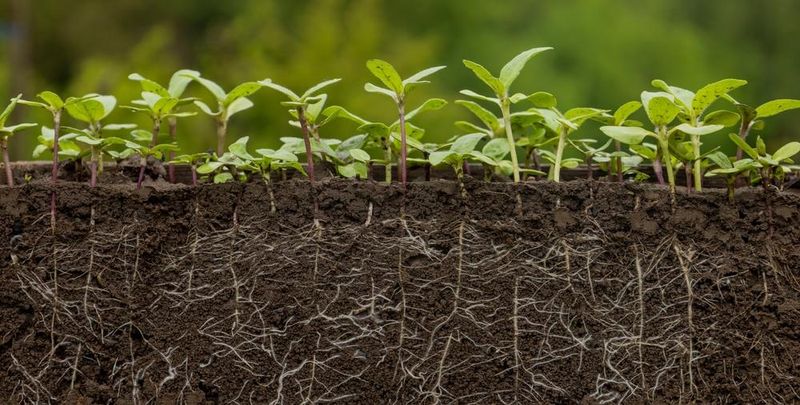
Roots need room to breathe, literally. They require oxygen to grow, and they need loose soil that they can physically push through.
When soil gets compacted from being worked while wet, it becomes so dense that roots have a genuinely hard time penetrating it. Instead of growing downward and outward to find nutrients and water, they stay shallow and weak.
Shallow roots mean a plant that cannot support itself well during dry spells. When the top few inches of soil dry out in July or August, plants with shallow root systems run out of moisture fast.
They wilt more quickly, recover more slowly, and produce less fruit or foliage than they should. Tomatoes, peppers, and sweet corn are especially sensitive to this in Ohio gardens.
Compaction also blocks water movement. Instead of soaking in, rainfall starts to run off or pool on the surface.
That means less water reaches the root zone, and what does reach it cannot move around properly. Nutrients dissolved in water get stuck too, so even a well-fertilized bed can underperform when the soil structure is compromised.
Research from university extension programs consistently links soil compaction to reduced crop yields. For home gardeners in Ohio, that can mean the difference between a productive summer garden and one that just limps along.
Avoiding compaction in the first place is far easier than trying to fix it after the fact.
4. Clay Soils In Ohio Are Especially Easy To Damage When Wet
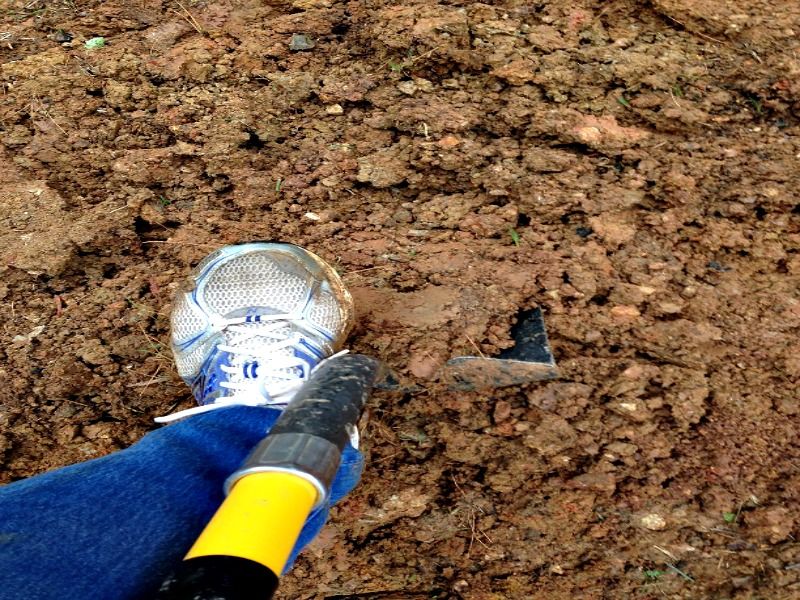
Not all soils behave the same way when they get wet, and Ohio gardeners are working with some of the most water-retentive soil in the Midwest. A large portion of central and western Ohio sits on top of glacially deposited clay soils.
These soils are naturally fine-textured, meaning their particles are tiny and pack together very tightly when moisture is present.
Clay holds water like a sponge. While sandy soils drain within hours after a rain, clay soils can stay saturated for days or even a full week.
That extended window of wetness gives Ohio gardeners a much narrower timeframe to safely work their beds. Many people do not realize that what feels like a reasonable wait after rain is often not long enough for clay-heavy ground.
When wet clay gets compressed, it becomes almost plastic in texture. You can actually mold it with your hands.
That same behavior happens underground when you walk across it or run equipment over it. The particles align and pack together so tightly that air and water movement nearly stop.
Drainage problems that result from this can last an entire season.
Clay soils do have benefits, including good nutrient retention and moisture holding during dry summers. But those advantages only work when the structure stays intact.
Protecting clay soil from compaction during wet spring conditions is one of the most Ohio-specific gardening skills you can develop, and it pays off every single year.
5. Simple Foot Traffic Can Make The Problem Worse
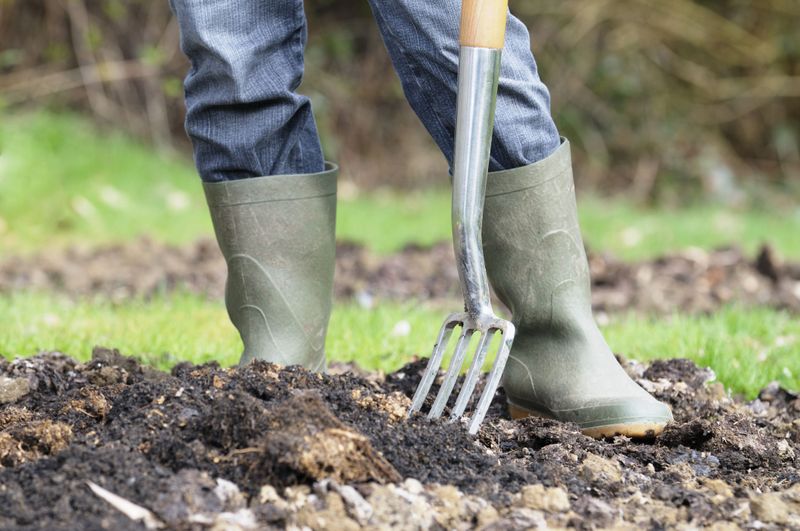
You might be thinking that as long as you skip the tiller, you are safe. But even walking across a wet garden bed causes real damage.
Every step you take compresses the soil beneath your feet, and on saturated ground, that compression goes surprisingly deep. A single pass across a wet bed can compact soil several inches down, right where roots are trying to establish.
Body weight distributed through the sole of a boot creates significant pressure on soft, wet soil. Studies from soil science programs have shown that foot traffic compaction can reduce soil pore space by a meaningful amount after just a few passes.
For Ohio gardeners with clay soils, even a short walk to check on seedlings or pull an early weed can set back that bed for weeks.
The good news is that this one is easy to prevent with a little planning. Permanent garden paths made from wood chips, straw, gravel, or stepping stones give you somewhere to walk without ever stepping on planting areas.
Placing a wide board across a bed can distribute your weight more evenly if you absolutely need to reach the center.
Raised beds with clearly defined edges make this habit much easier to keep. When your planting area has a boundary, you naturally stay off it.
Setting up your garden space so that you never need to walk on soil is one of the simplest and most effective ways to preserve structure all season long.
6. The Squeeze Test Helps You Know When Soil Is Ready
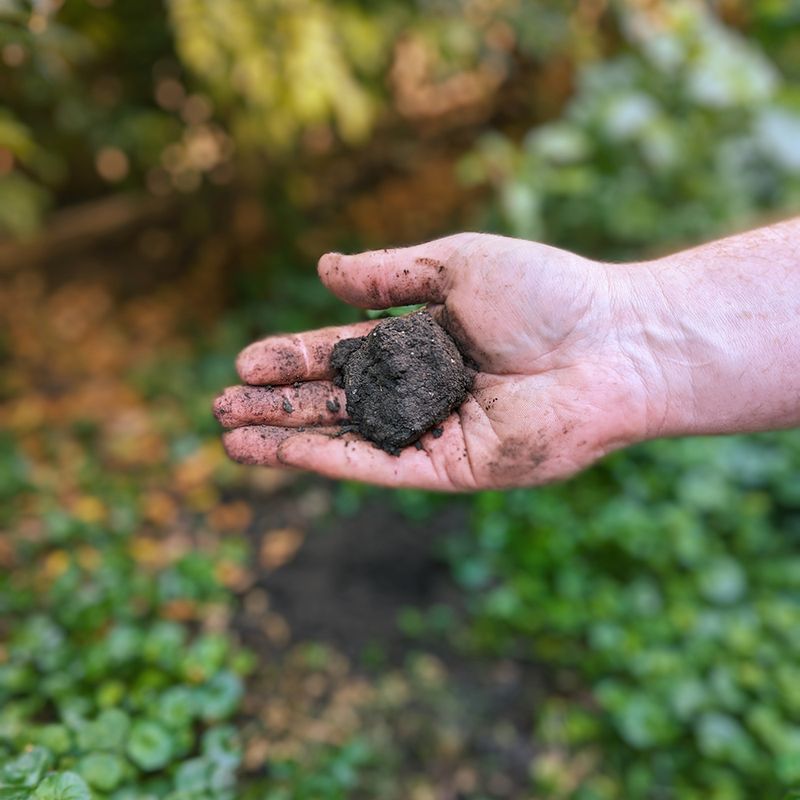
Forget guessing by looking at the surface. There is a simple, hands-on test that Ohio State University Extension and other gardening experts recommend, and it takes about ten seconds.
Reach down about three to four inches into your soil, grab a handful, and bring it up. Then squeeze it firmly in your fist for a few seconds.
Now open your hand and poke the ball of soil with one finger. If it falls apart easily and crumbles into loose pieces, congratulations: your soil is ready to work.
But if it holds together in a sticky, dense clump that barely changes shape when you poke it, the soil is still too wet. Put it down, step back, and wait a few more days before doing anything.
This test works because it mimics what happens when you dig or till. If the soil smears and sticks when you squeeze it, a shovel or tiller will do the same thing on a larger scale, smashing those aggregates and compacting the bed.
The squeeze test removes all the guesswork and gives you a clear, physical answer.
Make it a habit to test in multiple spots around your garden, especially shaded areas and low spots that tend to hold moisture longer. Raised beds with amended soil will often pass the test sooner than in-ground clay beds.
Checking before you work takes less than a minute and can save your soil structure for the entire growing season.
7. Waiting A Few Extra Days Can Prevent Long-Term Damage
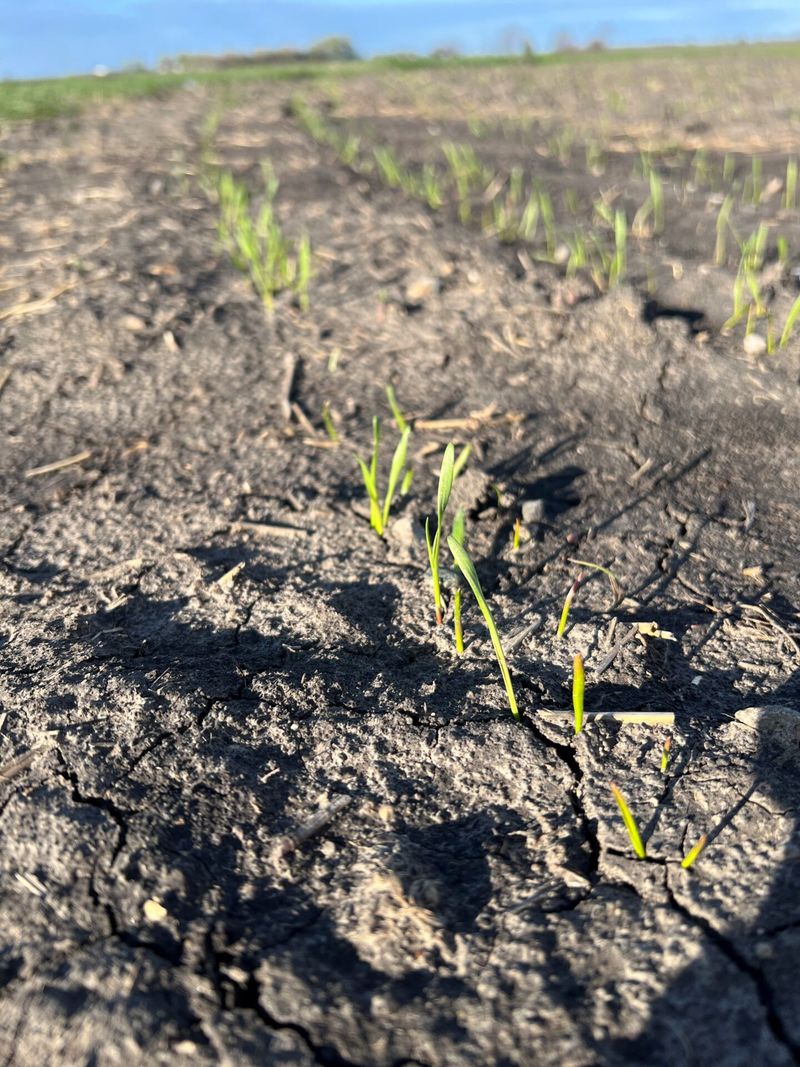
Patience is genuinely one of the hardest skills in gardening, especially after a long Ohio winter. When the first warm week of April arrives, waiting feels almost painful.
But pushing into wet soil a few days too early can create problems that follow your garden all the way through October. A few days of waiting is a small trade for a full season of healthy soil.
Think about it this way: the plants you are trying to protect by getting an early start will actually perform worse if the soil they go into is already compacted. Rushing the process does not give you a head start.
It hands you a disadvantage that you spend the rest of the season trying to overcome. Timing matters far more than speed when it comes to soil health.
A helpful approach is to use waiting days productively. Plan your planting layout, sharpen tools, start seeds indoors, or add compost to the surface of beds without digging it in.
There is always something useful to do in the garden that does not require touching wet soil.
Experienced Ohio gardeners often say that learning when not to work is just as important as knowing how to work. Soil that is given time to reach the right moisture level will reward you with better drainage, easier digging, stronger root growth, and healthier plants.
The extra days you wait in spring are an investment that pays back every week of the growing season.
8. Adding Organic Matter Helps Restore Damaged Soil Over Time
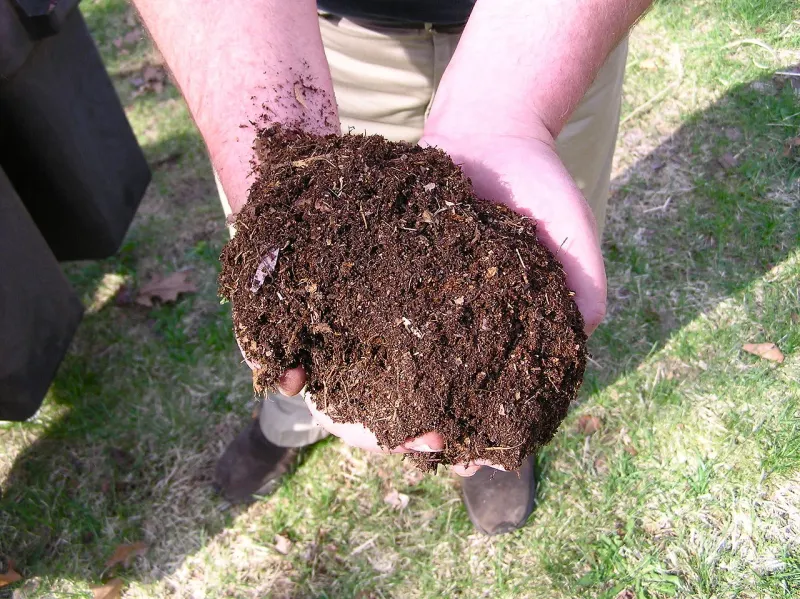
If your soil has already taken some damage from being worked too wet, all is not lost. Soil can recover, but it takes time and the right approach.
The single most effective thing you can do is add organic matter regularly, and compost is the best place to start. Finished compost improves soil structure by feeding the microorganisms and fungi that help rebuild natural aggregates over time.
Spread two to three inches of compost across your beds each season and work it in gently when conditions are dry enough. Over one to two growing seasons, you will notice the soil becoming more crumbly and easier to work.
Worm activity increases, drainage improves, and the ground starts holding moisture more evenly rather than staying soggy in some spots and bone dry in others.
Mulching is another powerful tool. A thick layer of straw, wood chips, or shredded leaves on top of your beds protects the surface from compacting during rain and helps regulate moisture levels.
Cover crops like crimson clover or winter rye planted in fall break up compaction with their roots and add organic matter when turned in the following spring.
Rebuilding damaged soil is not an overnight fix. Rushing that process or expecting instant results leads to frustration.
But with consistent additions of compost, protective mulching, and smarter spring habits, Ohio gardeners can absolutely restore their soil over time and build something that gets better every single year.