Why Native Purple Coneflower Thrives In North Carolina Heat, Drought, And Clay Soil
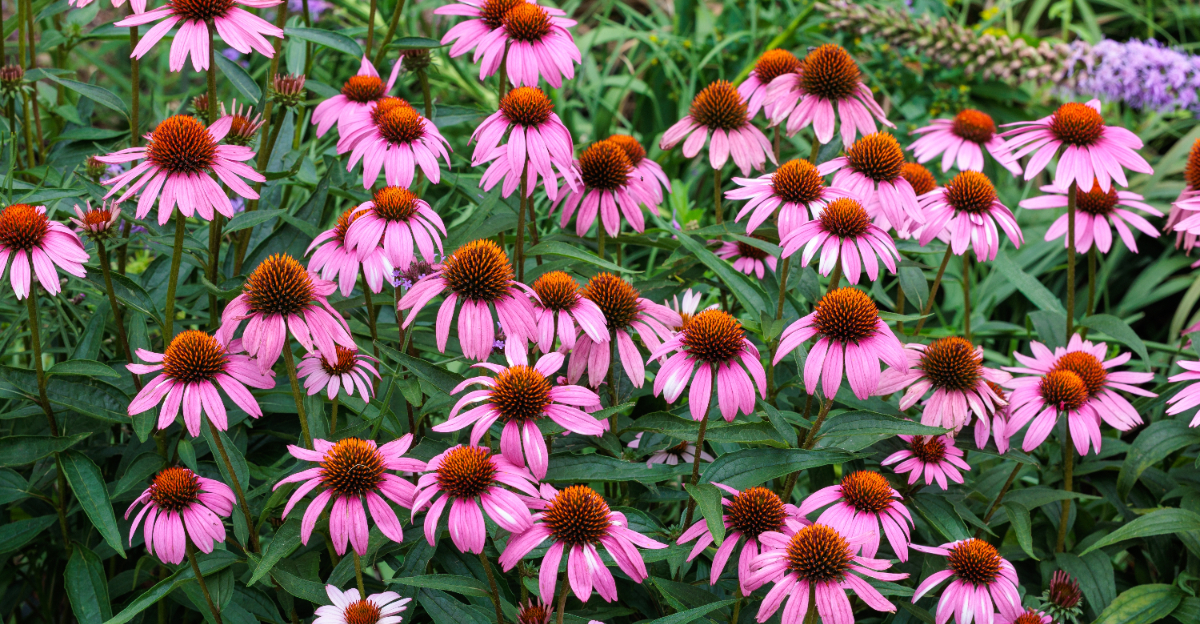
Some plants earn their place in a garden by proving themselves year after year, and Purple Coneflower is one of the best examples in North Carolina.
When summer heat settles in and many flowers begin to struggle, this tough native keeps blooming with bright purple petals and sturdy upright stems.
It brings steady color to garden beds long after other plants begin to fade. Known botanically as Echinacea purpurea, this wildflower thrives across the state.
From the sandy soils of the Coastal Plain to the heavy clay found throughout the Piedmont and into parts of the Mountain region, it adapts easily to local conditions. Once established, it handles heat, dry stretches, and changing weather with very little care.
That reliability is why so many gardeners keep planting it. Purple Coneflower delivers bold color, attracts pollinators, and returns each year stronger than before.
1. A Native Wildflower Adapted To The Region
Long before landscaped gardens existed in North Carolina, Purple Coneflower was already growing across the eastern United States, thriving naturally in meadows, open woodlands, and roadsides.
That long history in this region means the plant already knows what to expect from the local climate.
Summers here are hot and humid, winters can swing unpredictably, and rainfall is never perfectly consistent. Echinacea purpurea handles all of that without missing a beat.
Native plants carry a built-in advantage over many imported garden plants. They evolved alongside the local soils, insects, and weather patterns, so they do not need as much help getting established.
A non-native perennial might struggle through its first North Carolina summer, but Purple Coneflower settles in quickly and starts performing right away. Gardeners across the Piedmont, the Coastal Plain, and the mountain foothills have all found success growing it.
Choosing native plants like Echinacea purpurea is also a smart long-term decision for your garden. You spend less time troubleshooting problems and more time enjoying the blooms.
The plant naturally resists many of the stresses that challenge non-native species in this region, making it a reliable choice for beginners and experienced gardeners alike. Starting with a plant that belongs here just makes everything easier.
2. Thrives In North Carolina Summer Heat
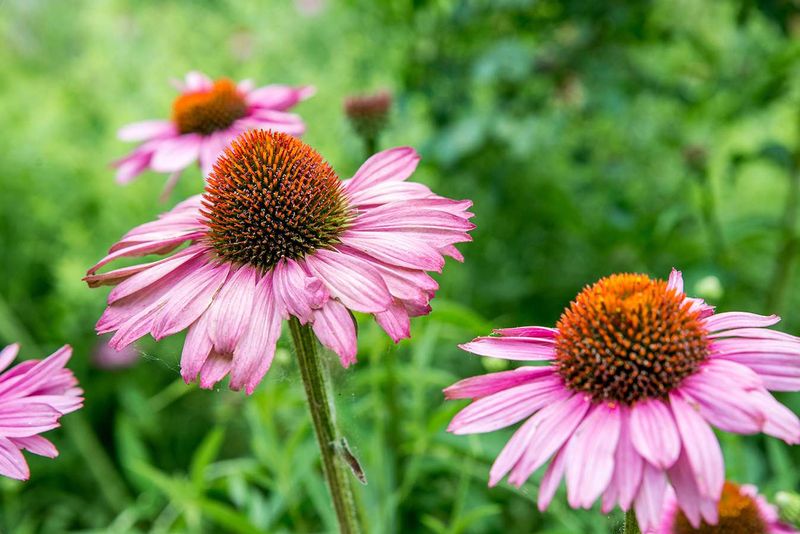
Walk through any North Carolina garden in July and you will notice that many perennials start looking tired. The heat presses down, humidity builds, and flowers that looked great in May begin to fade.
Purple Coneflower is one of the few plants that actually keeps going strong right through those tough midsummer weeks, standing tall with fresh blooms even when temperatures push past ninety degrees.
Echinacea purpurea is native to the central and eastern United States, which means it evolved in regions where summer heat is simply part of life.
The plant’s cellular structure handles high temperatures efficiently, and its coarse, slightly rough leaves lose moisture more slowly than the smooth leaves of many other perennials.
That combination helps it maintain healthy growth and consistent flowering even during extended warm stretches.
For North Carolina gardeners, this heat tolerance is a huge practical benefit. You do not need to shade the plant, mist it, or move containers indoors when a heat wave rolls through.
Your North Carolina Garden Changes Every Week. Your Plan Should Too.
Gardening in North Carolina changes quickly throughout the season. Every Friday you’ll receive a simple weekly plan showing exactly what to plant, prune, fertilize, harvest, and protect so you never miss the right timing.
Plant it in a sunny spot, give it decent soil with reasonable drainage, and watch it perform confidently all season long.
Few perennials offer that kind of reliability during the hottest months, which is exactly why Purple Coneflower has earned such a loyal following across the state.
3. Tolerates Periods Of Dry Weather
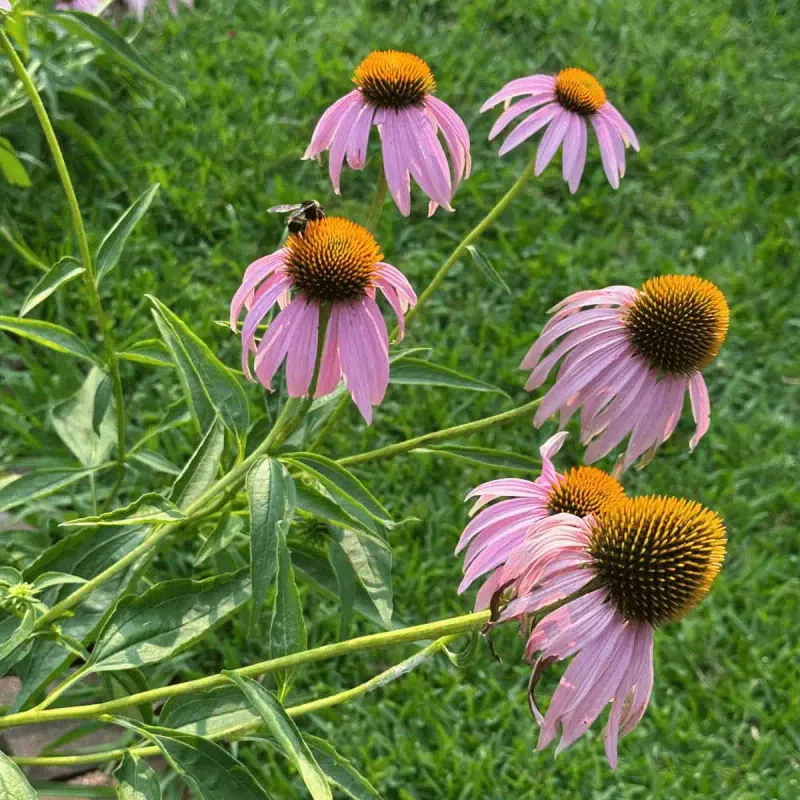
One of the most impressive things about established Echinacea purpurea is how confidently it handles stretches without rain. While shallow-rooted annuals start wilting after just a few dry days, Purple Coneflower keeps right on blooming.
The secret is underground, where the plant develops a deep, thick taproot that reaches well below the surface to pull up moisture that other plants simply cannot access.
North Carolina summers regularly include dry spells that can last a week or two, especially in the Piedmont and western regions. Many gardeners end up dragging hoses around or running sprinkler systems just to keep their beds alive during those periods.
With Purple Coneflower, that extra effort is mostly unnecessary once the plant has had a full growing season to establish itself. The first year may require some supplemental watering, but after that, the plant largely takes care of itself.
Practical tip: mulching around the base of your coneflowers with a two to three inch layer of shredded bark or wood chips helps the soil retain moisture even longer during dry periods.
This simple step extends the time between waterings and keeps the root zone cooler.
Pair that with a sunny, well-drained planting site and you have a plant that handles North Carolina’s unpredictable summer rainfall patterns without complaint. That kind of low-maintenance reliability is genuinely hard to find.
4. Handles Heavy Clay Soil Better Than Many Perennials
Clay soil has a reputation for being one of the most frustrating challenges in North Carolina gardening, especially across the Piedmont region where it is extremely common. It compacts easily, drains slowly, and can feel like concrete in dry weather.
Many popular perennials simply refuse to thrive in it, leaving gardeners searching for plants that can actually handle the reality of what is in their ground.
Purple Coneflower is one of those rare perennials that adapts to clay without needing you to completely overhaul your beds.
Its strong taproot pushes through compacted layers, and the plant tolerates the slower drainage that clay creates, as long as water does not pool around the crown for extended periods.
Good air circulation and a slightly raised planting position can help in spots where drainage is especially sluggish.
Many North Carolina gardeners report excellent results growing Echinacea purpurea directly in their native Piedmont clay with minimal soil amendment.
Adding a few inches of compost at planting time improves structure and gives roots a better start, but the plant does not demand perfect conditions the way many imported perennials do.
If your garden has heavy clay that has defeated other plants before, Purple Coneflower is genuinely worth trying. It is one of the most dependable perennials available for challenging soil situations throughout the region.
5. Long Summer Bloom Season
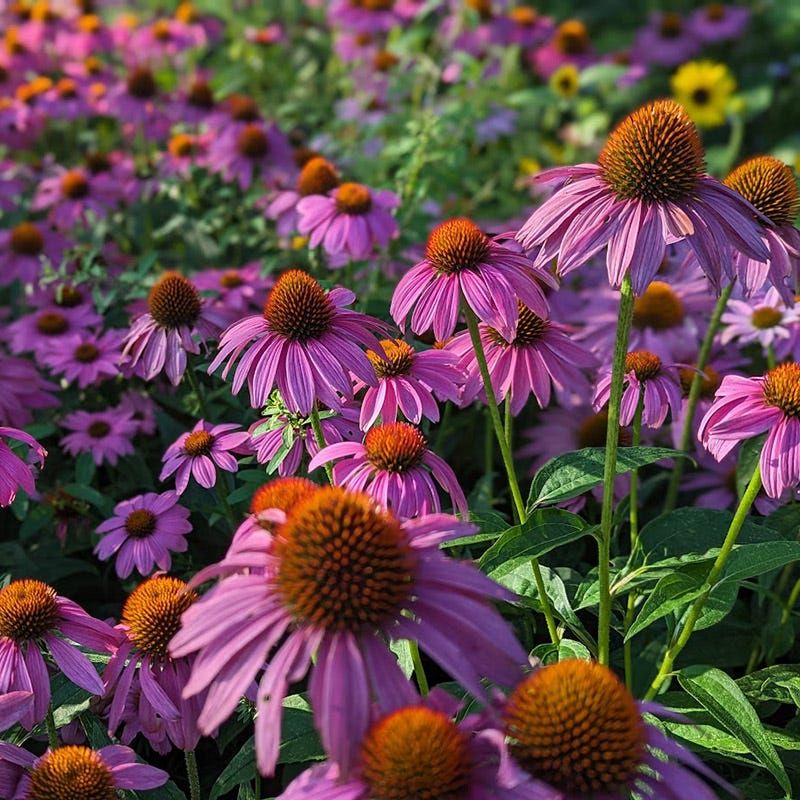
Few perennials offer a bloom season as long and rewarding as Purple Coneflower. In North Carolina gardens, flowers typically begin opening in early summer, often by late June, and continue producing fresh blooms through August and sometimes into early September.
That stretch of color is genuinely impressive compared to many popular perennials that peak for just a few short weeks before fading away.
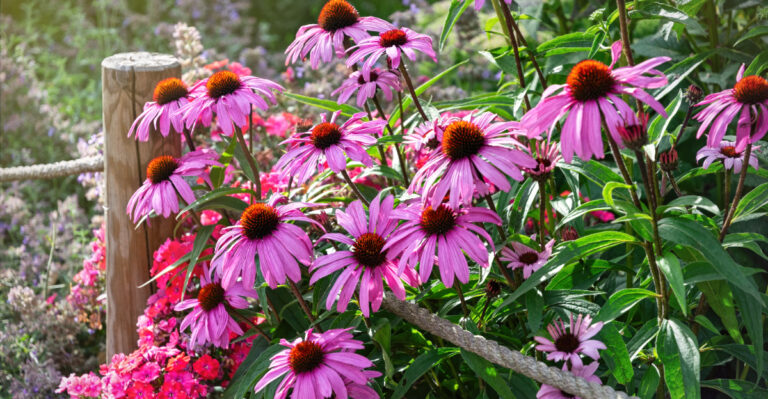
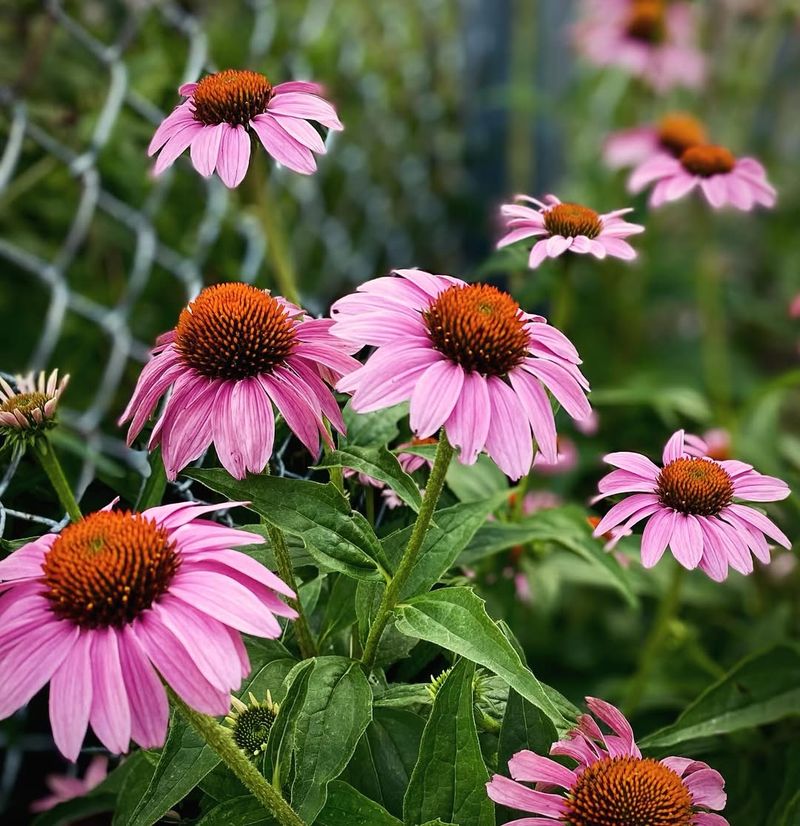
Each individual flower is easy to recognize and hard to ignore. The daisy-like blooms feature sweeping purple to pink petals that droop slightly downward from a raised, spiky orange-brown center cone.
That distinctive cone gives the plant both its common name and its scientific one, since Echinacea comes from the Greek word for hedgehog. The blooms stand on upright stems that typically reach two to four feet tall, making them visible from across the yard.
Because plants produce new flower buds continuously throughout the season rather than all at once, deadheading spent blooms can encourage even more flowers to form.
Simply snip off faded blooms just below the flower head and the plant often responds with a fresh flush of buds.
However, leaving some seed heads in place later in the season has its own benefits for wildlife. North Carolina gardeners get the best of both worlds by deadheading early blooms and then letting later ones mature fully into seed heads.
6. Attracts Bees Butterflies And Other Pollinators
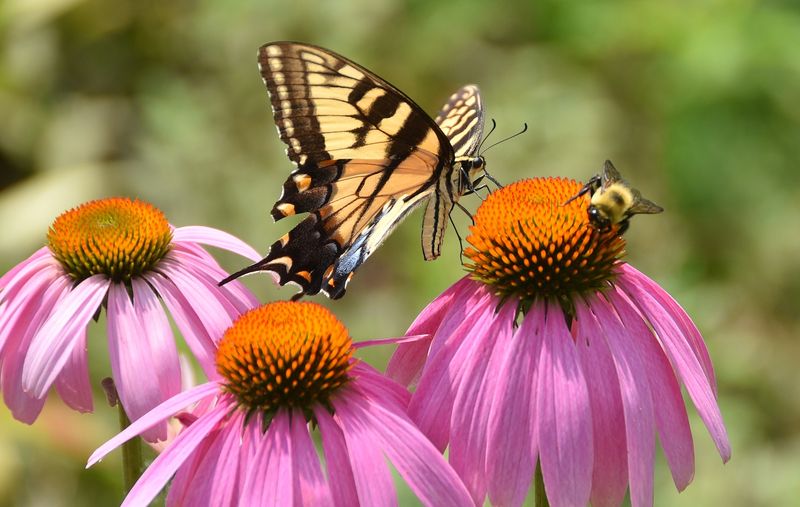
Stand near a patch of blooming Purple Coneflower on a warm North Carolina morning and the activity is almost constant. Bumblebees crawl methodically across the raised center cones, collecting pollen with impressive focus.
Swallowtail butterflies drift in to feed on nectar. Smaller native bee species work the flowers alongside them, and the whole scene feels alive in a way that a garden full of non-native ornamentals simply never does.
Echinacea purpurea produces nectar that is particularly attractive to native pollinators, which have co-evolved with this plant over thousands of years.
Research from North Carolina State University and other institutions consistently highlights native wildflowers like Purple Coneflower as high-value pollinator plants compared to many hybrid cultivars, which sometimes have reduced nectar production.
Planting the straight native species gives pollinators the most benefit. For North Carolina gardeners interested in supporting local ecosystems, Purple Coneflower is one of the most effective plants you can add to your yard.
Pollinator populations face real pressure from habitat loss across the region, and even a small planting of coneflowers can provide meaningful support during the summer months.
Combine it with other native perennials like black-eyed Susan and wild bergamot and you create a pollinator corridor that benefits your entire neighborhood. That kind of positive impact makes every bloom feel especially worthwhile.
7. Seed Heads Support Birds Later In The Season
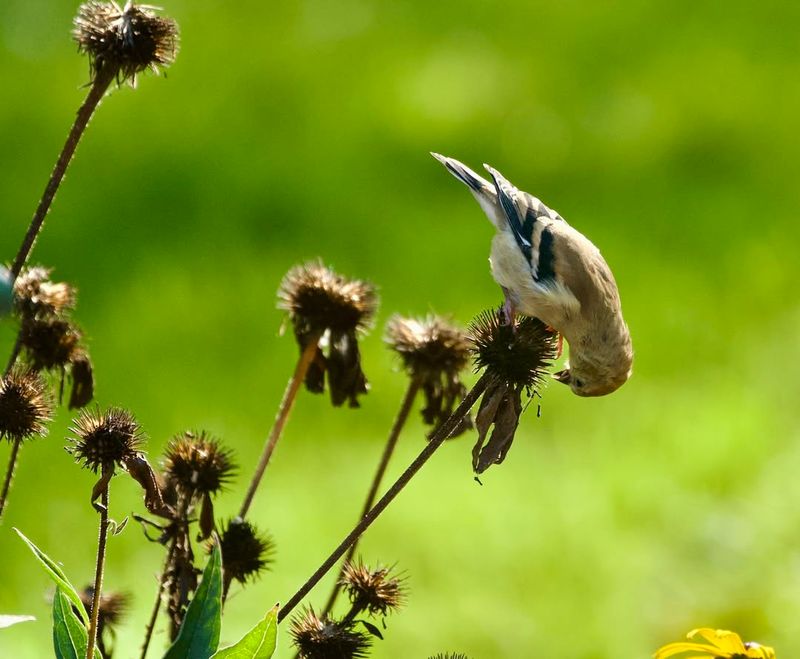
Most gardeners think of Purple Coneflower as a summer bloomer and leave it at that, but the plant’s usefulness does not stop when the petals fall. Once the flowers finish, the spiky seed heads that remain on the stems become an important food source for songbirds.
Goldfinches are perhaps the most enthusiastic visitors, and watching them cling to the brown cones and pluck out seeds is one of the most charming sights in a late-season North Carolina garden.
American Goldfinches are common across North Carolina during late summer and fall, and they actively seek out seed-bearing plants like Echinacea purpurea as they move through neighborhoods and natural areas.
Other birds, including chickadees and house finches, also visit coneflower seed heads regularly.
By simply leaving the spent stems standing rather than cutting everything back in August, you turn your garden into a natural feeding station without spending a single dollar on birdseed.
This approach also has practical gardening benefits beyond wildlife support. Dried coneflower stems add vertical structure and visual texture to the garden through the fall and winter months, which many designers call winter interest.
The stems hold up well in rain and light snow, staying upright long enough for birds to keep visiting well into the colder months.
It is one of the easiest ways to extend your garden’s value far beyond the growing season while giving North Carolina wildlife exactly what they need.
8. Plants Return Each Year As Hardy Perennials
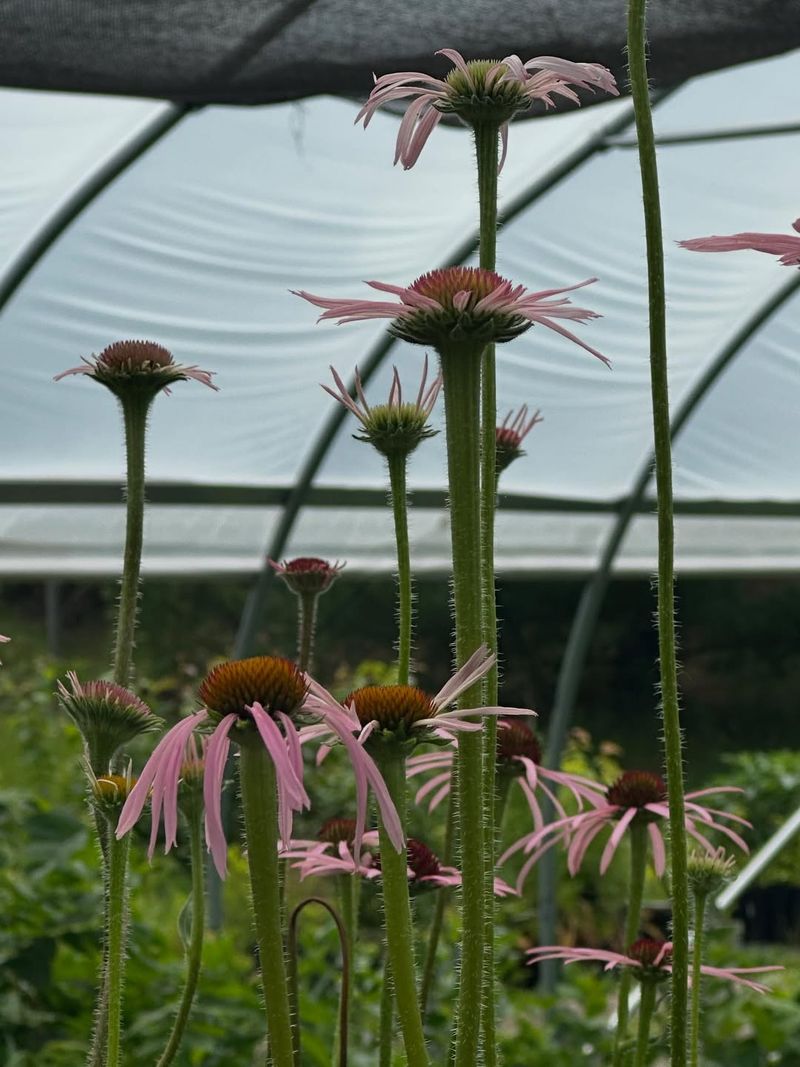
Planting Purple Coneflower once and enjoying it for years is one of the best deals in gardening. Echinacea purpurea is a hardy perennial rated for USDA Zones 3 through 8, and North Carolina falls comfortably within that range.
Whether you garden in the mountains near Asheville, the Piedmont around Charlotte or Raleigh, or the Coastal Plain closer to Wilmington, your coneflowers will return reliably each spring from their established root systems.
As each plant matures over two or three growing seasons, it gradually expands into a larger clump with more stems and more flowers. A single small transplant purchased at a local nursery can become a full, multi-stemmed specimen within a few years.
That natural clump-forming habit means your planting actually improves and fills in over time rather than shrinking, which is not something you can say about annuals that need replacing every single year.
Spring emergence in North Carolina typically happens in mid to late April, when the soil has warmed and frost risk has passed. New growth appears as a low rosette of leaves close to the ground before stems begin pushing upward toward summer.
Patience pays off in those early spring weeks because the plant is busy developing strong roots before focusing energy on flowers.
That steady, reliable return season after season is a core reason why North Carolina gardeners keep coming back to Purple Coneflower year after year.
9. Works Well In Many Garden Styles
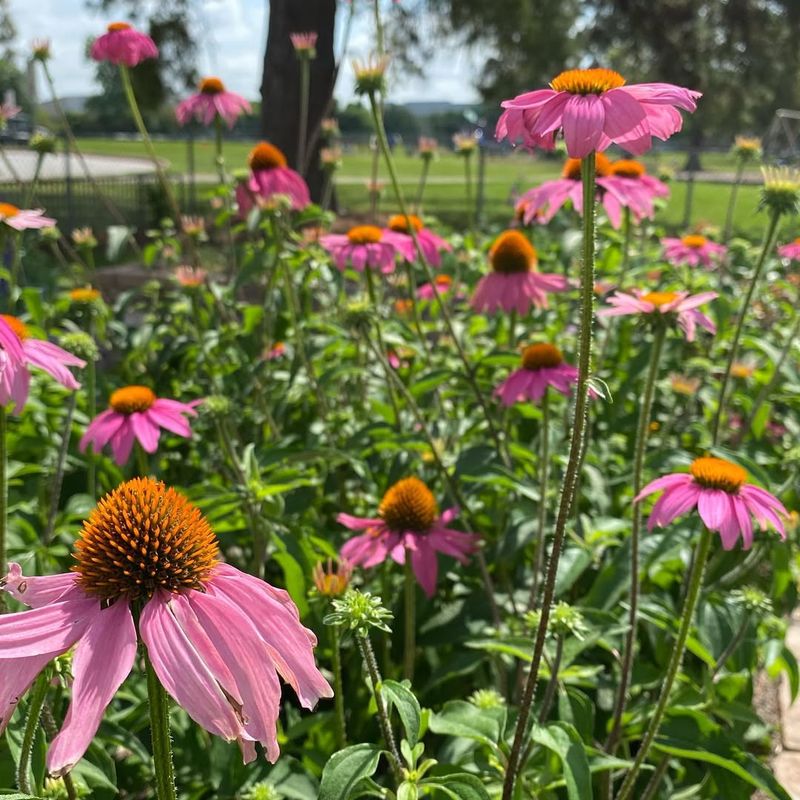
Versatility is one of Purple Coneflower’s most underrated qualities. While some perennials look great in one specific setting and awkward everywhere else, Echinacea purpurea fits naturally into a surprisingly wide range of garden styles.
Native plant gardens, pollinator beds, casual cottage gardens, and formal sunny perennial borders all benefit from its upright structure, bold color, and long season of interest across North Carolina landscapes.
The plant’s strong, straight stems typically reach two to four feet tall, which gives it a presence in the middle or back of a border without overwhelming shorter plants growing in front.
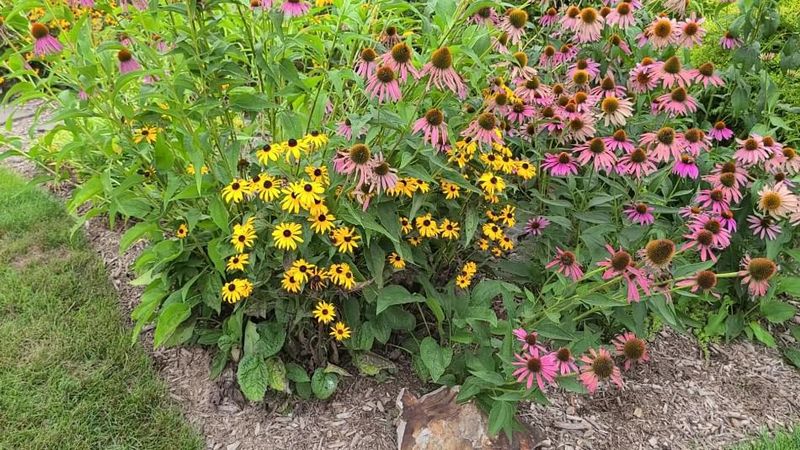
Its purple and pink blooms pair beautifully with warm-toned companions like black-eyed Susan, rudbeckia, and ornamental grasses, creating combinations that look intentional and polished even in relaxed informal plantings.
Garden designers across North Carolina regularly reach for coneflower when they need a reliable, colorful anchor plant.
Beyond aesthetics, Purple Coneflower brings genuine ecological function to any planting style.
Whether your garden leans toward a manicured look or a relaxed naturalistic feel, this plant supports pollinators, feeds birds, and builds soil health through its deep root system.
That combination of beauty and purpose is increasingly what modern North Carolina gardeners are looking for when they plan their outdoor spaces.
Adding even a small grouping of three to five plants can transform an ordinary bed into something that looks great and genuinely supports the local environment all season long.